Sound Boundaries: Reclaiming Work-Life Balance for Mental Health
Key Insights
Discover how establishing sound boundaries is crucial for mental well-being, especially for professionals. Soul Art Dubai explores the science and practice of protecting your peace.
Have you ever felt the relentless pull between professional demands and personal well-being, leaving you feeling stretched thin and perpetually exhausted? In our hyper-connected world, the lines between work and life have blurred, turning what should be a healthy integration into a draining work-life blend. This pervasive challenge significantly impacts our mental health, leading to stress, anxiety, and burnout.
Modern life often glorifies constant availability and productivity, creating a culture where stepping away from work feels almost rebellious. However, pioneering research and wellness practices are now affirming what many intuitively know: establishing clear, intentional boundaries is not just beneficial, but absolutely vital for psychological well-being. At Soul Art, Dubai's premier sound wellness studio founded by Larissa Steinbach, we understand this profound need. We explore how cultivating "sound boundaries" can offer a powerful pathway to reclaim your mental peace and foster a truly balanced existence.
This article delves into the science behind work-life balance and mental health, illustrating how sound wellness, as practiced at Soul Art, may support you in building these essential boundaries. You will learn about the psychological impact of imbalance, the neuroscientific underpinnings of sound therapy, and practical steps to integrate these insights into your daily life. Prepare to discover how intentional self-care, particularly through the resonant frequencies of sound, can create a sanctuary for your mind.
The Science Explained
The intricate connection between work-life balance and mental health is increasingly substantiated by robust scientific research. As our professional lives become more demanding, understanding this relationship is paramount for fostering well-being. The absence of healthy boundaries can lead to a cascade of negative mental and physical health outcomes, particularly in high-stress environments.
The Erosion of Work-Life Boundaries
Modern technology, particularly the smartphone, has fundamentally reshaped our relationship with work. The concept of "work-life blending" – where professional and personal lives continuously intertwine – has replaced the traditional separation, creating both opportunities and significant challenges. While flexibility, such as remote work, offers autonomy, it also contributes to what studies refer to as "high permeability" of boundaries.
This permeability means work interruptions can frequently bleed into leisure time, leading to a constant state of availability. Research indicates that this incessant digital interaction and the expectation of permanent availability can generate considerable mental stress. When there are no clear physical, temporal, or psychological boundaries, individuals may struggle to disengage, leading to chronic activation of the stress response system. Effectively handling these permeable boundaries becomes critical for positive mental health outcomes.
The Psychological Toll of Imbalance
Multiple studies underscore the severe mental health consequences of poor work-life integration. A psychological study of professional women in high-stress occupations, such as healthcare, law, and finance, found that poor work-life balance is a significant contributor to elevated levels of stress, anxiety, and emotional exhaustion. This research highlighted how structural inequities, cultural expectations, and insufficient organizational flexibility often disproportionately burden women, leading to psychological distress.
Work-life conflict emerges as a key predictor of mental health challenges. When individuals feel a constant struggle to manage professional responsibilities alongside familial and personal obligations, their psychological resources are depleted. This depletion can manifest as burnout, a state of chronic physical and emotional exhaustion. The inability to fully disconnect from work means the body and mind remain in a heightened state of alert, preventing essential rest and rejuvenation.
Further research, focusing on nurses, revealed that while work-life balance has a direct, albeit modest, positive effect on mental health, its influence becomes significantly more substantial through indirect pathways. Specifically, a healthy work-life balance positively impacts "psychological capital" (resilience, self-efficacy, hope) and "job satisfaction." These two factors, in turn, are strong predictors of improved mental health outcomes. This suggests that when individuals feel more satisfied with their jobs and possess greater psychological resources due to a balanced life, their overall mental health benefits profoundly. The study concluded that a healthy work-life balance enhances these psychological resources and job satisfaction, thereby supporting better mental health.
The Power of Boundaries for Mental Resilience
Boundaries are not simply about saying "no"; they are essential protective mechanisms that safeguard our mental and emotional energy. Today's fast-paced culture necessitates setting healthy boundaries to protect against burnout and chronic stress. Our personal boundaries are shaped by a myriad of factors, including our upbringing, personality traits, workplace culture, and relational dynamics. For instance, individuals who are naturally empathetic, highly motivated, or people-pleasers may find it particularly challenging to establish limits, which can ultimately lead to exhaustion.
The benefits of setting clear work boundaries are evident in contemporary studies. For example, research examining the phenomenon of "quiet quitting" – where workers consciously disengage from going "above and beyond" their contractual duties – found striking improvements in well-being. A significant 57% of quiet quitters reported an improved work-life balance, with this figure rising to 65% for working parents. More interestingly, 40% stated they felt more engaged at work after implementing these boundaries. This suggests that defining limits can paradoxically enhance focus and effectiveness during working hours by protecting mental space outside of them.
Boundaries allow for dedicated time and mental space for recovery, personal growth, and nurturing relationships—activities that are vital for psychological capital and overall life satisfaction. They help to prevent the "blurring of boundaries," which has been shown to be an emotionally exhausting experience that can significantly reduce happiness and contribute to unhealthy lifestyle behaviors. By clearly delineating work and non-work domains, individuals can create a structured environment that supports sustained mental health and resilience.
Sound and the Nervous System
How can sound help us establish and maintain these crucial boundaries? The answer lies in its profound impact on our nervous system. Our bodies are incredibly responsive to auditory input, with different sound frequencies influencing our physiological and psychological states. Certain soundscapes, often found in sound wellness practices, are specifically designed to guide the brain into relaxed states.
When we are stressed or constantly "on," our sympathetic nervous system—responsible for the "fight or flight" response—is often overactive. This keeps us in a state of hyper-vigilance, making it difficult to set boundaries or even perceive the need for them. Sound wellness, through specific frequencies and vibrations, may support the activation of the parasympathetic nervous system, our body's "rest and digest" mode. This shift slows heart rate, deepens breathing, and calms the mind, creating a physiological state conducive to peace and reflection.
The resonant frequencies of instruments like gongs and singing bowls produce specific brainwave states, such as alpha (relaxed, yet alert) and theta (deep relaxation, meditation). In these states, the mind becomes more receptive to introspection and self-awareness. This clarity is fundamental for recognizing when boundaries are being crossed and for developing the inner fortitude to assert them. By regularly exposing the nervous system to these calming frequencies, individuals may build a stronger foundation for emotional resilience and a clearer understanding of their own needs.
How It Works in Practice
Translating the scientific understanding of boundaries and sound into practical application involves cultivating intentional awareness and dedicating time to self-care. The practical experience of using sound to build and reinforce work-life boundaries is both profound and deeply personal. It's not merely about intellectual understanding, but about felt experience that shifts your internal landscape.
When you engage in a sound wellness session, you are actively creating a designated space and time for yourself, free from the demands and distractions of daily life. This act alone is a powerful boundary in action. As you lie or sit comfortably, enveloped by resonant frequencies and vibrations, your nervous system begins to quiet. The analytical mind, often overloaded with work-related thoughts and to-do lists, gradually takes a backseat.
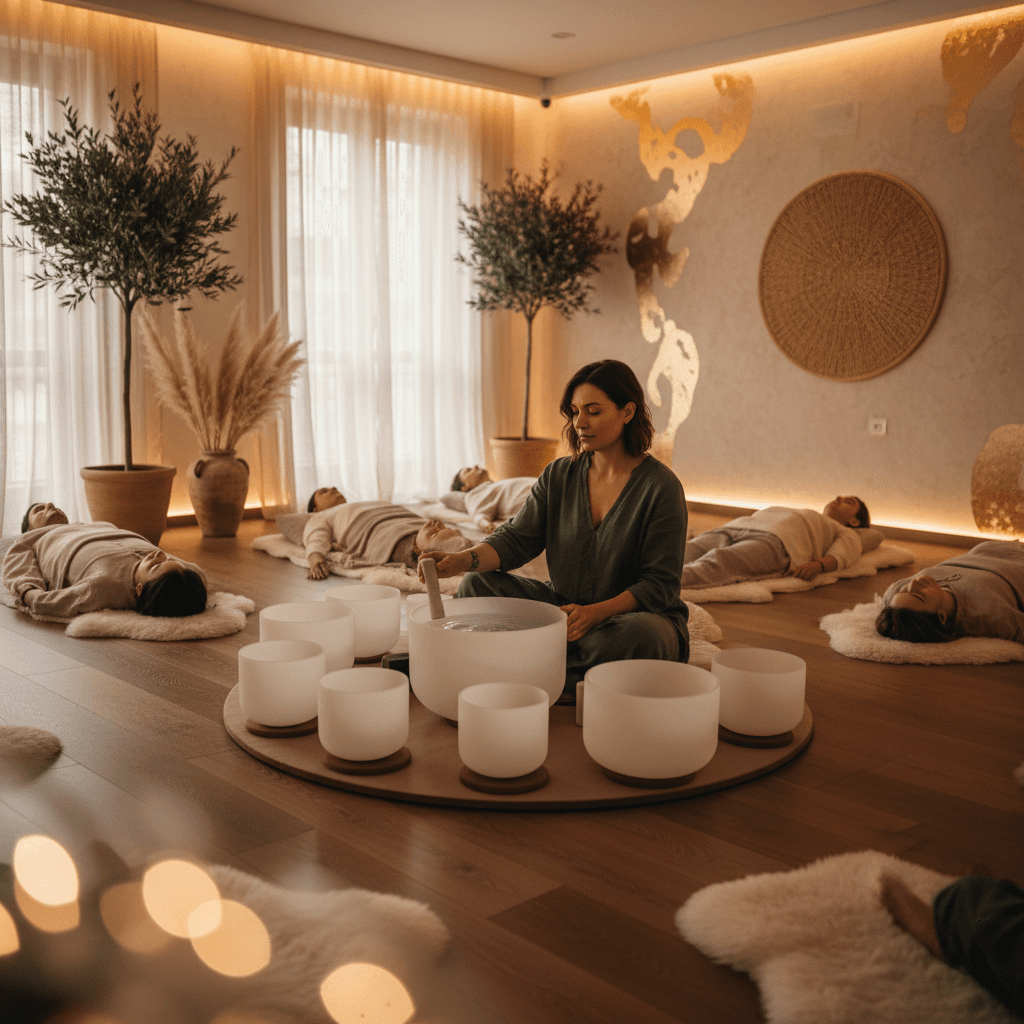
Clients at Soul Art often report a profound sense of mental spaciousness during and after sessions. The soothing tones of gongs and singing bowls can act as an auditory anchor, drawing your focus away from external stressors and into the present moment. This focused presence may support the reduction of mental clutter, allowing you to observe your thoughts and feelings without judgment. It creates a pause, a vital break from the constant mental processing that contributes to psychological exhaustion and boundary erosion.
This enhanced state of self-awareness is crucial for strengthening your "sound boundaries." It allows you to tune into your own needs, to recognize the subtle cues of stress and fatigue before they escalate into burnout. For instance, the deep relaxation experienced during a session can help you identify where you've been overextending yourself, or where external pressures have subtly compromised your internal peace. The sustained vibrations can feel like a gentle internal reset, realigning your energy and reinforcing your sense of self.
Sensory details are at the heart of this experience. Imagine the deep, rich hum of a large gong washing over you, its vibrations gently permeating your body, releasing tension. Envision the pure, sustained tones of crystal singing bowls creating an ethereal soundscape that seems to dissolve worries. This immersive experience is designed to be a sanctuary, a temporary yet impactful haven where your focus shifts entirely to your inner state. By regularly immersing yourself in these carefully crafted sound environments, you train your mind and body to enter states of deep relaxation more readily, making it easier to mentally disconnect from work and honor your personal time. This practice cultivates an internal strength that translates into a clearer ability to communicate and uphold your external boundaries.
The Soul Art Approach
At Soul Art, Larissa Steinbach has meticulously crafted a unique approach to sound wellness, specifically designed to address the challenges of modern life, including the delicate balance between work and personal well-being. The Soul Art method is built on the understanding that true well-being stems from a harmonious integration of mind, body, and spirit, supported by a strong internal framework of "sound boundaries."
Larissa Steinbach's philosophy integrates ancient wisdom about sound healing with contemporary neuroscientific principles. She emphasizes that sound is not merely heard but felt, with vibrations influencing cellular and energetic levels within the body. This holistic perspective ensures that each session at Soul Art is more than just a relaxation technique; it is an intentional practice aimed at deep restoration and boundary reinforcement.
What makes the Soul Art method unique is its focus on creating deeply immersive and personalized sound journeys. Larissa and her team utilize a curated selection of instruments, each chosen for its specific frequency range and therapeutic properties. These include:
- Gongs: Renowned for their powerful, full-spectrum vibrations that can induce profound states of relaxation and release tension.
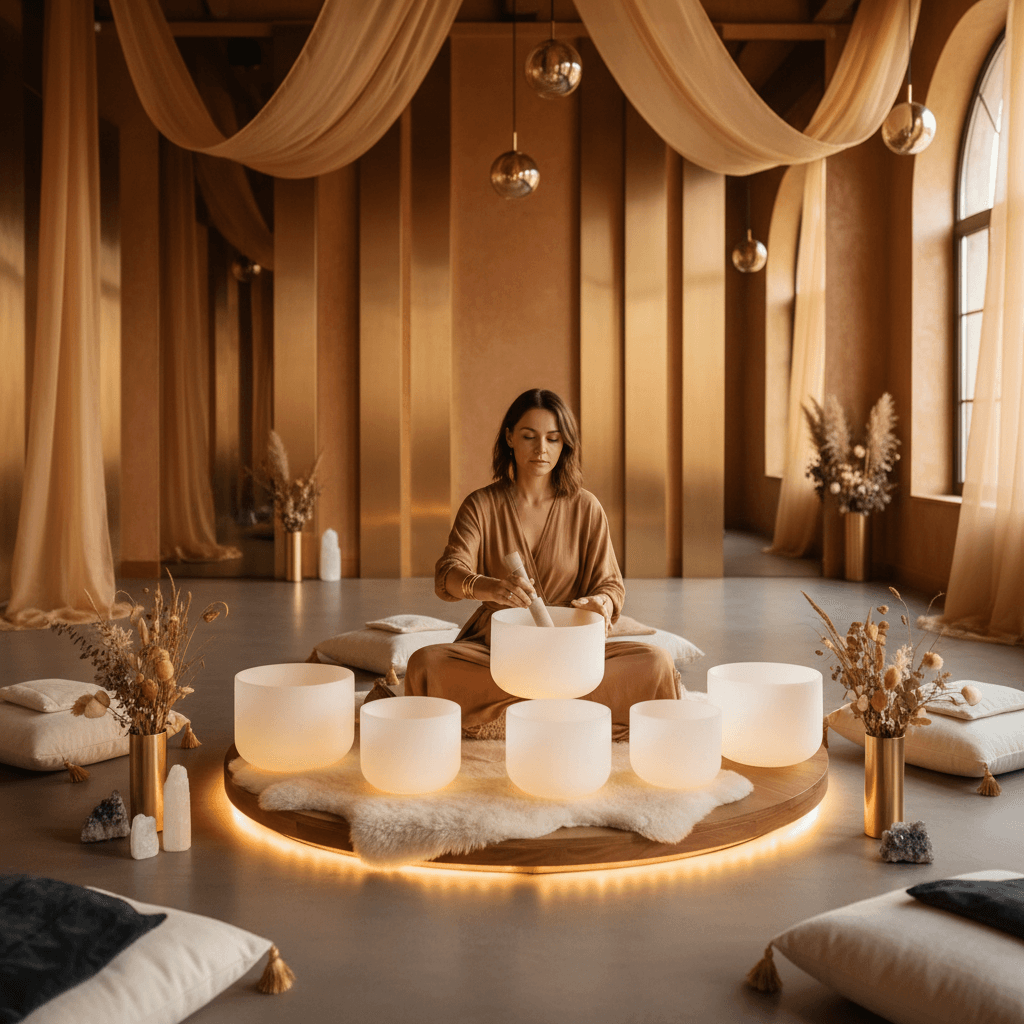
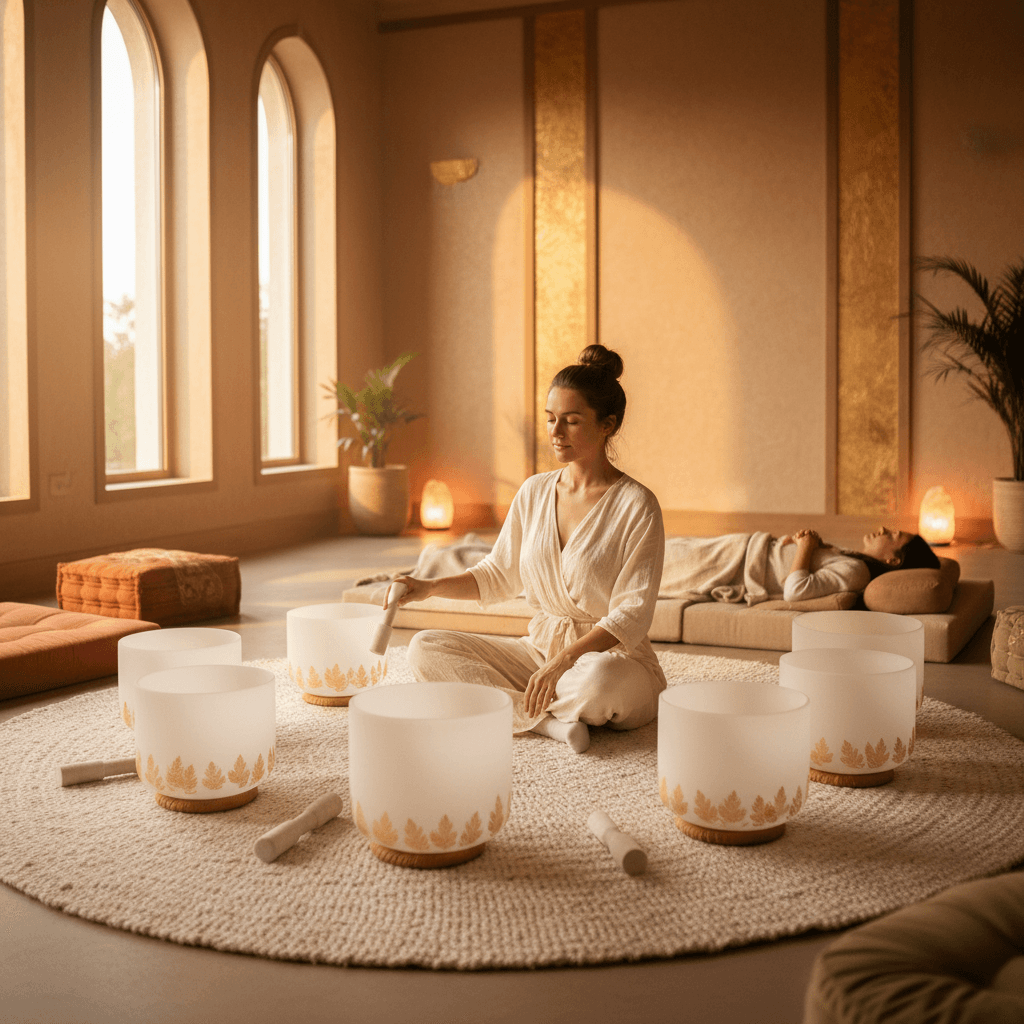
- Crystal Singing Bowls: Their pure, resonant tones are believed to balance the chakras and promote mental clarity.
- Himalayan Singing Bowls: Offering earthy, grounding sounds that can soothe the nervous system and foster a sense of security.
- Tuning Forks: Used for targeted vibrational therapy, these can help clear energetic blockages and restore balance.
Through carefully orchestrated soundscapes, Soul Art sessions guide participants into states where the mind can quiet, and the body can release accumulated stress. This deeply relaxed state is where the subconscious mind becomes more accessible, allowing for a gentle recalibration of internal priorities. By regularly experiencing these intentional sound environments, individuals may find it easier to identify their personal limits and develop the resolve to honor them.
Larissa Steinbach's expertise ensures that each session is not just a passive experience but an active journey towards self-discovery and empowerment. The goal is to help you cultivate an inner sanctuary, a place of peace and clarity that empowers you to set and maintain the "sound boundaries" essential for sustained mental health and a fulfilling work-life balance. Soul Art offers a complementary approach to personal well-being, providing tools to navigate the pressures of a busy world with greater ease and resilience.
Your Next Steps
Embracing sound boundaries for improved mental health is an ongoing journey that requires intentionality and self-compassion. Here are some actionable steps you can implement today to start cultivating a more balanced life:
- Schedule Intentional "Pause" Breaks: Integrate short, deliberate breaks throughout your day. This could be a five-minute deep breathing exercise, a mindful walk, or a short guided meditation. These intentional pauses, as highlighted in wellness research, are crucial for calming your nervous system and resetting your focus, preventing mental fatigue.
- Define and Communicate Your Boundaries: Identify specific times or situations where you will not engage with work-related tasks, such as "no work emails after 6 PM" or "weekends are for family." Clearly communicate these boundaries to colleagues, friends, and family. Remember, boundaries are a form of self-respect.
- Prioritize Foundational Healthy Routines: Never underestimate the power of regular exercise, balanced nutrition, and consistent, quality sleep. These foundational habits are scientifically proven to boost emotional resilience, enhance cognitive function, and provide the energy needed to uphold your boundaries effectively.
- Cultivate Self-Awareness Through Reflection: Regularly check in with yourself. Notice how you feel when your boundaries are challenged or crossed. Journaling, mindfulness practices, or even a few moments of quiet contemplation can help you recognize patterns of overcommitment and empower you to make different choices.
- Explore Complementary Wellness Practices: Consider incorporating sound wellness into your routine. Sessions at Soul Art Dubai provide a dedicated space for deep relaxation and mental reset, which may support your ability to maintain clearer boundaries in your daily life.
Soul Art is still in preparation. Session details and booking will be published here after launch. We invite you to explore the transformative power of sound wellness at Soul Art.
In Summary
The quest for work-life balance in today's demanding world is more critical than ever for our mental health. Scientific research clearly demonstrates that blurred boundaries lead to increased stress, anxiety, and burnout, impacting our psychological capital and overall well-being. Establishing and maintaining "sound boundaries" is not a luxury, but a fundamental act of self-preservation that fosters mental resilience and job satisfaction.
Sound wellness practices, like those offered by Larissa Steinbach at Soul Art, provide a powerful, complementary approach to support this journey. By guiding your nervous system into states of deep relaxation and enhancing self-awareness, sound can help you cultivate the inner strength needed to define and uphold these essential limits. Reclaiming your peace means intentionally protecting your time, energy, and mental space. We encourage you to experience the profound benefits of sound wellness and build a life that resonates with balance and harmony.
Bookings Coming Soon
Soul Art is still in preparation. Session details and booking will be published here after launch.
Coming Soon
Wellness Disclaimer: This article is for educational and informational purposes only. It does not constitute medical advice, diagnosis, or treatment. Soul Art Dubai provides non-medical wellness experiences focused on relaxation, stress management, and general wellbeing. Sound wellness is a complementary practice and should not replace professional medical care.