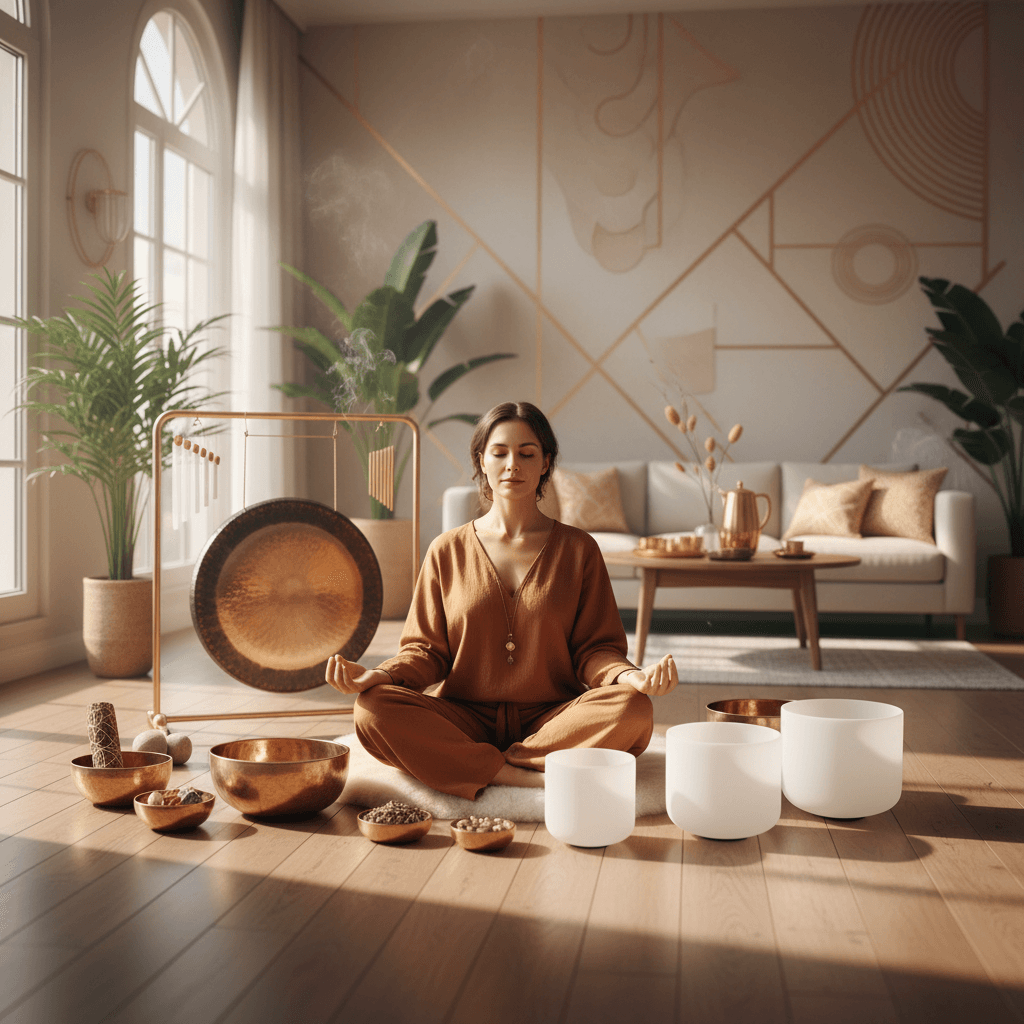
Sound Therapy for BPD: Embracing Emotional Balance
Key Insights
Explore how sound therapy offers a complementary path to managing emotional intensity for individuals with Borderline Personality Disorder at Soul Art Dubai.
BPD: Sound Therapy for Emotional Intensity
Imagine navigating a world where emotions don't just fluctuate but surge with overwhelming force, where happiness feels muted, and anger can ignite without warning. For individuals experiencing Borderline Personality Disorder (BPD), this intense emotional landscape is a daily reality, marked by rapid mood shifts, deep emotional pain, and an often-debilitating struggle with self-regulation. While evidence-based therapies like Dialectical Behavioural Therapy (DBT) and Mentalization Based Therapy (MBT) offer crucial frameworks for managing BPD, many seek complementary pathways to support their journey towards emotional equilibrium.
This article delves into the profound potential of sound wellness practices as a supportive tool for individuals with BPD. We will explore the scientific underpinnings of BPD's emotional challenges and illuminate how the integrative power of sound may offer a unique avenue for fostering a calmer nervous system and enhancing emotional resilience. Join us as we uncover how carefully curated sound experiences, such as those offered by Larissa Steinbach at Soul Art Dubai, may provide a gentle yet powerful resource in navigating the complexities of emotional intensity. Understanding these connections can unlock new possibilities for holistic well-being and a more balanced life.
The Science Explained
Understanding BPD's Emotional Landscape
Borderline Personality Disorder is profoundly characterized by intense emotional experiences, a concept described by Linehan (1993) as extreme emotional intensity. Individuals with BPD often report rapid mood shifts, profound emotional pain, and episodes of explosive anger, which can lead to significant distress and relational challenges. Research indicates a heightened sensitivity to emotional cues, yet paradoxically, studies have shown that individuals with BPD may rate the intensity of positive expressions, such as happiness, as lower compared to control participants. This reduced perception of happiness has been associated with present state anger, further complicating emotional processing.
Furthermore, individuals with BPD frequently report lower confidence in their emotional judgments, particularly concerning positive expressions. This lack of confidence has been linked to increased feelings of loneliness and social rejection. The challenges extend to emotion regulation strategies; meta-analyses reveal that BPD symptomatology is associated with less frequent use of adaptive strategies like cognitive reappraisal and problem-solving. Instead, there's a more frequent reliance on maladaptive approaches, including suppression, rumination, and avoidance, which can exacerbate emotional turmoil.
The emotional dysregulation observed in BPD is not merely psychological but also has physiological correlates. Traumatic experiences in childhood, often a precursor to BPD, are linked to adverse mental and physical health outcomes. This includes an increased risk of conditions like Cardiometabolic Syndrome, which can be influenced by impulsive lifestyle choices. The nervous system plays a critical role in mediating these responses, making approaches that support nervous system regulation particularly relevant.
How Sound Interacts with the Nervous System
Sound therapy has garnered significant attention for its integrative impact on psycho-emotional and physiological outcomes, making it a promising complementary approach for stress-related conditions. The principles behind sound's efficacy lie in its ability to influence the deeper, older parts of the brain responsible for emotional processing. Specific sound interventions, encompassing music, natural sounds, and even the acoustics of speech, can profoundly affect our internal states.
At the core of this interaction is the vagus nerve, often referred to as the body's pacemaker, which connects the brain to various organs, including the heart. A calm state in the nervous system, achievable through specific sound frequencies, can support the production and strengthening of the protective fatty tissue around the vagus nerve, indicating enhanced vagal tone. This, in turn, may contribute to a more stable physiological environment, reducing respiration and heart rate.
One of the key mechanisms through which sound influences our physiology is entrainment. This describes the process where autonomous oscillating systems within the human body—such as cardiac and respiratory functions—synchronize to external rhythms, like music. When exposed to music with a steady beat per minute (BPM) between 60-80, which aligns with the average healthy resting heart rate for an adult, a state of relaxation can be gently induced. This synchronization helps to bring the body’s systems into a more coherent and calm rhythm, fostering a sense of inner peace.
"The subtle power of sound extends beyond mere auditory perception; it resonates deeply within our biological systems, offering a non-invasive pathway to recalibrate our internal rhythms and potentially soothe the emotional surges that can feel so overwhelming."
The scientific exploration of sound therapy, while sometimes subject to various biases and speculations, is increasingly supported by rigorous scientific information from controlled trials and laboratory experiments. This body of evidence suggests that carefully constructed sound environments may offer a powerful tool for stress management, emotional regulation, and enhancing overall well-being. By engaging the nervous system in a gentle, rhythmic manner, sound practices may provide a much-needed anchor for individuals navigating intense emotional experiences.
How It Works in Practice
Connecting the scientific understanding of BPD's emotional challenges with the therapeutic potential of sound reveals a pathway for practical application. Sound wellness sessions offer a unique, non-verbal approach that can be particularly beneficial for those who find traditional talk therapies overwhelming or difficult to access in moments of intense emotional dysregulation. These sessions create an immersive environment where the body and mind can respond to subtle vibrations and frequencies.
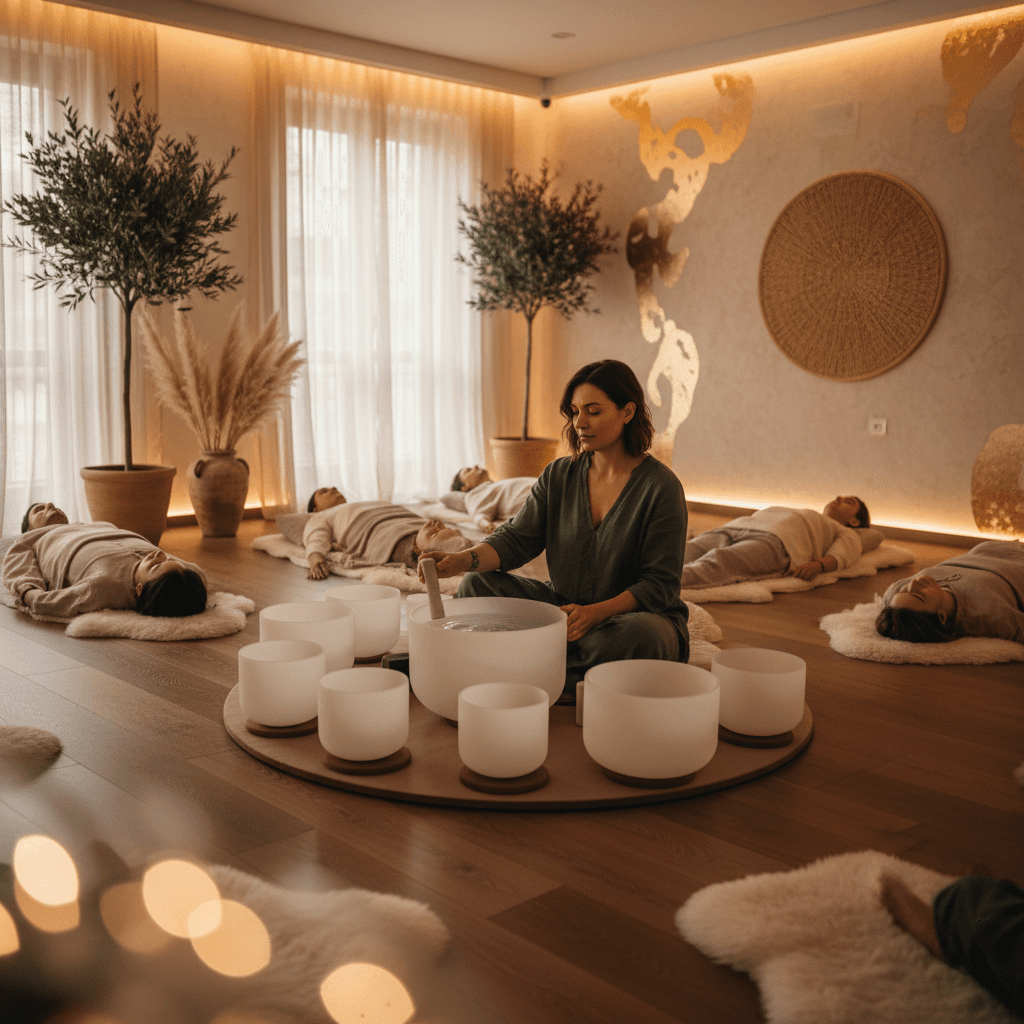
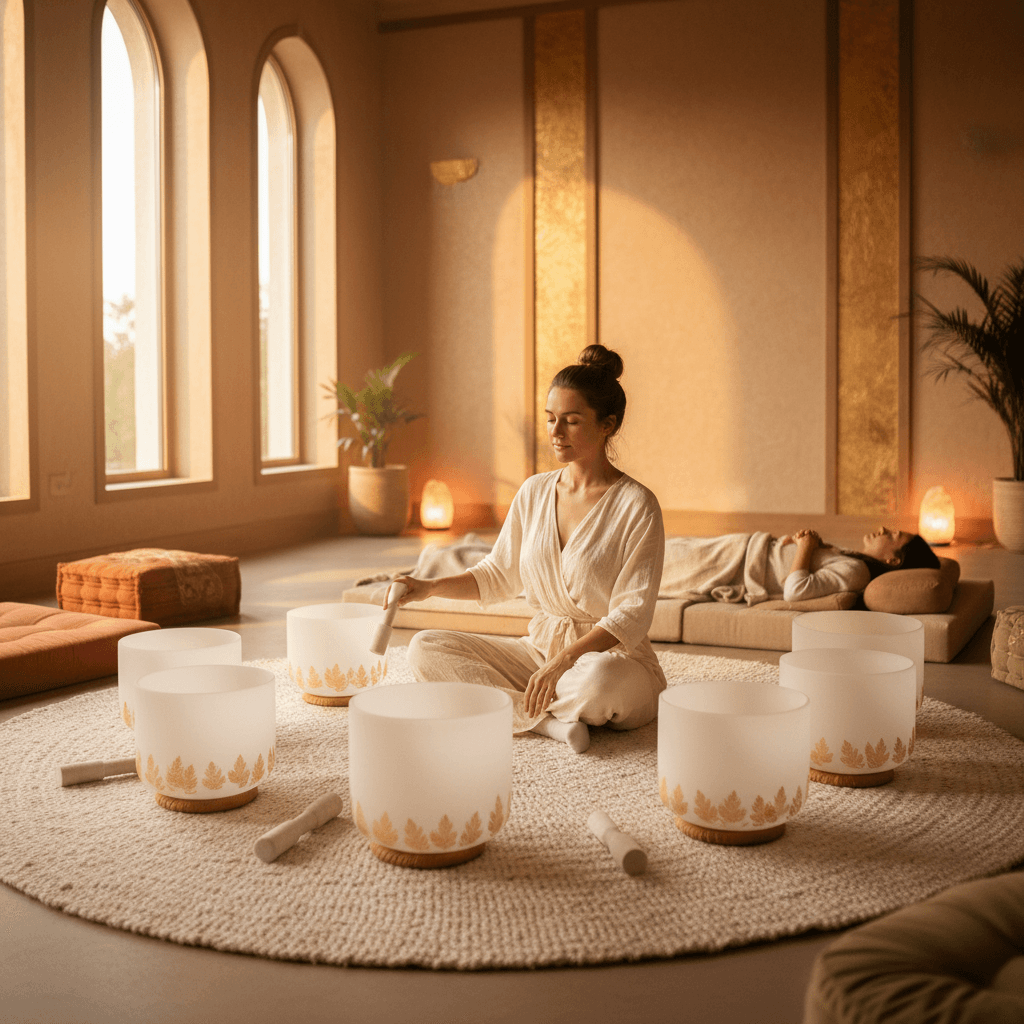
Clients often describe feeling a deep sense of resonance as the sound waves permeate their being. The experience typically involves lying comfortably while various instruments are played, creating a rich tapestry of sound and vibration. This sensory immersion can gently guide the mind away from ruminative thought patterns and intense emotional spirals, redirecting focus to the present moment and the immediate physical sensations. The vibrational quality of instruments like singing bowls and gongs is not just heard but also felt throughout the body.
This somatic engagement is crucial for emotional regulation. By promoting a shift towards the parasympathetic nervous system, sound can help to quiet the fight-or-flight response, which is often hyperactive in individuals experiencing heightened emotional intensity. The rhythmic sounds may encourage the vagus nerve to become more active, facilitating a state of calm and allowing for a greater capacity for self-soothing. This can manifest as a reduced heart rate, slower breathing, and a general sensation of relaxation.
Many people report that sound wellness provides a safe and non-judgmental space for emotions to simply be, without the pressure to analyze or articulate them verbally. This can be profoundly liberating for someone grappling with the complexities of BPD. The experience may enhance emotional resilience by strengthening the internal resources needed to navigate distress. Over time, these practices may contribute to an improved ability to differentiate emotional states and respond to them with greater equanimity. Ultimately, sound wellness offers a tangible, embodied experience that may foster emotional balance and a deeper connection to one's inner self.
The Soul Art Approach
At Soul Art, Dubai's premier sound wellness studio, Larissa Steinbach brings a deeply empathetic and scientifically informed approach to sound experiences. Her methodology is rooted in the understanding that intentional sound can serve as a powerful catalyst for nervous system regulation and emotional harmony. Larissa Steinbach designs each session to be a sanctuary, a place where individuals can safely explore the nuances of their inner world through the transformative power of sound.
The Soul Art method is distinctive in its curated blend of ancient wisdom and modern scientific insight. Larissa meticulously selects and plays a range of resonant instruments, each chosen for its unique vibrational quality and its potential to induce specific physiological and psychological states. These include large Himalayan singing bowls, which create rich, sustained tones and deep vibrations that can be felt throughout the body, fostering a sense of grounding. Gongs are utilized for their expansive, transformative soundscapes, which can encourage the release of tension and facilitate profound relaxation.
Beyond these traditional instruments, Soul Art also incorporates specialized tuning forks and other resonant tools. These are applied with precision to specific points on or around the body, aiming to create subtle energetic shifts and further encourage nervous system balance. The objective is to gently guide the body's autonomous oscillating systems towards a state of coherence and calm, mirroring the concept of entrainment.
Larissa Steinbach’s expertise lies not just in her mastery of these instruments but in her ability to intuitively craft a sound journey tailored to the needs of her clients. She understands that while BPD is associated with heightened emotional sensitivity, each individual’s experience is unique. Therefore, the frequencies and rhythms are mindfully chosen to support emotional release, promote self-awareness, and enhance the capacity for self-soothing. The focus is always on creating a safe, nurturing, and deeply immersive environment where profound relaxation and emotional rebalancing may occur. Soul Art offers a complementary approach to well-being, inviting clients to experience a unique path to inner peace and emotional resilience.
Your Next Steps
Embracing complementary wellness practices, such as sound therapy, can be a vital component of a holistic self-care strategy, particularly when navigating intense emotional experiences. Integrating these practices into your daily life may support greater emotional balance and overall well-being. Here are some actionable steps you can consider today:
- Cultivate Self-Awareness: Begin to observe your emotional patterns without judgment. Noticing triggers and the intensity of your emotions is the first step towards managing them more effectively. Journaling or simply pausing to check in with yourself can be very helpful.
- Incorporate Mindful Breathing: Simple breathing exercises can profoundly impact your nervous system. Practice diaphragmatic breathing (belly breathing) for a few minutes daily to activate the parasympathetic response, which may help to calm your body and mind.
- Explore Calming Soundscapes: Experiment with listening to gentle, calming music, nature sounds, or ambient soundscapes. Pay attention to how different sounds make you feel. Look for tracks with a BPM between 60-80 to encourage relaxation.
- Prioritize Self-Care Rituals: Establish consistent routines that nourish your mind and body. This could include gentle movement, spending time in nature, or engaging in creative expression. Consistent self-care is foundational for emotional stability.
- Consider Professional Sound Wellness: If you're seeking a structured and expertly guided experience, exploring a sound wellness session can be incredibly beneficial. A session with a qualified practitioner like Larissa Steinbach at Soul Art can offer a deeply immersive environment designed to support emotional regulation and deep relaxation.
Taking these steps can empower you to actively participate in your emotional well-being journey. Sound wellness offers a gentle, non-invasive avenue to explore greater calm and resilience.
In Summary
Living with the intense emotional landscape of Borderline Personality Disorder presents significant challenges, from rapid mood shifts to difficulties in regulating emotions. While established therapies provide foundational support, complementary wellness practices are gaining recognition for their potential to enhance emotional balance. Sound therapy, with its profound influence on the nervous system, offers a unique and gentle approach.
The science suggests that specific frequencies and vibrations can promote a calmer physiological state by engaging the vagus nerve and facilitating rhythmic entrainment. This may foster self-soothing capacities and contribute to greater emotional resilience. Larissa Steinbach at Soul Art integrates this scientific understanding into deeply immersive experiences, utilizing instruments like Himalayan singing bowls and gongs to create a sanctuary for emotional rebalancing. These sessions are designed to support individuals in navigating their emotional intensity and cultivating a profound sense of inner harmony. Exploring sound wellness may open a new path towards holistic well-being and a more regulated emotional life.
Bookings Coming Soon
Soul Art is still in preparation. Session details and booking will be published here after launch.
Coming Soon
Wellness Disclaimer: This article is for educational and informational purposes only. It does not constitute medical advice, diagnosis, or treatment. Soul Art Dubai provides non-medical wellness experiences focused on relaxation, stress management, and general wellbeing. Sound wellness is a complementary practice and should not replace professional medical care.
Related Articles
Rediscover Your Body: Sound Wellness for Eating Disorder Recovery
Phobias: Gentle Sound Desensitization Approaches for Calm
Sound for Bipolar: Stabilizing Mood with Vibrational Wellness