Rediscover Your Body: Sound Wellness for Eating Disorder Recovery
Key Insights
Explore how sound wellness, offered by Larissa Steinbach at Soul Art Dubai, supports body connection and reduces anxiety in eating disorder recovery.
Have you ever considered that the gentle resonance of a singing bowl or the rhythmic beat of a drum could hold keys to deeper healing, especially for something as complex as eating disorder recovery? While traditional therapies often focus on cognitive and behavioral shifts, a crucial element sometimes overlooked is the profound disconnect many individuals experience with their own bodies. This disconnect can make lasting recovery incredibly challenging.
At Soul Art, Dubai’s premier sound wellness studio founded by Larissa Steinbach, we explore how sound can offer a unique pathway back to embodied presence. This article delves into the scientifically-grounded ways that sound wellness practices may support individuals in rebuilding a compassionate relationship with their bodies, fostering emotional expression, and managing the pervasive anxiety that often accompanies eating disorder journeys. We will explore how these ancient practices, now supported by modern research, can be a valuable complementary approach to holistic well-being.
Understanding how sound can facilitate a sense of self and promote body connection is not just intriguing; it is vital for comprehensive recovery. We aim to shed light on this powerful, yet often underestimated, avenue for well-being.
The Science Explained: How Sound Reconnects Body and Mind
The intricate relationship between our auditory system and our emotional and physiological states is a fascinating area of scientific inquiry. Sound is not merely something we hear; it is something we feel, a vibration that permeates our very being. This fundamental interaction forms the basis for how sound wellness may support profound shifts in individuals navigating eating disorder recovery. Research suggests that engaging with specific sound frequencies can influence brain activity, emotional regulation, and even our perception of the body.
Vibrations and Brain Chemistry
One of the most compelling aspects of sound wellness lies in its potential to influence brain chemistry. Studies have indicated that certain types of sounds, such as those produced by Himalayan singing bowls, may activate the same areas of the brain that are typically associated with pleasure and reward. These brain regions are also triggered by experiences like consuming enjoyable food or engaging in physical intimacy, leading to a natural and safe "high" for those who experience it. This suggests that sound-induced pleasure could offer a supportive alternative for individuals seeking to manage cravings or find healthy sources of internal reward.
Furthermore, sound has a remarkable ability to alter our brainwave frequencies. Through curated sound experiences, individuals may enter altered states of consciousness (ASC) that are comparable to very deep meditation or profound relaxation. These states are characterized by increased alpha and theta brainwave activity, which are conducive to various therapeutic processes, including introspection, emotional processing, and stress reduction. This deep relaxation can create a fertile ground for internal healing and self-discovery, helping to calm an overactive nervous system.
Sound as an Anxiety Reducer
Anxiety is a pervasive challenge for many individuals in eating disorder recovery, particularly around meal times. A pioneering study focused on adults with anorexia nervosa explored the impact of group music therapy sessions after meals. The statistically significant results from this research indicated that participation in music therapy notably decreased post-meal related anxiety compared to standard treatment. This highlights the immediate, practical benefits of integrating sound and music into recovery protocols.
The calming effects of specific frequencies and carefully chosen musical interventions can act as a "circuit breaker" for escalating anxiety. By providing an anchor in the present moment, sound experiences may help to shift focus away from distressing thoughts and bodily sensations, offering a much-needed respite. This ability to regulate acute stress responses is crucial for establishing healthier coping mechanisms and fostering a sense of safety within one's own body.
Fostering Body Connection and Emotional Expression
Beyond reducing anxiety, sound wellness practices are strongly associated with enhancing body connection and facilitating emotional expression. Many people living with eating disorders report a profound disconnection from their physical selves, often perceiving their bodies as separate or even an adversary. Sound, especially vibro-acoustic stimulation, may help bridge this gap. Qualitative research on vibro-acoustic stimulation with instruments like the Body Monochord revealed that participants experienced a "differentiated perception," "focused attention," and the "emergence of body-related feelings."
This re-sensitization to internal bodily cues, independent of body shape or weight, is a vital step toward recovery. Participants in these studies also reported the "emergence of emotions," "thoughts," and "inner images," alongside feelings of relaxation and "new bodily experiences." Sound can create a supportive, non-judgmental space where individuals feel free to explore and express their inner landscape. This allows for a solidification of personal identity and helps individuals feel more alive and connected to their own bodies, fostering a sense of freedom to feel on their own terms. This increased body compassion has been linked to positive body image outcomes, including increased body image flexibility and positive emotional states.
How It Works in Practice: An Immersive Journey
Translating the science of sound into a tangible, healing experience involves carefully curated practices designed to engage the whole self. For individuals in eating disorder recovery, the practical application of sound wellness often revolves around creating a safe, nurturing environment where they can gently explore their inner landscape and rebuild trust with their bodies. This is not about talking through problems, but about feeling through them, allowing the vibrations to do their subtle, profound work.
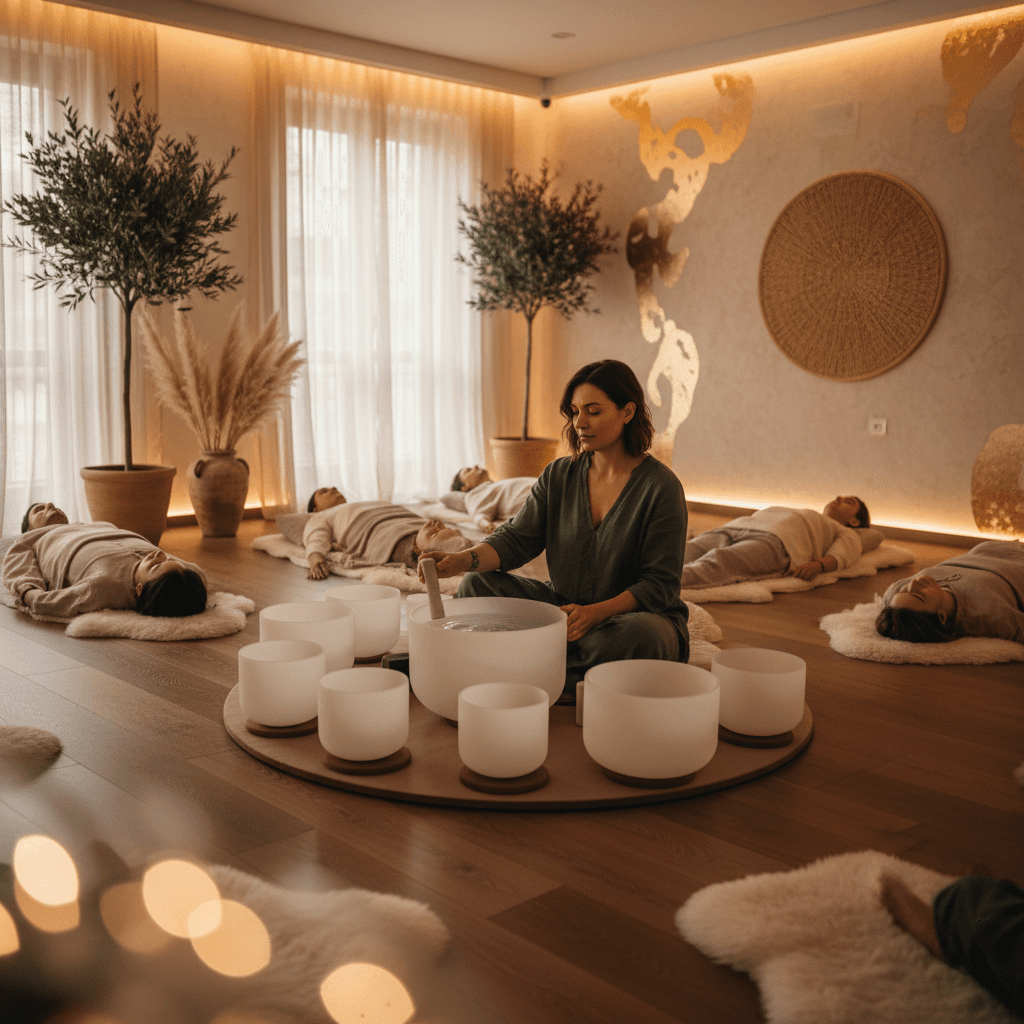
A session might begin with soft, ambient sounds designed to guide participants into a state of deep relaxation. Himalayan singing bowls, known for their rich, sustained tones, are frequently used to initiate this process. Their "singing" vibrations are felt not just through the ears, but also through the body, creating a full-body sonic massage. This direct physical sensation of sound helps to ground individuals, drawing their awareness into the present moment and away from intrusive thoughts or anxieties.
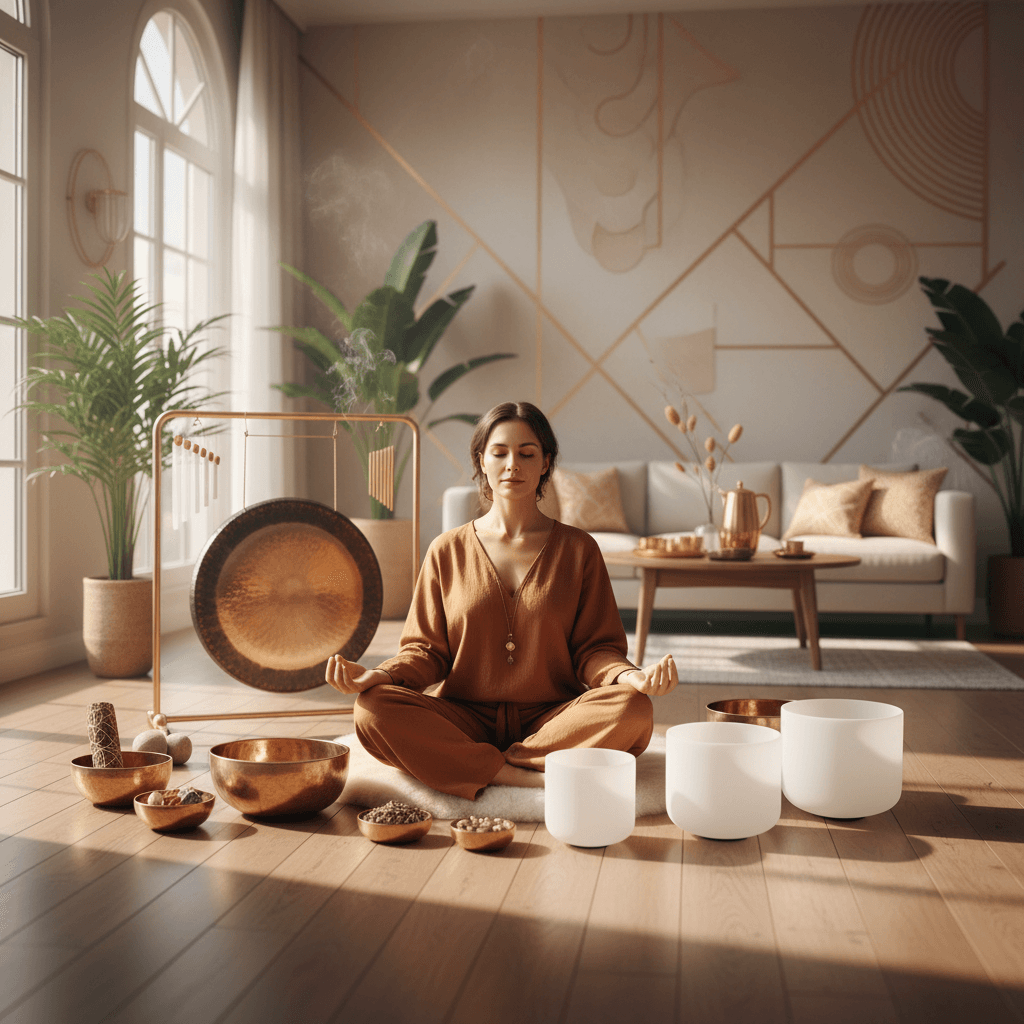
As the session progresses, a trained sound wellness facilitator, such as Larissa Steinbach at Soul Art, will carefully select and combine various instruments and vocalizations to suit the specific objectives. For someone needing to feel more grounded and secure, instruments with lower frequencies, like large gongs or ocean drums, might be introduced. The deep, resonant tones of gongs can create a profound sense of safety and containment, enveloping the individual in a cocoon of sound. Conversely, if the goal is to gently awaken a sense of vitality or emotional release, higher-frequency chimes or subtle vocal toning might be woven into the experience.
Sensory details are paramount. Participants are encouraged to lie comfortably, often on mats with blankets and cushions, to maximize physical ease and receptivity. The sounds are not overwhelming but rather ebb and flow, creating a dynamic sonic tapestry. The sensation of vibrations moving through the body can be a powerful tool for re-establishing a connection to physical presence, often a significant challenge in eating disorder recovery. This mindful observation of internal sensations, guided by sound, helps to cultivate what is known as interoceptive awareness—the ability to perceive internal bodily states.
"Allowing space for emotional expression in a supportive environment allows for a solidification of personal identity." This insight underscores how sound wellness can facilitate profound internal shifts, moving individuals from a place of disconnection to one of integrated self-awareness.
Post-session, there is often a period of quiet integration, where participants are invited to reflect on their experiences. While sound wellness is not talk therapy, a brief, gentle check-in can help connect the felt musical experiences to real-life insights and sensations, aiding the client in feeling more alive, connected to their body, and free to feel on their own. This holistic approach, combining auditory stimulation with mindful presence, creates a potent environment for fostering body compassion and resilience.
The Soul Art Approach: Larissa Steinbach's Unique Method
At Soul Art, Dubai's premier sound wellness studio, Larissa Steinbach brings a distinctive blend of expertise and compassion to her practice. Her approach to sound wellness for eating disorder recovery is deeply rooted in the understanding that true healing encompasses the mind, body, and spirit. Larissa's method is not merely about playing instruments; it is about curating an immersive, supportive, and transformative sonic journey tailored to the sensitive needs of each individual.
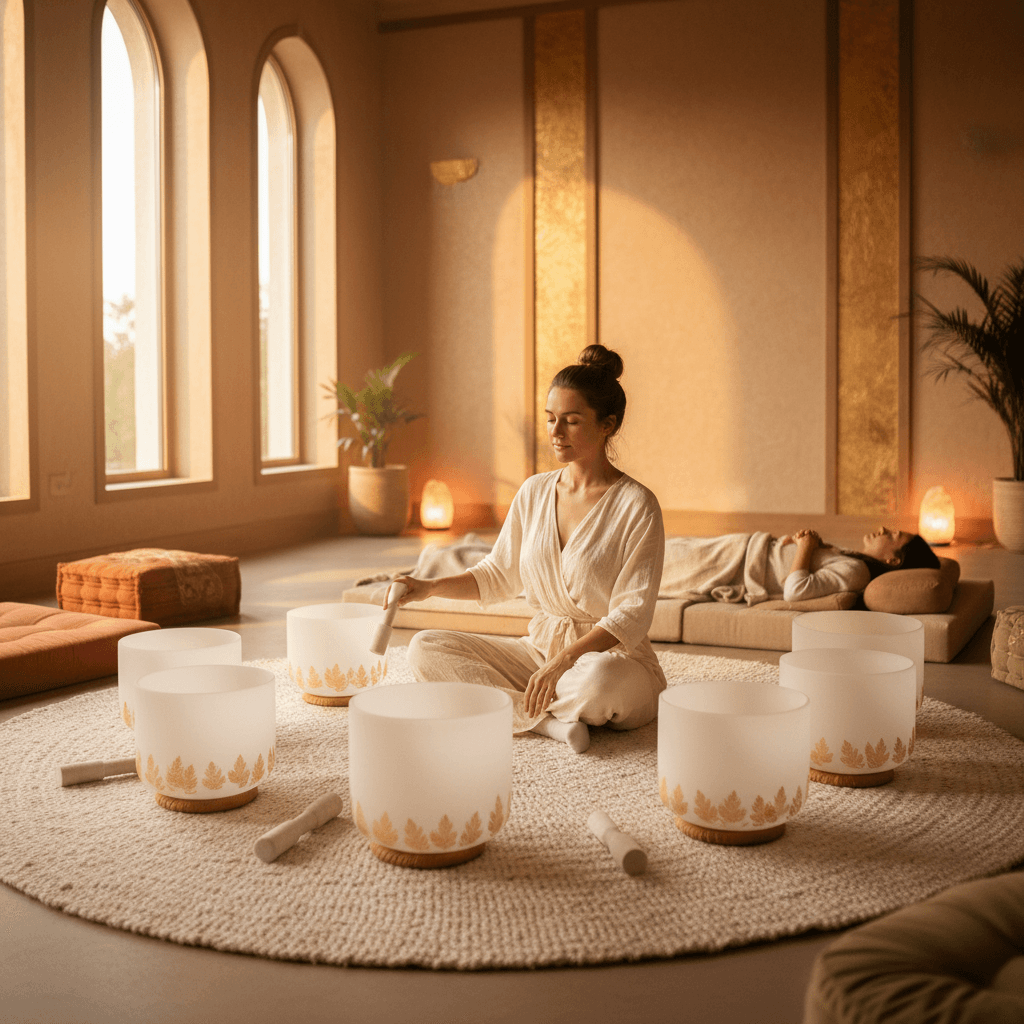
Larissa Steinbach meticulously crafts each session, whether it's a private one-on-one experience or a small group gathering, with intentionality. She combines ancient wisdom with contemporary scientific understanding, selecting instruments and sonic sequences that resonate with specific therapeutic objectives. Drawing from a diverse array of instruments, her sessions often feature the profound vibrations of Himalayan singing bowls, the expansive tones of symphonic gongs, the delicate melodies of crystal bowls, and the soothing sounds of chimes and percussion.
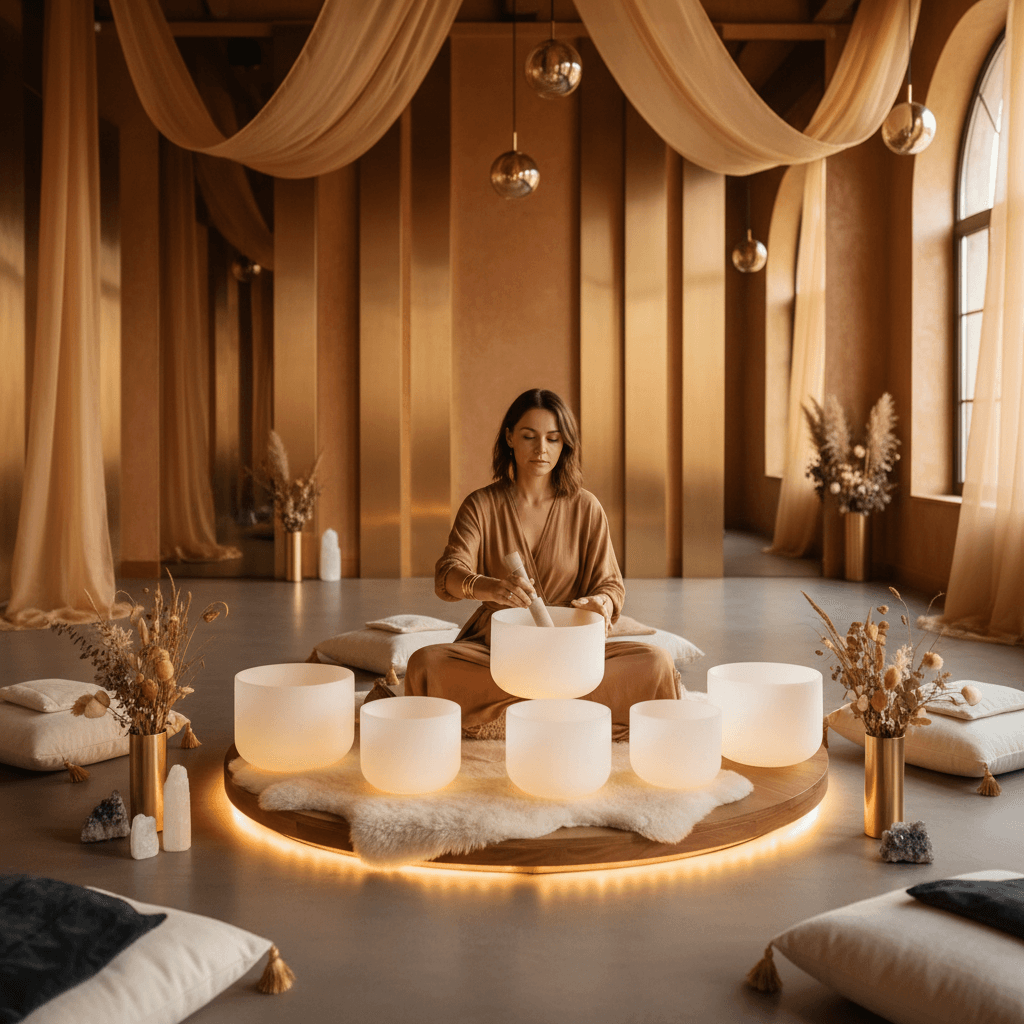
What makes the Soul Art method unique under Larissa's guidance is her emphasis on creating a sanctuary of sound. The environment itself is designed to be calming and safe, allowing participants to fully surrender to the experience. Larissa's deep understanding of resonant frequencies and their physiological effects enables her to facilitate experiences that are both deeply relaxing and subtly invigorating. She uses sound to gently guide individuals into deeper states of consciousness, where self-reflection and emotional release can occur naturally and without force.
Larissa often integrates breathwork and guided visualization into her sound baths, enhancing the body-mind connection. This combination helps to anchor individuals more firmly in their physical presence, fostering interoceptive awareness—the ability to sense internal bodily cues—which is often compromised in eating disorders. By experiencing their body as a vessel for resonant sound, individuals may begin to recalibrate their perception, shifting from self-criticism to self-compassion. Soul Art provides a space where individuals can rediscover their innate capacity for peace and self-acceptance, using sound as a gentle, yet powerful, guide.
Your Next Steps: Integrating Sound into Your Wellness Journey
If you're exploring complementary paths to support your eating disorder recovery or seeking a deeper connection with your body, integrating sound wellness practices can be a profound step. Remember, these practices are intended to complement professional medical and therapeutic care, not replace it. Here are some actionable steps you can take today:
- Explore Local Sound Wellness Practices: Search for reputable sound bath practitioners or studios in your area, such as Soul Art in Dubai. Ensure they have experience and a compassionate approach. Begin with introductory sessions to understand how you resonate with the practice.
- Curate a Personal Soundscape: Create a playlist of calming, instrumental music, nature sounds, or guided meditations that incorporate sound elements. Listen to these during moments of stress, before meals, or as part of your evening wind-down routine to cultivate a sense of peace.
- Practice Mindful Listening: Dedicate a few minutes each day to simply listening to your environment. Notice the subtle sounds around you without judgment. This practice can enhance your present moment awareness and help you feel more grounded.
- Engage with Vibrational Tools: Consider exploring personal sound tools like a small singing bowl or a tuning fork. Even a few minutes of self-applied sound can offer a moment of calm and self-connection, allowing you to feel the vibrations directly within your body.
- Prioritize Gentle Movement and Sound: Combine gentle movement, like stretching or yin yoga, with a calming soundscape. This pairing can enhance body awareness and facilitate emotional release, reinforcing the mind-body connection.
Embracing sound wellness as a self-care practice can be a gentle yet powerful way to support your journey toward a more harmonious relationship with your body and mind. It offers a unique pathway to find peace, reduce anxiety, and foster a deeper sense of self.
Bookings Coming Soon
Soul Art is still in preparation. Session details and booking will be published here after launch.
Coming Soon
In Summary: Reconnecting Through Resonance
The journey of eating disorder recovery is multifaceted, demanding compassion, resilience, and a holistic approach. Sound wellness, as explored by Larissa Steinbach at Soul Art, offers a scientifically-grounded and deeply empathetic avenue for support. By influencing brain chemistry, reducing anxiety, and fostering a profound reconnection with the body, sound practices provide a valuable complementary tool. They may help individuals in cultivating body compassion, enabling emotional expression, and navigating the challenges of recovery with greater ease and presence. Embracing the resonant power of sound allows for a gentle pathway back to self, reinforcing a sense of wholeness and inner harmony. Discover this unique path to well-being and a restored body connection at Soul Art.
Wellness Disclaimer: This article is for educational and informational purposes only. It does not constitute medical advice, diagnosis, or treatment. Soul Art Dubai provides non-medical wellness experiences focused on relaxation, stress management, and general wellbeing. Sound wellness is a complementary practice and should not replace professional medical care.