Phobias: Gentle Sound Desensitization Approaches for Calm
Key Insights
Explore how sound desensitization offers a gentle, science-backed path to managing phobias and reclaiming peace at Soul Art Dubai with Larissa Steinbach.
Have you ever wondered if the constant internal struggle with an intense, irrational fear could be met with a profound sense of calm? For millions worldwide, phobias can cast long shadows over daily life, turning ordinary situations into sources of overwhelming distress. But what if there was a gentle, scientifically grounded approach that could help quiet these fears, inviting the nervous system back into a state of peace?
At Soul Art, Dubai's premier sound wellness studio, we explore the potential of sound desensitization as a complementary pathway to managing phobias and fostering resilience. This article delves into the science behind systematic desensitization and illuminates how targeted sound experiences, pioneered by Larissa Steinbach, can support individuals in reclaiming their tranquility and well-being. Prepare to discover how harmonious vibrations might be the key to unlocking a more serene existence, transforming fear into freedom.
The Science Explained
Phobias are more than just dislikes; they are intense, irrational fears that can trigger significant physiological and psychological distress upon exposure to the feared object or situation. This often involves the body's primitive "fight or flight" response, orchestrated by the amygdala, a region of the brain responsible for processing emotions and fear. The nervous system becomes highly alert, releasing stress hormones like cortisol, which keep the body in a state of hyperarousal.
Many phobias are thought to originate through processes like classical conditioning, where an initially neutral stimulus becomes associated with a fearful experience. This learned association can solidify over time, creating a deeply ingrained fear response that is challenging to override without targeted intervention. Understanding this neurological and behavioral foundation is crucial for developing effective approaches to manage phobic reactions.
The Principle of Systematic Desensitization
Systematic Desensitization (SD) is a well-established behavioral technique designed to reduce fear responses by gradually exposing an individual to their feared stimulus while in a relaxed state. Pioneered in the mid-20th century, SD operates on the principle that two incompatible emotional states, such as relaxation and anxiety, cannot coexist simultaneously. The goal is to replace the conditioned fear response with a relaxation response.
Classic studies have demonstrated the efficacy of SD. Lang and Lazovik (1963) successfully utilized systematic desensitization with college students suffering from snake phobia, observing reduced fear ratings and sustained improvements over time. Similarly, Rothbaum et al. (2000) found that participants with a fear of flying showed significantly lower anxiety levels and a high willingness to take trial flights after undergoing SD treatment, with benefits maintained six months later. These studies underscore SD's potential in addressing the observable symptoms of phobias through a graded exposure approach.
Sound's Role in Nervous System Regulation
Integrating sound into desensitization approaches offers a unique and powerful dimension. Sound therapy has accumulated substantial empirical evidence for its efficacy in inducing states of deep relaxation and nervous system regulation. Various techniques, including binaural beats, isochronic tones, and harmonic resonance, have been shown to influence brainwave patterns, notably encouraging the shift from high-alert beta waves to calmer alpha and theta states, which are associated with relaxation and meditation.
This shift in brainwave activity may support a reduction in stress hormones like cortisol and an increase in endorphin release, fostering a sense of well-being. Research suggests that sound-based practices can promote parasympathetic nervous system activation, which is the body's "rest and digest" system, counteracting the "fight or flight" response triggered by phobias. By creating a physiological environment conducive to calm, sound helps the body feel safe enough for emotional processing to occur. While sound wellness practices are complementary and not a replacement for medical treatment, preliminary studies indicate that they may significantly support outcomes in stress, anxiety, and sleep quality, with many participants reporting improved relaxation outcomes.
How It Works in Practice
The application of sound in desensitization approaches offers a gentle yet effective pathway for individuals to navigate their phobias. This process is rooted in empowering the individual, giving them a sense of control over their journey towards reducing fear. By integrating carefully curated soundscapes, Soul Art aims to create an environment where the nervous system can begin to re-learn safety and calm in the presence of stimuli that once evoked distress.
The ethical considerations of systematic desensitization emphasize increasing self-control, ensuring the individual feels guided rather than dependent on the facilitator. This core principle aligns perfectly with the Soul Art philosophy, minimizing the risk of perceiving improvements as external and fostering intrinsic resilience. Our approach ensures that each step is taken at the individual's pace, respecting their unique journey and sensitivities.
Gentle Exposure: The Sound Desensitization Process
At Soul Art, sound desensitization is approached with sensitivity and precision. For some, the phobia itself might be related to specific sounds—such as in cases of noise phobia or hyperacusis, where reduced sound tolerance is a concern. In such instances, sound desensitization may involve the gradual, progressive introduction of specific sounds, much like the methods used for sound intolerance described in clinical research, ensuring adaptation is slow and dependent on the patient's comfort. This carefully modulated sound exposure aims to slowly build tolerance and reduce hypersensitivity.
For other phobias, sound serves as a powerful facilitator of relaxation during gentle, graded exposure to the phobic stimulus. This might involve deep relaxation using harmonious tones while visualizing the feared object or situation, or by listening to very subtle, desensitizing sounds that are gently associated with the phobia. For example, a person with aerophobia (fear of flying) might begin with calming soundscapes, gradually introducing very faint ambient sounds of an airport or a gentle hum, all while maintaining a state of profound relaxation. This allows the individual to process the associated sensory information without triggering an overwhelming fear response.
Creating a Personalized Sound Hierarchy
Central to the Soul Art approach is the creation of a personalized sound hierarchy. This involves identifying sounds that resonate with the individual's specific phobia, if applicable, or sounds that elicit comfort and calm. For instance, lower, harmonious tones like those around 432 Hz are often reported by individuals to induce a deeper sense of calm, reduced emotional overwhelm, and improved body awareness. This foundational calming frequency can then be subtly woven into the desensitization process.
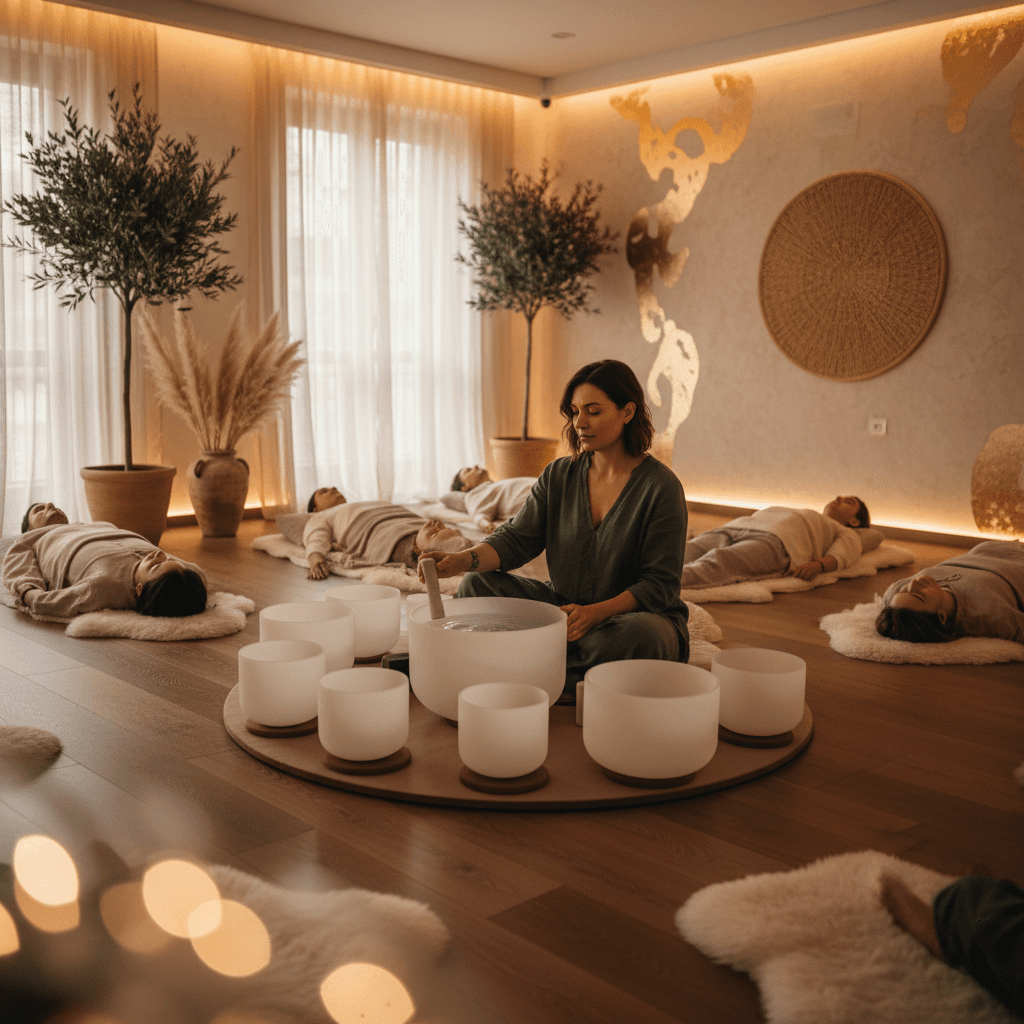
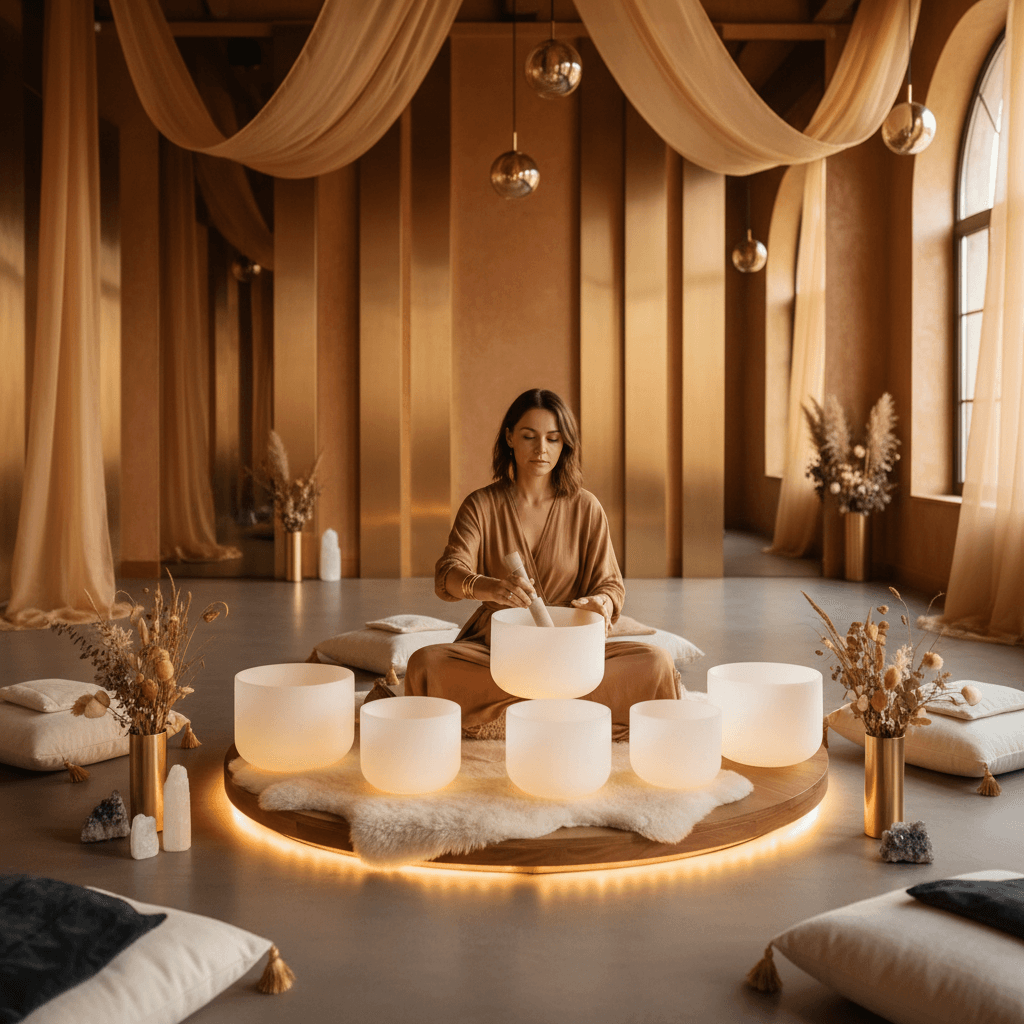
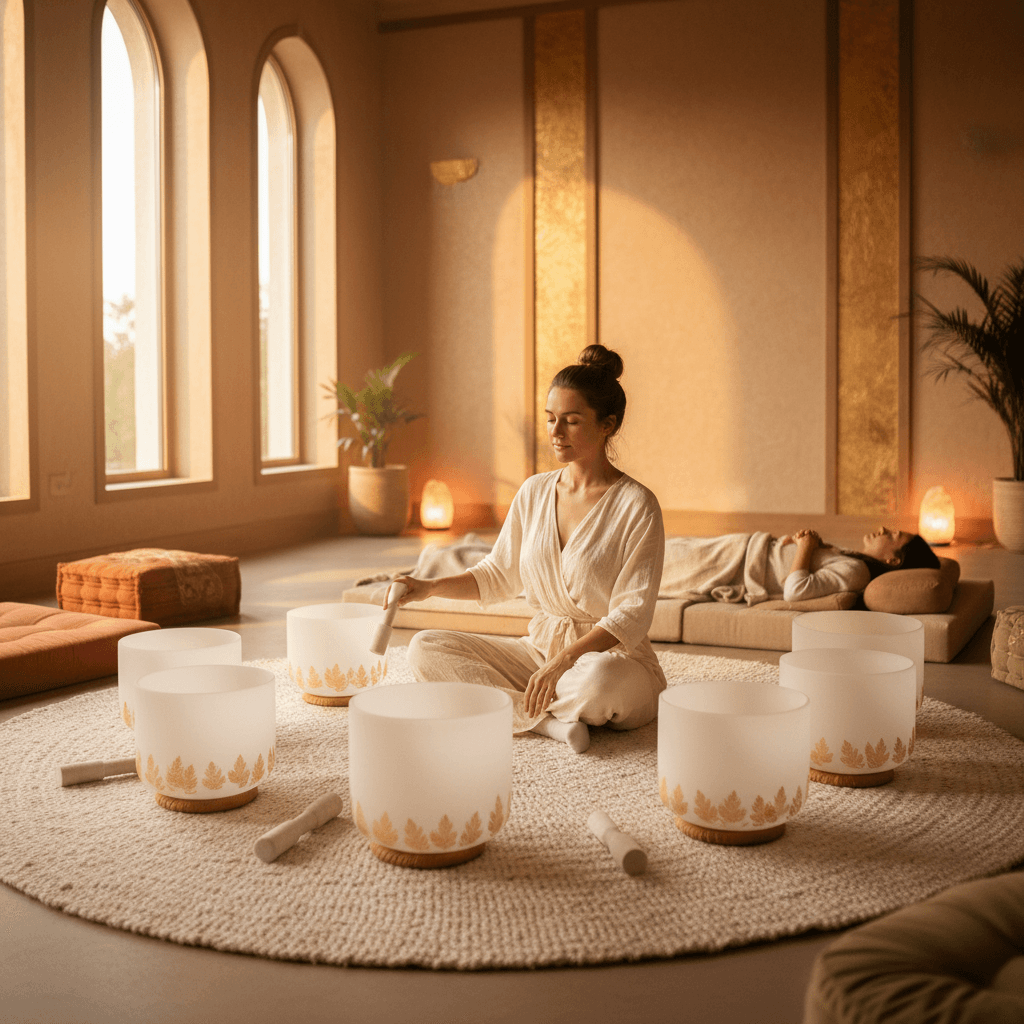
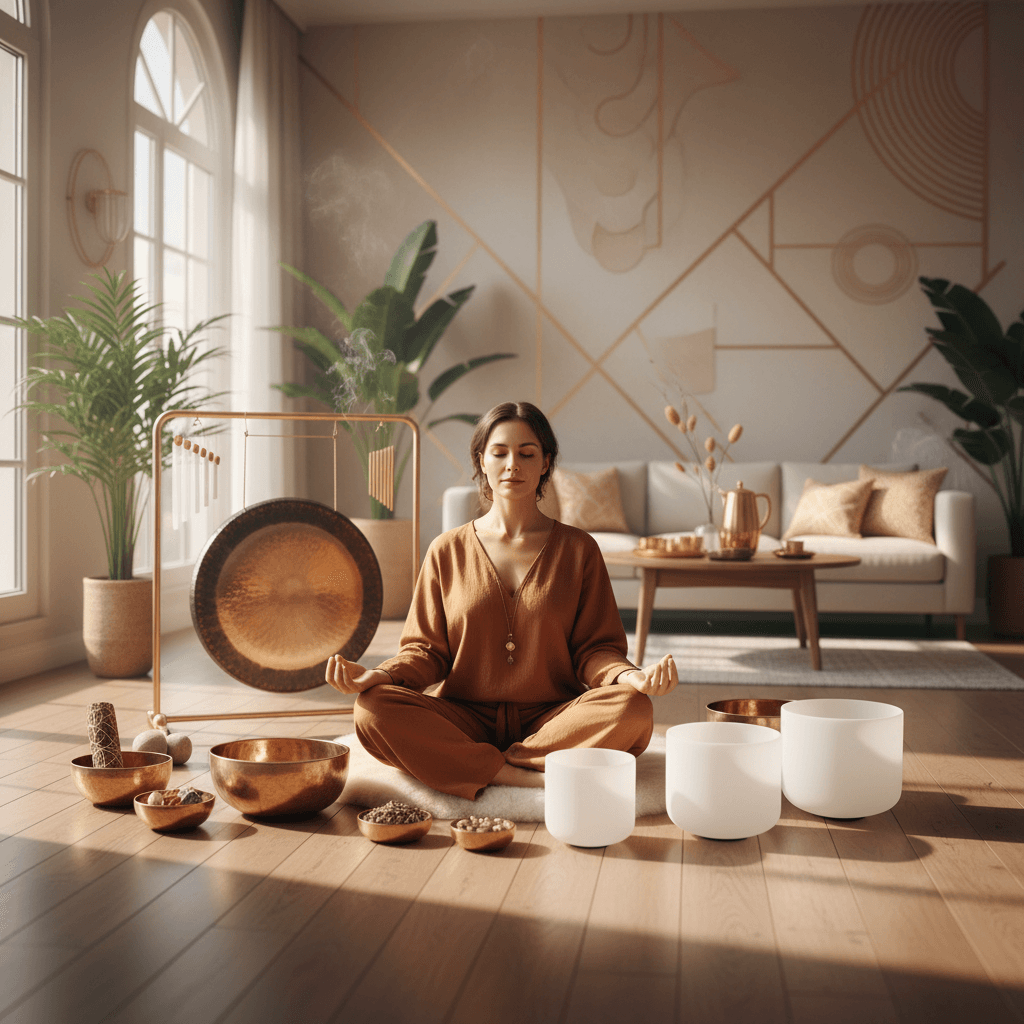
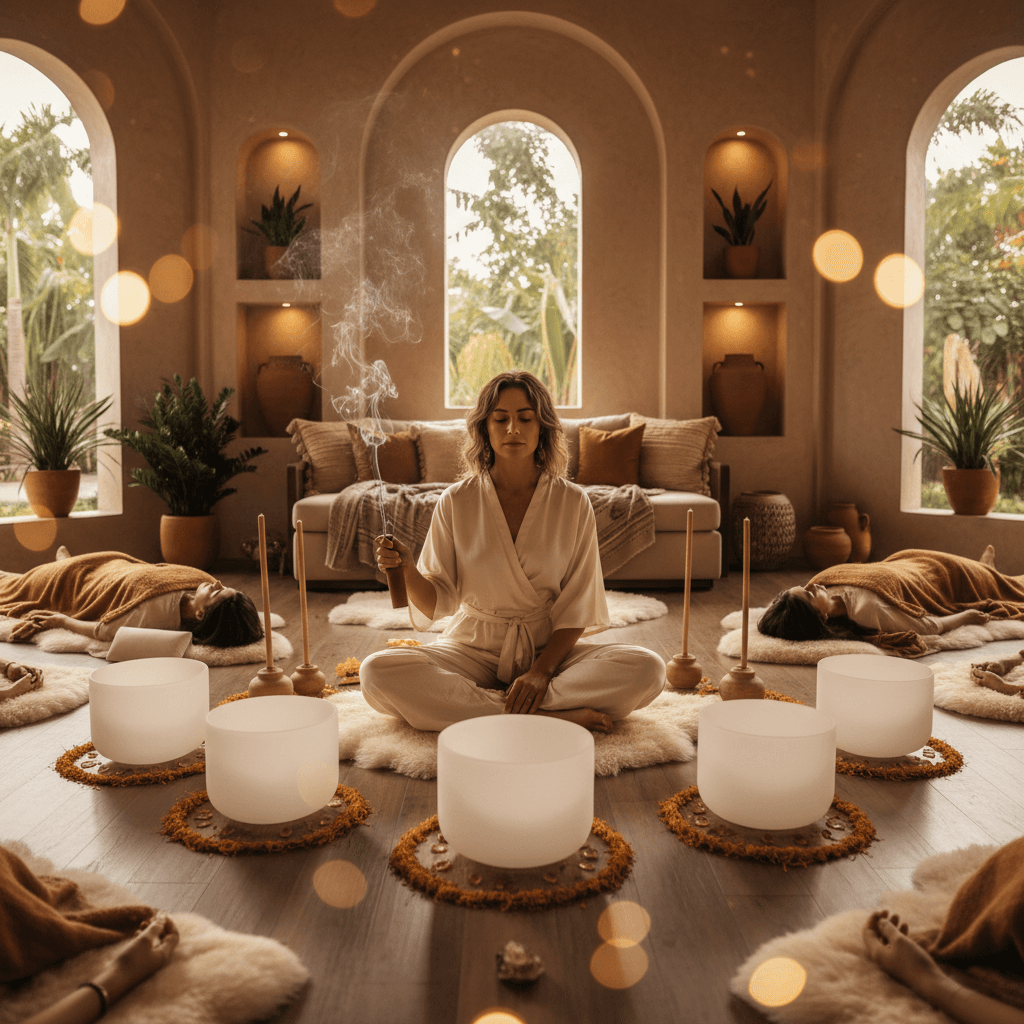
The journey begins with immersion in deeply relaxing soundscapes, using instruments like crystal singing bowls and gongs to induce alpha and theta brainwave states. Once a state of profound calm is established, a gradual introduction of very subtle, symbolic, or indirectly associated sounds begins, always at a level that feels safe and manageable. This methodical, empathetic process allows the nervous system to gradually habituate and reframe its response to previously fear-inducing stimuli.
The Soul Art Approach
Larissa Steinbach, the visionary founder of Soul Art, brings a profound understanding of both ancient wisdom and modern scientific principles to her unique approach to sound desensitization. Her philosophy centers on empowering individuals to access their innate capacity for self-regulation and healing through the profound power of sound. The Soul Art method is not about confronting fear aggressively, but rather about gently inviting the nervous system into a state of receptive calm, allowing for a natural re-patterning of responses.
What makes the Soul Art method particularly unique is its bespoke nature. Each session is carefully tailored to the individual's specific phobia, emotional landscape, and comfort level. Larissa and her team craft personalized soundscapes using a diverse array of instruments, including Himalayan singing bowls, crystal sound bowls, resonant gongs, therapeutic tuning forks, and curated binaural beats. These tools are selected for their specific frequencies and vibrational qualities, designed to entrain brainwaves and evoke deep states of relaxation.
Soul Art integrates intention-setting and mindful awareness into the sound experience, helping clients to consciously engage with their internal states during the desensitization process. This holistic wellness practice complements traditional approaches by providing a safe, non-invasive space for emotional processing and nervous system regulation. It is a testament to Larissa Steinbach’s dedication to offering deeply supportive experiences that foster resilience and inner peace, always emphasizing that sound wellness is a complementary tool for well-being.
Your Next Steps
Embarking on a journey to manage phobias and cultivate inner calm is a courageous and empowering step. While sound desensitization is a complementary wellness practice, there are practical ways you can begin integrating mindful sound into your daily routine to support your overall well-being. These initial steps can help prepare your nervous system for deeper work and foster a greater sense of peace.
- Mindful Breathing & Sound: Start by pairing deep, diaphragmatic breathing with calming sounds. Listen to gentle nature sounds or soft instrumental music, focusing on your breath as an anchor. This helps train your nervous system to associate sound with relaxation.
- Explore Calming Soundscapes: Experiment with different types of relaxing sounds. Binaural beats, ambient nature sounds, or specific frequency music (like 432 Hz tones) are widely available and may help induce alpha or theta brainwave states associated with relaxation.
- Journal Your Experience: After listening to calming sounds, take a few moments to journal any sensations, thoughts, or emotions that arise. This practice cultivates self-awareness and helps you identify what forms of sound wellness resonate most deeply with you.
- Consult a Wellness Professional: Consider seeking guidance from a qualified wellness practitioner experienced in sound modalities. They can help you understand the nuances of sound desensitization and ensure a safe, supportive experience tailored to your needs.
- Discover Soul Art: If you're ready to explore a personalized approach to sound desensitization and deep nervous system regulation, consider a session at Soul Art. Larissa Steinbach and her team offer expertly guided experiences designed to foster profound calm and resilience.
In Summary
Phobias, though challenging, can be approached with gentle, scientifically-informed methods that prioritize nervous system regulation and empowerment. Systematic desensitization, with its proven track record, finds a powerful ally in the therapeutic application of sound. By meticulously creating states of deep relaxation and gradually introducing stimuli, sound desensitization offers a unique complementary pathway to re-pattern fear responses.
Larissa Steinbach’s pioneering work at Soul Art exemplifies this innovative approach, blending ancient sound wisdom with modern understanding to craft personalized experiences. Here, individuals are gently guided towards increased self-control and reduced anxiety, fostering a profound sense of inner peace. We invite you to explore the transformative potential of sound and begin your journey toward a more serene, fearless existence at Soul Art.
Bookings Coming Soon
Soul Art is still in preparation. Session details and booking will be published here after launch.
Coming Soon
Wellness Disclaimer: This article is for educational and informational purposes only. It does not constitute medical advice, diagnosis, or treatment. Soul Art Dubai provides non-medical wellness experiences focused on relaxation, stress management, and general wellbeing. Sound wellness is a complementary practice and should not replace professional medical care.