Sound for Bipolar: Stabilizing Mood with Vibrational Wellness
Key Insights
Explore how sound wellness, featuring Larissa Steinbach's Soul Art, offers a complementary approach to support mood stability in bipolar disorder.
Compelling Introduction
Did you know that for many individuals, bipolar disorder isn't just about distinct episodes of mania and depression, but a continuous journey of subtle, ongoing mood fluctuations? Recent insights from the Prechter Longitudinal Study of Bipolar Disorder at Michigan Medicine highlight that persistent mood instability is a core feature of the condition, challenging traditional views and affecting daily life significantly. This understanding underscores the critical need for comprehensive, gentle, and consistent support mechanisms.
Within this evolving landscape of mental wellness, sound emerges as a powerful, yet often overlooked, ally. From ancient traditions to modern neuroscience, vibrations and frequencies have been recognized for their profound impact on the human mind and body. At Soul Art in Dubai, founded by the visionary Larissa Steinbach, we explore how precisely calibrated sound experiences can offer a unique pathway to enhance emotional regulation and foster greater internal balance for those navigating bipolar disorder.
This article delves into the scientific underpinnings of how sound influences our nervous system and brain chemistry, offering practical insights into integrating sound wellness as a supportive tool for mood stabilization. We will uncover the transformative potential of specific frequencies and instruments, guiding you toward a more serene and stable emotional landscape. Prepare to discover a sophisticated, empathetic approach to self-care that harmonizes the latest research with ancient wisdom, offering hope and practical strategies for everyday living.
The Science Explained
Bipolar disorder, characterized by its profound shifts in mood, presents a complex challenge for individuals striving for stability. Contemporary research, particularly from studies like the Prechter Longitudinal Study, increasingly reveals that ongoing mood instability, rather than just distinct episodes, is a pervasive aspect of the condition for many. This continuous "up and down" feeling, even during periods considered stable, impacts overall well-being and highlights the importance of consistent, gentle interventions. Understanding this dynamic is crucial for appreciating how complementary practices like sound wellness can offer meaningful support.
The Brain's Symphony: How Sound Reshapes Neural Pathways
Our brains are constantly generating electrical activity, measured in brainwaves, which correlate with different states of consciousness. Sound therapy leverages a process called brainwave entrainment, where external rhythmic stimuli, such as specific musical tones or binaural beats, encourage the brain's electrical activity to synchronize with these frequencies. This synchronization can gently guide the brain from states associated with agitation (higher frequency beta waves) or depression (imbalanced alpha/theta waves) towards more balanced and calm states (alpha and theta waves).
For instance, research suggests that alpha waves (8–13 Hz) are linked to relaxation and a peaceful mind, while theta waves (4–7 Hz) are associated with deep relaxation, meditation, and improved emotional processing. By facilitating these shifts, sound can help to calm an overactive nervous system, moving it from a "fight or flight" (sympathetic) response to a more restorative "rest and digest" (parasympathetic) state. This physiological change is foundational to emotional regulation and stress reduction.
Neurochemical Harmony: Sound's Influence on Mood Regulators
Beyond brainwave states, sound has a remarkable capacity to influence the intricate neurochemistry of the brain. Studies indicate that specific tones and musical patterns can trigger the release of vital neurotransmitters that play a crucial role in mood regulation. Dopamine, often associated with pleasure and reward, and serotonin, a key player in feelings of well-being and happiness, can both be positively influenced by sound exposure.
Concurrently, sound interventions have been shown to reduce levels of stress hormones, particularly cortisol. High cortisol levels are frequently observed in individuals experiencing stress, anxiety, and depressive states, common comorbidities with bipolar disorder. By lowering cortisol, sound wellness helps to mitigate the physiological impact of stress, fostering a greater sense of calm and resilience. This dual action – boosting beneficial neurotransmitters while reducing stress hormones – makes vibrational therapy a compelling supportive tool for emotional balance.
Frequencies for Emotional Balance: A Targeted Approach
Certain sound frequencies are believed to offer particular benefits for mood disorders and general emotional well-being. These frequencies are thought to resonate with the body's natural rhythms, promoting harmony and stability.
- 432 Hz: Often referred to as "nature's frequency," 432 Hz is believed to resonate with the human body and the natural world, promoting a sense of deep calm and relaxation. Many individuals report feeling more grounded and peaceful when exposed to this specific frequency. Its harmonious quality may support emotional release and a feeling of centeredness.
- 528 Hz (Solfeggio Frequency): Known as the "Miracle Tone" or "Love Frequency," 528 Hz is associated with cellular repair, emotional healing, and a sense of profound peace. Proponents suggest it can facilitate transformation and help alleviate stress, contributing to an overall uplifted mood and enhanced well-being.
- Binaural Beats: These are auditory illusions created when two slightly different frequency tones are played into each ear, causing the brain to perceive a third, 'beat' frequency. For example, a 400 Hz tone in one ear and a 410 Hz tone in the other produces a 10 Hz binaural beat, which corresponds to alpha brainwave states associated with relaxation. Binaural beats can be tailored to encourage specific brainwave states, such as theta (deep relaxation, meditation) or delta (restorative sleep), offering a non-invasive method for brainwave entrainment.
- Theta and Delta Frequencies: Sounds designed to encourage theta (4–7 Hz) and delta (0.5–3.9 Hz) brainwave activity are particularly valuable. Theta frequencies are linked to deep relaxation, creativity, and accessing subconscious insights, which can be beneficial for emotional processing. Delta frequencies are characteristic of deep, dreamless sleep, vital for mental and physical restoration. Improving sleep quality is a significant aspect of managing bipolar symptoms, as sleep disturbances can often trigger mood episodes.
The integration of these specific frequencies into a sound wellness practice may provide a gentle yet powerful means to support mood stabilization, reduce anxiety, and promote a greater sense of calm and well-being. Always remember that while promising, these are complementary tools meant to enhance, not replace, professional medical guidance.
How It Works in Practice
Translating the science of sound into a tangible, beneficial experience is where the artistry and expertise of practitioners like Larissa Steinbach at Soul Art truly shine. A sound wellness session is far more than just listening to music; it is an immersive, multi-sensory journey designed to recalibrate the body and mind. It offers a profound opportunity to connect with one's inner landscape and foster emotional resilience.
Clients often describe the initial experience as deeply relaxing, almost meditative, yet profoundly impactful. As the session begins, the gentle hum of instruments washes over them, gradually deepening into a palpable vibration that resonates not just in their ears, but throughout their entire being. This full-body immersion is key to how sound wellness operates, moving beyond mere auditory perception to a cellular level engagement.
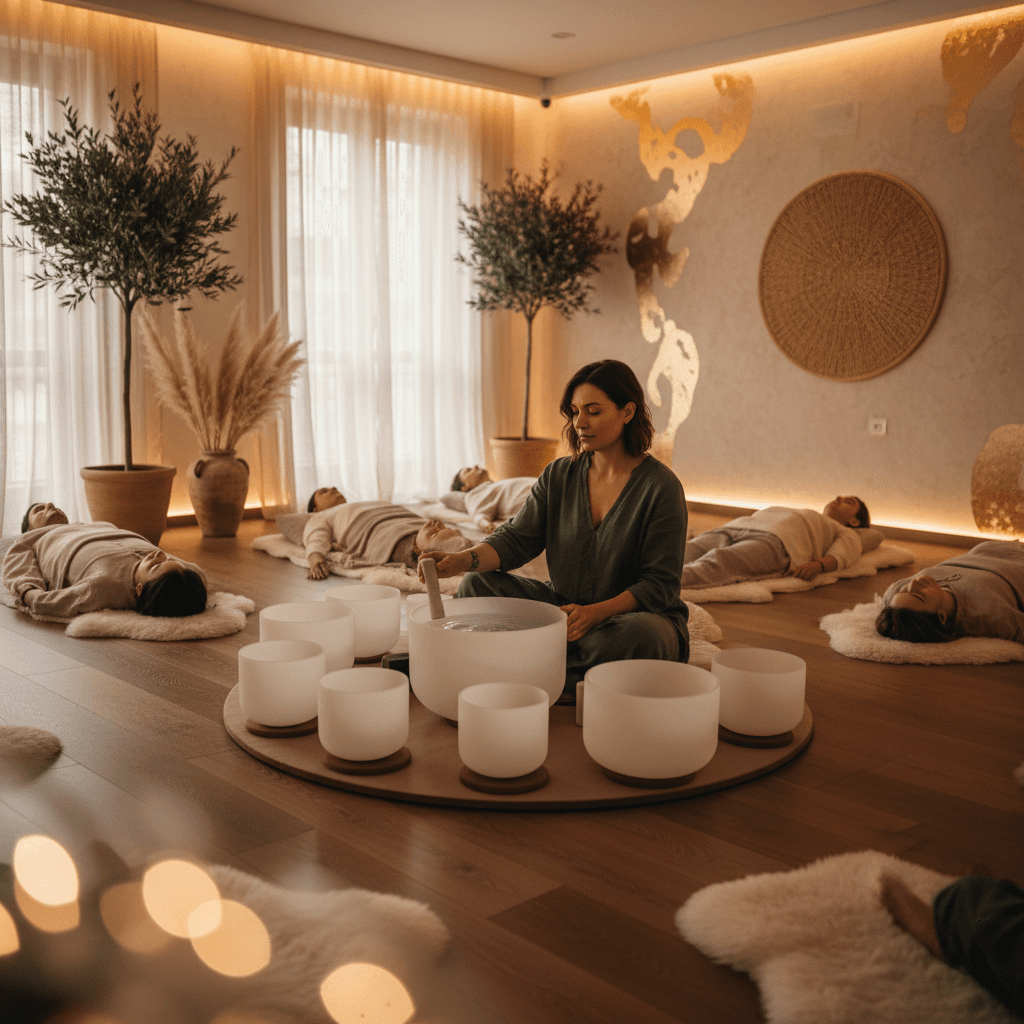
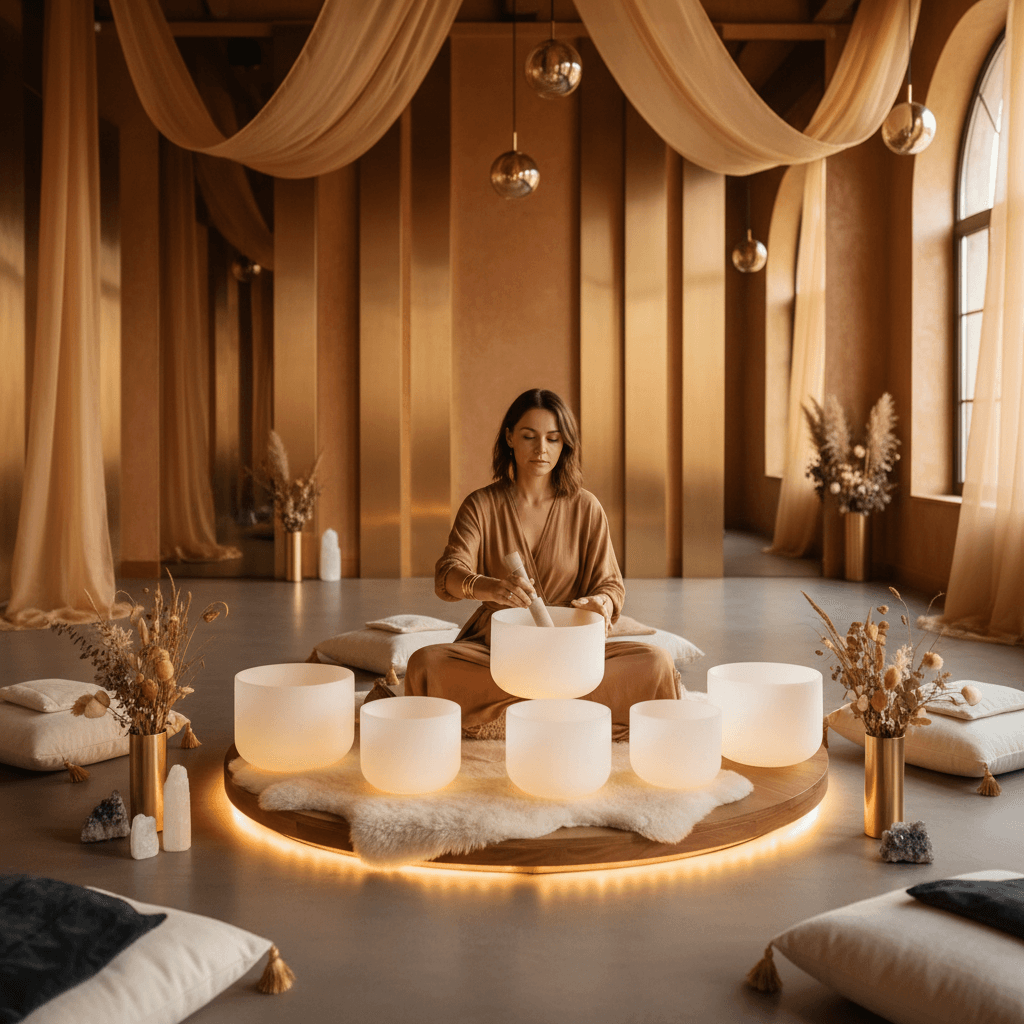
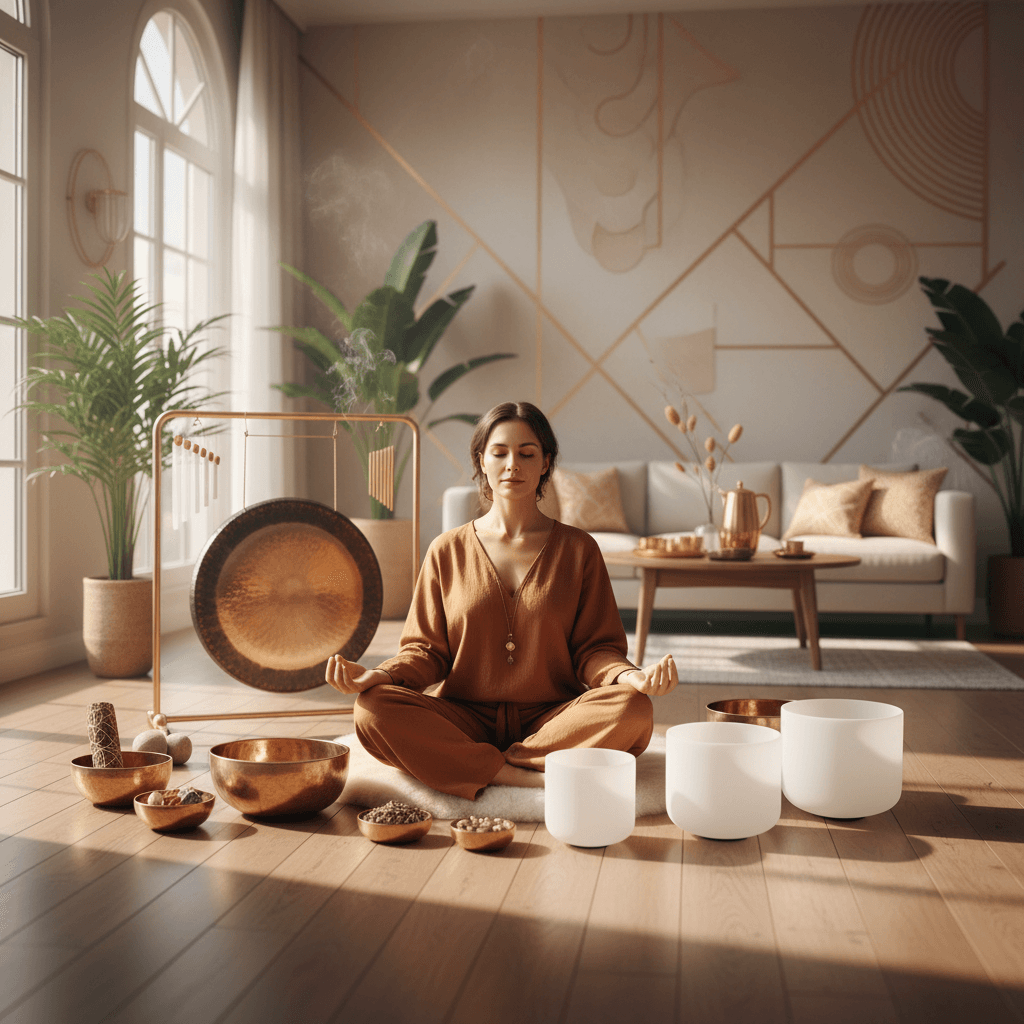
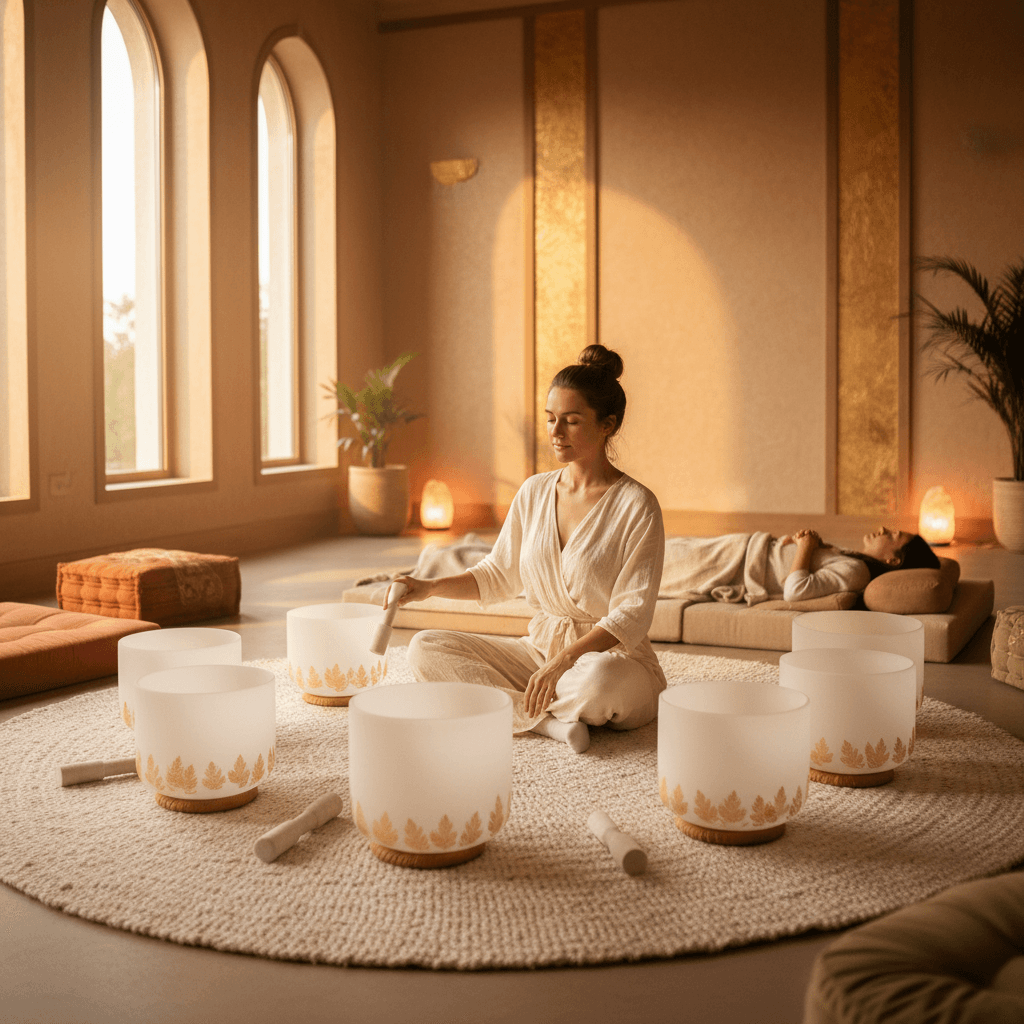
The experience of healing bipolar with sound is accessed through a diverse array of carefully selected tools. Singing bowls, with their rich, sustained tones, create harmonic overtones that envelop the listener. Gongs produce powerful, resonant vibrations that can facilitate emotional release and deep relaxation. Tuning forks, applied gently to specific points on the body, deliver targeted frequencies that are believed to align energy centers and calm the nervous system. Chimes offer delicate, ethereal sounds that often evoke a sense of lightness and peace.
Beyond traditional instruments, guided meditations interwoven with nature sounds — such as the rhythmic rush of ocean waves or the gentle whisper of wind through trees — enhance the therapeutic effect. These elements combine to create a soundscape designed to calm the nervous system, reduce mental chatter, and encourage the brain to shift into more restorative states. Many people report a significant reduction in feelings of anxiety and a greater sense of inner peace following a session.
The vibrational input from these instruments is thought to interact with the body's natural energetic pathways, helping to release tension and blockages. This vibrational therapy for emotional balance encourages a state where the body can naturally begin to regulate its own systems, fostering an environment conducive to mood stability. It's an active process of receiving and responding, where the body’s innate wisdom is gently awakened to promote healing and harmony. By creating this profound space of calm and internal resonance, sound wellness provides a powerful, non-invasive avenue for supporting individuals in managing the complexities of mood instability.
The Soul Art Approach
At Soul Art, Dubai's premier sound wellness studio, Larissa Steinbach has meticulously crafted an approach that transcends simple relaxation, offering a sophisticated pathway to profound well-being. Larissa’s deep understanding of both ancient sound traditions and contemporary scientific insights allows her to create bespoke experiences tailored to the unique needs of each individual, especially those seeking support for mood stabilization. Her vision for Soul Art is rooted in the belief that true wellness emerges from a harmonious balance of mind, body, and spirit.
What makes the Soul Art method truly unique is its thoughtful integration of diverse sound modalities with an empathetic, client-centered philosophy. Larissa Steinbach and her team don't just play instruments; they create a carefully curated sonic environment designed to gently guide the nervous system towards equilibrium. This includes the strategic use of high-quality crystal and Himalayan singing bowls, precision-tuned gongs, and therapeutic tuning forks, each chosen for its specific vibrational qualities and potential impact on brainwave states and neurochemistry.
For individuals navigating bipolar disorder, Larissa emphasizes the importance of consistency and gentle progression. Sessions at Soul Art are designed to be a sanctuary, providing a safe and nurturing space where clients can explore their emotional landscape without judgment. The ambient setting, combined with the profound resonance of the instruments, facilitates a deeper state of self-awareness and emotional processing. Clients are encouraged to listen to their bodies and minds, allowing the sounds to facilitate natural shifts towards calm and clarity.
The Soul Art experience extends beyond the studio walls. Larissa empowers clients with practical insights and tools for daily support, such as recommending specific frequencies for mood disorders for at-home listening, or guiding them on how to cultivate a serene environment through sound. This holistic approach ensures that the benefits of vibrational therapy for emotional balance can be integrated into everyday life, fostering ongoing resilience and stability. Under Larissa Steinbach's expert guidance, Soul Art stands as a beacon of quiet luxury wellness, dedicated to supporting individuals on their journey towards profound inner peace and sustained emotional well-being.
Your Next Steps
Integrating sound wellness into your life, particularly when navigating mood instability, is a journey best taken with intention and informed choices. While sound can be a profoundly supportive practice, it is always a complementary approach, designed to work alongside, not replace, professional medical and psychological care. Your mental health provider remains your primary guide in managing bipolar disorder.
Here are some actionable steps you can consider to explore the potential benefits of sound wellness:
- Consult Your Mental Health Professional: Before incorporating any new complementary therapies, discuss sound wellness with your psychiatrist, therapist, or medical doctor. They can provide personalized advice and ensure it aligns with your existing treatment plan. This collaboration is crucial for a holistic and safe approach to your well-being.
- Experience a Professional Sound Session: To truly understand the power of vibrational therapy, experience it firsthand. Book an introductory session at a reputable studio like Soul Art in Dubai. Larissa Steinbach and her experienced team can guide you through a session tailored to promote relaxation and emotional balance, allowing you to gauge its immediate impact on your mood.
- Integrate Sound Therapy at Home: One of the greatest benefits of sound wellness is its accessibility for daily support. Start by creating a serene space in your home. Listen to calming music, nature sounds, or guided meditations that incorporate specific frequencies known to promote relaxation, such as 432 Hz or sounds designed to encourage theta brainwave states. Many apps and online resources offer high-quality tracks for this purpose.
- Mindful Listening Practices: Practice mindful listening. Dedicate short periods each day to simply listen to sounds – whether it’s a specially curated sound bath recording or the ambient sounds of your environment. This practice can enhance self-awareness and your ability to observe your mood states without judgment, a principle reinforced by mindfulness-based treatments for bipolar disorder, which have shown benefits for managing mood states.
- Journal Your Experience: Keep a journal to note how you feel before and after engaging with sound. Track changes in your mood, anxiety levels, and sleep quality. This personal data can provide valuable insights into which sounds and practices resonate most effectively with you, helping you to refine your self-care ritual.
"The symphony of inner peace begins with a single, resonant tone. Allow its wisdom to guide you back to your true self."
By thoughtfully exploring these steps, you can begin to harness the gentle yet profound power of sound to foster greater emotional stability and enhance your overall well-being.
In Summary
The journey of living with bipolar disorder is often characterized by ongoing mood instability, a nuanced reality increasingly recognized by contemporary research. Sound wellness offers a promising, gentle, and empowering complementary tool to support symptom management within this context. By influencing brainwave states, calming the nervous system, and modulating neurochemistry, specific frequencies and instruments can significantly aid in promoting relaxation, regulating mood, and improving sleep quality.
While not a cure, integrating practices like vibrational therapy for emotional balance can provide invaluable support in navigating the complexities of bipolar disorder. It empowers individuals to cultivate greater self-awareness and to actively participate in their well-being journey. At Soul Art, Larissa Steinbach and her dedicated team stand ready to guide you through these transformative experiences, offering a sanctuary where sound harmonizes with science to foster lasting stability and inner peace.
Bookings Coming Soon
Soul Art is still in preparation. Session details and booking will be published here after launch.
Coming Soon
Wellness Disclaimer: This article is for educational and informational purposes only. It does not constitute medical advice, diagnosis, or treatment. Soul Art Dubai provides non-medical wellness experiences focused on relaxation, stress management, and general wellbeing. Sound wellness is a complementary practice and should not replace professional medical care.