Window of Tolerance: Expanding Your Capacity with Sound Wellness

Key Insights
Discover how sound wellness expands your Window of Tolerance, helping you manage stress and emotions with greater ease. Learn Larissa Steinbach's approach at Soul Art Dubai.
Have you ever noticed how some days you can navigate challenges with surprising ease, while on others, even minor stressors send you reeling? Perhaps you’ve experienced moments of intense anxiety or sudden emotional shutdown, feeling disconnected from yourself and your surroundings. These fluctuating states are not random; they are deeply tied to a core concept in neuroscience: your Window of Tolerance.
Understanding this internal "comfort zone" of your nervous system is profoundly empowering. It offers a scientific lens through which to view your emotional and physiological responses, illuminating why you react the way you do. More importantly, it provides a roadmap for cultivating greater resilience and capacity in the face of life's inevitable ups and downs.
At Soul Art, Dubai’s premier sound wellness studio, we delve into the sophisticated interplay between your nervous system and the profound influence of sound. Our approach, pioneered by Larissa Steinbach, is designed to gently guide you towards expanding this vital window, fostering a life of deeper presence, emotional balance, and unwavering calm. Join us as we explore the science behind this transformative concept and discover how sound can become your ally in navigating the complexities of modern life.
The Science of Your Inner Resilience: The Window of Tolerance
The Window of Tolerance is a model developed by Dr. Dan Siegel, a Clinical Professor of Psychiatry, rooted in neuroscience. It describes the optimal state of arousal or stimulation in which we are able to function and thrive in everyday life. When we operate within this window, our nervous system is regulated, allowing us to think clearly, learn effectively, engage meaningfully with others, and respond adaptably to stressors.
This isn't about avoiding emotions, but rather experiencing them without being overwhelmed or shut down. It's a state where the sympathetic ("fight or flight") and parasympathetic ("rest and digest") branches of our autonomic nervous system work in harmonious balance. A larger window signifies a greater capacity to handle stress, change, and challenges while remaining grounded and present.
What is the Window of Tolerance?
Within your Window of Tolerance, you feel capable, present, and engaged. You can feel emotions, even difficult ones, without being flooded by them or becoming completely numb. This optimal zone allows for effective decision-making, empathy, and a flexible response to situations, rather than rigid or chaotic reactions.
However, if stress, trauma, or overwhelming stimuli push us beyond this optimal zone, our nervous system becomes dysregulated. We can then move into one of two states: hyper-arousal or hypo-arousal. Both are protective mechanisms, but they pull us outside our capacity for conscious, regulated response.
The Nervous System and Arousal States
Hyper-arousal is the "fight or flight" response, characterized by excessive activation and energy. It can manifest as:
- Difficulties concentrating and restlessness
- Irritability, anger, or angry outbursts
- Panic attacks, constant anxiety, or easily startled reactions
- Self-destructive behaviours or a sense of being overwhelmed
This state is driven by the sympathetic nervous system, preparing the body for perceived threats, even when none are truly present. Our heart rate may increase, breathing becomes shallow, and our muscles tense.
Hypo-arousal, on the other hand, is the "freeze, flop, or drop" response. It involves a significant reduction in activation and can present as:
- Feeling spacy, zoned out, or disconnected
- Numbness, emotional flatness, or a sense of detachment
- Lethargy, chronic fatigue, or an inability to initiate action
- Feeling 'stuck' or frozen, unable to respond
This state often occurs when fight or flight responses are perceived as impossible or too dangerous, leading the nervous system to shut down as a final protective measure. The body conserves energy, but we lose our capacity for conscious engagement.
The vagus nerve plays a crucial role in regulating these states. It’s a major component of the parasympathetic nervous system, influencing heart rate, digestion, and our capacity for social engagement. Cultivating a healthy vagal tone—the ability of the vagus nerve to respond quickly and effectively—is key to expanding one's Window of Tolerance and fostering a regulated nervous system. Individuals who have experienced ongoing trauma, especially in childhood, often have a smaller window of tolerance, as their nervous system may have developed a tendency to be constantly on high alert or shut down.
Expanding Your Capacity: The "Circle of Capacity"
While the term "Window of Tolerance" is widely used, some frameworks, like the expanded Music Breathing method, speak of broadening the "Circle of Capacity." This emphasizes not just tolerating distress, but also the ability to fully experience a wider range of emotions and states—including joy, curiosity, playfulness, and emotional presence—without becoming dysregulated. This reframing highlights a more holistic vision of resilience.
A wider Window of Tolerance, or a larger Circle of Capacity, means we can handle more stress, change, and challenges without falling into hyper-arousal or hypo-arousal. It signifies a nervous system that is more flexible, adaptable, and robust, allowing us to engage with life’s complexities from a place of clarity and inner strength. This expansion is not about eliminating stress, but about increasing our ability to process and integrate it, fostering a deeper sense of self-awareness and emotional regulation.
Navigating Your Inner Landscape: From Theory to Experience
Understanding the Window of Tolerance conceptually is the first step; the next is learning to recognize and actively influence your state in real-time. This involves cultivating a heightened awareness of your body's signals and emotional landscape. When you are within your window, life feels manageable, even exciting.
"Our capacity for peace isn't found in the absence of disturbance, but in our ability to return to ourselves amidst the storm."
When you're operating within your optimal zone, you're present and adaptable. You might notice feelings of calm, clear thinking, and an ability to connect genuinely with others. Your reactions feel proportionate to the situation, and you maintain a sense of internal safety. Conversely, when you are pushed outside this window, the shift is often palpable, though sometimes subtle at first. A sudden surge of irritation, a racing heart, or a feeling of being 'checked out' can all be indicators.
Recognizing Your Edge
To effectively expand your window, you must first become a keen observer of your own internal experience. When you feel a sudden tightness in your chest, a rapid heart rate, or an urge to lash out, these are signs of leaning towards hyper-arousal. Conversely, if you feel a heavy numbness, a loss of focus, or a sense of detachment, you might be drifting into hypo-arousal. Learning to identify these early warning signals allows you to intervene before becoming fully dysregulated.
Practices like mindful body scans and gentle self-inquiry can help you tune into these subtle shifts. Asking yourself, "Where do I feel this in my body?" or "What emotion is present right now?" can provide valuable insights. This self-observation is not about judgment, but about compassionate awareness, creating the space for more intentional responses. The goal is to develop a nuanced understanding of your own unique physiological and emotional patterns, creating a personal roadmap for self-regulation.
The Role of Sound in Regulation
This is where sound wellness emerges as a powerful, non-invasive tool for nervous system regulation. Specific frequencies, rhythms, and tones can directly influence our autonomic nervous system, gently guiding it towards a more balanced state. Research suggests that sound can help to calm the nervous system, reduce muscle tension, and promote a sense of deep relaxation, sending feedback to the brain that the body is safe and calm.
The vibrations generated by various sound instruments resonate deeply within the body, engaging the vagus nerve and stimulating the parasympathetic nervous system. This can encourage diaphragmatic breathing—also known as belly breathing—which is profoundly effective in promoting relaxation and efficient oxygen use. As the belly rises on the in-breath and lowers on the out-breath, a physiological message of safety is sent to the brain, helping to de-escalate states of hyper-arousal.
Furthermore, enveloping soundscapes can create an environment where the mind feels safe enough to release rigidity and return from hypo-arousal. The intricate layers of sound invite presence, gently pulling attention back into the body and the present moment, fostering embodied awareness. Through this gentle yet profound sensory experience, sound serves as an anchor, supporting the nervous system in finding its way back into the Window of Tolerance.
Soul Art's Unique Resonance: Larissa Steinbach's Method
At Soul Art, Dubai, founder Larissa Steinbach has cultivated a distinctive approach to sound wellness, specifically designed to help individuals expand their Window of Tolerance and enhance their overall emotional capacity. Her method is grounded in a deep understanding of neurobiology, trauma-informed practices, and the profound therapeutic potential of sound. Larissa's expertise ensures that each session is not merely a passive listening experience, but an active engagement with one's inner landscape.
Larissa's unique methodology integrates principles from mindfulness and self-compassion, creating a safe and nurturing space for exploration and healing. Rather than focusing solely on reducing discomfort, the Soul Art approach embraces the "Circle of Capacity" perspective, inviting clients to explore and integrate a broader spectrum of emotional experiences, from distress to profound joy. This holistic view fosters a more resilient and adaptable inner state.
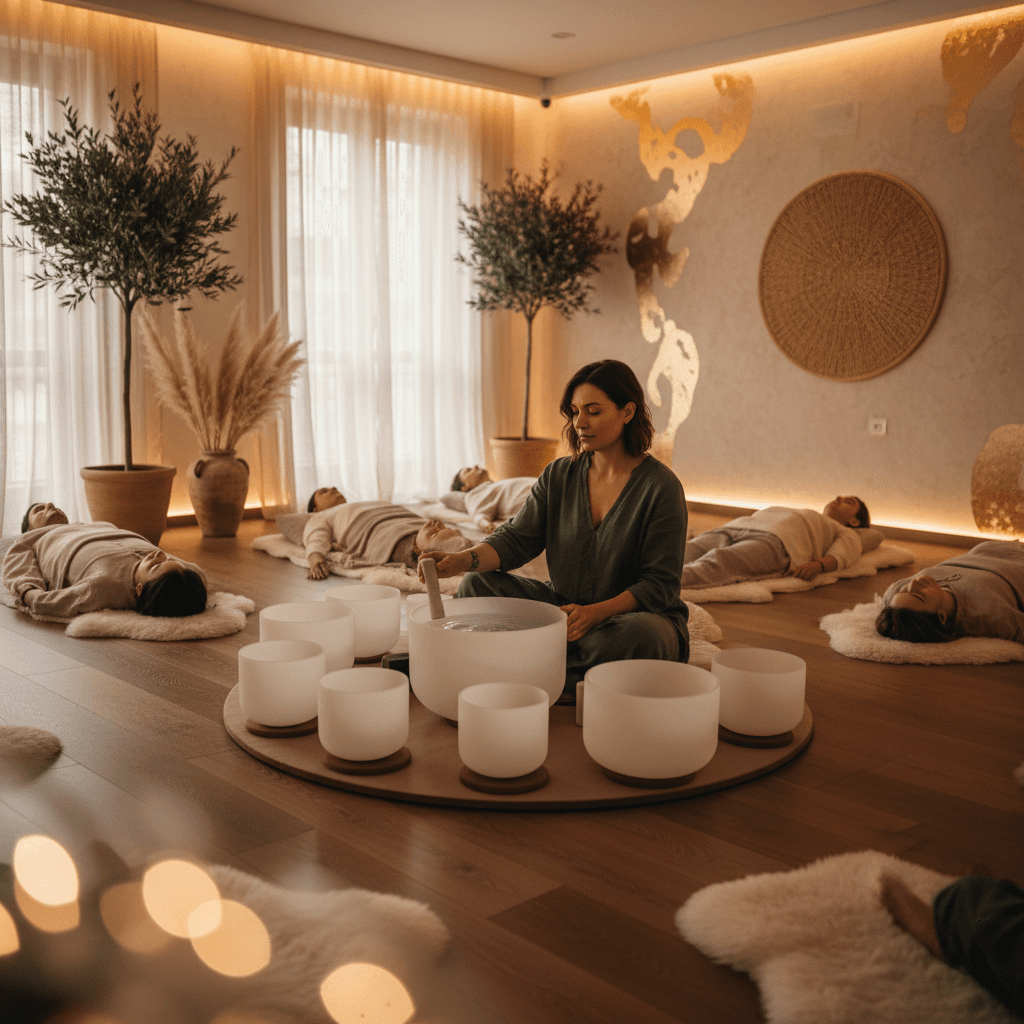
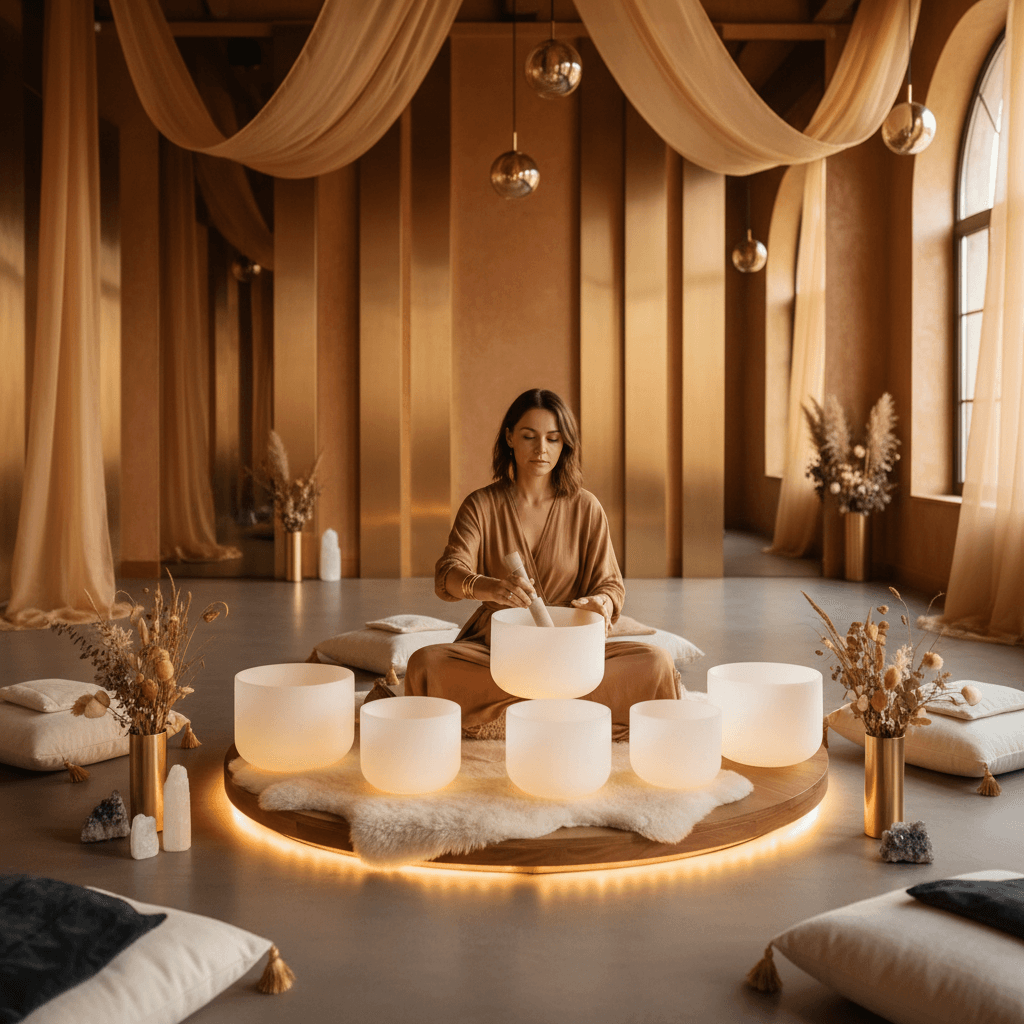
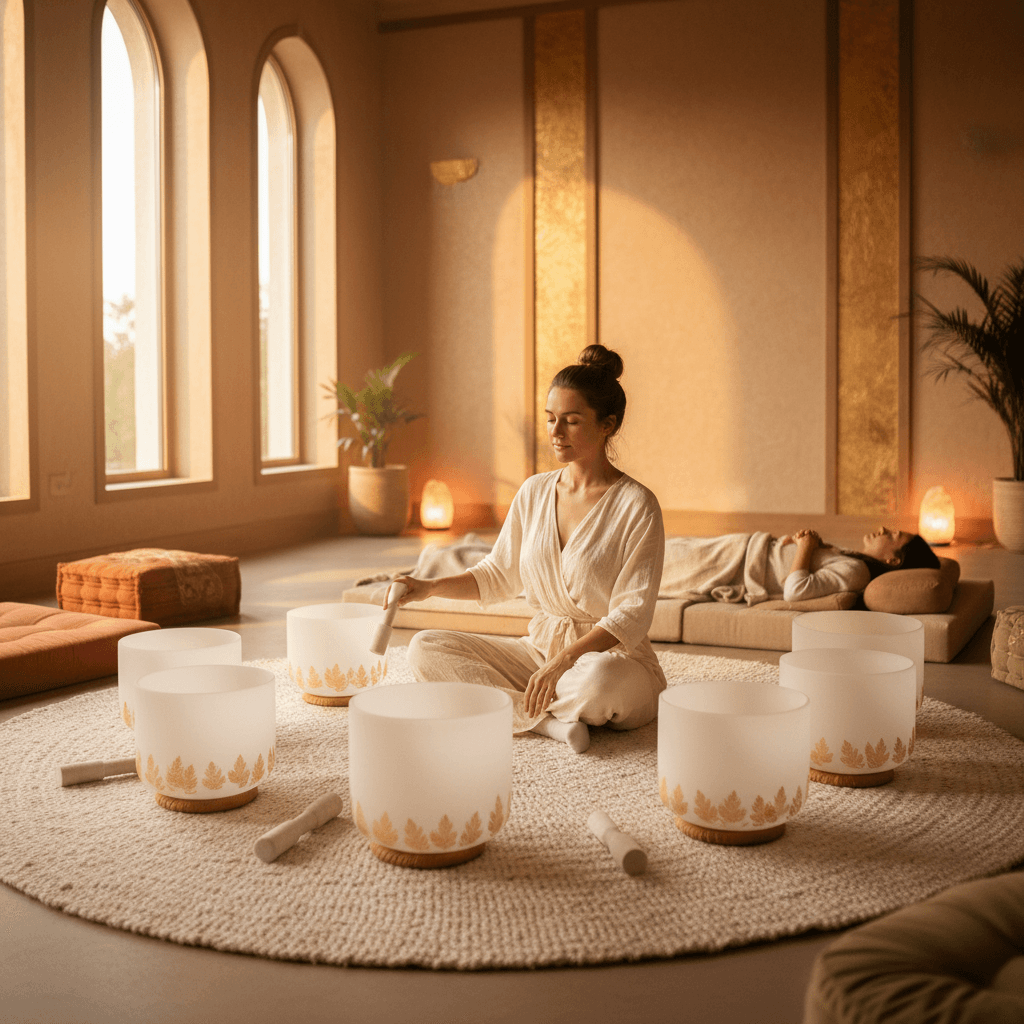
The Soul Art studio utilizes a carefully curated collection of instruments, each chosen for its unique vibrational qualities. This includes the rich, resonant tones of Himalayan singing bowls, the deep, enveloping waves of gongs, the clear, ethereal frequencies of crystal bowls, and the delicate shimmer of chimes. These instruments are played with intention, creating intricate soundscapes that gently encourage the nervous system to shift towards a state of coherence and balance. Larissa Steinbach guides these sessions with an intuitive understanding, tailoring the experience to support individual needs and promote deep relaxation and nervous system regulation. The subtle yet powerful vibrations help to anchor breath, release tension, and foster a profound sense of inner calm, providing a complementary approach to stress management and emotional well-being.
Cultivating Resilience: Your Journey Towards Greater Capacity
Expanding your Window of Tolerance is a journey, not a destination, requiring consistent, gentle practices that support your nervous system over time. The goal is to build resilience, allowing you to navigate life's inevitable challenges with greater ease and presence. By integrating mindful self-awareness and intentional practices, you can gradually widen your capacity for emotional regulation.
Here are some practical steps you can integrate into your daily life to start cultivating a broader Window of Tolerance:
- Practice Diaphragmatic Breathing: Even a few minutes of deep belly breathing each day can activate your vagus nerve and calm your nervous system. Inhale slowly, feeling your belly rise, then exhale slowly, allowing your belly to fall. This simple act provides immediate feedback to your brain that you are safe.
- Regular Body Check-ins: Throughout your day, pause and take a moment to notice what you are feeling in your body. Are your shoulders tense? Is your jaw clenched? This simple self-observation helps you identify early signs of dysregulation and allows for gentle intervention.
- Incorporate Micro-Moments of Stillness: Utilize transition times—walking between rooms, waiting for coffee, or before starting a new task—to take a few conscious breaths or simply observe your surroundings. These brief pauses can help reset your nervous system.
- Engage with Soothing Sounds: Listen to calming music, nature sounds, or simple tones that bring you a sense of peace. Allow these sounds to gently anchor you in the present moment and soothe any internal agitation.
- Gentle Movement and Stretching: Physical activity, especially gentle forms like stretching or yoga, helps to release stored tension and can bring your nervous system back into balance. Pay attention to the sensations in your body as you move.
Embarking on this journey of self-discovery and nervous system regulation can profoundly transform your well-being. If you are ready to explore the deeper dimensions of your inner resilience and experience the gentle power of sound, consider a guided session at Soul Art. Our expertly curated experiences provide an ideal environment for you to safely explore your Window of Tolerance and begin the process of expanding your capacity.
In Summary: Embracing Your Full Emotional Spectrum
The Window of Tolerance is a fundamental concept for understanding our capacity to navigate life's pressures while remaining present and adaptable. When we operate within this optimal zone, we can engage effectively, think clearly, and feel emotions without being overwhelmed. However, when pushed beyond, we enter states of hyper-arousal (fight/flight) or hypo-arousal (freeze/flop/drop), leading to dysregulation.
Soul Art, founded by Larissa Steinbach, offers a unique sound wellness approach to gently support nervous system regulation and expand this vital window. Through carefully crafted soundscapes using instruments like Himalayan and crystal singing bowls, our sessions foster embodied awareness and promote a deeper "Circle of Capacity" for experiencing all of life's emotions with greater ease. Embrace the opportunity to cultivate a more resilient, present, and emotionally balanced life. We invite you to experience the transformative power of sound at Soul Art.
Bookings Coming Soon
Soul Art is still in preparation. Session details and booking will be published here after launch.
Coming Soon
Wellness Disclaimer: This article is for educational and informational purposes only. It does not constitute medical advice, diagnosis, or treatment. Soul Art Dubai provides non-medical wellness experiences focused on relaxation, stress management, and general wellbeing. Sound wellness is a complementary practice and should not replace professional medical care.