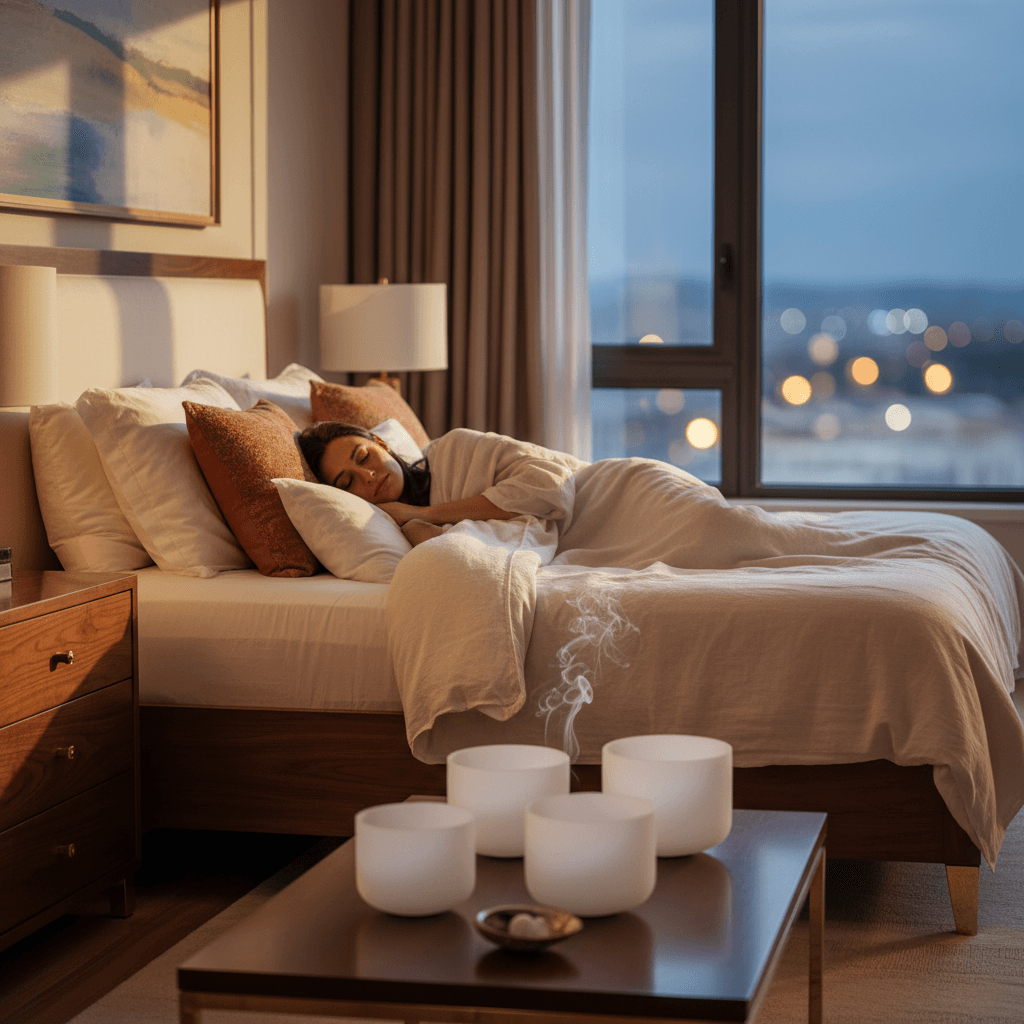
Weekend Sleep Debt: Strategies for Recovery & Sound Wellness
Key Insights
Discover the science behind sleep debt, why weekend catch-up isn't enough, and how Soul Art's sound wellness practices can support true rest.
The Illusion of Catching Up: Why Weekend Sleep Won't Erase Your Debt
Many of us are familiar with the relentless rhythm of the workweek, often sacrificing precious hours of sleep to meet deadlines or manage demanding schedules. The allure of the weekend, with its promise of a glorious lie-in, becomes a beacon of hope – a chance, we believe, to "catch up" on lost sleep and hit the reset button for the week ahead. But what if this cherished strategy is, in fact, an illusion, offering only fleeting relief rather than genuine recovery?
This article delves into the latest scientific understanding of sleep debt, revealing why those extra weekend hours may not fully reverse the physiological consequences of chronic sleep deprivation. We'll explore the sophisticated mechanisms of our body's internal clock and the profound impact of inconsistent sleep on our overall well-being. More importantly, we'll uncover effective, scientifically-grounded strategies that go beyond mere catch-up, introducing how the transformative power of sound wellness, championed by Larissa Steinbach at Soul Art in Dubai, can play a vital role in cultivating consistent, restorative sleep.
Understanding the true nature of sleep debt is paramount to fostering sustainable health. It’s about more than just feeling rested; it’s about protecting your metabolic health, cognitive function, and emotional resilience in the long term. Join us as we explore how to move from a cycle of debt and attempted repayment to one of consistent, vibrant rest.
The Science Explained: Unpacking the Complexities of Sleep Debt
The concept of "sleep debt" has permeated our modern lexicon, often used to describe the cumulative effect of not getting enough sleep. While the idea of owing hours to our body intuitively makes sense, the scientific reality is far more intricate than simply adding extra sleep on the weekend to balance the ledger. Research increasingly indicates that sleep debt operates quite differently from a financial debt; you can't simply pay it back whenever it's convenient and expect all functions to return to baseline.
The Misconception of Sleep "Repayment"
Multiple studies from institutions like the NHLBI, CDC, and various universities confirm that weekend recovery sleep, while providing temporary symptomatic relief – you might feel somewhat better after sleeping in – does not prevent the deeper metabolic, cardiovascular, cognitive, and immune system consequences of chronic sleep deprivation. The body doesn't just accept a lump sum payment and fully restore all its complex systems. Persistent insufficient sleep creates physiological changes that a few extra hours on Saturday and Sunday cannot fully reverse.
Consider research that shows how "ad libitum" weekend recovery sleep (sleeping as much as you want) fails to prevent metabolic problems caused by recurrent insufficient sleep. Participants in these studies often showed persistent issues with weight gain, altered energy expenditure, and increased evening calorie intake, despite believing they had caught up. This highlights that the quality and consistency of sleep are as crucial as the quantity.
The Lingering Cognitive and Metabolic Toll
The impact of chronic sleep debt extends far beyond feeling a bit groggy. Scientists at the Walter Reed Army Institute of Research, for instance, found that even after a week of poor sleep followed by three days of sleeping eight hours a night, recovery sleep did not fully reverse declines in performance on tests of reaction times and other psychomotor tasks. Subjects who had consistently slept only three or five hours a night showed residual impairments. Similarly, the Karolinska Institute in Stockholm observed slight residual cognitive impairments a week later in subjects who had restricted sleep for five days, even after a week of recovery sleep, despite their subjective feeling of being well-rested.
These findings underscore a critical point: while you might feel better, the underlying physiological and cognitive functions may still be compromised. Harvard Health notes that attempting to make up for weekday sleep loss by sleeping longer on weekends can have negative effects, primarily by creating "social jet lag." This phenomenon occurs when your body’s internal clock, or circadian rhythm, constantly shifts between your weekday and weekend schedules, leading to disruption akin to frequently changing time zones.
"The uncomfortable truth is that sleep debt operates differently than financial debt. The body doesn't simply accept payment whenever convenient and restore all functions to normal."
Metabolically, the picture is equally concerning. Studies published in Current Biology and reported by NIH show that subjects who cut sleep during the week but made up for it on weekends still experienced adverse metabolic outcomes. These included excess calorie intake after dinner, reduced energy expenditure, increased weight, and detrimental changes in how the body uses insulin. Even if the "sleep debt was resolved on paper," the metabolic cost lingered, emphasizing that consistency truly matters.
Bridging the Gap: Immediate Relief Measures
While weekend catch-up is not a long-term solution, certain short-term tactics can offer some temporary relief for acute sleep debt following a few recent poor nights. These strategies are about mitigating immediate effects, not erasing chronic debt:
- Strategic Napping: The NHLBI suggests that brief naps, typically 15-20 minutes, can boost alertness and performance without significantly interfering with nighttime sleep. The key is to keep them short and schedule them before mid-afternoon to avoid disrupting your circadian rhythm.
- Gradual Sleep Extension: Instead of a dramatic sleep-in until noon on Saturday, a more gentle approach involves going to bed 30-60 minutes earlier each night. This allows your body to adjust gradually, minimizing the disruption to your internal clock and promoting a more consistent sleep schedule over time.
These measures offer a degree of immediate comfort and can help manage acute fatigue, but they are not a substitute for addressing the root cause of chronic sleep deprivation. True recovery and sustained well-being depend on establishing consistent, quality sleep as a daily priority.
Beyond Conventional Recovery: The Role of Sound Wellness
Recognizing the limitations of weekend catch-up highlights the need for more holistic and consistent approaches to sleep health. This is where complementary wellness practices, particularly sound, can offer profound support. While sound wellness doesn't "repay" sleep debt in the same way one might clear a financial balance, it plays a powerful role in cultivating the optimal internal environment for the body to achieve deep, restorative sleep on a consistent basis.
In practice, sound wellness works by influencing our physiological and psychological states, guiding the body and mind into a profound state of relaxation. When we are stressed, our sympathetic nervous system (fight or flight) is often overactive, releasing cortisol and adrenaline, which are antithetical to sleep. Sound, particularly specific frequencies and resonant vibrations, has been associated with activating the parasympathetic nervous system (rest and digest). This shift encourages a sense of calm and safety, essential for sleep onset and quality.
Clients engaging in sound wellness experiences often report a profound sense of peace. The sustained, harmonious tones wash over them, creating a sonic landscape that encourages the brain to transition from a busy, beta-wave state to more relaxed alpha and then deeper theta brainwave states. These are the brainwave patterns associated with deep meditation, creativity, and the early stages of sleep. The experience is not merely passive listening; it's an immersive, full-body sensory journey.
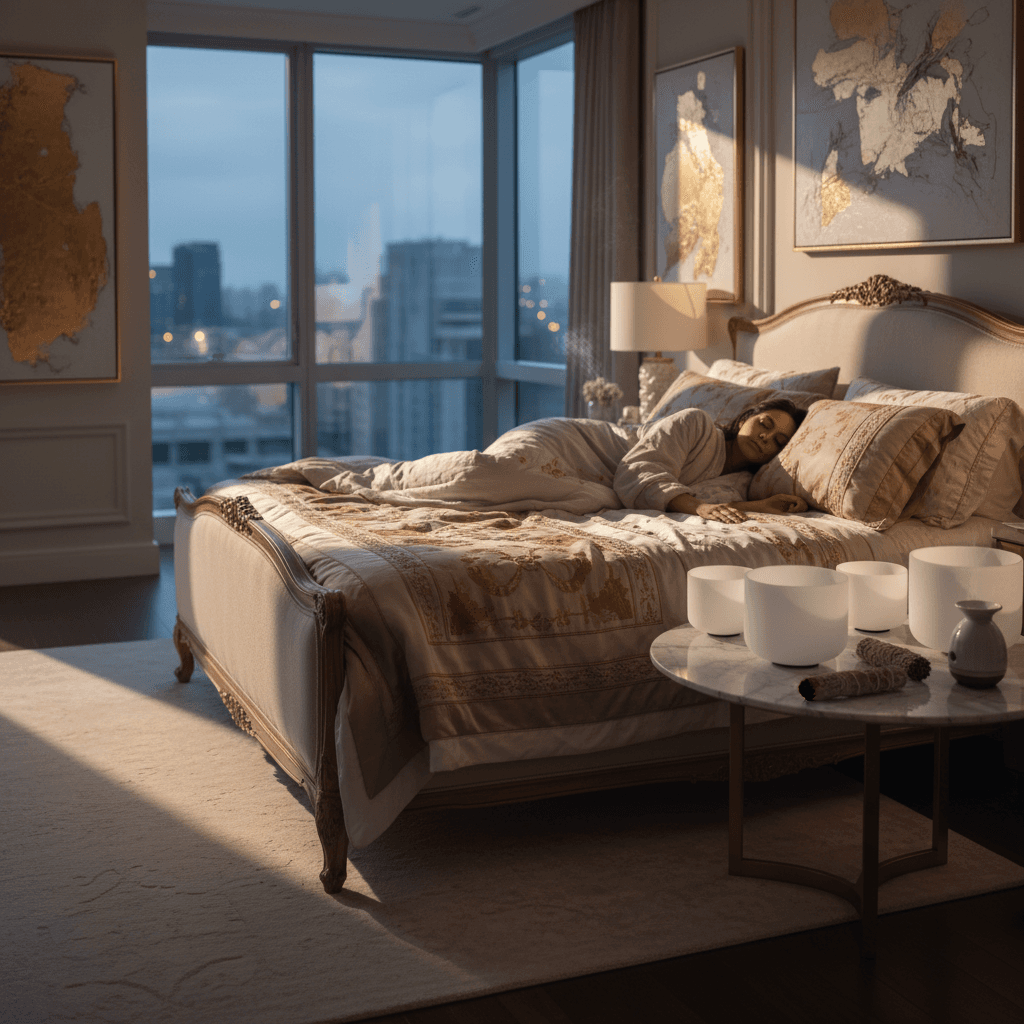
Imagine lying in a tranquil space, enveloped by gentle vibrations that seem to hum through every cell. The sounds of gongs resonate deeply, chimes sparkle with clarity, and crystal bowls sing with pure, sustained notes. This rich tapestry of sound can help quiet the incessant "mind chatter" that often keeps us awake. Many people report that these sessions provide an unparalleled opportunity to release accumulated stress and tension, which are significant barriers to consistent, high-quality sleep. By fostering deep relaxation and promoting a calm nervous system, sound wellness helps prepare the body and mind for the truly restorative sleep that regular weekend catch-up simply cannot deliver.
Larissa Steinbach's Vision: The Soul Art Method for Restorative Sleep
At Soul Art in Dubai, Larissa Steinbach has pioneered a distinctive approach to sound wellness, specifically tailored to address the challenges of modern life, including the pervasive issue of sleep debt. The Soul Art method isn't just about experiencing sound; it's about a curated journey into deep relaxation and nervous system regulation, designed to empower individuals to cultivate more consistent and restorative sleep patterns.
What makes the Soul Art method unique is its holistic integration of ancient wisdom with contemporary understanding of neurobiology and stress response. Larissa Steinbach carefully selects and orchestrates a diverse array of instruments, each chosen for its unique vibrational properties and ability to induce specific states of consciousness. These instruments include:
- Tibetan Singing Bowls: Their earthy, sustained tones and palpable vibrations are known to resonate deeply within the body, promoting physical and mental release.
- Crystal Singing Bowls: Crafted from quartz, these bowls produce pure, ethereal frequencies that are often associated with harmonizing energy centers and inducing profound states of tranquility.
- Gongs: The majestic, complex overtones of gongs create an immersive sound field, often leading to a feeling of being suspended in a timeless, meditative state.
- Chimes and Tuning Forks: These offer more precise frequencies, which may be used to fine-tune energy and promote specific brainwave states conducive to relaxation and sleep.
During a Soul Art session, Larissa Steinbach intuitively guides participants through a sound journey, creating an environment where the brain can effortlessly transition into alpha and theta brainwave states. This intentional brainwave entrainment is key to facilitating deep relaxation and preparing the body for sleep. It supports the reduction of cortisol levels and helps the nervous system switch from a sympathetic (stress) dominance to a parasympathetic (rest) state.
The environment at Soul Art is meticulously crafted to enhance this experience – a tranquil sanctuary in the heart of Dubai, far removed from urban clamor. This unique combination of expertly guided sound, carefully selected instruments, and a serene setting provides a powerful complementary approach to sleep support. It’s not about a quick fix for sleep debt, but rather about equipping individuals with a potent self-care practice that supports their body's innate ability to find balance, manage stress, and, ultimately, achieve more consistent and high-quality sleep, evening after evening. Soul Art, under Larissa Steinbach's vision, offers a pathway to integrating genuine rest into the rhythm of daily life.
Cultivating Consistent Rest: Actionable Strategies
Understanding that weekend catch-up is not a panacea for chronic sleep debt shifts our focus towards consistency and proactive sleep hygiene. While the immediate relief of a long weekend sleep might feel good, the long-term benefits come from prioritizing sleep every single night. Integrating sound wellness, as offered by Soul Art, can be a cornerstone of this consistent approach.
Here are actionable strategies you can implement today to move towards more restorative and consistent sleep:
- Prioritize a Consistent Sleep Schedule: Aim to go to bed and wake up at roughly the same time every day, even on weekends. This regularity helps to stabilize your body's circadian rhythm, making it easier to fall asleep and wake up naturally. This is the single most impactful change for long-term sleep health.
- Create a Sacred Bedtime Ritual: Dedicate the last hour before bed to winding down. This ritual might include reading a physical book, taking a warm bath, or engaging in a gentle stretching routine. Crucially, it's also an ideal time to incorporate sound wellness – listening to ambient tracks, nature sounds, or even replaying the serene frequencies experienced at Soul Art can significantly prepare your mind and body for sleep.
- Optimize Your Sleep Environment: Ensure your bedroom is a sanctuary for sleep. Keep it dark, quiet, and cool (ideally between 18-20 degrees Celsius). Block out light with blackout curtains, use earplugs if necessary, and invest in a comfortable mattress and pillows.
- Integrate Daily Stress Management: Chronic stress is a primary antagonist to quality sleep. Beyond dedicated sleep preparation, incorporate daily practices to manage stress throughout the day. Mindfulness, deep breathing exercises, and short sound meditations can help prevent stress from accumulating and interfering with your ability to relax at night. Consider how a sound session at Soul Art could be your weekly reset button.
- Be Mindful of Diet and Exercise: Avoid heavy meals, caffeine, and alcohol close to bedtime. Regular physical activity during the day can significantly improve sleep quality, but avoid intense workouts too close to sleep time.
By embracing these strategies, you shift away from simply reacting to sleep debt and instead build a foundation for proactive sleep wellness. If you're ready to explore a deeper dimension of relaxation and discover how sound can profoundly support your journey to consistent, restorative sleep, we invite you to experience the transformative power of Soul Art.
In Summary: Reclaim Your Rest, Reinvigorate Your Life
The journey to optimal health is deeply intertwined with the quality and consistency of our sleep. We've explored the scientific truth: while the idea of weekend catch-up sleep offers temporary comfort, it falls short of truly reversing the profound metabolic, cognitive, and physiological consequences of chronic sleep debt. The key to sustained well-being lies not in intermittent bursts of extra sleep, but in cultivating consistent, high-quality rest as a daily priority.
At Soul Art, Larissa Steinbach champions a holistic approach to wellness, integrating the therapeutic power of sound to support deep relaxation and nervous system regulation. By creating an optimal internal environment through carefully curated sound experiences, Soul Art empowers individuals to manage stress, quiet the mind, and transition more effectively into restorative sleep. It's a complementary wellness practice that aids in building a foundation for consistent, healthy sleep patterns, leading to greater vitality, focus, and overall quality of life. Embrace consistency, embrace sound, and reclaim your inherent capacity for profound rest.
Bookings Coming Soon
Soul Art is still in preparation. Session details and booking will be published here after launch.
Coming Soon
Wellness Disclaimer: This article is for educational and informational purposes only. It does not constitute medical advice, diagnosis, or treatment. Soul Art Dubai provides non-medical wellness experiences focused on relaxation, stress management, and general wellbeing. Sound wellness is a complementary practice and should not replace professional medical care.
Related Articles
Fan Noise and Sleep: Unmasking the Science Behind White Noise Machines for Deeper Rest
Polyphasic Sleep & Sound Healing: Navigating Restorative Rhythms
REM Rebound: Mastering the Art of Recovering Lost Dream Sleep