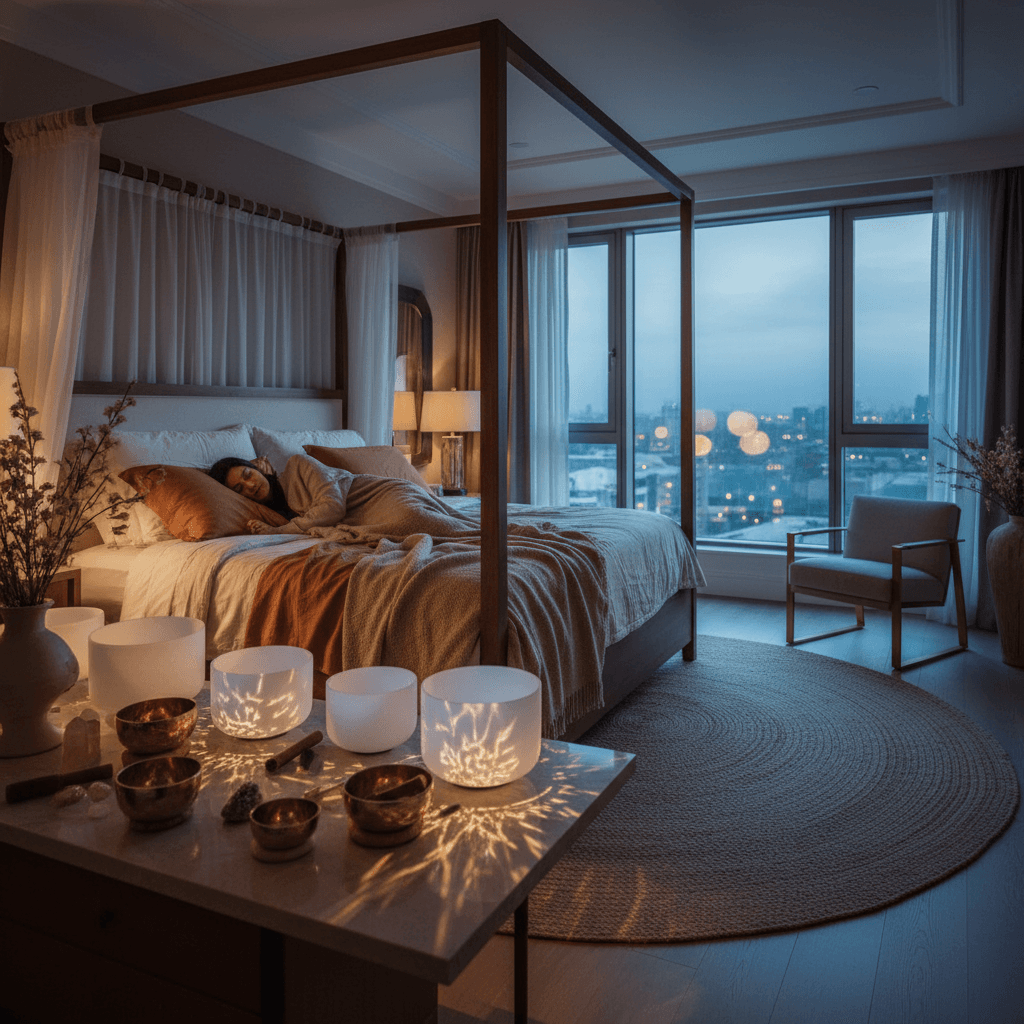
Polyphasic Sleep & Sound Healing: Navigating Restorative Rhythms
Key Insights
Explore if polyphasic sleep aligns with sound healing for deep rest and enhanced wellbeing. Discover Soul Art's approach to optimizing your sleep quality with Larissa Steinbach.
Polyphasic Sleep & Sound Healing: Navigating Restorative Rhythms
Imagine reclaiming hours from your day, feeling perpetually alert and energized on just a fraction of your usual sleep. This intriguing promise is at the heart of polyphasic sleep—a practice where sleep is broken into multiple segments throughout a 24-hour period, rather than one consolidated block. But is this ancient, yet seemingly radical, approach to rest truly compatible with modern wellness practices like sound healing, and more importantly, with your holistic well-being?
At Soul Art, Dubai's premier sound wellness studio, we believe true restoration stems from understanding and honoring your body's innate rhythms. Guided by founder Larissa Steinbach, our exploration into the interplay of sleep patterns and sound frequencies aims to empower you with knowledge. This article delves into the scientific landscape of polyphasic sleep and evaluates how sound healing may support, or potentially clash with, these unconventional sleep architectures, helping you uncover the path to truly restorative rest.
The Science Explained
For most of human history, sleep was not the eight-hour, uninterrupted block we champion today. Historians and scientists suggest that our ancestors often engaged in biphasic or segmented sleep patterns, a natural rhythm perhaps only disrupted by industrialization and the advent of artificial light. This earlier human sleep pattern typically involved an initial sleep period of three to five hours, a period of wakefulness for light activity, followed by a second sleep phase. While this historical context adds a fascinating dimension, it's crucial to examine polyphasic sleep through the lens of modern scientific understanding and its implications for sustained health.
Understanding Polyphasic Sleep Patterns
Polyphasic sleep refers to routines where sleep is broken into more than two segments per day. While some variations, like biphasic sleep, might involve two longer segments, many polyphasic routines are designed to drastically reduce total sleep time by distributing very short naps throughout the day. Advocates, often dubbed "sleep hackers," claim to thrive on as little as two to three hours of total sleep daily, spread across numerous brief naps. However, it's important to note that scientific evidence does not support the long-term sustainability or benefits of these extreme claims.
Common polyphasic schedules include:
- Uberman Sleep Schedule: This intense pattern involves six 20-minute naps spaced evenly throughout the day, totaling just two hours of sleep within a 24-hour period. This regimen is notoriously difficult to maintain and highly restrictive.
- Everyman Sleep Schedule: A slightly less extreme approach, featuring a three-hour core sleep period at night, supplemented by three 20-minute naps during the day, accumulating to about four hours of sleep daily.
- Triphasic Sleep Schedule: This schedule typically incorporates three shorter sleep periods—after dusk, before dawn, and in the afternoon—totaling four to five hours of sleep per 24-hour cycle.
While these schedules promise increased wakeful hours, there is no scientific evidence demonstrating that adopting a polyphasic sleep schedule is inherently more advantageous than a monophasic (single block) or traditional biphasic schedule for most individuals. Furthermore, there is no robust evidence suggesting that the human body can functionally adapt to an extremely limited amount of sleep without experiencing negative consequences.
The Risks and Realities of Extreme Polyphasic Sleep
The primary risk associated with extreme polyphasic sleep schedules is significant sleep deprivation. Most adults require 7-9 hours of consolidated sleep for optimal health and cognitive function. Consistently falling short of this range can have severe consequences, impacting various aspects of well-being.
Research highlights several critical downsides:
- Circadian Rhythm Disruption: Irregular sleep schedules, common with polyphasic patterns, can severely disrupt the body’s natural circadian rhythm. This disruption can mimic the effects of traveling across multiple time zones, leading to feelings of disorientation and fatigue. One study examining college students found that irregular sleep schedules, including polyphasic patterns, were associated with poorer academic performance, even when total sleep hours were similar.
- Health and Performance Risks: Insufficient sleep is linked to numerous health problems. It can impair cognitive function, reduce vigilance, decrease decision-making ability, and elevate the risk of accidents. For individuals in professions requiring sustained alertness, such as drivers or those operating heavy machinery, polyphasic sleep is strongly discouraged.
- Lack of Scientific Support: Despite anecdotal reports of increased productivity or lucid dreaming among some polyphasic sleepers, rigorous scientific research largely fails to substantiate these claims for the general population. The vast majority of sleep experts continue to recommend 7-9 hours of monophasic sleep for optimal health, emphasizing quality over quantity when it comes to sleep.
The Role of Sound in Sleep Quality
In contrast to the risks associated with inadequate sleep quantity from polyphasic schedules, sound healing focuses intensely on enhancing the quality of the sleep one does get. Sound has a profound influence on our brain activity and can gently guide us into deeper states of relaxation and rest.
Key findings on sound and sleep include:
- Enhancing Deep Sleep: Research indicates that precisely timed acoustic stimulation, such as bursts of pink noise, can enhance slow-wave sleep (deep sleep) by matching the brain’s delta wave frequencies. This personalized sound stimulation can potentially improve sleep quality, even for older adults who typically experience less slow-wave sleep. This process is about making the sleep you get more restorative, rather than extending the total duration.
- Brainwave Entrainment: Sound frequencies, particularly those found in traditional sound baths, can help entrain brainwaves, shifting them from beta (alert, waking state) to alpha (relaxed, meditative state) and theta/delta (deep relaxation, sleep states). This facilitates the body’s natural transition into rest.
- Reducing Sleep Pressure and Stress: Music therapy and other acoustic interventions before sleep have consistently shown positive effects on subjective sleep reports. Music, especially sedative music, can significantly improve sleep quality by reducing stress, calming the nervous system, and creating a conducive environment for rest. This can be particularly beneficial for combating "sleep pressure" – the feeling of drowsiness that builds up the longer one stays awake.
"The aim is not to extend the amount of sleep you get, but to enhance the quality of sleep. If we can improve sleep quality, we can potentially improve metabolic function and cognition." - Northwestern Medicine research on sound and deep sleep.
While sound healing offers powerful tools for optimizing sleep quality, it is essential to clarify its role: sound cannot compensate for chronic sleep deprivation resulting from insufficient overall sleep. It can, however, make the most of the sleep periods available, helping the body and mind achieve deeper, more restorative states within those segments. For individuals whose lifestyles necessitate segmented sleep (e.g., shift workers), incorporating sound could potentially mitigate some negative effects by improving the efficacy of their brief rest periods, though it does not eliminate the need for sufficient total sleep.
How It Works in Practice
Imagine stepping into a serene sanctuary, bathed in soft light and imbued with a gentle, calming energy. This is the setting for a sound healing session at Soul Art, where the ancient art of sound is meticulously brought to life. The practice is an immersive experience designed to harmonize your body's vibrational field and usher your mind into profound states of relaxation.
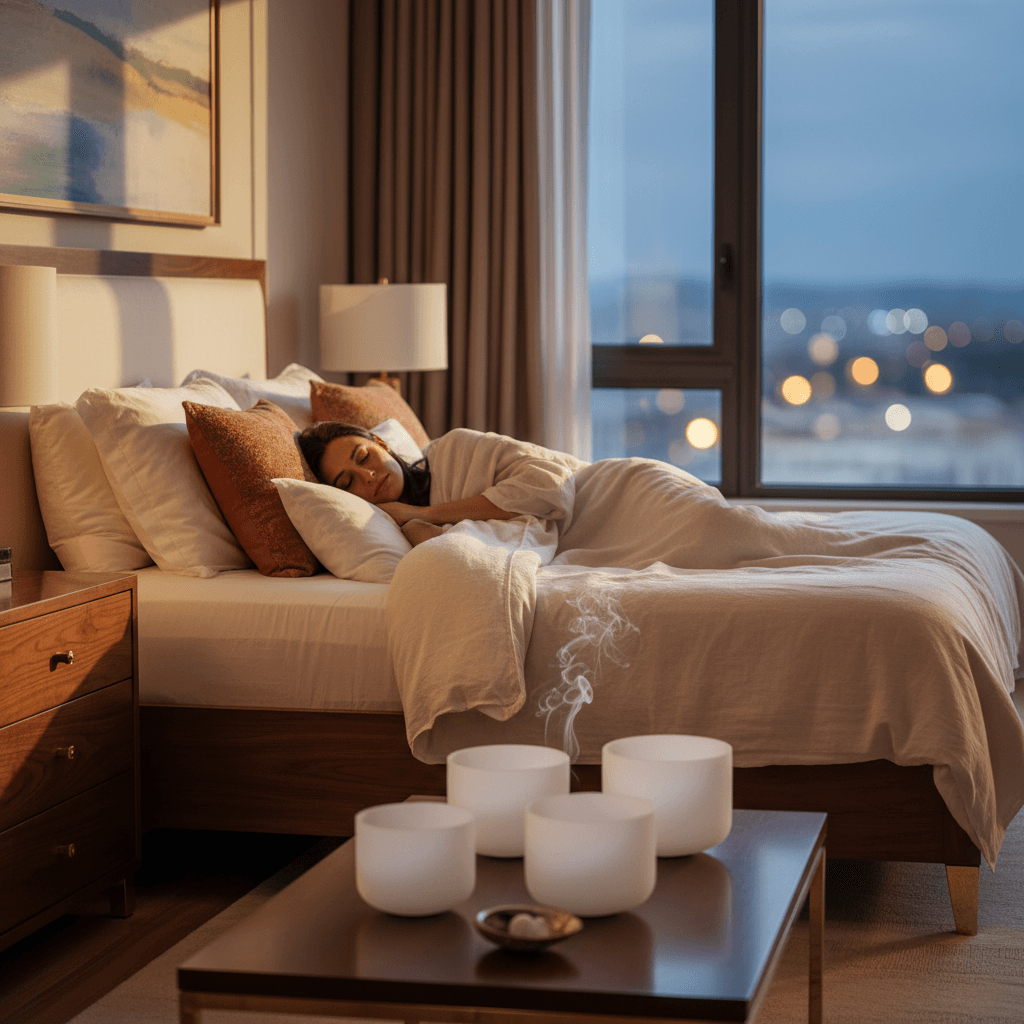
During a session, you lie comfortably, often on a mat, as skilled practitioners, guided by Larissa Steinbach's expertise, play a curated symphony of therapeutic instruments. These may include crystal singing bowls, Tibetan singing bowls, gongs, chimes, and tuning forks, each selected for its unique vibrational frequency and resonant quality. The sounds are not just heard; they are felt as gentle waves passing through your body, encouraging a deep sense of peace.
The science behind this experience lies in brainwave entrainment. As the sustained frequencies and rich overtones fill the space, your brainwaves begin to synchronize with these external rhythms. You might transition from a state of busy, waking beta waves, through relaxed alpha waves, into the profound calm of theta waves, and for some, even the restorative depths of delta waves typically associated with deep sleep. This process helps to quiet the incessant mental chatter and activates the parasympathetic nervous system, the body's "rest and digest" mode.
Clients often describe a journey through various sensations: a calming lightness, a release of tension, or even vivid, dream-like states. The vibrations themselves work on a cellular level, promoting relaxation and encouraging the body's natural healing processes. This sensory immersion creates an ideal environment for the body and mind to unwind, preparing them for truly restorative rest. Even a short sound bath can feel equivalent to a longer period of conventional sleep for some, precisely because it enhances the quality of the relaxation achieved. For those exploring structured napping, a brief sound session could serve as an effective gateway to a more impactful and refreshing micro-sleep.
The Soul Art Approach
At Soul Art, Larissa Steinbach’s vision transcends merely creating beautiful sounds; it’s about curating a holistic wellness experience that nurtures the nervous system and fosters deep, sustained well-being. Our approach is rooted in the understanding that modern life often disrupts our natural sleep cycles and internal harmony. While we do not advocate for extreme polyphasic sleep schedules, we recognize the diverse needs of individuals and offer tools to maximize the quality of their rest, regardless of their sleep patterns.
Larissa Steinbach emphasizes a personalized and intuitive methodology. She believes that true healing is a symphony of mind, body, and spirit, and sound is a powerful conductor. Each session is mindfully designed, taking into account the individual's current state and specific wellness goals. This bespoke approach ensures that whether you're grappling with stress, seeking deeper meditation, or aiming to improve your sleep architecture, the frequencies offered resonate most effectively with your unique energetic blueprint.
What makes the Soul Art method unique is its dedication to creating a safe and deeply immersive environment where profound inner shifts can occur. We utilize a diverse array of sacred instruments, including:
- Gongs: Renowned for their powerful, full-body vibrations that can induce profound states of relaxation and release.
- Crystal and Tibetan Singing Bowls: Their pure, resonant tones are exceptional for brainwave entrainment, guiding the mind into meditative and restorative states.
- Chimes and Percussion: Used to add delicate textures and subtle shifts in energy, enhancing the overall sonic tapestry.
Larissa's expertise lies in her ability to intuitively blend these instruments, creating soundscapes that facilitate nervous system regulation and encourage the brain to shift into frequencies associated with deep rest and rejuvenation. While we recommend prioritizing a consolidated 7-9 hours of sleep for optimal health, for those with unavoidable irregular schedules, such as shift workers or individuals managing limited sleep periods, Soul Art sessions can be invaluable. They provide a potent means to rapidly descend into profound relaxation, making the most of shorter rest windows and supporting the body’s innate ability to recalibrate. Our goal is to enhance the quality of every sleep opportunity, promoting overall resilience and vitality.
Your Next Steps
Navigating the complexities of sleep and wellness requires mindful choices and an understanding of your unique needs. While the allure of "hacking" sleep might be strong, prioritizing genuine, restorative rest is paramount. Here are practical steps you can take to enhance your sleep quality, whether you maintain a monophasic pattern or occasionally experience segmented rest:
- Prioritize Quality Over Quantity (within reason): Aim for the recommended 7-9 hours of sleep each night. If your schedule makes this challenging, focus on making the sleep you do get as high quality as possible. Sound healing is a powerful tool for this, enhancing deep sleep and relaxation.
- Incorporate Mindful Napping: If short naps are a part of your routine, ensure they are intentional and well-timed. Keep them brief (20-30 minutes) to avoid sleep inertia and interfering with nighttime sleep. Consider initiating a nap with calming sound frequencies to deepen relaxation.
- Establish a Relaxing Pre-Sleep Routine: Dedicate the hour before bed to winding down. This could include gentle stretching, reading, a warm bath, or listening to calming music or sound healing tracks. Avoid screens and stimulating activities.
- Listen to Your Body: Pay attention to how different sleep patterns affect your energy levels, mood, and cognitive function. If you feel consistently fatigued or irritable, it’s a clear sign your current sleep strategy isn't serving you. Seek guidance if concerns persist.
- Explore Sound Wellness: Experience the profound benefits of sound healing for yourself. Whether you seek to deepen your nightly sleep, enhance meditation, or simply manage stress, sound offers a gentle yet powerful pathway to inner peace and physical restoration.
In Summary
While the concept of polyphasic sleep offers an intriguing glimpse into ancient human rhythms and the potential for maximizing wakefulness, modern science largely cautions against extreme schedules due to significant risks of sleep deprivation and circadian disruption. Soul Art, under the guidance of Larissa Steinbach, champions a holistic approach to rest, emphasizing that optimal well-being stems from prioritizing sleep quality and sufficient rest, rather than merely reducing sleep duration. Sound healing emerges as a powerful complementary practice, capable of enhancing the depth and restorative nature of any sleep, making the most of your body's natural capacity for repair and rejuvenation. Embrace the tranquility that sound wellness can bring, and journey towards truly profound rest with Soul Art.
Bookings Coming Soon
Soul Art is still in preparation. Session details and booking will be published here after launch.
Coming Soon
Wellness Disclaimer: This article is for educational and informational purposes only. It does not constitute medical advice, diagnosis, or treatment. Soul Art Dubai provides non-medical wellness experiences focused on relaxation, stress management, and general wellbeing. Sound wellness is a complementary practice and should not replace professional medical care.
Related Articles
Fan Noise and Sleep: Unmasking the Science Behind White Noise Machines for Deeper Rest
REM Rebound: Mastering the Art of Recovering Lost Dream Sleep
Stage N2 Sleep: Optimizing the Core of Your Rest for Enhanced Well-being