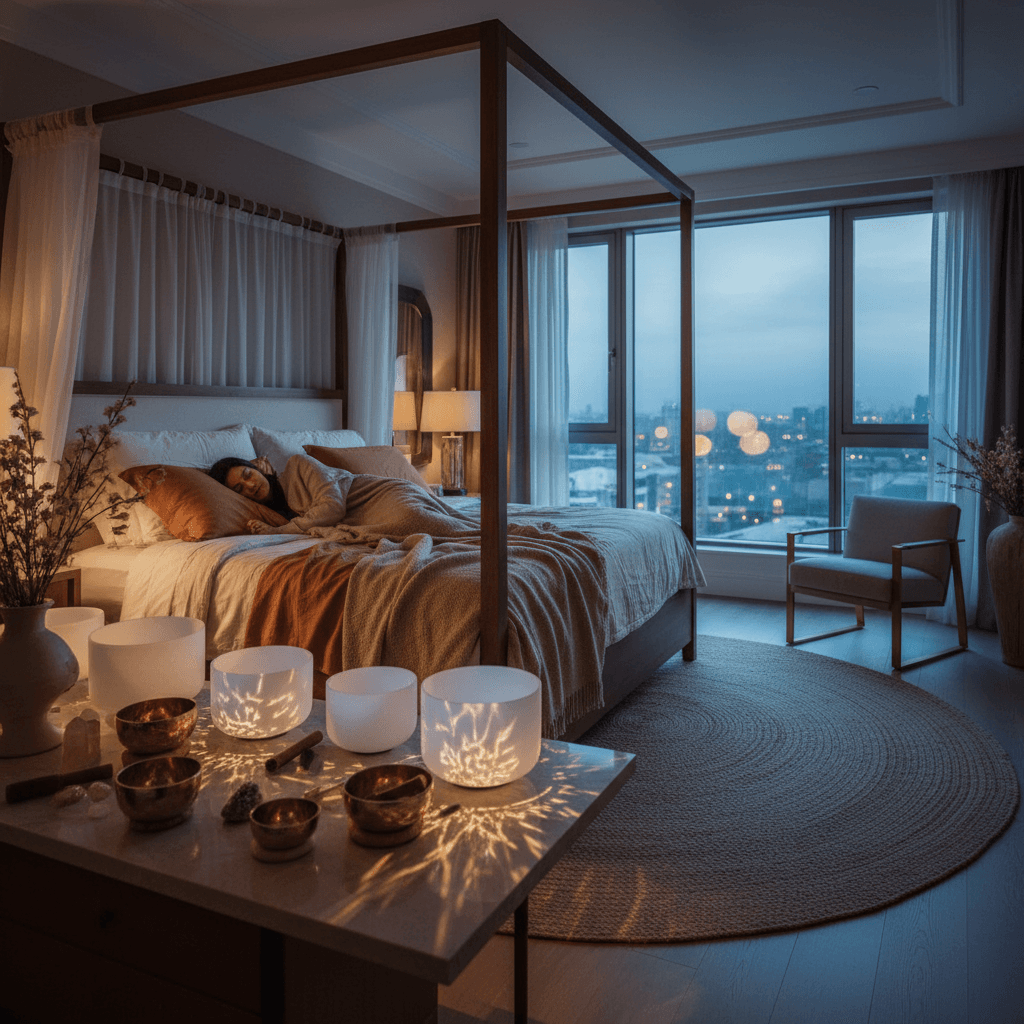
REM Rebound: Mastering the Art of Recovering Lost Dream Sleep
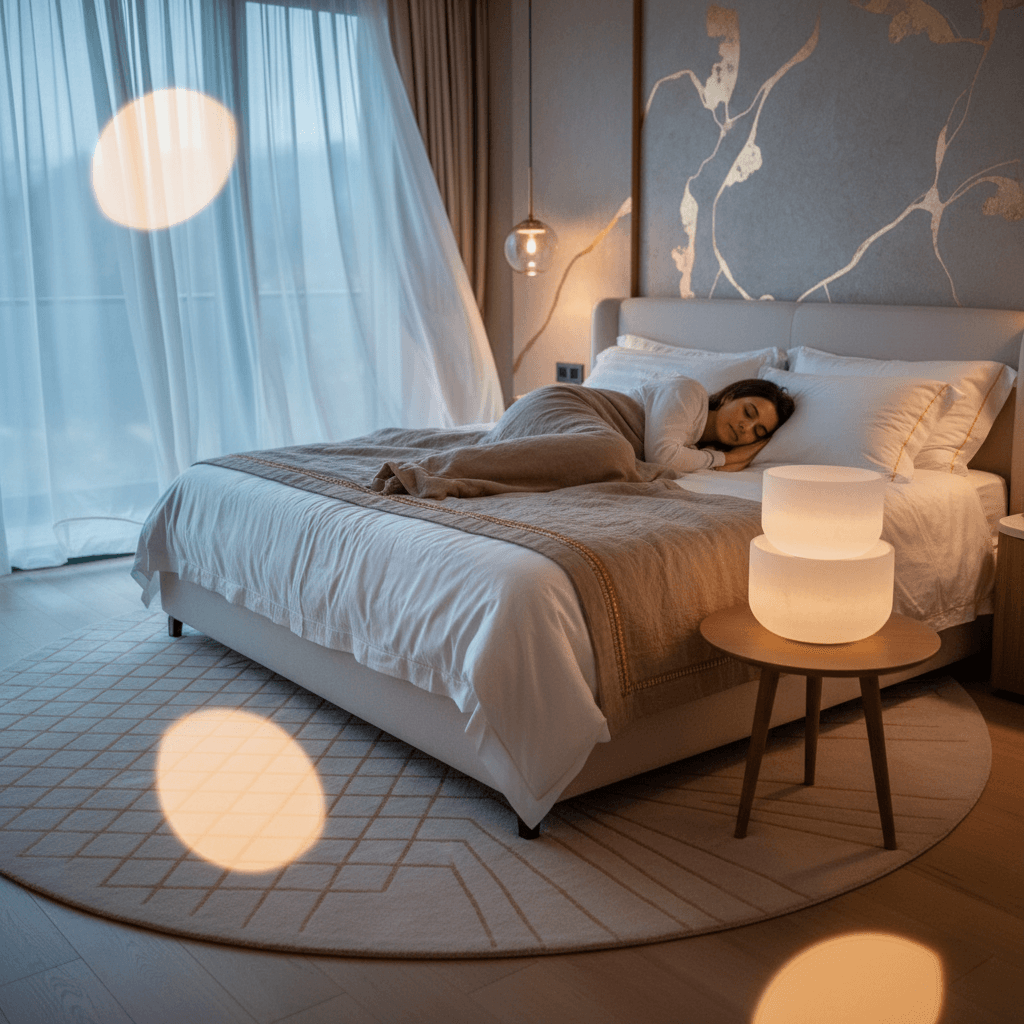
Key Insights
Uncover the science behind REM rebound and how your body naturally restores vital dream sleep. Explore holistic wellness strategies at Soul Art Dubai with Larissa Steinbach.
Have you ever woken up feeling like you missed out on something vital during the night, perhaps a crucial part of the restorative process? The secret might lie in the fascinating world of Rapid Eye Movement (REM) sleep, often overshadowed by the pursuit of deep, slow-wave sleep. Many people instinctively know that a good night's sleep is essential, but the intricate mechanisms behind it are truly profound.
Today, we delve into the scientifically recognized phenomenon known as REM rebound, a powerful, natural adaptive strategy our bodies employ to catch up on lost dream sleep. This article will unravel the science, explain what it means for your emotional and cognitive well-being, and explore how a holistic approach, like that championed by Larissa Steinbach at Soul Art in Dubai, can support this vital process. Understanding REM rebound offers a pathway to not just sleeping more, but sleeping better, with richer, more restorative dream experiences.
The Enigma of REM Rebound: Unpacking the Science of Dream Sleep Recovery
Our sleep is far from a monolithic state; it's a complex, beautifully choreographed dance through various stages, each with its unique purpose. Among these, Rapid Eye Movement (REM) sleep stands out as a crucial period for mental and emotional restoration. It's the stage most intimately associated with our most vivid and profound dreams.
During a typical eight-hour night, we spend approximately 90 minutes or more in REM sleep, experiencing multiple periods that gradually lengthen as the night progresses. Most of this essential dream activity is concentrated towards the morning hours. Research has extensively highlighted REM sleep's critical roles in emotional regulation, memory consolidation, and even reframing negative experiences.
What is REM Sleep?
REM sleep is a unique phase characterized by rapid eye movements, temporary muscle paralysis, and heightened brain activity resembling wakefulness. It's during this stage that our minds are most active, weaving together narratives and processing the day's events. This intricate mental activity is believed to be vital for our psychological equilibrium.
Studies suggest that REM sleep provides an ideal period for the brain to regulate emotional reactivity, especially during a time when stress responses are normally quiet. For instance, research has shown that human participants expressed diminished negative reactions to images of fearful faces and augmented positive reactions to happy faces after a 90-minute nap that included REM sleep. This underscores its role in emotional processing.
Understanding REM Rebound
REM rebound is the body's remarkable, innate compensatory mechanism to restore lost dream sleep. When we are deprived of REM sleep, our bodies don't just forget about it; they actively seek to make up the deficit. This leads to an increased amount and intensity of REM sleep once the opportunity arises.
Researchers hypothesize that REM rebound is an evolutionarily advantageous adaptive strategy. The inability to engage in this recovery process could have potentially disastrous consequences for our cognitive and emotional health. It reflects the body's deep commitment to maintaining sleep homeostasis, a balanced state of all sleep stages.
Triggers for REM Rebound
Several factors can lead to REM sleep deprivation and, consequently, trigger a rebound effect. Understanding these can shed light on your own sleep patterns. The most common causes include:
- Sleep Deprivation: Prolonged periods of insufficient sleep, particularly for 96 hours or more, can lead to significant REM rebound. Even 12 to 24 hours of deprivation can increase both REM and Non-REM sleep.
- Significant Stress: High levels of stress can disrupt normal sleep architecture, often suppressing REM sleep, which then prompts a rebound once the stress subsides.
- Medication Withdrawal: Many medications can influence normal REM sleep. For example, benzodiazepines normally suppress REM sleep when taken and will increase REM rebound once discontinued. The same effects are seen with barbiturates and ethanol. Interestingly, newer benzodiazepine-like hypnotic sleep aids such as zolpidem have no associated REM rebound when discontinued.
- Antidepressant Withdrawal: Many patients tend to experience prolonged and more intense dreams associated with REM rebound following the abrupt withdrawal of antidepressant medications, particularly selective serotonin reuptake inhibitors (SSRIs).
- Substance Withdrawal: A meta-analysis of multiple substances of abuse showed that withdrawal from marijuana, tetrahydrocannabinol (THC), cocaine, heroin, and stimulants results in increased REM sleep rebound. This indicates a compensatory return to sleep homeostasis as the body recovers.
- Underlying Sleep Disorders: While REM rebound itself is not a clinical diagnosis, it often accompanies various sleep disorders. Conditions such as obstructive sleep apnea (OSA), insomnia, narcolepsy, parasomnias, and even poor sleep hygiene or shift work can disrupt normal REM cycles, leading to rebound when these issues are addressed.
It is important to remember that REM rebound behavior itself is not pathological but rather a homeostatic response. It highlights the profound importance of REM sleep for overall well-being.
The Physiological Underpinnings
The mechanisms behind REM rebound are complex, involving a delicate interplay of hormones and neurotransmitters. While researchers are still exploring the full picture, several key players have been identified:
- Serotonin (5-HT): This neurotransmitter plays a crucial role. An abnormal increase in serotonin activity can lead to issues like loss of muscle atonia during REM sleep. Abrupt discontinuation of serotonergic antidepressants often leads to vivid dreams, a hallmark of REM rebound, correlated with elevated serotonin levels.
- Prolactin (PRL): Empirical evidence suggests a correlation between the duration of REM rebound and elevated plasma prolactin levels. Serotonin stimulates prolactin release, and in turn, prolactin activates cholinergic neurons in the mesopontine tegmental region of the brain, a critical area for initiating REM sleep.
- Other Hormones: Corticotropin-releasing hormone (CRH), adrenocorticotropic hormone (ACTH), plasma corticosterone, and corticotropin-like intermediate peptide (CLIP) are also believed to play a role. More research is required to better understand how these hormones work together to increase REM sleep during a REM rebound effect.
These intricate hormonal and neurotransmitter systems underscore the body's sophisticated attempt to restore balance when REM sleep has been compromised.
"Even our most frightening nightmares are trying to help us by balancing our emotional state and taking the charge out of challenging past and current life situations."
This insightful perspective suggests that rather than viewing intense dreams during rebound as disturbances, we can see them as powerful, innate tools for processing and healing.
Experiencing the Deep Dive: What REM Rebound Feels Like
When your body engages in REM rebound, the experience can be quite distinct from your usual nights of sleep. It's often characterized by a noticeable shift in how you dream and, crucially, how you feel upon waking. This phenomenon highlights the body's incredible ability to self-regulate and restore balance.
The Phenomenon of Vivid Dreams
One of the most commonly reported aspects of REM rebound is the occurrence of prolonged and more intense dreams, often described as particularly vivid or even lucid. For individuals discontinuing certain medications or recovering from periods of stress, these dreams can sometimes be quite intense or unsettling. However, it's essential to understand that this heightened dream activity is not necessarily a negative sign.
Instead, these vivid dreams are your brain's diligent effort to process accumulated emotional and cognitive material that it missed during earlier REM-deprived periods. It's a natural, adaptive strategy to "catch up" and rebalance your emotional state. Research indicates that vivid, immersive dreams may actually make sleep feel deeper and more restorative rather than interrupting it. The quality of the dream experience, especially its immersiveness, appears to be crucial for this perception of deep rest.
Signs Your Body is Rebounding
Beyond the intensity of dreams, there are other indicators that your body may be undergoing REM rebound. While these are often subtle, they collectively point to your system working hard to restore equilibrium:
- Quicker Onset of REM Sleep: Instead of moving through progressively deepening cycles of non-REM sleep at the start of the night, your body may drop into REM sleep almost immediately. This structural shift in the normal sleep cycle is a hallmark of rebound.
- Subjective Feeling of Deeper Rest: Paradoxically, despite potentially more vivid dreams, many people report feeling a deeper, more restorative sleep after periods of REM rebound. This suggests the body's recovery efforts are effective in alleviating sleep debt.
- Improved Emotional State: Some preliminary studies, particularly with patients experiencing REM rebound during CPAP titration for sleep apnea, have indicated positive correlations. Compared with non-REM rebounders, REM rebounders sometimes experienced less dizziness, insomnia, anxiety, irritability, and depression. This suggests a potential link between successful REM recovery and enhanced emotional well-being.
- Shift in Hormonal Balance: Although not consciously perceived, the internal hormonal adjustments involving serotonin and prolactin are working behind the scenes to facilitate this recovery. This leads to a return to a more normal, restorative sleep pattern.
This compensatory process aims to restore hormonal balance and sleep homeostasis. The feeling of a "reset" or "recovery" as the body addresses its sleep debt can be profoundly rejuvenating. Emerging research supports the idea that "sleep rebound leads to marked recovery of prolonged sleep deprivation-induced adversities," reinforcing its critical role in our overall health.
Soul Art's Sanctuary: Nurturing Your Path to Holistic Sleep
At Soul Art in Dubai, under the visionary guidance of Larissa Steinbach, we embrace a holistic approach to well-being that deeply respects the body's innate wisdom, including its incredible capacity for self-regulation through phenomena like REM rebound. We understand that true rest goes beyond mere duration; it encompasses the quality and depth of your sleep, and the emotional and mental restoration that occurs within it.
Our philosophy centres on creating an environment and experience that gently guides your nervous system into a state of profound relaxation. This state is highly conducive to allowing your body to naturally access all stages of sleep, including the vital REM phase, and to effectively engage in REM rebound when needed. We offer complementary wellness practices that may support your body's natural healing and restorative processes.
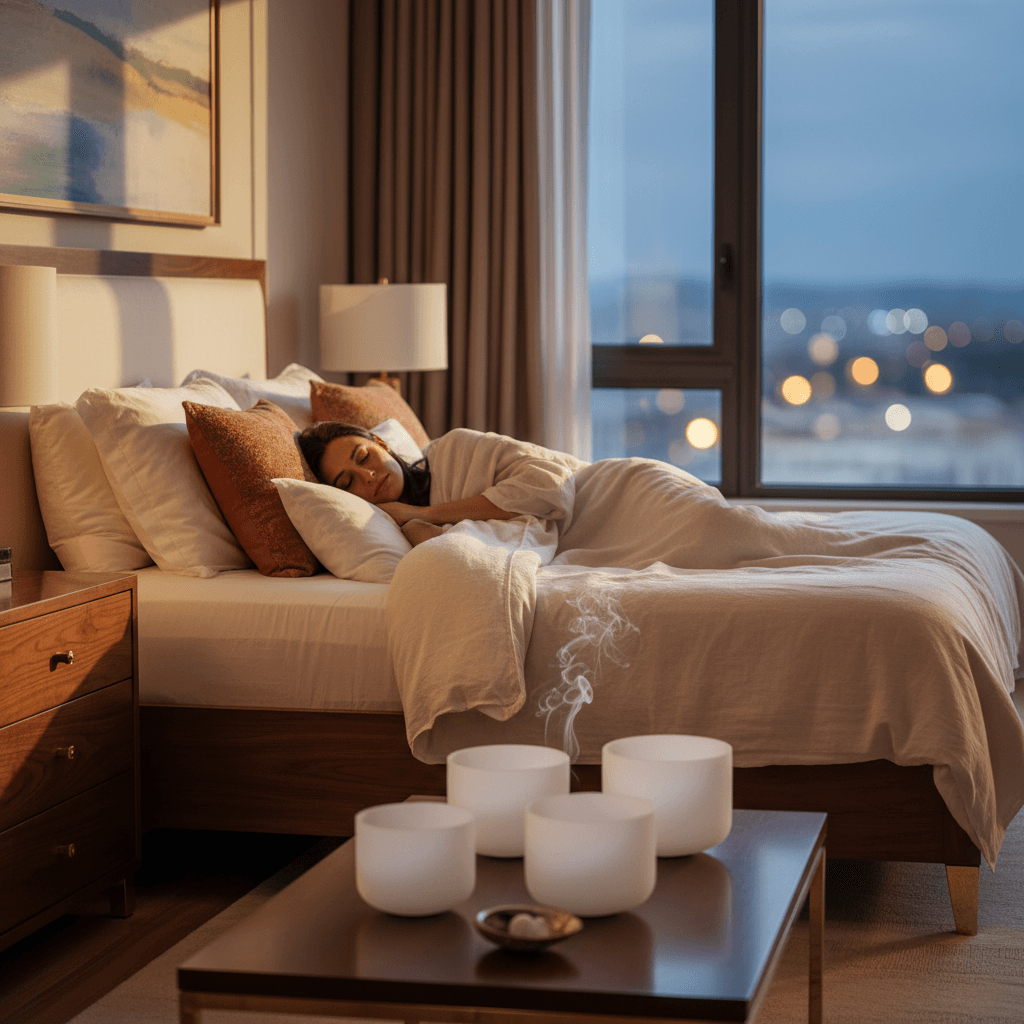
The Soul Art method is unique in its deliberate crafting of bespoke soundscapes. Larissa Steinbach and her team utilize a curated collection of exquisite instruments, each chosen for its ability to produce specific frequencies and vibrations that resonate deeply with the human body and mind. These include:
- Crystal Singing Bowls: Their pure, resonant tones are known to induce deep relaxation and help calm an overactive mind.
- Gongs: The powerful, immersive vibrations of gongs can facilitate profound states of altered consciousness, making them excellent tools for stress release.
- Chimes and Tuning Forks: These offer delicate, precise frequencies that may help to rebalance energy and gently guide the brain into more relaxed wave states.
Through expertly facilitated sound baths and meditation practices, we aim to:
- Reduce Stress and Anxiety: By quietening the mind and soothing the nervous system, we create optimal conditions for sleep onset and maintenance. Many people report a significant reduction in stress after a sound session.
- Regulate Emotional State: Sound wellness practices are a potent tool for emotional release and regulation. By creating a safe space for processing, they may support the same emotional balancing act that REM sleep performs, preparing you for more restful sleep.
- Enhance Sleep Architecture: While not directly inducing REM rebound, our practices are designed to foster an overall state of relaxation that may promote higher quality sleep. This allows the body to move more freely through its natural sleep cycles and recover lost REM sleep more effectively.
Soul Art provides a sanctuary where you can surrender to the frequencies, allowing your body and mind to unwind, release tension, and prepare for truly restorative sleep. It is a complementary approach to holistic wellness, focusing on stress management and deep relaxation, rather than offering medical treatment or diagnosis.
Cultivating Deeper Sleep: Your Journey Beyond Rebound
Understanding REM rebound empowers you to take proactive steps towards enhancing your sleep quality and overall well-being. This isn't about forcing your body into a specific state, but rather creating the optimal conditions for its natural restorative mechanisms to flourish.
Here are some practical, actionable steps you can implement today to support your journey towards deeper, more rejuvenating sleep:
- Prioritize Consistent Sleep Hygiene: Establish a regular sleep schedule, even on weekends, to regulate your body's natural circadian rhythm. Ensure your sleep environment is cool, dark, and quiet. Avoiding screens for at least an hour before bed can also significantly improve sleep quality.
- Incorporate Mindful Practices into Your Day: Gentle stretching, deep breathing exercises, or short meditation sessions can significantly reduce daily stress, which is a known disruptor of REM sleep. These practices may support emotional regulation, preparing your mind for a more peaceful night.
- Evaluate Medications and Substances with a Professional: If you suspect certain medications or substances (including alcohol or recreational drugs) are affecting your REM sleep, discuss your concerns with a qualified healthcare professional. Never discontinue medication without medical advice.
- Address Underlying Sleep Disturbances: If you experience persistent issues like chronic insomnia, excessive daytime sleepiness, or suspect conditions like obstructive sleep apnea, it is crucial to consult a sleep specialist. Addressing these underlying disorders can enhance REM sleep and alleviate the pressure for rebound.
- Explore Complementary Wellness Practices: Sound wellness, like the experiences offered by Larissa Steinbach at Soul Art, can be a profound aid in creating a receptive state for restorative sleep. These holistic methods may support nervous system regulation, reduce stress, and foster a peaceful mind, all of which contribute to deeper sleep architecture.
By embracing these strategies, you are not just hoping for better sleep; you are actively nurturing your body's innate capacity for self-repair and optimal function.
In Summary: Embracing Your Body's Wisdom for Restorative Sleep
REM sleep is far more than just the stage where we dream; it is a critical pillar of our emotional regulation, cognitive health, and overall well-being. The phenomenon of REM rebound beautifully illustrates our body's profound intelligence, its innate drive to recover lost dream sleep and restore vital balance. This adaptive strategy ensures that even when life's demands disrupt our sleep patterns, our system strives to catch up, leading to periods of intense, vivid dreaming that are ultimately restorative.
At Soul Art in Dubai, Larissa Steinbach and her team are dedicated to providing a sanctuary where complementary wellness practices may support your journey towards holistic rest. By immersing yourself in the bespoke frequencies of sound, you can create an optimal environment for your body to unwind, release stress, and naturally enhance the quality of your sleep, embracing the full spectrum of its restorative power. We invite you to experience the deep serenity that empowers your body's wisdom for truly rejuvenating rest.
Bookings Coming Soon
Soul Art is still in preparation. Session details and booking will be published here after launch.
Coming Soon
Wellness Disclaimer: This article is for educational and informational purposes only. It does not constitute medical advice, diagnosis, or treatment. Soul Art Dubai provides non-medical wellness experiences focused on relaxation, stress management, and general wellbeing. Sound wellness is a complementary practice and should not replace professional medical care.
Related Articles
Fan Noise and Sleep: Unmasking the Science Behind White Noise Machines for Deeper Rest
Polyphasic Sleep & Sound Healing: Navigating Restorative Rhythms
Stage N2 Sleep: Optimizing the Core of Your Rest for Enhanced Well-being