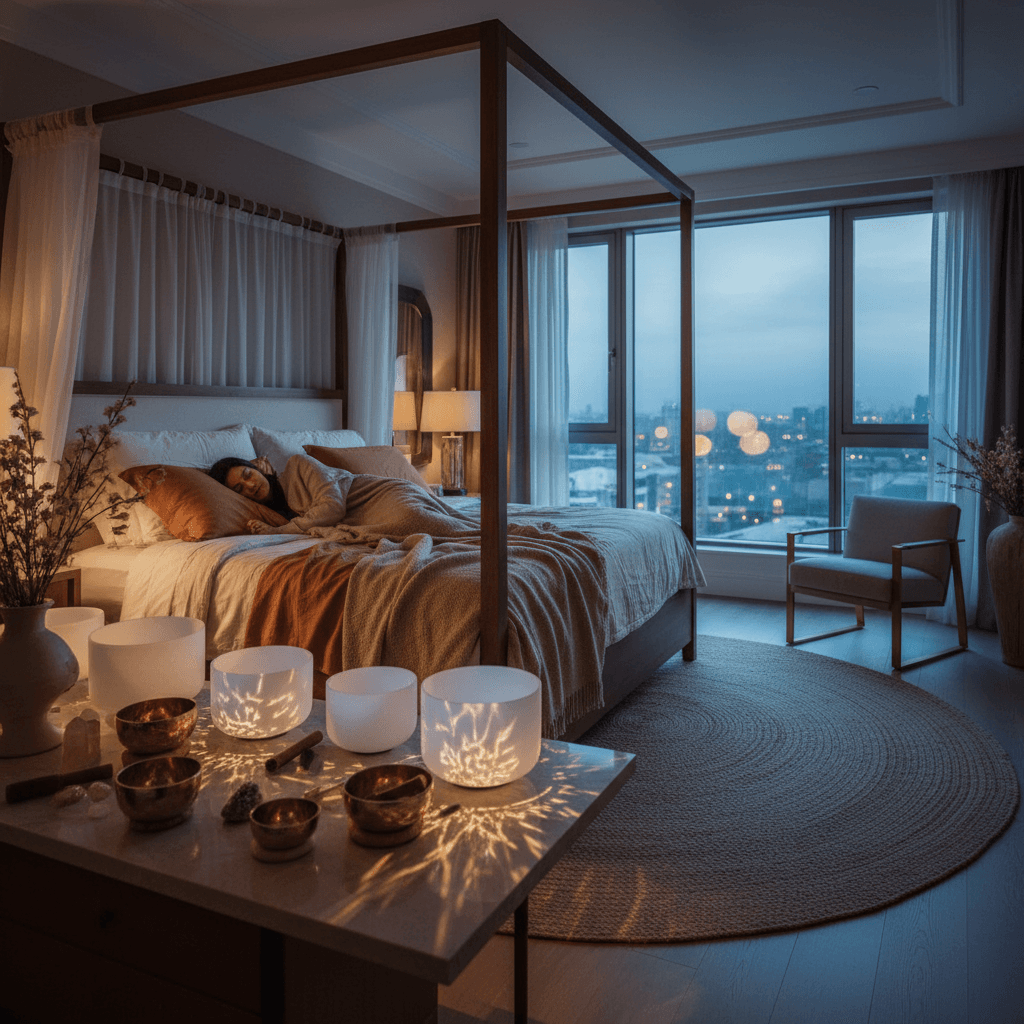
Stage N2 Sleep: Optimizing the Core of Your Rest for Enhanced Well-being
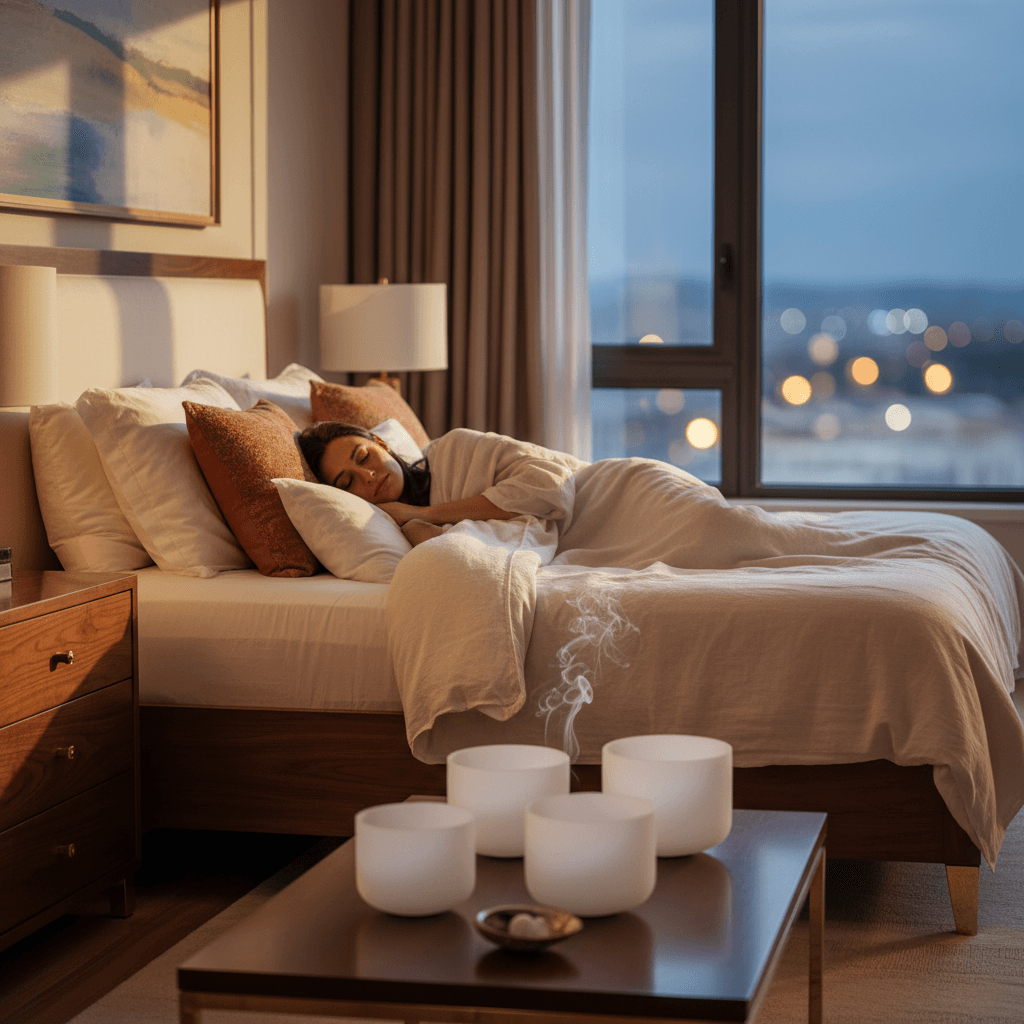
Key Insights
Discover how Stage N2 sleep, the dominant phase of your night, impacts memory, resilience, and overall vitality. Learn Soul Art's approach with Larissa Steinbach.
The realm of sleep often feels mysterious, a significant portion of our lives spent in an unconscious state, yet profoundly shaping our waking hours. What if we told you that nearly half of your precious sleep is spent in a stage you might barely know, a phase critical for memory, learning, and protecting your mind? This often-overlooked hero of the nocturnal journey is Stage N2 sleep.
This dominant sleep stage is far from mere downtime; it is a dynamic period where your brain works diligently to consolidate memories, process emotions, and prepare you for the challenges of tomorrow. Understanding and optimizing Stage N2 sleep is not just about logging more hours; it's about enhancing the quality and restorative power of your entire night. Join us as we explore the intricate science behind N2 sleep and discover how Soul Art, under the guidance of Larissa Steinbach, helps you unlock its profound benefits for a life of greater clarity, resilience, and well-being.
The Science Explained: Unpacking Your Sleep Architecture
Our sleep is not a monolithic block but a carefully orchestrated cycle, moving through distinct stages that each serve unique physiological functions. These stages fall broadly into Non-Rapid Eye Movement (NREM) sleep, comprising stages N1, N2, and N3, and Rapid Eye Movement (REM) sleep. Collectively, approximately 75% of our total sleep time is spent in the NREM stages, with Stage N2 holding the most significant portion.
A typical night’s rest consists of four to five sleep cycles, each lasting roughly 90 to 110 minutes, continually progressing through N1, N2, N3, N2, and then REM. As the night unfolds, the duration of REM periods tends to increase, while the time spent in deep NREM Stage 3 may decrease, making the stability of Stage N2 even more vital.
NREM Stage 1: The Gateway to Rest
NREM Stage 1, often referred to as N1, marks the initial transitional phase from wakefulness to sleep. This stage is typically brief, lasting only about 5 to 10 minutes, as your brain activity begins to shift. During N1 sleep, brain waves gradually transition from the faster alpha waves characteristic of a relaxed wakeful state to slower theta waves.
Common experiences during this lightest stage of sleep can include sudden muscle contractions known as hypnic jerks, a sensation of falling, or a gentle drifting feeling. While in N1, it is still very easy to awaken, and a person might even be unaware that they had drifted off to sleep. Though short-lived, this stage is a crucial initiation point, serving as the gateway to progressively deeper and more restorative sleep stages.
NREM Stage 2: The Dominant Sleep Stage Unveiled
NREM Stage 2 (N2) is truly the workhorse of your sleep cycle, constituting approximately 45-50% of your total sleep time, making it the most significant and dominant stage. As you transition into N2, your body enters a more subdued and relaxed state. Body temperature begins to drop, muscles relax further, and both heart rate and breathing slow down considerably. Eye movements cease, and overall brain activity also slows.
However, this slowing brain activity is punctuated by two distinctive and critical brainwave patterns, identifiable through electroencephalography (EEG), that perform vital functions. These unique patterns contribute significantly to the restorative processes of Stage N2.
Sleep Spindles: The Guardians of Memory
One of the defining characteristics of N2 sleep is the emergence of sleep spindles. These are short, rhythmic bursts of brain activity, typically oscillating at 11-16 Hz, that appear suddenly during this stage. Research published in Nature Scientific Reports and other studies indicates that sleep spindles play a critical role in memory consolidation. They facilitate the transfer of new memories from the hippocampus to the neocortex for long-term storage.
Beyond memory, sleep spindles are also understood to act as a protective mechanism, helping to shield your sleep from external disturbances. They effectively gate sensory information, allowing you to remain asleep even in the presence of mild noises or other stimuli that might otherwise wake you. This makes them crucial for maintaining the continuity of your rest.
K-Complexes: Sensory Gating and Brain Reset
The second distinctive brainwave pattern in N2 sleep is the K-complex. These are large, high-amplitude, slow brain waves that can appear spontaneously or in direct response to external stimuli, such as a sudden noise. Functional MRI studies have shown that K-complexes activate brain regions involved in memory processing and, significantly, sensory gating.
K-complexes are thought to represent a transient period of cortical arousal and then inhibition, helping the brain to evaluate the importance of external stimuli without fully waking you. They contribute to maintaining sleep depth and continuity, acting as internal "reset buttons" for the brain. The presence of both sleep spindles and K-complexes are key indicators that you are moving into a deeper and more stable phase of sleep.
During N2 sleep, the body continues its descent into deeper relaxation. Initial N2 stages typically last for 10 to 25 minutes, with subsequent N2 periods throughout the night often becoming progressively longer. This cumulative time spent in N2 underscores its fundamental importance to overall sleep health.
Recent studies, including research published in MDPI, highlight the particular vulnerability of Stage N2. For instance, the "First-Night Effect" (FNE), often experienced during initial nights in new environments, shows increased instability in N2 sleep. This instability manifests as shorter continuity time for N2 and an increased likelihood of transitioning back to lighter N1 sleep. This research suggests that Stage N2 is particularly susceptible to higher arousal levels, underscoring the need for an optimal sleep environment to maintain its stability. Similarly, insomnia often presents with a noted vulnerability in Stage N2 continuity.
Beyond its role in memory consolidation and sleep protection, Stage N2 sleep is also believed to contribute significantly to cognitive functions like insightful thinking and creativity. Research suggests that time spent in N2 can increase the likelihood of "aha moments" and facilitate novel problem-solving. This makes N2 not just about rest, but about active mental refinement and enhancement, offering profound benefits for daily mental acuity and emotional regulation.
How It Works in Practice: Translating Science into Serenity
Understanding the intricate workings of Stage N2 sleep illuminates why quality rest feels so different from simply "being asleep." When Stage N2 is disrupted or insufficient, the subtle yet profound mechanisms of memory consolidation, sensory gating, and cognitive processing can be compromised. This often leads to a feeling of being unrested, even after what seems like enough hours in bed, or experiencing difficulty with recall and focus during the day.
Imagine trying to sort a library of books when the shelves are constantly jostled; that’s akin to Stage N2 being unstable. The brain struggles to file away the day's experiences efficiently, making it harder to access those memories later. External stimuli, which should be filtered out by K-complexes and sleep spindles, may penetrate more easily, leading to fragmented sleep or frequent micro-arousals that you might not even remember. This constant interruption means your brain isn't given the continuous, calm environment it needs to perform its critical restorative tasks.
The good news is that we can actively cultivate environments and practices that support robust Stage N2 sleep. This involves creating a sanctuary for sleep, a space that signals safety and encourages the deep relaxation necessary for your body and mind to surrender. The sensory environment plays a pivotal role here: sounds, light, and temperature all significantly influence the ease with which you transition into and maintain N2 sleep.
A pre-sleep ritual becomes more than just a habit; it transforms into a deliberate invitation for your brain to engage the patterns associated with N1 and, subsequently, N2. This might include dimming lights, disconnecting from screens, or engaging in quiet, calming activities. By consciously reducing external stimulation and internal mental chatter, you mitigate the "arousal level" that the MDPI research indicated makes N2 vulnerable. This proactive approach helps to smooth the transition into N1, making the gateway to deeper sleep more accessible and stable.
The power of sound, in particular, holds immense potential in this practical application. Carefully curated soundscapes can create an auditory cocoon, mitigating external disturbances and supporting the brain's natural rhythm. By introducing specific frequencies and harmonic textures, sound can help guide the brain from the bustling beta waves of wakefulness, through the gentle alpha and theta waves of N1, and into the distinct patterns of sleep spindles and K-complexes that characterize stable N2. This targeted application of sound helps foster a continuous and deep engagement with this crucial sleep stage, allowing for optimal memory processing and restorative protection.
The Soul Art Approach: Harmonizing Your Journey into N2 Sleep
At Soul Art, Dubai's premier sound wellness studio, we understand that true rest is an art form, a delicate balance of science and serenity. Under the visionary leadership of founder Larissa Steinbach, our approach to optimizing your sleep architecture, particularly Stage N2, is rooted in deep scientific understanding combined with a profound appreciation for holistic well-being. We believe that by creating an optimal internal and external environment, we can significantly enhance the quality and effectiveness of your rest.
Larissa Steinbach's philosophy centers on leveraging the therapeutic power of sound frequency to guide the nervous system into states of profound relaxation and receptivity. Our unique method is not about simply listening to music; it involves bespoke soundscapes meticulously crafted to interact with your brain's natural rhythms. These intentional frequencies are designed to gently encourage the brainwave patterns that are hallmarks of stable N2 sleep.
During a Soul Art sound wellness session, you may experience a symphony of instruments chosen for their specific resonant qualities. These often include crystal singing bowls, Himalayan singing bowls, gongs, chimes, and other resonant tools. Each instrument contributes to a rich tapestry of sound, creating a resonant field that may support the natural emergence of sleep spindles and K-complexes. The sustained, harmonious vibrations help to quiet the analytical mind, reducing the "arousal level" that can destabilize N2 sleep, as highlighted in studies on the First-Night Effect.
The carefully chosen frequencies and sustained tones act as a gentle guide, assisting your brain in transitioning from the alert state of wakefulness, through the initial theta waves of N1, and into the deeper, more consistent brainwave patterns associated with N2. This process may help facilitate the body's natural relaxation responses, including the subtle drop in body temperature and profound muscle relaxation essential for robust sleep. The ambiance at Soul Art is crafted to reflect "quiet luxury"—a serene, personalized, and expertly guided experience that allows you to fully surrender to the restorative power of sound.
Larissa Steinbach and her team are dedicated to providing a complementary wellness practice focused on stress management and general well-being. Our sessions aim to create an optimal pre-sleep state, priming your system for deeper, more stable N2 sleep, which may support improved memory consolidation, enhanced emotional resilience, and overall vitality.
"The true luxury of rest lies not just in its duration, but in the depth and quality of each sleep stage. At Soul Art, we invite you to experience how intentional sound can sculpt your sleep, making every moment of rest a profound journey of restoration." — Larissa Steinbach
Your Next Steps: Cultivating Optimal N2 Sleep for Lasting Well-being
Understanding the critical role of Stage N2 sleep is the first step; the next is empowering yourself with practical strategies to enhance it. Optimizing this crucial phase of your night may lead to significant improvements in your daily functioning, from sharper memory to increased emotional stability. By integrating a few mindful practices into your routine, you can begin to cultivate a more robust and restorative sleep cycle.
Here are 3-5 actionable steps you can implement starting today to support your N2 sleep:
- Prioritize a Consistent Sleep Schedule: Go to bed and wake up at roughly the same time every day, even on weekends. This regularity helps to regulate your body's natural circadian rhythm, making it easier for your brain to reliably transition through the sleep stages, including N1 and N2.
- Craft a Serene Sleep Environment: Ensure your bedroom is cool, dark, and quiet. Even subtle light and noise can disrupt the delicate balance of N2 sleep. Use blackout curtains, earplugs, or a white noise machine if needed to create an undisturbed sanctuary.
- Establish a Relaxing Wind-Down Ritual: Dedicate 30-60 minutes before bed to screen-free, calming activities. This could involve reading a physical book, taking a warm bath, gentle stretching, or practicing mindfulness meditation. Such rituals help to lower your arousal levels and prepare your brain for the shift into N1 and N2.
- Explore Sound Wellness: Consider how specific frequencies and soundscapes may support your brain in entering and sustaining N2 sleep. Many people report that listening to gentle, resonant sounds can facilitate deeper relaxation and improve sleep continuity.
- Integrate Mindful Movement: Gentle exercise earlier in the day has been associated with improved sleep quality. Avoid intense workouts close to bedtime, as they can raise your core body temperature and make it harder to fall asleep and achieve stable N2.
By embracing these strategies, you empower yourself to nurture the foundation of your rest. For a truly transformative experience, we invite you to explore the unique sound wellness sessions at Soul Art. Discover how Larissa Steinbach's expertly guided approach may support you in unlocking the profound benefits of optimized N2 sleep.
Bookings Coming Soon
Soul Art is still in preparation. Session details and booking will be published here after launch.
Coming Soon
In Summary
Stage N2 sleep is undeniably the quiet architect of your nocturnal restoration, accounting for nearly half of your sleep cycle and playing a pivotal role in memory consolidation, learning, and protecting your rest. Characterized by the crucial brainwave patterns of sleep spindles and K-complexes, this dominant stage is where your mind diligently files the day's experiences and gates sensory information for an undisturbed night. Its vulnerability to external stimuli and arousal underscores the importance of a supportive environment.
Optimizing N2 sleep is paramount for cognitive function, emotional resilience, and overall vitality. Soul Art, founded by Larissa Steinbach, offers a unique sound wellness approach designed to gently guide your brain into and stabilize this essential sleep stage. By cultivating a serene pre-sleep ritual and exploring intentional sound frequencies, you can profoundly enhance the quality and restorative power of your sleep.
Wellness Disclaimer: This article is for educational and informational purposes only. It does not constitute medical advice, diagnosis, or treatment. Soul Art Dubai provides non-medical wellness experiences focused on relaxation, stress management, and general wellbeing. Sound wellness is a complementary practice and should not replace professional medical care.
Related Articles
Fan Noise and Sleep: Unmasking the Science Behind White Noise Machines for Deeper Rest
Polyphasic Sleep & Sound Healing: Navigating Restorative Rhythms
REM Rebound: Mastering the Art of Recovering Lost Dream Sleep