Harmonizing Healing: Sound for Trauma & Nervous System Regulation
Key Insights
Explore how calibrated sound supports nervous system regulation and trauma recovery. Discover Soul Art's unique approach with Larissa Steinbach.
Compelling Introduction
Imagine a world where your body instinctively reacts to perceived danger, long after the actual threat has passed. For many who have experienced trauma, this is a daily reality, a persistent internal alarm that disrupts peace and connection. The nervous system, our body's command center, becomes locked in patterns of defense, making simple tasks like learning or socializing feel overwhelmingly difficult.
But what if a gentle, non-invasive approach could help recalibrate this intricate system, guiding it back to a state of calm and safety? This article delves into the profound connection between trauma, the nervous system, and the transformative power of sound. You will learn how specific auditory frequencies can offer a pathway to physiological and emotional regulation, fostering resilience and well-being.
At Soul Art, Dubai’s premier sound wellness studio, founded by Larissa Steinbach, we explore these cutting-edge principles to create experiences that deeply support the body's innate capacity for healing. Understanding these mechanisms is not just academic; it’s a crucial step towards reclaiming your inner harmony and experiencing a more grounded, connected life.
The Science Explained
Trauma, as clinically defined, refers to an individual’s response to an event, series of events, or set of circumstances experienced as physically or emotionally harmful or life-threatening. This often results in profound shock, denial, and lasting changes in the body, mind, and behavior. These changes are not merely psychological; they are deeply physiological, embedding themselves within the very fabric of our nervous system.
When faced with extreme stress or danger, our nervous system instinctively engages the "fight, flight, or freeze" response. This is a brilliant survival mechanism, designed to protect us. However, in the aftermath of trauma, this response can remain perpetually activated, leaving the body and mind in a persistent state of overwhelm and vigilance, unable to fully process the traumatic events as they occurred.
The Polyvagal Theory: Understanding Safety and Connection
Central to understanding how sound can aid regulation is Dr. Stephen Porges’ groundbreaking Polyvagal Theory. This theory posits that our autonomic nervous system (ANS) doesn't just switch between "rest and digest" and "fight or flight." Instead, it operates on a hierarchy, constantly assessing the environment for cues of safety or danger. Our capacity for social engagement, learning, and emotional regulation is directly linked to our nervous system deeming the environment safe.
The Polyvagal Theory outlines three primary states of the nervous system:
- Ventral Vagal (Social Engagement System): This is our state of safety, connection, and social interaction. Here, we feel calm, grounded, and open to others.
- Sympathetic (Fight or Flight): Activated when we perceive danger, this state mobilizes us for action, increasing heart rate, blood pressure, and alertness.
- Dorsal Vagal (Freeze/Shutdown): A more primitive response to extreme threat, leading to immobilization, dissociation, and a feeling of numbness or collapse.
Trauma can cause the nervous system to get "stuck" in the sympathetic or dorsal vagal states, making it difficult to return to the ventral vagal state of safety and connection. This manifests as chronic internal agitation, reactivity, anxiety, or even dissociation.
Sound Frequencies and Nervous System Communication
Different frequencies of sound communicate distinct information to our nervous system, deeply influencing our physiological and emotional states. This is a key insight from auditory therapies like the Safe and Sound Protocol (SSP), an evidence-based intervention developed from Dr. Porges' research. Low frequencies are often subconsciously associated with sounds of threat or danger, like a predator's growl or a distant rumble. Conversely, higher frequencies, particularly those within the range of the human voice, communicate alertness and can be interpreted by the nervous system as cues of social engagement and safety.
The SSP is a non-invasive auditory intervention designed to help the nervous system feel safer, become more flexible, resilient, and better regulated. It utilizes specifically filtered music that emphasizes the frequencies associated with human voice and communication. By gently exercising the middle ear muscles, this protocol aims to enhance the vagal nerve's ability to discern human voice from background noise. This process, in turn, helps to shift the nervous system away from defensive states and towards social engagement.
Preliminary studies indicate significant positive outcomes for individuals experiencing:
- Social and emotional difficulties
- Auditory sensitivities
- Anxiety and trauma-related challenges
- Inattention
- Stressors impacting social engagement
- Difficulties in regulating physiological and emotional states
By presenting the nervous system with carefully calibrated auditory input, sound wellness practices can gently guide it toward a state of felt safety. This shift is not merely mental; it creates a cascade of physiological changes, supporting the body in releasing stored tension and fostering a sense of inner calm.
How It Works in Practice
Connecting the intricate science of the nervous system with the tangible experience of sound wellness reveals a powerful pathway to regulation. When you step into a sound session, you are engaging in a sophisticated dialogue with your own physiology, initiated by specific auditory stimuli. The process is not about "fixing" anything, but rather creating an environment where your nervous system can remember its innate capacity for self-regulation.
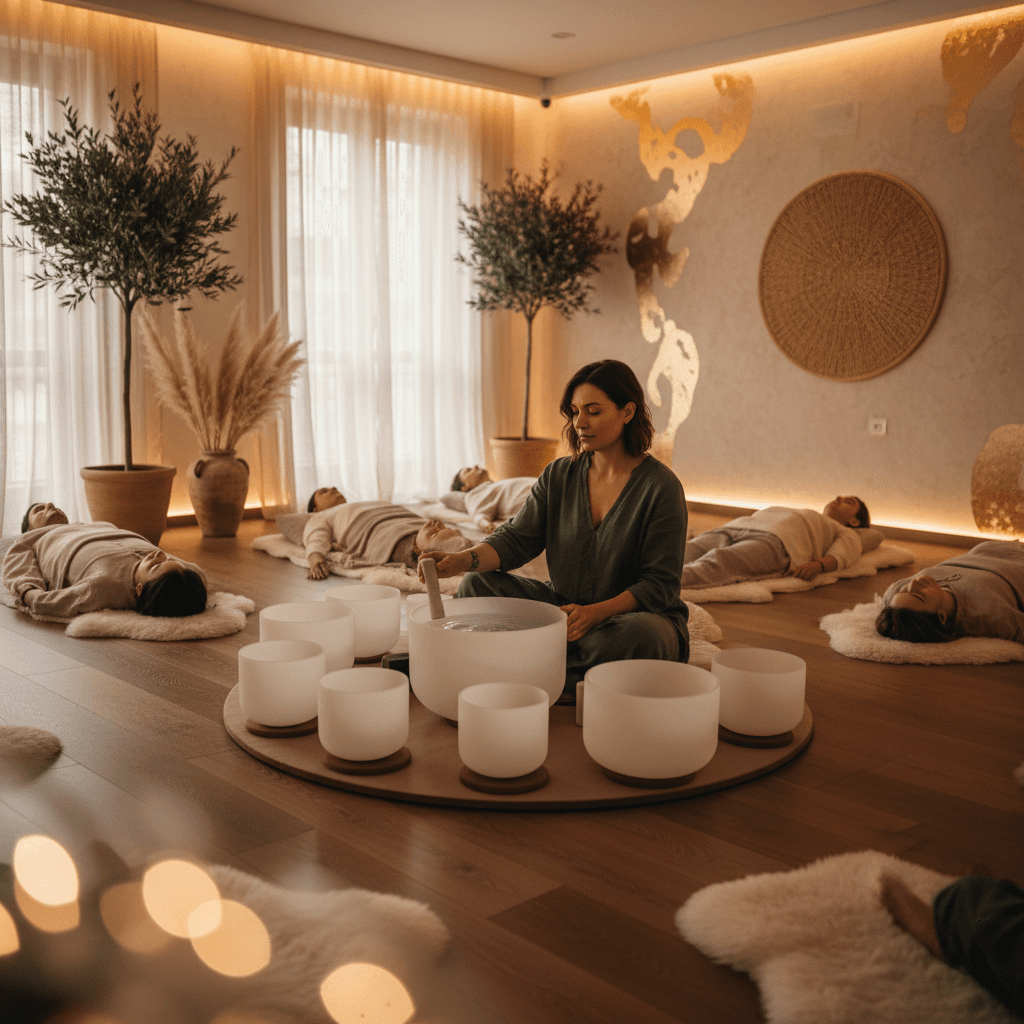
Imagine lying down, surrounded by carefully chosen sounds – perhaps the resonant hum of gongs, the clear vibrations of crystal singing bowls, or the precise frequencies of tuning forks. These aren't just pleasant noises; they are intentional soundscapes designed to interact directly with your body's sensory systems. The vibrations from these instruments are not only heard but also felt within the body, traveling through tissues, bones, and fluids. This somatosensory input can be incredibly grounding, drawing your awareness out of overwhelming thoughts and into the present moment.
As the auditory environment bathes your senses, your nervous system begins its assessment. Calibrated sounds, particularly those that mimic safe vocal frequencies or establish rhythmic patterns, act as gentle cues of safety. This can help to downshift an overactive sympathetic nervous system, gradually reducing the "fight or flight" response. Many people report a sensation of deep relaxation, a letting go of tension they weren't even aware they were holding.
"The subtle power of sound can bypass our conscious defenses, reaching directly into the autonomic nervous system to whisper a message of safety and stillness."
For those who have experienced trauma, the journey of regulation is often about re-establishing a sense of control and safety within one's own body. Consistent exposure to regulating sound environments can gradually help to reorganize neural pathways. Over time, the nervous system learns to discern safety more readily, making it easier to return to a calm and connected state even outside of the session. Clients often experience:
- Reduced chronic internal agitation and reactivity
- An enhanced ability to focus and maintain attention
- More calmed emotional and physiological states
- Greater resilience to daily stressors
- A deeper sense of connection and presence in social situations
The practice works by gently encouraging the vagus nerve – a key component of the Polyvagal Theory – to become more flexible. This increased vagal tone is associated with better emotional regulation, greater resilience to stress, and an improved capacity for social engagement. It's a subtle, yet profound, retraining of the body's fundamental operating system, paving the way for sustained well-being.
The Soul Art Approach
At Soul Art, founded by the visionary Larissa Steinbach, the understanding of trauma and nervous system regulation forms the very bedrock of our practice. We believe that true well-being stems from a harmonious balance between mind, body, and spirit, and sound offers a unique conduit to achieve this balance. Our approach is not merely about playing instruments; it’s about creating an intentional, scientifically informed, and deeply empathetic space where transformation can unfold.
Larissa Steinbach’s philosophy is centered on providing a sanctuary for healing. She integrates principles of the Polyvagal Theory into every session, meticulously crafting sound journeys that guide the nervous system away from states of defense and into a state of safe social engagement. This means carefully selecting frequencies, rhythms, and sound textures that are perceived as calming and grounding, rather than alarming or startling.
What makes the Soul Art method unique is its blend of ancient wisdom with modern scientific understanding. We utilize a diverse array of instruments, each chosen for its specific energetic and vibrational properties. These may include:
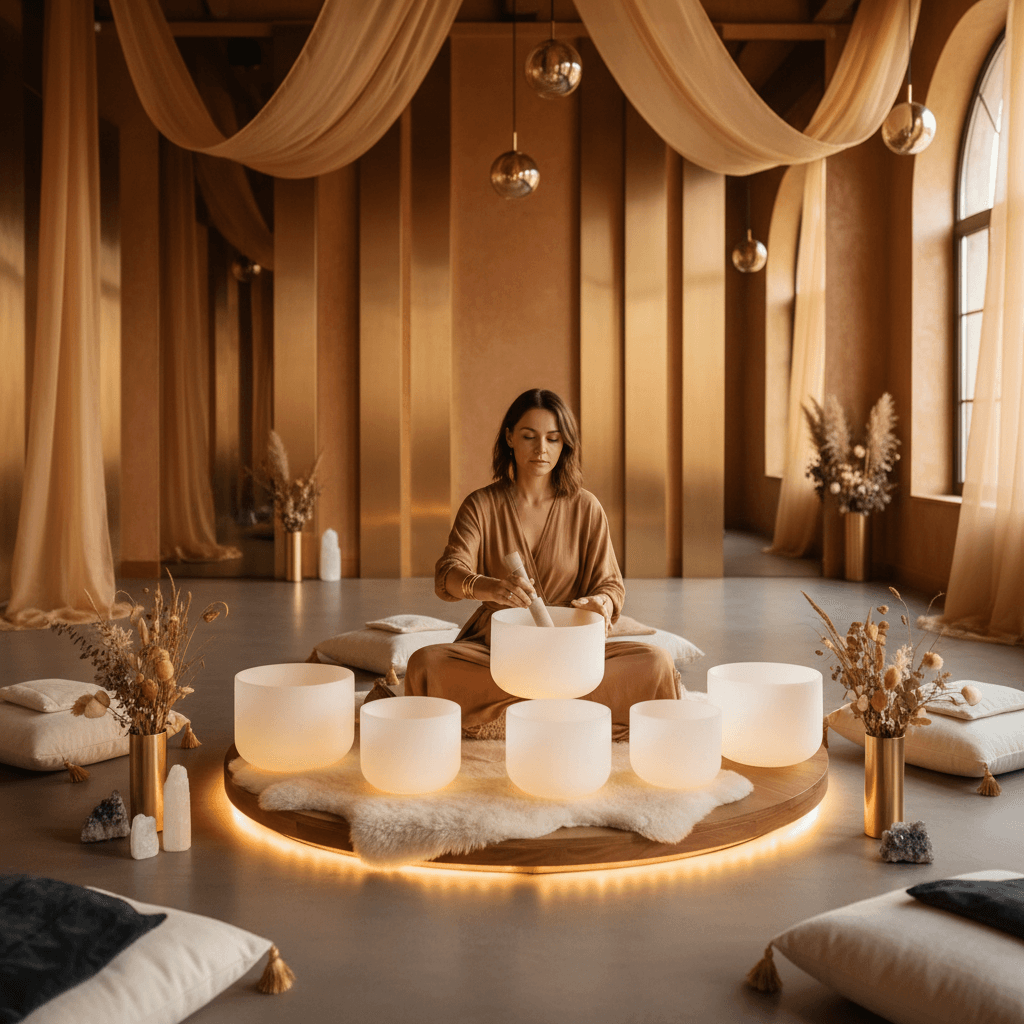
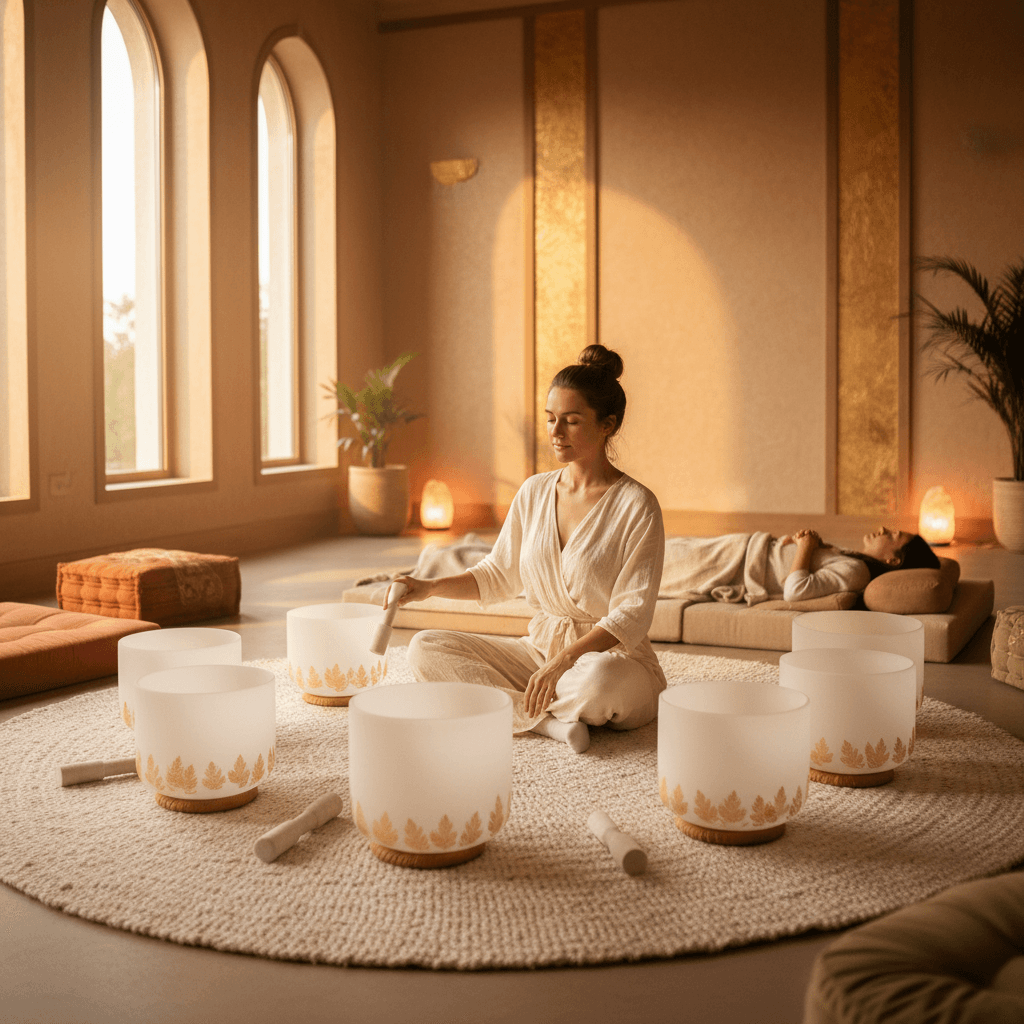
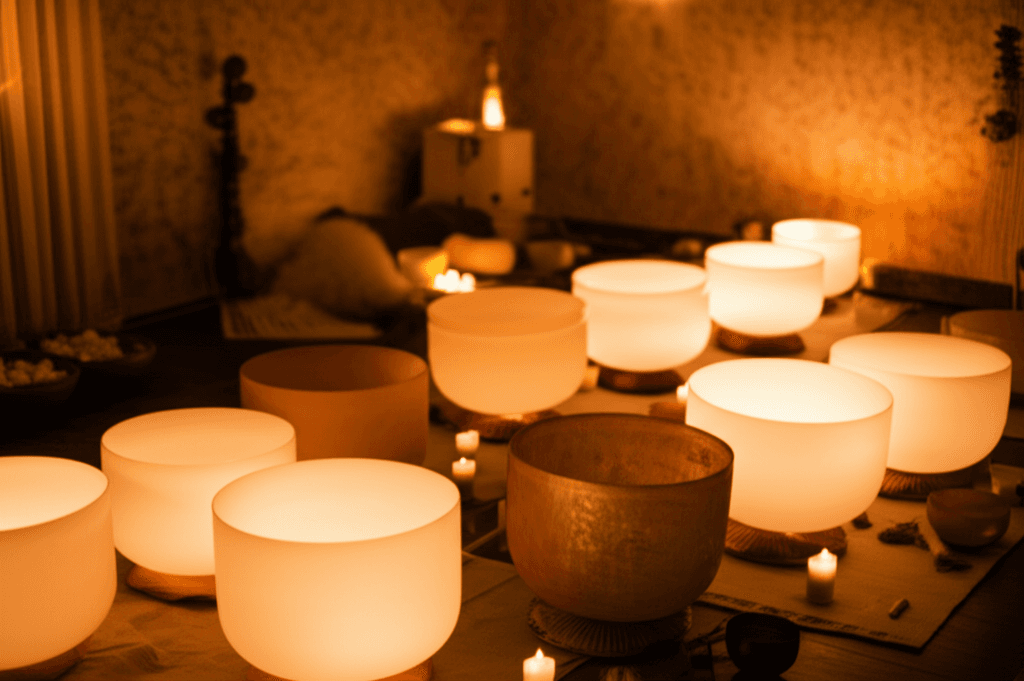
- Nepalese and Crystal Singing Bowls: Their pure tones and sustained vibrations resonate deeply within the body, promoting cellular relaxation and coherence.
- Gongs: The rich, complex overtones of gongs create a "sound bath" that can help to clear energetic blockages and induce profound states of meditative rest.
- Tuning Forks: Calibrated to specific frequencies, these can be used both acoustically and placed directly on the body to stimulate nerve endings and promote localized healing.
- Voice and Chanting: The human voice, especially when used harmonically, is a powerful tool for vagal nerve stimulation and self-regulation.
Each session at Soul Art is more than a passive experience; it's an active engagement with your own capacity for self-healing. Larissa Steinbach ensures that the environment is meticulously prepared to support psychological safety – a crucial element for anyone working through the effects of trauma. This "quiet luxury" ethos extends beyond aesthetics, encompassing a deep respect for individual needs and a commitment to creating an atmosphere of trust and tranquility.
The Soul Art approach emphasizes consistency and gentle progression. We understand that regulating a dysregulated nervous system is a journey, not a destination. By offering a consistent space for individuals to experience profound states of calm, Soul Art supports the body in gradually building resilience, fostering a more robust and flexible nervous system that is better equipped to navigate life's challenges. Our aim is to empower individuals to cultivate an internal sense of safety and peace, irrespective of external circumstances.
Your Next Steps
Embarking on a journey of nervous system regulation through sound is a powerful act of self-care. Even small, consistent steps can make a significant difference in fostering a greater sense of calm and resilience. Here are some actionable steps you can implement today to support your nervous system and explore the benefits of sound for your well-being:
- Mindful Breathing Practices: Begin with simple deep breathing exercises. Focusing on slow, extended exhales can stimulate the vagus nerve and signal safety to your nervous system. Even a few minutes daily can help reset your internal state.
- Curate Your Auditory Environment: Be mindful of the sounds around you. Seek out natural sounds (birds, gentle rain, ocean waves) or calming music. Avoid sudden, harsh noises whenever possible, and consider incorporating instrumental or ambient soundscapes into your daily routine.
- Tune Into Your Body: Practice interoception – the awareness of your body's internal state. Notice where you hold tension, how your breath feels, or your heart rate. This awareness is the first step towards understanding and influencing your nervous system responses.
- Engage in Gentle Movement: Incorporate gentle movement like walking, stretching, or yoga. Physical activity, particularly in a mindful way, can help discharge residual "fight or flight" energy and promote nervous system balance.
- Explore Complementary Wellness Practices: Consider integrating sound wellness into your self-care regimen. As a complementary approach, sound sessions can enhance the benefits of other practices you may already be using for stress management or personal growth.
For those ready to experience a deeper level of support and personalized guidance, Soul Art offers expertly crafted sound experiences. Our sessions are designed to gently guide your nervous system towards profound relaxation and regulation, creating a space for inner peace and healing. Discover how the transformative power of sound, under the guidance of Larissa Steinbach, can profoundly impact your overall well-being.
In Summary
The intricate connection between trauma, the nervous system, and our capacity for well-being is undeniable. When the body's survival instincts are over-stimulated, it creates a persistent state of dysregulation that impacts every facet of life. However, scientific understanding, particularly through the lens of the Polyvagal Theory, reveals that the nervous system is remarkably adaptable and can be gently guided back to states of safety and connection.
Sound, with its unique ability to communicate directly with our physiological state, offers a powerful, non-invasive pathway for this regulation. By carefully curating frequencies and vibrations, practices like those offered at Soul Art help to shift the nervous system from defense to social engagement, fostering inner calm, resilience, and improved emotional and physiological states. Soul Art, under the compassionate guidance of Larissa Steinbach, stands as a beacon for those seeking to harmonize their healing journey through the profound art of sound.
Bookings Coming Soon
Soul Art is still in preparation. Session details and booking will be published here after launch.
Coming Soon
Wellness Disclaimer: This article is for educational and informational purposes only. It does not constitute medical advice, diagnosis, or treatment. Soul Art Dubai provides non-medical wellness experiences focused on relaxation, stress management, and general wellbeing. Sound wellness is a complementary practice and should not replace professional medical care.