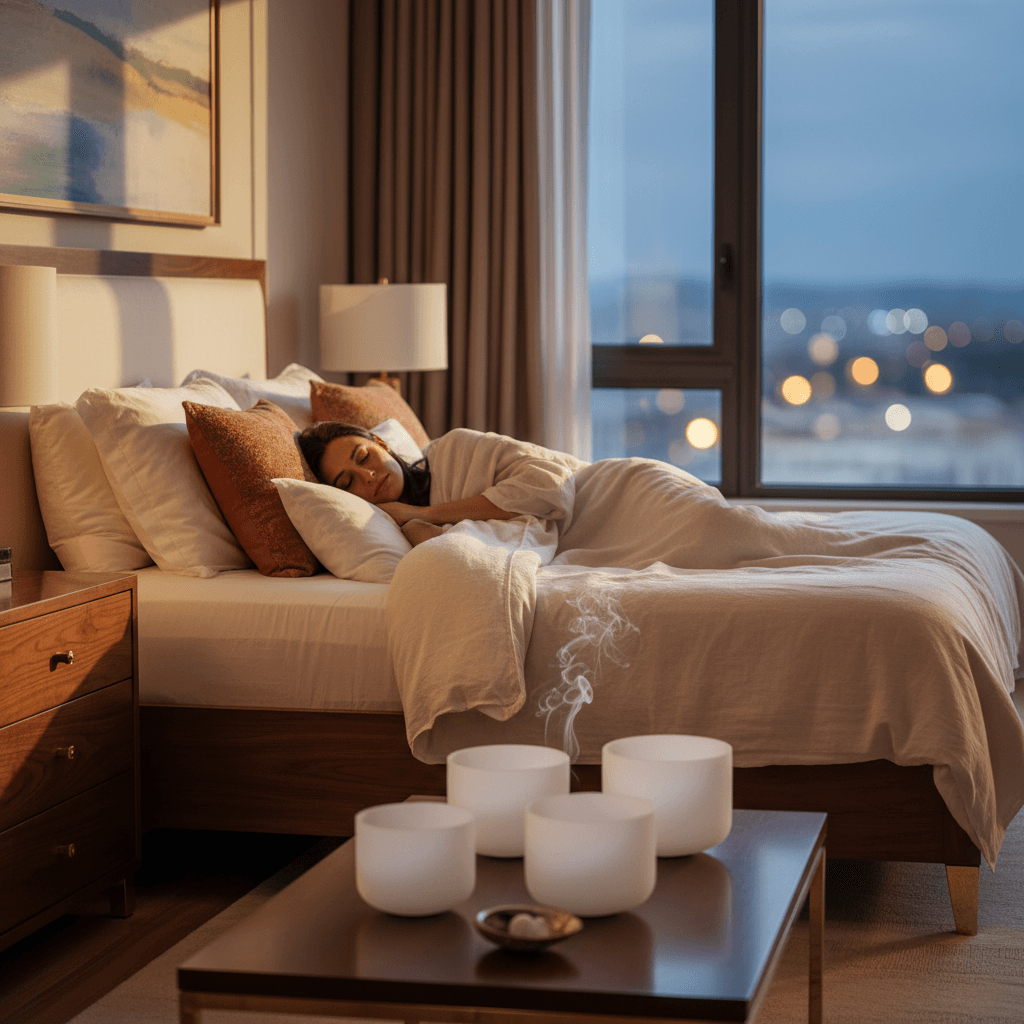
Toddler Sleep: Sound Solutions for Peaceful Nights

Key Insights
Unlock restful nights for your toddler and family with science-backed sound wellness. Explore routines, environment, and Soul Art's gentle approach.
The Hush of Harmony: Guiding Toddlers to Restful Sleep
Did you know that consistent, quality sleep is as vital for your toddler's developing brain as nutrition and play? While often overlooked, the hours your little one spends asleep lay the very foundation for their learning, emotional regulation, and overall well-being. Yet, for many parents, the quest for peaceful toddler sleep can feel like navigating a complex labyrinth of bedtime resistance, night wakings, and early mornings.
This journey, though challenging, is one that has profound implications for the entire family's harmony and health. Understanding the intricate science behind toddler sleep, identifying common hurdles, and discovering gentle, evidence-based solutions can transform your evenings. We will explore how a holistic approach, especially integrating the subtle power of sound, may support your child's innate ability to embrace restful sleep, drawing on the unique insights from Soul Art, founded by Larissa Steinbach.
Join us as we uncover practical strategies and the profound impact of tailored soundscapes on creating a serene sleep environment for your cherished little ones, and consequently, for your entire household.
Understanding the Symphony of Toddler Sleep
Toddler sleep is far from a passive state; it is an active, crucial period of growth and development. From intricate brain maturation to solidifying emotional resilience, adequate rest is non-negotiable for their blossoming potential. Scientific understanding offers a roadmap through the often-turbulent landscape of early childhood sleep patterns.
The Crucial Role of Sleep in Early Development
Sleep provides the essential restorative processes for a toddler's rapid physical and cognitive development. During sleep, the brain processes information, consolidates memories, and strengthens neural connections, all of which are vital for learning and problem-solving. A 2018 review by Mindell & Williamson highlighted the benefits of a bedtime routine in young children, noting improvements not only in sleep but also in overall development.
Furthermore, sufficient sleep is intrinsically linked to emotional regulation. Toddlers who are well-rested often exhibit better mood, fewer tantrums, and greater capacity to cope with daily challenges. Conversely, poor sleep in early childhood has been consistently associated with negative outcomes, including developmental delays, behavioral challenges, and even an increased risk of obesity, as noted in various studies.
Common Toddler Sleep Challenges: A Scientific Look
Even with the best intentions, parents frequently encounter significant sleep hurdles as their children grow. Understanding the underlying reasons for these challenges is the first step towards finding effective solutions.
Bedtime resistance is a widespread issue, often stemming from separation anxiety which typically peaks around 18 months. As toddlers assert their burgeoning independence, they may also resist established routines, viewing bedtime as an infringement on their autonomy. Night wakings can similarly be influenced by separation anxiety, physical discomfort like teething, or disruptions to their daily routine. The development of a toddler's imagination can also introduce nightmares, adding another layer to nocturnal disturbances.
Early waking, often before 6:00 AM, is frequently an indicator of overtiredness, excessive daytime napping, or environmental factors such as ambient light or noise. Research suggests that sleep patterns begin to more clearly develop and stabilize around 5-6 months, influenced by the maturation of the circadian system. However, external factors like light and sound continue to play a significant role in sleep-wake homeostasis throughout early childhood.
One critical environmental factor increasingly recognized is screen time. The "Bedtime Boost" study, funded by the Nuffield Foundation, provided preliminary evidence that removing screen use before bedtime may lead to better sleep efficiency and fewer night awakenings in toddlers. This research underscores the importance of a screen-free wind-down period.
The Neuroscience of Sound and Sleep
The human auditory system is incredibly sensitive, even during sleep, and sound has a profound impact on our brainwave states and physiological responses. This connection forms the bedrock of sound wellness practices.
Our brains cycle through various electrical patterns, known as brainwaves, which correlate with different states of consciousness. Beta waves are associated with alertness and focus, Alpha with relaxation and creativity, Theta with deep meditation or dreaming, and Delta with deep sleep. Certain sound frequencies, particularly binaural beats or specific tonal compositions, may support the shift from high-stress Beta waves to calmer Alpha or Theta states, facilitating relaxation.
This brainwave entrainment is complemented by sound's ability to influence stress hormones. Cortisol, often referred to as the "stress hormone," is released in response to stressors and can disrupt sleep. Preliminary studies indicate that practices involving sound may support the reduction of cortisol levels, thereby promoting a state conducive to restful sleep. Furthermore, the concept of cymatics, the study of visible sound vibrations on matter, suggests that sound frequencies may influence the cellular and vibrational structures within our bodies, which are largely composed of water. This deep connection between frequency and form highlights sound's potential to foster a sense of internal harmony.
Harnessing Sound for Restful Nights
Connecting the scientific understanding of toddler sleep and the power of sound allows us to construct practical, nurturing strategies for parents. The goal is to create an environment and routine that gently guides toddlers toward sleep, fostering both independence and security.
Crafting a Calming Sleep Environment
A well-optimized sleep environment is foundational to encouraging peaceful rest. The room should be cool, dark, and quiet. Experts suggest an ideal sleep temperature range of 18-21°C (65-70°F). Blackout curtains are indispensable for blocking out early morning sunlight, which can prematurely signal to a child's circadian rhythm that it's time to wake.
Noise can be a significant disruptor, particularly for light sleepers. While complete silence can sometimes be startling, consistent, gentle ambient sound can mask sudden noises and create a comforting auditory cocoon. This creates a predictable soundscape that may support the transition to and maintenance of sleep.
The Power of a Consistent Bedtime Ritual
A predictable bedtime routine is a powerful tool, consistently shown by research to improve sleep quality in toddlers. A structured routine signals to a child's brain and body that it's time to wind down. A 2017 study in Sleep Health found that toddlers with a structured nighttime routine fell asleep faster, woke less frequently, and had longer sleep durations.
A calming ritual might include a warm bath (if it relaxes, not overstimulates, your child), brushing teeth, reading a beloved book, singing a soft lullaby, and quiet playtime in dim lighting. Crucially, the removal of screen time before bed is paramount. Replacing screen-based activities with non-screen alternatives, such as puzzles, quiet drawing, or sensory play, can significantly improve sleep quality, as indicated by the "Bedtime Boost" study.
"A consistent routine isn't just about scheduling; it's about creating a safe, predictable narrative that tells a child's body it's time to release the day and embrace the calm of night."
Integrating Sound into the Routine
Once the environment is optimized and a routine is established, the integration of sound wellness practices can amplify the calming effects. Gentle, continuous sound, such as white noise or specific soundscapes, can effectively mask distracting household noises or street sounds. This creates a stable auditory backdrop that helps prevent jarring awakenings.
Beyond masking, certain frequencies and harmonic compositions are thought to encourage deeper states of relaxation. For toddlers, this might involve soft, sustained notes from chimes, the low resonance of a gentle singing bowl, or specially designed ambient soundscapes played at a low volume. The sensory experience of these sounds can be deeply soothing, helping to quiet an active mind and body. The key is to introduce sound as a calming, consistent element, making it a beloved signal for sleep, much like a lullaby.
The Soul Art Difference: A Nurturing Path to Sleep
At Soul Art, Dubai's premier sound wellness studio, we understand that nurturing sleep for toddlers extends beyond simple routines; it encompasses the well-being of the entire family. Larissa Steinbach, our founder, brings a compassionate and scientifically informed perspective to these deeply personal challenges.
Larissa Steinbach's Vision
Larissa Steinbach founded Soul Art with a vision to offer profound relaxation and holistic well-being through the power of sound. For parents navigating the intricate world of toddler sleep, Larissa's approach is empathetic and empowering. She recognizes that parental strain and overload are significant factors in coping with children's sleep problems. Therefore, Soul Art's methods aim not only to support the child but also to provide tools and a calming space for parents to find their own inner peace. This focus on customized knowledge and strengthening parental self-understanding aligns with the salutogenic theory, promoting resilience and effective coping strategies within the family unit.
Larissa's philosophy centers on creating nurturing environments and experiences, acknowledging that every child and family is unique. Her approach is rooted in combining scientific research with parental love and understanding, echoing methods like the "Rested Sleep Approach" that prioritize emotional well-being over "cry-it-out" techniques.
Unique Sound Wellness Techniques
Soul Art's method integrates a thoughtful selection of instruments and techniques designed to create a deeply resonant and calming atmosphere. While specific instruments like Himalayan and crystal singing bowls, gongs, and chimes are often used in adult sound baths, for toddlers, the application is much gentler and often focused on the ambient soundscape. This might involve carefully curated sound journeys played softly, featuring continuous, harmonious frequencies that create a sense of safety and calm.
These soundscapes may support the brain's natural transition into restful states, leveraging principles of brainwave entrainment to encourage Alpha and Theta states, which are associated with relaxation and pre-sleep. Larissa Steinbach emphasizes that the key is consistent, gentle exposure to these soothing frequencies, helping to establish a predictable auditory cue for sleep. The goal is to provide a complementary approach to traditional sleep hygiene, offering a holistic layer of support for the entire family's well-being.
Empowering Your Family's Sleep Journey
Navigating toddler sleep challenges can feel isolating, but armed with knowledge and practical tools, you can gently guide your child towards more restful nights. Remember, consistency and compassion are your greatest allies.
Here are your next steps to implement positive changes and explore the benefits of sound wellness:
- Establish a Consistent Bedtime Ritual: Design a calming routine of 20-30 minutes, ending with quiet, screen-free activities. Consistency helps cue your toddler's body for sleep.
- Optimize the Sleep Environment: Ensure your toddler's room is cool (around 18-21°C), dark (using blackout curtains), and quiet. Consider a gentle white noise machine or a soft soundscape to mask disruptive noises.
- Prioritize a Screen-Free Wind-Down: Eliminate all screens for at least an hour before bedtime, replacing them with reading, gentle play, or quiet conversations.
- Introduce Gentle Soundscapes: Explore soft, continuous ambient sounds or specific sound wellness compositions played at a low volume during the bedtime routine and throughout the initial sleep phase.
- Nurture Your Own Well-being: Acknowledge your efforts and seek support. A calmer parent often leads to a calmer child. Consider how sound wellness sessions for yourself could enhance your capacity to support your family.
In Summary: Embracing Rest for Flourishing Families
Toddler sleep challenges are a common, yet often exhausting, chapter in many parenting journeys. However, understanding the science behind these hurdles – from developmental needs to environmental factors – empowers parents to implement effective, gentle solutions. We've seen how establishing consistent routines, optimizing the sleep environment, and crucially, integrating the subtle yet profound power of sound can make a tangible difference.
Larissa Steinbach and Soul Art are dedicated to providing a nurturing, evidence-informed pathway to better sleep, not just for your toddler, but for the entire family. By fostering a serene atmosphere and offering unique sound wellness experiences, Soul Art helps create a harmonious foundation for your child's optimal growth and your family's renewed well-being. Embrace these gentle practices and watch as peaceful nights become a cherished reality.
Bookings Coming Soon
Soul Art is still in preparation. Session details and booking will be published here after launch.
Coming Soon
Wellness Disclaimer: This article is for educational and informational purposes only. It does not constitute medical advice, diagnosis, or treatment. Soul Art Dubai provides non-medical wellness experiences focused on relaxation, stress management, and general wellbeing. Sound wellness is a complementary practice and should not replace professional medical care.
Related Articles
Fan Noise and Sleep: Unmasking the Science Behind White Noise Machines for Deeper Rest
Polyphasic Sleep & Sound Healing: Navigating Restorative Rhythms
REM Rebound: Mastering the Art of Recovering Lost Dream Sleep