Sound as the Switch: Activating Your Stress-Relaxation Response
Key Insights
Explore how sound interventions, based on scientific research, can activate your body's natural relaxation response and mitigate stress. Discover Soul Art by Larissa Steinbach.
The Stress-Relaxation Response: Sound as the Switch
Have you ever considered that your body possesses an innate "switch" capable of transitioning from states of high alert to profound calm? In our fast-paced world, many of us find ourselves perpetually stuck in the 'on' position, where the body's natural alarm system remains activated. This continuous state of readiness, while once essential for survival, can now profoundly impact our well-being.
This article delves into the fascinating science behind the body's stress-relaxation response and how carefully curated sound interventions may serve as a powerful catalyst to shift this internal state. We will explore the physiological mechanisms at play, examine empirical research, and reveal how Larissa Steinbach, through Soul Art in Dubai, harnesses the power of sound to guide individuals towards deep relaxation and systemic balance. Prepare to understand how sound can truly be the switch your body needs.
The Science Explained: Unlocking Your Inner Calm
Our bodies are equipped with an intricate alarm system designed to protect us from perceived threats. When triggered, this system orchestrates a complex cascade of physiological changes known as the stress response. Understanding this process is the first step towards consciously influencing it.
Understanding the Stress Response
At the core of the stress response is a tiny but mighty region in the brain called the hypothalamus. When a threat is perceived, the hypothalamus initiates a rapid sequence of nerve and hormonal signals. This communication prompts the adrenal glands, situated atop the kidneys, to release a surge of powerful hormones.
Two key hormones are adrenaline and cortisol. Adrenaline is responsible for that immediate rush, causing the heart to beat faster, blood pressure to rise, and an increase in available energy. Cortisol, often referred to as the primary stress hormone, elevates blood sugar levels and enhances the brain's glucose utilization, while also suppressing functions deemed non-essential during a 'fight-or-flight' scenario, such as the digestive and reproductive systems.
While crucial for acute survival situations, chronic activation of this system can have detrimental effects on our physical and mental health. Sustained high levels of cortisol, for instance, may disrupt immune system responses and impact mood, motivation, and fear regulation, as highlighted by sources like the Mayo Clinic and the American Psychological Association. Genetics and past life experiences can also influence an individual's stress response, making some people more susceptible to prolonged stress reactions.
The Autonomic Nervous System (ANS) and Relaxation
The body's ability to navigate stress and relaxation is primarily governed by the Autonomic Nervous System (ANS). The ANS operates largely unconsciously and comprises two main branches: the sympathetic nervous system and the parasympathetic nervous system. The sympathetic nervous system is responsible for the "fight-or-flight" response, mobilizing the body's resources in times of perceived danger. Conversely, the parasympathetic nervous system is often referred to as the "rest-and-digest" system, promoting relaxation, healing, and energy conservation.
The goal in managing stress effectively is to encourage a shift from sympathetic dominance to greater parasympathetic activation. One key indicator of ANS balance and overall well-being is Heart Rate Variability (HRV). A higher HRV, reflecting the body's ability to adapt to various stimuli, is often associated with greater resilience and parasympathetic activity, suggesting a healthier nervous system.
Sound Interventions: A Modulator of the ANS
Empirical research has increasingly focused on sound interventions as a means to positively influence the mental stress response and promote relaxation. A comprehensive overview of studies on sound interventions aims to elucidate the mechanisms underlying their positive effects, focusing on therapeutic factors and mechanisms of change. These studies encompass a range of sound experiences, from classical music to natural sounds and specialized therapeutic applications.
Several controlled trials and experiments have explored how sound interacts with our physiological state. For example:
- Classical music has been shown in some studies to promote relaxation by influencing heart rate variability, particularly when compared to rock music or noise (Umemura and Honda, 1998). It may also support blood pressure recovery after stressful tasks (Chafin et al, 2004).
- Relaxing music, whether classical or self-selected, has been associated with reduced anxiety, anger, and physiological arousal following stress, especially when contrasted with heavy metal music or silence (Labbé et al, 2007).
- Specific sound modalities, such as monochord sounds, have demonstrated potential in reducing anxiety and improving relaxation in challenging situations, like during chemotherapy (Lee et al, 2012).
- Live music therapy and targeted music interventions may be more effective than pre-recorded mindfulness exercises in influencing the autonomic nervous system and reducing subjective distress (Warth et al, 2016; Koehler et al, 2022). These studies suggest sound's ability to engage the body in profound ways.
It is important to note that the impact of sound interventions can be nuanced. While relaxing music prior to a stressor may not always decrease the endocrine stress response (like cortisol levels) immediately, some research suggests it can help the ANS to recover more efficiently from a stressor. For instance, one study found that researcher-selected music tended to mitigate the continued increase in cortisol levels after a stress test, compared to other conditions (The effect of music on stress recovery, 2024). This highlights sound's potential role in post-stress recovery and regulation rather than solely pre-stress suppression. Natural sounds, like rippling water, have also been shown to have unique relaxation effects, potentially due to their inherent characteristics.
"The subtle frequencies of sound possess a remarkable ability to bypass the conscious mind, reaching deep into the nervous system to gently guide it back to a state of equilibrium and peace."
These findings contribute to a more nuanced understanding of how sound can act as a stress management tool, primarily by supporting the efficient recovery of the ANS and fostering subjective well-being and relaxation, which are frequently emphasized in empirical findings.
How It Works in Practice: The Somatic Experience of Sound
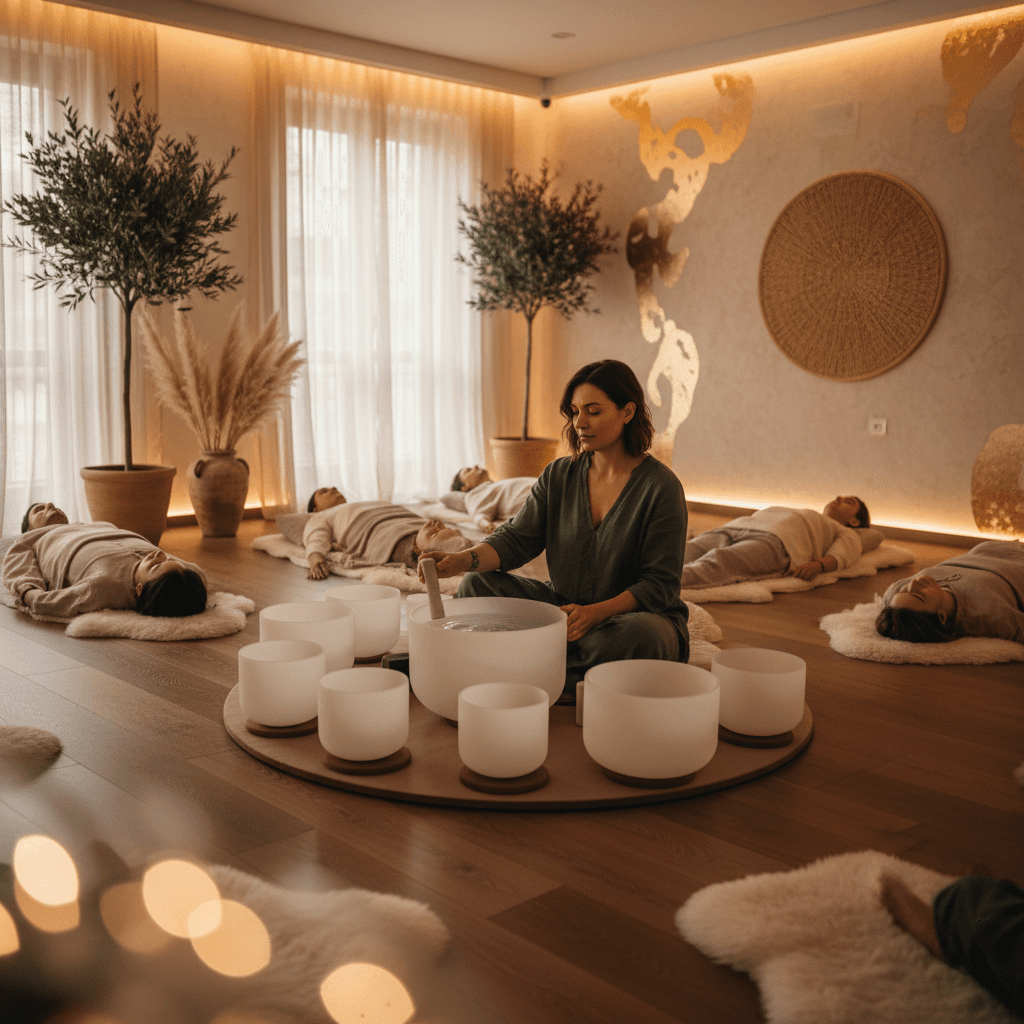
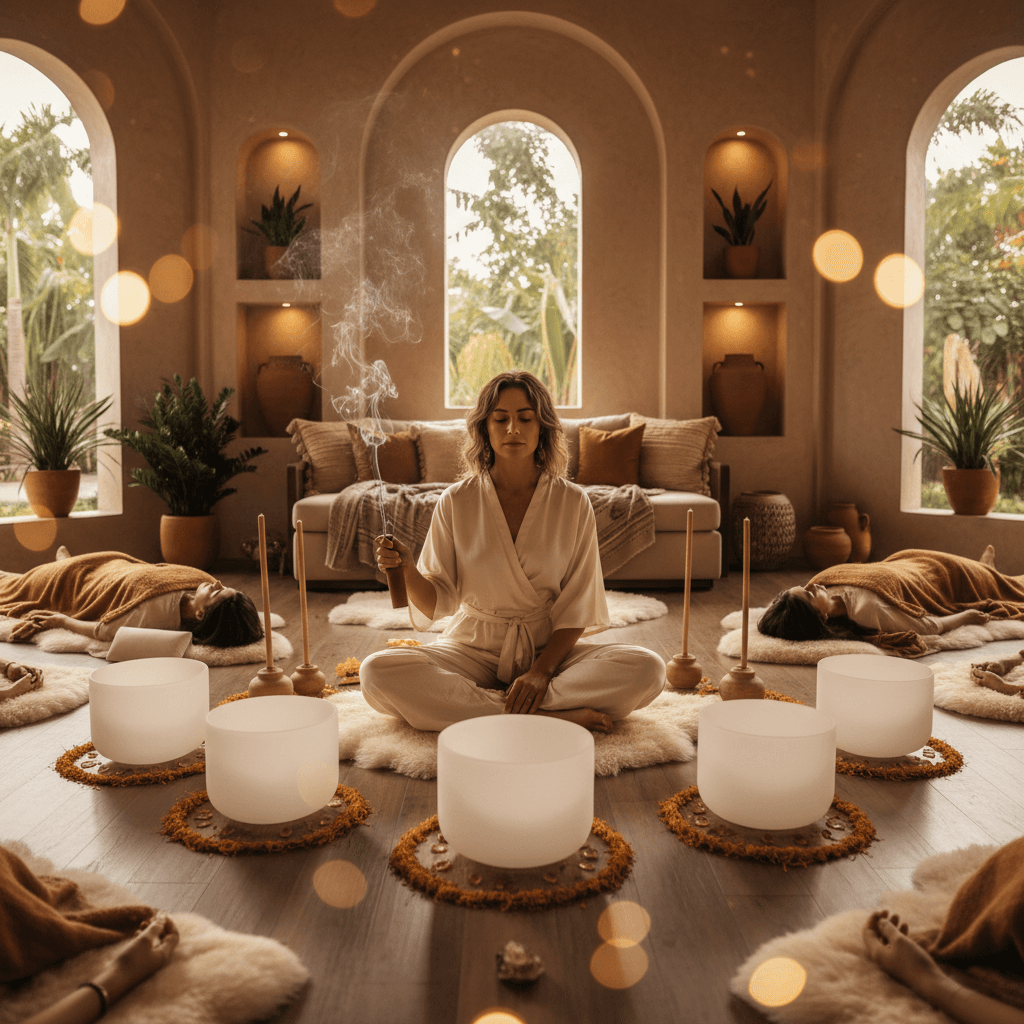
Connecting the scientific understanding of the stress-relaxation response to the actual experience of a sound session brings theory to life. When you step into a sound wellness space, you are not merely listening; you are immersing your entire being in a carefully constructed acoustic environment designed to facilitate deep physiological and psychological shifts.
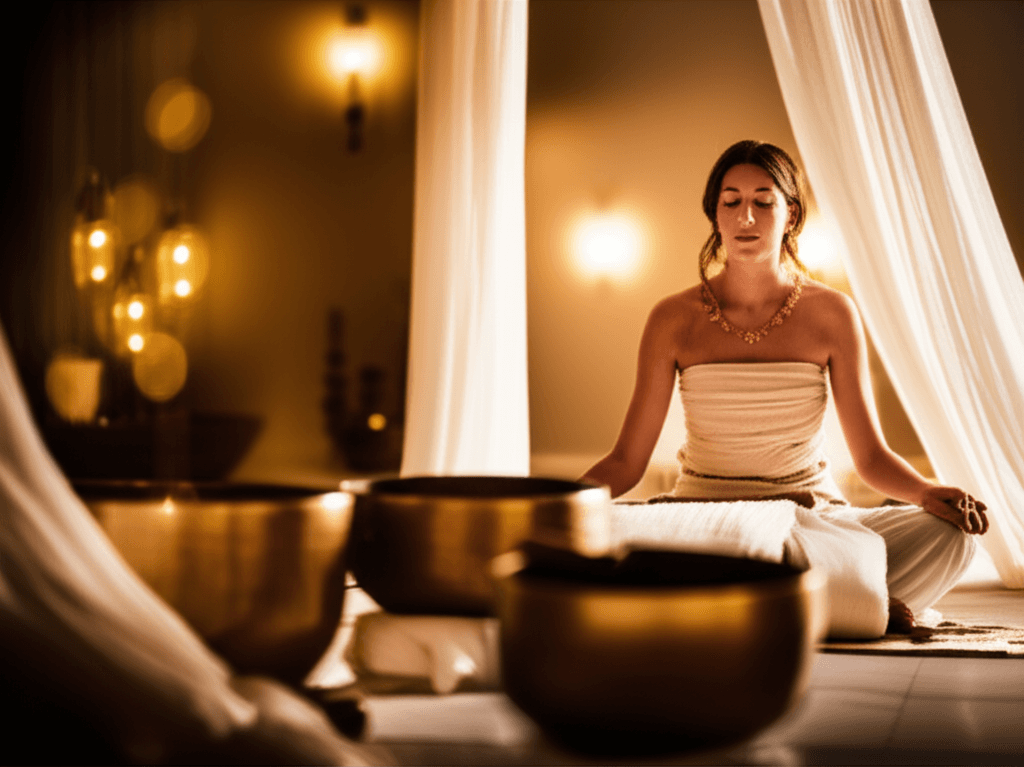
The experience begins as sound waves travel through the air, reaching your ears and triggering auditory processing in the brain. Beyond just hearing, however, the vibrations generated by instruments like gongs and singing bowls can be felt throughout your body. These somatic sensations are key to the profound relaxation many people report. The body is approximately 60% water, making it an excellent conductor for these subtle vibrational frequencies.
As these sounds and vibrations wash over and through you, they may begin to synchronize with your body's internal rhythms. This phenomenon, known as entrainment, is a process where the body's brainwaves, heart rate, and respiratory rate can gradually align with the frequency of the external sound stimulus. When the sound is slow, rhythmic, and harmonious, it encourages a shift towards a slower brainwave state, typically alpha (associated with relaxed wakefulness) and theta (associated with deep relaxation, meditation, and light sleep).
This shift in brainwave activity, coupled with the direct physiological effects of the vibrations, may signal to your parasympathetic nervous system that it is safe to activate. Tension held in muscles may begin to release, the breath naturally deepens, and the mind's constant chatter may quiet. Many clients describe feeling a sense of weightlessness, a profound peace, or even emotional release during a session. It is in this state that the body's innate healing mechanisms, previously suppressed by chronic stress, may begin to reassert themselves, facilitating recovery and rejuvenation.
The Soul Art Approach: Larissa Steinbach's Vision
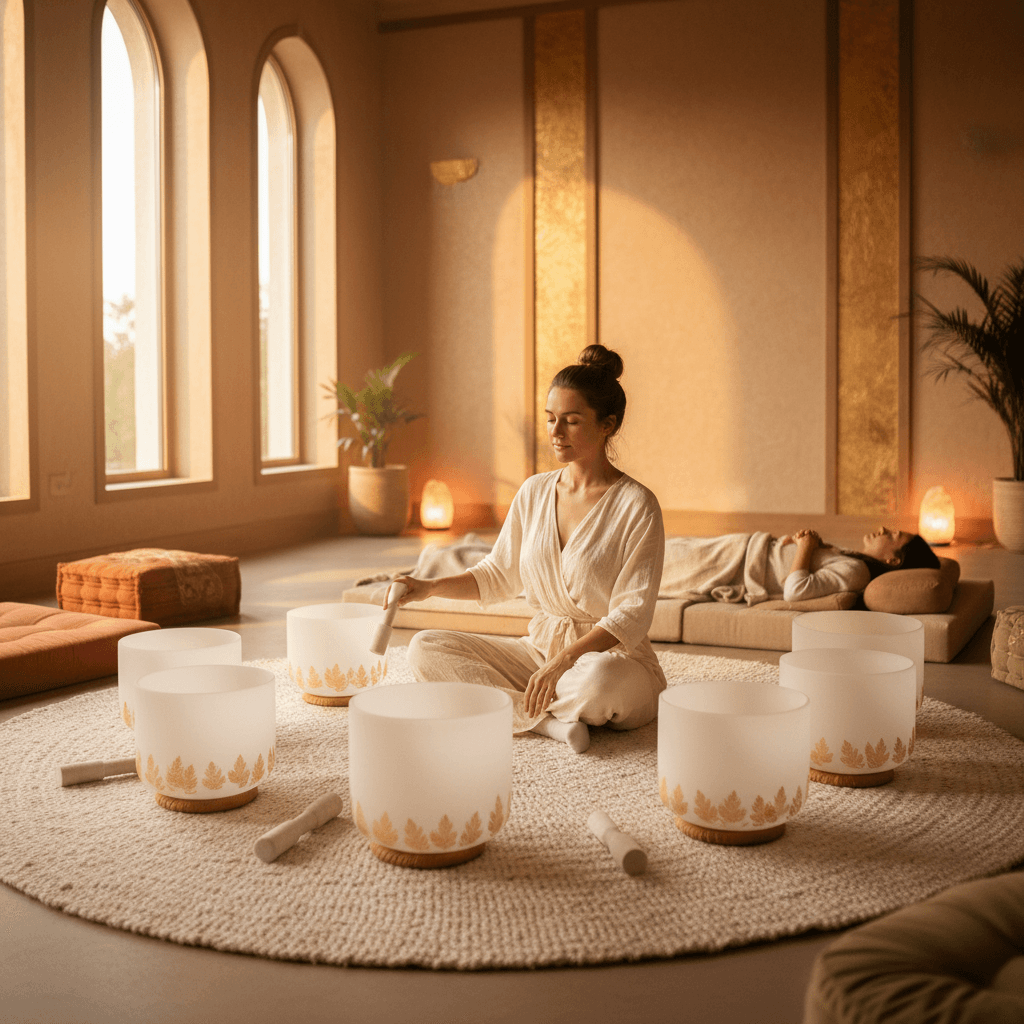
At Soul Art, Dubai's premier sound wellness studio, Larissa Steinbach applies these scientific principles with a refined and intuitive approach, creating an oasis of calm amidst the city's vibrancy. Her method blends ancient wisdom traditions with contemporary understanding of neurophysiology, crafting experiences that are both deeply transformative and scientifically grounded.
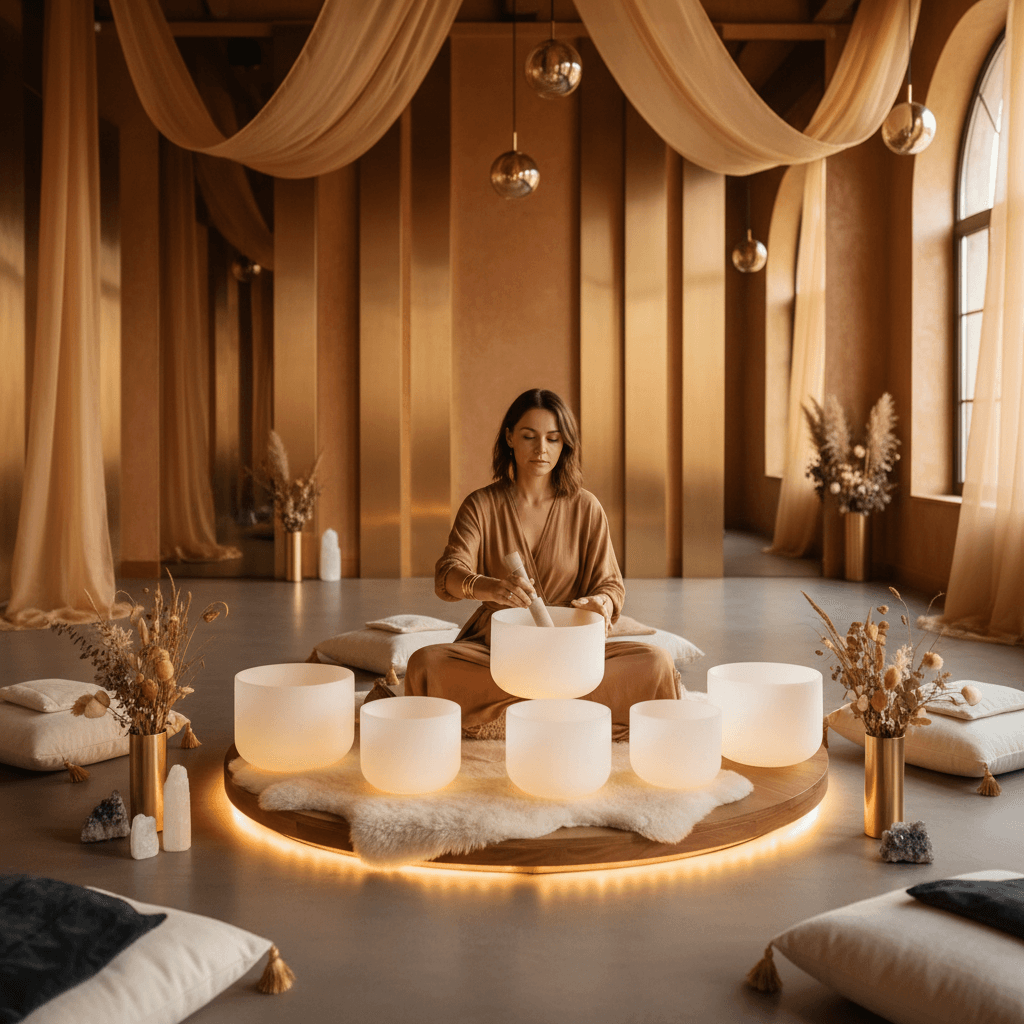
Larissa's unique approach at Soul Art is distinguished by her meticulous curation of instruments and her profound understanding of their energetic and vibrational qualities. She typically utilizes a diverse collection of instruments, each selected for its specific tonal and resonant properties. These often include:
- Himalayan Singing Bowls: Known for their rich, complex overtones and sustained vibrations that resonate deeply within the body.
- Gongs: Capable of producing a vast spectrum of sounds, from gentle whispers to powerful waves, facilitating profound shifts in consciousness and releasing stagnant energy.
- Tuning Forks: Applied therapeutically to specific points on the body, these precise frequencies may help restore energetic balance and alleviate localized tension.
- Chimes and Other Percussion: Used to add texture, enhance the soundscape, and gently guide the mind into deeper states of relaxation.
What makes the Soul Art method truly unique is not just the instruments themselves, but Larissa's mastery in playing them and her intuitive ability to create bespoke sound journeys. She orchestrates soundscapes that are not merely ambient but are intentionally designed to facilitate the shift from sympathetic to parasympathetic dominance. Her sessions are often described as immersive, allowing participants to fully surrender to the sonic frequencies and vibrations.
Larissa Steinbach's commitment is to provide a safe, nurturing, and luxurious environment where each individual can experience a profound recalibration of their nervous system. Through the artful application of sound, Soul Art offers a pathway to deep relaxation, enhanced well-being, and a renewed sense of inner harmony.
Your Next Steps: Embracing Sound for Daily Well-being
Integrating sound as a switch for your stress-relaxation response doesn't always require a dedicated session, though the profound immersion offered at Soul Art is unparalleled. Many people find that incorporating simple, sound-based practices into their daily routine can significantly contribute to better stress management and overall wellness.
Consider these practical steps you can implement today to invite more calm into your life:
- Integrate Short Sound Breaks: Dedicate five to ten minutes each day to listen to relaxing music, nature sounds (like rippling water or gentle rain), or guided sound meditations. Many apps offer a vast library of these resources.
- Practice Mindful Movement: Combine gentle physical activity, such as a brisk walk or simple stretches, with mindful breathing and awareness of the sounds around you. This can enhance the stress-reducing benefits of exercise, as recognized by the APA.
- Prioritize Restorative Sleep: Create a serene sleep environment, potentially incorporating white noise, binaural beats, or calming music at a low volume before bed to help your mind wind down. Removing screens from the bedroom can also be highly beneficial.
- Explore Guided Meditations: Many free resources offer guided meditations that often incorporate soothing sounds or verbal cues to encourage deep relaxation and activate your parasympathetic nervous system.
- Consider a Dedicated Sound Wellness Session: To experience the full depth and personalized benefits of sound, explore booking a session with a qualified practitioner. A guided sound journey can offer an immersive opportunity to reset your nervous system and achieve profound relaxation.
These actionable steps are designed to empower you to consciously engage your body's relaxation response. Remember, managing stress is an ongoing practice, and finding the tools that resonate with you is key to sustainable well-being.
Bookings Coming Soon
Soul Art is still in preparation. Session details and booking will be published here after launch.
Coming Soon
In Summary: Sound as Your Gateway to Serenity
The modern world often pushes our bodies into a continuous state of stress, keeping our sympathetic nervous system in overdrive. However, a growing body of scientific research highlights the remarkable ability of sound interventions to act as a powerful switch. By engaging our auditory and somatic senses, sound may help modulate the Autonomic Nervous System, fostering a shift towards the restorative parasympathetic state. This can lead to reduced physiological arousal, improved heart rate variability, and a profound sense of calm.
At Soul Art, Larissa Steinbach meticulously crafts sound wellness experiences that draw upon this scientific understanding, utilizing an array of resonant instruments to guide you into deep relaxation. These sessions are more than just listening; they are an immersive journey designed to help your body remember its innate capacity for peace and healing. Discover the transformative potential of sound and unlock your body's natural ability to relax and rejuvenate. We invite you to experience this profound journey at Soul Art.
Wellness Disclaimer: This article is for educational and informational purposes only. It does not constitute medical advice, diagnosis, or treatment. Soul Art Dubai provides non-medical wellness experiences focused on relaxation, stress management, and general wellbeing. Sound wellness is a complementary practice and should not replace professional medical care.