Unlock Calm: The Mental Health Benefits of Regular Sound Practice at Soul Art
Key Insights
Discover how scientifically-backed sound practice, led by Larissa Steinbach at Soul Art Dubai, supports mental health, reduces stress, and enhances wellbeing.
Could the simple act of listening, or even feeling vibrations, be a powerful tool for your mental wellbeing? In a world increasingly saturated with digital noise and chronic stress, the ancient practice of sound wellness is re-emerging, backed by a growing body of scientific research, as a sophisticated pathway to inner calm and mental resilience.
At Soul Art, Dubai's premier sound wellness studio, Larissa Steinbach guides individuals through immersive sound experiences that transcend mere relaxation. We explore how regular engagement with therapeutic sound, from the resonant tones of Himalayan singing bowls to the expansive vibrations of gongs, offers profound benefits for mental health. This article will delve into the compelling science behind sound practice, illuminate its practical application, and reveal how Soul Art is redefining holistic wellbeing in the heart of Dubai.
The Science Explained: How Sound Reshapes Your Inner Landscape
The human body is an intricate symphony of systems, constantly responding to external stimuli. Sound, often underestimated in its profound impact, acts as a powerful non-invasive tool to influence our neurophysiological state. Modern research in psychology and neuroscience increasingly confirms that sound-based practices can significantly ease symptoms related to anxiety, stress, and sleep disruption, offering an evidence-informed way to support everyday mental wellbeing.
Neurological Rebalancing and Mood Enhancement
One of the most compelling aspects of sound therapy lies in its ability to influence brainwave states. Various frequencies and rhythmic patterns can gently guide the brain from a stressed beta state to more relaxed alpha and even deeply meditative theta states. This shift is crucial for fostering mental tranquility and reducing the chatter of an overactive mind.
Research psychologist Tamara Goldsby, from the University of California, San Diego, led a frequently cited 2016 study published in the Journal of Evidence-Based Integrative Medicine. This study found that participants engaging in Tibetan singing bowl meditation reported significantly reduced tension, anger, fatigue, and depressed mood, alongside an increase in feelings of spiritual well-being. Even a few minutes of daily practice—focusing on tone, breath, and intention—can offer measurable benefits for mood regulation.
Furthermore, some preliminary studies suggest that specific sound interventions, such as exposure to binaural beats, may even enhance cognitive processing speeds with consistent listening. While research in this area is still evolving, the potential for sound to positively impact both emotional states and cognitive function is a promising frontier. Researchers are actively working to determine which sounds and frequencies have the most significant impact on brain activity, paving the way for more targeted interventions.
Physiological Pathways to Calm: Beyond the Ear
The impact of sound extends far beyond auditory perception. Sound waves generate vibrations that travel through the air and are physically absorbed by the body, an experience often described as "sound waves washing over the body." This vibroacoustic component is believed to be a key mechanism through which sound therapy elicits its profound effects.
When the body receives these vibrations, a cascade of physiological responses can be observed. Studies utilizing instrumentally measurable body responses and subjective experiences have tracked the effectiveness of sound therapy through various stress markers. These include:
- Salivary Cortisol: A primary stress hormone, often observed to decrease after sound interventions.
- Heart Rate Variability (HRV): An indicator of nervous system balance, which may show improvement, suggesting a shift towards parasympathetic dominance (the "rest and digest" state).
- Electrodermal Activity: Reflecting sympathetic nervous system arousal, which may be reduced during sound therapy.
- Neuroimaging Markers: Providing insights into brain activity changes.
These physiological shifts underscore how sound therapy helps cultivate physiological balance and emotional resilience. For instance, singing bowl sound meditation has been found to improve various health outcomes, such as reducing distress, anxiety, depression, fatigue, tension, anger, and confusion while increasing vigor. It has also been observed to have positive effects on blood pressure and heart rate responses, further affirming its integrative impact on psycho-emotional and physiological outcomes.
"Sound is not only perceived through the ear, but also by the body through vibrations from sound waves that travel through the air. This profound interaction makes sound a powerful tool for holistic wellbeing."
It's important to acknowledge that sound baths are a relatively new area of research, and the variability among practitioners and methods can make specific study more challenging. However, the consistent anecdotal evidence, combined with growing peer-reviewed findings, paints a clear picture: sound interventions offer a simple, effective, and accessible means to support mental health. While experts agree more data is needed to conclude that sound therapy has reliable health benefits for complex medical conditions, there is strong consensus that research suggests significant benefits for general wellness, stress reduction, and relaxation.
How It Works in Practice: The Immersive Experience
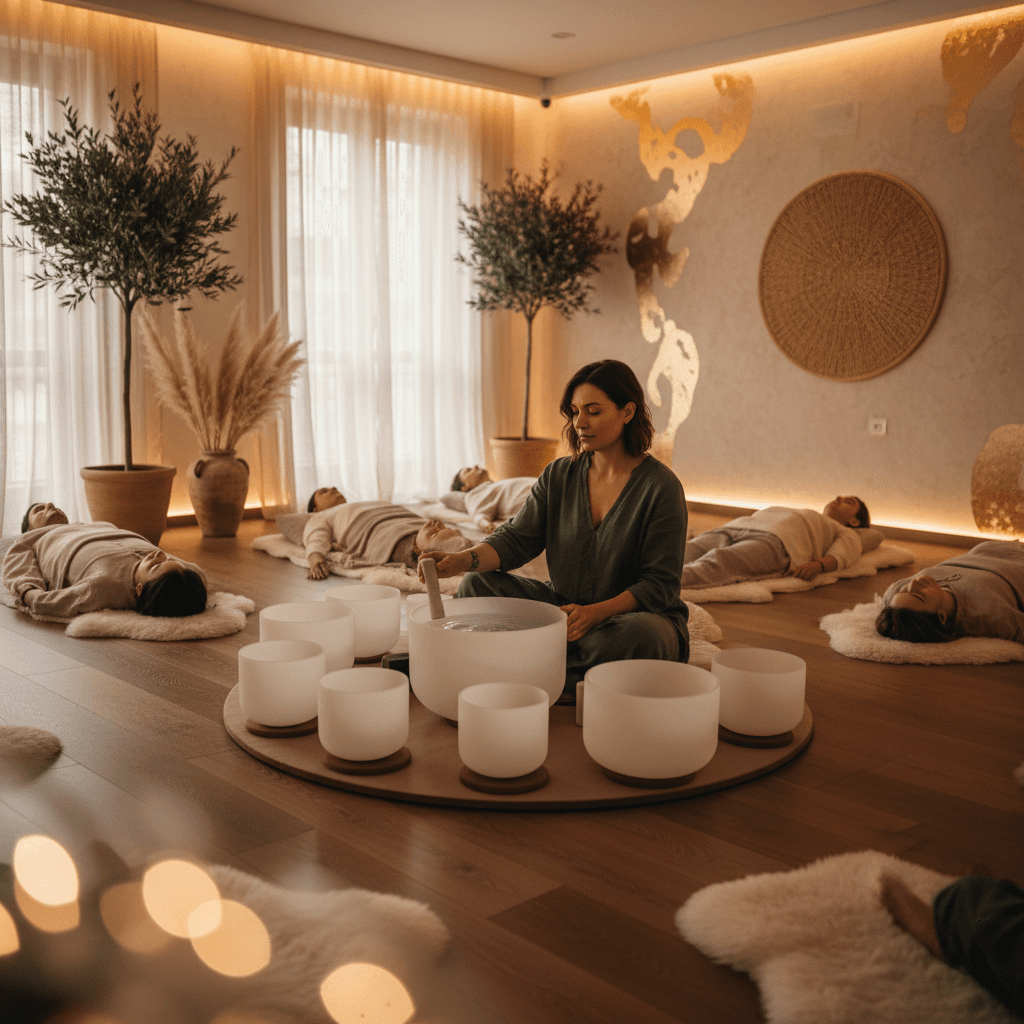
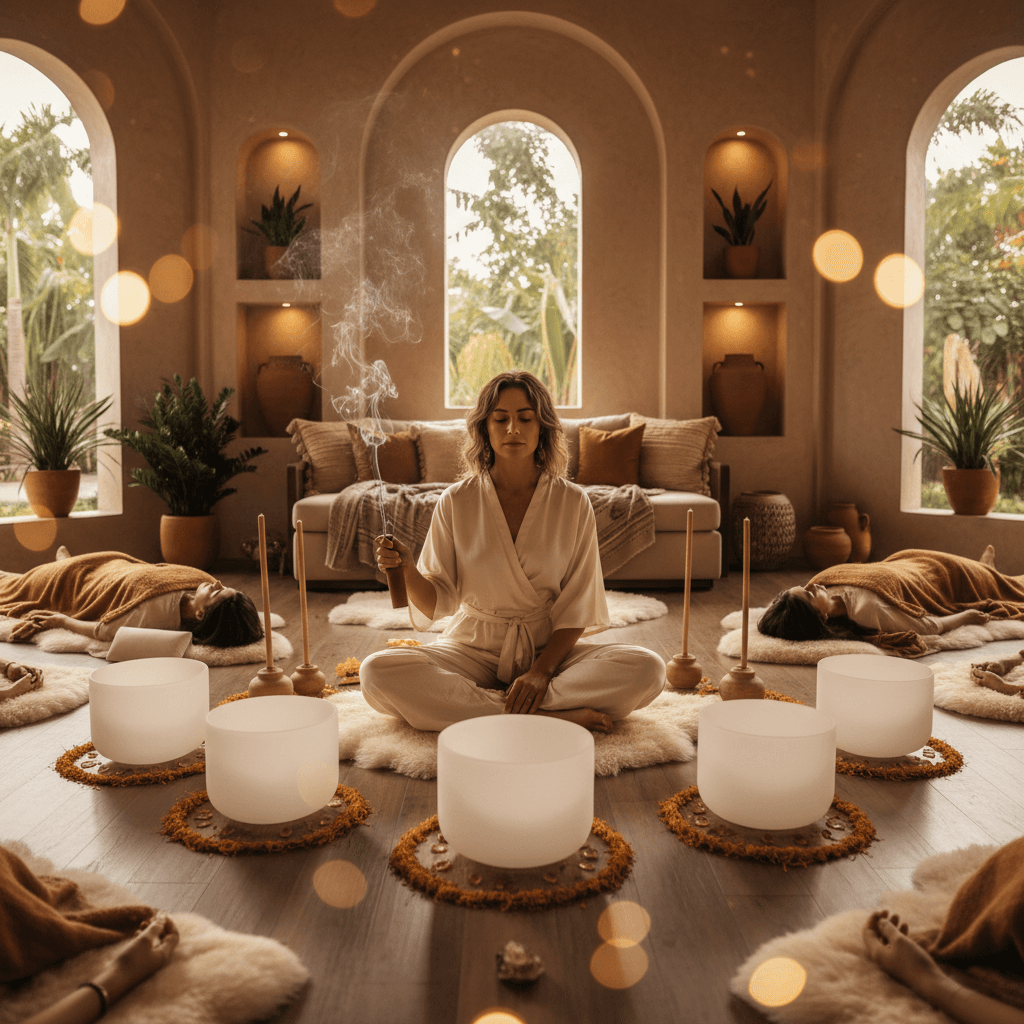
Connecting the scientific understanding to the real-world application, a sound practice session, particularly a sound bath, is an immersive, multi-sensory journey designed to induce deep relaxation and introspection. Imagine lying comfortably, enveloped in a symphony of resonant tones and gentle vibrations. The experience is often described as feeling the sound as much as hearing it.
Clients typically lie down in a serene environment, often on a yoga mat or blanket, sometimes covered for warmth and comfort. The practitioner, like Larissa Steinbach at Soul Art, then begins to play a variety of instruments. These might include:
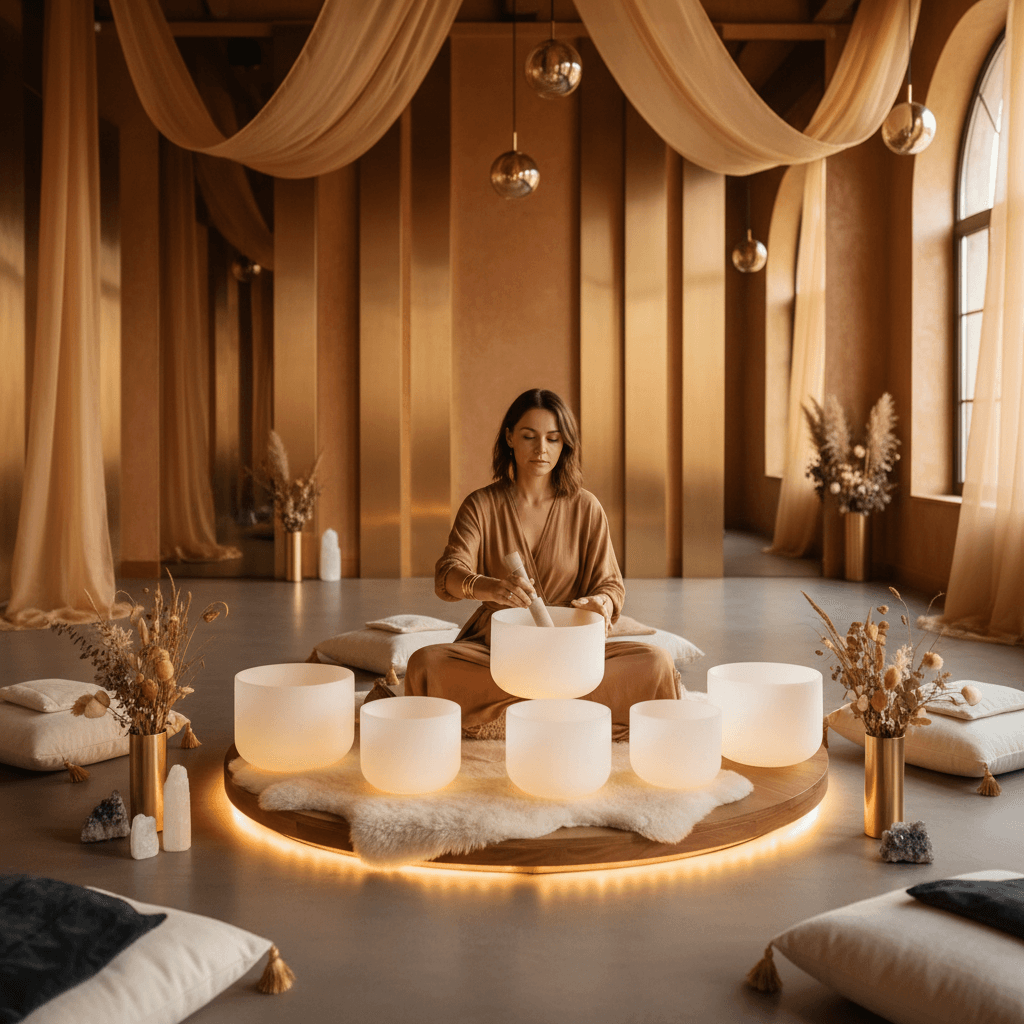
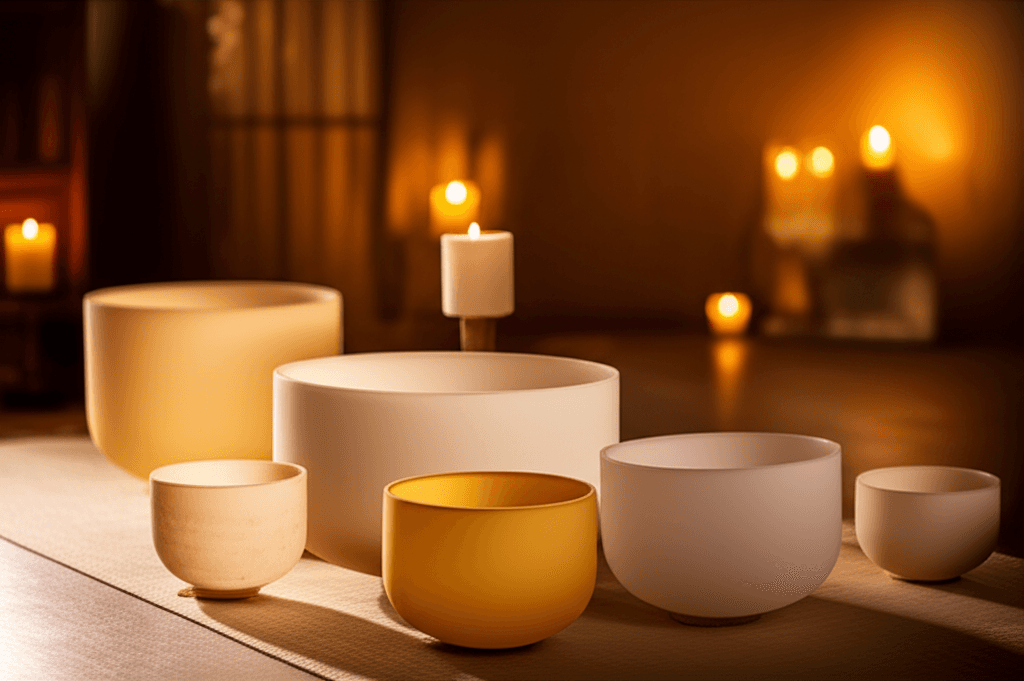
- Himalayan (Tibetan) Singing Bowls: Crafted from various metals, these bowls produce rich, sustained tones and profound vibrations when struck or rubbed. Their unique overtones are particularly effective at promoting relaxation.
- Gongs: Large, resonant instruments that create deep, expansive waves of sound and vibration, often used to facilitate release and journey work.
- Chimes and Tuned Pipes: Offering delicate, ethereal sounds that can enhance a sense of calm and spiritual connection.
- Drums: Providing rhythmic pulses that can ground the experience and facilitate a sense of presence.
The practitioner skillfully orchestrates these sounds and vibrations, allowing them to wash over the participants. This auditory and tactile stimulation provides a gentle "task" for the brain—listening—which can help quiet intrusive thoughts, lower heart rate, and reduce blood pressure. It's a journey into mindful awareness, where the focus shifts from external distractions to the inner landscape of sensations and feelings.
Many people report entering a state akin to meditation or even a light sleep, yet remaining aware of the surrounding sounds. This state of profound relaxation is where the nervous system can reset, stress responses diminish, and a sense of peace can emerge. Whether experienced as a self-guided sound meditation or as a passive session led by an experienced practitioner, the consistent integration of sound therapy into a wellness routine offers a beautifully simple yet evidence-supported tool for everyday life. The objective is not just momentary relaxation but cultivating a sustained sense of balance and emotional resilience that can be carried into daily activities.
The Soul Art Approach: Larissa Steinbach's Vision for Well-being
At Soul Art, Dubai's sanctuary for sonic exploration, Larissa Steinbach has meticulously crafted an experience that combines scientific principles with a deep understanding of holistic wellness. Her approach is rooted in the belief that true luxury lies in the restoration of one's inner peace and vitality, offering a refined blend of ancient wisdom and contemporary application.
Larissa Steinbach's unique methodology at Soul Art emphasizes personalization and intention. She doesn't just play instruments; she creates bespoke sonic journeys tailored to the specific needs and energies of her clients. Her extensive knowledge of sound frequencies, coupled with an intuitive understanding of human physiology and emotion, allows her to curate sessions that are both deeply relaxing and profoundly transformative.
A hallmark of the Soul Art method is the exquisite selection and masterful use of instruments, particularly high-quality Himalayan singing bowls. Larissa understands that the unique tonal qualities and vibrational resonance of these bowls are paramount to their therapeutic efficacy. She often integrates gongs, chimes, and other vibrational tools to create a rich, multi-layered soundscape that encourages deep cellular relaxation and nervous system regulation.
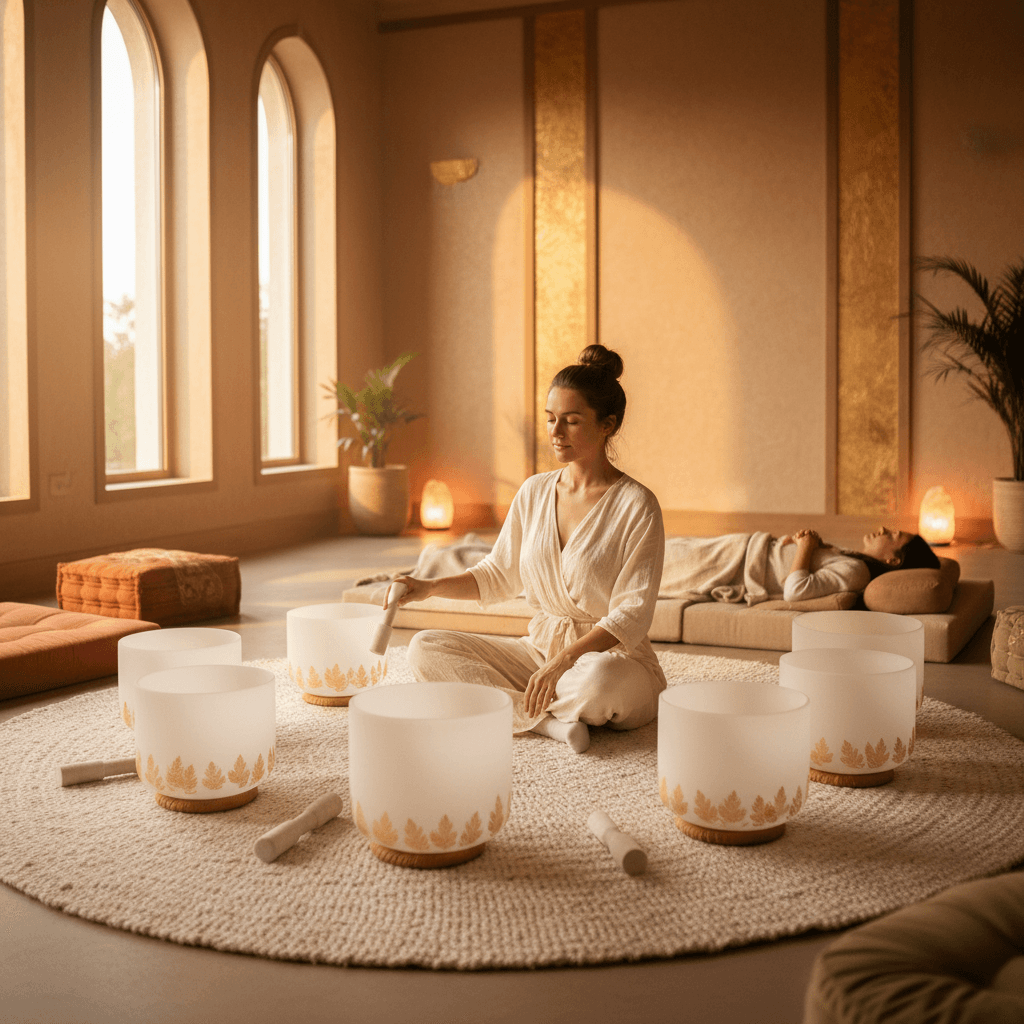
Beyond the instruments, the Soul Art experience is defined by its environment and philosophy. The studio itself is designed as a haven of tranquility, a space where the bustling energy of Dubai fades, allowing for complete immersion. Larissa Steinbach fosters an atmosphere of quiet luxury—sophisticated, warm, and deeply empathetic. Her guidance is professional and expert, yet always delivered with understanding and without arrogance, ensuring clients feel safe, supported, and truly seen.
Soul Art's offerings range from intimate group sound baths to private, personalized sound therapy sessions. Each session is an invitation to explore the subtle yet powerful influence of sound on one's being, guided by a practitioner who is not only highly skilled but deeply passionate about facilitating profound wellness. It’s an opportunity to pause, reflect, and allow the gentle yet potent frequencies to reharmonize your mind, body, and spirit, making Soul Art a beacon of mental wellness in the region.
Your Next Steps: Integrating Sound into Your Life
Embracing the mental health benefits of regular sound practice doesn't require a dramatic overhaul of your lifestyle. It’s about conscious integration, small steps that can lead to significant shifts in your overall wellbeing. Soul Art, under the guidance of Larissa Steinbach, invites you to explore these pathways to greater calm and resilience.
Here are some actionable steps you can take to incorporate the healing power of sound into your daily routine:
- Start with Mindful Listening: Begin by consciously tuning into the sounds around you. This could be natural sounds like birdsong or rain, or simply focusing on the resonant tones of a bell. This simple practice cultivates present-moment awareness and can be a powerful antidote to mental clutter.
- Explore Guided Sound Meditations: Many apps and online platforms offer guided sound meditations, often featuring singing bowls or ambient tones. Even 5-10 minutes a day can help shift your brainwave patterns towards relaxation and reduce stress.
- Create a Personal Sound Sanctuary: If you have access to a small singing bowl or chime, learn to play it mindfully. Focus on the tone, your breath, and your intention. This can serve as a personal, portable tool for self-guided sound meditation and instant grounding.
- Attend a Sound Bath Session: Experience the full immersive power of a professionally led sound bath. This allows you to completely surrender to the experience without the need for active participation, enabling deeper relaxation and allowing the sophisticated instruments to work their magic.
- Prioritize Consistent Practice: Like any wellness practice, consistency is key. Regular engagement, whether daily brief moments or weekly immersive sessions, reinforces the nervous system's ability to self-regulate and builds emotional resilience over time.
By integrating sound practices into your routine self-care or as a complementary approach to clinical support, you can actively cultivate physiological balance and emotional resilience. It's the perfect time to transform your journey with mindful self-care rituals.
In Summary
The gentle yet profound power of sound to positively impact mental health is increasingly validated by scientific research. From reducing anxiety, stress, and depressive moods to enhancing mood and improving sleep, regular sound practice offers an accessible and evidence-informed pathway to greater wellbeing. The vibrations and frequencies act on both neurological and physiological levels, guiding us toward states of deep relaxation and fostering inner harmony.
At Soul Art, Larissa Steinbach's vision brings this ancient wisdom to life through meticulously crafted sound experiences. By embracing the Soul Art approach, you can restore balance to your nervous system, quiet the mind, and embark on a journey towards profound mental clarity and emotional resilience. We invite you to experience the frequency of well-being and discover a new dimension of self-care.
Bookings Coming Soon
Soul Art is still in preparation. Session details and booking will be published here after launch.
Coming Soon
Wellness Disclaimer: This article is for educational and informational purposes only. It does not constitute medical advice, diagnosis, or treatment. Soul Art Dubai provides non-medical wellness experiences focused on relaxation, stress management, and general wellbeing. Sound wellness is a complementary practice and should not replace professional medical care.