Quieting the Inner Critic: Sound Wellness for Self-Compassion

Key Insights
Discover how Soul Art Dubai, led by Larissa Steinbach, uses scientifically-grounded sound wellness practices to transform negative self-talk into a pathway for resilience and emotional peace.
Have you ever found yourself caught in a loop of self-doubt, where a relentless voice whispers criticisms you wouldn't dare utter to a friend? This pervasive internal monologue, often referred to as the inner critic, is a silent force shaping our daily lives, influencing our emotions, motivations, and potential accomplishments. It might feel like a fundamental part of who you are, yet it’s a learned pattern that can be gently reframed and transformed.
At Soul Art Dubai, we understand the profound impact of this internal dialogue on overall wellbeing. Our mission, championed by founder Larissa Steinbach, is to offer a sophisticated pathway to emotional peace through the scientifically-backed practice of sound wellness. This article will delve into the origins and effects of the inner critic, exploring how sound can offer a powerful, elegant approach to cultivating self-compassion and quieting negative self-talk.
We believe that by understanding this inner voice and harnessing the therapeutic frequencies of sound, you can unlock a deeper sense of self-acceptance and resilience. Join us as we explore the science behind this transformative journey, revealing how to shift from self-criticism to a more supportive, balanced inner guide, fostering a life of greater confidence and serenity.
The Science Explained
Our inner critic is not an innate adversary but often develops early in life as a coping mechanism. It forms in response to perceived expectations, fears, or emotional pain, manifesting as harsh internal statements like “I should have done better” or “I’ll never get this right.” Over time, this voice becomes deeply internalized, dictating how we perceive ourselves, approach challenges, and even relate to others.
The Physiological Toll of Chronic Self-Criticism
Far from making us stronger, chronic self-criticism actually keeps us stuck in cycles of stress and doubt. Research from the American Psychological Association indicates that this constant negative self-talk significantly increases cortisol levels, the body’s primary stress hormone. This elevation fuels anxiety, depression, and weakens our ability to effectively regulate emotions.
The linguistic features of self-criticism, as explored in studies involving university students and patients with depression, highlight how individuals verbalize these critical thoughts, often demonstrating patterns of harsh self-judgment. This relentless internal dialogue has tangible implications for our emotional and physical health, influencing our default mode network (DMN) and reward-motivation networks in the brain, as suggested by fMRI studies on positive and negative self-talk. The continuous barrage of self-trash-talk can be debilitating, profoundly impacting our capacity to pursue our hopes and dreams.
Brené Brown, Ph.D., a research professor, emphasizes that negative self-talk, particularly when rooted in shame, relies on us buying into its messages. Shame thrives on secrecy, silence, and the perception of judgment, convincing us that we are flawed and unworthy. Believing these criticisms as truth can prevent us from even attempting to overcome challenges, locking us into a cycle of self-doubt and inaction.
Cultivating Self-Compassion: The Antidote
Conversely, cultivating self-compassion offers a powerful antidote, improving motivation, resilience, and even immune system function, as highlighted by Harvard Health. Self-compassion involves treating ourselves with kindness and understanding during times of failure or suffering, rather than resorting to harsh self-criticism. Kristin Neff, Ph.D., a leading researcher in the field, describes self-compassion as having three core elements: self-kindness, common humanity, and mindfulness.
Self-kindness means being warm and understanding toward ourselves, rather than judgmentally self-critical. Common humanity recognizes that suffering and personal inadequacy are part of the shared human experience, rather than something that isolates us. Mindfulness involves observing our thoughts and emotions with openness and clarity, without over-identifying with them or suppressing them. This allows us to acknowledge the inner critic without letting it define us.
"Awareness and compassion—not shame—are the keys to transforming self-talk. You don’t have to silence your inner critic; you can learn to reframe it into a more supportive and balanced inner guide."
The first step in this transformation is recognizing the inner critic’s voice. This awareness, often fostered through practices like mindful breathing, helps create distance between you and the critical voice. By simply naming it—"That’s my inner critic talking"—you gain the power to observe rather than automatically believe its message. This practice of observation allows for a gentle questioning of the critic’s message, asking: "Is this truly factual?" or "Would I speak to a friend this way?" This process of conscious re-evaluation, supported by a growing body of research, lays the foundation for a healthier inner dialogue.
How Sound Wellness Works in Practice
Connecting the scientific understanding of the inner critic to practical solutions, sound wellness offers a unique and profound pathway to emotional regulation and self-compassion. At Soul Art, we harness specific sound frequencies and vibrations to guide the body and mind into deep states of relaxation, creating an optimal environment for transforming negative self-talk.
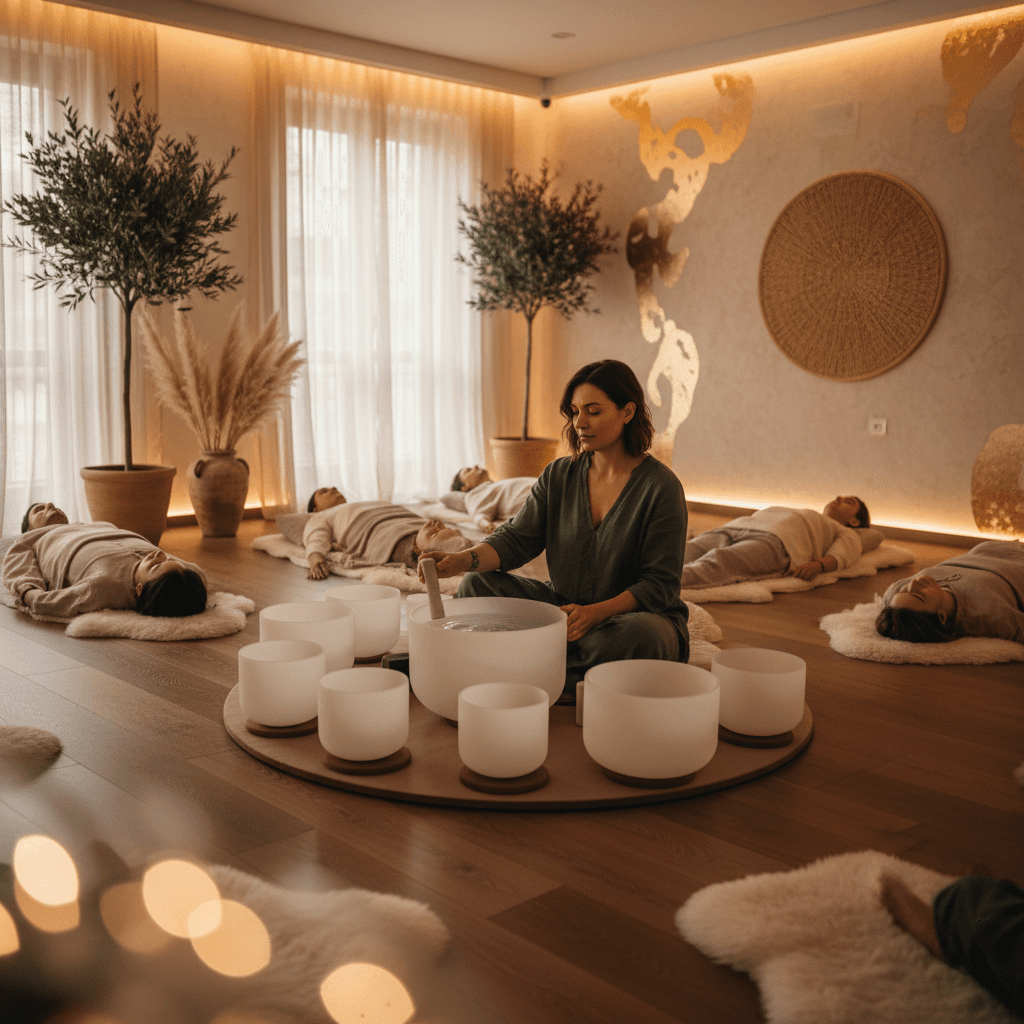
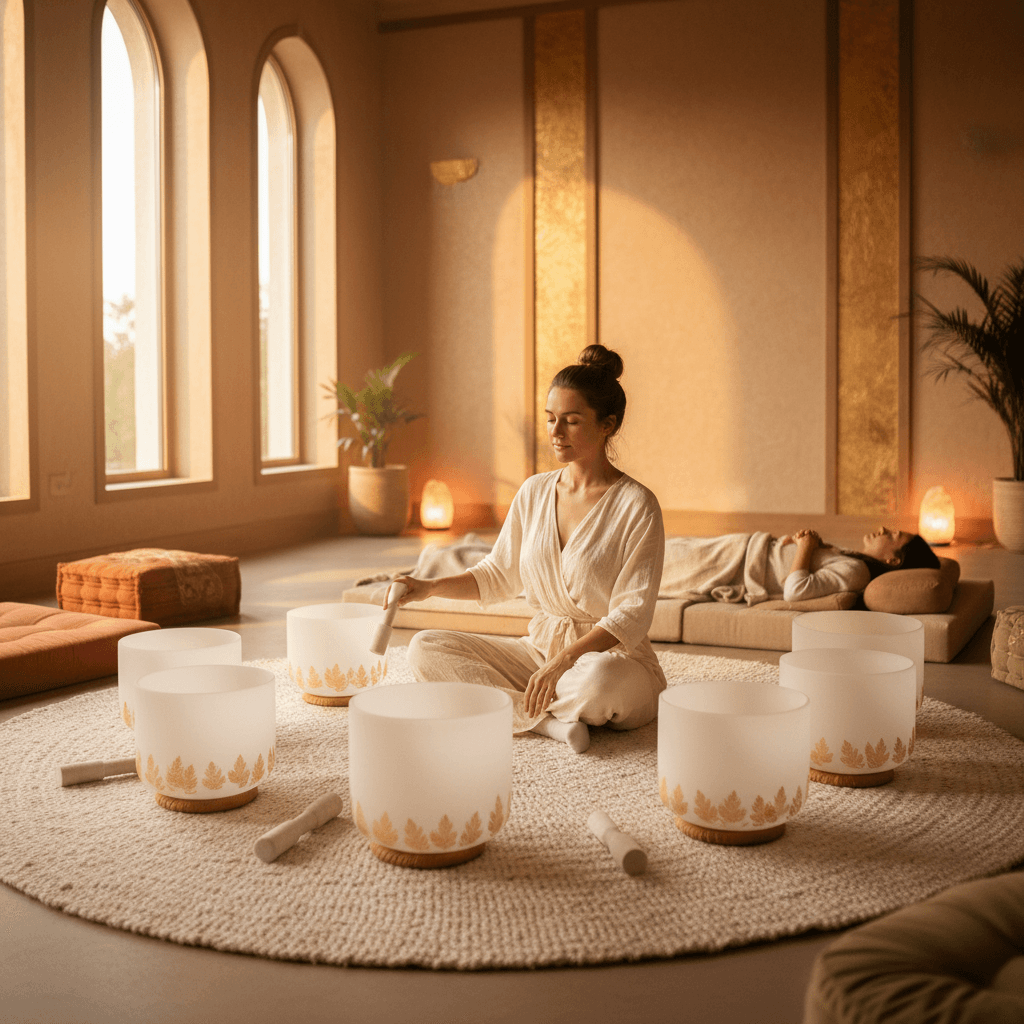
When clients immerse themselves in a sound wellness session, the carefully chosen instruments – such as crystal singing bowls, gongs, and tuning forks – produce a rich tapestry of resonant frequencies. These vibrations are not just heard; they are felt throughout the body, engaging the parasympathetic nervous system, which is responsible for rest and digestion. This activation naturally reduces stress and anxiety, effectively lowering cortisol levels and promoting a sense of calm.
The deep relaxation induced by sound helps to quiet the incessant chatter of the mind, including the inner critic. In this meditative state, clients often experience a profound detachment from their thoughts. Instead of being entangled in self-critical loops, they can observe these thoughts from a place of gentle non-judgment, understanding them as passing mental events rather than absolute truths. This creates crucial mental space, allowing individuals to separate themselves from the critical voice and gain perspective.
The experience is profoundly sensory and deeply personal. Clients often report feeling a gentle vibrational massage at a cellular level, which may support the release of emotional tension stored in the body. The harmonic tones can facilitate a journey into a tranquil inner landscape, where the mind can reset and emotional blockages may begin to dissolve. This unique form of mindfulness, guided by sound, encourages an innate shift towards self-kindness and acceptance. Many people report that after a session, the inner critic’s voice feels less urgent, less demanding, and less powerful, replaced by a quiet strength and a renewed sense of inner peace.
The Soul Art Approach
Larissa Steinbach, founder of Soul Art, envisioned a sanctuary in Dubai where individuals could reconnect with their inner selves and discover profound wellbeing through the power of sound. Her unique approach at Soul Art blends ancient wisdom with modern scientific understanding, crafting immersive sound experiences designed to address contemporary challenges like the pervasive inner critic. Larissa's dedication to creating a quiet luxury environment ensures every session is not just effective, but also an exquisitely serene experience.
What makes the Soul Art method distinctive is its bespoke curation of sound journeys. Each session is meticulously designed to create a specific energetic and vibrational landscape, using a diverse array of instruments including quartz crystal singing bowls, Himalayan singing bowls, planetary gongs, and precisely calibrated tuning forks. These instruments are chosen for their unique frequencies and their ability to resonate with the body's energy centers, promoting deep relaxation and nervous system regulation.
At Soul Art, sound wellness is approached as a complementary tool for holistic wellbeing, directly supporting clients in fostering self-compassion. The carefully orchestrated soundscapes provide a powerful anchor for the mind, enabling participants to move beyond analytical thought and into a state of deep meditative awareness. In this receptive state, the mind becomes more open to new perspectives, making it easier to observe and reframe negative self-talk without judgment. Larissa Steinbach and her team guide clients through these profound experiences, helping them to cultivate a supportive internal dialogue and gently release the grip of their inner critic.
The intention behind every Soul Art session is to empower individuals to step into their innate resilience and inner harmony. By providing a safe and nurturing space, facilitated by the transformative power of sound, Soul Art helps clients cultivate a profound sense of self-acceptance. This unique approach aligns perfectly with the understanding that awareness and compassion are the true keys to transforming self-talk, guiding each individual towards a more balanced and peaceful existence.
Your Next Steps
Transforming your relationship with your inner critic is a journey of consistent, gentle practice. While the shift won't happen overnight, incorporating mindful strategies into your daily routine can yield significant benefits for your emotional peace and overall wellbeing. Here are some actionable steps you can begin today:
- Recognize Your Inner Critic's Voice: Start by simply noticing when the critical voice appears. What triggers it? What exactly does it say? How does your body feel when you hear it? Simply naming it—"That’s my inner critic talking"—helps create distance and gives you the power to observe rather than automatically believe.
- Question the Message: Once you recognize the voice, gently challenge its assertions. Ask yourself: "Is this truly factual?" or "Would I ever speak to a cherished friend this way?" This process helps to dismantle the critic’s power by exposing its often irrational or unkind nature.
- Practice Self-Compassion: Consciously choose to treat yourself like a friend. If a friend were struggling, what comforting words or gestures would you offer? Try applying that same kindness to yourself. This might involve changing your self-talk to be more supportive or offering yourself a gentle, supportive touch, like placing a hand over your heart.
- Incorporate Mindful Pauses: Throughout your day, take short breaks to practice mindful breathing. Even a few deep breaths can help ground you in the present moment, creating a buffer against self-critical thoughts and activating your parasympathetic nervous system for relaxation.
- Explore Sound Wellness: Consider how immersive sound experiences could support your journey. Sound wellness practices may offer a unique way to quiet mental chatter, promote deep relaxation, and foster a state of self-awareness where the inner critic’s influence naturally diminishes.
These steps, when practiced consistently, can help you cultivate a kinder, more supportive internal environment. If you’re ready to experience a deeper level of relaxation and emotional freedom, we invite you to explore the transformative power of sound wellness at Soul Art.
Bookings Coming Soon
Soul Art is still in preparation. Session details and booking will be published here after launch.
Coming Soon
In Summary
The inner critic, though a common companion, can be a significant barrier to our peace and potential. It’s a voice rooted in past experiences, influencing our present by fueling anxiety and dampening our self-worth. However, scientific insights and practices like self-compassion demonstrate that we have the power to reframe this negative self-talk into a more supportive inner guide.
Sound wellness, as expertly curated by Larissa Steinbach at Soul Art Dubai, offers a profound and elegant pathway to this transformation. By immersing ourselves in therapeutic frequencies, we can access deep states of relaxation, observe our thoughts without judgment, and actively cultivate a kinder internal narrative. This holistic approach supports the nervous system, fosters emotional regulation, and ultimately leads to greater resilience and self-acceptance. Embrace the journey of quieting your inner critic and rediscovering your authentic, peaceful self with Soul Art.
Wellness Disclaimer: This article is for educational and informational purposes only. It does not constitute medical advice, diagnosis, or treatment. Soul Art Dubai provides non-medical wellness experiences focused on relaxation, stress management, and general wellbeing. Sound wellness is a complementary practice and should not replace professional medical care.