Stress Resilience: Building Capacity with Regular Practice
Key Insights
Discover the science of stress resilience and how regular mind-body practices, like sound wellness at Soul Art Dubai, can build your capacity to thrive amidst modern life's challenges. Founded by Larissa Steinbach, Soul Art offers a unique path to enduring well-being.
Is it possible to navigate the relentless currents of modern life—the tight deadlines, constant notifications, and personal demands—without feeling perpetually overwhelmed? Many of us grapple with this question, experiencing a pervasive sense of pressure that impacts our well-being. The good news, however, is that our ability to withstand and recover from stress, a quality known as stress resilience, is not a fixed trait.
Instead, research overwhelmingly indicates that resilience is a learnable skill that can be developed and strengthened through intentional practice. This article will delve into the scientific foundations of stress resilience, explore how regular, integrated practices can build your capacity for thriving, and reveal how Larissa Steinbach and the unique approach at Soul Art Dubai offer a powerful pathway to cultivating this vital attribute for enduring well-being. Join us as we uncover how to transform adversity into an opportunity for profound personal growth.
The Science Explained: Unpacking Stress Resilience
At its core, resilience is broadly defined as the process of adapting well in the face of adversity, trauma, tragedy, threats, or significant sources of stress. This includes navigating challenges like relationship issues, serious health concerns, or the ubiquitous pressures of the workplace. It is not merely about "bouncing back" to a previous state, but often involves a journey of profound personal growth, allowing individuals to emerge stronger and more capable.
Recent research, which has seen a significant surge in interest over the last decade, highlights that resilience extends beyond an inherent predisposition. It encompasses a set of acquired skills that can mitigate the experience of stress and expedite productive responses when setbacks occur. These skills are rooted in measurable neurobiological pathways, cognitive frameworks, and robust social support systems that can be intentionally developed.
The Neurobiology of Stress and Recovery
Understanding stress resilience requires a glance at our body's intricate stress response system. When faced with a perceived threat, our hypothalamic-pituitary-adrenal (HPA) axis activates, leading to the release of hormones like cortisol. While essential for immediate survival, prolonged activation can have detrimental effects on both physical and mental health.
However, certain neurobiological pathways are associated with greater resilience. For instance, a positive correlation has been found between the dehydroepiandrosterone (DHEA)/cortisol ratio and performance during high-stress training. DHEA, along with allopregnanolone, may confer resilience by helping to terminate HPA-axis activation, thereby preventing the harmful effects of prolonged exposure to glucocorticoids. Essentially, resilient individuals may exhibit a more efficient physiological recovery from stress.
Cognitive and Emotional Foundations of Resilience
Beyond hormones, how we interpret and respond to stress plays a crucial role. Psychologists suggest that resilient individuals appraise pressure differently, viewing it as a challenge rather than an insurmountable threat. This cognitive reframing is a cornerstone of effective stress management. They also tend to possess stronger emotional regulation skills, allowing them to manage intense feelings without being overwhelmed.
A sense of control over one's circumstances, even in challenging situations, also contributes significantly to resilience. Furthermore, attributes such as impulse control, causal analysis (understanding the causes of events), self-efficacy (belief in one's ability to succeed), and realistic optimism are all learned skills that can be intentionally cultivated to enhance one's capacity for resilience. These elements form a robust psychological toolkit for navigating adversity.
The Power of Practice and Targeted Interventions
Research evidence strongly supports the idea that resilience can be developed through intentional, regular practice. Studies examining resilience interventions often involve daily or weekly short practice sessions where participants engage with challenging projects in a safe, supportive environment. This allows individuals to learn from their own responses to actual stressors, thereby building coping skills and improving over time.
Interventions designed to build resilience have shown particular success in settings such as sports, the workplace, and for police officers, with a high percentage of studies reporting positive effects. These interventions are often most impactful for individuals identified as highly stressed or vulnerable, as resilience is theorized to develop through adversity. This highlights that those who feel most challenged may also have the greatest capacity to benefit from targeted practices. For example, the Stress Management and Resilience Training (SMART) program, developed at the Mayo Clinic, teaches attentional training and reframing techniques to help individuals decrease the impact of stress on the brain.
It is critical to note that effective stress management typically requires addressing multiple domains simultaneously. While single interventions can be helpful, integrated approaches that encompass cognitive patterns, emotional regulation, social connections, and lifestyle factors provide significantly greater benefit. This holistic perspective underscores the importance of a well-rounded approach to building lasting resilience.
How It Works in Practice: From Theory to Application
Connecting the scientific understanding of resilience to real-world application is where its true power lies. The theoretical frameworks translate into tangible benefits through consistent engagement in specific practices that challenge our coping mechanisms in a controlled environment. This allows us to develop and refine our skills without being overwhelmed by the intensity of real-life crises.
Imagine a practice session where you are gently guided to confront internal stressors. This isn't about ignoring difficulty, but rather about learning to observe your responses and choose how you react. Such practices enable individuals to build coping skills and develop resilience to actual stressors in a safe and supportive setting, where they can learn from their own physiological and emotional responses. It's a laboratory for self-discovery and empowerment.
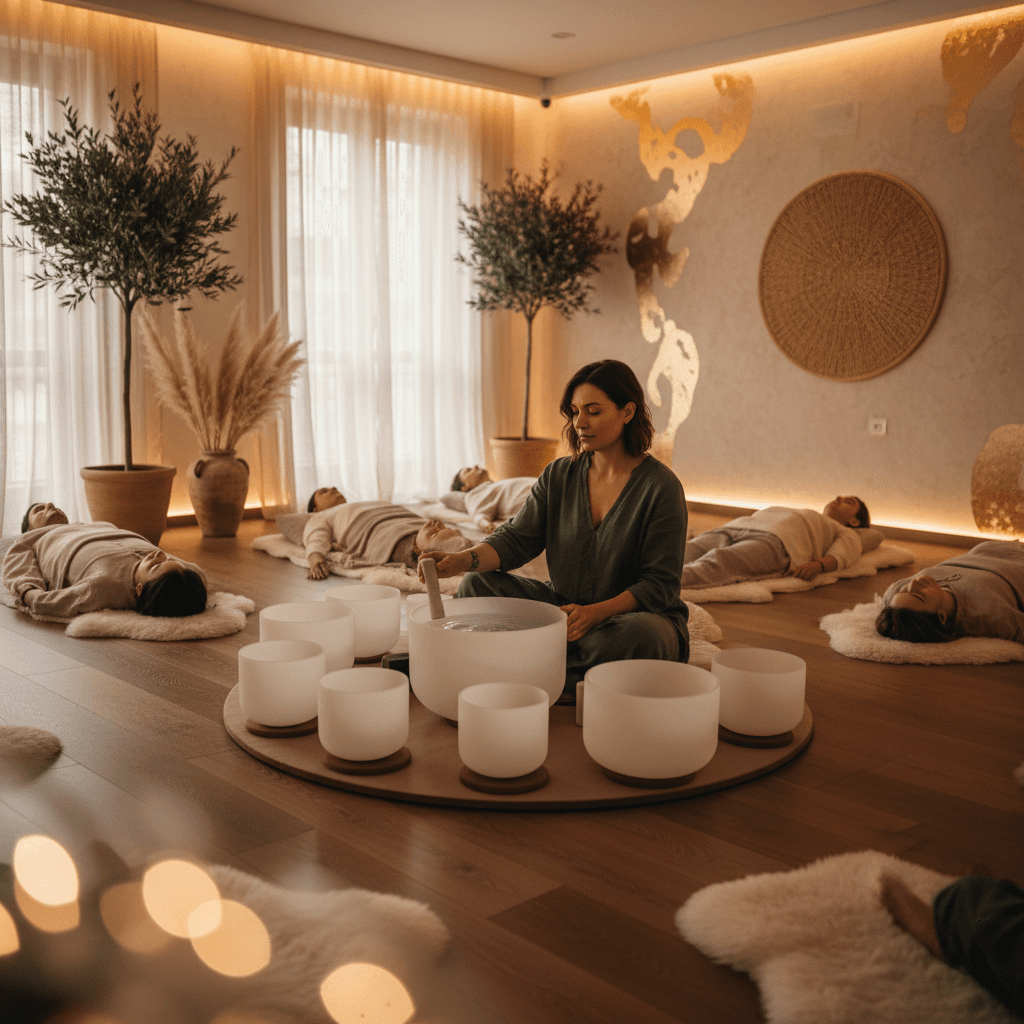
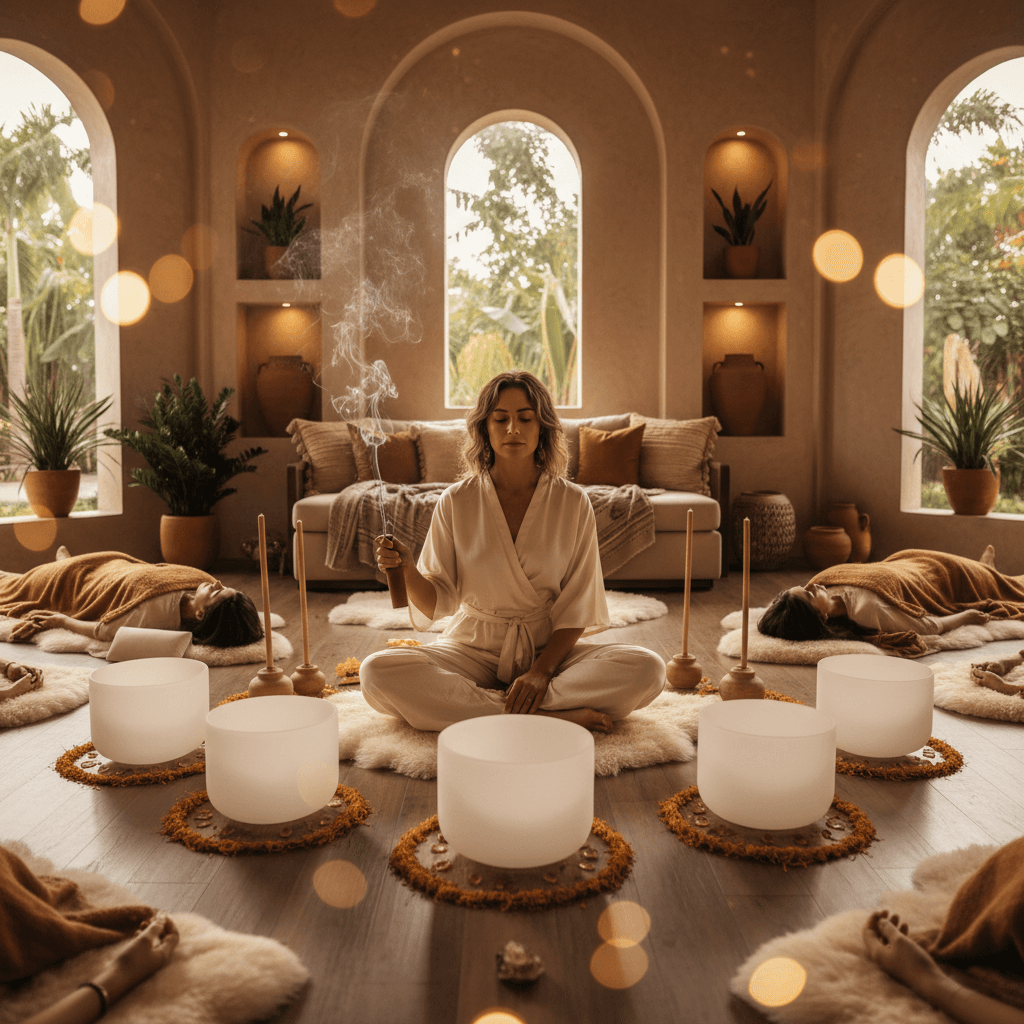
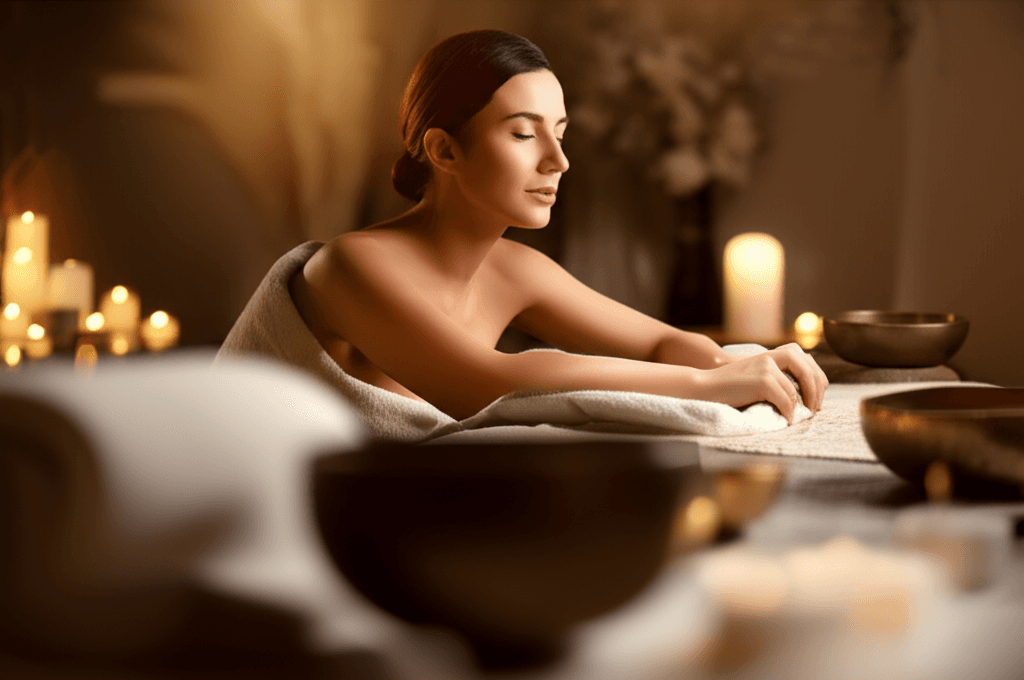
For many, this practical application takes the form of mind-body practices such as mindfulness, meditation, or sound wellness. These practices are designed to help regulate the nervous system, which is often in a state of chronic activation due to modern stressors. By engaging in these activities, clients can experience a profound shift. Sensory details become central: the calming resonance of specific frequencies, the subtle vibrations felt through the body, and the gentle guidance of an expert facilitator create an environment conducive to deep relaxation and introspection.
"Resilience is not just about surviving; it's about learning to thrive by consciously cultivating the internal resources that allow us to adapt, grow, and find meaning even in the most challenging moments."
As clients regularly engage in these practices, they often report a noticeable decrease in physiological stress responses. This may include a lower heart rate, more regulated breathing, and reduced muscle tension. Mentally, individuals frequently experience improved clarity, enhanced emotional regulation, and a greater sense of calm. These cumulative benefits are precisely how the theoretical concepts of efficient physiological recovery and strengthened emotional regulation manifest in a personal, transformative way. The consistency of practice is key, much like building physical strength; each session contributes to a stronger, more adaptable internal landscape.
The Soul Art Approach: Cultivating Resilience with Larissa Steinbach
At Soul Art Dubai, Larissa Steinbach has meticulously designed a distinctive approach that seamlessly integrates the scientific principles of stress resilience with ancient wisdom and modern mind-body techniques. Her methodology is not just about relaxation; it is about actively building an individual's capacity to navigate the complexities of contemporary life with grace and strength. This makes Soul Art a premier destination for those seeking profound self-care and sustainable well-being.
Larissa Steinbach's vision for Soul Art is rooted in creating a sanctuary where individuals can safely explore and strengthen their inner resources. Her signature sound wellness experiences are a cornerstone of this approach. Sound, through its precise frequencies and vibrations, offers a non-invasive yet deeply impactful pathway to physiological and emotional regulation. It facilitates the very processes science identifies as crucial for resilience, such as fostering efficient physiological recovery and enhancing emotional balance.
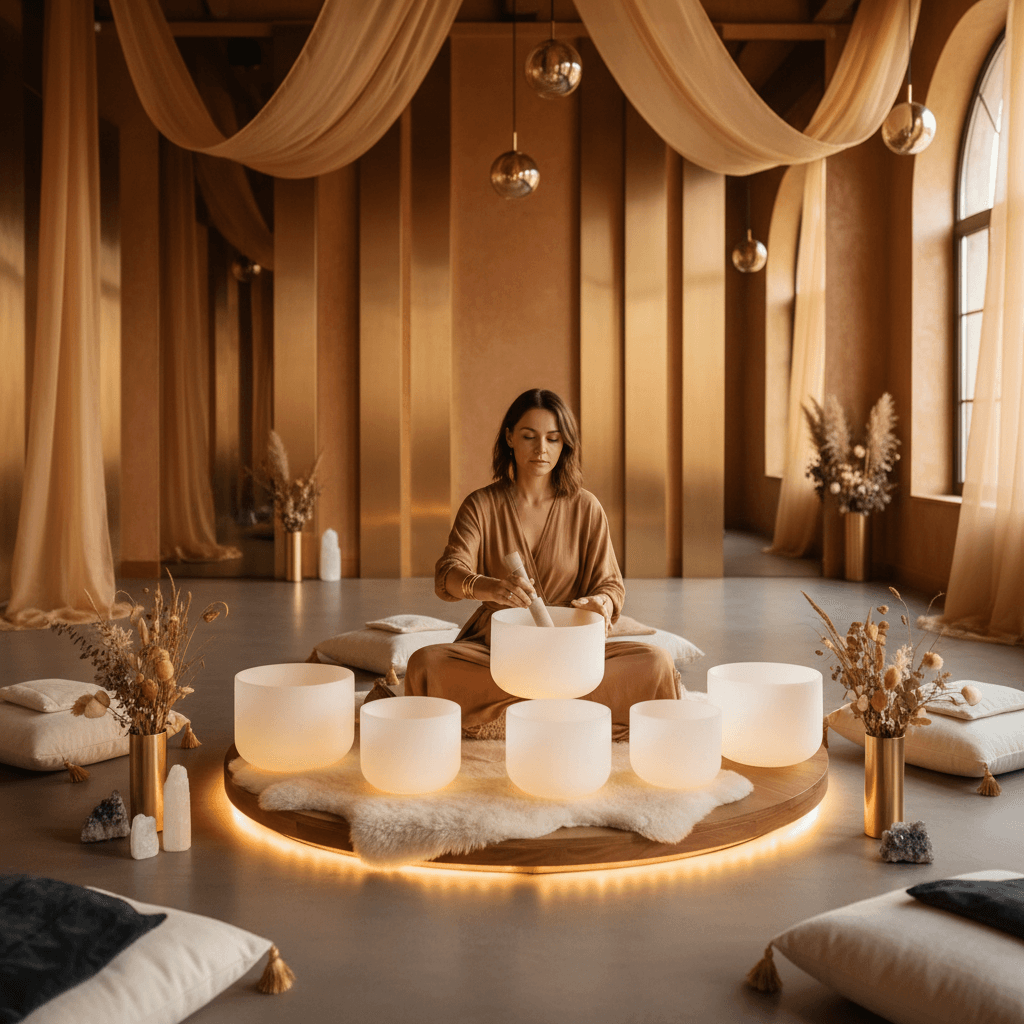
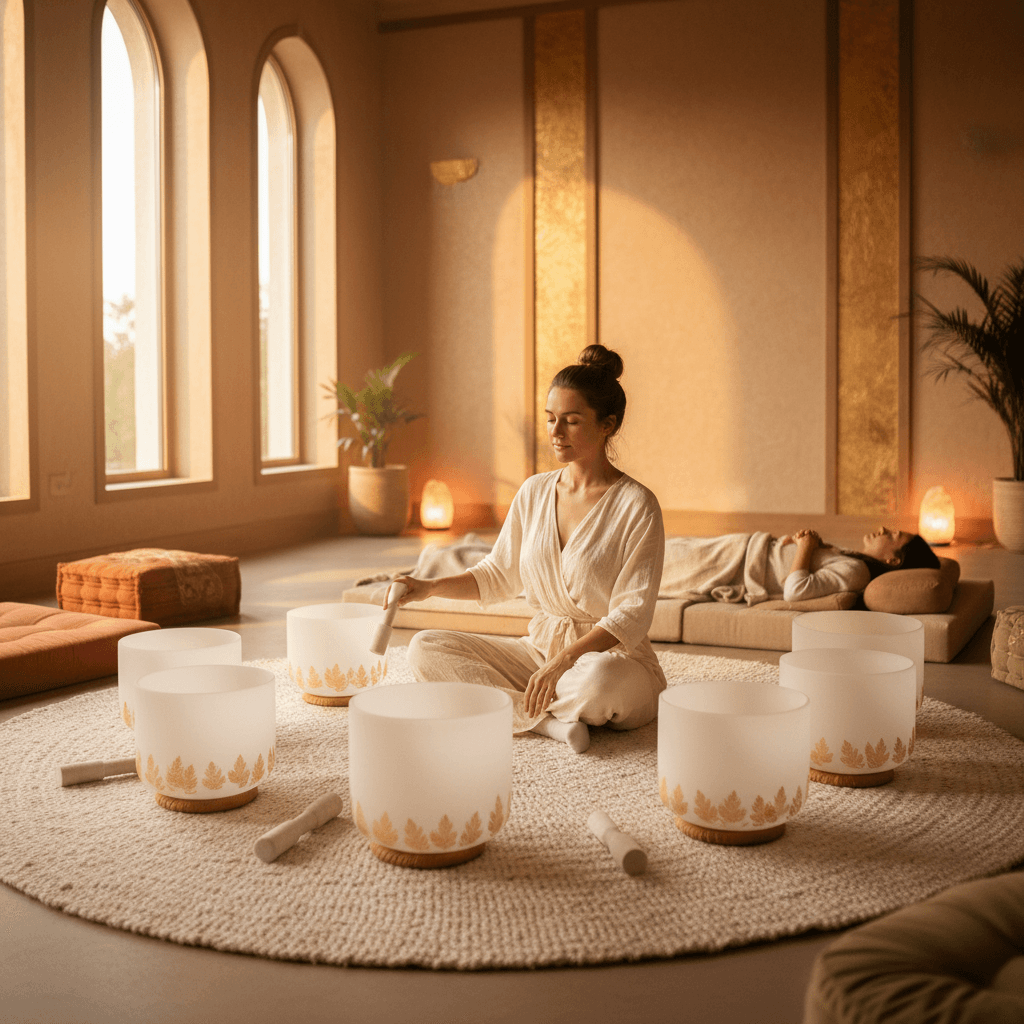
What makes the Soul Art method unique is its holistic embrace of the individual. Larissa understands that resilience is multi-faceted, requiring attention to cognitive, emotional, and physical well-being. Her sessions often involve a careful selection of specific instruments, including crystal singing bowls, Himalayan singing bowls, gongs, and chimes. The resonant frequencies produced by these instruments are expertly employed to guide participants into deep states of relaxation, where the nervous system can reset and self-regulation can naturally occur. This practice helps to reframe potentially stressful situations more quickly and decrease their impact on the brain, much like the attentional training found in evidence-based SMART programs.
Under Larissa Steinbach's expert guidance, the environment at Soul Art is purposefully cultivated to be safe and supportive. This allows participants to engage in deep introspection and learn from their internal responses to subtle stressors within the practice itself. It is through this intentional engagement that individuals cultivate a more flexible disposition, reconnecting with their inner meaning and fostering a renewed sense of purpose. The immersive nature of sound wellness, combined with Larissa's intuitive facilitation, provides a powerful tool for building enduring resilience and promoting a sustainable sense of inner peace.
Your Next Steps: Practical Steps to Build Resilience Today
Cultivating stress resilience is an ongoing journey, but it's one you can begin today with simple, actionable steps. Integrating these practices into your daily life can significantly enhance your capacity to manage stress and thrive amidst life's challenges. Remember, consistency is more impactful than intensity.
Here are 3-5 practical steps you can implement to start building your resilience:
- Incorporate Daily Mindfulness: Dedicate even 5-10 minutes each day to a mindfulness practice, such as focused breathing or a body scan. This can support emotional regulation and help you appraise stress more effectively. Many apps and guided meditations are available to assist you.
- Prioritize Restorative Sleep: Ensure you are getting adequate, quality sleep. Sleep is fundamental for physiological recovery and cognitive function, both critical components of resilience. Create a consistent sleep schedule and optimize your sleep environment.
- Engage in Regular Movement: Physical activity is a powerful stress reliever and contributes to efficient physiological recovery. Whether it's a brisk walk, yoga, or a gym workout, find an activity you enjoy and make it a consistent part of your routine.
- Nurture Social Connections: Strong social support systems are profoundly linked to neurobiological pathways that foster resilience. Make time for meaningful connections with friends, family, or community groups, and don't hesitate to reach out when you need support.
- Explore Mind-Body Wellness Practices: Consider incorporating practices specifically designed to regulate the nervous system and promote deep relaxation. Modalities such as sound wellness, meditation, or gentle yoga can significantly enhance your ability to adapt to stress.
Embracing these steps can lay the groundwork for a more resilient you. If you're ready to explore a profound and transformative path to stress resilience, we invite you to experience the unique offerings at Soul Art Dubai. Our guided sound wellness sessions provide a powerful and peaceful environment to begin or deepen your journey.
In Summary: Your Journey to Enduring Resilience
The journey to stress resilience is a testament to our innate capacity for growth and adaptation. We've explored how resilience is not a fixed trait but a dynamic set of skills, rooted in our neurobiological pathways and cognitive frameworks, that can be intentionally cultivated through regular practice. From understanding how we appraise stress to fostering efficient physiological recovery and strong emotional regulation, the science clearly shows that an integrated approach to well-being is key.
Practices that offer a safe space for repeated engagement, allowing us to learn from our responses to challenges, are invaluable. Larissa Steinbach and Soul Art Dubai stand at the forefront of this wellness revolution, providing expertly crafted sound wellness experiences that harmonise ancient wisdom with modern scientific insight. Through these unique sessions, individuals may support their nervous system regulation, enhance self-awareness, and ultimately build a deeper, more enduring capacity for resilience. Embrace the transformative power of sound and step into a life of greater calm and strength.
Bookings Coming Soon
Soul Art is still in preparation. Session details and booking will be published here after launch.
Coming Soon
Wellness Disclaimer: This article is for educational and informational purposes only. It does not constitute medical advice, diagnosis, or treatment. Soul Art Dubai provides non-medical wellness experiences focused on relaxation, stress management, and general wellbeing. Sound wellness is a complementary practice and should not replace professional medical care.