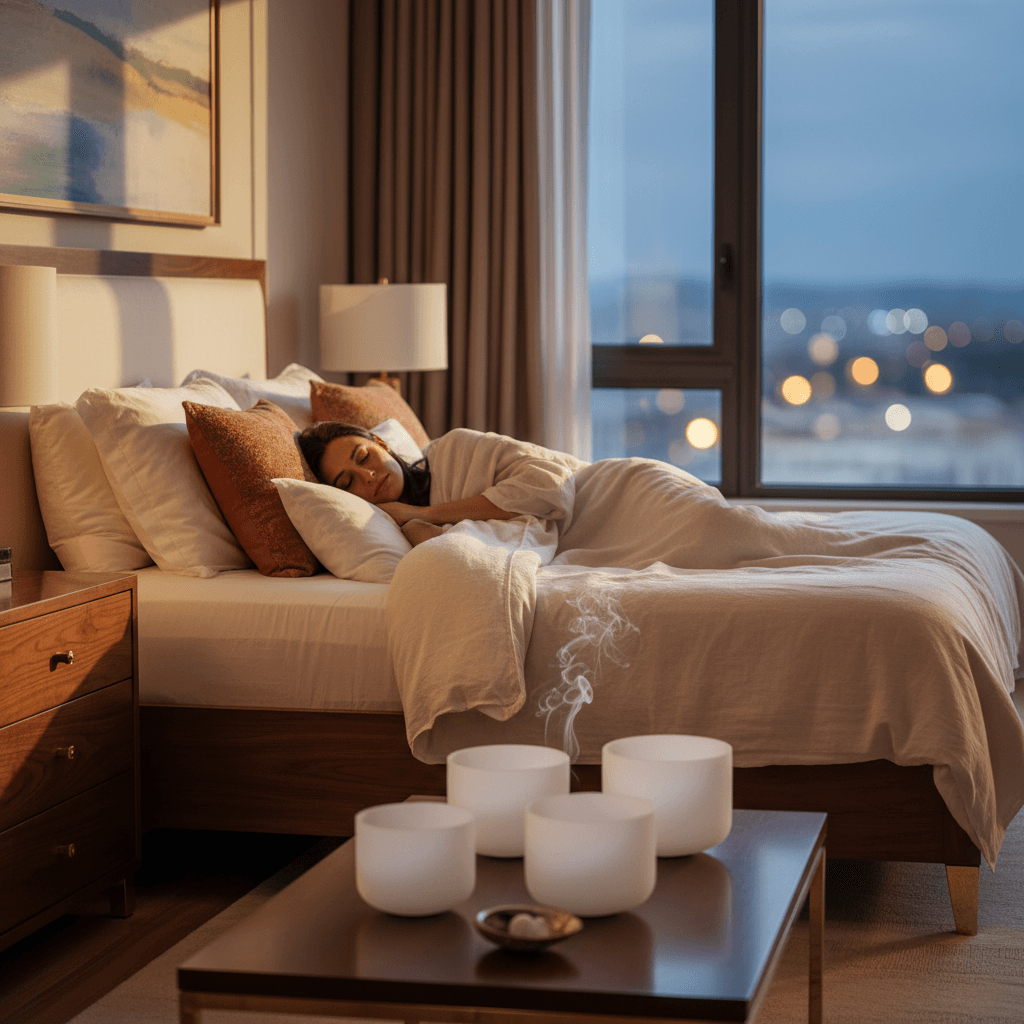
Unlocking Sleep: Navigating Sleep Paralysis with Sound Wellness
Key Insights
Explore the science behind sleep paralysis, its causes, and how sound wellness, pioneered by Larissa Steinbach at Soul Art Dubai, offers a complementary path to prevention and peace.
Imagine waking up, fully conscious of your surroundings, yet utterly unable to move or speak. This unsettling experience, often accompanied by vivid, sometimes terrifying, hallucinations, is known as sleep paralysis. It's a phenomenon that can leave individuals feeling deeply distressed and anxious about bedtime.
At Soul Art Dubai, founded by the visionary Larissa Steinbach, we understand the profound impact such experiences can have on your overall well-being. This article delves into the scientific underpinnings of sleep paralysis, exploring its mechanisms and recognized risk factors. More importantly, we will uncover how complementary sound wellness practices may offer a pathway to understanding, managing, and potentially reducing the occurrence of these episodes.
By the end of this exploration, you will gain a clearer insight into why sleep paralysis occurs and discover actionable strategies to enhance your sleep quality. This knowledge aims to empower you to reclaim peaceful, restorative nights, guided by the calming frequencies that promote deep relaxation and nervous system regulation. Join us as we explore how sound can become a powerful ally in your journey towards serene slumber.
Understanding Sleep Paralysis: The Neuroscience of Being Awake and Stuck
Sleep paralysis (SP) is a peculiar and often frightening state where an individual awakens from sleep but finds themselves temporarily unable to move or speak. This transient inability to control voluntary muscles can last from a few seconds to several minutes, creating a profound sense of helplessness. It is a phenomenon that occurs at the threshold of sleep or waking, blurring the lines between consciousness and the dream state.
What is Sleep Paralysis?
Scientifically, sleep paralysis is classified as a parasomnia, a group of sleep disorders characterized by undesirable physical events or experiences that occur during entry into or arousal from sleep. During an episode, individuals are fully aware of their surroundings but cannot move their limbs, torso, or head. This state can be intensely distressing due to the loss of bodily control.
A common feature of sleep paralysis is the occurrence of vivid hallucinations, which can be auditory, visual, or tactile. These hallucinatory experiences often involve a sense of presence, pressure on the chest (sometimes referred to as the "incubus phenomenon"), or out-of-body sensations. These perceptions contribute significantly to the fear and anxiety associated with SP episodes, making them a significant concern for many.
"The paradox of sleep paralysis lies in its inherent contradiction: being fully awake yet utterly captive within one's own body, a state that underscores the delicate balance of our neurological functions during sleep transitions."
The Brain's Sleep Cycle and SP
To understand sleep paralysis, we must first look at the brain's complex sleep architecture, particularly the Rapid Eye Movement (REM) sleep stage. REM sleep is the phase where most vivid dreaming occurs, and it is characterized by intense brain activity that resembles wakefulness. During this stage, the brain actively inhibits motor neurons, leading to a state of temporary muscle paralysis called atonia. This natural mechanism prevents us from physically acting out our dreams, keeping us safe while our minds wander through dreamscapes.
Sleep paralysis occurs when there is a dissociation between the brain's state of consciousness and the body's REM-induced atonia. Essentially, the mind awakens, but the body remains in its paralyzed dream state. This means the brain is conscious, perceiving its environment, but the signals to initiate muscle movement are still inhibited. This mismatch is the core mechanism behind the experience of being "awake and stuck."
During REM sleep, there is also a decrease in respiratory muscle activity, which can contribute to the sensations of chest pressure or difficulty breathing reported by those experiencing sleep paralysis. This physiological change, coupled with the inability to move, can intensify feelings of panic and suffocation. The brain is navigating a delicate transition, and any disruption can lead to these unsettling nocturnal occurrences.
Common Risk Factors and Triggers
While the exact causes of sleep paralysis are not fully known, various studies have identified several potential risk factors and triggers that may increase an individual's susceptibility. Understanding these factors is crucial for developing effective prevention strategies and improving overall sleep hygiene.
Key risk factors for sleep paralysis include:
- Irregular Sleeping Habits: Inconsistent sleep schedules, shift work, jet lag, or insufficient sleep can disrupt the natural sleep-wake cycle, making individuals more prone to SP.
- Stress and Anxiety: High levels of psychological stress, anxiety, and general mental distress are strongly associated with an increased frequency of sleep paralysis episodes. The brain struggles to regulate transitions between sleep stages under duress.
- Trauma: Individuals with a history of trauma, including post-traumatic stress disorder (PTSD), have shown a higher prevalence of sleep paralysis. This connection highlights the deep interplay between mental health and sleep architecture.
- Substance Use: Certain substances, particularly those that impact the central nervous system, such as alcohol, nicotine, or illicit drugs, may disrupt sleep patterns and increase the likelihood of SP.
- Genetic Influences: There is some evidence to suggest a familial component, indicating that a genetic predisposition might play a role in why some individuals experience sleep paralysis more frequently.
- Physical Illnesses: Underlying health conditions can also contribute to sleep disturbances, indirectly increasing the risk of sleep paralysis.
- Other Sleep Disorders: Conditions like narcolepsy are often co-morbid with sleep paralysis, suggesting shared neurological pathways or vulnerabilities.
Research further reveals the widespread nature of this phenomenon, with studies in Japan indicating that approximately 40% of the general population experiences SP, often attributed to active nightlife and diversified lifestyles. This global prevalence underscores the importance of addressing sleep quality in modern society. The fear and anxiety generated by sleep paralysis episodes can unfortunately create a self-perpetuating loop, worsening the frequency of occurrences, thereby emphasizing the critical need for intervention.
How It Works in Practice: Cultivating Calm Through Relaxation and Sound
Understanding the science of sleep paralysis naturally leads to the question of how to mitigate its impact. While medical consultation is always advisable for persistent issues, many individuals seek complementary wellness practices to manage and potentially prevent these unsettling episodes. A significant body of evidence points towards improving overall sleep quality and reducing stress as primary preventative measures.
The Power of Meditation and Relaxation
The Harvard Health Medical School advises that one of the most effective ways to prevent occasional sleep paralysis is to improve the quality of your sleep. This involves creating a consistent sleep schedule and fostering a conducive sleep environment. Beyond these foundational steps, integrating relaxation techniques can significantly calm the nervous system, which is often overactive in individuals prone to SP.
Meditation-Relaxation (MR) therapy, for instance, has shown promising results in clinical studies. A pilot study evaluating MR therapy for sleep paralysis demonstrated a dramatic decrease in the number of days SP occurred, with a 50% reduction. Furthermore, the total number of SP episodes experienced in the last month of the study saw a significant 54% reduction. These findings highlight the potential of mind-body practices in directly influencing the frequency and intensity of sleep paralysis. Unlike control groups, where sleep paralysis was largely unchanged, the MR therapy group experienced substantial improvements, emphasizing the efficacy of targeted relaxation.
The Role of Sound in Nervous System Regulation
Sound wellness serves as a powerful modality within the broader spectrum of relaxation techniques. Our brains respond profoundly to auditory stimuli, and specific frequencies can guide brainwave activity from states of heightened alertness (beta waves) to states of deep relaxation (alpha and theta waves). This shift creates an optimal environment for restful sleep and helps to stabilize the transitions between sleep stages, where sleep paralysis often arises.
During a sound wellness session, clients typically lie comfortably while therapeutic sounds are introduced. Instruments such as Tibetan singing bowls, gongs, and chimes produce rich, resonant vibrations that can be felt physically, not just heard. These immersive sensory experiences help to:
- Soothe the Nervous System: The gentle, sustained frequencies stimulate the vagus nerve, promoting the parasympathetic "rest and digest" response. This counteracts the "fight or flight" response often associated with stress and anxiety, which are major triggers for SP.
- Promote Brainwave Entrainment: Rhythmic and harmonious sounds can encourage brainwaves to synchronize with the external frequency, leading to states conducive to deep relaxation and sleep. This makes it easier for the body and mind to transition smoothly into and out of REM sleep without disruption.
- Create a Sense of Safety and Calm: The enveloping nature of therapeutic sound can foster a feeling of peace and security, which is particularly vital for those who experience fear and anxiety around sleep. By reducing anticipatory anxiety, individuals may find their sleep quality improves and SP episodes diminish.
Many people report that regular engagement with sound wellness practices helps to cultivate a consistent state of inner calm, extending beyond the session itself. This sustained tranquility can improve the overall architecture of sleep, making it less likely for the dissociative states of sleep paralysis to occur. The sensory experience helps anchor the mind, providing a gentle pathway to deep restorative rest.
The Soul Art Approach: Larissa Steinbach's Path to Serene Slumber
At Soul Art Dubai, Larissa Steinbach has meticulously crafted a unique sound wellness experience designed to address the challenges of modern life, including sleep disturbances like sleep paralysis. Her approach is rooted in a deep understanding of both ancient wisdom and contemporary neuroscience, creating a powerful synergy for profound well-being. Larissa’s philosophy centers on empowering individuals to reconnect with their inner peace and regulate their nervous systems through the transformative power of sound.
Larissa Steinbach’s methodology is not merely about playing instruments; it is about creating an immersive sanctuary where healing can unfold. Each session is a carefully curated journey of sound, vibration, and intention. Clients step into a serene environment, thoughtfully designed to maximize relaxation and minimize external distractions. This dedicated space is crucial, as creating a sense of safety is paramount, especially for those who approach sleep with trepidation due to past experiences with sleep paralysis.
What makes the Soul Art method truly unique is its personalized focus and holistic integration:
- Personalized Consultations: Larissa begins with understanding each client’s specific needs, sleep patterns, and experiences with sleep paralysis. This allows her to tailor the sound landscape to individual sensitivities and goals.
- Expertly Curated Soundscapes: Larissa utilizes a diverse array of sacred instruments, including high-quality Tibetan singing bowls, resonant gongs, crystal bowls, chimes, and tuning forks. These instruments are chosen for their specific frequencies and their ability to induce deep meditative states and promote cellular relaxation.
- Nervous System Regulation: The core of Larissa’s work focuses on guiding the nervous system from a state of sympathetic dominance (stress response) to parasympathetic activation (rest and repair). The sustained vibrations and harmonious tones act as a gentle massage for the vagus nerve, facilitating profound relaxation that extends into nightly sleep.
- Emphasis on Brainwave Entrainment: Through specific rhythmic patterns and frequencies, Soul Art sessions subtly encourage brainwave states associated with relaxation and deep sleep (alpha and theta waves). This helps to smooth the transitions between wakefulness and sleep stages, reducing the likelihood of the neurological dissociation characteristic of sleep paralysis.
- Creating a Foundation for Restorative Sleep: Beyond the immediate relaxation, Soul Art aims to recalibrate the body's natural sleep rhythms. By regularly engaging in these practices, clients may find their sleep architecture becoming more stable and restorative, leading to fewer disturbances and a greater sense of well-being.
Larissa Steinbach’s empathetic guidance and deep knowledge ensure that each session is not just an experience, but a supportive step towards reclaiming peaceful sleep. The subtle yet powerful vibrations permeate the body, releasing tension and quieting the mind, which many people report as being deeply effective in reducing their anxiety surrounding sleep and subsequent sleep paralysis episodes. This complementary approach offers a powerful tool in a holistic wellness strategy, fostering resilience and promoting truly restorative rest.
Your Next Steps: Cultivating Peaceful Sleep Tonight
Understanding sleep paralysis and its connection to overall well-being is the first step towards reclaiming your nights. While sound wellness offers a powerful complementary tool, integrating several practices into your daily routine can create a comprehensive strategy for preventing these unsettling episodes and fostering truly restorative sleep. Remember, consistency is key when nurturing your sleep health.
Here are actionable steps you can implement starting today to improve your sleep quality and potentially reduce the occurrence of sleep paralysis:
- Prioritize a Consistent Sleep Schedule: Go to bed and wake up at roughly the same time every day, even on weekends. This helps regulate your body’s natural circadian rhythm, which is crucial for stable sleep cycles. Irregular sleep habits are a significant risk factor for sleep paralysis.
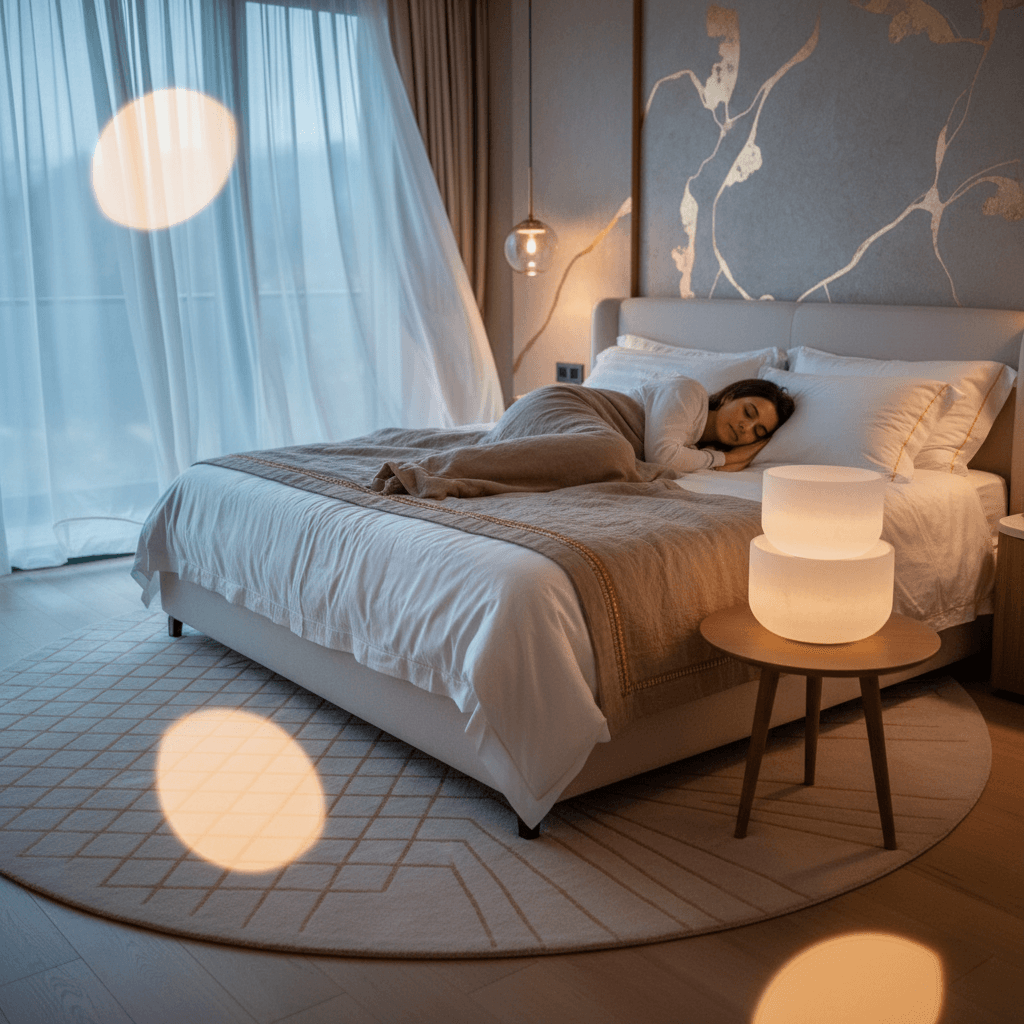
- Create a Conducive Sleep Environment: Ensure your bedroom is dark, quiet, and cool. Remove electronic devices that emit blue light, as this can interfere with melatonin production. A comfortable mattress and pillows also contribute significantly to uninterrupted rest.
- Integrate Daily Relaxation Techniques: Incorporate practices like deep breathing exercises, gentle stretching, or short meditations into your routine. These can be done before bedtime to help calm your nervous system and prepare your mind for sleep, reducing stress and anxiety.
- Limit Stimulants and Heavy Meals Before Bed: Avoid caffeine and nicotine in the late afternoon and evening, as they are stimulants that can disrupt sleep. Similarly, heavy meals close to bedtime can interfere with digestion and make it harder to fall asleep peacefully.
- Explore Sound Wellness with Soul Art: Consider booking an introductory sound wellness session with Larissa Steinbach at Soul Art Dubai. This complementary practice offers a unique way to soothe your nervous system, promote deep relaxation, and support healthier sleep patterns. Many individuals report significant reductions in sleep-related anxiety and episodes of sleep paralysis after regular sessions.
Taking proactive steps towards improving your sleep health can have a profound impact on your overall quality of life. By addressing the root causes and embracing supportive practices, you can transform your nights from a source of anxiety into a haven of peace and rejuvenation.
Bookings Coming Soon
Soul Art is still in preparation. Session details and booking will be published here after launch.
Coming Soon
In Summary: Reclaiming Your Nights with Soul Art
Sleep paralysis, an unsettling experience of waking up unable to move, is a phenomenon rooted in the temporary dissociation between an awakened mind and a body still in REM-induced atonia. It is often exacerbated by stress, irregular sleep, and anxiety, creating a challenging cycle for many. While medical understanding continues to evolve, evidence strongly suggests that improving sleep quality and managing stress are vital for prevention.
Complementary practices, particularly Meditation-Relaxation therapy, have demonstrated significant efficacy in reducing the frequency and intensity of sleep paralysis episodes. Sound wellness, as pioneered by Larissa Steinbach at Soul Art Dubai, builds upon this foundation by offering a profound pathway to nervous system regulation and deep relaxation. Through carefully curated soundscapes, Soul Art helps to gently guide the brain into states conducive to restorative sleep, fostering a sense of safety and calm.
By addressing the physiological and psychological triggers, Soul Art aims to empower you to break free from the cycle of fear associated with sleep paralysis. Embrace the power of sound to nurture your sleep architecture, reduce anxiety, and unlock the profound peace that comes from truly restful nights. We invite you to explore this transformative journey with us and discover a new depth of well-being.
Wellness Disclaimer: This article is for educational and informational purposes only. It does not constitute medical advice, diagnosis, or treatment. Soul Art Dubai provides non-medical wellness experiences focused on relaxation, stress management, and general wellbeing. Sound wellness is a complementary practice and should not replace professional medical care.
Related Articles
Fan Noise and Sleep: Unmasking the Science Behind White Noise Machines for Deeper Rest
Polyphasic Sleep & Sound Healing: Navigating Restorative Rhythms
REM Rebound: Mastering the Art of Recovering Lost Dream Sleep