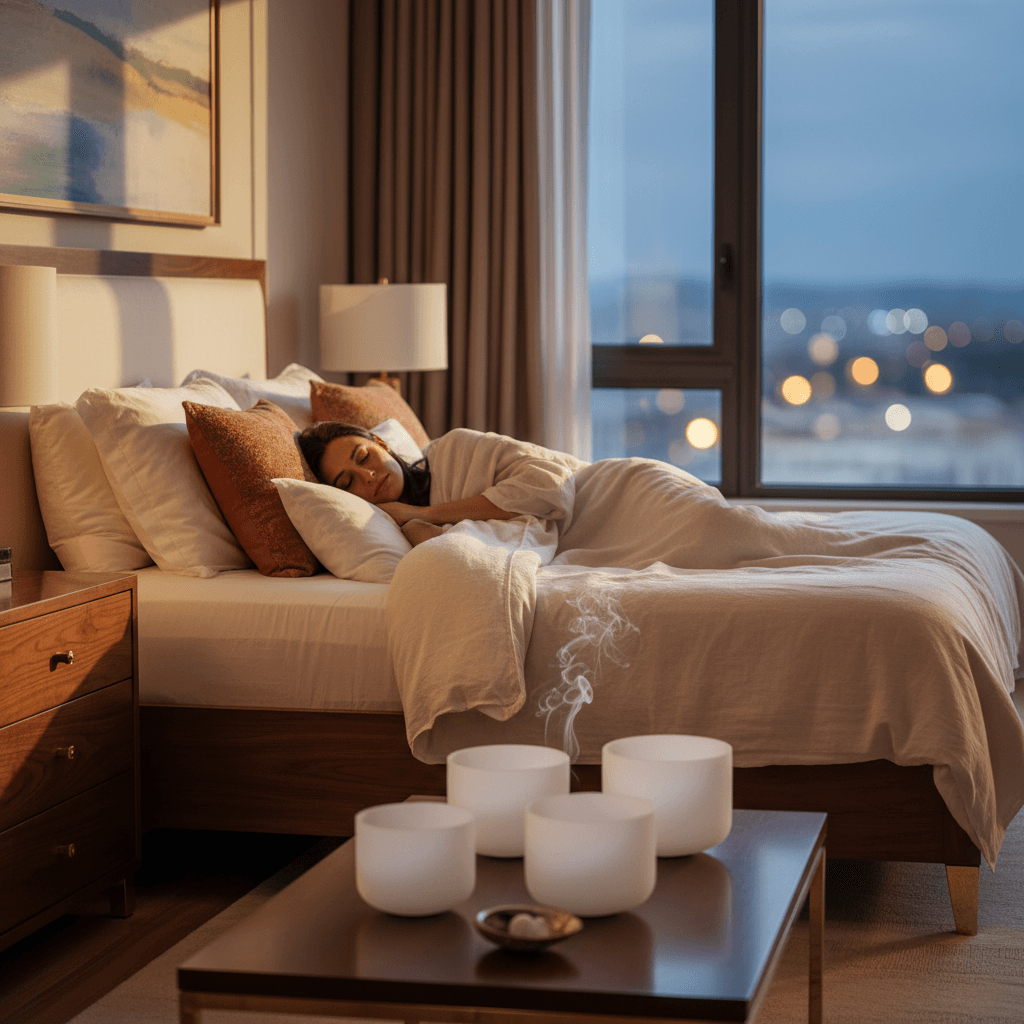
Sleep Melodies: The Science Behind Drowsiness-Inducing Music
Key Insights
Unlock the secrets of sleep music. Discover how specific melodies, tempos, and rhythms scientifically guide your mind to restorative sleep with Soul Art.
The Silent Architect of Slumber: Why Some Melodies Induce Drowsiness
In our fast-paced world, the quest for truly restorative sleep has become a modern challenge. Yet, an ancient, intuitive practice — the use of gentle sounds to soothe the mind — is now being rigorously validated by science as a profound aid for better sleep. Imagine a world where falling asleep is as simple as pressing play on a carefully curated melody.
This isn't just a pleasant thought; it's a tangible reality supported by decades of research into sound wellness. We often associate music with energy and alertness, but a surprising body of evidence reveals its potent ability to guide us into states of deep relaxation and eventual slumber. This article will delve into the compelling neuroscience and physiology behind sleep music, explore its practical applications, and illuminate how Larissa Steinbach's Soul Art in Dubai harmonizes these insights to foster unparalleled rest.
Understanding why certain melodies induce drowsiness offers a gentle, accessible, and enjoyable pathway to improved sleep quality and overall well-being. It is a powerful reminder that sometimes, the simplest solutions hold the deepest potential for transforming our daily lives. This deep dive into the architecture of sleep music will provide you with the knowledge to harness its power, enhancing your sleep architecture and supporting a more serene existence.
The Neuro-Physiological Symphony: How Music Guides Us to Sleep
The transition from wakefulness to sleep is a complex dance orchestrated by our brain and body. Music, when thoughtfully composed, can act as a skilled choreographer, guiding this physiological process with remarkable precision. Decades of scientific inquiry have illuminated the specific characteristics of music that engage our internal systems, promoting a state conducive to rest.
Entrainment: Synchronizing Body and Beat
One of the most profound mechanisms through which music influences sleep is entrainment. This phenomenon describes the tendency of autonomous biological oscillators, such as our respiration and heart rate, to synchronize with external rhythmic stimuli like the beat of music. Research consistently shows that music featuring a tempo between 60-80 beats per minute (BPM) is particularly effective because this range closely matches a resting heart rate.
When our heart rate naturally syncs with this tempo, it promotes a calm, sleep-conducive state, essentially slowing down our internal rhythm. There is also compelling evidence for neural entrainment, where musical rhythms can influence brain activity at both beat and meter frequencies, further enhancing low-frequency brain activity associated with relaxation. This deep synchronization between external sound and internal biology forms a fundamental pillar of music’s ability to soothe us into sleep.
Hormonal Harmony: Cortisol, Dopamine, and Serenity
Beyond rhythmic synchronization, music exerts a significant influence on our hormonal landscape, playing a crucial role in stress reduction and mood regulation. One key effect is the decrease in levels of cortisol, often dubbed the "stress hormone." Elevated cortisol levels are known to increase alertness and significantly disrupt sleep quality. Listening to calming music has been consistently shown to decrease cortisol, helping individuals to ease stress and release tension, thus preparing the body for rest.
Conversely, music also triggers the release of dopamine, a neurotransmitter associated with pleasure and reward. While typically linked to energizing activities, this release at bedtime can foster positive feelings, counteracting pain and discomfort—common impediments to sleep. By regulating these powerful hormones, music provides a dual pathway to serenity, reducing anxiety-inducing chemicals while promoting feel-good sensations.
Brainwave Modulation: From Beta to Delta
Our sleep cycle is characterized by distinct brainwave patterns, moving from the alert beta waves of wakefulness to the slower theta and delta waves of deep sleep. Certain music is designed to facilitate this shift, actively encouraging the brain to transition into deeper sleep stages. Studies have explored the impact of specific brainwave music, such as "SWS (Slow-Wave Sleep) brainwave music."
Research, including a study by Gao et al. (2020), revealed improved sleep efficiency in participants listening to SWS brainwave music, suggesting a particularly beneficial impact on sleep quality. This type of music can induce frontal slow oscillation activity, a crucial marker of sleep-dependent memory consolidation. Furthermore, specific frequencies, such as those between 0.01-2 Hz, are intentionally composed into sedative music to support deep sleep, as demonstrated in various studies, and even 432 Hz music has been investigated for its potential to induce sleep and increase the deep sleep phase.
The Architect of Calm: Musical Characteristics for Drowsiness
Not all music is created equal when it comes to guiding us to sleep. Scientific analysis has pinpointed specific musical characteristics that make certain pieces profoundly effective:
- Tempo and Rhythm: The most effective sleep music maintains consistent, predictable rhythms, often within the aforementioned 60-80 BPM range. Crucially, it features minimal rhythm changes; sudden tempo shifts or complex patterns can heighten alertness rather than promote relaxation. Gentle, flowing, and legato phrases that mirror the calm rhythm of relaxed breathing are preferred over sharp, staccato rhythms.
- Sound Quality: Analysis of sleep music universally identifies it as generally softer, slower, and consistently instrumental (without lyrics). The average musical intensity, loudness, and energy levels are significantly reduced compared to diurnal music. This low-intensity soundscape minimizes arousal and creates an enveloping sense of calm.
- Avoidance of Lyrics: One often-overlooked factor is the presence of lyrics. Instrumental music is generally more effective for sleep because lyrical content, especially from familiar songs, can lead to "earworms" – involuntary musical imagery. These repetitive musical thoughts can keep the brain actively processing melodies, disrupting the transition to sleep and even causing awakenings.
- Familiarity and Personal Preference: While many controlled studies use researcher-selected instrumental or classical music, real-world usage suggests a valuable role for participant-chosen music. Many people report that familiar tunes, even popular tracks, if they are personally relaxing and align with a slow tempo, can be just as effective. This highlights the diversity within sleep music and the importance of individual resonance.
By understanding these intricate interactions between sound, brain, and body, we can appreciate why some melodies possess an almost magical ability to usher us into the restorative embrace of sleep.
From Theory to Tranquility: Experiencing Sleep Music
The profound scientific principles governing sleep music seamlessly translate into a deeply felt, transformative personal experience. Moving beyond the clinical explanations, the practical application of these melodies offers a tangible pathway to peace and deep rest.
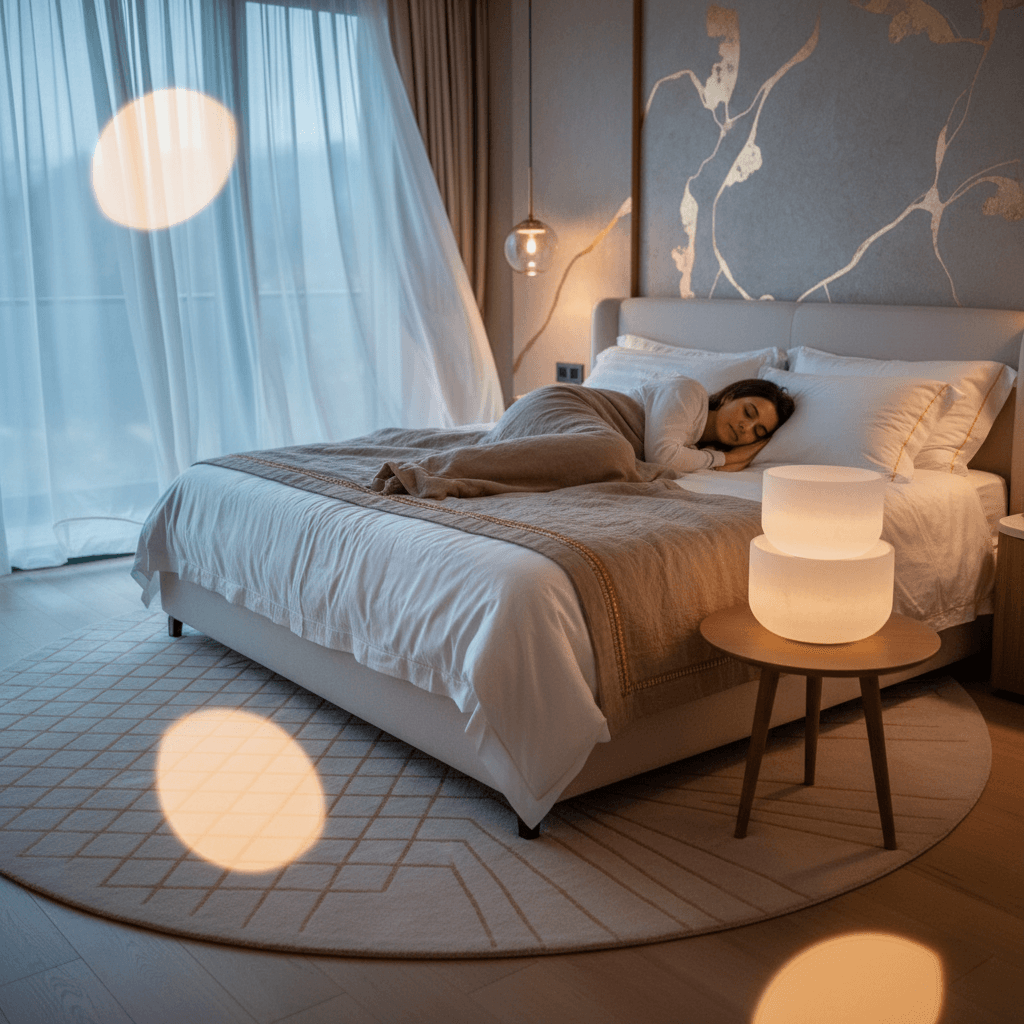
When you immerse yourself in scientifically-composed sleep music, the journey from wakefulness to drowsiness is often described as a gentle, yet powerful, descent into tranquility. The consistent, predictable rhythms of instrumental pieces, often within the 60-80 BPM range, create an immediate sense of physiological calm. Many people report feeling their heart rate and breathing naturally slow down, falling into sync with the music – a direct experience of the entrainment phenomenon. This subtle but profound synchronization acts as an anchor, drawing the mind away from the day's anxieties and into a state of deep relaxation.
The absence of lyrics in effective sleep music is particularly noticeable in how it allows the mind to quieten. Instead of engaging in cognitive processing or potentially grappling with an "earworm" (a song stuck in your head), the brain is freed to simply receive the soothing auditory input. This facilitates a lower attentional state, which is crucial for disengaging from the external world and turning inwards towards rest. The gentle, flowing patterns and soft dynamics of the music create an enveloping soundscape, almost like a sonic blanket, fostering a sense of safety and reducing the perception of external disturbances.
The impact of sleep music on overall sleep outcomes has been rigorously studied, with meta-narrative reviews indicating a medium-to-large effect on sleep-related improvements. For individuals grappling with sleep challenges, including general insomnia, this makes music a compelling, low-cost, and accessible wellness practice. Preliminary studies indicate that the effects can be comparable to certain prescription sleep medications, without the associated side effects, save for the occasional "earworm" if the music isn't carefully chosen.
"Music’s gentle influence guides the body back to its innate rhythm, reminding us how simple, profound a return to inner harmony can be."
This practical application isn't limited to specific genres like classical music, though many studies have focused on it. Ecologically valid research shows that participant-chosen music, including ambient or even certain popular tracks, can be equally effective if it aligns with the core characteristics of slow tempo, low loudness, and minimal lyrical distraction. The key lies in finding what resonates personally while adhering to the underlying principles that promote physiological and psychological calm, preparing the mind and body for the restorative embrace of sleep.
The Soul Art Signature: Harmonizing for Deep Rest
At Soul Art, Dubai's premier sound wellness studio, Larissa Steinbach has meticulously crafted an approach that harmonizes the profound science of sleep music with an immersive, experiential practice. Her vision is to offer a sanctuary where individuals can rediscover the innate capacity for deep rest through the transformative power of sound. The Soul Art method is not merely about playing music; it is about orchestrating a precise, resonant journey into physiological and mental serenity.
Larissa Steinbach's expertise lies in her ability to blend ancient wisdom with cutting-edge scientific understanding. Her sessions at Soul Art utilize instrumental sound journeys, where every sonic element is carefully considered. Rather than relying on generic playlists, Soul Art curates custom-composed or thoughtfully selected soundscapes designed to optimize the conditions for sleep induction. These bespoke compositions are intentionally devoid of lyrics, eliminating any potential for mental stimulation or the dreaded "earworm effect" that can disrupt the sleep transition.
A cornerstone of the Soul Art approach involves the strategic integration of specific frequencies and sound textures known for their deep relaxation properties. This includes using low-frequency sounds that encourage the brain to shift into the delta wave states associated with deep, restorative sleep. Larissa also incorporates specific frequencies, like the 432 Hz tuning, which many people report resonates with the body's natural rhythms, fostering a sense of peace and alignment.
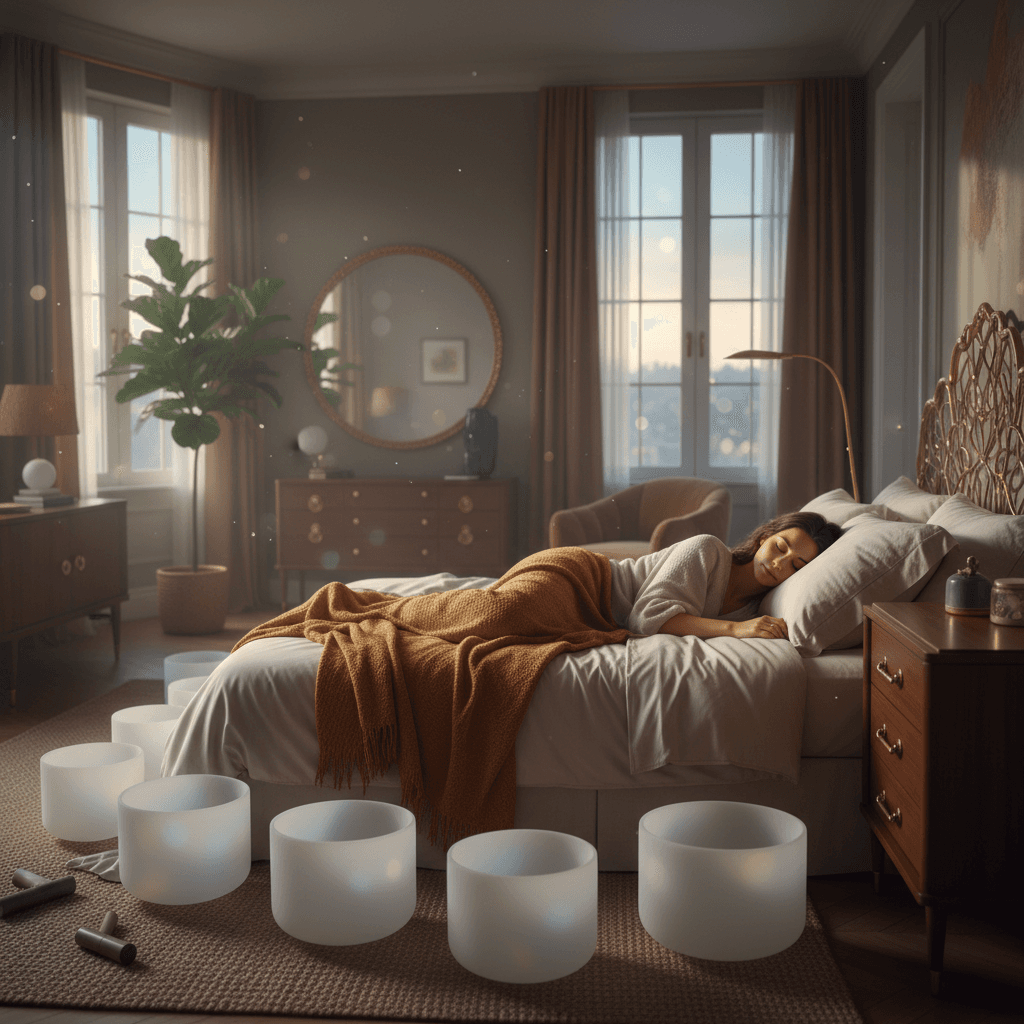
The studio environment itself is an integral part of the Soul Art experience. Through the use of crystal singing bowls, gongs, chimes, and other resonant instruments, the sound is not just heard, but deeply felt, creating subtle vibrations that permeate the body. This immersive, distraction-free setting, combined with Larissa’s expertly guided soundscapes, facilitates physiological and neural entrainment, allowing heart rate and respiration to gently slow and brainwaves to synchronize with the calming frequencies. The Soul Art method offers a complementary approach to stress management and a holistic wellness practice that prepares both mind and body for the most profound, healing sleep.
Cultivating Your Sleep Sanctuary: Actionable Steps
Integrating sleep music into your nightly routine is a powerful self-care practice that can significantly enhance your rest. By understanding the scientific principles, you can make informed choices that truly support your journey to better sleep. Here are practical steps you can implement today to cultivate your personal sleep sanctuary:
- Prioritize Instrumental Soundscapes: Opt for music without lyrics to avoid mental engagement and the "earworm" phenomenon. Ambient music, nature sounds, classical pieces, or specially composed sleep tracks are excellent choices. Soul Art specializes in these curated experiences for maximum benefit.
- Embrace Slow and Steady Tempos: Seek out music with a consistent tempo, ideally between 60-80 beats per minute. This range aligns with a resting heart rate and promotes physiological calm. Avoid music with sudden changes in rhythm or complex patterns that might increase alertness.
- Curate Your Personal Playlist: While scientific recommendations provide a great starting point, personal preference plays a significant role. Experiment with different instrumental genres and specific tracks that you find genuinely relaxing. Many streaming services offer "sleep music" playlists, but remember to choose those that prioritize low tempo, low energy, and no lyrics.
- Establish a Consistent Bedtime Ritual: Make listening to sleep music a regular part of your pre-sleep routine. Start 15-30 minutes before you plan to sleep. This consistent practice signals to your body and mind that it's time to wind down, reinforcing the conditioning effect of the music.
- Optimize Your Listening Experience: Use comfortable headphones or a high-quality speaker to ensure clear, soothing sound without distortion. Adjust the volume to a gentle, background level – it should be present enough to be effective but not so loud as to be distracting.
- Consider Professional Guidance: For a truly transformative and deeply personalized experience, consider a session at Soul Art. Larissa Steinbach and her team provide expertly crafted sound journeys designed to guide you into profound states of relaxation, leveraging the full potential of sound wellness for optimal sleep support.
These actionable steps empower you to harness the ancient art and modern science of sleep music, transforming your nightly routine into a powerful ritual for rest and rejuvenation.
Bookings Coming Soon
Soul Art is still in preparation. Session details and booking will be published here after launch.
Coming Soon
In Summary: The Art and Science of Sleep Music
The compelling journey through the science of sleep music reveals that its power to induce drowsiness is far from accidental; it is a meticulously orchestrated effect on our neuro-physiological systems. From the rhythmic entrainment of our heart and breath to the delicate balance of sleep-inducing hormones and brainwave modulation, specific musical characteristics act as a gentle yet potent guide to slumber. Slow tempos, consistent rhythms, instrumental compositions, and soft dynamics collectively create a sonic environment that encourages deep relaxation and prepares the body for restorative sleep.
This holistic wellness practice offers an accessible and pleasant complementary approach to managing stress and enhancing overall sleep quality, with many people reporting significant benefits. Larissa Steinbach’s Soul Art in Dubai embodies this scientific understanding, offering expertly curated sound journeys designed to lead you to unparalleled depths of rest. Embrace the profound harmony of sound and sleep, and unlock a renewed sense of well-being.
Wellness Disclaimer: This article is for educational and informational purposes only. It does not constitute medical advice, diagnosis, or treatment. Soul Art Dubai provides non-medical wellness experiences focused on relaxation, stress management, and general wellbeing. Sound wellness is a complementary practice and should not replace professional medical care.
Related Articles
Fan Noise and Sleep: Unmasking the Science Behind White Noise Machines for Deeper Rest
Polyphasic Sleep & Sound Healing: Navigating Restorative Rhythms
REM Rebound: Mastering the Art of Recovering Lost Dream Sleep