Sound Healing for Shame Release: Unlocking Deep-Seated Pain
Key Insights
Discover how sound healing, a scientifically-backed wellness practice, can help release deep-seated shame and emotional pain. Explore Soul Art's unique approach with Larissa Steinbach.
Sound Healing for Shame Release: Unlocking Deep-Seated Pain
Is shame silently dictating aspects of your life, holding you captive in patterns of avoidance or self-criticism? Deep-seated emotional pain, particularly shame, often manifests as a heavy, unarticulated burden, residing not just in our minds but within the very cells of our bodies. It’s a profound emotional knot that traditional cognitive approaches sometimes struggle to unravel, often leaving individuals feeling stuck and isolated.
This article explores a powerful, scientifically-grounded complementary approach: sound healing. We will delve into how the subtle yet potent vibrations of sound can help facilitate the release of deeply held emotional pain and shame, fostering a pathway to profound emotional freedom. Discover the scientific mechanisms behind this ancient yet validated practice, its practical applications, and the unique methodology embraced by Larissa Steinbach and Soul Art Dubai, inviting you to embark on a transformative journey towards greater resilience and self-acceptance.
The Science Explained: How Vibrations Facilitate Release
The concept of sound as a therapeutic tool has deep roots in ancient wisdom, yet modern science increasingly validates its profound impact on our physiology and emotional states. Deep-seated emotional pain and trauma are often stored within the body, manifesting as tension, fear, and unresolved emotional stagnation. Sound healing offers a unique, non-verbal pathway to address these deeply embedded patterns, complementing traditional approaches.
The Body Remembers: Trauma and Emotional Stagnation
Emotional trauma, including the pervasive feeling of shame, often bypasses cognitive processing and embeds itself at a somatic level. This can manifest as chronic tension, persistent anxiety, or a general sense of unease. Sound therapy provides a gentle, non-verbal entry point into these stored emotions, offering a safe space for the body to begin unwinding its protective responses. Engaging with sound therapy may help to gently stir these stagnant energies, making them accessible for release and integration, particularly relevant for trauma survivors often burdened by physical and emotional stagnation.
The Neurological Orchestra: How Sound Influences the Brain
The effectiveness of sound healing for mental health is well-supported by recent research. A 2022 study published in PLoS One reported significant reductions in anxiety, depression, and stress symptoms among participants. These findings underscore the profound neurological shifts that can occur through vibrational exposure.
A key mechanism involves the stimulation of the vagus nerve, a crucial component of the parasympathetic nervous system. Vibrations from instruments like gongs and singing bowls activate this nerve, helping to shift the body from a 'fight or flight' state to a 'rest and digest' state. This activation promotes a deep relaxation response, fostering resilience against stress and calming the nervous system.
Sound therapy also influences hormonal balances vital for emotional well-being. Preliminary studies indicate it may help lower cortisol, the primary stress hormone, often elevated in trauma survivors. Simultaneously, it has been associated with increases in neurochemicals such as dopamine and serotonin, which promote feelings of happiness, calm, and emotional stability. A 2016 study at the University of California showed that just 20 minutes of singing bowl meditation resulted in significantly lower cortisol levels and heart rates.
Cellular Harmony: Vibrations Beyond the Brain
Beyond neurological responses, sound vibrations interact with the body at a cellular level. Research suggests that sound frequencies can influence cellular functions, improve circulation, and promote detoxification. These physical benefits are particularly relevant for individuals experiencing chronic tension or physical manifestations of emotional pain linked to trauma.
Low-frequency vibrations, such as those produced by gongs, activate mechanoreceptors, potentially reducing pain signals through mechanisms like the gate control theory. A 2015 study published in Pain Research and Management found that music and sound therapy significantly reduced chronic pain in elderly patients. Furthermore, sound waves may relax tense muscles and decrease inflammation, contributing to overall physical ease. A trial in the Journal of Evidence-Based Integrative Medicine reported a reduction in physical tension and pain following Tibetan bowl sound meditation. The cumulative effect of these physiological changes creates an optimal internal environment, making it easier for deep-seated emotional blockages, including shame, to surface and be processed.
How It Works in Practice: Experiencing the Release
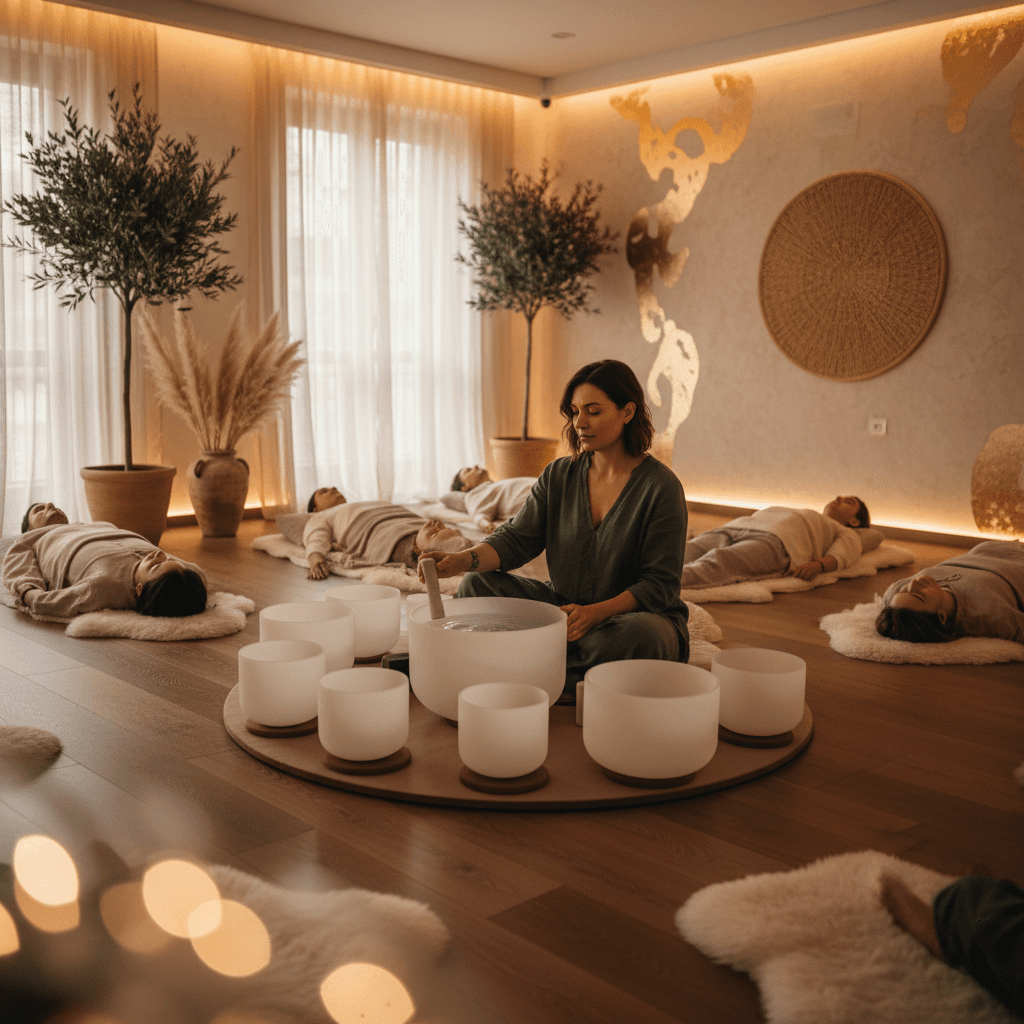
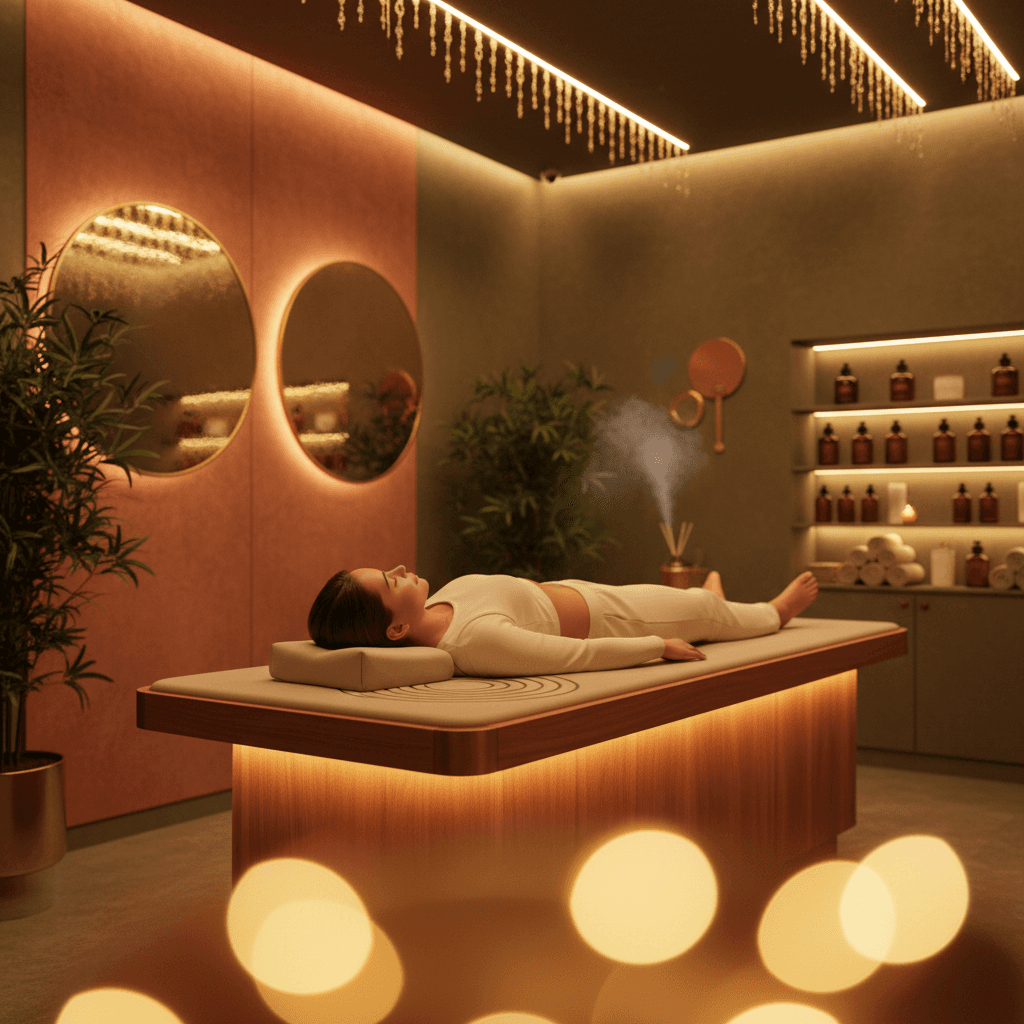
Understanding the science behind sound healing sets the stage for appreciating its practical application in releasing deep-seated shame. Imagine entering a tranquil space, designed to be a sanctuary for your senses. Here, you are invited to lie down comfortably, perhaps under a soft blanket, allowing the external world to gently fade away.
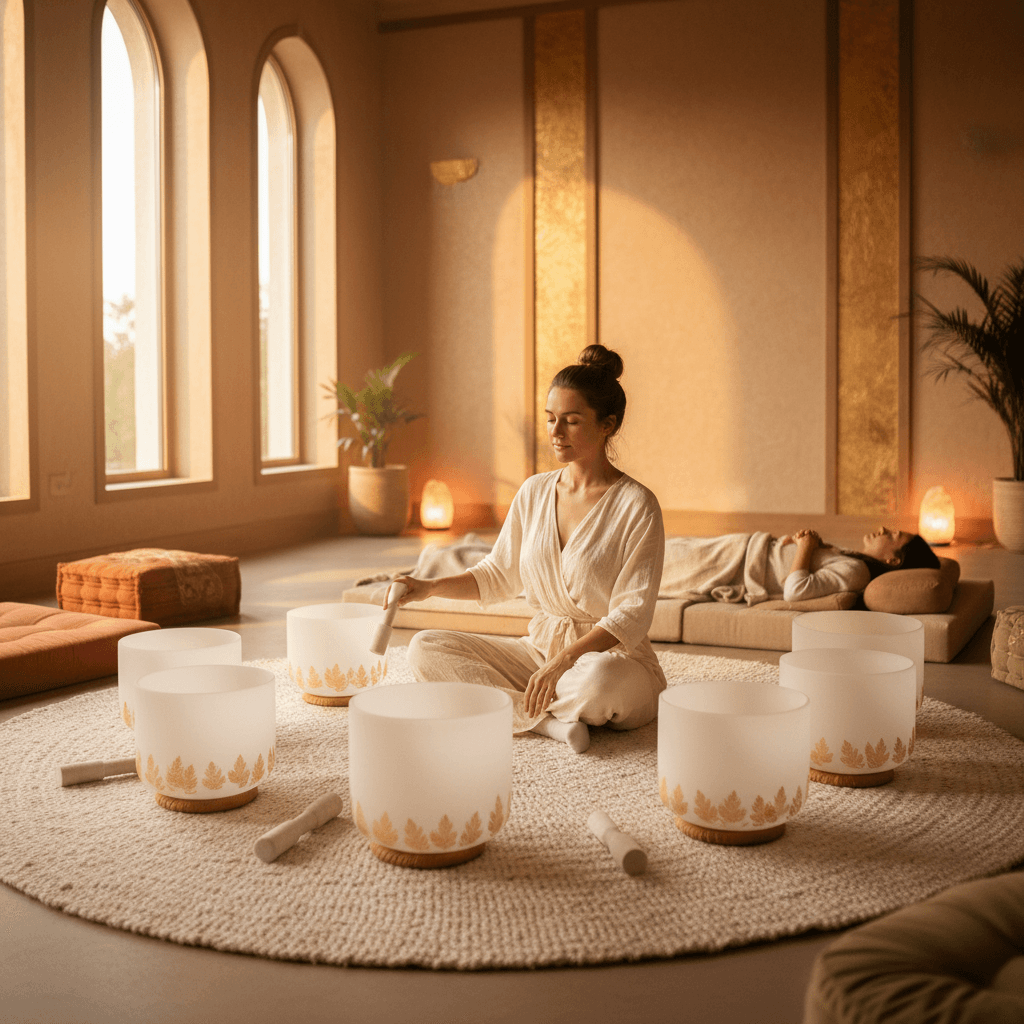
The session typically begins with an intention, a quiet moment to acknowledge what you wish to release or invite into your being. Then, the practitioner begins to play various instruments – perhaps the deep resonance of gongs, the pure tones of crystal singing bowls, or the grounding vibrations of Tibetan bowls. These sounds are not just heard; they are felt throughout the entire body.
As the sound waves wash over you, you may experience a profound sense of deep relaxation. The vibrations create a kind of internal massage, encouraging tense muscles to soften and the nervous system to settle. This non-invasive, gentle approach is particularly effective for shame, which often carries a strong aversion to being verbally articulated or confronted directly. The sound bypasses cognitive resistance, allowing for a more primal, intuitive release.
Many people report a variety of sensations during a session: tingling, warmth, gentle pulsations, or even a sense of emotional warmth. It’s common for suppressed emotions to surface – sometimes as tears, sometimes as a quiet sigh, or simply a deep sense of peace. This gentle surfacing is crucial, as it allows the body to finally process and let go of what it has been holding onto, often for years.
The journey of emotional healing with sound is not about confronting pain aggressively, but rather about creating a safe, nurturing environment for it to dissipate naturally. The sustained frequencies help the brain settle, creating a sense of safety and trust. This is particularly beneficial for those with trauma or deep emotional wounds, as sound offers a gentle, non-verbal way to begin healing and rebalancing the mind and body.
The Soul Art Approach: Larissa Steinbach's Vision
At Soul Art Dubai, Larissa Steinbach brings a unique blend of expertise, intuition, and profound empathy to the practice of sound wellness. Her approach is rooted in creating a deeply nurturing and transformative experience, specifically tailored to support individuals in releasing shame and fostering emotional resilience. Larissa understands that each person's journey with shame is unique, requiring a personalized and compassionate touch.
Larissa's method at Soul Art is distinguished by its meticulous curation of sound frequencies and instruments. She carefully selects and plays instruments such as Tibetan singing bowls, crystal bowls, gongs, and tuning forks, each chosen for its specific vibrational qualities. The powerful, immersive soundscapes created are designed to activate the body's natural healing mechanisms, encouraging a deep sense of safety and inner peace.
"Sound has the remarkable ability to touch parts of us that words cannot reach, offering a gentle yet profound pathway to release what no longer serves our highest good." – Larissa Steinbach
The Soul Art experience is more than just listening to sounds; it’s an invitation to a sacred space where vulnerability is honored and release is facilitated. Larissa guides participants through intentional practices, allowing the resonant vibrations to penetrate deeply, supporting the reduction of physiological stress markers like cortisol levels. This fosters an internal environment where suppressed emotions can gently arise and be transformed, allowing individuals to redefine themselves by resilience rather than by shame.
Your Next Steps: Cultivating Emotional Freedom
Embarking on a journey to release deep-seated shame is a profound act of self-love and courage. While sound healing offers a powerful complementary tool, integrating it with other self-care practices can amplify your path to emotional freedom. Here are some actionable steps you can consider today:
- Practice Self-Compassion: Begin by acknowledging that shame is a human experience. Treat yourself with the same kindness and understanding you would offer a dear friend, recognizing your inherent worth.
- Explore Mindfulness and Meditation: Techniques that foster present-moment awareness can help you observe emotions without judgment. Mindfulness research, including works by Jon Kabat-Zinn, offers insights into coping with shame through conscious presence.
- Journaling for Insight: Writing down your thoughts and feelings can provide clarity and help you identify patterns or triggers associated with shame. This can be a gentle way to process emotions that are difficult to articulate verbally.
- Seek Complementary Wellness Support: Consider integrating sound healing into your wellness routine. It offers a gentle, non-verbal avenue for emotional processing and deep relaxation, complementing other therapeutic practices.
- Connect with Supportive Communities: Sharing your experiences, when you feel ready, in safe and empathetic environments can significantly reduce feelings of isolation. This helps to normalize your feelings and build a sense of belonging.
These practices can support you in moving from a place of shame to one defined by resilience, strength, and self-acceptance.
In Summary: Reclaiming Your Well-being Through Sound
Deep-seated shame and emotional pain do not have to define your life. As explored, sound healing offers a compelling, scientifically-grounded wellness practice that may support the gentle release of these burdens. By influencing neurological pathways, balancing hormones, and activating cellular repair, sound vibrations create an optimal environment for emotional processing and physical relaxation.
At Soul Art Dubai, Larissa Steinbach’s expertly guided sound sessions provide a sanctuary for transformation, fostering resilience and emotional freedom. This complementary approach empowers you to move beyond past experiences, reconnect with your authentic self, and cultivate a life rich in peace and self-acceptance. Experience the profound potential of sound to unlock your inner harmony and reclaim your true well-being.
Bookings Coming Soon
Soul Art is still in preparation. Session details and booking will be published here after launch.
Coming Soon
Wellness Disclaimer: This article is for educational and informational purposes only. It does not constitute medical advice, diagnosis, or treatment. Soul Art Dubai provides non-medical wellness experiences focused on relaxation, stress management, and general wellbeing. Sound wellness is a complementary practice and should not replace professional medical care.