Embracing Your Core: Building Self-Worth Through Sound Frequency

Key Insights
Discover how sound frequencies and conscious practices at Soul Art Dubai can empower your self-worth and cultivate unwavering confidence.
Have you ever wondered if your sense of self-worth is something you're born with, or if it's a quality you can actively cultivate and strengthen? In our fast-paced world, maintaining a strong internal compass of confidence and self-esteem can feel like a constant challenge. Yet, the foundational importance of a healthy self-perception is increasingly recognized not just in psychology, but also in neuroscience.
At Soul Art, founded by Larissa Steinbach, we explore how subtle yet profound changes in our environment can profoundly influence our inner landscape. This article delves into the fascinating connection between our intrinsic value, brain function, and the power of specific frequencies. We will uncover how embracing targeted wellness practices may support the journey towards a more resilient and confident self.
Prepare to journey into the science of self-esteem, discover practical applications, and understand how sound wellness practices may offer a unique pathway to truly knowing and valuing yourself. This exploration is designed to illuminate how a deeper understanding of your own needs and internal mechanisms can empower your overall well-being.
The Neural Blueprint of Self-Worth
Our sense of self-worth is far from an abstract concept; it is deeply rooted in our biology, intricately linked to the very structure and function of our brains. Recent scientific investigations have begun to unravel the complex neural pathways that underpin our self-perception and confidence. Understanding these mechanisms offers profound insights into how we can consciously foster a healthier sense of self.
The Hippocampus: Our Inner Compass
Among the most compelling findings is the established link between self-esteem and the hippocampus, a crucial brain region vital for memory, learning, and emotional regulation. Research indicates that the hippocampus is a core area directly associated with our global self-worth. Studies have observed a positive correlation between higher self-esteem and greater gray matter volume in the hippocampus, particularly in the region showing the highest correlation to self-esteem within the entire brain.
This suggests that a robust hippocampus may be foundational to an individual's capacity for positive self-evaluation. Conversely, damage to the hippocampus has been associated with various neurological and psychiatric disorders, highlighting its critical role in overall brain health and, by extension, our emotional well-being. The hippocampus acts almost as an inner compass, guiding our subjective experience of self-value.
Affirmations and Brain Activity: A Resonant Connection
Beyond structural correlations, active practices like self-affirmation have been shown to engage specific brain systems related to self-processing and reward. Self-affirmation theory posits that individuals are motivated to maintain a positive self-view, and threats to this perceived self-competence are often met with resistance. Reflecting on one's core values or sources of self-worth can help restore this sense of competence.
Functional magnetic resonance imaging (fMRI) studies provide initial evidence of neural processes associated with the act of self-affirmation. These studies reveal increased activity in key regions of the brain's self-processing network, including the medial prefrontal cortex and posterior cingulate. Furthermore, affirmed participants, compared to unaffirmed ones, demonstrated significantly greater activity in hypothesized positive valuation regions such as the ventral striatum and ventromedial prefrontal cortex (VS+VMPFC). This increased activity in reward and valuation regions during self-affirmation has even been associated with decreases in sedentary behavior following the affirmation intervention, pointing to broader positive behavioral impacts.
Such findings suggest that consciously engaging in self-affirmation may not just be a mental exercise, but a physiological one that activates brain areas associated with positive feelings and self-value. This neural engagement may support a restorative process, reinforcing a positive self-perception and helping to buffer against negative experiences.
The Nuance of Intention: Explicit vs. Implicit Self-Esteem
It is important to consider the distinction between explicit self-esteem (ESE) and implicit self-esteem (ISE). ESE refers to our conscious, intentional self-appraisal, often measured through questionnaires like the Rosenberg Self Esteem Scale. ISE, on the other hand, represents a more spontaneous, unconscious affective reaction towards the self. While affirmations aim to bolster explicit self-perception, their impact can be nuanced.
Some research suggests that positive affirmations may be most effective in boosting self-esteem in individuals who already possess a relatively high self-worth. For those with lower self-esteem, the positive statements might occasionally conflict with existing self-perceptions, potentially leading to an increase in negative emotions in some cases. Individuals with lower self-esteem may also engage in more frequent self-affirmation, possibly as a means of psychological compensation for internal struggles with self-worth. This highlights that while affirmations are a valuable tool, their efficacy may vary depending on an individual's starting point, and they are often part of a broader, holistic self-care strategy.
The interplay between self-esteem and self-affirmation is crucial for psychological resilience and social interactions in young adults and across all ages. A healthy level of self-esteem can act as a buffer against negative experiences, enabling individuals to engage in self-affirmation processes that reinforce their self-worth and identity. Research consistently shows that individuals with a strong sense of self-esteem are more likely to approach challenges with a positive outlook, embracing their strengths and minimizing perceived weaknesses.
How It Works in Practice
Connecting the scientific understanding of self-worth to real-world application, especially within a sound wellness environment, reveals a powerful synergy. The goal is to create an internal and external atmosphere conducive to fostering a strong, positive self-perception. This involves more than just thinking positive thoughts; it’s about cultivating an entire experience that resonates with your core being.
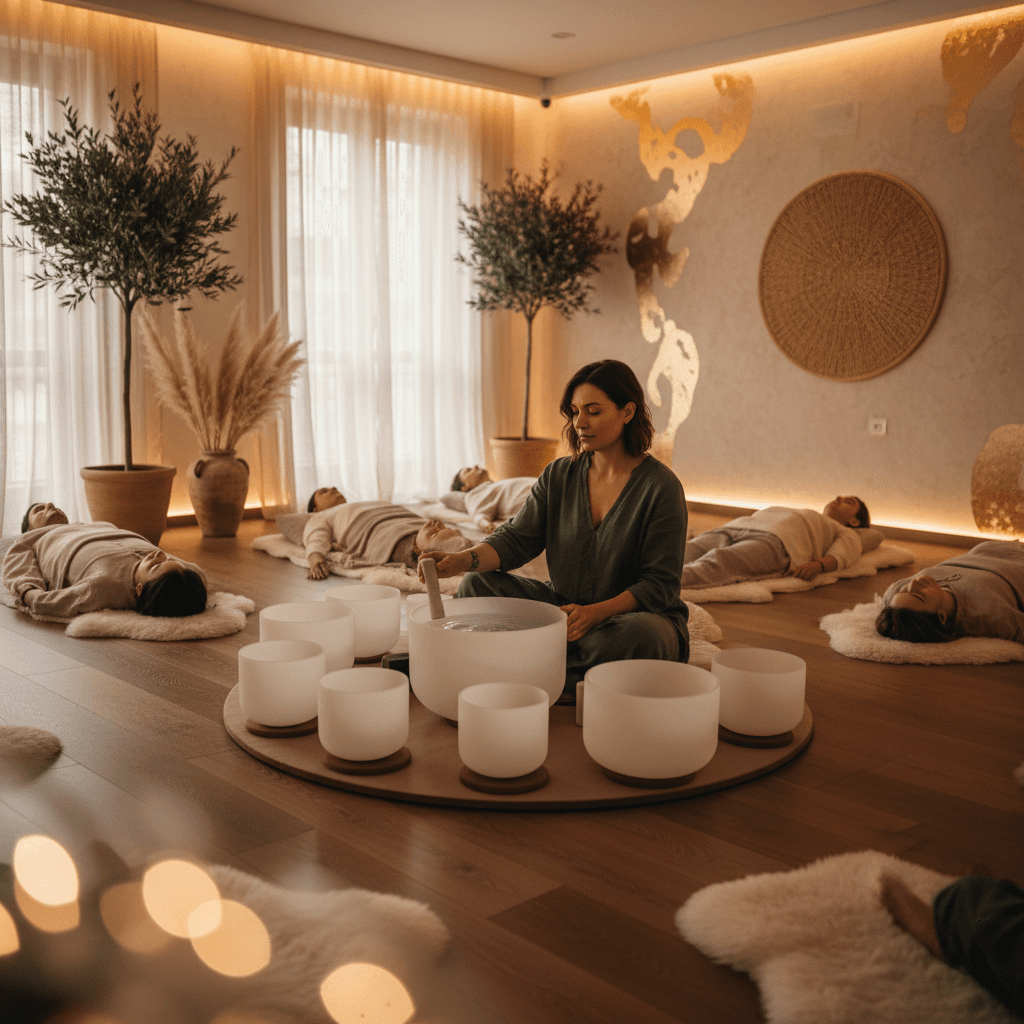
When immersed in a carefully curated sound wellness session, individuals often report a profound sense of calm and safety. The unique frequencies and vibrations produced by instruments like crystal singing bowls and gongs have been associated with shifting brainwave states. As the brain transitions from active beta waves into more relaxed alpha and even deeply meditative theta states, the mind may become more receptive to positive input and self-reflection. This altered state of consciousness can create fertile ground for the gentle integration of self-affirming thoughts and feelings.
In this deeply relaxed state, the usual mental chatter and self-critical narratives may begin to subside. This allows for an easier engagement with what researchers describe as a restorative process, where rumination and negative thinking are reduced. By promoting reflection on personal values and positive self-attributes, sound wellness, when paired with mindful intention, may support cognitive flexibility and reduce maladaptive thought patterns. The gentle resonance acts as a sensory anchor, grounding individuals as they explore their inner landscape without the typical distractions.
Receiving positive regard, whether through affirming words directed inwards or through the supportive atmosphere created by a skilled practitioner, is essential for fostering self-esteem and well-being. This practice of saying kind words to oneself, or being in an environment that naturally encourages self-compassion, can enhance one's overall sense of flourishing and satisfaction with life. Many people report an increased sense of internal peace and a clearer understanding of their personal needs after such experiences.
"True self-worth isn't about proving your value, but recognizing the inherent completeness that already exists within you, waiting to be gently uncovered."
The immersive nature of sound wellness also addresses the concept of self-integrity, which is one’s overall sense of adequacy and moral worth. When individuals encounter various types of threats in their daily lives, dealing with these challenges requires maintaining self-integrity. Sound wellness may support individuals in coping with personal threats by creating an internal environment where self-worth can be gently reinforced, potentially leading to increased well-being. This approach aligns with well-being theories that emphasize the importance of intentionally enhancing resiliency through happiness-enhancing strategies.
This complementary approach focuses on enabling the individual to connect with their intrinsic strengths and resilience. By allowing the nervous system to settle and the mind to quiet, the practice creates a unique opportunity to reinforce a positive self-image, paving the way for sustained confidence and a healthy evaluation of one's abilities, characteristics, and behaviors.
The Soul Art Approach
At Soul Art, Larissa Steinbach has meticulously crafted an environment and methodology that embraces the power of frequency to support profound inner work. Her vision is rooted in the understanding that our bodies and minds are deeply responsive to vibrational input, and that sound can be a powerful catalyst for personal transformation, particularly in areas like self-worth and confidence. The Soul Art approach is not about quick fixes but about cultivating a sustainable, resonant foundation for well-being.
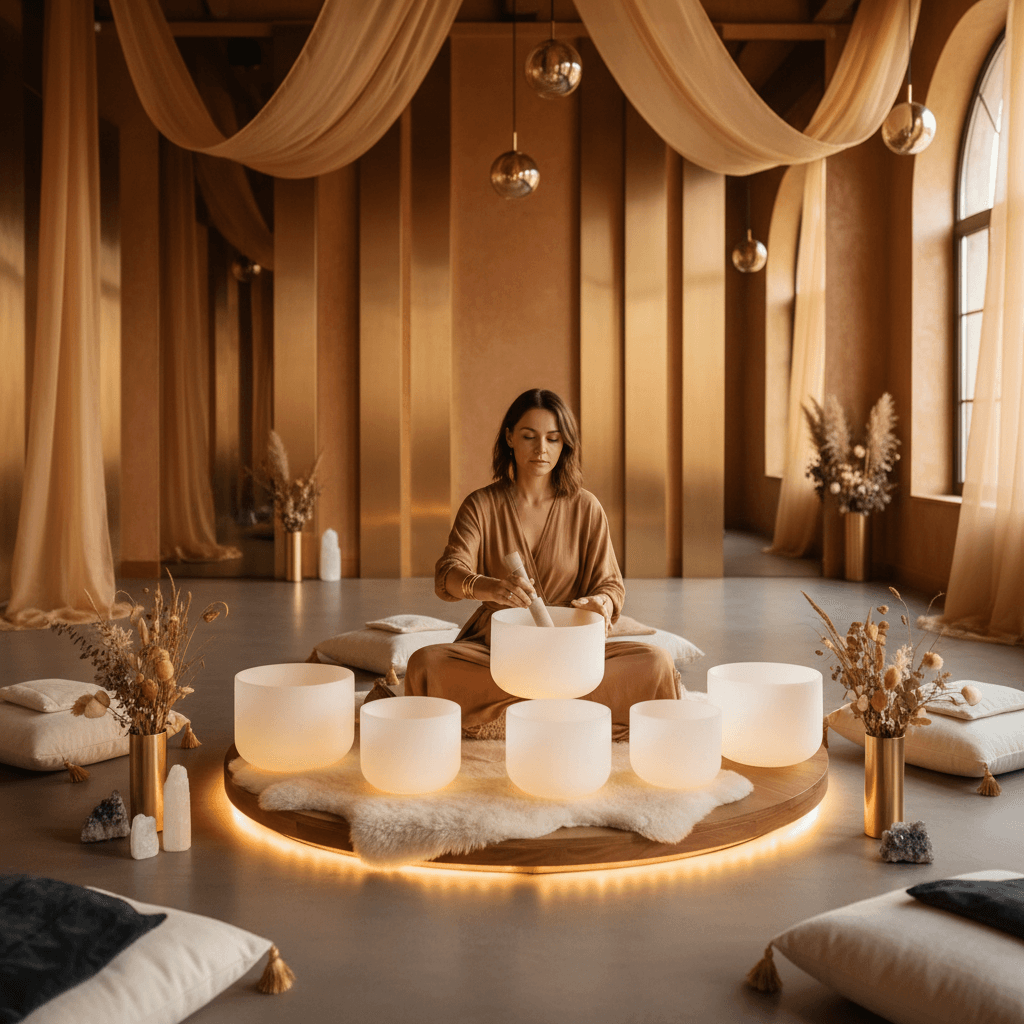
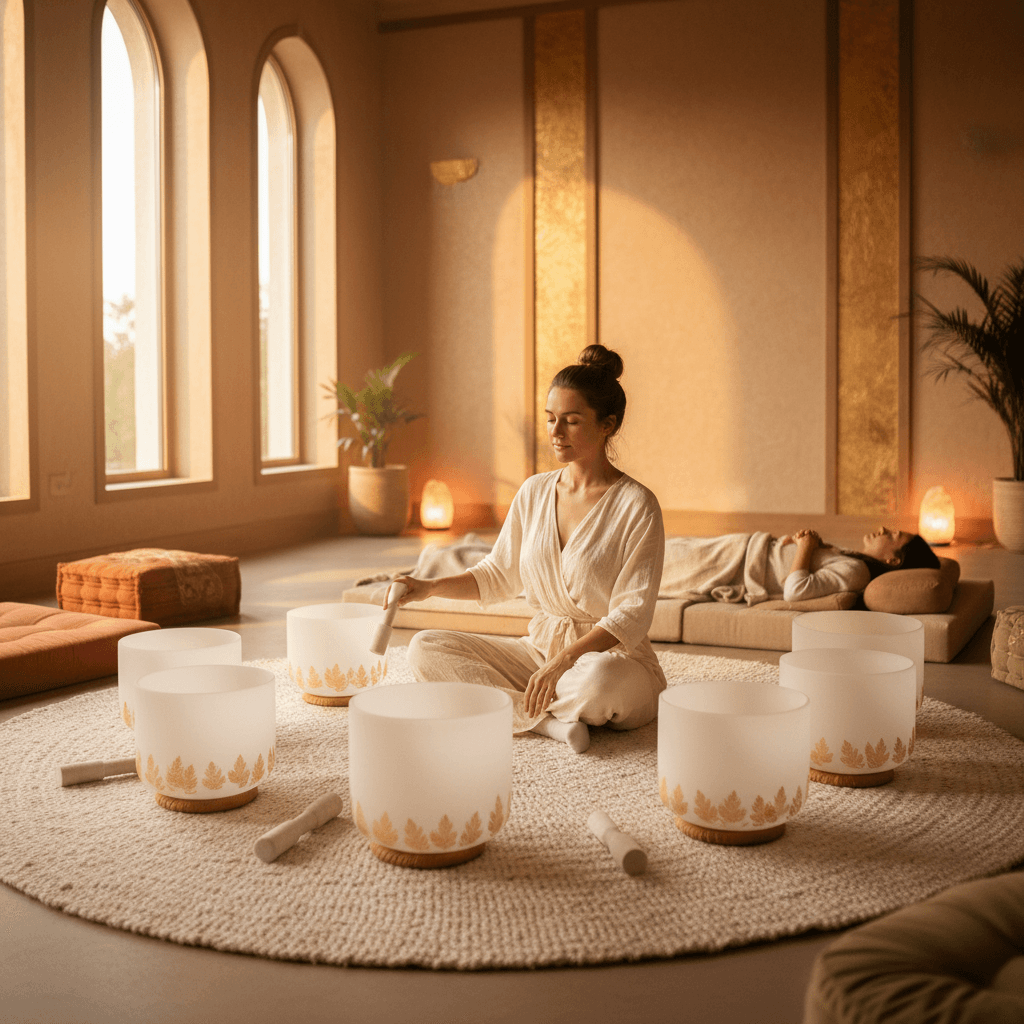
Larissa Steinbach's unique methodology focuses on creating a sacred and safe container where clients can explore their inner world without judgment. She believes that true self-worth blossoms from a place of deep relaxation and self-acceptance, which sound frequencies are exceptionally adept at facilitating. The studio is designed to amplify this effect, using carefully selected acoustics and aesthetics to enhance the immersive experience.
Central to the Soul Art experience are specific instruments known for their purity of tone and rich overtones, such as Himalayan singing bowls, crystal alchemy bowls, and resonant gongs. Each instrument is chosen for its unique vibrational properties and its ability to guide the brain into states of deep relaxation, such as alpha and theta brainwave patterns. These states, as discussed, are optimal for reducing mental resistance and fostering a receptive mindset, making them highly conducive to practices that enhance self-worth.
During a session at Soul Art, Larissa may guide clients through intentional visualizations or gentle affirmations, though the primary focus remains on the sonic journey itself. The frequencies act as a non-verbal language, bypassing the analytical mind and communicating directly with the nervous system. This allows the body to release tension and the mind to quiet, creating an internal space where self-compassion and self-acceptance can naturally arise. Many clients report feeling a sense of clarity, groundedness, and renewed connection to their inner strength after a session.
The Soul Art method acknowledges that building self-worth is an ongoing journey. It is a complementary approach that seeks to empower individuals by equipping them with tools for self-regulation and deeper self-awareness. By integrating specific sound frequencies, intentional practices, and a supportive environment, Larissa Steinbach helps clients at Soul Art to cultivate an inner resilience that fosters confidence, promotes positive self-evaluation, and ultimately enhances their overall well-being. This holistic wellness practice is about more than just relaxation; it's about reconnecting with your essential self.
Your Next Steps
Cultivating a robust sense of self-worth is a journey, not a destination, and it's one you can begin today with simple yet powerful actions. Integrating conscious practices into your daily life can lay a strong foundation for lasting confidence and inner peace. These practical steps are designed to gently guide you towards a more empowered self-perception.
Here are a few actionable steps you can implement:
- Practice Mindful Self-Talk: Become aware of your inner dialogue. Challenge self-critical thoughts by replacing them with kind, supportive statements. Remember, consistent positive regard for oneself, even in small ways, can significantly enhance self-compassion and satisfaction with life, as preliminary studies indicate.
- Journal Your Values and Strengths: Regularly reflect on your core values and identify your personal strengths. Writing about these positive attributes, especially during challenging times, may support emotional regulation and reinforce your self-worth, potentially reducing negative thinking and rumination.
- Create a Supportive Environment: Surround yourself with people and experiences that uplift you. Your environment plays a crucial role in reinforcing your self-perception. Actively seek out spaces and connections where you feel valued and respected.
- Explore Sound Wellness: Consider integrating sound wellness practices into your routine. Sessions at Soul Art Dubai, with Larissa Steinbach, offer a unique opportunity to experience deep relaxation and create a receptive state for cultivating self-worth. It is a complementary practice that may support your journey towards greater inner harmony.
- Prioritize Self-Care: Dedicate time each day to activities that nourish your mind, body, and spirit. Whether it's meditation, gentle movement, or simply quiet reflection, consistent self-care sends a powerful message to yourself that you are worthy of attention and care.
Ready to explore how the power of frequency can help you build unshakeable confidence and a profound sense of self-worth? Discover the unique experience at Soul Art.
In Summary
Our exploration into self-worth reveals it as a dynamic, brain-centered aspect of our well-being, deeply influenced by both our internal dialogue and external environment. Scientific research highlights the critical role of brain regions like the hippocampus and the neural pathways activated by self-affirmation in shaping our confidence and resilience. While the journey of self-discovery is personal, practices that foster positive self-regard and create states of deep relaxation may significantly support this vital endeavor.
At Soul Art, Larissa Steinbach champions a holistic wellness approach, leveraging the transformative power of sound frequencies to create an optimal environment for internal healing and growth. By gently guiding the mind into receptive states, sound wellness may complement conscious self-affirmation, helping to reduce mental barriers and reinforce a profound sense of intrinsic value. This self-care practice invites you to connect with your authentic self, fostering lasting confidence and an empowered perception of your own worth.
Bookings Coming Soon
Soul Art is still in preparation. Session details and booking will be published here after launch.
Coming Soon
Wellness Disclaimer: This article is for educational and informational purposes only. It does not constitute medical advice, diagnosis, or treatment. Soul Art Dubai provides non-medical wellness experiences focused on relaxation, stress management, and general wellbeing. Sound wellness is a complementary practice and should not replace professional medical care.