Self-Compassion: Sound Practices for Inner Kindness with Soul Art
Key Insights
Discover the science of self-compassion and how Soul Art's sound wellness practices can cultivate inner kindness for lasting well-being.
Self-Compassion: Sound Practices for Inner Kindness
Imagine approaching your deepest struggles, not with a harsh inner critic, but with the gentle warmth of a trusted friend. For many, this concept of self-compassion might feel radical, even counterintuitive, yet a growing body of scientific evidence reveals its profound impact on our mental and physical well-being. Far from being a luxury, cultivating inner kindness is emerging as an essential practice for resilience in our fast-paced world.
In this comprehensive exploration, we will delve into the robust science underpinning self-compassion, dissecting its mechanisms and numerous benefits. We’ll then bridge theory with practice, revealing how these insights translate into tangible experiences that foster inner peace. Finally, we'll discover how Soul Art, Dubai’s premier sound wellness studio led by Larissa Steinbach, uniquely integrates these principles, offering transformative sound practices that harmonize the mind, body, and spirit, guiding you towards a more compassionate relationship with yourself and the world.
Unveiling the Science of Self-Compassion
The journey towards inner kindness is deeply rooted in measurable psychological and physiological shifts within us. Modern research provides compelling insights into why self-compassion is not merely a feel-good notion but a powerful tool for enhancing emotional regulation and overall resilience. Understanding these scientific underpinnings allows us to approach self-compassion practices with greater intention and trust.
Defining Self-Compassion: A Three-Pillar Approach
At the heart of self-compassion lies a robust framework developed by pioneering researcher Dr. Kristin Neff. She identifies three interconnected components that comprise this vital practice. When experiencing suffering, a self-compassionate response involves self-kindness, common humanity, and mindfulness.
Self-kindness means treating ourselves with warmth and understanding, rather than harsh self-criticism, especially during times of failure or inadequacy. This gentle approach replaces judgment with a supportive inner dialogue. Common humanity reminds us that suffering, imperfection, and personal failures are an inherent part of the human experience, rather than isolating personal shortcomings. This awareness fosters a sense of connection, reducing feelings of isolation and shame. Lastly, mindfulness involves observing our difficult thoughts and emotions with open awareness, neither suppressing them nor over-identifying with them. This allows us to hold our pain in a balanced perspective, creating space for acceptance rather than resistance. Studies by Neff and Germer (2013) have significantly advanced our understanding of these core elements and their therapeutic applications.
Neurobiological Underpinnings and Physiological Benefits
The benefits of self-compassion extend far beyond the psychological realm, demonstrating measurable physiological changes within the body. When we practice self-compassion, we may activate the parasympathetic nervous system, often referred to as the "soothe" system. This contrasts sharply with the "fight or flight" response triggered by self-criticism and stress.
Research suggests that generating feelings of compassion can be associated with the release of oxytocin, often called the "love hormone," and may decrease levels of the stress hormone cortisol. A study published in Clinical Psychological Science showed that individuals engaging in self-compassion exercises experienced lower physiological arousal, including reduced heart rate and sweat response, compared to those engaged in self-critical thinking. This indicates that being kind to oneself appears to switch off the body's threat response, promoting a state of safety and relaxation crucial for regeneration and healing.
Furthermore, Mindfulness-Based Stress Reduction (MBSR) programs, which integrate elements of self-compassion, have been extensively studied for their effects. Birnie et al. (2010) and Robins et al. (2012) reported significant improvements in self-compassion among participants following MBSR interventions, with gains maintained over follow-up periods. A meta-analysis by Khoury et al. (2015) in non-clinical samples found moderate to large effect sizes of MBSR on stress, anxiety, depression, and quality of life. These findings underscore the interconnectedness of mindfulness, stress reduction, and the cultivation of self-compassion at a deep physiological level, offering a robust foundation for wellness practices.
Cultivating Resilience and Well-being
The consistent practice of self-compassion is strongly associated with a myriad of positive psychological outcomes, positioning it as a cornerstone for mental and emotional health. Far from making us weak or complacent, self-compassion actually enhances our internal strength.
Individuals who cultivate self-compassion often report reduced psychopathology, including lower levels of depression and anxiety, and exhibit more positive affect and enhanced emotion regulation skills. This practice fosters emotional resilience, enabling individuals to face life's challenges with greater optimism and adaptability, viewing setbacks as part of the human condition rather than personal failures. Research by Neff (2009) consistently links higher levels of self-compassion to increased feelings of happiness, optimism, curiosity, and connectedness, alongside decreased rumination and fear of failure.
Self-compassion has also been identified as a significant resilience factor in the workplace, offering protection against burnout, as evidenced by studies on various populations. Critically, it is important to distinguish self-compassion from self-pity or selfishness. While self-pity can lead to isolation, self-compassion involves recognizing shared human suffering and connecting with others, fostering a sense of belonging. Rather than undermining motivation, preliminary studies indicate that self-compassion actually increases motivation, promoting learning from failure by creating a safer internal environment for growth.
Translating Theory into Tranquility: The Experiential Journey
Understanding the science of self-compassion lays a powerful groundwork, but the true transformation happens in the lived experience. Integrating these principles into daily life, especially through dedicated wellness practices, moves us beyond intellectual comprehension to genuine inner change. It's about feeling the shift within your own being.
When engaging in self-compassion practices, clients often describe a profound sense of relief, as if a heavy burden of self-judgment has been lifted. The experience begins by acknowledging difficult emotions or internal struggles with mindful awareness, rather than pushing them away or becoming overwhelmed. This non-judgmental observation is the first step towards creating a safe space within.
Next, individuals are guided to consciously offer themselves kindness, often through gentle touch, soothing words, or a compassionate inner dialogue. This involves reframing the inner critic’s harsh voice into one of encouragement and support, similar to how one would comfort a dear friend. The feeling of shared humanity comes alive as one realizes that suffering and imperfection are universal, fostering a sense of connection rather than isolation. This shift from an isolating, critical perspective to one of warm acceptance is deeply healing.
The experience is not about forcing positive feelings or suppressing pain; rather, it is a practice of goodwill towards oneself, even when discomfort is present. As the body and mind begin to receive this inner kindness, the nervous system often downregulates, shifting from a state of alert to one of deep calm. This physiological response allows for greater clarity, emotional regulation, and a foundational sense of inner security. Sound plays a crucial role here, facilitating a deeper connection to these internal states, guiding the mind to a state of receptive tranquility.
The Soul Art Sanctuary: Harmonizing Self-Compassion with Sound
At Soul Art, Larissa Steinbach understands that while the intellect grasps the importance of self-compassion, the body and nervous system need to experience it. This is where the profound power of sound wellness converges with the principles of inner kindness, creating a uniquely transformative approach. Larissa has meticulously crafted sessions that don't just talk about self-compassion but actively cultivate it through vibrational alchemy.
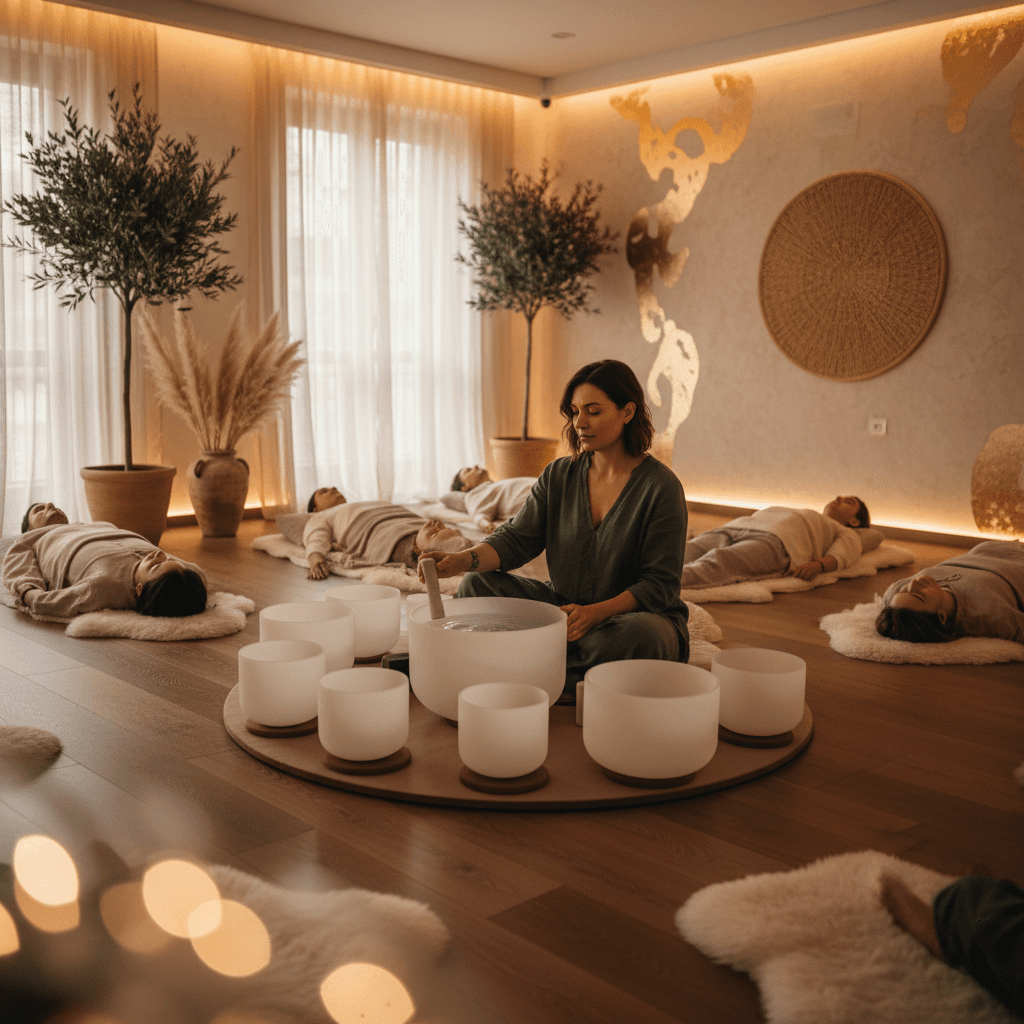
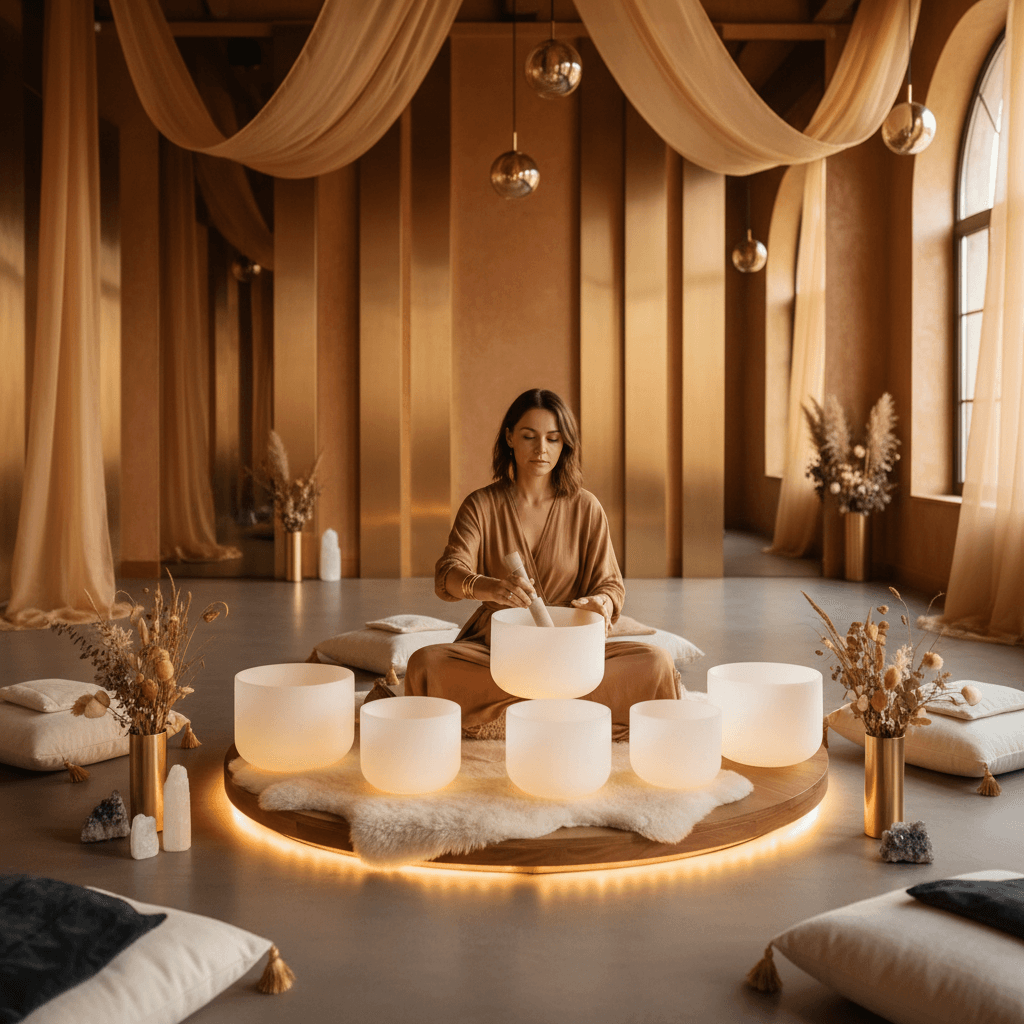
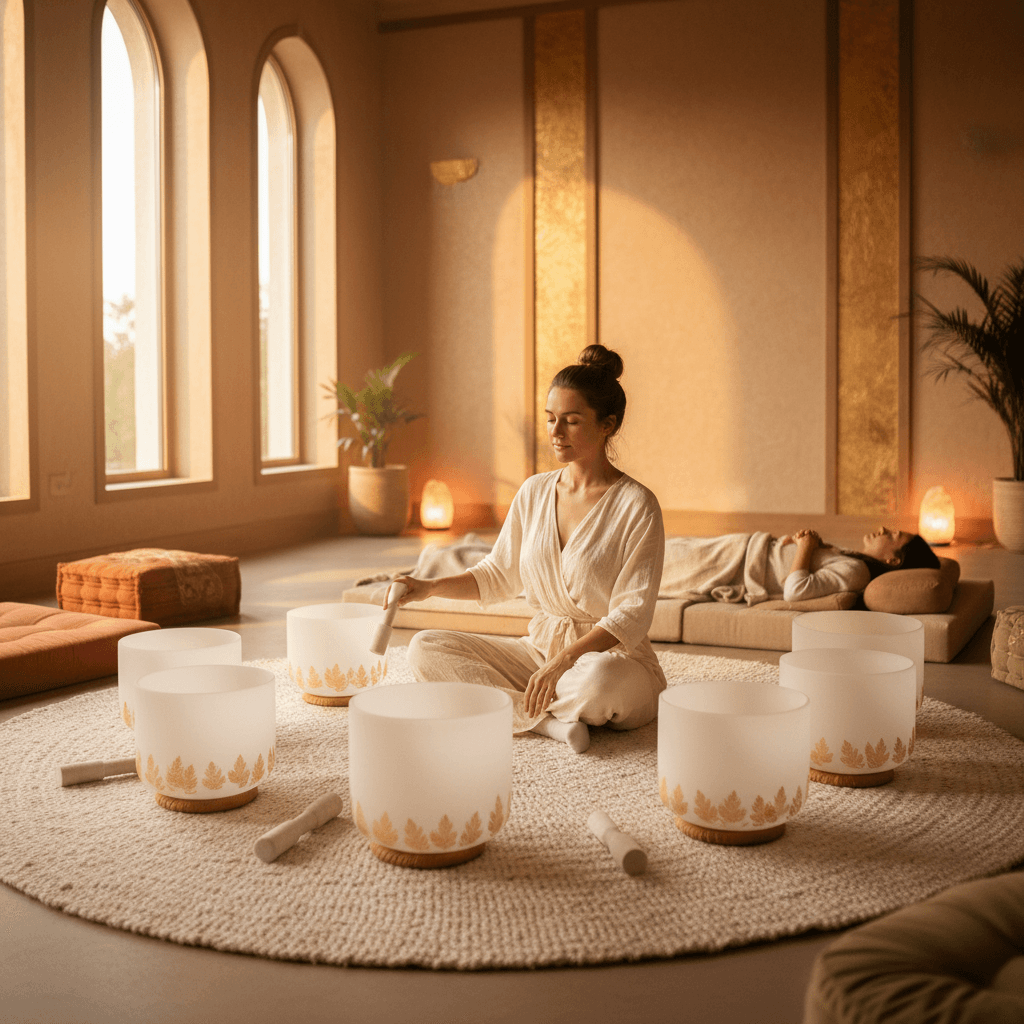
What makes the Soul Art method unique is its intentional use of specific sound frequencies and instruments to facilitate a deep state of relaxation and self-acceptance. Instead of merely listening, participants are immersed in a sensory experience designed to quiet the mind and open the heart. The gentle, resonant tones of Himalayan and crystal singing bowls, the deep reverberations of gongs, and the subtle vibrations of other therapeutic instruments work in harmony to soothe the nervous system and induce a meditative state.
In this deeply relaxed state, the barriers of self-criticism naturally begin to soften. Larissa guides participants through practices that encourage mindful awareness of their internal landscape, inviting them to observe thoughts and emotions without judgment—a cornerstone of self-compassion. The vibrations of the sound act as a gentle anchor, helping to ground the mind and body, making it easier to connect with an inner sense of kindness and common humanity. Larissa Steinbach’s expertise lies in creating an environment where vulnerability is safe, and self-kindness is not just encouraged but experientially cultivated through the very frequencies that permeate the space. This unique synergy helps to rewire patterns of self-criticism, replacing them with a more supportive and loving internal narrative.
Embarking on Your Journey of Inner Kindness
Cultivating self-compassion is a journey, not a destination, and it begins with small, consistent steps. Integrating these practices into your daily life can significantly enhance your resilience and overall well-being. Here are some actionable steps you can implement today to start fostering a kinder relationship with yourself:
- Practice the Self-Compassion Break: When you notice yourself struggling or feeling inadequate, pause. Acknowledge your suffering, remind yourself that imperfection is part of the human experience, and offer yourself a gesture of kindness, like placing a hand over your heart.
- Mindful Breathing with Intention: Dedicate a few minutes each day to simply breathe, noticing your breath without judgment. As you inhale, imagine breathing in kindness; as you exhale, release self-criticism or tension. This helps activate your "soothe" system.
- Reframe Your Inner Dialogue: Catch your inner critic in action. When you hear harsh self-talk, consciously rephrase it into something a supportive friend would say to you in the same situation. Love, rather than fear, is a more powerful motivator for long-term growth.
- Engage in Loving-Kindness Meditation: This powerful meditation practice involves sending wishes of well-being, safety, and peace first to yourself, then to loved ones, neutral persons, difficult people, and finally, all beings. This can significantly increase feelings of self-compassion.
- Explore Sound Wellness: Consider how immersive sound practices, like those offered at Soul Art, can provide a unique entry point into deeper self-compassion. The vibrational frequencies can help quiet the mind, release tension, and create a receptive state for inner kindness to flourish.
These practices are not about avoiding difficult emotions, but about meeting them with a supportive presence, transforming how you navigate life's inevitable challenges.
Cultivating a Kinder Self: A Final Harmony
In our demanding world, the practice of self-compassion is not a luxury but a powerful, scientifically-backed pathway to profound well-being and resilience. We've explored how self-kindness, common humanity, and mindfulness work together to reshape our inner landscape, calming the nervous system and fostering emotional strength. The evidence is clear: cultivating inner kindness may support reduced stress, enhanced emotional regulation, and a more joyful, connected life.
By understanding its scientific foundations and integrating practical techniques, we empower ourselves to navigate life’s complexities with greater grace. At Soul Art, Larissa Steinbach and her team harness the therapeutic power of sound to deepen this journey, offering a unique sanctuary where you can experientially embrace inner kindness. Allow the harmonious frequencies to guide you towards a kinder, more compassionate relationship with yourself.
Bookings Coming Soon
Soul Art is still in preparation. Session details and booking will be published here after launch.
Coming Soon
Wellness Disclaimer: This article is for educational and informational purposes only. It does not constitute medical advice, diagnosis, or treatment. Soul Art Dubai provides non-medical wellness experiences focused on relaxation, stress management, and general wellbeing. Sound wellness is a complementary practice and should not replace professional medical care.