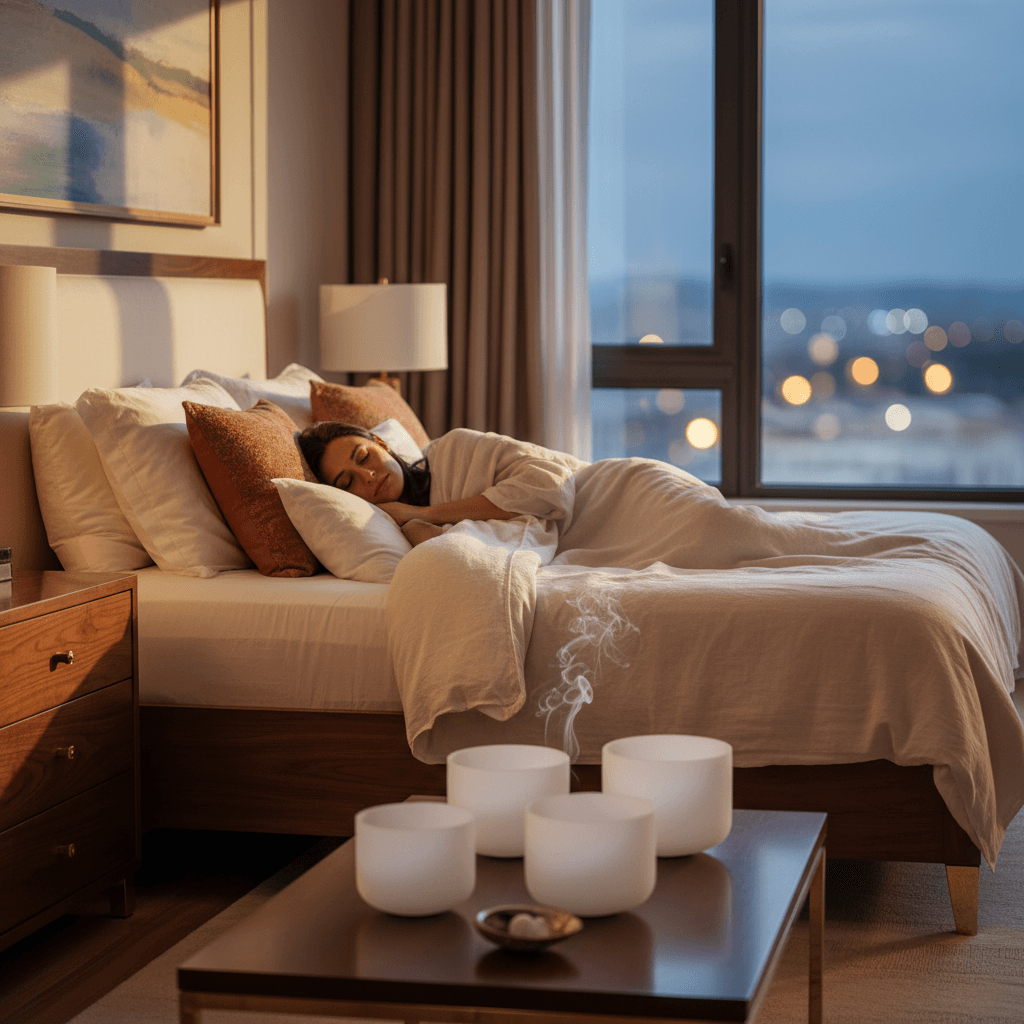
Winter Sleep & SAD: Harmonizing Rest with Sound Wellness
Key Insights
Explore how sound wellness at Soul Art, led by Larissa Steinbach, may support winter sleep challenges associated with Seasonal Affective Disorder (SAD) in Dubai.
The Winter Veil: Unraveling the Enigma of Seasonal Sleep
The arrival of winter often ushers in a desire for coziness and comfort, but for many, it also brings a perplexing shift in sleep patterns and mood. Did you know that while 64-80% of individuals with Seasonal Affective Disorder (SAD) report sleeping significantly longer in winter, objective measurements often tell a different story? This intriguing discrepancy highlights the complex interplay between our environment, biology, and perception of rest during the darker months.
In this comprehensive exploration, we will delve into the scientific underpinnings of Seasonal Affective Disorder and its impact on winter sleep. We’ll examine the biological mechanisms at play and explore established approaches to managing these seasonal changes. Crucially, we will uncover how the ancient practice of sound wellness, championed by Larissa Steinbach at Soul Art Dubai, may offer a powerful complementary pathway to support restful sleep and overall well-being.
Understanding these dynamics is not merely an academic exercise; it's about reclaiming your energy, enhancing your mood, and fostering a sense of inner peace, even when daylight dwindles. Join us as we illuminate how the subtle power of sound can help harmonize your sleep cycle and soothe your nervous system through winter's embrace.
The Science Explained: Navigating Winter's Biological Shifts
Understanding Seasonal Affective Disorder and Winter Sleep Patterns
Seasonal Affective Disorder (SAD) is a distinct mood disorder characterized by a predictable onset of depressive symptoms during specific seasons, most commonly fall and winter. These symptoms typically resolve spontaneously in the spring and summer months. Affecting an estimated 5% of adults in the United States alone, SAD can lead to several months of functional impairment each year, deeply impacting daily life.
The hallmark symptoms of winter-pattern SAD often include an overwhelming feeling of lethargy, sadness, and a significant loss of interest in once-enjoyed activities. Many individuals experience intense carbohydrate cravings, leading to weight gain, and report feeling sluggish and having difficulty concentrating. A prominent symptom for many with winter SAD is also social withdrawal, a feeling described as "hibernating."
Circadian Rhythms, Serotonin, and Melatonin: The Biological Clock Disrupted
At the heart of winter-pattern SAD lies a disruption of our delicate internal biological clock, known as the circadian rhythm. The reduced natural sunlight during fall and winter months is a primary culprit, as sunlight plays a critical role in signaling to our brain when to be awake and alert. When this crucial signal is diminished, our body’s natural timing can be thrown off, resulting in feelings of sleepiness and sluggishness throughout the day.
This disruption has profound biochemical implications. Research suggests that people with winter-pattern SAD often experience reduced levels of serotonin, a brain chemical vital for mood regulation. Sunlight exposure impacts molecules that help maintain normal serotonin levels, so shorter daylight hours can impair this function. Furthermore, a deficiency in Vitamin D, which the body produces upon sun exposure, may exacerbate these issues by reducing serotonin activity.
Another key hormone affected is melatonin, which is crucial for regulating our sleep-wake cycle. In winter-pattern SAD, individuals may produce too much melatonin, which contributes to increased sleepiness and hypersomnia—a tendency to oversleep. This imbalance creates a vicious cycle, where the body feels perpetually tired despite attempts at extended sleep.
The Paradox of Sleep in SAD: Self-Report vs. Objective Data
One of the most intriguing aspects of sleep disturbance in SAD is the stark contrast between self-reported experiences and objective physiological measurements. Many individuals with winter-pattern SAD report sleeping significantly longer, often an additional 30 minutes to over two hours, compared to their summer habits or to those without SAD. They frequently complain of hypersomnolence and a profound difficulty awakening in the mornings, despite extended time in bed.
However, studies utilizing objective measures like actigraphy, which tracks sleep behavior through wrist movement, paint a different picture. These behavioral assessments often show that individuals with SAD may actually sleep less in winter than controls, or experience decreased sleep efficiency. Furthermore, actigraphy studies have revealed that those with SAD are often "phase delayed," meaning their internal biological clock is set later, leading to later sleep onset and later awakening, which clashes with societal expectations of morning routines.
This heterogeneity in sleep presentation underscores the complexity of SAD. It suggests that while the quantity of reported sleep may increase, the quality and efficiency of that sleep can be significantly compromised. The sensation of being "sleepy" or "sluggish" may not always correlate with actual prolonged sleep but rather with poor sleep architecture and a misaligned circadian rhythm. Understanding this paradox is crucial when seeking effective wellness strategies, including complementary approaches like sound.
How It Works in Practice: Bridging Science and Serenity
Pillars of SAD Management: Light, Lifestyle, and Cognitive Support
Addressing the challenges of winter-pattern SAD typically involves a multifaceted approach, with light playing a central role. Increasing natural sunlight exposure, especially in the early morning, is often recommended as it can help to reset the body’s circadian clock. When natural light is insufficient, bright light therapy becomes a powerful tool. This involves daily exposure to a specialized light box that emits 10,000 lux of light, significantly brighter than standard indoor lighting, often for 20-60 minutes. It's crucial that this form of therapy is undertaken with medical supervision to ensure safety and efficacy. Dawn stimulation, where bedside light gradually increases before waking, has also shown promise in improving morning drowsiness and difficulty awakening in SAD.
Beyond light, cognitive behavioral therapy adapted for SAD (CBT-SAD) is an effective psychotherapy that helps individuals identify and challenge negative thought patterns associated with winter. It also incorporates behavioral activation, encouraging participation in engaging and pleasurable activities regardless of the season. Nutritional support, including adequate Vitamin D, can also be beneficial, as can maintaining a consistent sleep schedule and engaging in regular physical activity. These established methods form the foundation of managing SAD and often work synergistically to alleviate symptoms.
The Sonic Path to Serenity: How Sound May Support Winter Sleep
While established treatments for SAD focus on correcting physiological imbalances, complementary wellness practices, such as sound, offer a unique pathway to support the body's natural capacity for rest and regulation. Sound wellness does not aim to replace medical treatments but rather to enhance overall well-being by fostering a state of deep relaxation and nervous system balance. This is particularly relevant for winter sleep, where compromised sleep efficiency and heightened stress can exacerbate feelings of fatigue.
The principle behind sound wellness lies in its ability to influence our brainwave states and nervous system activity. Through carefully crafted soundscapes, often involving specific frequencies and vibrations, sound can guide the brain from active beta states into calmer alpha, theta, and even delta states. These states are associated with deep relaxation, meditation, and restorative sleep. By promoting a profound state of rest, sound may help to mitigate the physiological arousal that often disrupts sleep in individuals experiencing the effects of winter SAD.
"In the stillness of sound, we discover a sanctuary for the mind, allowing the body to remember its innate capacity for deep, restorative rest, especially when the external world dims."
When the nervous system is chronically engaged in a stress response—common during periods of low mood and sleep disturbance—it becomes difficult to transition into quality sleep. Sound practices may activate the parasympathetic nervous system, responsible for the "rest and digest" response, counteracting the effects of chronic stress. This gentle shift can improve overall sleep architecture, making the sleep one does get more restorative and efficient, thereby potentially alleviating some of the daytime sluggishness associated with winter SAD, even if the total sleep duration remains unchanged. It's about enhancing the quality of rest, not just the quantity.
The Soul Art Approach: A Harmonious Haven for Winter Wellness
Soul Art's Harmonious Haven: A Unique Approach to Winter Wellness
At Soul Art, Dubai's premier sound wellness studio, Larissa Steinbach meticulously curates experiences designed to guide individuals toward profound states of relaxation and inner harmony. Understanding the unique challenges of winter, Larissa's approach is rooted in the philosophy that true well-being stems from a regulated nervous system and a balanced mind. The Soul Art method offers a sanctuary where the external world's demands fade, allowing the body and mind to recalibrate.
What makes the Soul Art approach truly unique is its blend of ancient wisdom and modern scientific understanding, delivered in a luxurious and nurturing environment. Each session is a bespoke journey, carefully crafted to address the specific needs of the participants, whether it's managing stress, enhancing sleep quality, or simply finding a moment of peace. The studio's commitment to creating an immersive, multi-sensory experience ensures that every visit is a step towards deeper self-awareness and holistic rejuvenation.
Larissa utilizes a sophisticated array of instruments, each selected for its specific energetic and sonic properties. These include the resonating depths of Himalayan singing bowls, known for their grounding frequencies; the expansive, transformative vibrations of gongs; the ethereal chimes that clear and uplift; and precisely tuned crystal bowls that align with various chakra centers. Each instrument is played with intention, creating a rich tapestry of sound that permeates the physical and energetic bodies. These instruments work in harmony to produce specific sound frequencies and vibrational patterns. These frequencies interact with our cellular structure and energy fields, encouraging brainwave entrainment towards alpha and theta states, conducive to deep meditation and restorative sleep.
The immersive soundscapes at Soul Art serve as a gentle yet powerful tool to support individuals through the winter months, helping to counter the effects of SAD-related sleep disturbances. By facilitating deep relaxation and nervous system regulation, these sessions may offer a complementary pathway to improved sleep efficiency and a greater sense of inner peace. It's an invitation to experience stillness and allow your body to naturally unwind, fostering conditions for more restorative rest and enhanced daytime vitality.
Your Next Steps: Cultivating Winter Well-being for Deeper Rest
Navigating the nuances of winter and its potential impact on your mood and sleep requires a proactive and holistic approach. While sound wellness offers a profound complementary pathway, integrating it with other supportive practices is key to cultivating lasting well-being. Here are some actionable steps you can implement to support your sleep and mood this winter:
- Consult a Medical Professional: If you suspect you may have Seasonal Affective Disorder or are experiencing persistent sleep disturbances, it is paramount to consult a doctor or a sleep specialist for proper diagnosis and medical advice. Sound wellness is a complementary practice and should not replace professional medical care.
- Prioritize Natural Light Exposure: Make a conscious effort to expose yourself to natural light, especially in the morning. Open your curtains, step outside for a brisk walk, or arrange your workspace near a window. Even on cloudy days, natural light is beneficial for regulating your circadian rhythm.
- Establish a Mindful Evening Routine: Create a calming ritual before bedtime. Dim the lights an hour or two before sleep, avoid screens (phones, tablets, computers) that emit blue light, and engage in relaxing activities like reading a physical book, taking a warm bath, or practicing gentle stretches.
- Explore Sound Wellness: Consider incorporating sound wellness sessions into your self-care regimen. The deep relaxation induced by practices like those offered at Soul Art by Larissa Steinbach may help regulate your nervous system, potentially improving the quality and efficiency of your sleep during the winter months.
- Nourish Your Body Mindfully: Pay attention to your diet, especially if you experience carbohydrate cravings. Focus on balanced, nutrient-rich foods, and consider discussing Vitamin D supplementation with your doctor if your levels are low.
Bookings Coming Soon
Soul Art is still in preparation. Session details and booking will be published here after launch.
Coming Soon
In Summary: Embrace the Stillness for Your Winter Wellness Journey
Winter’s unique challenges, particularly for those experiencing Seasonal Affective Disorder, can profoundly impact sleep quality and overall well-being. We've explored the scientific nuances of SAD, from disrupted circadian rhythms and serotonin imbalances to the perplexing paradox of perceived oversleeping versus actual reduced sleep efficiency. While conventional approaches like light therapy and CBT are crucial, holistic wellness practices offer invaluable complementary support.
Sound wellness, as expertly delivered by Larissa Steinbach at Soul Art, stands as a powerful tool for inducing deep relaxation and regulating the nervous system. By gently guiding your brain into restorative states, sound may support improved sleep quality and enhance your ability to cope with winter's demands. Embrace this sophisticated self-care practice to cultivate inner harmony and resilience, transforming your winter experience from one of struggle to one of serene restoration.
Wellness Disclaimer: This article is for educational and informational purposes only. It does not constitute medical advice, diagnosis, or treatment. Soul Art Dubai provides non-medical wellness experiences focused on relaxation, stress management, and general wellbeing. Sound wellness is a complementary practice and should not replace professional medical care.
Related Articles
Fan Noise and Sleep: Unmasking the Science Behind White Noise Machines for Deeper Rest
Polyphasic Sleep & Sound Healing: Navigating Restorative Rhythms
REM Rebound: Mastering the Art of Recovering Lost Dream Sleep