Sadness & Sound: Honoring Emotion, Finding Peace at Soul Art
Key Insights
Explore the science behind how sound wellness at Soul Art Dubai helps you process sadness, embrace emotions, and discover profound inner peace. Learn Larissa Steinbach's unique approach.
Can the melancholic strains of a cello or the deep resonance of a gong truly offer comfort amidst feelings of sadness? For centuries, music and sound have been intertwined with human emotion, often providing solace in times of distress. However, the paradox of finding pleasure in sounds that evoke sadness has long intrigued scientists and philosophers alike.
At Soul Art, Dubai's premier sound wellness studio, we believe in honoring the full spectrum of human emotion, including sadness. Our scientifically-grounded approach to sound wellness offers a unique, complementary path to navigate these complex feelings. This article will delve into the profound connection between sadness and sound, revealing how precisely calibrated vibrations and frequencies can create a sanctuary for emotional processing and ultimately, foster inner peace.
We will explore the cutting-edge research that illuminates how sound influences our physiological and psychological states, moving beyond simple distraction to facilitate genuine emotional release and resilience. Join us on a journey to understand how the wisdom of sound, channeled through the unique methods of Larissa Steinbach, can transform your relationship with sadness, allowing you to acknowledge, process, and gently release.
The Science Explained
The intricate relationship between our emotions and auditory experiences is a rich field of study, revealing how sound profoundly impacts our mental and physical well-being. Far from being a mere sensory input, sound acts as a potent modulator of our internal states. Understanding this connection is key to appreciating how sound wellness practices can serve as powerful tools for emotional healing and regulation.
The Nuance of Sadness: Beyond the Binary
Traditional views often classify sadness as a universally unpleasant emotion, yet our human experience tells a more complex story. Research on responses to unfamiliar, instrumental sad music highlights this intricacy, identifying distinct categories of emotional response. "Relaxing sadness" is characterized by feelings of peacefulness and a positive emotional valence, suggesting that certain forms of sadness can be soothing.
Conversely, "Nervous sadness" is associated with anxiety, perceived scariness, and negative emotions. Most notably, "Moving sadness" describes an intense experience encompassing feelings of sadness, being deeply moved, and a surprising degree of liking for the music itself. This intriguing paradox—the enjoyment of music that evokes sadness—is consistently associated with high trait empathy and emotional contagion in listeners, indicating a profound capacity for emotional connection.
This suggests that processing sadness through sound is not about eliminating the emotion but about transforming its quality. When we engage with sound in a mindful way, we can shift from a "nervous" or overwhelming experience of sadness to one that is "moving" or even "relaxing." This nuanced understanding allows for a more compassionate approach to our emotional landscape.
The Physiological Resonance of Sound
Beyond our conscious perception, sound initiates a cascade of physiological responses throughout the body. Sound therapy, encompassing various techniques such as sound baths, binaural beats, and vibroacoustic therapy, utilizes both audible sound and physical vibrations. These vibrations are not only heard but also felt through the skin, impacting cellular activity and nervous system regulation.
Preliminary studies suggest that engaging with sound interventions can lead to significant shifts in our stress response. For instance, listening to pleasant or even specific types of sad music has been shown to improve physiological recovery after stressful tasks, in contrast to white noise. Major-mode music, often perceived as happier, has been observed to reduce stress more effectively than minor-mode music in some experimental settings.
The profound integrative impact of sound therapy extends to psycho-emotional and physiological outcomes, making it a valuable complementary approach for stress-related conditions. While not a medical treatment, these practices may support the body's natural capacity for relaxation and recovery. Measures such as decreased skin conductance, higher finger temperature, and changes in heart rate and blood pressure have been observed in individuals listening to music.
Sound's Impact on Emotional Processing
Sound interventions directly influence our emotional states by engaging brain regions associated with emotion processing and regulation. Music, with its intricate patterns of tone, rhythm, melody, and harmony, acts as a powerful means to express and communicate emotional states. The brain assesses the emotional valence of auditory stimuli based on acoustical properties like mode, timbre, and loudness, triggering learned associations and parallel changes in body state.
Research indicates that sad music can induce ambivalent emotions, with listeners reporting feelings of sadness alongside pleasure. One fascinating study even found a correlation between higher prolactin concentrations and pleasurable sadness evoked by music, suggesting a complex interplay of neurochemicals. This mechanism allows for a unique form of emotional release, where feelings of sadness are experienced in a contained and often comforting manner.
Sound baths, for example, tend to induce a state of deep relaxation that may reduce feelings of tension, anger, fatigue, and depression. A single session with singing bowls has been associated with significant self-reported improvements in mood among participants. By providing the brain with a task—attentively listening—sound can help quiet intrusive thoughts, lower heart rate, and decrease blood pressure, creating an optimal environment for emotional processing and self-reflection.
"The sound of a resonant bowl doesn't just fill a room; it gently guides the mind to a place of quiet observation, allowing buried emotions to surface without judgment, finding their voice within the vibrations."
The ability of sound to alter perception and judgment in a way similar to genuine sadness, yet often with a more pleasant overall experience, highlights its therapeutic potential. It offers a safe container for emotional exploration, allowing individuals to connect more deeply with themselves and their feelings, fostering resilience and holistic well-being.
How It Works in Practice
Translating the intricate science of sound into a tangible, felt experience is at the heart of sound wellness. At Soul Art, we bridge the gap between scientific understanding and practical application, offering experiences designed to honor your emotional landscape. Our approach isn't about escaping sadness, but rather providing a supportive environment to move through it.
Creating a Sanctuary for Emotion
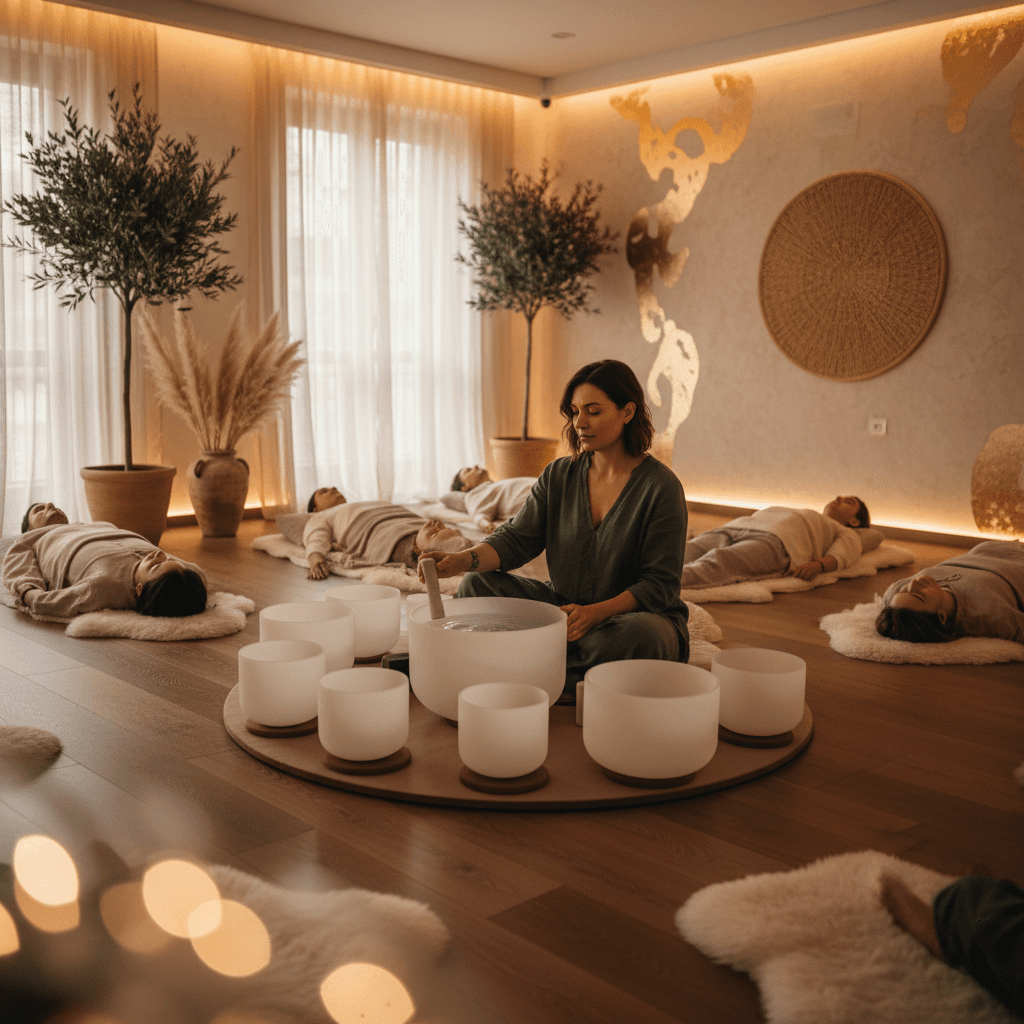
One of the primary benefits of sound wellness is its capacity to create a uniquely safe and non-verbal environment for emotional expression and release. In a world often demanding articulate explanations for our feelings, sound offers a different pathway. Instruments like crystal singing bowls, gongs, and tuning forks emit rich, complex vibrations that permeate the space and the body. These soothing frequencies may foster feelings of peace and security, which are essential for authentic emotional processing.
This secure atmosphere allows individuals to relax their guard, bypassing the intellectual barriers that sometimes prevent us from fully acknowledging our deeper emotions. It's a space where tears, introspection, or simply a profound sense of calm are all welcome and understood. This non-judgmental container is crucial for unlocking the potential for genuine emotional healing.
The Embodied Experience
A sound wellness session is a deeply embodied experience, engaging not just your auditory sense but your entire physical being. As sound waves travel through the air, their vibrations are absorbed by the body, resonating with its natural frequencies. Many people report feeling these gentle pulsations throughout their body, creating a sense of internal massage. This vibroacoustic engagement can be profoundly relaxing.
This physical sensation helps to anchor awareness in the present moment, drawing attention away from racing thoughts or rumination. By offering a focal point for the mind – the sound itself – the brain is given a task that encourages relaxation and quieting. This can lead to a decrease in the activity of the sympathetic nervous system, responsible for the "fight or flight" response, and an increase in parasympathetic activity, promoting rest and digest.
The result is often a profound state of relaxation, where the body’s systems can recalibrate. This deeper state makes it possible to gently access and process emotional states, including sadness, allowing them to flow through rather than becoming stagnant. Clients frequently describe feeling lighter, more balanced, and possessing a renewed sense of clarity after a session, having found a gentle release.
The Soul Art Approach
Larissa Steinbach, founder of Soul Art, has meticulously crafted a unique approach to sound wellness that embraces the full spectrum of human emotions, particularly sadness. Her methodology is deeply rooted in the scientific understanding of sound’s impact on the mind and body, yet delivered with profound empathy and intuitive guidance. It is designed to create a truly transformative experience for each individual.
At Soul Art, we don't aim to suppress or ignore sadness; rather, we provide a sacred space for it to be acknowledged, felt, and integrated. Larissa understands that genuine peace often comes not from avoiding difficult emotions, but from developing a compassionate relationship with them. Her sessions are carefully curated to facilitate this delicate balance.
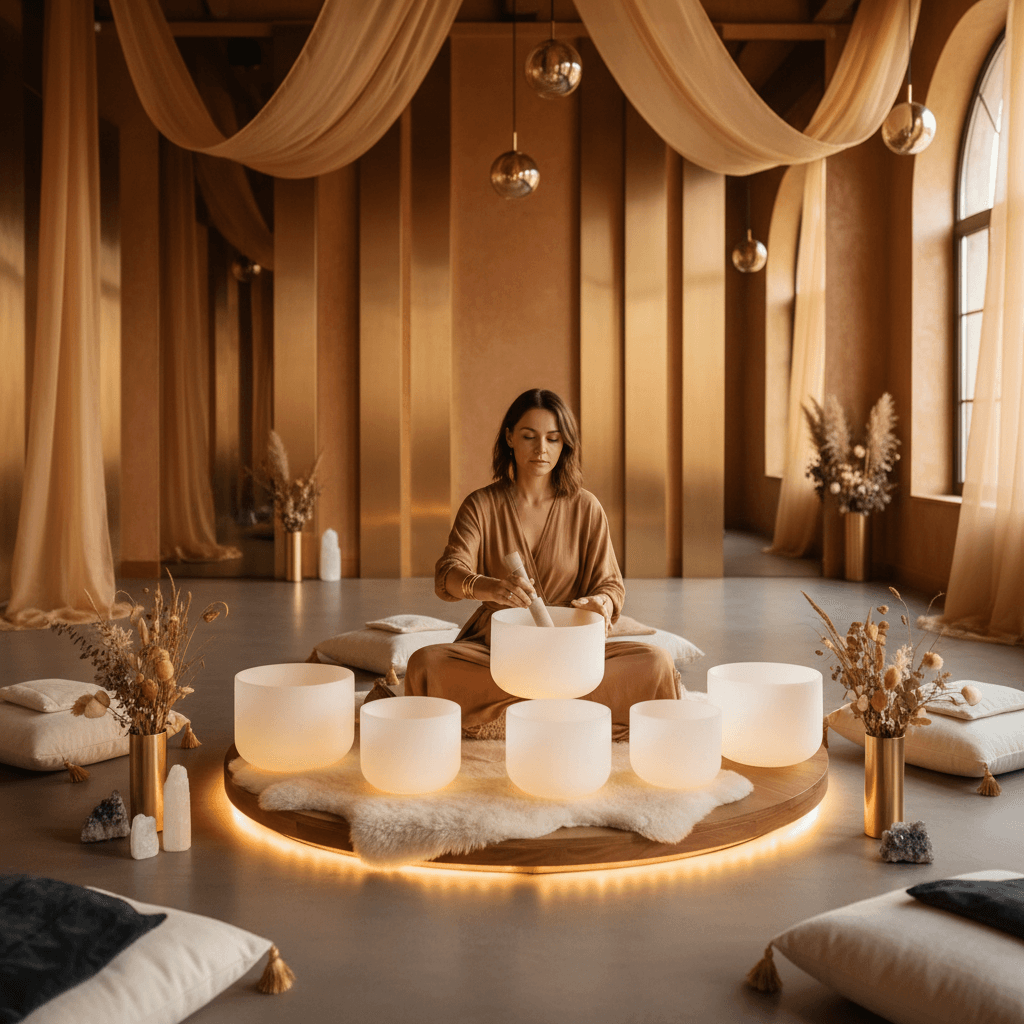
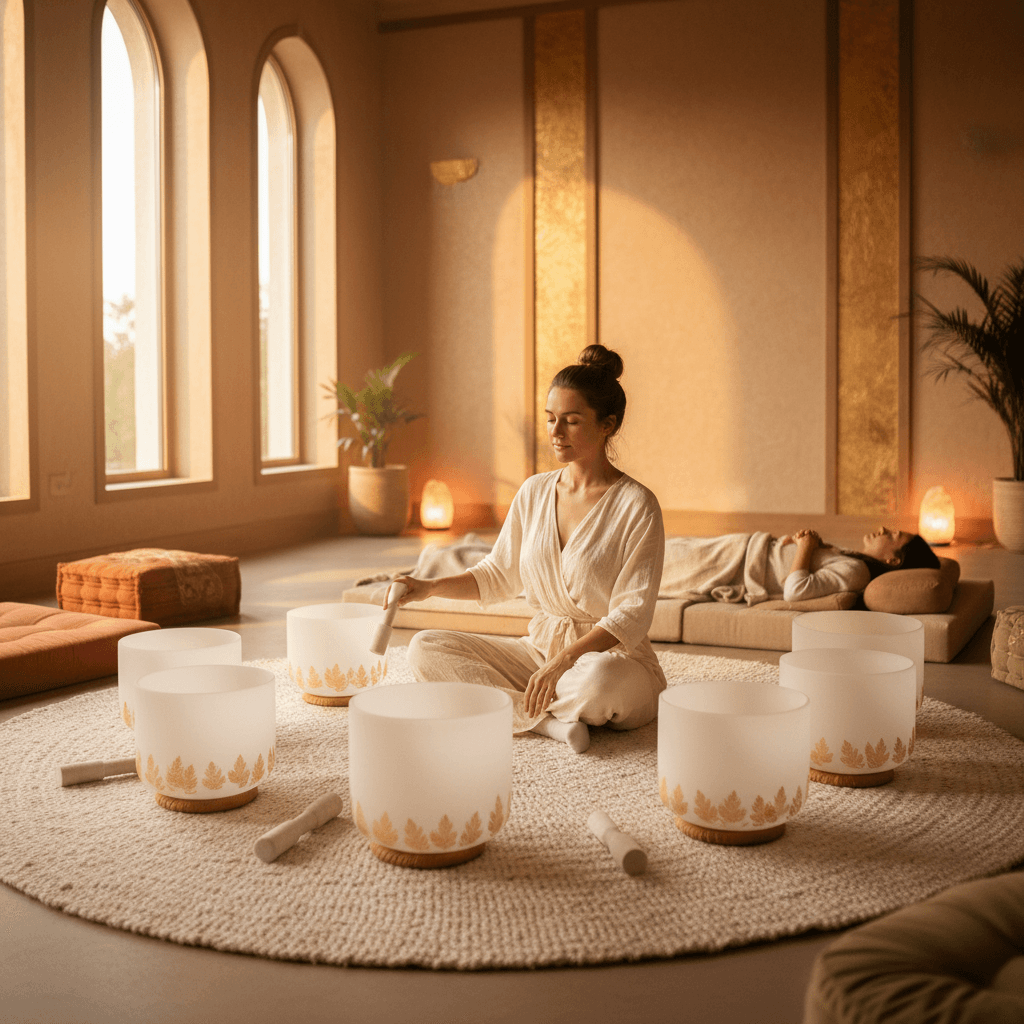
Larissa utilizes a diverse array of instruments, each chosen for its specific vibrational qualities and emotional resonance. The deep, sustained tones of large gongs can help to clear energetic blockages and encourage profound surrender, while the crystalline frequencies of singing bowls promote mental clarity and emotional release. Tuning forks are often employed for targeted therapeutic vibrations, engaging specific energy centers within the body.
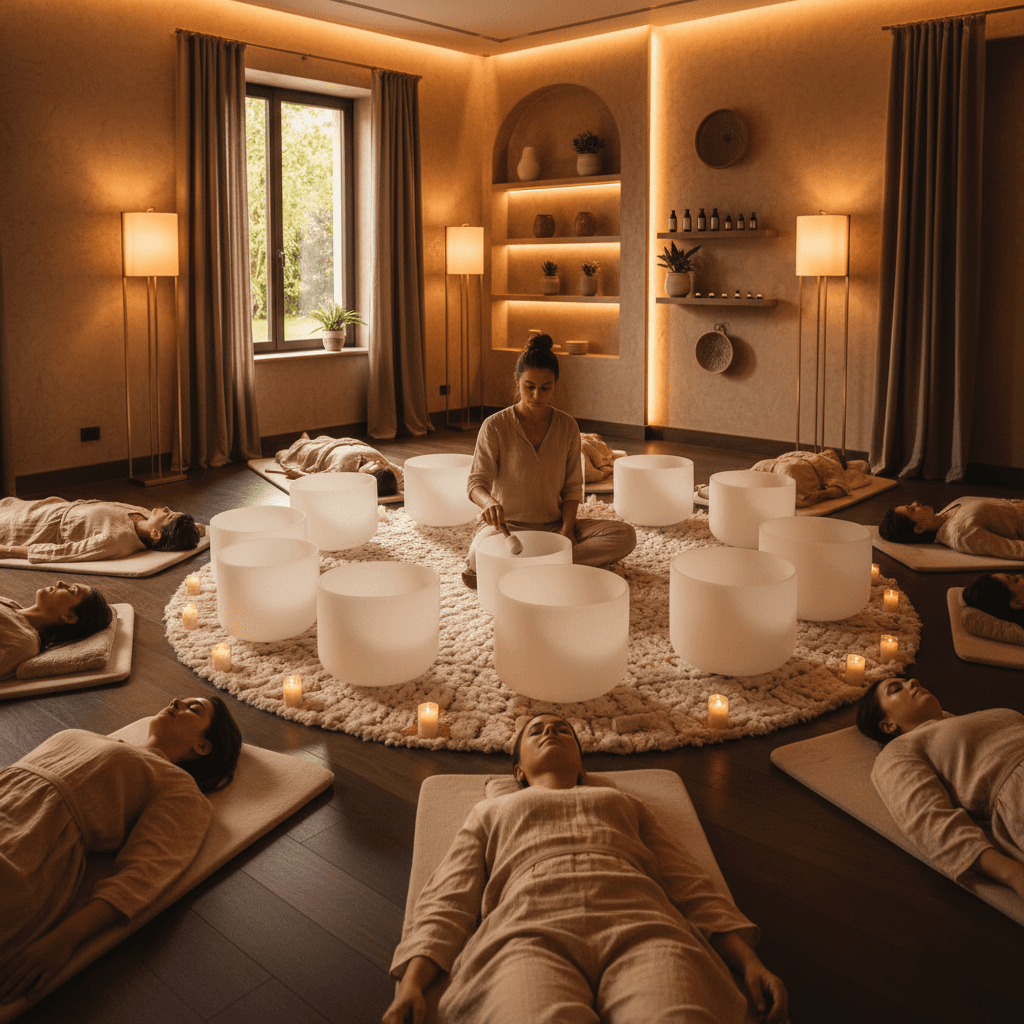
What makes the Soul Art method unique is Larissa Steinbach’s ability to intuitively tailor each session, whether it’s a group sound bath or an individual journey. She masterfully weaves together these powerful sonic tools to create a symphony of healing that meets each client exactly where they are. This personalized attention ensures that the sound journey supports an authentic emotional process, fostering self-awareness and inner harmony.
Beyond the instruments, the environment at Soul Art is meticulously designed to support deep relaxation and introspection. Soft lighting, comfortable settings, and a serene ambiance contribute to a holistic experience that encourages clients to let go and fully immerse themselves in the healing vibrations. It is a space where vulnerability is embraced and transformation is gently invited.
Your Next Steps
Embracing your emotional landscape, including sadness, is a powerful act of self-care. Sound wellness offers a unique and gentle pathway to navigate these feelings, moving towards a state of greater peace and emotional resilience. If you're ready to explore this complementary approach, here are some actionable steps you can take today:
- Mindful Listening: Start by simply listening to instrumental music that resonates with you, even if it’s melancholic. Pay attention to how the sound feels in your body and what emotions it evokes without judgment. Notice if it leads to relaxing or moving sadness.
- Explore Binaural Beats: Research shows binaural beats may influence anxiety and improve cognition. Explore apps or online resources that offer binaural beat tracks for relaxation or focus. Listen with headphones for the best effect.
- Connect with Nature's Sounds: Spending time in nature, listening to the sounds of waves, rustling leaves, or birdsong, can have a calming effect on the nervous system. These natural soundscapes can provide a gentle form of sound therapy.
- Prioritize Rest and Reflection: Recognize that processing emotions, including sadness, requires energy. Create dedicated time for quiet reflection, perhaps journaling while listening to soothing sounds, to allow emotions to surface and integrate.
- Experience a Professional Sound Journey: Consider booking a session at Soul Art. Our expert guidance and carefully curated sound environments can provide a safe and profound space for emotional release and deep relaxation. This is a powerful way to truly experience the benefits firsthand.
In Summary
The journey of emotional well-being is deeply personal, and sadness is a natural, invaluable part of the human experience. Sound wellness offers a profound, scientifically-supported pathway to honor these complex emotions, providing a sanctuary for expression and release. By engaging with carefully selected frequencies and vibrations, individuals may find a unique form of peace that transcends traditional coping mechanisms.
At Soul Art, under the compassionate guidance of Larissa Steinbach, we invite you to explore how the therapeutic power of sound can transform your relationship with sadness. Our unique approach fosters a safe environment for authentic emotional processing, paving the way for enhanced mood, reduced stress, and ultimately, a more resilient and harmonious inner life. Discover how to move with your emotions, not against them, through the profound practice of sound wellness.
Bookings Coming Soon
Soul Art is still in preparation. Session details and booking will be published here after launch.
Coming Soon
Wellness Disclaimer: This article is for educational and informational purposes only. It does not constitute medical advice, diagnosis, or treatment. Soul Art Dubai provides non-medical wellness experiences focused on relaxation, stress management, and general wellbeing. Sound wellness is a complementary practice and should not replace professional medical care.