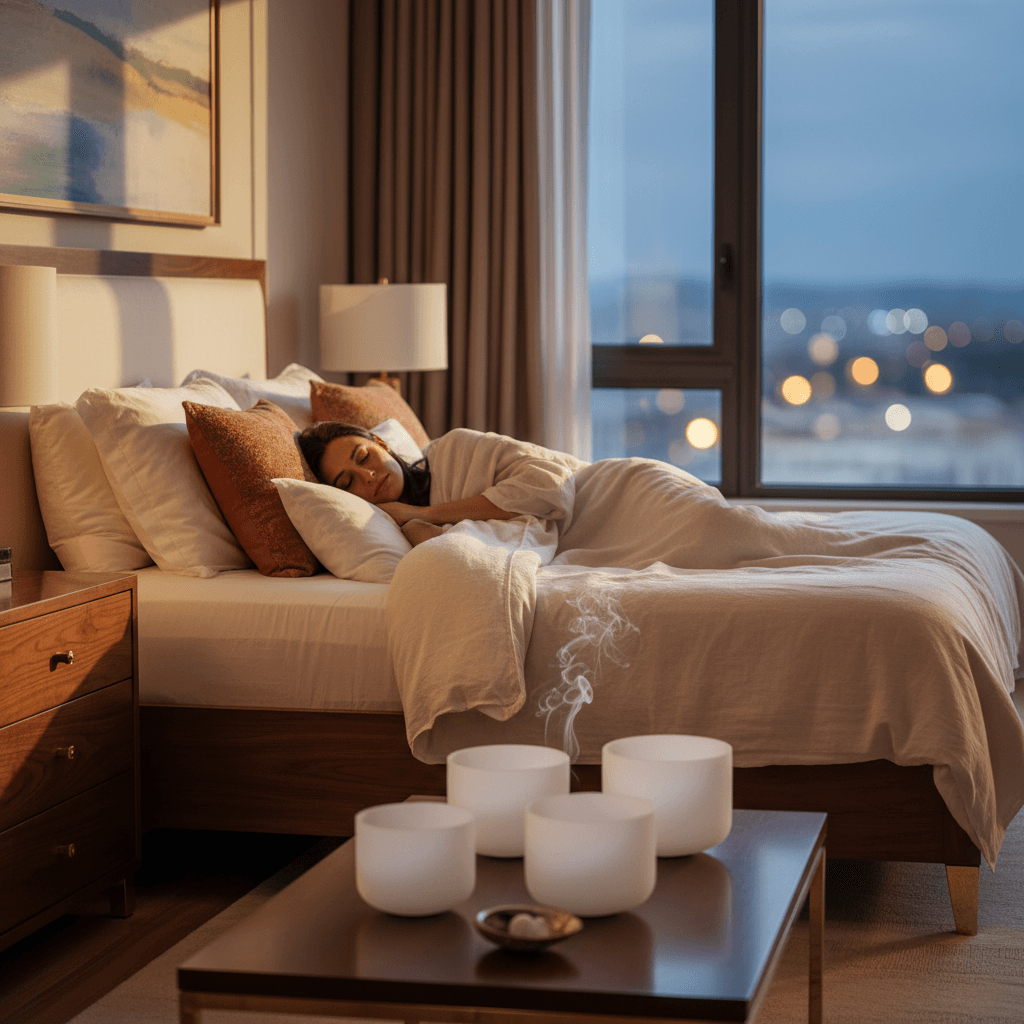
Restless Legs Syndrome: Sound Therapy for Deeper Relaxation
Key Insights
Explore how sound therapy at Soul Art Dubai, founded by Larissa Steinbach, may offer a complementary pathway to ease Restless Legs Syndrome symptoms and enhance sleep quality.
Have you ever experienced an irresistible urge to move your legs, often accompanied by uncomfortable sensations like crawling, tingling, or aching? This distressing phenomenon, known as Restless Legs Syndrome (RLS), can disrupt sleep and significantly diminish one's quality of life. Affecting a considerable portion of the adult population, RLS remains a puzzling condition for many.
At Soul Art Dubai, we believe in exploring holistic pathways to support well-being, and emerging research sheds light on how sensory input can influence RLS symptoms. This article will delve into the science behind RLS and uncover how sound therapy, as a complementary wellness practice, may offer a unique approach to fostering profound relaxation and easing discomfort. Discover how Larissa Steinbach’s expertise at Soul Art guides individuals toward a more peaceful existence.
Join us as we explore the intricate connection between our brain, body, and the potential for resonant sound to offer a gentle, supportive experience for those navigating RLS. Understanding these links can empower you to seek new avenues for self-care and improve your overall well-being.
The Science Explained: Unpacking Restless Legs Syndrome
Restless Legs Syndrome, also referred to as Willis-Ekbom disease, is a neurological sensory-motor disorder characterized by an overwhelming, often irresistible urge to move the legs. These sensations are typically worse during periods of rest or inactivity, particularly in the evening or night, and are temporarily relieved by movement. The condition can lead to significant sleep disturbances, impacting daily functioning and mental health.
According to the National Sleep Foundation, approximately 10 percent of adults in the U.S. experience RLS at some point, with about 1 in 500 reporting symptoms severe enough to interfere with their quality of life, work productivity, or mental well-being. Its prevalence underscores the widespread need for effective management strategies. Understanding the underlying mechanisms is crucial for finding supportive solutions.
The Brain's "Move My Legs" Center
Recent research from Johns Hopkins University has deepened our understanding of RLS, suggesting its origins lie in the brain’s "move my legs" center. Dr. Richard Allen, professor of neurology, explains that the brain may send signals preparing to move a limb even when no movement is intended, leading to a state of "hyperarousal." The only immediate relief for this sensation is to actually move.
These findings suggest that RLS involves a complex interplay of neural signals, where the brain becomes 'amped up' without a clear purpose. Researchers are investigating whether methods like transcranial magnetic stimulation (TMS) could calm or interrupt this hyperarousal, paving the way for non-pharmacological interventions. This highlights the brain's central role in initiating the discomfort.
Genetic Predisposition and Neurochemical Imbalances
RLS often has a strong genetic component, especially in its primary (idiopathic) form, with many patients reporting a family history of the condition. Studies indicate that 50 to 60 percent of individuals with primary RLS have a first-degree relative affected by it, pointing to a predominantly autosomal dominant pattern of inheritance. Multiple genetic risk loci, including MEIS1, BTBD9, and PTPRD, have been identified.
Beyond genetics, neurochemical imbalances, particularly involving dopamine, are strongly implicated in RLS. Dopamine plays a vital role in controlling muscle movement and is believed to be dysregulated in individuals with RLS. While dopamine agonists have historically been used for treatment, their long-term use can unfortunately lead to augmentation syndrome, where symptoms worsen or appear earlier in the day. This has prompted a shift towards alternative pharmacological and non-pharmacological approaches.
The Promise of Non-Pharmacological Interventions
The limitations of some conventional medications, especially dopamine agonists, have spurred increased interest in non-pharmacological approaches for RLS symptom management. The American Academy of Sleep Medicine (AASM) now provides updated guidelines, emphasizing a broader range of therapeutic options. These include various physiotherapeutic therapies and lifestyle modifications.
Research highlights the potential benefits of:
- Exercise and Stretching: Regular, moderate exercise and specific stretching routines can significantly alleviate RLS symptoms and improve sleep quality.
- Hydrotherapy: Cold applications and therapies like Kneipp hydrotherapy have shown promise in reducing symptom severity and enhancing overall well-being.
- Acupuncture and Acupressure: Traditional Chinese medicine practices have been found to reduce symptom severity compared to control groups in various studies.
- Electrical Stimulation (ES): Studies involving portable Electrical Stimulation (ES) devices, particularly bilateral lower leg stimulation in tapping mode, have demonstrated a considerable reduction in symptom severity. A wearable device for peroneal nerve stimulation before bedtime is now conditionally recommended.
- Vibrating Pads: A significant study involving 158 RLS patients found that four weeks of treatment with vibrating pads safely improved sleep quality more effectively than sham pads. This particular finding offers a compelling link to the therapeutic potential of tactile vibration.
These diverse approaches underscore the body’s responsiveness to various forms of sensory input and movement-related interventions. They offer hope for managing RLS symptoms without sole reliance on medication, focusing instead on holistic self-care and complementary practices.
How It Works in Practice: The Calming Resonance of Sound
The insights from RLS research, particularly regarding the efficacy of vibrating pads and electrical stimulation, provide a fascinating bridge to understanding the potential benefits of sound therapy. While distinct in their application, these modalities share a common thread: the use of external sensory input to influence physiological and neurological states. Sound therapy harnesses this principle by introducing specific frequencies and vibrations to the body and mind.
When you experience a sound bath or sound meditation, you are immersed in an environment rich with specific sonic frequencies. Instruments like gongs, Himalayan singing bowls, and crystal bowls produce deep, resonant tones that not only register audibly but also create palpable vibrations. These vibrations travel through the air and are absorbed by the body, offering a gentle, non-invasive form of sensory stimulation. This can be particularly relevant for RLS, where the brain's 'hyperarousal' or the need for physical input is a key characteristic.
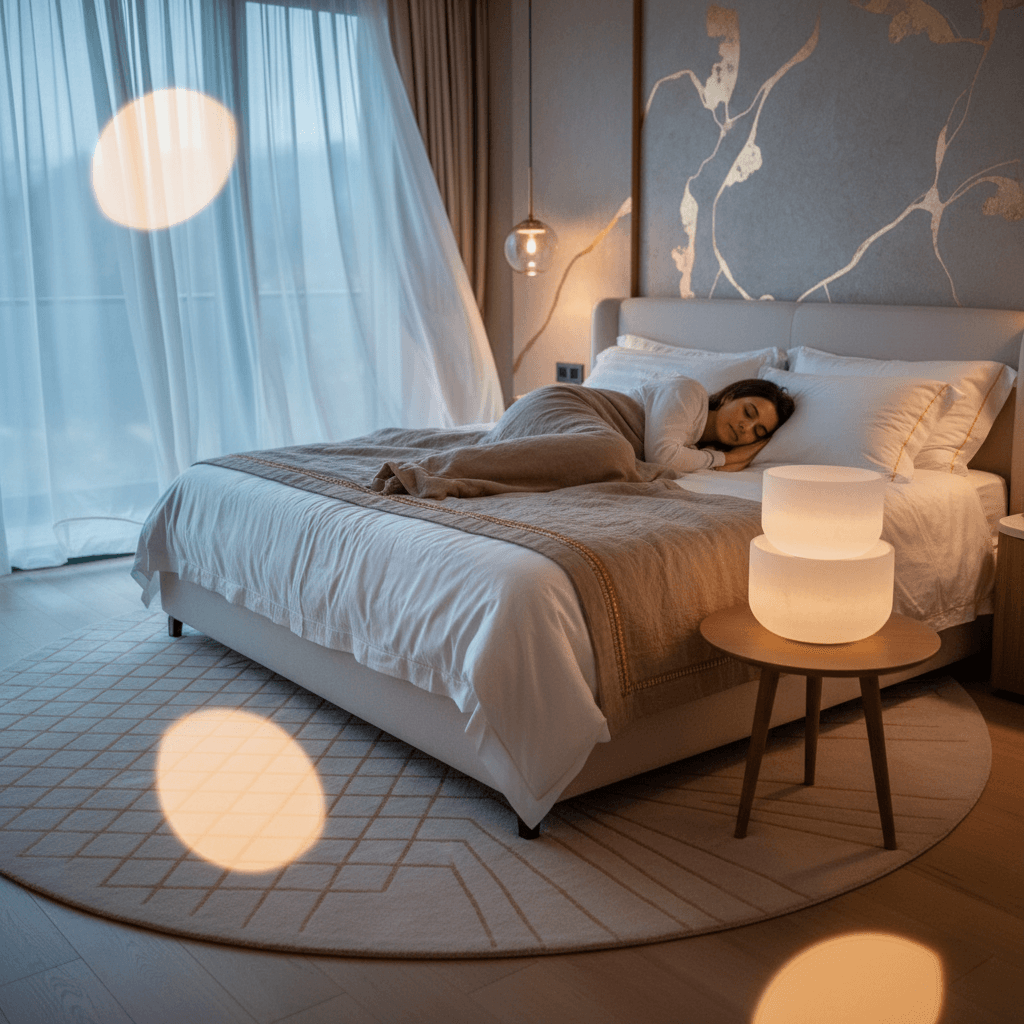
The experience often begins with lying down in a comfortable position, allowing your body to fully receive the sounds and vibrations. As the sounds unfold, clients typically report a profound sense of relaxation washing over them. The brain’s activity naturally shifts from the alert beta waves often associated with anxiety and restlessness to the more relaxed alpha and theta brainwave states. This shift is crucial for calming the nervous system.
"In the stillness of sound, the restless mind finds a gentle anchor, allowing the body to settle into a natural state of ease."
This deliberate transition into a relaxed state can counteract the 'amped-up' signals associated with RLS. The sustained, soothing vibrations can provide a continuous, yet gentle, form of proprioceptive input to the legs and entire body. This sensory input may subtly distract the brain from the uncomfortable sensations, offering a sense of grounding and calm without requiring conscious, forceful movement. It's a therapeutic "movement" without the effort, guiding the body toward a state of rest.
Furthermore, sound therapy is a powerful tool for nervous system regulation. It encourages the activation of the parasympathetic nervous system, responsible for the body's 'rest and digest' functions. This can lead to a reduction in stress hormones, lowered heart rate, and deeper, more rhythmic breathing. For individuals grappling with RLS, which often worsens with stress and sleep deprivation, this deeply restorative effect may contribute significantly to symptom alleviation and improved sleep quality. It allows the mind and body to unwind from the daily tensions that can exacerbate restless sensations.
The Soul Art Approach: Larissa Steinbach's Philosophy
At Soul Art Dubai, we believe in the profound power of sound to restore balance and harmony within the individual. Larissa Steinbach, founder of Soul Art, is a visionary in the field of sound wellness, dedicated to creating immersive experiences that nurture the nervous system and promote holistic well-being. Her approach to sound therapy is deeply rooted in scientific understanding combined with an intuitive grasp of human needs.
Larissa's philosophy centers on the idea that true wellness comes from aligning our inner self with the rhythms of life. For those experiencing RLS, this means creating a sanctuary where the body and mind can truly let go. Soul Art sessions are meticulously crafted to provide a safe, nurturing space for deep relaxation and release. The environment itself is designed to evoke a sense of peace, preparing the individual for the transformative journey of sound.
The unique Soul Art method integrates a diverse array of resonant instruments, each carefully selected for its specific energetic properties and vibrational qualities. Clients at Soul Art experience the rich, undulating tones of large gongs, known for their powerful ability to clear energy and induce deep meditative states. They are enveloped by the pure, crystalline sounds of crystal singing bowls, which resonate with the body's natural frequencies, and the ancient, earthy vibrations of Himalayan singing bowls, placed strategically around or even directly on the body to maximize tactile sensation.
Larissa Steinbach curates each soundscape with intention, guiding participants through a sonic journey that encourages the brain to shift into restorative alpha and theta states. The gentle yet pervasive vibrations work on a cellular level, inviting muscles to relax and the mind to quieten. This deliberate, guided relaxation is designed to mitigate the underlying "hyperarousal" that contributes to RLS symptoms, offering a potent counter-response to the body's restless signals. It’s an invitation to surrender to the wisdom of sound.
Soul Art's expertise lies in facilitating this profound nervous system reset, allowing individuals to experience moments of stillness and calm that can be elusive when living with RLS. The personalized attention and tranquil studio environment distinguish the Soul Art experience, making it a premier destination for those seeking innovative self-care practices in Dubai. Larissa's dedication ensures that each session is a journey toward inner peace and physical comfort.
Your Next Steps: Embracing Complementary Wellness
Navigating Restless Legs Syndrome requires a multifaceted approach, and incorporating complementary wellness practices can be a powerful step toward enhanced comfort and sleep. While sound therapy offers a promising avenue for relaxation and symptom support, it is crucial to remember its role as a complementary practice. Always consult with your healthcare provider for diagnosis, treatment, and before making any significant changes to your health regimen, especially concerning medication.
Consider these actionable steps to integrate complementary wellness into your routine:
- Explore Sound Wellness Sessions: Immerse yourself in the restorative power of sound. Attending a sound bath or sound meditation session, such as those offered by Larissa Steinbach at Soul Art Dubai, can introduce you to deep relaxation and nervous system regulation. This experience may offer a unique form of sensory input that helps calm restless sensations.
- Cultivate a Calming Evening Routine: Dedicate the hour before bed to winding down. This might include a warm bath, gentle stretching, reading a book, or listening to soothing music. Avoid screens and mentally stimulating activities that can exacerbate RLS symptoms.
- Incorporate Mindful Movement: While vigorous exercise close to bedtime can be counterproductive, light, mindful movement earlier in the day may be beneficial. Practices like yoga or gentle stretching can improve circulation and reduce tension in the legs.
- Assess Lifestyle Factors: Review your intake of stimulants like caffeine and alcohol, as these can trigger or worsen RLS symptoms. Additionally, discuss with your doctor whether you might benefit from checking your iron, magnesium, or folate levels, as deficiencies have been associated with RLS in some individuals.
- Practice Deep Breathing and Meditation: Simple breathwork techniques or guided meditation can help to calm the nervous system and manage stress. Even a few minutes of focused breathing can shift your body into a more relaxed state, potentially easing discomfort.
By proactively integrating these practices, you can create a supportive environment for your body and mind, working towards greater comfort and improved sleep quality. Embracing a holistic perspective empowers you to take an active role in your well-being journey.
Bookings Coming Soon
Soul Art is still in preparation. Session details and booking will be published here after launch.
Coming Soon
In Summary: Finding Solace in Sound
Restless Legs Syndrome presents a significant challenge for many, profoundly impacting sleep and daily comfort due to its complex neurological origins. While research continues to unravel its mechanisms, the growing body of evidence supporting sensory interventions — from vibrating pads to electrical stimulation — offers new hope for symptom relief. These approaches highlight the body's innate responsiveness to targeted input, fostering a state of calm.
Sound therapy, as championed by Larissa Steinbach at Soul Art Dubai, emerges as a sophisticated and gentle complementary wellness practice. By immersing the body in harmonious vibrations and frequencies, it may help regulate the nervous system, mitigate the brain’s "hyperarousal," and provide a comforting form of sensory input. This can lead to a profound sense of relaxation and potentially reduce the intensity of RLS symptoms, supporting a path towards better sleep.
We invite you to explore the serene world of Soul Art, where the ancient wisdom of sound meets modern scientific understanding. Discover how a carefully curated sound bath can become an invaluable part of your self-care regimen, guiding you towards enhanced well-being and a more peaceful night’s rest. Let the resonant frequencies support your journey to tranquility.
Wellness Disclaimer: This article is for educational and informational purposes only. It does not constitute medical advice, diagnosis, or treatment. Soul Art Dubai provides non-medical wellness experiences focused on relaxation, stress management, and general wellbeing. Sound wellness is a complementary practice and should not replace professional medical care.
Related Articles
Fan Noise and Sleep: Unmasking the Science Behind White Noise Machines for Deeper Rest
Polyphasic Sleep & Sound Healing: Navigating Restorative Rhythms
REM Rebound: Mastering the Art of Recovering Lost Dream Sleep