Relationship Anxiety: Sound Wellness for Secure Attachment in Dubai
Key Insights
Discover how sound wellness at Soul Art Dubai supports secure attachment, reduces relationship anxiety, and fosters emotional resilience.
Did you know that the echoes of early childhood experiences can silently shape the comfort you feel in your adult relationships? For many, these echoes manifest as relationship anxiety, a persistent unease that can undermine connection and well-being. This profound anxiety often stems from insecure attachment styles, learned patterns that influence how we relate to others.
At Soul Art Dubai, we understand the intricate dance between your inner world and your relational experiences. This article delves into the science behind attachment, explores the impact of relationship anxiety, and reveals how sound wellness, a powerful complementary practice, may support the journey towards secure attachment. Join us as we uncover a path to greater emotional resilience and deeper, more satisfying connections.
The Science Explained: Unpacking Attachment and Anxiety
Our capacity for forming secure, loving relationships is profoundly influenced by our attachment style, largely shaped by early interactions with caregivers. While secure attachment fosters trust and comfort in intimacy, insecure styles—anxious, avoidant, and disorganized—can lead to persistent challenges in adult relationships. Research indicates that these patterns are not permanent; the brain possesses remarkable neuroplasticity, allowing for growth and change.
Understanding Attachment Styles and Their Impact
Attachment theory delineates four primary styles, each characterized by distinct thoughts and behaviors within relationships. A secure attachment is marked by a comfort with both intimacy and independence, a belief in one's own worth, and trust in a partner's responsiveness. In contrast, insecure attachment styles often fuel relationship anxiety.
Individuals with high attachment anxiety tend to worry about their partner's availability and responsiveness, frequently fearing abandonment or seeking excessive reassurance. This hypervigilance can lead to a more pessimistic attribution style and increased perceived conflict in relationships. Such anxiety is consistently associated with lower relationship satisfaction for both the individual and their partner.
Attachment avoidance, another insecure style, involves discomfort with closeness and a preference for self-reliance. Those high in avoidance may believe others cannot be trusted, leading them to suppress emotional needs and avoid vulnerability. Both anxious and avoidant attachment styles are linked to decreased relationship satisfaction and an increased propensity for negative affect during interactions.
The Physiology of Relationship Anxiety
Relationship anxiety is not merely an emotional state; it has tangible physiological roots. For individuals with anxious attachment, their nervous system often operates with a sensitized threat system, misinterpreting normal partner behaviors as danger signals. This can trigger a chronic state of arousal, similar to the body's fight-or-flight response.
During emotional conflict, for example, studies have shown that individuals with higher attachment anxiety exhibit increased physiological reactivity. This includes elevated cortisol levels – the body's primary stress hormone – and a slower return to baseline after stressful interactions. This persistent state of physiological stress can manifest as hyperactivation of fear circuits in the brain, impacting sleep, immunity, and even blood pressure over time.
Stress, whether external or relationship-related, has been shown to exacerbate attachment issues, even in those who are typically secure. Frequent arguments or relationship turmoil can heighten this physiological burden, making it harder to regulate emotions and respond constructively. This creates a challenging cycle, where anxiety fuels stress, which in turn reinforces insecure attachment patterns.
Neuroplasticity: The Brain's Capacity for Secure Transformation
The good news is that attachment patterns are not fixed; the brain is remarkably adaptable, a concept known as neuroplasticity. This means that individuals can develop "earned secure attachment" in adulthood, fostering new beliefs and behaviors that promote healthier relationship dynamics. The brain can literally rewire itself.
Research consistently shows that through self-awareness, emotional skill-building, and engaging in supportive practices, individuals can strengthen neural pathways that promote security. This involves learning to identify distorted thinking patterns, challenge catastrophic assumptions, and develop healthier responses to emotional triggers. By actively engaging in practices that regulate the nervous system and cultivate emotional resilience, we can intentionally shift towards more secure ways of relating. This adaptability forms the core of an integrated approach to well-being.
How It Works in Practice: Cultivating Secure Attachment Through Holistic Skills
Moving towards secure attachment involves a conscious and integrated approach that addresses thoughts, emotions, and behaviors. It's about developing a suite of skills that empower individuals to navigate their relationships with greater confidence and calm. These skills directly counter the triggers and responses associated with insecure attachment, paving the way for more satisfying connections.
Key Skills for Secure Attachment Development
The journey to secure attachment is multifaceted, requiring deliberate practice and self-compassion. Several key skills, supported by research, form the foundation of this transformative process:
- Learn About Your Attachment Style: Gaining knowledge about the four main attachment styles empowers you to recognize recurring patterns in your relationship history. Understanding your style, and that of others, provides a framework for breaking unhelpful cycles and making informed choices. This self-awareness is the first step towards intentional change.
- Increase Your Emotional Awareness: The ability to understand, manage, and tolerate your emotions is crucial for attachment security. When emotional regulation is challenging, individuals may become more reactive in relationships, hindering connection. Practices that enhance emotional awareness allow you to empathize more deeply with yourself and your partner, fostering a sense of shared understanding.
- Communicate Openly and Listen Empathetically: Secure attachment thrives on clear, respectful communication. This means openly expressing your hopes, fears, and concerns, while also listening empathetically to your partner. Non-verbal cues, such as eye contact and physical presence, play an equally vital role in defusing tension and ensuring both partners feel heard and understood, even amidst disagreement.
- Minimize Stressors and Practice Self-Care: Stress is a significant amplifier of attachment issues. Proactive self-care is essential to mitigate its impact. This includes engaging in calming activities, addressing conflicts before they escalate, and dedicating time to personal well-being. By reducing overall stress, you create a more stable internal environment conducive to secure relating.
Self-Soothing Strategies for Anxious Attachment
For those prone to anxious attachment triggers, developing effective self-soothing strategies is paramount. These practices help to interrupt the sensitized threat system and bring the nervous system back into balance. Securely attached individuals naturally employ many of these strategies:
- Awareness of Emotions and Thoughts: Recognizing how your internal states influence each other allows you to observe triggers without immediately reacting. This meta-awareness is a cornerstone of emotional intelligence.
- Open Dialogue with Loved Ones: Talking through your feelings with trusted partners or friends can provide external regulation and reassurance, preventing internal rumination from spiraling.
- Stepping Away from Overwhelming Situations: If an emotional situation feels uncontrollable, removing yourself temporarily can prevent escalation and allow for a more measured response. This is not avoidance, but conscious self-regulation.
- Journaling Thoughts and Feelings: Writing can be a powerful tool for externalizing internal anxieties, helping to process emotions and identify patterns without immediate pressure.
- Engaging in Mindfulness or Therapy: Practices like meditation cultivate present-moment awareness, reducing reactivity. Therapy provides a structured environment to explore and reframe attachment patterns.
- Physical Activity: Exercise is a well-documented stress reliever, increasing endorphins and helping to regulate the nervous system, which can directly alleviate physiological anxiety.
Ultimately, these actions work with your thoughts, emotions, and behaviors, providing an integrated approach to breaking old patterns. By consistently applying these strategies, individuals can begin to model behaviors on those with secure attachment, strengthening the neural pathways that promote balanced and healthy responses in future situations. This deliberate cultivation of inner calm and relational skills forms the bridge between scientific understanding and lived experience.
The Soul Art Approach: Sound for Nervous System Regulation and Emotional Resilience
At Soul Art Dubai, founded by the visionary Larissa Steinbach, we harness the profound power of sound to support individuals in cultivating secure attachment and navigating relationship anxiety. Our approach integrates scientific understanding with ancient wisdom, offering a unique pathway to nervous system regulation and enhanced emotional awareness. Sound wellness is not a cure, but a powerful complementary practice that supports the foundational changes needed for secure relating.
Larissa Steinbach's methodology is centered on creating an immersive, therapeutic environment where the body's natural capacity for self-healing and regulation can flourish. Through carefully curated soundscapes, we aim to guide participants into states of deep relaxation, where the overactive sympathetic nervous system (responsible for fight-or-flight) can quieten, allowing the parasympathetic nervous system (responsible for rest and digest) to activate. This physiological shift is crucial for mitigating the chronic stress associated with relationship anxiety.
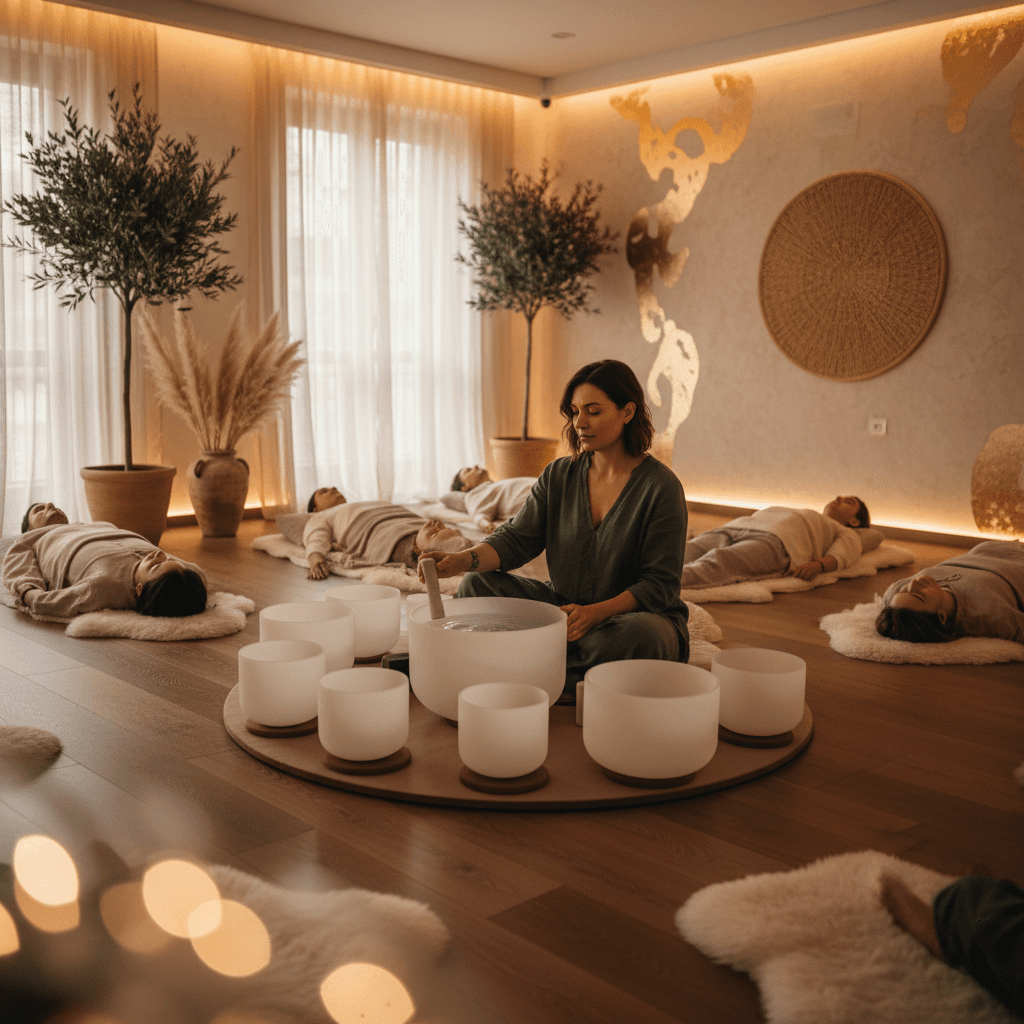
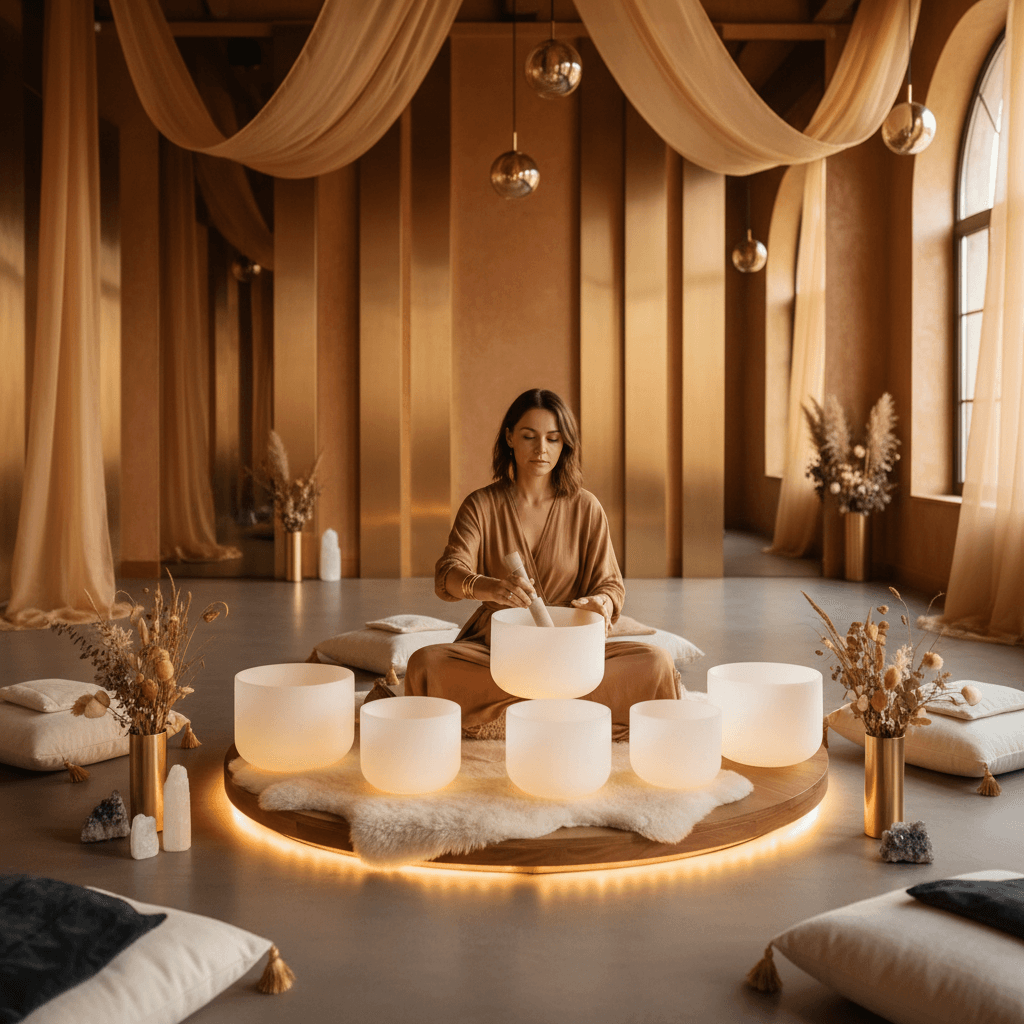
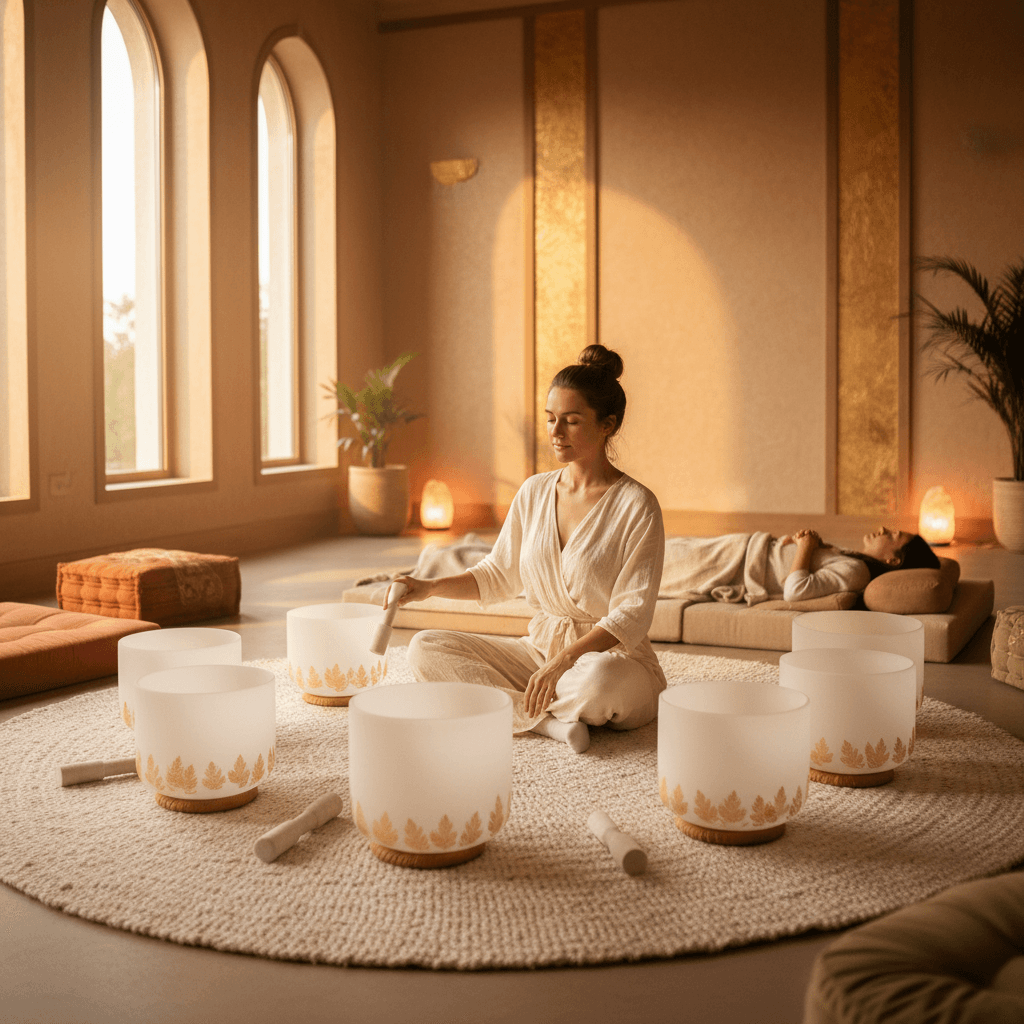
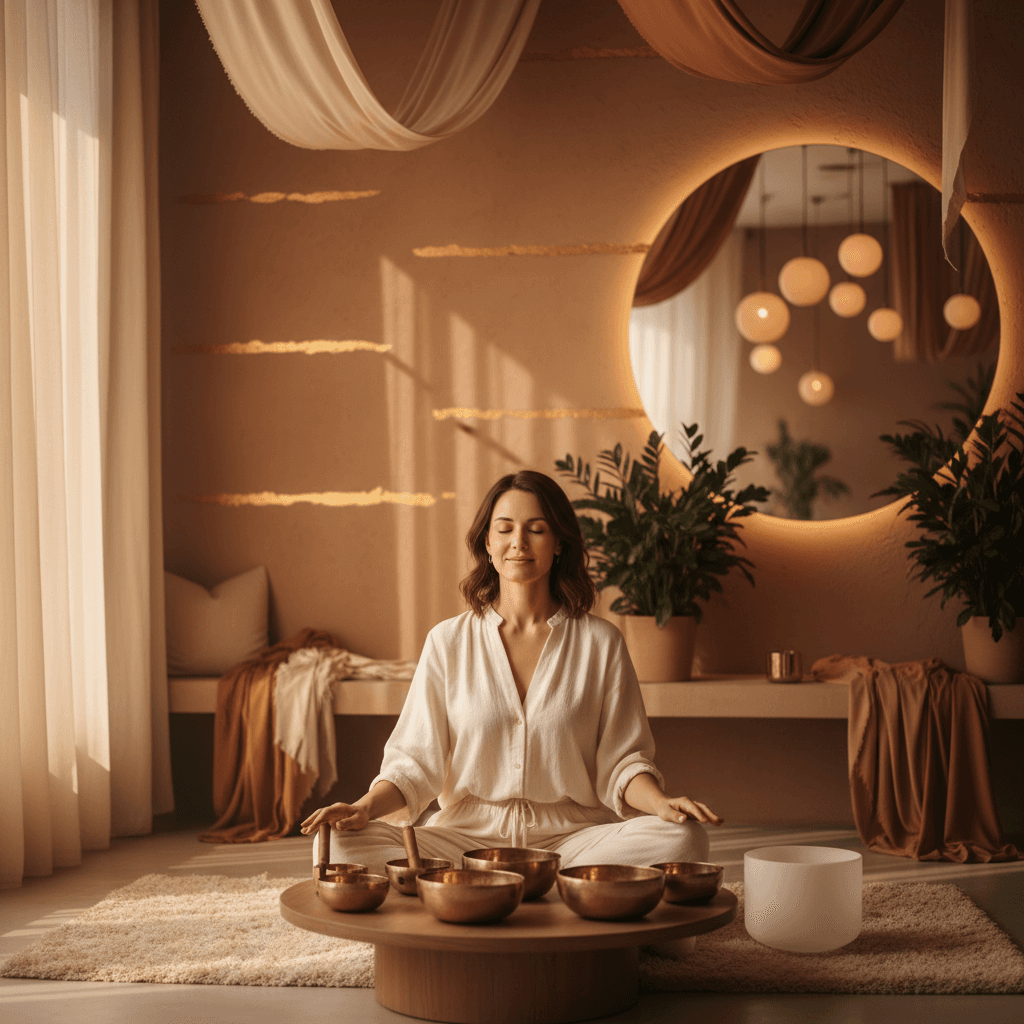
The unique blend of instruments used at Soul Art, including crystal singing bowls, Himalayan singing bowls, gongs, chimes, and tuning forks, creates a rich tapestry of frequencies and vibrations. These sounds are believed to interact with our brainwaves, gently guiding them from alert beta states towards more relaxed alpha and meditative theta states. In these deeper states of consciousness, the mind becomes calmer, less reactive, and more open to introspection and emotional processing.
How Sound Supports Secure Attachment Skills
The Soul Art method specifically supports the development of skills vital for secure attachment:
- Enhanced Emotional Awareness: During a sound immersion, the absence of external distractions allows for a heightened focus on internal sensations and emotions. This mindful presence can help individuals become more attuned to their emotional landscape, a critical step in managing reactivity.
- Stress Reduction and Nervous System Regulation: By consistently lowering cortisol levels and promoting parasympathetic activation, sound wellness acts as a potent stress management tool. A calmer nervous system is better equipped to handle emotional triggers without spiraling into anxiety, making it easier to engage in open communication rather than defensiveness.
- Cultivating Self-Soothing Capacities: The deep relaxation induced by sound provides a direct experience of internal peace and safety. This repeated experience can strengthen an individual's innate capacity for self-soothing, offering an alternative to reassurance-seeking behaviors often seen in anxious attachment.
- Building a Foundation for Trust: While sound doesn't directly teach communication, it creates an internal state of calm and openness. This inner equilibrium can make it easier to approach relationships with a sense of trust and vulnerability, rather than fear or avoidance.
Larissa Steinbach's expertise ensures that each session is a finely tuned experience designed to facilitate profound internal shifts. The ambient, non-invasive nature of sound wellness provides a gentle yet powerful means to cultivate the inner calm, resilience, and self-awareness that form the bedrock of secure attachment. Soul Art offers a sanctuary in Dubai for those seeking a holistic, complementary approach to emotional well-being and healthier relationships.
"The subtle vibrations of sound can recalibrate our deepest inner rhythms, reminding us that safety and calm reside not just externally, but within us."
Your Next Steps: Cultivating Connection and Calm
The journey towards secure attachment is a personal one, but it is deeply enhanced by intentional practice and supportive environments. You are not stuck with your childhood blueprint; transformation is always possible. Incorporating small, consistent shifts into your daily life can build significant momentum towards greater relational satisfaction and reduced anxiety.
Here are practical steps you can start implementing today:
- Engage in Self-Reflection: Begin by exploring resources on attachment styles to better understand your own patterns and triggers. Simply observing your reactions in relationships without judgment can be incredibly insightful.
- Prioritise Nervous System Regulation: Dedicate time each day to activities that calm your mind and body. This could be mindfulness, deep breathing exercises, gentle movement, or the profound relaxation offered by sound wellness.
- Practice Emotional Awareness: Take moments throughout your day to check in with your emotions. Identify what you're feeling and where you feel it in your body. This practice builds resilience and reduces reactivity.
- Seek Supportive Environments: Surround yourself with individuals who offer healthy relational modeling and emotional support. Consider exploring wellness practices that foster a sense of belonging and calm.
- Explore Complementary Wellness: If you're struggling with relationship anxiety, consider how sound wellness or other holistic practices might support your journey. These approaches can provide a powerful foundation for emotional healing.
Remember, cultivating secure attachment is an ongoing process of growth and self-discovery. By taking these proactive steps, you invest in your emotional well-being, fostering a calmer self that is better equipped for authentic and satisfying connections.
Bookings Coming Soon
Soul Art is still in preparation. Session details and booking will be published here after launch.
Coming Soon
In Summary
Relationship anxiety, often rooted in insecure attachment styles, can significantly impact our well-being and the quality of our connections. However, the science of neuroplasticity confirms that secure attachment can be cultivated in adulthood through self-awareness, emotional skill-building, and nervous system regulation. Practices that reduce stress and enhance emotional capacity are key to fostering this transformation.
At Soul Art Dubai, Larissa Steinbach's unique sound wellness approach offers a profound complementary path. By gently guiding the nervous system into states of deep relaxation, sound supports the development of emotional awareness, self-soothing, and overall resilience. This holistic practice helps individuals to cultivate an inner sense of calm and safety, laying a vital foundation for more secure and fulfilling relationships. We invite you to explore the transformative power of sound and embark on your journey towards greater relational harmony.
Wellness Disclaimer: This article is for educational and informational purposes only. It does not constitute medical advice, diagnosis, or treatment. Soul Art Dubai provides non-medical wellness experiences focused on relaxation, stress management, and general wellbeing. Sound wellness is a complementary practice and should not replace professional medical care.