Healing Frequencies: Sound Wellness for Trauma & PTSD Recovery
Key Insights
Unlock the potential of sound wellness for PTSD recovery. Explore how specific frequencies and music listening may support nervous system regulation and emotional balance at Soul Art Dubai.
Compelling Introduction
Imagine a world where the very sounds around you, once triggers of distress, transform into sources of profound peace. For many living with Post-Traumatic Stress Disorder (PTSD), the auditory landscape can be fraught with anxiety, where unexpected noises trigger a cascade of fight, flight, or freeze responses. Yet, an ancient practice, refined with modern scientific understanding, offers a complementary path to rebalancing the nervous system.
This journal article delves into the fascinating world of sound wellness and its potential role in trauma recovery. We will explore the scientific mechanisms by which specific frequencies and music listening may support emotional regulation, reduce stress, and foster a sense of inner calm. Discover how these profound principles are brought to life at Soul Art, Dubai’s premier sound wellness studio, founded by Larissa Steinbach, offering a unique avenue for holistic well-being.
Understanding the intricate connection between sound, brain function, and emotional health is crucial for anyone seeking comprehensive wellness strategies. It illuminates a path where harmony can be restored, even in the aftermath of trauma, moving towards a life of greater peace and resilience.
The Science Explained
The human experience of sound is far more complex than simple auditory perception; it's a deep physiological and neurological interaction. For individuals experiencing the lingering effects of trauma, the brain’s delicate balance can be significantly disrupted, leading to heightened stress responses and difficulty with emotional regulation. Sound wellness practices offer a unique avenue to gently guide the body and mind back towards a state of equilibrium.
The Brain's Symphony: How Sound Reshapes Neural Pathways
Our brains are profoundly influenced by sound, which acts as a powerful stimulant for various neural circuits. Research indicates that music listening, particularly specific forms of structured sound, can activate the brain’s reward system. This activation is associated with an increase in dopamine, a neurotransmitter linked to pleasure and motivation, while simultaneously supporting a reduction in cortisol, the body’s primary stress hormone. As Alex Doman, author of Healing at the Speed of Sound, aptly puts it:
"Music has real health benefits. It boosts dopamine, lowers cortisol and it makes us feel great. Your brain is better on music."
Beyond the initial emotional response, targeted sound programs, such as The Listening Program (TLP), are designed to stimulate specific brain and autonomic nervous regions. The autonomic nervous system (ANS), responsible for involuntary bodily functions, plays a critical role in how we respond to stress. When trauma impacts the ANS, it can lead to an overactive sympathetic response (fight-or-flight) and an underactive parasympathetic response (rest-and-digest), throwing self-regulation processes out of balance. TLP aims to gently re-harmonize these systems.
Preliminary studies have demonstrated the potential benefits of such music-based treatments. In one trial involving veterans, 100% of participants reportedly showed improvements in heart rate variability (HRV) after just eight weeks. HRV is a key indicator of autonomic nervous system function and stress resilience. These participants also demonstrated reduced stress, burnout, and depression, suggesting a measurable impact on their overall well-being. The mechanism involves fostering a healthier balance within the ANS, which is crucial for those experiencing the chronic physiological impacts of PTSD.
Unpacking the Evidence: Music Therapy and PTSD
The application of music and sound for therapeutic purposes, often referred to as music therapy, has garnered increasing attention in the field of psychological trauma recovery. It is considered a non-pharmacological, non-verbal psychological wellness method that may facilitate emotional expression and regulation. This can be particularly valuable for individuals who find verbal processing of trauma challenging.
A recent systematic review and meta-analysis critically evaluated existing clinical evidence for music therapy in managing PTSD symptoms. The analysis included nine studies with a total of 527 PTSD patients. The results indicated that post-treatment PTSD symptom scores were significantly lower in the music therapy group compared to inactive control groups. Interestingly, the effects of music therapy were found to be comparable to those of active control groups, which often included standard psychological interventions.
However, it is important to note the findings also highlighted that the certainty level of evidence was rated as low, primarily due to high risks of bias in the included studies. This underscores the need for more methodologically rigorous research to strengthen the clinical evidence base for the efficacy and acceptability of music therapy for PTSD. Despite this, the consistent positive outcomes reported across various studies, including improvements in anxiety, depression, and sleep quality, suggest a promising role for music therapy as a complementary approach in wellness journeys. Many individuals report significant relief from psychological symptoms and an improved quality of life through engaging with music therapy practices.
Desensitizing the Startle Response
One of the most debilitating aspects of PTSD is the exaggerated startle response and heightened sensitivity to sound. Severe trauma can fundamentally alter the brain’s response to perceived danger, causing certain sounds, especially loud or unexpected noises, to instantly trigger intense anxiety or aggressive reactions. This hyper-vigilance keeps the nervous system in a constant state of alert, making relaxation incredibly difficult.
Sound wellness practices offer a strategy to gently retrain the brain’s response by potentially removing negative emotional associations to sound. This process, often referred to as "desensitising," involves carefully curated exposure to gentle sounds over time. This approach aims to gradually accustom the brain and nervous system to a wider range of auditory stimuli, helping to normalize reactions and reduce the intensity of the startle response. The goal is to create new, positive neural pathways for sound perception.
While psychological treatments such as Eye Movement Desensitisation Reprocessing (EMDR) and trauma-focused Cognitive Behavioral Therapy (CBT) are recommended for addressing the underlying condition of PTSD, sound wellness can serve as a supportive tool. It may help manage the physiological symptoms of hyperarousal and anxiety, making the process of engaging with other therapies potentially more manageable and effective. By creating a 'safe space' within the auditory landscape, individuals may find a greater capacity for self-regulation and emotional resilience.
How It Works in Practice
Transitioning from scientific understanding to practical application, sound wellness involves far more than simply listening to pleasant music. It's an immersive, multi-sensory experience designed to engage the body's natural healing capabilities. For individuals navigating the complexities of trauma recovery, these practices offer a gentle yet powerful pathway to restore inner harmony.
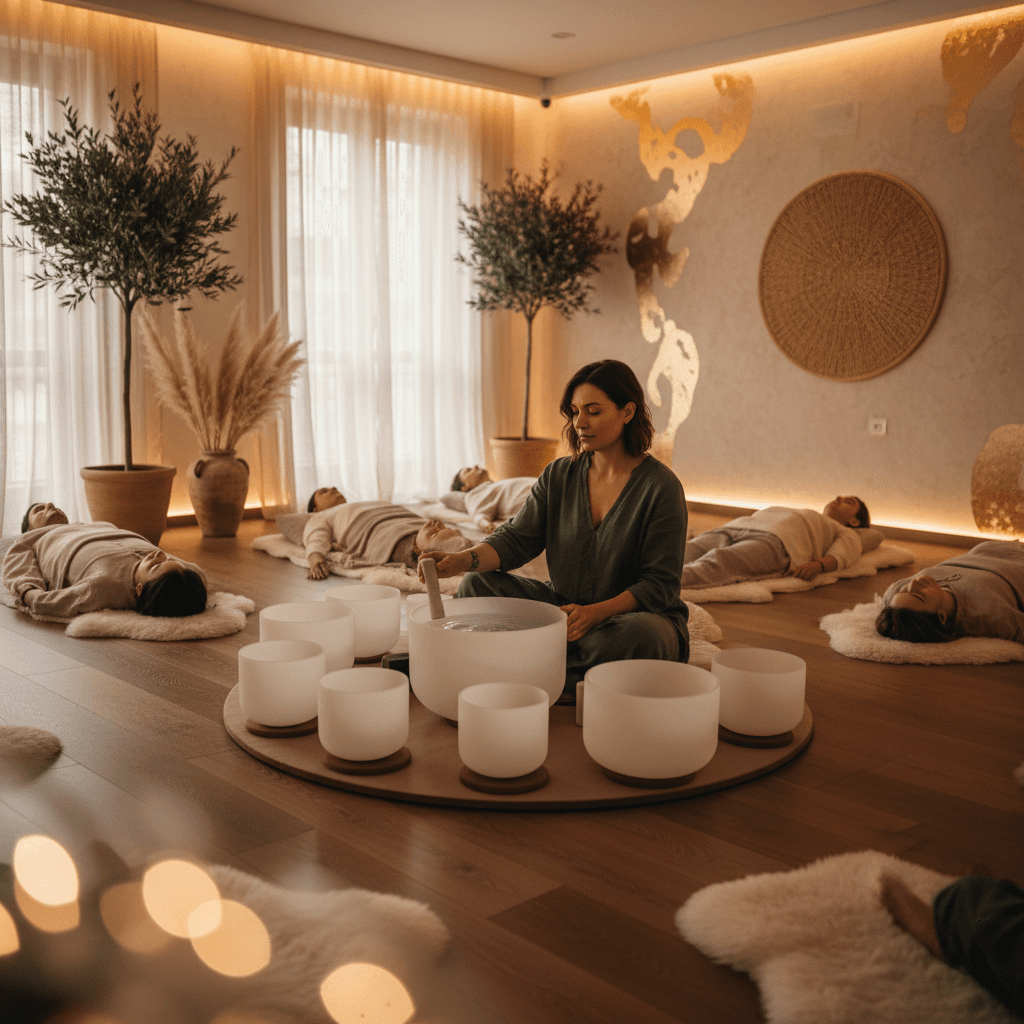
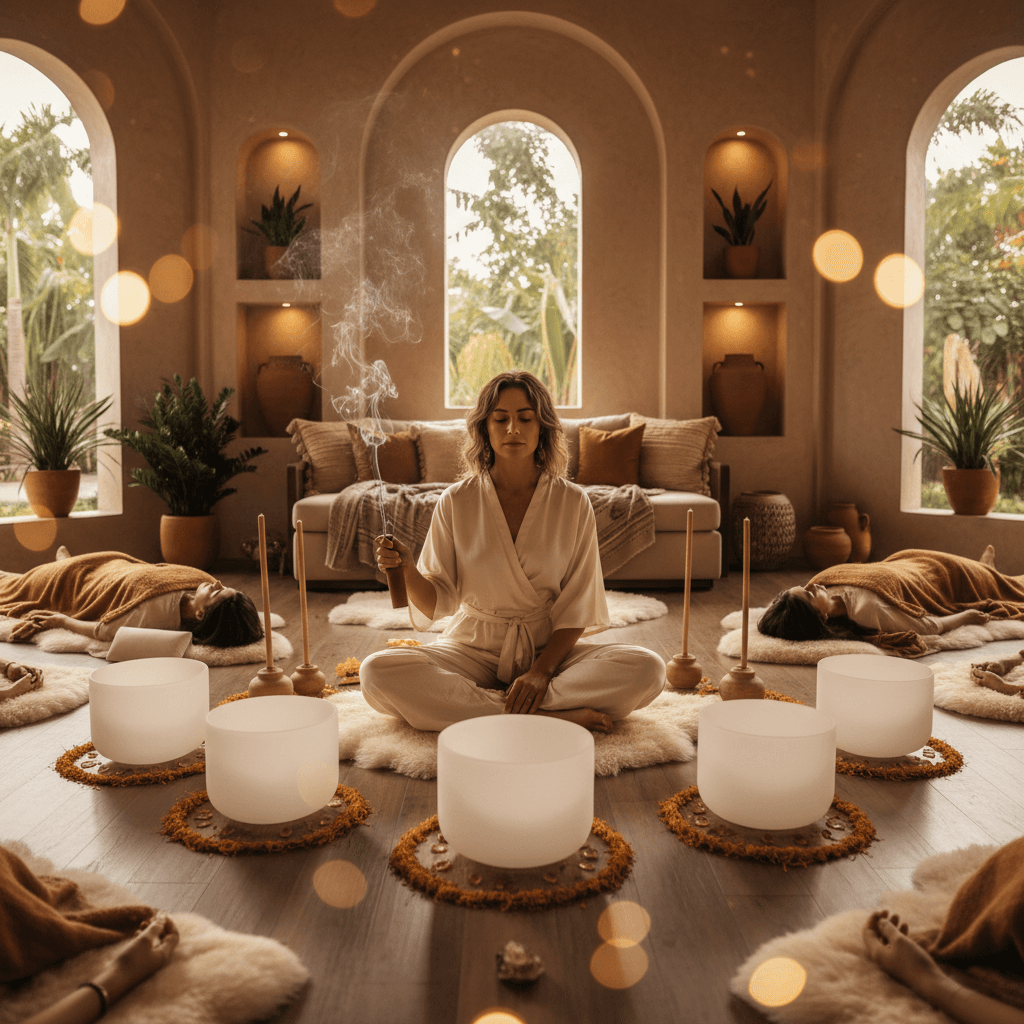
Clients at a sound wellness studio like Soul Art often begin by simply lying comfortably in a serene environment. The practitioner then introduces a carefully selected array of instruments, such as Himalayan singing bowls, gongs, chimes, and tuning forks. These instruments produce specific frequencies and resonant vibrations that are not only heard but also deeply felt within the body. The experience is non-verbal, allowing individuals to process emotions and sensations without the pressure of articulation, which can be particularly beneficial for trauma survivors.
The physical vibrations generated by these instruments can travel through the body’s tissues and fluids, creating a deeply relaxing effect. This sensation is believed to influence cellular function and promote a state of deep rest, activating the parasympathetic nervous system. When the body shifts into this 'rest and digest' mode, vital processes like digestion, healing, and immune function are optimized, and the production of stress hormones is naturally reduced. This physiological shift is crucial for counteracting the chronic stress response often associated with PTSD.
Many people report that the immersive soundscapes create a profound sense of safety and tranquility, helping to reduce feelings of hyperarousal and anxiety. This created "safe space" can be instrumental in allowing the mind to quiet down, reducing the intrusive thoughts and memories that often plague those with trauma. The consistent rhythm and harmonic vibrations provide a focal point, guiding the mind away from distress and towards a meditative state.
Furthermore, anecdotal evidence and preliminary studies suggest that regular engagement with sound wellness practices may support improvements in several areas critical to trauma recovery. These include enhanced sleep quality, a reduction in anxiety and depressive symptoms, and an overall improvement in emotional stability. The non-directive nature of sound wellness allows individuals to experience deep relaxation and emotional release at their own pace, fostering a sense of personal agency in their wellness journey. It serves as a powerful complementary approach, supporting mental and emotional well-being alongside other recommended therapies.
The Soul Art Approach
At Soul Art, Dubai's premier sound wellness studio, Larissa Steinbach has meticulously crafted an environment and methodology that transcends conventional relaxation. Her vision is to offer a sanctuary where the transformative power of sound guides individuals toward profound inner peace and nervous system recalibration, particularly for those navigating trauma recovery. The Soul Art approach is distinguished by its blend of ancient wisdom, cutting-edge understanding of sound science, and a deeply personalized touch.
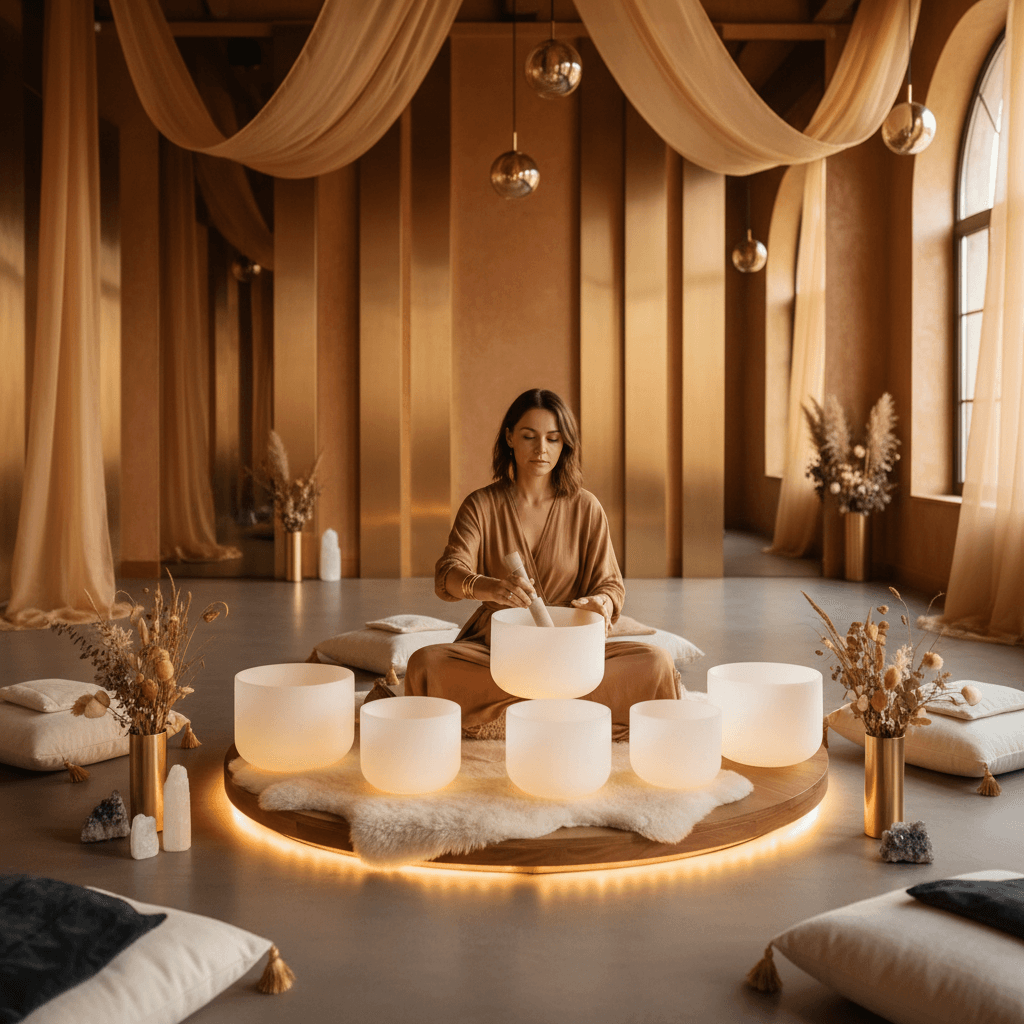
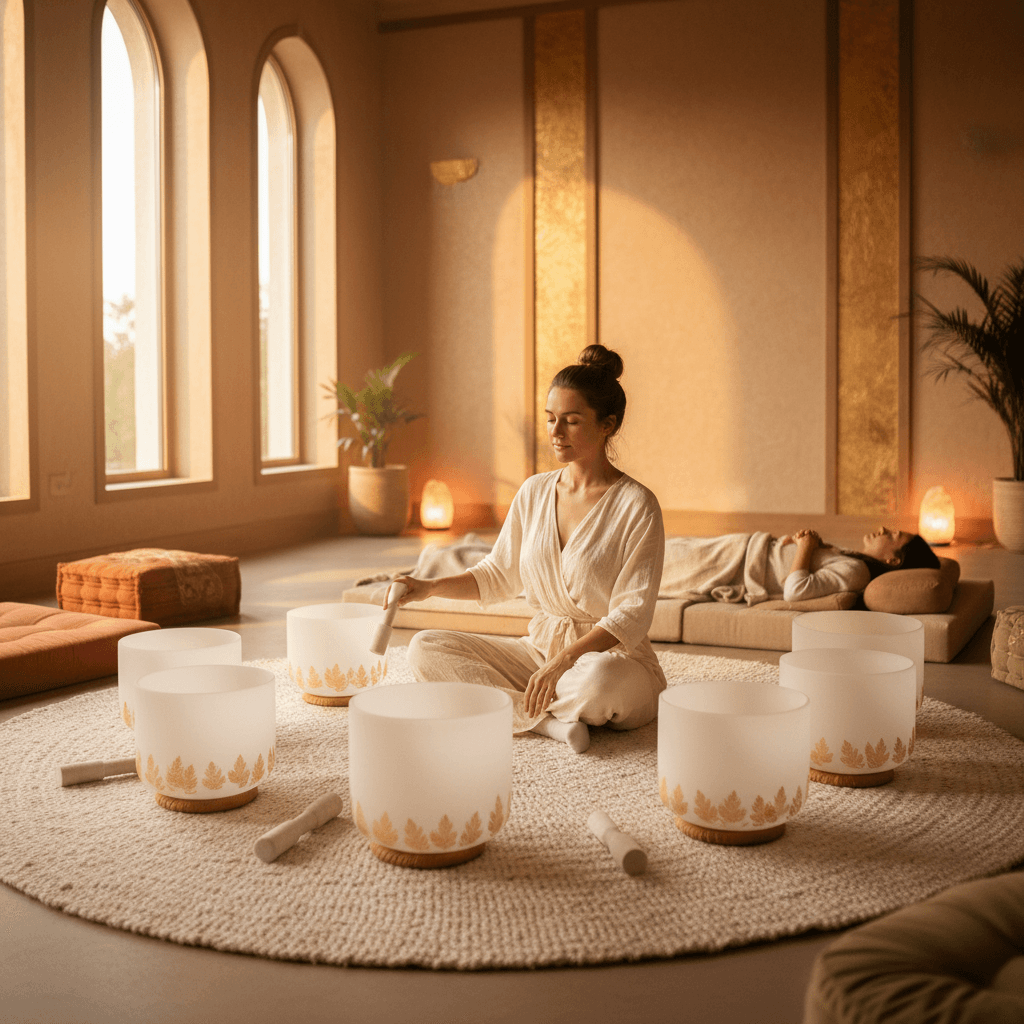
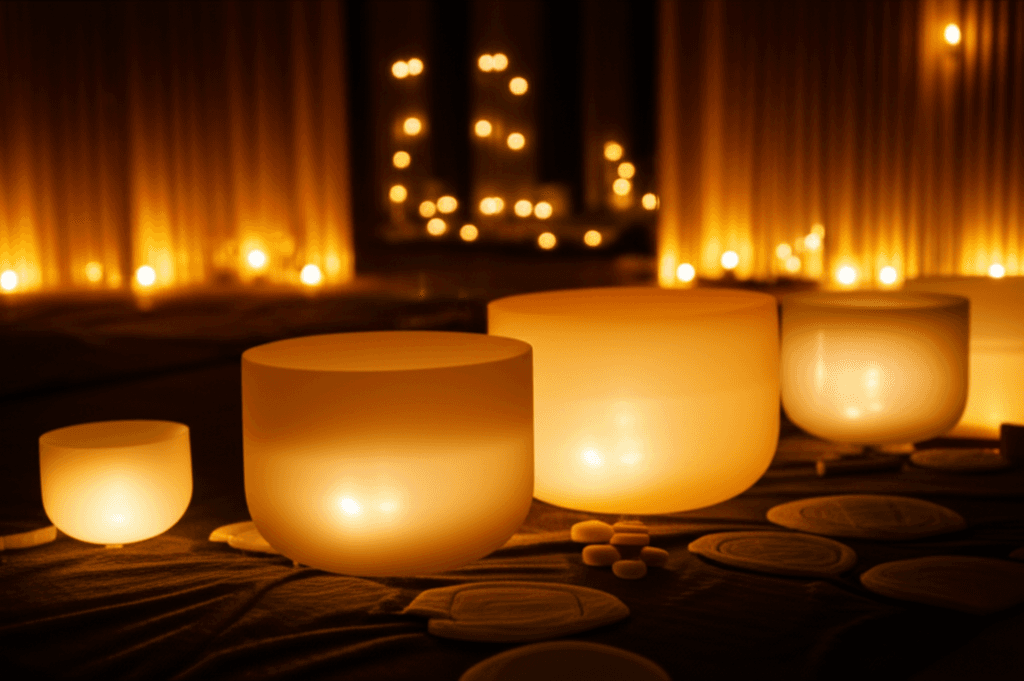
Larissa Steinbach, with her extensive expertise, understands that each individual's journey with sound is unique. She orchestrates immersive sound experiences that are designed not just for passive listening but for active engagement with the body's innate capacity for healing. The studio utilizes a diverse array of instruments chosen for their specific vibrational qualities and frequencies. These include the deep, resonant tones of large gongs, the clear, pure notes of crystal singing bowls, the earthy grounding of Himalayan singing bowls, and the precise, therapeutic vibrations of tuning forks.
The unique methodology at Soul Art focuses on creating a harmonious energetic field that encourages the nervous system to shift from a state of stress to one of deep rest and regeneration. This is achieved through carefully curated sound journeys that layer different frequencies and harmonics, inducing a meditative state. In this relaxed state, the body's natural self-regulation processes are supported, potentially reducing the production of stress hormones and fostering a sense of profound calm.
Soul Art sessions are more than just sound baths; they are an invitation to a holistic wellness practice. Larissa emphasizes the importance of intention and mindful presence during each session, allowing participants to fully absorb the therapeutic frequencies. This self-care practice is particularly potent for trauma recovery, as it provides a safe, non-invasive space to release tension, process emotions, and begin to build new neural pathways for peace. In the bustling heart of Dubai, Soul Art stands as a beacon for those seeking a sophisticated yet warm approach to restoring balance and fostering resilience through the power of sound.
Your Next Steps
Embarking on a journey of sound wellness can be a deeply personal and transformative experience. If you are exploring complementary paths to support your emotional well-being and trauma recovery, there are several actionable steps you can take today to integrate the power of sound into your life. These practices may help to soothe your nervous system, reduce stress, and cultivate a greater sense of calm.
-
Mindful Listening Practices: Start by consciously choosing sounds that bring you peace. This could be gentle instrumental music, nature sounds, or ambient frequencies. Dedicate a few minutes each day to simply listen, without distraction, allowing the sounds to wash over you and help anchor you in the present moment. This can train your brain to associate sound with relaxation rather than alarm.
-
Create Your Personal Sound Sanctuary: Designate a quiet space in your home where you can retreat. Use headphones to listen to guided meditations that incorporate sound, or explore calming playlists featuring binaural beats or solfeggio frequencies. The consistency of this practice can signal to your nervous system that this space and these sounds are safe.
-
Explore Guided Sound Meditations: Numerous online resources offer guided sound meditations specifically designed for relaxation and stress reduction. These sessions often use a combination of verbal guidance and ambient soundscapes to lead you into a deeper state of calm. Begin with shorter sessions and gradually increase the duration as you become more comfortable.
-
Consult Wellness Professionals: If you are navigating PTSD or significant trauma, it is essential to consult with qualified medical and mental health professionals. Discuss how complementary approaches like sound wellness might integrate into your existing treatment plan. Sound wellness is a supportive practice, not a replacement for professional medical care.
-
Experience a Professional Sound Wellness Session: To fully understand the profound impact of resonant frequencies, consider booking a session at a dedicated sound wellness studio. Soul Art in Dubai offers expertly guided experiences tailored to promote deep relaxation and nervous system regulation. Discover firsthand how Larissa Steinbach's approach can support your journey toward inner harmony and resilience.
Bookings Coming Soon
Soul Art is still in preparation. Session details and booking will be published here after launch.
Coming Soon
In Summary
The journey of trauma recovery is multifaceted, and sound wellness emerges as a powerful, non-invasive complementary approach to support this process. From modulating stress hormones like cortisol to fostering a balanced autonomic nervous system, the scientific evidence suggests that targeted sound and music listening may offer significant benefits. These practices can help desensitize the brain’s exaggerated startle response and create a sanctuary for emotional regulation.
While more rigorous research is encouraged, many individuals report substantial improvements in anxiety, depression, and sleep quality through engaging with sound. Soul Art, founded by Larissa Steinbach, provides a premier space in Dubai where these scientifically-informed principles are applied through immersive sound experiences. We invite you to explore the profound potential of sound wellness to soothe your nervous system, enhance your emotional balance, and embark on a path toward lasting inner peace.