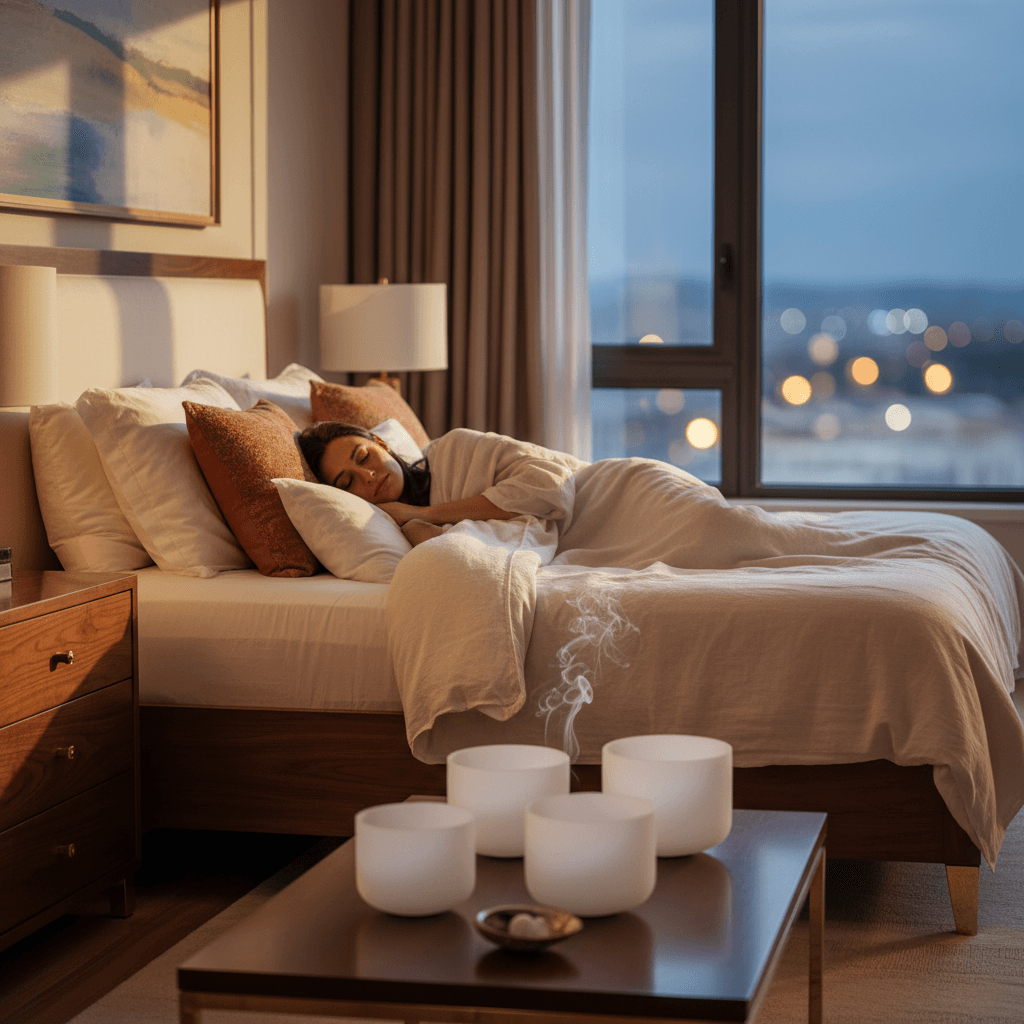
Sound Therapy for PTSD Insomnia: Reclaiming Rest and Resilience
Key Insights
Explore how sound therapy at Soul Art, founded by Larissa Steinbach, offers a complementary path to soothe trauma-related insomnia for profound rest.
The profound link between Post-Traumatic Stress Disorder (PTSD) and disturbed sleep is a deeply personal and pervasive challenge for millions. For those living with PTSD, the solace of a good night's sleep often feels like an elusive dream, overshadowed by restless nights, intrusive thoughts, and harrowing nightmares. Indeed, sleep disturbances are not just a symptom of PTSD; research strongly indicates they can be a predisposing, precipitating, and perpetuating factor for the disorder itself.
At Soul Art, Dubai’s premier sound wellness studio, we understand this intricate connection. We delve into the science of how trauma impacts sleep architecture and explore the limitations of some traditional interventions. More importantly, we illuminate how carefully curated sound therapy, a complementary wellness practice, may offer a pathway to restore the nervous system and foster profound, restorative rest. This article will guide you through the latest scientific insights and unveil how Soul Art’s unique approach, envisioned by Larissa Steinbach, can support your journey towards peaceful slumber and enhanced well-being.
The Intricate Dance: Unpacking PTSD's Impact on Sleep
The relationship between PTSD and sleep is far from simple, representing a complex interplay of psychological, neurological, and physiological factors. Sleep disturbances are reported by a staggeringly high percentage of individuals with PTSD, ranging from 70% to 91%, far exceeding the general population. This pervasive issue significantly impacts daily functioning and overall quality of life.
The Vicious Cycle: PTSD, Insomnia, and Nightmares
Insomnia and nightmares are signature sleep disturbances in PTSD. While nightmares are a commonly recognized symptom, persistent insomnia, characterized by difficulty falling or staying asleep, is equally prevalent. These disturbances are not merely consequences; they are deeply intertwined with the development and perpetuation of PTSD. Studies show that disturbed sleep, both before and shortly after a traumatic event, can increase the risk of developing PTSD. For example, pre-trauma insomnia and nightmares in emergency department patients after a motor vehicle collision predicted subsequent PTSD development.
The brain plays a crucial role in this ongoing cycle. Researchers have found that multiple overlapping brain regions are implicated in both PTSD and sleep problems, including the hippocampus, the amygdala, the anterior cingulate cortex, and the insular cortex. These regions are central to memory processing, emotional regulation, and the body's stress response. In PTSD, these areas contribute to the patient revisiting traumatic events through flashbacks and nightmares, and critically, for maintaining a state of hyperarousal. This persistent state of vigilance makes it incredibly difficult for the nervous system to relax and transition into restorative sleep.
Poor sleep quality also directly affects the clinical course of PTSD. It has been associated with reduced responsiveness to trauma-focused therapy, suggesting that addressing sleep is not just a secondary concern but a critical component for overall recovery. Moreover, residual insomnia has been shown to be an important risk factor for the development of and relapse in diverse mental disorders, underscoring the urgency of effective sleep interventions.
Limitations of Traditional Approaches
Evidence-based, trauma-focused behavioral treatments for PTSD, such as Cognitive Processing Therapy (CPT) and Prolonged Exposure (PE), are validated for overall PTSD symptomatology. While these treatments are effective in reducing general PTSD symptoms, their impact on sleep disturbances is less clear and often incomplete. In the largest study to date examining these treatments, participants showed significant improvements in overall PTSD symptoms, yet their Pittsburgh Sleep Quality Index (PSQI) scores, a validated sleep measure, remained in the clinically significant range. This indicates that despite progress in daytime symptoms, clinically significant sleep problems often persist.
Cognitive Behavioral Therapy for Insomnia (CBT-I) is the most well-validated treatment for primary insomnia. It has also shown efficacy for insomnia related to psychiatric conditions, including PTSD. Studies on CBT-I in PTSD samples have reported significant decreases in nightmares and improvements in sleep quality, with moderate to large effect sizes. However, these techniques are not without their limitations, particularly for severe or combat-related PTSD.
For instance, while CBT-I can be effective, some aspects, like sleep restriction, may trigger flashbacks or dissociation in sensitive individuals. Additionally, some studies on combined CBT-I and Image Rehearsal Therapy (IRT) in veterans with severe PTSD did not observe significant improvement in PTSD-specific disruptive nocturnal behaviors. This highlights the complex and often resistant nature of trauma-related insomnia, suggesting a need for complementary approaches that can address the deep-seated physiological arousal associated with PTSD. The persistence of sleep disturbances, even after effective trauma-focused therapy, points to the need for holistic strategies that go beyond cognitive restructuring to soothe the nervous system directly.
"Sleep disturbances often persist after trauma-focused therapy. This residual insomnia acts as a critical risk factor, underscoring the need for diverse and complementary interventions that support a deeply rested state, not just symptom reduction."
Beyond Talk Therapy: The Emerging Role of Complementary Wellness
Given the persistent nature of trauma-related insomnia and the limitations of some traditional approaches, there's a growing interest in complementary wellness practices that can gently guide the body and mind towards a state of rest. Sound therapy stands out as a promising non-pharmacological intervention, offering a unique path to alleviate the hyperarousal that underpins PTSD-related sleep challenges.
The Power of Auditory Relaxation
The human body is deeply receptive to sound and vibration. Sound therapy works by engaging the auditory system and, through specific frequencies and resonant tones, influencing the nervous system. Preliminary studies and anecdotal evidence suggest that practices like music relaxation may support improvements in objective and subjective sleep efficiency. One study found a significant increase in sleep efficiency and a reduction in depression following music relaxation, highlighting its potential as a complementary treatment for insomnia among individuals with PTSD.
The physiological mechanism behind this often involves the vagus nerve, a key component of the parasympathetic nervous system, responsible for the body's "rest and digest" functions. Calming sounds and vibrations can help activate the parasympathetic response, effectively counteracting the chronic "fight or flight" state associated with PTSD. This shift reduces physiological arousal, lowers heart rate, and promotes a sense of safety and calm, which are crucial for sleep onset and maintenance.
Furthermore, sound frequencies can promote brainwave entrainment, guiding brain activity from faster, more alert beta waves towards slower, more relaxed alpha and theta states. Alpha waves (around 8-12 Hz) are associated with a relaxed, wakeful state, often experienced during meditation, while theta waves (around 4-8 Hz) are linked to deep relaxation, creativity, and the early stages of sleep. By gently encouraging these brainwave states, sound therapy may support the brain in transitioning more easily into deep, restorative sleep cycles.
A Multi-Sensory Journey to Calm
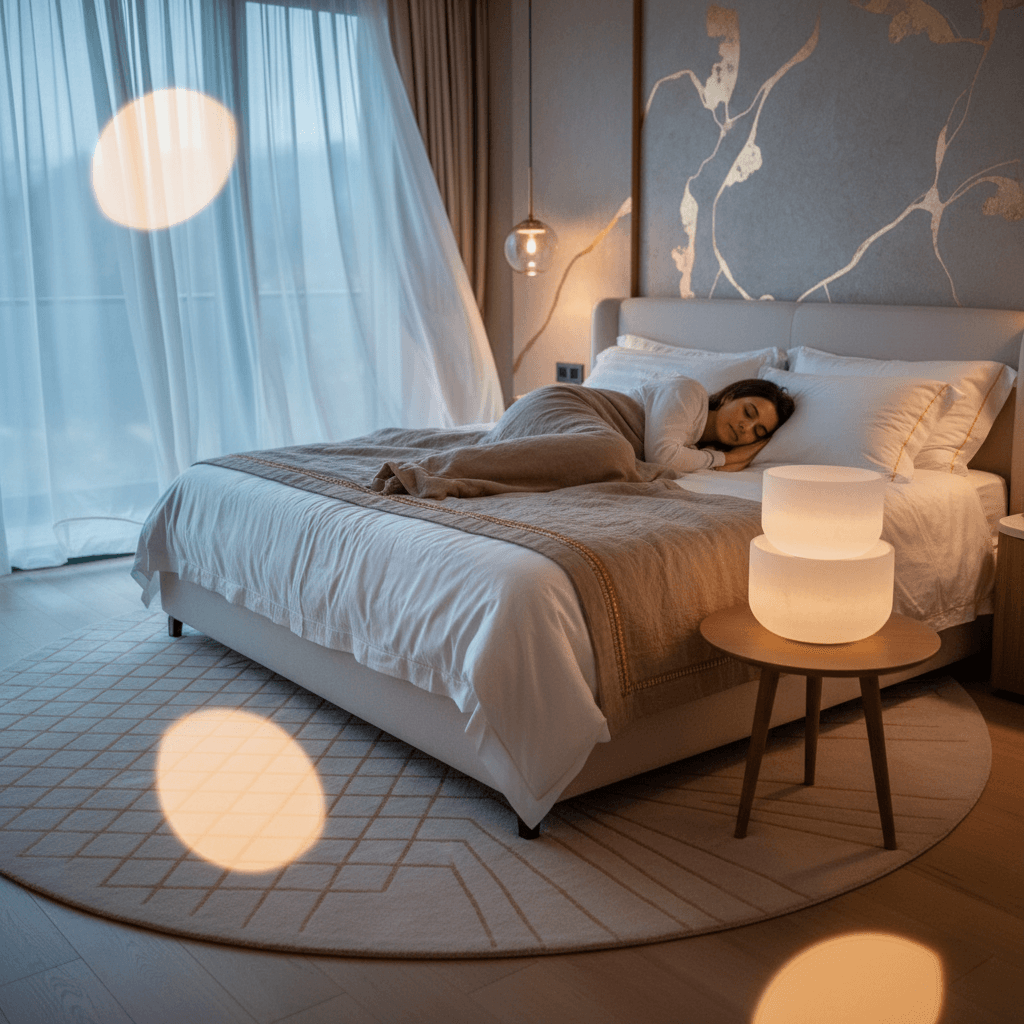
Engaging in a sound wellness session is a deeply immersive and multi-sensory experience. Clients typically lie comfortably, often covered with a warm blanket, allowing them to fully relax and receive the sounds and vibrations. The journey begins with gentle, resonant tones that wash over the body, creating a profound sense of tranquility.
The experience is non-invasive and requires no active participation beyond simply being present. Clients report a profound sense of peace and safety, allowing their often hypervigilant nervous systems to slowly unwind. The auditory landscape, combined with the subtle physical sensations of vibration, creates a deeply calming environment. This can be particularly beneficial for individuals whose nervous systems are accustomed to a constant state of alert, as it provides a gentle, yet powerful, invitation to release tension and surrender to rest. The deep relaxation fostered by sound can help reduce hypervigilance and the fear of sleep, paving the way for more consistent and peaceful nights.
Soul Art's Harmonious Path to Restorative Sleep
At Soul Art, we believe in a holistic approach to well-being, understanding that true healing encompasses mind, body, and spirit. Our sound wellness experiences are meticulously designed to provide a sanctuary where individuals can find solace from the stresses of daily life, particularly those grappling with the persistent challenge of trauma-related insomnia.
Larissa Steinbach's Vision for Trauma-Informed Wellness
Larissa Steinbach, the visionary founder of Soul Art, is deeply committed to creating a space of profound safety and transformation. Her approach to sound wellness is inherently trauma-informed, recognizing the delicate needs of individuals who have experienced trauma. Larissa and her team prioritize creating an environment that feels secure, nurturing, and free from any pressure or expectation. This sensitivity is paramount when working with clients whose nervous systems are easily triggered by external stimuli or perceived threats.
Larissa's philosophy emphasizes gentle facilitation, allowing clients to simply be without judgment. The focus is on providing a supportive container where the body can naturally release stored tension and the mind can quiet its persistent chatter. This respectful and empathetic approach is what truly distinguishes the Soul Art experience, making it a trusted haven for those seeking deep restoration. We offer a complementary pathway to support the nervous system in finding its innate equilibrium.
Signature Soundscapes for Deep Healing
The Soul Art method leverages the unique properties of specific instruments renowned for their pure tones and resonant vibrations. Himalayan singing bowls, crystal bowls, and gongs are central to our sessions, each offering distinct qualities that contribute to the overall therapeutic effect. These instruments produce rich, sustained sounds with complex overtone series that resonate deeply within the body.
The vibrations generated by these instruments are not just heard; they are felt. This tactile sensation allows for a multi-layered experience, where the body's cells and tissues may respond to the gentle waves of sound. The carefully crafted soundscapes are designed to progressively guide the listener into deeper states of relaxation, promoting the transition from an overactive mind to a more serene and receptive state. By facilitating these deeper states of consciousness, Soul Art sessions aim to reduce the hyperarousal associated with PTSD and cultivate a profound sense of inner calm, preparing the individual for restful sleep. We create an environment where the nervous system may find the opportunity to recalibrate, moving away from a stress-response mode towards a state of peace.
Cultivating Your Sanctuary: Practical Steps for Better Sleep
While sound wellness sessions offer a profound opportunity for deep relaxation, integrating mindful practices into your daily life can further enhance your journey towards restorative sleep. Taking proactive steps to cultivate a sleep-supportive environment and routine is a powerful act of self-care. These complementary practices can significantly impact your ability to unwind and achieve deeper rest.
Here are a few actionable steps you can implement today to support your sleep hygiene:
- Establish a Consistent Sleep Schedule: Try to go to bed and wake up at roughly the same time each day, even on weekends. This helps regulate your body's natural circadian rhythm.
- Create a Relaxing Bedtime Ritual: Dedicate the hour before bed to calming activities. This might include a warm bath, reading a physical book, gentle stretching, or listening to soothing music or a Soul Art sound bath recording.
- Optimize Your Sleep Environment: Ensure your bedroom is dark, quiet, and cool. Consider blackout curtains, earplugs, or a white noise machine if needed. Make your bed a sanctuary solely for sleep and intimacy.
- Limit Stimulants and Screens: Avoid caffeine and alcohol, especially in the afternoon and evening. Turn off electronic screens (phones, tablets, computers, TVs) at least an hour before bedtime, as their blue light can interfere with melatonin production.
- Incorporate Gentle Movement: Regular physical activity can improve sleep quality, but avoid strenuous exercise too close to bedtime. Gentle yoga or a short walk earlier in the day may be beneficial.
Embracing these habits alongside complementary practices like sound wellness can create a powerful synergy, supporting your nervous system in finding its natural rhythm of rest. If you're ready to explore a unique path to alleviate the challenges of trauma-related insomnia and rediscover peaceful nights, we invite you to experience the tranquil embrace of Soul Art.
In Summary: Reclaiming Rest with Sound
The pervasive nature of PTSD-related insomnia and nightmares significantly impacts well-being, often persisting even after traditional trauma-focused therapies. These sleep disturbances are not just symptoms but active contributors to the perpetuation of PTSD, making targeted interventions crucial. While conventional treatments offer valuable support, the complexities of the nervous system's response to trauma suggest a need for complementary approaches that foster deep physiological calm.
Soul Art, under the compassionate guidance of Larissa Steinbach, offers a distinctive sound wellness experience designed to address this need. Through resonant frequencies and soothing vibrations, our sessions aim to gently guide the nervous system away from hyperarousal, promoting states of profound relaxation and supporting the journey towards restorative sleep. We believe in providing a safe, nurturing space where the profound healing power of sound can support your holistic well-being. Discover the potential for peaceful nights and renewed resilience; we welcome you to explore the harmonious offerings at Soul Art.
Bookings Coming Soon
Soul Art is still in preparation. Session details and booking will be published here after launch.
Coming Soon
Wellness Disclaimer: This article is for educational and informational purposes only. It does not constitute medical advice, diagnosis, or treatment. Soul Art Dubai provides non-medical wellness experiences focused on relaxation, stress management, and general wellbeing. Sound wellness is a complementary practice and should not replace professional medical care.
Related Articles
Fan Noise and Sleep: Unmasking the Science Behind White Noise Machines for Deeper Rest
Polyphasic Sleep & Sound Healing: Navigating Restorative Rhythms
REM Rebound: Mastering the Art of Recovering Lost Dream Sleep