Post-Traumatic Growth: Sound as a Catalyst for Transformation
Key Insights
Explore how sound wellness at Soul Art Dubai, founded by Larissa Steinbach, may support post-traumatic growth, fostering profound psychological shifts and personal transformation.
Can profound hardship unlock an unexpected path to a richer, more meaningful life? While trauma often leaves indelible scars, a remarkable phenomenon known as Post-Traumatic Growth (PTG) suggests that adversity can, for some, become a surprising catalyst for positive personal change. This concept moves beyond mere resilience, exploring how individuals not only recover but also experience deep psychological transformation.
At Soul Art, Dubai's premier sound wellness studio founded by Larissa Steinbach, we explore holistic approaches that may support this profound journey. Our unique sound experiences are designed to cultivate a serene environment, potentially fostering the internal conditions necessary for individuals to process, reflect, and ultimately grow. This article delves into the science of PTG and examines how the intentional application of sound may serve as a gentle yet powerful aid in this transformative process.
The Science of Post-Traumatic Growth
For decades, the focus of trauma research predominantly centered on pathological outcomes, examining the deficits and disorders that can arise after deeply distressing events. However, a significant paradigm shift began in the late 1980s and early 1990s, influenced by the emerging field of positive psychology. This new perspective opened the door to exploring positive personal changes.
Defining PTG: Beyond Resilience
The concept of Post-Traumatic Growth was formally coined by psychologists Richard Tedeschi and Lawrence Calhoun in 1995. They defined PTG as positive psychological change experienced as a direct result of struggling with highly challenging, highly stressful life circumstances. This isn't merely returning to a baseline or 'getting over it'; it signifies "life-changing" psychological shifts in how individuals think about and relate to the world and themselves.
PTG represents a profound process of personal transformation, acknowledging that trauma can serve as a catalyst for deep personal and communal development. It aligns scientific understanding with a hopeful, transformative narrative often found in spiritual contexts, highlighting a fundamental human capacity for growth even in the face of immense pain. Research suggests that PTG is surprisingly common, with some estimates indicating that as many as 70% of trauma survivors might experience some form of positive transformation.
Key Dimensions of Post-Traumatic Growth
Tedeschi and Calhoun identified several key areas where individuals typically experience growth following trauma. These dimensions reflect a qualitative change in functioning that moves beyond pre-trauma levels of adaptation. Understanding these facets provides a framework for recognizing and nurturing PTG.
These dimensions include:
- Increased Appreciation for Life: A heightened sense of gratitude for daily experiences and the preciousness of life.
- Deeper Relationships with Others: Experiencing closer, more meaningful connections and an increased sense of compassion.
- New Possibilities for Life: Discovering new pathways, priorities, or a renewed sense of purpose that wasn't present before the trauma.
- Increased Personal Strength: A stronger sense of self-efficacy, recognizing one's own resilience and inner fortitude.
- Significant Spiritual or Existential Change: A deeper connection to one's spirituality, a re-evaluation of life's meaning, or a stronger sense of purpose.
These changes are not superficial but represent fundamental shifts in an individual's worldview and self-perception.
Mechanisms of Transformation
The journey towards PTG is complex, driven by several interlinked psychological mechanisms. These processes are not always linear but typically involve active engagement with the traumatic experience. One core mechanism is active cognitive processing, which encompasses deliberate rumination and schema change. This involves consciously thinking about the event, its implications, and how it challenges existing beliefs, eventually leading to a revised understanding of oneself and the world.
Meaning-making and narrative reconstruction are also crucial. Individuals strive to make sense of what happened, integrating the traumatic event into their life story in a way that allows for growth. While emotional distress is a necessary catalyst for growth, the effective management of these emotions is essential for constructive engagement with the trauma, preventing chronic suffering.
Several facilitating factors have been identified as supporting the development of PTG:
- Individual Traits: Optimism, self-efficacy, and flexible coping styles can predispose individuals to positive growth.
- Social Support: Robust networks of family, friends, and community provide crucial emotional and practical assistance.
- Spirituality and Faith: These can offer powerful pathways to growth by providing meaning systems, communal support, and a framework for understanding suffering and transformation.
Recent research further suggests that experiencing a traumatic event can have a profound, transformational role in personality among certain individuals. For example, individuals who have experienced trauma have been shown to exhibit greater optimism, positive affect, and satisfaction with social support, alongside increases in the number of supportive social resources. This research points to a dynamic interplay between adversity and personal evolution, underscoring the potential for profound positive change.
How It Works in Practice
Understanding the science of Post-Traumatic Growth provides a foundation, but how can individuals actively cultivate an environment that may support this deep internal work? Holistic wellness practices, particularly those involving sound, may offer a gentle yet powerful pathway to facilitate the cognitive and emotional processing central to PTG.
Creating a Conducive Environment for Processing
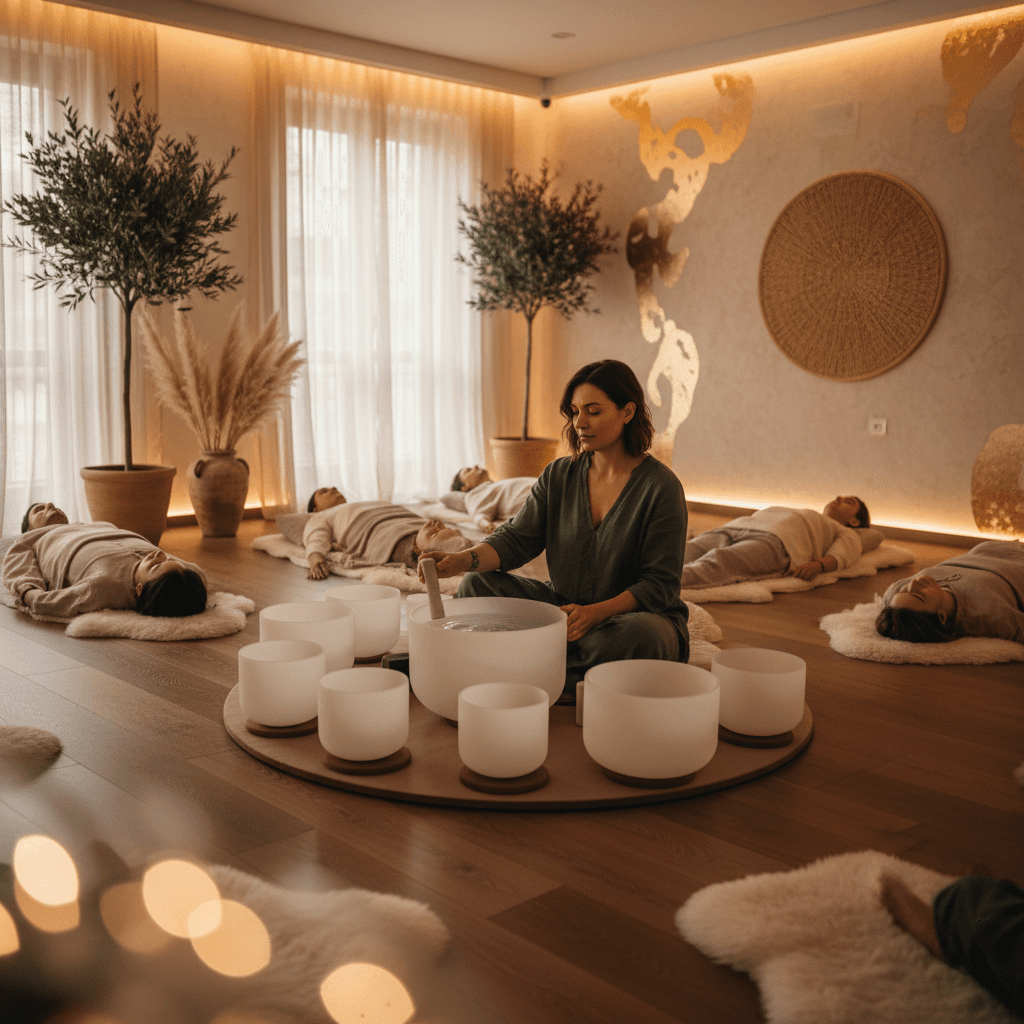
Sound wellness sessions, such as those offered by Larissa Steinbach at Soul Art, are meticulously designed to create a deeply calming and supportive atmosphere. The carefully selected frequencies and vibrations may help to quiet the external world, reducing environmental stimuli that can often overwhelm a nervous system already taxed by past experiences. In this tranquil state, the body's physiological stress response may diminish, allowing the nervous system to shift towards a state of rest and repair.
This profound relaxation is not merely pleasant; it is therapeutically significant. When the body and mind are at ease, individuals may find it easier to engage in the necessary internal reflection and cognitive processing associated with PTG. The mental space created by sound can serve as a sanctuary for deliberate rumination and the crucial work of meaning-making, without the pressure of immediate external demands. Many people report that the soothing sounds facilitate a gentle exploration of their inner landscape, potentially making it easier to confront and integrate challenging memories or emotions.
Deepening Self-Awareness and Emotional Regulation
The resonant vibrations of instruments used in sound wellness, such as crystal singing bowls and gongs, are thought to travel deep within the body, potentially influencing cellular and energetic levels. This unique form of sensory input may bypass some of the conscious resistance that often accompanies attempts to process difficult emotions. As individuals surrender to the sounds, a deeper state of self-awareness may emerge.
Sound may support emotional release and regulation by providing a non-verbal outlet for feelings that are difficult to articulate. The ebb and flow of frequencies can mirror the natural rhythm of emotions, potentially guiding individuals through their experiences with a sense of gentle containment. Many clients at Soul Art describe an enhanced ability to observe their emotions without being overwhelmed by them, fostering a greater capacity for self-regulation. This cultivation of emotional intelligence is a vital component in effectively managing the emotional distress that serves as a necessary catalyst for growth.
Fostering New Perspectives and Connection
One of the remarkable aspects of sound is its capacity to alter perception and shift one's state of being. During a sound journey, the unique acoustic environment may encourage a sense of expanded awareness, moving beyond habitual thought patterns. This shift in perspective can be crucial for individuals seeking new possibilities in life, helping them to envision different pathways and embrace new directions that were previously unconceivable.
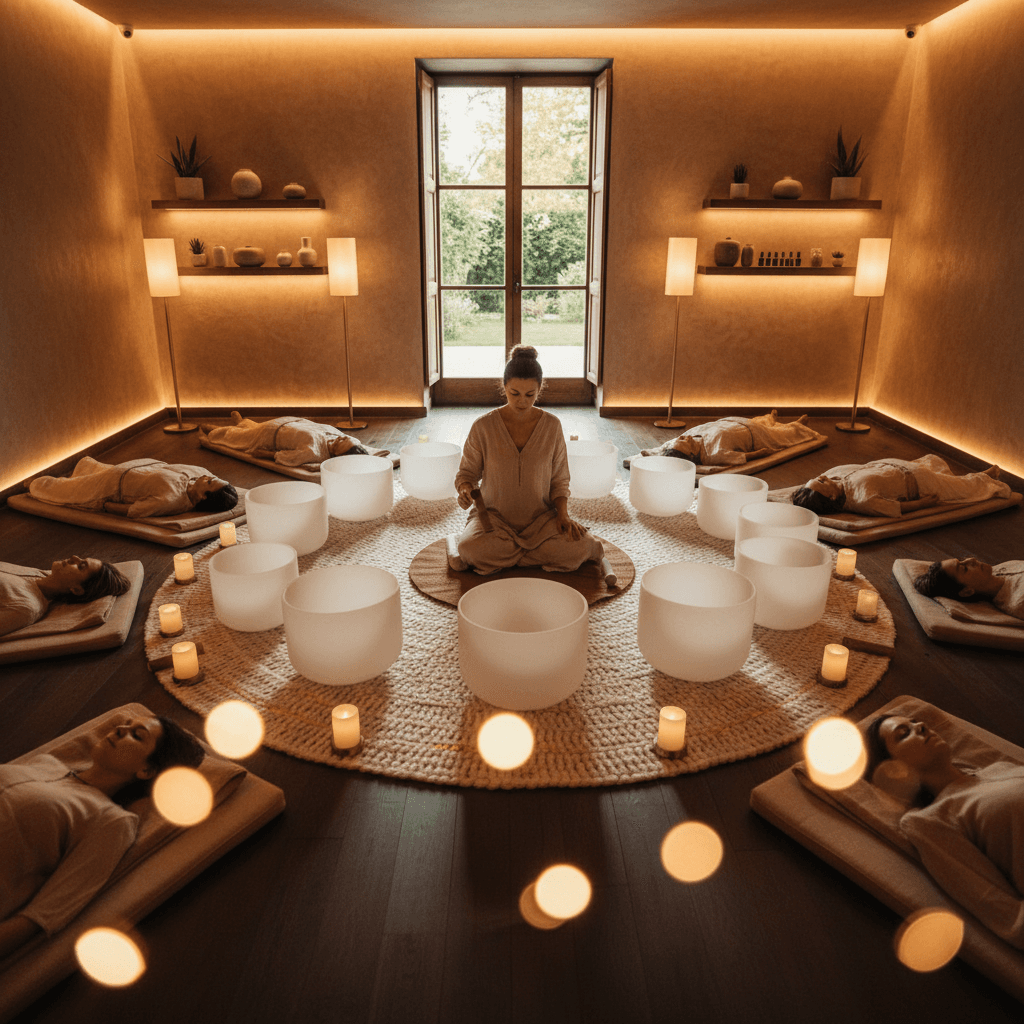
Furthermore, participating in group sound bath experiences may naturally foster a sense of community and shared presence. While individual journeys are unique, the collective experience of deep relaxation and introspection can cultivate an unspoken bond among participants. This aligns with the understanding that robust social support networks are a key facilitating factor for PTG, offering a sense of belonging and reducing feelings of isolation.
"The sound's embrace creates a sacred space, allowing the fragmented self to gently re-align and discover new narratives of strength and possibility."
Creative forms of expression have also been shown to increase growth following adversity. Sound wellness, while not always explicitly "creative" in a traditional sense, offers a non-verbal, experiential pathway that can be deeply expressive and personally revealing. It allows for an unfolding of inner experience, contributing to the narrative reconstruction essential for integrating trauma into a growth-oriented life story.
The Soul Art Approach
At Soul Art, we believe in the profound capacity for human transformation and the power of sound to facilitate this journey. Our studio provides a sanctuary where individuals can gently explore their inner worlds and cultivate a foundation for well-being. This approach is deeply rooted in the philosophy of our founder, Larissa Steinbach.
Larissa Steinbach's Vision for Transformative Wellness
Larissa Steinbach established Soul Art with a clear vision: to create a premier sound wellness experience that goes beyond mere relaxation. Her approach is holistic, aiming to support the entire individual – mind, body, and spirit – in their pursuit of peace and growth. Larissa understands that true wellness involves not just escaping stress, but also building resilience and finding deeper meaning in one's experiences.
The Soul Art method is unique in its deliberate blend of scientific understanding and ancient wisdom. Larissa integrates insights into nervous system regulation and cognitive processing with the intuitive power of sound, creating an environment that may support profound inner work. Her dedication to client well-being ensures that each session is crafted with intention, guiding individuals towards self-discovery and inner harmony.
Curated Sound Journeys for Inner Resonance
Soul Art offers meticulously curated sound journeys that leverage the unique properties of various instruments to create specific energetic and emotional landscapes. Our sound practitioners skillfully utilize instruments like crystal singing bowls, known for their pure, resonant tones and vibrational healing properties, which are believed to help harmonize the body's energy centers. The deep, immersive tones of gongs create a powerful sonic massage, potentially releasing tension and fostering a state of deep meditation.
Further enhancing these experiences are the delicate melodies of chimes and the focused vibrations of tuning forks. Each instrument is chosen for its specific frequency and ability to induce particular states of relaxation and awareness. The combination of these instruments creates a rich, multi-layered soundscape that encourages the brain to shift into more receptive states, such as alpha and theta brainwave patterns, which are associated with deep relaxation, introspection, and creativity.
During a session at Soul Art, clients are invited to lie down comfortably, close their eyes, and simply receive the sounds. There is no expectation, no judgment, only an invitation to be present with the experience. This non-judgmental space is vital for processing complex emotions and thoughts, as it allows individuals to explore their internal landscape without feeling pressure to perform or conform. The intention is always to provide a safe haven where personal exploration and potential transformation can unfold organically, guided by the soothing frequencies.
Your Next Steps
Embracing the potential for Post-Traumatic Growth is an active, ongoing journey that involves intentional self-care and thoughtful engagement with one's experiences. While professional support for trauma is paramount, integrating complementary wellness practices can significantly enhance this path. Here are some actionable steps you can consider to cultivate growth in your daily life:
Cultivating Growth in Your Daily Life
- Practice Mindful Breathing: Incorporate short, deliberate breathing exercises into your day. Focused breathing helps regulate the nervous system, creating calm that may support clearer thinking and emotional processing.
- Engage in Reflective Journaling: Dedicate time to write about your experiences, thoughts, and feelings. Journaling can be a powerful tool for meaning-making and narrative reconstruction, helping you to understand your journey and discover new insights.
- Seek Supportive Communities: Connect with individuals or groups that offer understanding and empathy. Strong social networks are crucial for resilience and can provide the emotional scaffolding needed during times of growth.
- Explore Complementary Wellness Practices: Consider integrating practices like sound wellness, meditation, or gentle movement into your routine. These modalities may support stress reduction, emotional balance, and a deeper connection to self.
- Prioritize Rest and Self-Care: Ensure you are getting adequate sleep and dedicating time to activities that genuinely rejuvenate you. A well-rested body and mind are better equipped to navigate challenges and facilitate internal growth.
These steps are designed to be gentle yet effective, providing avenues for individuals to nurture their well-being and open themselves to the transformative potential within. Remember, the journey of growth is deeply personal and unfolds at its own pace.
Bookings Coming Soon
Soul Art is still in preparation. Session details and booking will be published here after launch.
Coming Soon
In Summary
Post-Traumatic Growth is a testament to the profound human capacity for transformation, demonstrating that even after significant adversity, individuals can experience positive psychological changes. This phenomenon, defined by Tedeschi and Calhoun, moves beyond mere recovery, leading to increased appreciation for life, deeper relationships, new possibilities, and a stronger sense of self. It involves active cognitive processing, meaning-making, and effective emotional management, supported by factors like optimism and social connection.
At Soul Art, Larissa Steinbach's vision brings this potential to life through meticulously crafted sound wellness experiences. These sessions offer a unique, non-invasive complementary approach that may facilitate deep relaxation, emotional regulation, and a shift in perspective, all conducive to the internal work of growth. By providing a serene sanctuary for self-discovery, Soul Art invites you to explore how intentional sound can be a gentle catalyst on your path towards holistic well-being and transformative growth.