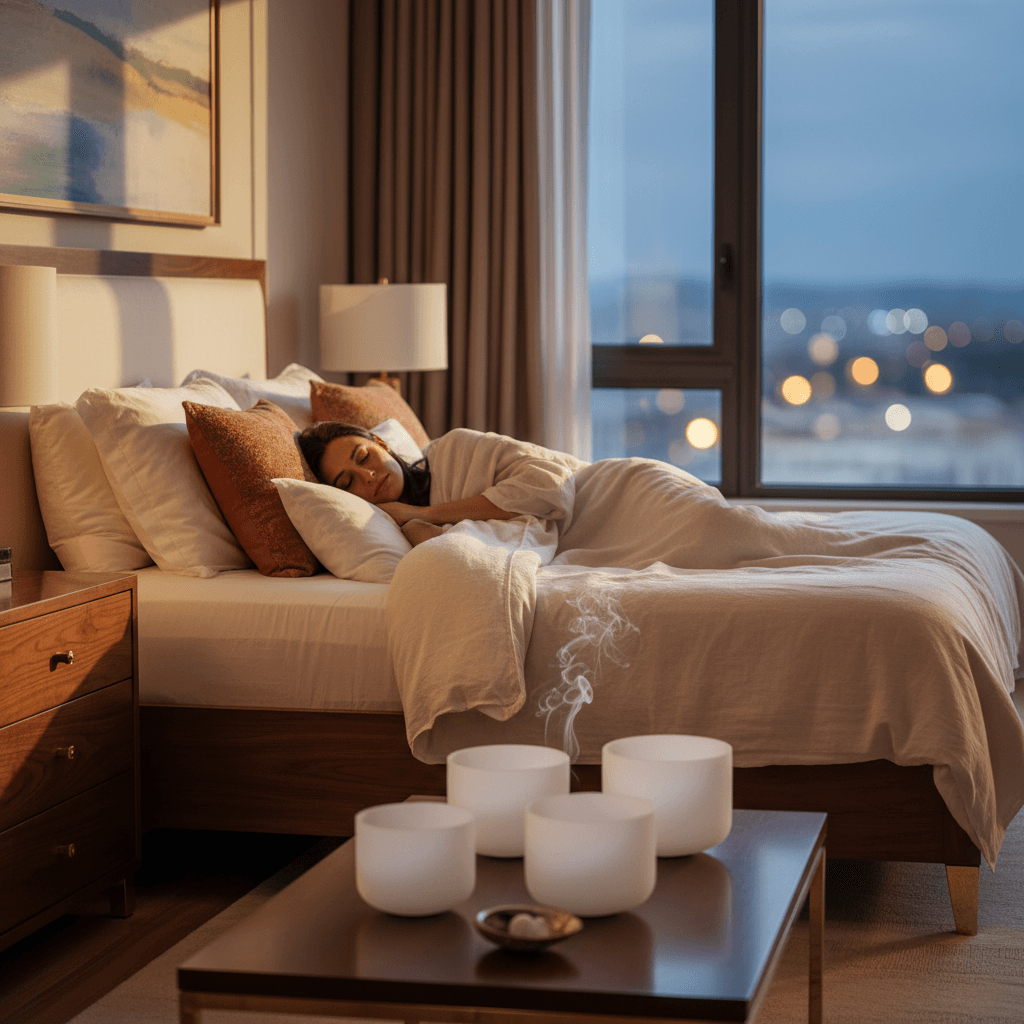
PLMD & Sound Wellness: A Frequency-Based Approach
Key Insights
Explore the science of Periodic Limb Movement Disorder (PLMD) and how sound wellness at Soul Art Dubai offers a frequency-based approach to support deep, restorative sleep and nervous system regulation.
Have you ever woken up feeling exhausted, despite having been in bed for eight hours? For millions, the answer lies not in the duration of sleep, but in its quality—disrupted by an invisible thief in the night. This condition, known as Periodic Limb Movement Disorder (PLMD), involves involuntary, repetitive movements of the legs and sometimes arms during sleep, fragmenting rest and leaving you drained. While often discussed in medical circles, there is a growing interest in complementary wellness practices that support the body's innate ability to find deep, restorative calm.
This journal article will delve into the complex science behind PLMD, exploring its neurological roots and its impact on overall health. We will then bridge this understanding with the principles of frequency-based sound wellness, a non-invasive practice designed to soothe the nervous system. Here at Soul Art, we believe that by understanding the body's intricate systems, we can better support them. Join us as we explore how targeted sound frequencies may offer a path toward more peaceful nights and revitalized days.
The Science of Disrupted Sleep Explained
To appreciate the potential of any wellness modality, we must first understand the challenge it addresses. Periodic Limb Movement Disorder is more than just "restless legs"; it is a distinct neurological condition with a complex scientific profile.
### What is Periodic Limb Movement Disorder (PLMD)?
PLMD is characterized by repetitive, stereotyped limb movements that occur during sleep. These movements, typically involving flexing of the ankle, knee, and hip, happen in clusters and can occur hundreds of times a night. Unlike Restless Legs Syndrome (RLS), which involves a conscious urge to move the legs while awake, PLMD is an unconscious phenomenon that happens only during sleep.
Research indicates that PLMD is surprisingly common, with prevalence estimates ranging from 4% to 11% in the adult population. It often goes undiagnosed because the individual is asleep and unaware of the movements, only noticing the resulting daytime fatigue or being alerted by a sleep partner. Studies have identified several potential risk factors, including older age, stress, and caffeine intake.
### The Neurological Underpinnings
The exact cause of PLMD is still being explored, but a significant body of research points to the iron-dopamine hypothesis. Dopamine is a crucial neurotransmitter that helps regulate movement, and insufficient iron levels in the brain can impair its function. This dysregulation in the dopaminergic pathways is believed to contribute to the involuntary movements seen in both PLMD and RLS.
Furthermore, some studies suggest that altered signaling in the descending spinal tracts and changes in local neural circuits may play a role. Essentially, the "brakes" that normally inhibit movement during sleep may not be functioning optimally, leading to these periodic discharges of motor activity.
### The Broader Health Implications
The impact of PLMD extends far beyond simple fatigue. The repetitive movements are often associated with brief arousals from sleep, which may not be fully remembered but still prevent the brain from entering and sustaining the deep, restorative stages of sleep. This chronic sleep fragmentation has significant physiological consequences.
- Cardiovascular Strain: Several studies have noted a compelling association between PLMD and cardiovascular health. Each limb movement can trigger a surge in heart rate and blood pressure. One study highlighted an increase in systolic blood pressure by almost 17mmHg during PLMs associated with cortical arousals.
- Systemic Stress: Over time, these repetitive nocturnal fluctuations in blood pressure and autonomic nervous system activity may contribute to an increased risk for developing hypertension and other cardiovascular events.
- Quality of Life: The primary consequence is a significant reduction in quality of life due to chronic sleepiness, cognitive fog, and mood disturbances.
### Conventional Approaches and a Complementary View
From a medical perspective, PLMD is often managed with medications that modulate dopamine or nerve activity, such as gabapentin. These approaches aim to reduce the frequency and intensity of the limb movements directly.
However, from a holistic wellness perspective, we ask a different question: How can we create an internal environment that is less conducive to these disruptions in the first place? This is where practices that focus on deep nervous system regulation come into play.
"True restoration doesn't come from forcing the body to be still, but from inviting the nervous system into a state of such profound safety and coherence that stillness becomes its natural expression." - Larissa Steinbach
This is the foundational principle behind using frequency and vibration as a wellness tool—to gently guide the body back to its innate state of balance and peace.
How It Works in Practice: The Power of Frequency
Understanding the science of PLMD sets the stage for exploring how sound wellness works. It is not about "treating" the condition, but about fostering a state of profound relaxation and nervous system coherence that may, in turn, support more stable and uninterrupted sleep.
### The Principle of Entrainment
The core concept behind sound wellness is auditory and somatic entrainment. This is a natural phenomenon where the body's internal rhythms synchronize with a powerful, stable external rhythm. Think of how your footsteps fall into sync with music or how your heart rate can slow while listening to a calm, steady beat.
During a sound session, precisely tuned instruments create coherent sound waves and vibrations. Your brainwaves, heart rate, and respiratory rhythm are gently invited to entrain with these calming frequencies. This process helps shift the nervous system out of a state of hyper-arousal (the "fight-or-flight" sympathetic response) and into a state of deep rest (the "rest-and-digest" parasympathetic response).
### Frequencies for Nervous System Regulation
Different frequencies are associated with different states of consciousness and physiological activity.
- Beta Waves: Associated with active, waking consciousness, focus, and alertness. High-beta can be linked to stress and anxiety.
- Alpha Waves: The bridge to relaxation. Associated with a calm, meditative, and inwardly focused state.
- Theta Waves: Linked to deep meditation, light sleep, and REM sleep. This is a state of profound calm and heightened inner awareness.
- Delta Waves: The slowest brainwaves, dominant during deep, dreamless sleep and essential for physical healing and restoration.
A skillfully guided sound session encourages the brain to transition smoothly from a busy beta state down into the deeply restorative alpha and theta states. By creating an environment rich in these calming frequencies, we support the body's natural sleep processes. For someone experiencing PLMD, this down-regulation of the nervous system is a key objective, as it helps reduce the underlying tension and excitability that may contribute to motor disruptions.
The Soul Art Approach
At Soul Art, my approach to sound wellness is both an art and a science. It is a deeply personalized experience designed to meet you where you are and guide your system toward a state of profound equilibrium. The goal is to create a sanctuary where your body feels safe enough to release, repair, and reset.
What makes the Soul Art method unique is the meticulous curation of frequencies and the application of vibration directly to the body. We don't just play beautiful sounds; we create a coherent resonant field that communicates directly with your nervous system.
My practice, developed by me, Larissa Steinbach, integrates several key instruments:
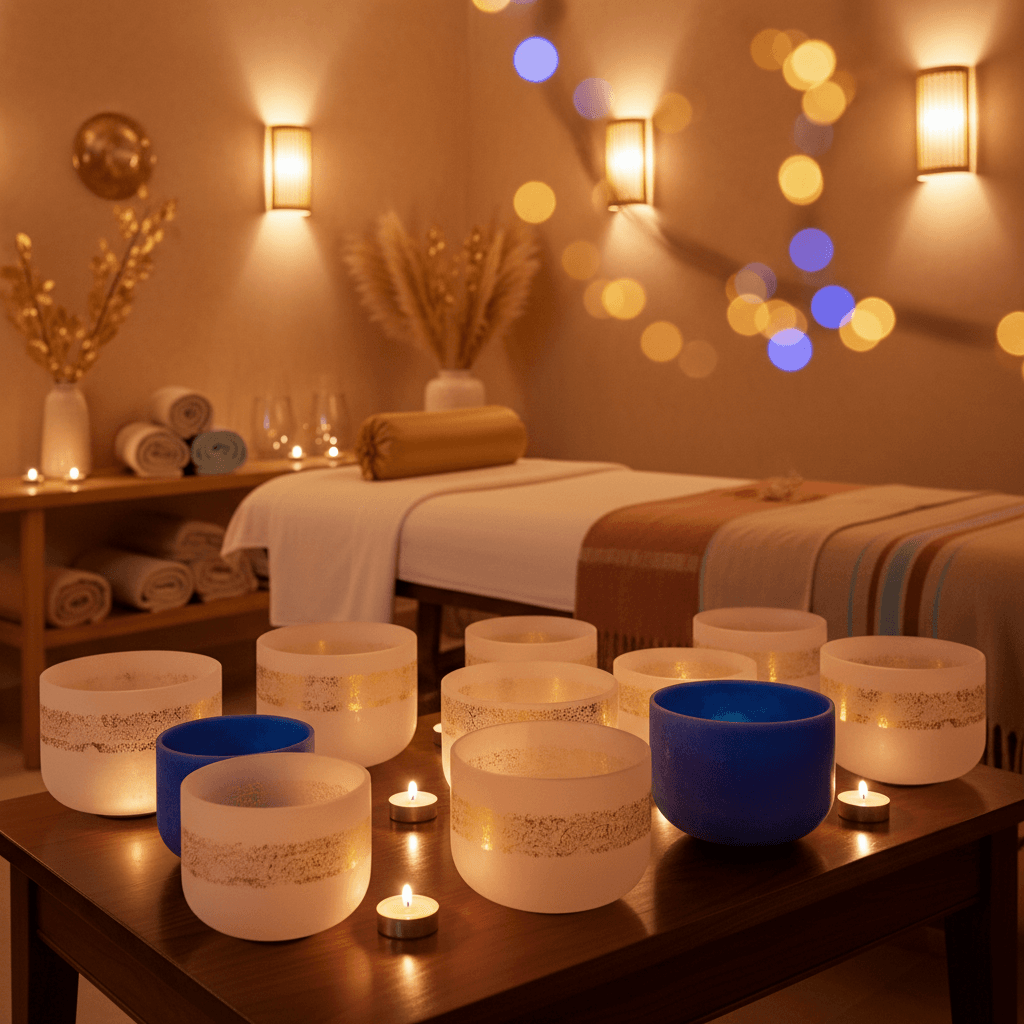
- Crystal Alchemy Singing Bowls: These bowls are made of pure quartz crystal infused with precious gems and minerals. They produce incredibly pure tones and powerful vibrations that resonate deeply within the body's cellular structure, promoting a sense of harmony and release.
- Himalayan Singing Bowls: These traditional, hand-hammered bowls produce complex, multi-layered frequencies. When placed on or near the body, their vibrations offer a form of somatic massage, helping to release physical tension held in muscles and fascia.
- Precision-Calibrated Tuning Forks: Used on specific acupressure points and energy centers, these forks deliver targeted frequencies that can help balance the nervous system and encourage energy to flow freely.
This multi-faceted approach ensures a holistic experience that addresses both the mind and the body, fostering the deep, systemic calm necessary for truly restorative sleep.
Your Next Steps Toward Restful Nights
Integrating new wellness practices into your life is a journey. While a professional sound session offers a profound experience, you can also begin to cultivate a more sleep-supportive lifestyle with a few simple, actionable steps.
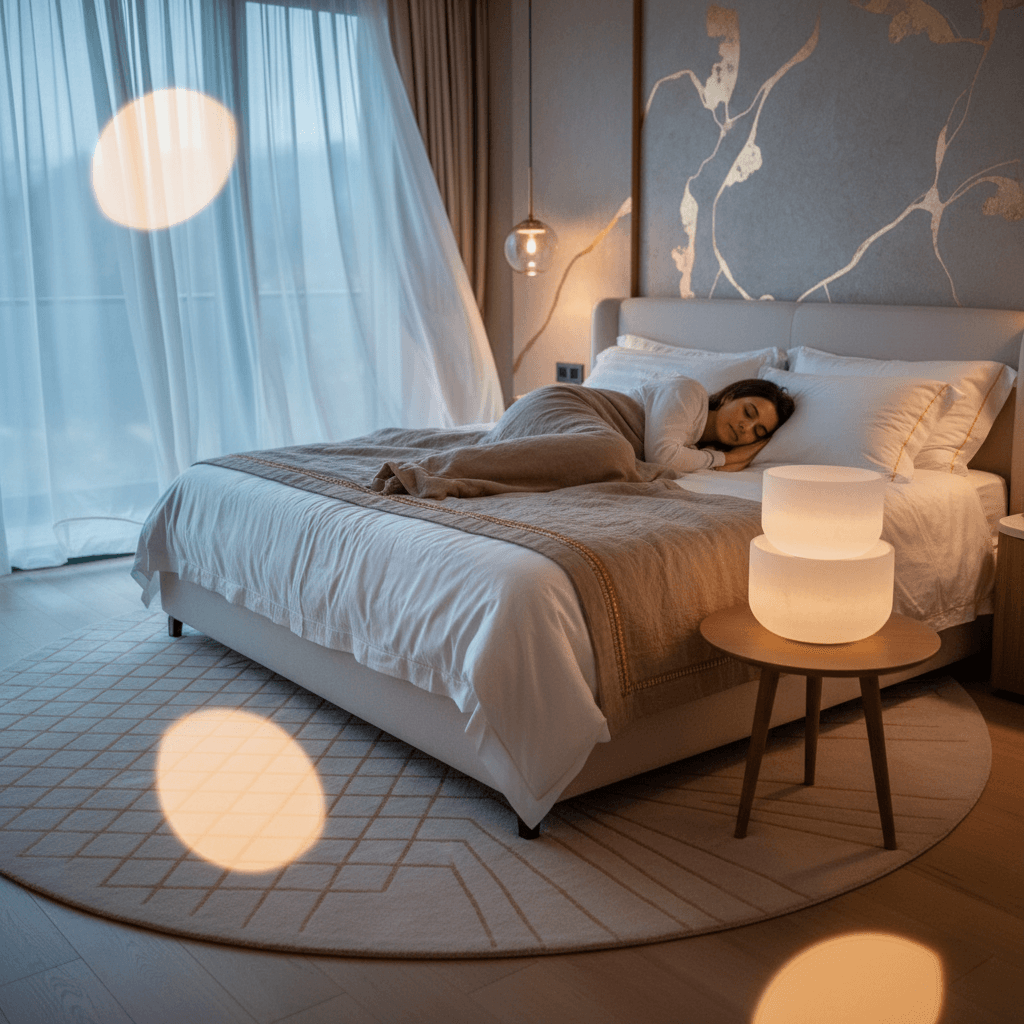
- Cultivate a Sleep Sanctuary: Make your bedroom a haven for rest. Keep it dark, cool, and quiet. Avoid screens for at least an hour before bed, as the blue light can interfere with melatonin production.
- Practice Mindful Decompression: Dedicate 10-15 minutes before bed to a calming activity. This could be gentle stretching, reading a physical book, journaling, or listening to a guided meditation or a calming soundscape. This helps signal to your body that it's time to wind down.
- Assess Your Stimulants: As noted in research, stimulants like caffeine can be a risk factor for sleep disturbances. Consider reducing or eliminating caffeine, especially after noon, and observe if you notice any changes in your sleep quality.
- Incorporate Mindful Movement: Gentle, restorative practices like yoga or Tai Chi can help release physical tension and calm the mind. Avoid intense exercise close to bedtime, which can be overly stimulating.
- Explore Sound as a Self-Care Tool: Consider integrating a personal sound wellness practice. Even a simple singing bowl or a high-quality recording of resonant frequencies can be used to create a calming pre-sleep ritual.
In Summary
Periodic Limb Movement Disorder is a complex neurological condition that significantly fragments sleep and impacts overall wellbeing, with potential links to cardiovascular strain. The science points towards dysregulation in the body’s dopaminergic and nervous systems. While medical interventions are available, a holistic wellness path offers complementary support by focusing on profound nervous system regulation.
Frequency-based sound wellness, through the principle of entrainment, gently guides the brain and body into states of deep relaxation conducive to more stable, restorative sleep. At Soul Art, we specialize in creating these personalized, resonant experiences. By understanding the challenge and embracing supportive practices, you can take meaningful steps toward reclaiming the peaceful, uninterrupted rest you deserve.
Bookings Coming Soon
Soul Art is still in preparation. Session details and booking will be published here after launch.
Coming Soon
Related Articles
Fan Noise and Sleep: Unmasking the Science Behind White Noise Machines for Deeper Rest
Polyphasic Sleep & Sound Healing: Navigating Restorative Rhythms
REM Rebound: Mastering the Art of Recovering Lost Dream Sleep