Unlocking Your Potential: Sound Strategies for Performance Anxiety
Key Insights
Discover how sound wellness and holistic practices at Soul Art Dubai can help manage performance anxiety and stage fright, empowering peak presence.
The spotlight can be exhilarating, yet for many, it transforms into an arena of intense apprehension. Did you know that between 16.5% and 60% of musicians experience significant music performance anxiety (MPA), and a striking 22% of university students reportedly failed exams due to stage fright? This isn't just about professional performers; it's a common human experience affecting anyone stepping into a high-stakes moment, from public speaking to competitive sports.
Performance anxiety, often interchangeably called "stage fright," represents a significant barrier to personal and professional achievement. It can prevent individuals from showcasing their true capabilities and reaching their full potential. This article will delve into the scientific underpinnings of performance anxiety, explore its profound impact, and introduce a complementary, holistic approach: sound wellness, championed by Larissa Steinbach and Soul Art in Dubai.
We will uncover how targeted sound strategies may support nervous system regulation, helping to transform apprehension into focused presence. Our aim is to provide scientifically-grounded insights and practical tools for managing stage fright, paving the way for a more confident and harmonious experience in life's pivotal moments.
The Science Explained: Understanding Performance Anxiety
Performance anxiety (PA) is far more than just "nerves"; it's a complex psychophysiological response to perceived pressure. Experts define it as anxiety aroused about potential mishaps in performance that expose feared inadequacies before an audience, evoking feelings of embarrassment and humiliation. While a mild degree of arousal can be enhancing and channeled productively, debilitating PA can severely impair performance and overall well-being.
Prevalence and Impact
The prevalence of performance anxiety is extensive across various domains. Studies indicate that a significant portion of the population struggles with stage fright, particularly within competitive and public-facing fields. For instance, research consistently shows high rates among musicians, with figures ranging from 16.5% to 60%. This condition is not limited to artists; athletes, students, and public speakers frequently encounter it.
The impact can be profound, leading to tangible setbacks. One study revealed that 22% of university students reported failing exams specifically due to stage fright or PA. Furthermore, 35% of surveyed individuals expressed worry about their positions in orchestras, choruses, or auditions for teaching roles, with some having already failed due to overwhelming anxiety. Women, notably, often report significantly higher anxiety scores related to performance.
Physiological and Psychological Manifestations
Performance anxiety manifests through a combination of physiological and psychological symptoms. Physically, individuals may experience:
- Increased heart rate and palpitations: The body's "fight or flight" response kicks in, leading to a surge in adrenaline.
- Sweating palms and tremors: These are classic signs of sympathetic nervous system activation.
- Shallow breathing: Respiration becomes rapid and less efficient, reducing oxygen flow.
- Muscle tension: Muscles may become rigid, impairing fine motor skills crucial for performance.
Psychologically, PA is characterized by:
- Excessive worry: Performers often worry intensely about anxiety itself and its potential negative effects on their performance. This worry activity can be highly consistent with debilitating anxiety levels.
- Negative self-talk and rumination: Dwelling on past failures or anticipating future mistakes.
- Difficulty concentrating: The mind races, making it challenging to focus on the task at hand.
- Memory blanks: A common and distressing symptom during high-pressure situations.
- Heightened self-consciousness: An intense focus on perceived flaws or audience judgment.
These interconnected symptoms create a vicious cycle, where physical discomfort fuels mental distress, further exacerbating the physiological response. The difference between normal levels of trait anxiety (general anxious disposition) and state anxiety (anxiety in a specific situation) can be statistically very significant during performance.
Current Approaches and Their Limitations
Traditional management strategies for performance anxiety have largely focused on symptom reduction.
- Cognitive Behavioral Therapy (CBT): This approach aims to modify faulty cognitions and change problematic behaviors. CBT has been shown to be effective and is widely considered a treatment of choice for PA. However, research indicates that complete "cures" are uncommon, and post-treatment anxiety levels rarely decrease to those of non-anxious individuals. The prevalence rates of MPA have, in fact, remained largely unchanged since large-scale studies in the 1980s, suggesting that current approaches overall may not have a meaningful impact for everyone.
- Beta-blockers: These medications are primarily used to manage physiological symptoms such as sweating, palpitations, and tremors. While they can be effective for these physical manifestations, they come with numerous adverse side effects. Crucially, there is no clear evidence that beta-blockers enhance the actual quality of performance. Interestingly, participants who used medication more frequently often reported being better informed about the possible risks, indicating an awareness of their limitations.
These observations suggest a need for complementary, multifaceted approaches that address the holistic nature of performance anxiety, rather than just isolated symptoms. While a specific kind of intervention might best treat different kinds of stage fright, a formal evaluation of combined anti-anxiety techniques is still lacking.
How It Works in Practice: The Power of Sound for Nervous System Regulation
In the face of performance anxiety, the nervous system often shifts into a state of hyper-arousal, activating the sympathetic "fight or flight" response. Sound wellness offers a unique, non-invasive method to gently guide the nervous system back into balance, promoting a state of calm and clarity. This is where the profound effects of sound truly shine, offering a pathway to deep relaxation and enhanced self-regulation.
When the body is exposed to specific frequencies and resonant vibrations, it initiates a cascade of physiological responses. The vagus nerve, a crucial component of the parasympathetic nervous system, can be stimulated by these harmonious sounds. This stimulation helps to lower heart rate, regulate breathing, and reduce muscle tension—directly counteracting the physical symptoms of performance anxiety. Many people report a palpable sense of relief as their body begins to unwind.
The experience of a sound bath or focused sound session goes beyond mere auditory input; it's a full-body sensory immersion. Clients often describe feeling the vibrations permeate their cells, creating an internal massage that dissolves tension. This resonant connection helps to shift brainwave states, moving from the alert beta waves associated with stress and active thinking to the more relaxed alpha and theta waves. Alpha waves are linked to states of calm alertness, while theta waves are characteristic of deep relaxation, meditation, and even sleep.
By cultivating these calmer brainwave states, sound wellness may support the mind in detaching from anxious thought patterns and negative self-talk. It helps create mental space, allowing for clearer thinking and a more grounded presence. This practice can gradually re-educate the nervous system, teaching it to return to a state of calm more readily, even in high-pressure situations. The objective is not to eliminate arousal entirely, but to foster optimal arousal levels for peak performance, transforming potentially debilitating anxiety into a focused, energized state.
Through consistent engagement with sound, individuals may develop a heightened sense of self-awareness and emotional regulation. This improved internal balance can empower them to approach performances with greater equanimity, reducing the intensity of fear and worry. The soothing tones provide a anchor, a reminder of inner peace, which can be accessed even when facing external pressures. Ultimately, sound wellness offers a tangible path to cultivating inner resilience and embracing the stage—or any challenging situation—with a calm and collected presence.
The Soul Art Approach: Larissa Steinbach's Unique Vision
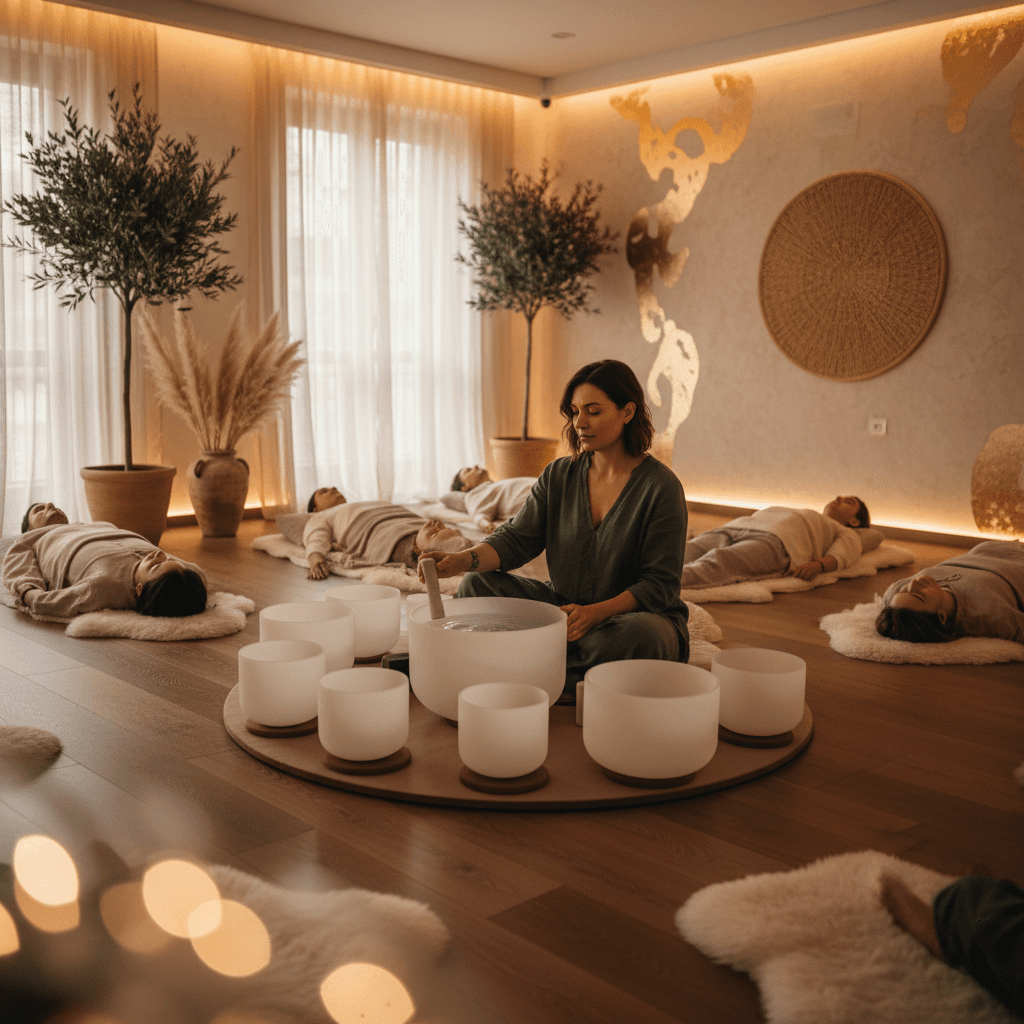
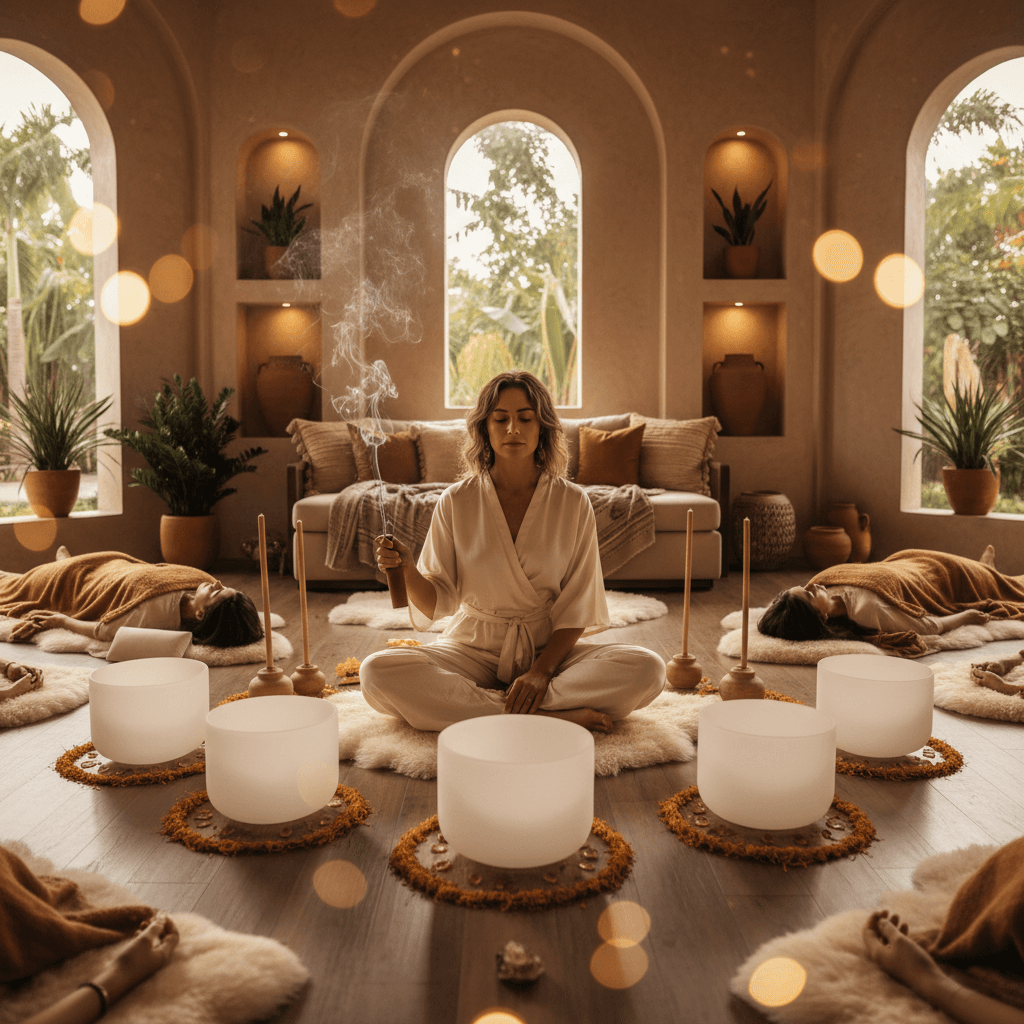
At Soul Art in Dubai, Larissa Steinbach has meticulously crafted a sound wellness experience designed to address the modern stressors of life, including the pervasive challenge of performance anxiety. Her approach is rooted in a philosophy that views well-being as an integrated journey, combining ancient wisdom with contemporary scientific understanding. Larissa's unique methodology focuses on creating a sanctuary where clients can explore deep relaxation and unlock their innate capacity for self-regulation.
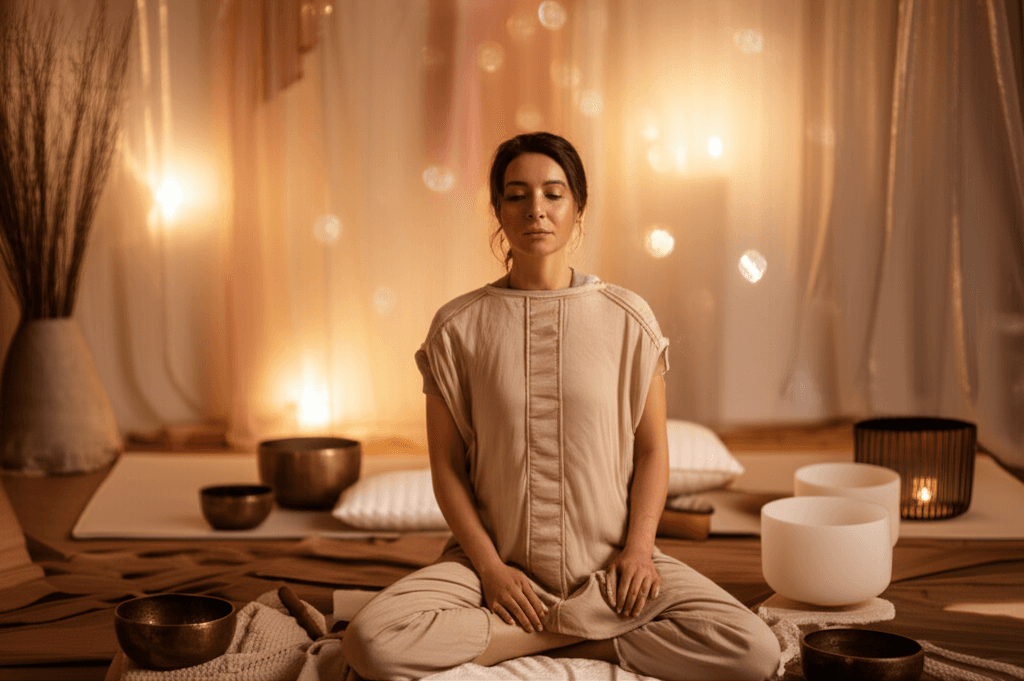
What sets the Soul Art method apart is its highly personalized and deeply intentional structure. Larissa carefully curates each session, drawing upon a rich array of sacred sound instruments. Clients will experience the profound resonance of:
- Tibetan singing bowls: Known for their rich, sustained tones and powerful vibrations that encourage deep cellular relaxation.
- Gongs: Their expansive, immersive sounds create a full-body sonic experience, facilitating profound meditative states.
- Tuning forks: Precisely calibrated, these instruments apply specific frequencies to energetic points, promoting balance and vibrational alignment.
- Chimes and other percussive instruments: Used to weave intricate soundscapes that soothe the mind and uplift the spirit.
Larissa integrates these instruments with gentle breathwork and guided meditation techniques, amplifying their calming effects. The objective is to guide individuals into a state of profound relaxation where the sympathetic nervous system can quieten, and the parasympathetic system can take over. This shift is crucial for managing the physiological symptoms of performance anxiety, such as a racing heart or tremors.
"True performance isn't about eradicating nerves, but about cultivating a deep inner calm that allows your authentic self to emerge, unburdened by fear. Sound offers a beautiful pathway to that inner sanctuary."
The Soul Art experience is more than just a sound bath; it’s a journey towards self-discovery and inner resilience. By consistently creating a calm baseline for the nervous system, clients learn to improve focus, enhance emotional regulation skills, and develop a stronger connection to their intuitive self. This holistic approach helps to mitigate the negative post-event rumination often associated with performance anxiety and builds confidence by fostering a sense of grounded presence. Larissa Steinbach’s vision at Soul Art is to empower individuals to embrace their unique potential, transforming the fear of the stage into the joy of authentic expression.
Your Next Steps: Practical Strategies for Stage Fright
Managing performance anxiety is a learnable skill that improves with consistent practice and self-awareness. While professional guidance, such as that offered at Soul Art, can be transformative, there are practical steps you can integrate into your daily life to cultivate resilience and manage stage fright. These strategies are backed by both scientific research and real-world success stories from various high-stakes domains, from Olympic champions to professional musicians.
Here are 3-5 actionable steps you can implement today:
- Practice Mindful Breathing: Before and during moments of pressure, consciously engage in deep, diaphragmatic breathing. Inhale slowly through your nose for a count of four, hold for seven, and exhale completely through your mouth for eight. This technique directly stimulates the vagus nerve, helping to calm your nervous system and reduce heart rate. Super Bowl champions and athletes often employ such breathing techniques to maintain optimal arousal levels.
- Visualize Success and Presence: Spend time regularly visualizing yourself performing confidently and successfully, experiencing the desired emotions and outcomes. Olympic gold medalists extensively use visualization practices to mentally prepare. Focus not just on the outcome, but on the feeling of being present, calm, and fully engaged during your performance. This can reframe your brain's response to the event.
- Engage in Gradual Exposure and "Try-Outs": Rather than avoiding anxiety-inducing situations, gradually expose yourself to them. Rehearse in front of a small, supportive audience like family or friends. Simulate the pressure of a real performance by conducting "try-outs" where you mimic the exact conditions of the event. Research shows that repeated stage exposure can reduce music performance anxiety and improve performance quality, while musicians express a wish for more opportunities for such practice. This systematic desensitization builds confidence and develops coping skills.
- Integrate Sound Wellness into Your Routine: Explore the power of sound to regulate your nervous system. Whether through guided meditations with sound, listening to calming frequencies, or experiencing a professional sound bath session, incorporating sound can help establish a calmer baseline. Regular sound practices may support your ability to enter a relaxed state quickly and effectively, providing a valuable tool for stress management before and after performances.
- Prioritize Holistic Self-Care: Ensure you are getting adequate sleep, maintaining a balanced diet, and engaging in regular physical activity. These foundational elements significantly impact your mental and emotional resilience. A well-nourished and rested body is better equipped to handle stress and perform optimally. Remember, managing anxiety is a journey of holistic well-being.
By consistently applying these evidence-based methods, you can transform your relationship with competitive pressure and unlock a more confident, focused presence.
In Summary: Embracing Harmony and Presence
Performance anxiety is a widespread and often debilitating challenge, affecting individuals across various fields from music to sports and public speaking. While conventional approaches like CBT and beta-blockers offer some relief, they often fall short of achieving complete resolution, with prevalence rates of stage fright remaining stubbornly high for decades. This highlights the need for complementary, holistic strategies that address the multifaceted nature of this experience.
Sound wellness, as expertly guided by Larissa Steinbach at Soul Art in Dubai, offers a profound and gentle path to nervous system regulation. By leveraging the power of resonant frequencies and vibrations, sound practices may support the body in shifting from stress to deep relaxation, calming physiological symptoms and fostering mental clarity. This holistic approach empowers individuals to cultivate a stronger sense of inner peace, focus, and resilience, transforming their relationship with high-pressure situations. Through intentional practice and the unique Soul Art methodology, you can learn to navigate the stage of life with greater confidence and authentic presence.
Bookings Coming Soon
Soul Art is still in preparation. Session details and booking will be published here after launch.
Coming Soon
Wellness Disclaimer: This article is for educational and informational purposes only. It does not constitute medical advice, diagnosis, or treatment. Soul Art Dubai provides non-medical wellness experiences focused on relaxation, stress management, and general wellbeing. Sound wellness is a complementary practice and should not replace professional medical care.