Vagal Sound Activation: A Sound Path to Preventing Panic
Key Insights
Discover how activating the vagus nerve with sound wellness may help regulate your nervous system and prevent panic attacks. A scientific look into Soul Art's approach.
What if the key to managing the overwhelming surge of a panic attack wasn't just in your mind, but deep within your body's own intricate wiring? For the millions who experience the sudden, paralyzing terror of a panic attack, the search for calm can feel relentless. But emerging insights into our nervous system reveal a powerful, innate pathway to peace: the vagus nerve.
This remarkable nerve acts as the master conductor of your body's relaxation response. When its function is optimal, it provides a powerful counterbalance to the "fight-or-flight" state that defines panic. This article explores the fascinating science behind vagal sound activation, a gentle yet profound wellness practice. We will journey through the neuroscience of anxiety, uncover how specific sound frequencies can communicate with this master nerve, and offer practical steps to cultivate a more resilient and balanced nervous system. This is about reclaiming your inner sanctuary, one vibration at a time.
The Science Explained: The Conductor of Calm
To understand how sound can be a tool for panic attack prevention, we must first meet the central character in this story: the vagus nerve. Far from being a simple biological component, it is a complex information superhighway that profoundly influences our mental and physical state.
### What is the Vagus Nerve?
The vagus nerve, also known as the tenth cranial nerve (CN X), is the longest and most complex of the cranial nerves. It originates in the brainstem and wanders down through the neck and chest to the abdomen, connecting the brain to vital organs like the heart, lungs, and digestive tract.
This nerve is the primary component of the parasympathetic nervous system, the branch of our autonomic nervous system responsible for the "rest and digest" response. It acts as a natural brake on the sympathetic nervous system, which governs the "fight-or-flight" response—the very system that goes into overdrive during a panic attack.
### The Vagus Nerve and Nervous System Balance
The effectiveness of your vagus nerve is often referred to as vagal tone. Think of it like muscle tone; the stronger your vagal tone, the more efficiently your body can regulate itself and return to a calm state after a stressful event.
A high vagal tone is associated with:
- Slower, deeper breathing
- A lower resting heart rate
- Better emotional regulation
- Reduced inflammation
- Improved digestion
Conversely, a low vagal tone means the "fight-or-flight" system can remain dominant for longer, making an individual more susceptible to stress, anxiety, and the physiological cascade that can lead to a panic attack.
### The Neuroscience of Panic and Vagal Activation
A panic attack is a sudden, intense episode of fear characterized by a racing heart, difficulty breathing, dizziness, and a feeling of impending doom. This is the sympathetic nervous system at its most extreme. The goal of any effective prevention strategy is to strengthen the body's ability to resist this hijacking and instead activate the calming parasympathetic response.
This is where the science of Vagus Nerve Stimulation (VNS) becomes relevant. Clinical research has explored both invasive and non-invasive VNS for conditions like treatment-resistant depression and anxiety. Studies published in journals like Frontiers in Integrative Neuroscience note that the vagus nerve projects to key brain regions involved in fear and emotional processing, such as the amygdala and hippocampus.
Emerging research into non-invasive methods, such as transcutaneous auricular Vagus Nerve Stimulation (taVNS), suggests that stimulating the nerve through the ear can improve stress markers like respiratory sinus arrhythmia and decrease sympathetic tone. This provides a compelling scientific basis for exploring other non-invasive methods, like sound, as a wellness tool to support vagal function.
How It Works in Practice: From Theory to Sensation
Knowing the science is one thing; understanding how it translates into a tangible experience of calm is another. Vagal sound activation moves beyond intellectual understanding and engages the body's direct, felt sense of safety and relaxation through the medium of vibration.
The core principle is simple: sound is vibration. When you are immersed in specific frequencies, particularly low-frequency sounds produced by instruments like gongs or crystal singing bowls, those vibrations travel through the air and into your body. The vagus nerve is particularly receptive to this form of stimulation, especially via its pathways in the neck, chest, and through the auricular branch in the ear.
### The Vibrational Pathway to Calm
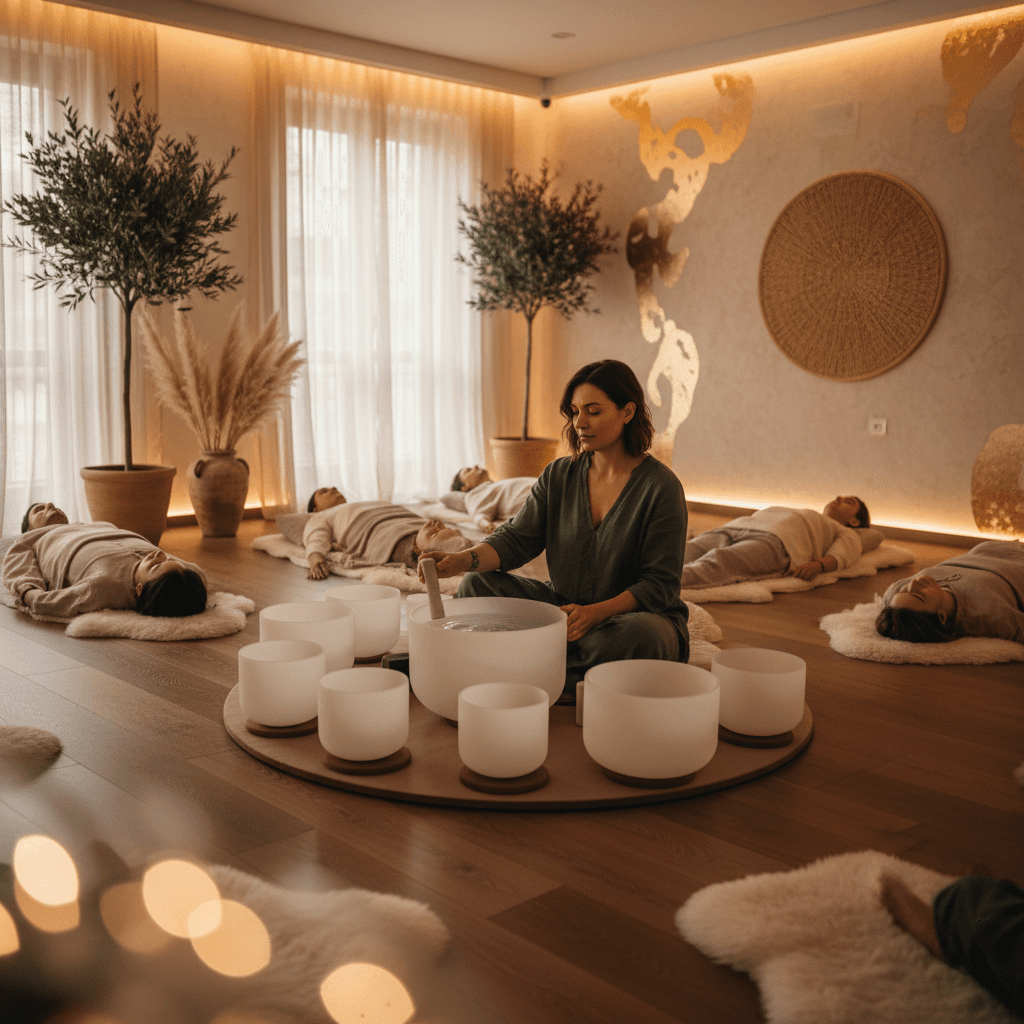
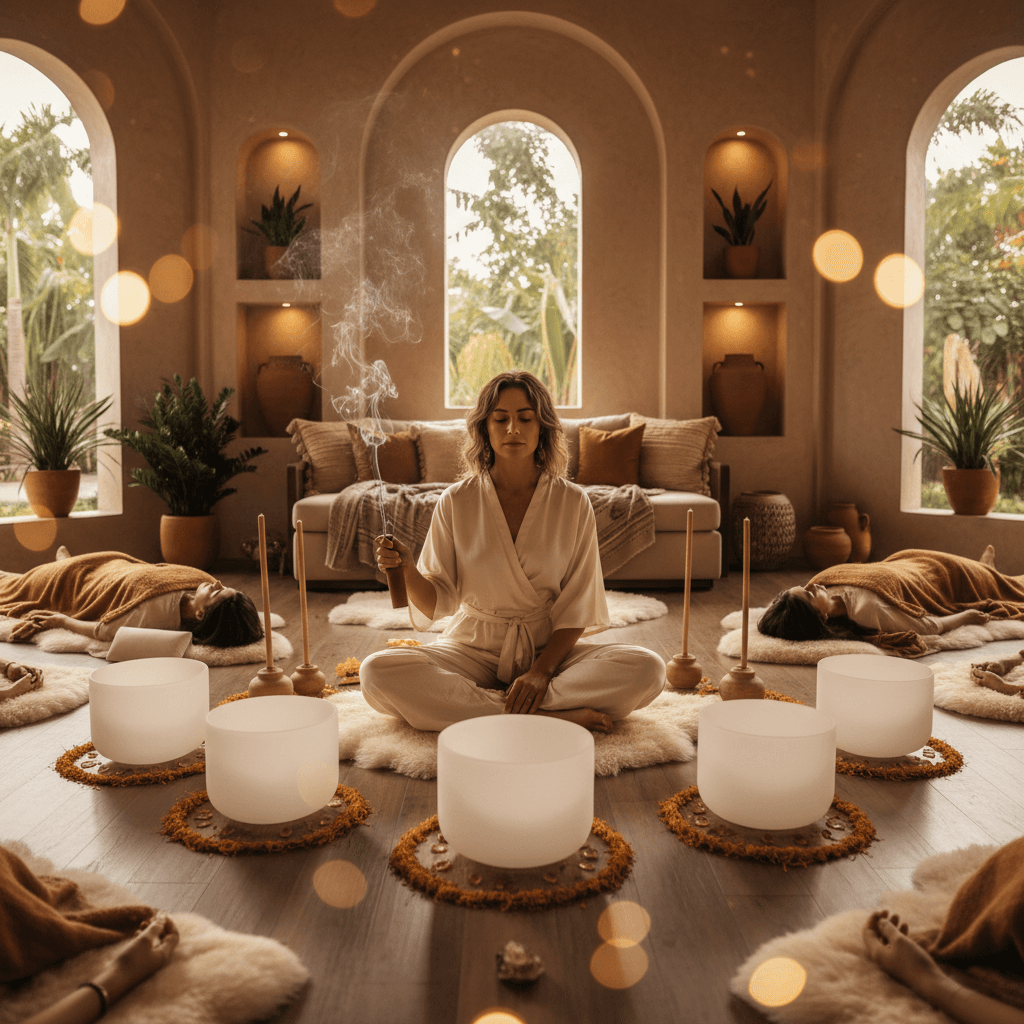
Imagine lying in a comfortable, safe space. As the deep, resonant hum of a therapeutic instrument fills the room, its vibrations are not just heard but felt. This physical sensation of gentle vibration is a powerful, primal signal to the nervous system. It communicates a message of safety that bypasses the analytical mind, which is often stuck in loops of worry and fear.
This resonant frequency may gently stimulate the vagus nerve, encouraging it to send signals up to the brain that everything is okay. This signal helps to initiate a physiological shift, moving the body out of a state of high alert (sympathetic) and into one of deep rest (parasympathetic). This process is known as acoustic entrainment, where the body's internal rhythms begin to synchronize with the external calming sounds.
### What Clients Experience
During a sound wellness session focused on vagal activation, individuals often report a cascade of calming sensations. The experience typically unfolds from the physical to the mental and emotional.
Initially, one might notice their breathing naturally slowing and deepening without conscious effort. The heart rate may begin to settle. A feeling of warmth or a gentle tingling sensation might spread through the body as tense muscles begin to release their grip. As the body relaxes, the mind follows. The frantic internal chatter subsides, replaced by a sense of spaciousness and profound stillness. This state is the tangible result of a nervous system down-regulating and returning to its natural state of equilibrium.
The Soul Art Approach: Curated Soundscapes for Nervous System Regulation
At Soul Art, we understand that facilitating this deep state of relaxation is both an art and a science. Our approach, guided by founder Larissa Steinbach, is not about simply playing calming music. It is a precisely curated and intuitive process designed to create the optimal conditions for nervous system regulation and healing.
We utilize a specific selection of instruments known for their powerful, resonant, and harmonically rich frequencies. These include:
- Large Symphonic Gongs: Produce a wide spectrum of low-frequency vibrations that create a "sound massage" for the entire body.
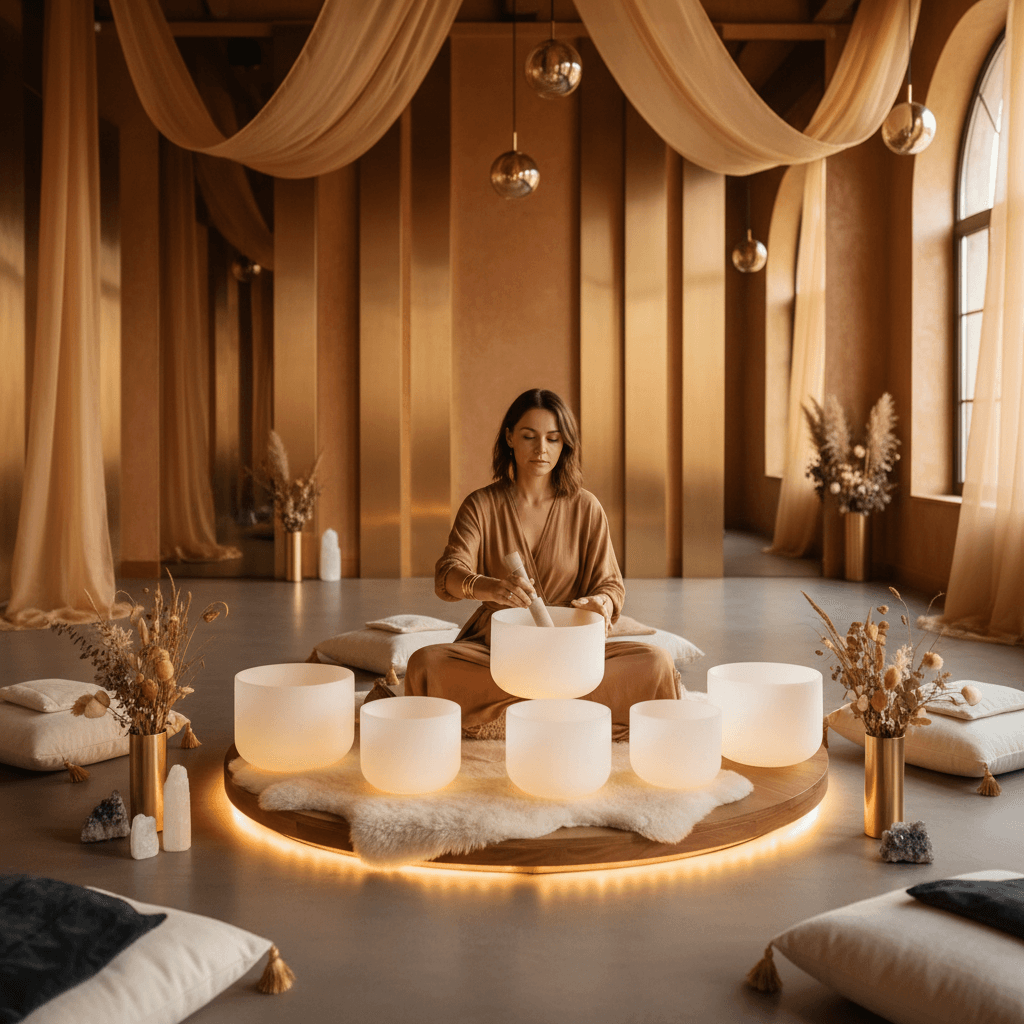
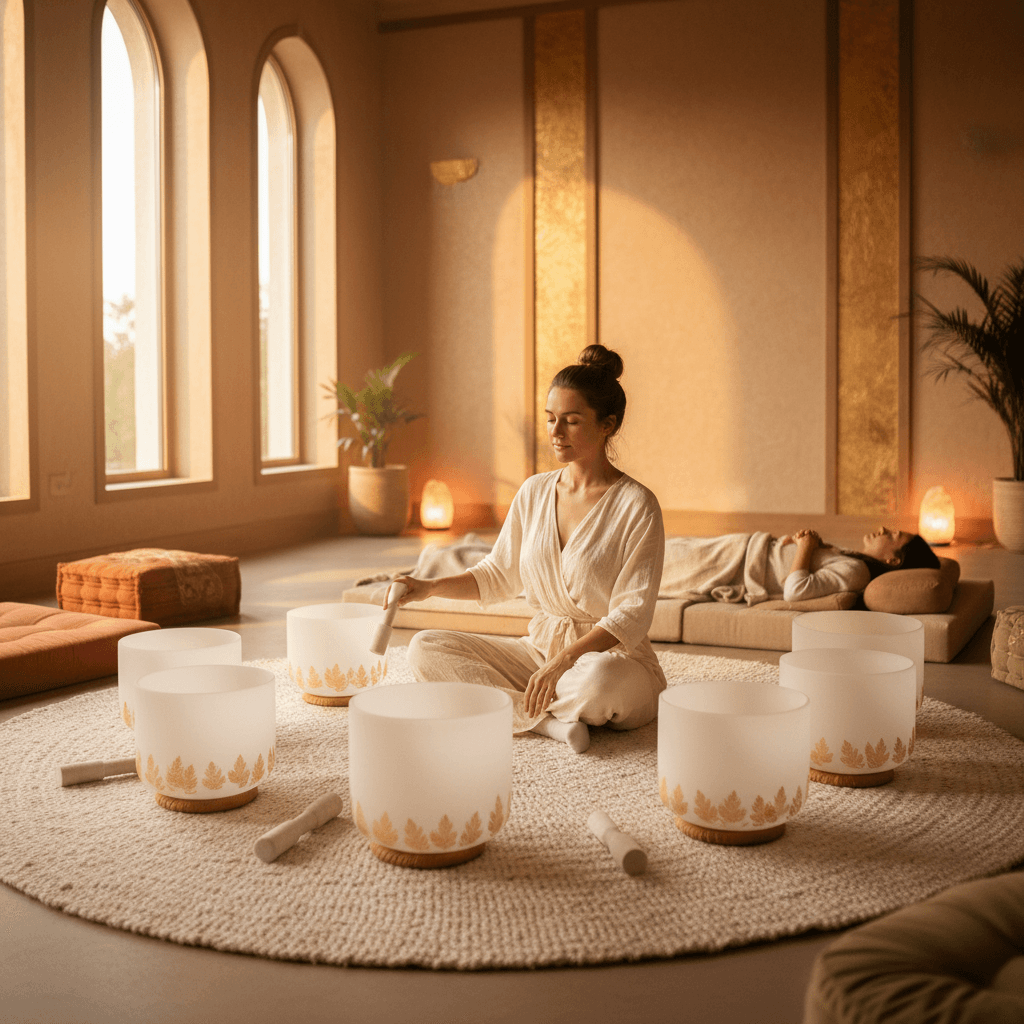
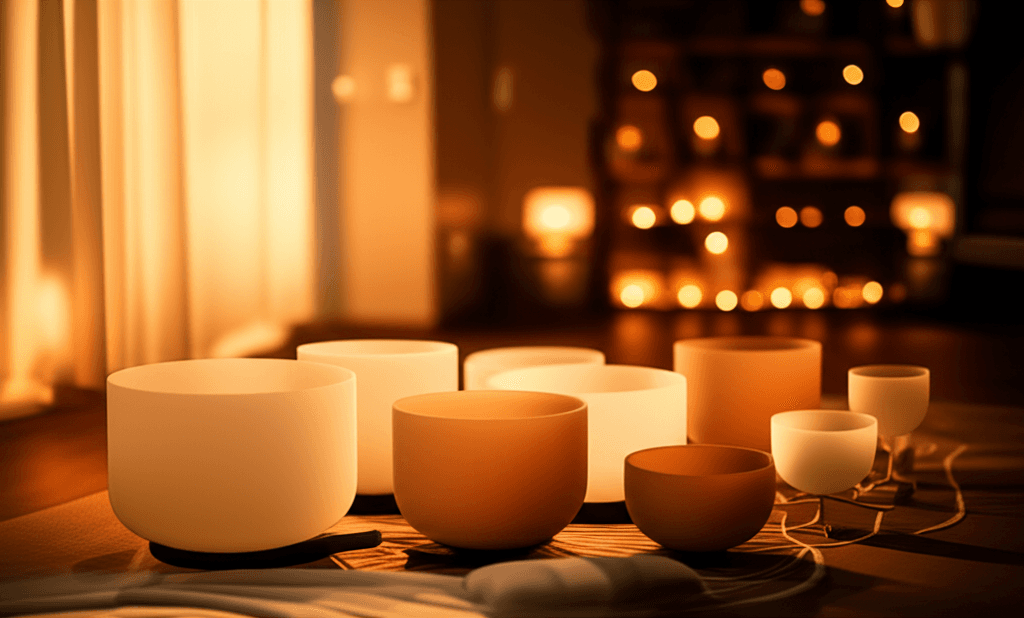
- Himalayan & Crystal Singing Bowls: Placed on or around the body, their pure tones and vibrations can be felt directly, promoting deep release.
- Monochords: These stringed instruments produce a rich tapestry of overtones that are profoundly soothing to the human nervous system.
The Soul Art method involves layering these sounds to create a holistic sonic environment. This isn't just about relaxation; it's about creating a profound sense of safety that allows the nervous system to let go of hypervigilance. We guide you into a state where your body remembers its innate capacity for peace.
"We are not trying to 'fight' anxiety," explains Larissa Steinbach. "Instead, we are creating a condition of profound safety through sound, inviting the nervous system to remember its own innate capacity for peace."
This personalized and compassionate approach ensures that each session at Soul Art is a unique journey tailored to support your individual path toward inner resilience and calm.
Your Next Steps: Simple Practices to Enhance Vagal Tone at Home
While a guided sound session provides a deep and immersive experience, you can begin to support your vagal tone with simple, daily practices. Integrating these into your routine can help build a foundation of nervous system resilience.
Here are a few actionable techniques you can try today:
-
Mindful Breathing: The simplest and most powerful tool. Focus on extending your exhale. Inhale slowly through your nose for a count of four, and exhale slowly through your mouth for a count of six or eight. The longer exhale directly stimulates the vagus nerve.
-
Humming, Singing, or Chanting: The vibrations created in your throat and chest from vocalizing are a direct and easy way to gently stimulate the vagus nerve. Choose a favorite song or a simple "OM" chant and feel the resonance.
-
Cold Exposure: You don't need an ice bath. Simply splashing your face with cold water or holding a cold pack to your neck for 30 seconds can activate the vagus nerve and help reset your nervous system.
-
Mindful Listening: Put on a piece of music with deep, resonant bass tones. Close your eyes and focus not just on hearing the sound, but on feeling the vibration in your body.
These practices, when done consistently, can help train your nervous system to become more flexible and less reactive to stressors, forming a powerful complement to professional sound wellness work.
In Summary: A Path to Inner Resilience
Panic attacks are a profound signal from a dysregulated nervous system that is overwhelmed and stuck in a state of high alert. The journey to prevention is not about suppressing fear, but about fundamentally restoring balance and building resilience from within. The vagus nerve serves as our body's own powerful, built-in tool for achieving this equilibrium.
Vagal sound activation offers a gentle, non-invasive, and deeply restorative wellness practice to support this process. By using specific frequencies and vibrations, we can communicate with the nervous system in its own language, inviting it back to a state of safety, calm, and coherence. This approach empowers you to move from a state of reaction to one of resourceful inner peace.
At Soul Art, we are dedicated to guiding you on this path. We invite you to experience the profound shift that occurs when you allow your body to be tuned back to its natural frequency of well-being.
Bookings Coming Soon
Soul Art is still in preparation. Session details and booking will be published here after launch.
Coming Soon