Sound Wellness for OCD: A Complementary Path to Calm Intrusive Thoughts
Key Insights
Explore how sound wellness offers a complementary path to manage intrusive thoughts associated with OCD, enhancing well-being at Soul Art Dubai with Larissa Steinbach.
Unlocking Inner Calm: Complementary Sound Approaches for Intrusive Thoughts
Imagine a mind caught in an incessant loop, where unwanted thoughts, images, or urges relentlessly intrude, triggering profound anxiety and compelling repetitive actions. This is the often misunderstood reality of Obsessive-Compulsive Disorder (OCD), a complex condition far removed from casual jokes about neatness. For the millions affected, the relentless "internal monologue that never stops" can be debilitating, severely impacting quality of life.
While conventional treatments are crucial, many individuals seek additional, holistic pathways to support their well-being. This article delves into the fascinating connection between sound and the mind, exploring how sound wellness, a complementary practice, may offer a unique avenue for managing the distress associated with intrusive thoughts in OCD. At Soul Art Dubai, under the expert guidance of founder Larissa Steinbach, we explore how meticulously crafted sound experiences can foster a deeper sense of calm and resilience.
Here, we will unpack the science behind intrusive thoughts, examine how the brain processes sound, and reveal how immersive sound environments may cultivate a more peaceful internal landscape. Join us on a journey to understand how sonic vibrations might become a valuable tool in your self-care practice, helping you navigate the complexities of your mind with greater ease and presence.
The Science Explained: Understanding Intrusive Thoughts and Sound's Influence
OCD is recognized as one of the most commonly occurring mental health disorders, characterized by two primary components: obsessions and compulsions. Understanding these elements and their impact is the first step toward exploring complementary support systems.
What are Obsessions and Compulsions?
Obsessions are defined as recurrent and persistent thoughts, urges, or images that are experienced as intrusive and unwanted. These mental intrusions typically cause marked anxiety or distress, often feeling alien to one's true self. They are often described as ego-dystonic, meaning they do not align with an individual's values, identity, or desires.
Compulsions, on the other hand, are repetitive behaviors or mental acts that an individual feels driven to perform in response to an obsession. These actions are aimed at preventing or reducing anxiety or distress, or preventing some dreaded event or situation. Common examples include excessive handwashing, checking, ordering, or repeating actions.
Many people experience troubling, unwanted thoughts occasionally; however, in those without OCD, these thoughts are given little importance and easily disappear. For individuals with OCD, these thoughts are intense, relentless, and can cause tremendous anxiety, guilt, and disgust, consuming more than an hour every day and significantly disrupting daily life. Themes can range from contamination and harm to symmetry and taboo subjects. The impact extends beyond the individual, often affecting family members who may become involved in rituals, leading to their own experiences of low quality of life and depression.
The Brain's Auditory Processing in OCD
Emerging research highlights interesting peculiarities in how individuals with OCD process sensory information, particularly auditory stimuli. An fMRI study by Buse and Roessner, for instance, revealed that patients with OCD exhibited more brain activation than healthy controls in harmonic conditions, yet lower activation in disharmonic conditions. These findings suggest a potential relationship between OCD and a misallocation of attention to auditory stimuli that might ordinarily be processed unconsciously.
This heightened or altered auditory processing suggests that the brain of someone with OCD may be wired to react differently to sounds. It hints at an underlying neural sensitivity that could be both a challenge and, paradoxically, an opportunity for intervention. If the brain is particularly attuned to auditory input, then carefully curated sound environments might be harnessed to guide its state towards calm and focus.
The Nervous System and Sound's Regulatory Power
Sound is not merely perceived by the ears; it is felt by the entire body and deeply influences our nervous system. Different frequencies and rhythms of sound can impact brainwave states, shifting us from a highly alert beta state to more relaxed alpha or meditative theta states. This physiological response is fundamental to understanding sound's potential as a complementary wellness tool.
When the nervous system is in a state of hyper-arousal, as often experienced with intrusive thoughts, the body's stress response is activated. Sound wellness practices aim to gently guide the nervous system towards a state of parasympathetic dominance – the "rest and digest" mode. This shift can facilitate profound relaxation, reduce physiological stress markers, and create a fertile ground for mental clarity.
"The persistent internal dialogue of OCD can feel like a relentless storm. Sound wellness doesn't aim to silence the storm, but rather to teach the mind how to find shelter and observe the rain from a place of inner calm."
By engaging the auditory system in a structured, soothing manner, sound can act as an anchor, drawing attention away from repetitive thought patterns. It can help individuals develop a more objective, non-judgmental stance towards their internal experiences, a skill highly valued in mindfulness-based approaches. This detachment is crucial for reducing the intensity of intrusive thoughts and the compulsive urge to respond to them.
How It Works in Practice: Connecting Theory to Experience
The theoretical understanding of sound's influence on the brain and nervous system translates into tangible experiences within a sound wellness session. These practices offer a unique, non-invasive way to engage with the challenges of intrusive thoughts.
Shifting the Internal Landscape with Sonic Immersion
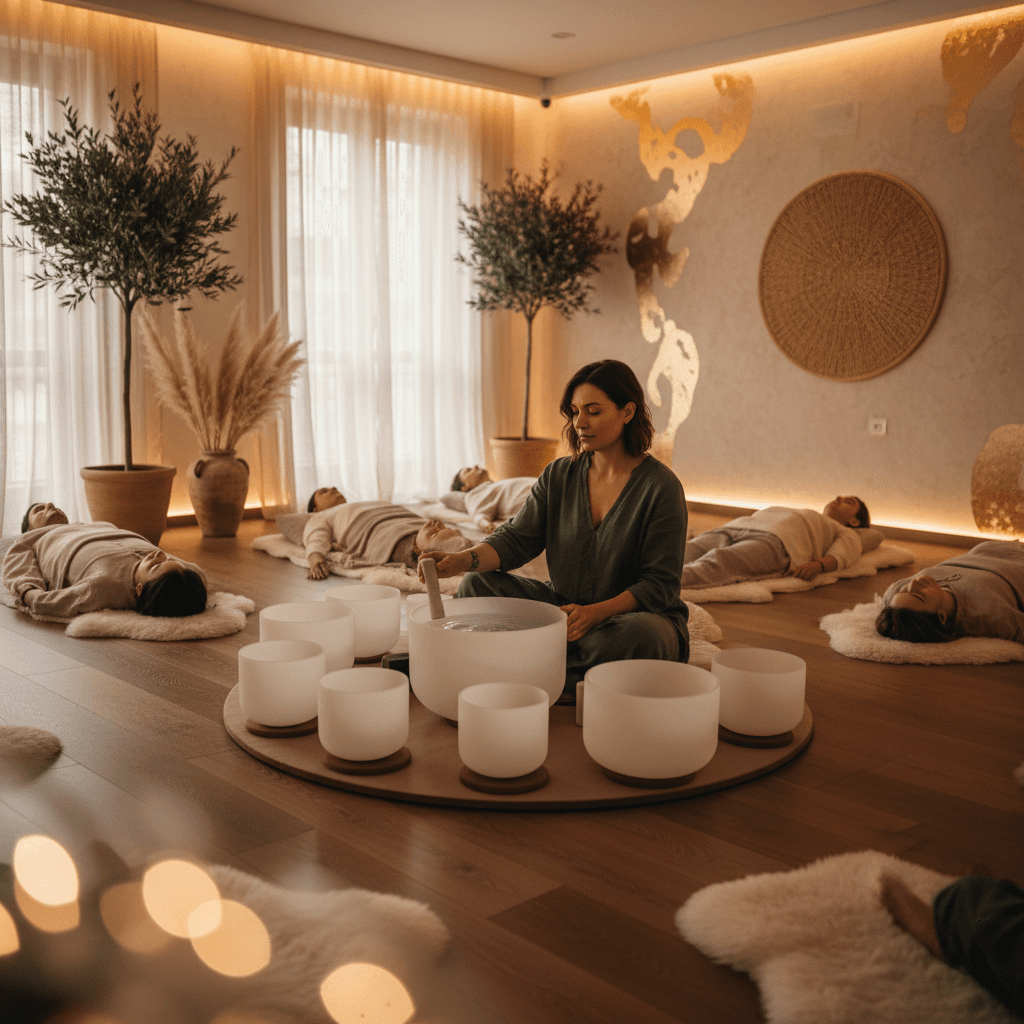
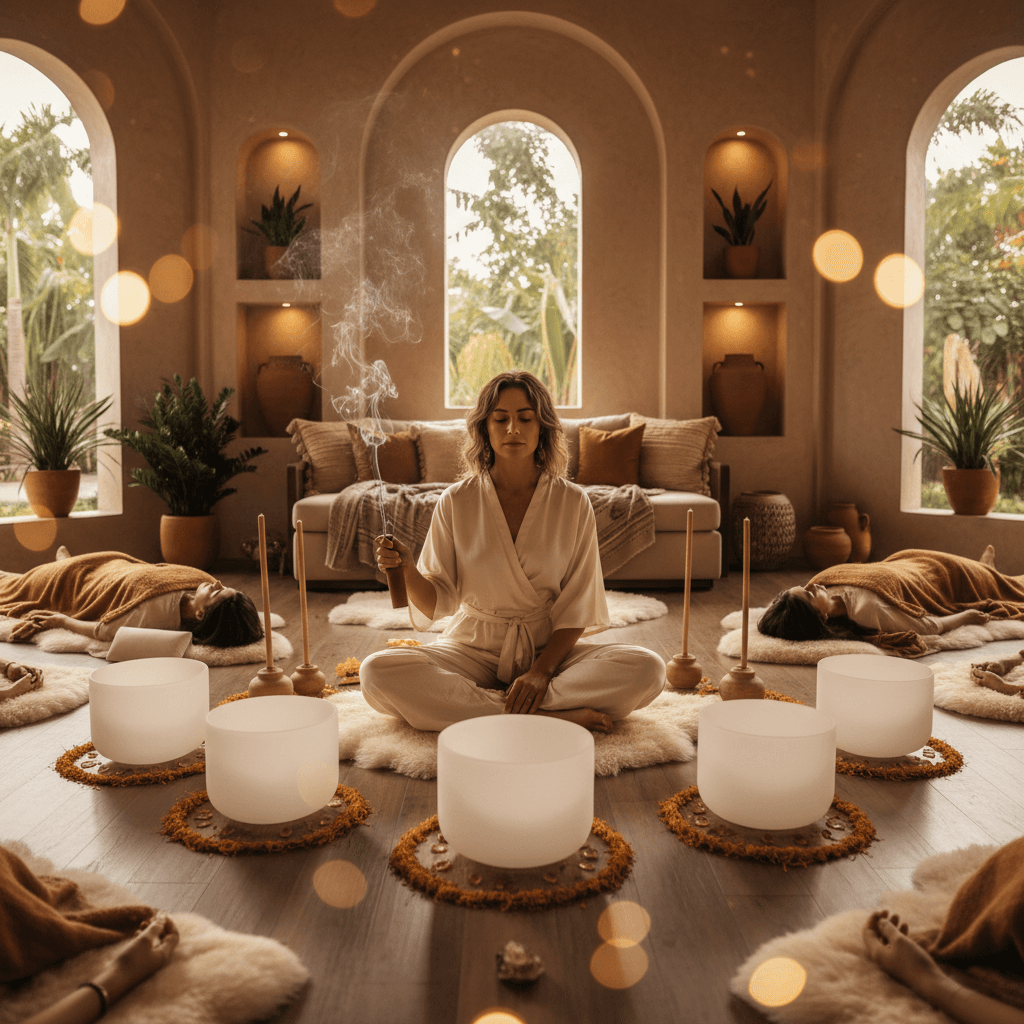
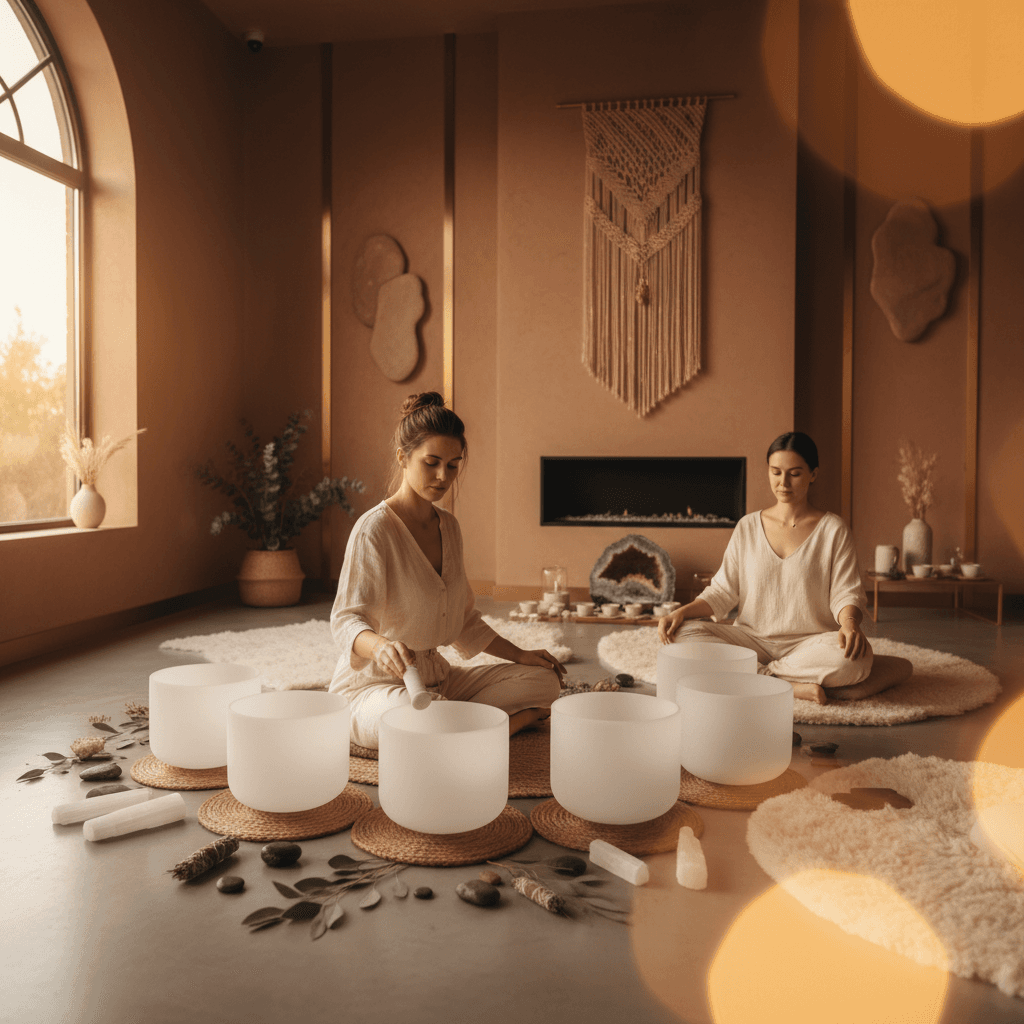
A sound wellness session at Soul Art creates an intentionally designed sonic environment, a sanctuary from the relentless internal monologue. The carefully chosen instruments and skilled facilitation generate frequencies and vibrations that resonate through the body, promoting a state of deep physical and mental relaxation. This immersion can help to disrupt the habitual patterns of thought that fuel obsessions.
Rather than trying to "fight" intrusive thoughts, the practice encourages a surrender to the present moment. The rich, layered soundscapes provide a focal point for attention, gently redirecting the mind from its anxious loops. This shift can be a profound relief for those accustomed to a constant state of internal vigilance and distress.
Cultivating Mindfulness and Detachment
One of the core benefits of sound wellness, particularly for intrusive thoughts, lies in its ability to foster mindfulness. Mindfulness trains participants to observe sensations, thoughts, and feelings from an objective, non-judgmental stance. In the context of sound, the auditory experience becomes an anchor to the present moment, making it easier to notice thoughts without getting entangled in their narrative.
For someone experiencing intrusive thoughts, the impulse is often to immediately negate, analyze, or act upon them. Sound wellness offers an alternative: to simply observe the thought as another fleeting mental event, much like observing a sound entering and leaving one's awareness. This practice helps to create a crucial space between the thought and the compulsive reaction, gradually weakening the grip of the obsession-compulsion cycle. Many people report that regular engagement with sound wellness practices helps them develop a greater capacity to "let go" of distressing thoughts more easily.
The Experiential Journey: From Distraction to Presence
During a sound immersion, the experience is multi-sensory and deeply personal. The vibrations from instruments like gongs and singing bowls can be felt throughout the body, providing a grounding sensation. This physical resonance helps to draw awareness away from purely cognitive activity and into somatic experience.
The intricate tapestry of sounds can create a sense of spaciousness within the mind, allowing for a temporary reprieve from rumination. Clients often describe feeling a profound sense of peace, clarity, and even emotional release. This state of deep relaxation and altered awareness can be incredibly restorative, offering a much-needed break from the exhaustion of fighting one's own brain. Over time, this repeated experience of calm can help to re-pattern neural pathways, supporting the development of greater self-regulation and resilience when confronted with intrusive thoughts in daily life.
The Soul Art Approach: Larissa Steinbach's Vision for Well-being
At Soul Art, Dubai's premier sound wellness studio, Larissa Steinbach has meticulously crafted an approach that prioritizes holistic well-being and empowers individuals to cultivate inner harmony. Her vision extends beyond simple relaxation, aiming to provide a supportive environment where clients can explore complementary strategies for managing mental and emotional challenges.
A Philosophy Rooted in Empowerment and Restoration
Larissa's philosophy is grounded in the understanding that while sound wellness is not a medical treatment, it serves as a powerful complementary approach to enhance one's overall well-being. She emphasizes fostering nervous system regulation, creating a profound sense of safety, and encouraging a deeper connection to one's inner resources. The goal is to equip individuals with tools that support their journey towards emotional balance and resilience, particularly in navigating complex mental experiences like intrusive thoughts.
Soul Art offers a sanctuary where the focus is on the restoration of peace, enabling clients to develop a more compassionate relationship with their internal landscapes. This client-centered approach ensures that each session is designed to meet individual needs, fostering an environment of trust and profound relaxation.
Unique Methodologies and Curated Experiences
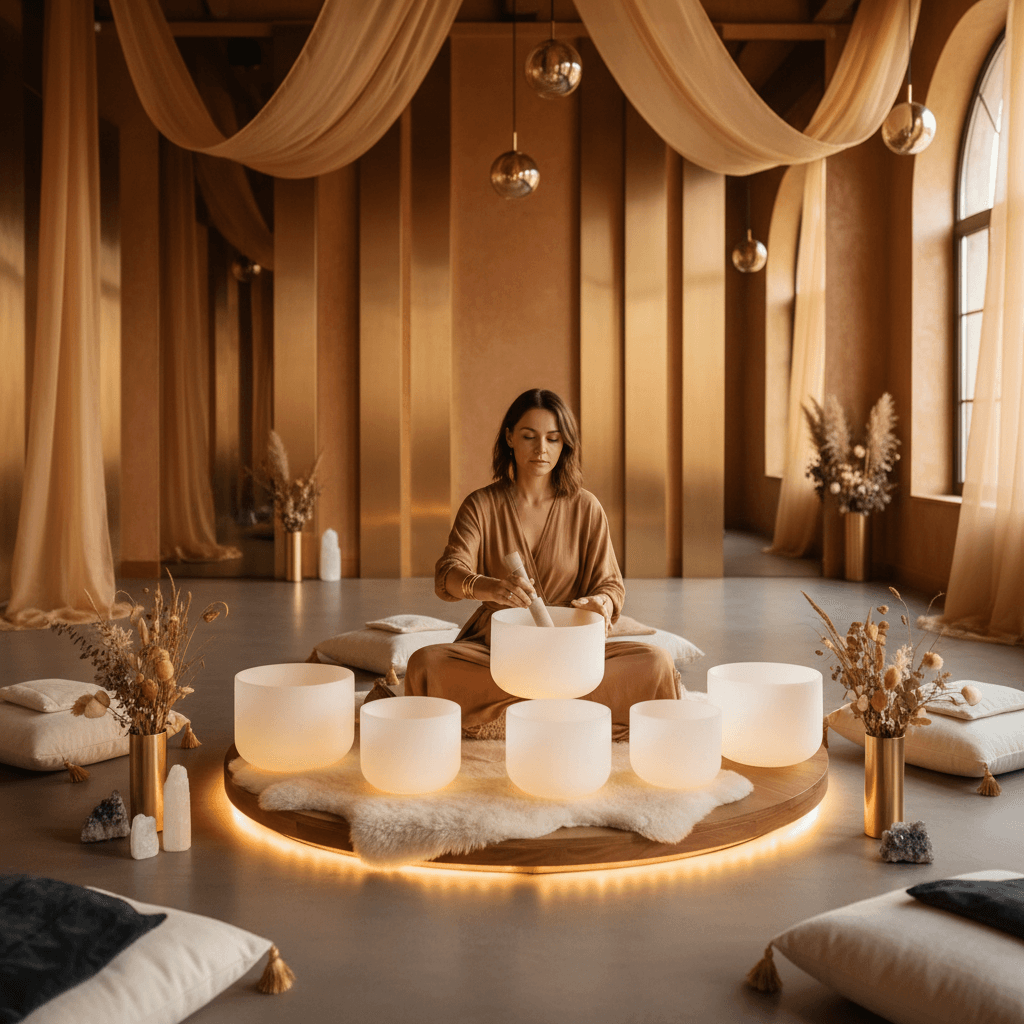
What makes the Soul Art method unique is Larissa Steinbach's deep expertise and her artful curation of soundscapes. She employs a diverse array of resonant instruments, each chosen for its specific energetic and vibrational qualities. These include:
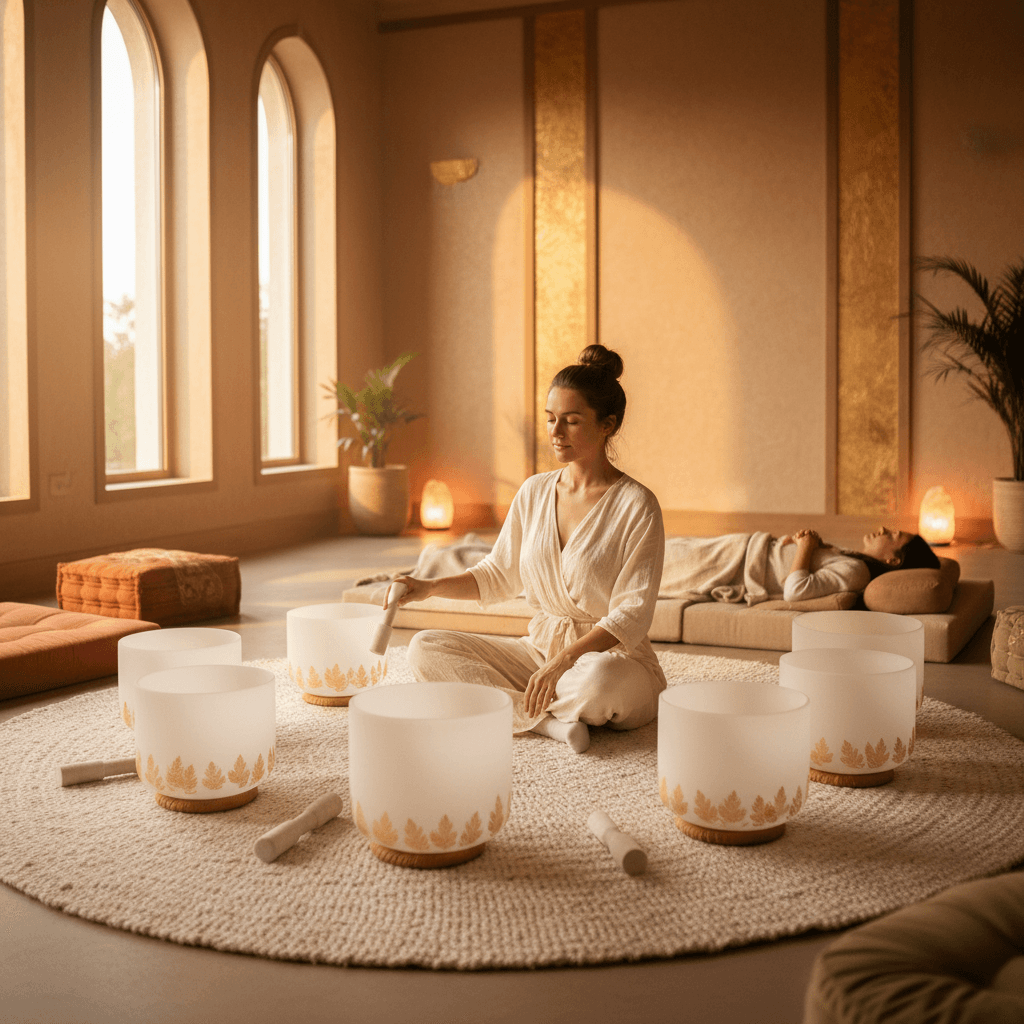
- Himalayan Singing Bowls: Known for their rich, sustained tones that promote deep relaxation and meditation.
- Gongs: Offering profound, immersive vibrations that can facilitate significant shifts in brainwave states.
- Chimes and Other Percussive Instruments: Used to add layers of texture and subtle energetic shifts.
Larissa meticulously blends these sounds with breathwork and gentle guided meditation, creating an experience that is deeply immersive and transformative. Each session is a bespoke journey, designed to facilitate a profound sense of inner quietude and to gently guide the mind towards a state of calm observation. The environment at Soul Art is crafted to be aesthetically pleasing and calming, a true reflection of "quiet luxury" that supports the healing journey.
Cultivating a Different Relationship with the Mind
Clients at Soul Art often report significant benefits, including reduced anxiety, improved sleep quality, and an enhanced capacity for emotional regulation. For those grappling with intrusive thoughts, the sound experiences offer a unique opportunity to:
- Disrupt Repetitive Thought Patterns: The dynamic and immersive nature of the soundscape can break the cycle of rumination.
- Foster Present Moment Awareness: By anchoring attention to sound, clients can practice observing thoughts without judgment.
- Cultivate Inner Stillness: Experiencing deep relaxation provides a stark contrast to the agitated state often associated with intrusive thoughts, offering a template for peace.
Through these practices, Larissa Steinbach helps individuals develop a different, more empowered relationship with their internal monologue, cultivating a greater sense of peace and self-efficacy. Soul Art stands as a beacon for holistic wellness, providing a space where the power of sound can support mental well-being in a profound and gentle way.
Your Next Steps: Integrating Sound into Your Wellness Journey
Navigating intrusive thoughts can be challenging, but incorporating complementary wellness practices like sound can offer valuable support. While sound wellness is not a substitute for professional medical advice or treatment, it can be a powerful tool for stress management, relaxation, and fostering a more peaceful mind.
Here are actionable steps you can take today to explore the benefits of sound for your well-being:
- Prioritize Professional Guidance: Always consult with a qualified mental health professional for an accurate diagnosis and comprehensive treatment plan for OCD. Sound wellness is a complementary practice, best utilized alongside professional medical care.
- Explore Mindful Listening: Begin by simply paying attention to the sounds around you for a few minutes each day. Notice their textures, origins, and how they make you feel, without judgment. This practice can help strengthen your present-moment awareness.
- Incorporate Calming Soundscapes: Utilize online resources or apps that offer nature sounds, binaural beats, or meditative music. Experiment with different types of sounds to discover what resonates most with you and helps induce relaxation.
- Engage with Guided Sound Meditations: Many apps and platforms offer guided meditations that integrate sound. These can be particularly helpful for learning to observe thoughts without attachment and cultivating inner calm.
- Experience a Professional Sound Wellness Session: Consider visiting Soul Art Dubai to experience a session guided by Larissa Steinbach. These professionally curated experiences offer a deep dive into sound immersion, providing a unique environment for profound relaxation and nervous system regulation.
Embracing sound wellness can be a transformative step in your self-care journey, offering a gentle yet profound path to managing the distress of intrusive thoughts and cultivating a more serene inner world.
Bookings Coming Soon
Soul Art is still in preparation. Session details and booking will be published here after launch.
Coming Soon
In Summary
Obsessive-Compulsive Disorder, with its relentless intrusive thoughts and compelling rituals, significantly impacts the lives of many, often leading to reduced quality of life and considerable distress. While conventional treatments are essential, complementary approaches offer valuable support in managing these challenging experiences. Sound wellness, as explored at Soul Art Dubai by Larissa Steinbach, provides a unique pathway to enhance mental well-being.
By influencing brainwave states and promoting nervous system regulation, sound practices may help individuals cultivate mindfulness and a detached observation of intrusive thoughts. This fosters a sense of inner calm, reduces anxiety, and supports the development of greater self-efficacy. Embracing the immersive and therapeutic power of sound can be a profound step towards achieving a more peaceful and balanced internal landscape, complementing other forms of care.
Wellness Disclaimer: This article is for educational and informational purposes only. It does not constitute medical advice, diagnosis, or treatment. Soul Art Dubai provides non-medical wellness experiences focused on relaxation, stress management, and general wellbeing. Sound wellness is a complementary practice and should not replace professional medical care.