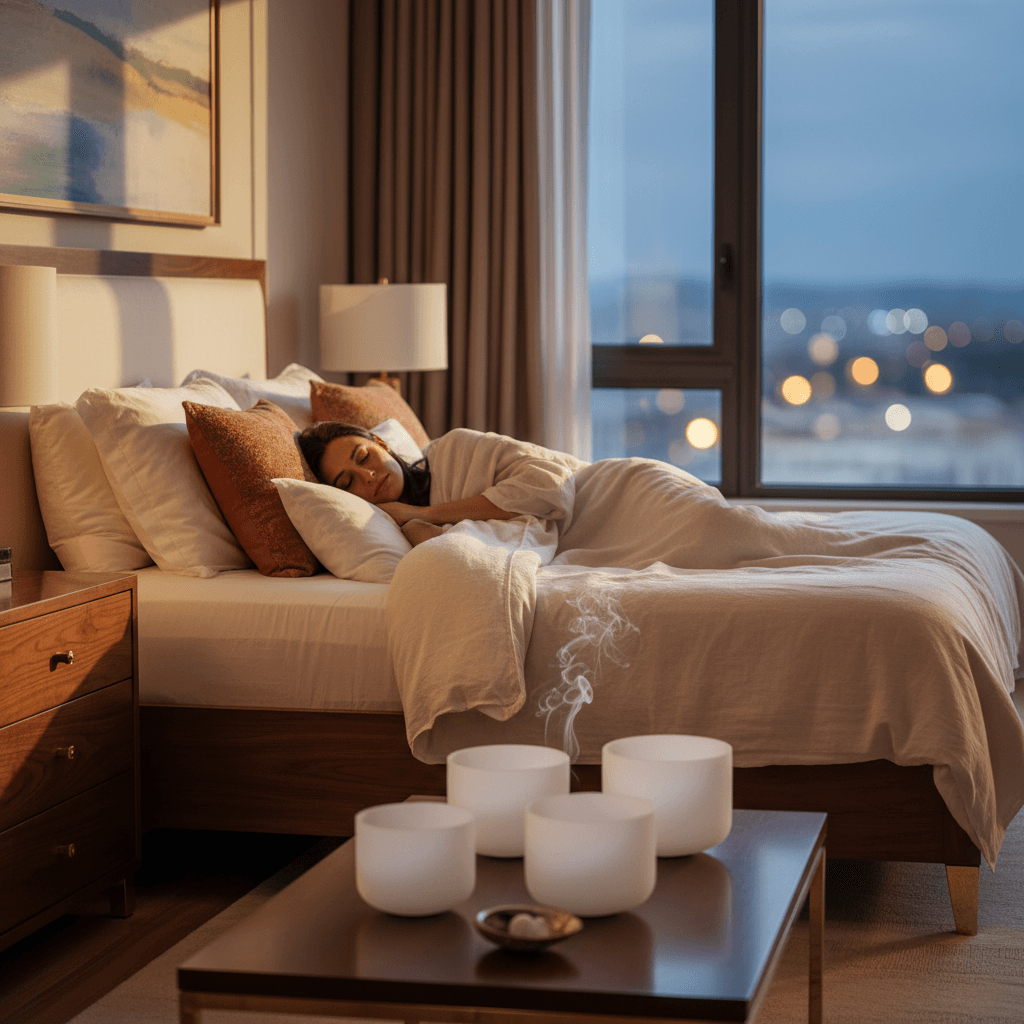
Silent Nights: Science-Backed Sound Therapy for Nightmare Reduction

Key Insights
Discover how cutting-edge sound therapy, combined with Imagery Rehearsal, can significantly reduce nightmares and enhance sleep quality. Explore Soul Art's unique approach.
A Symphony for Serene Sleep: Reducing Nightmares with Sound
Imagine a world where the quiet hum of a carefully chosen sound could transform your nightly anxieties into peaceful dreams. For many, nightmares are more than just bad dreams; they are disruptive intruders, stealing restorative sleep and casting a shadow over waking hours. This pervasive issue affects approximately 4% of adults, causing significant distress and impacting overall quality of life.
The quest for restful sleep has led researchers to explore innovative methods, and recent scientific advancements point towards a fascinating frontier: pre-sleep sound therapy. This article delves into the captivating science behind using targeted auditory cues to diminish nightmare frequency, offering a beacon of hope for those seeking more tranquil nights. At Soul Art, we embrace these pioneering insights, integrating them into bespoke wellness experiences designed to cultivate profound peace and restorative sleep.
Join us as we explore how the precise application of sound, rooted in robust research, may support a significant reduction in nightmares. We'll unpack the scientific mechanisms, detail practical applications, and reveal how Larissa Steinbach and the Soul Art team are pioneering this innovative approach to holistic wellbeing in Dubai. This journey promises not just an understanding of the science, but also actionable insights to reclaim the sanctity of your sleep.
The Science Explained: Reshaping Dreamscapes Through Auditory Cues
The brain is an intricate orchestra, constantly processing information, even as we sleep. Nightmares often arise from unresolved stress, trauma, or anxiety, becoming repetitive patterns that can feel inescapable. Traditional approaches like Imagery Rehearsal Therapy (IRT) have shown promise in addressing these nocturnal disturbances, but new research suggests that sound may significantly amplify their effectiveness.
The Foundation: Imagery Rehearsal Therapy (IRT)
Imagery Rehearsal Therapy (IRT) is a cognitive behavioral technique where individuals with nightmare disorder actively re-script their recurring nightmares. The core principle involves reimagining the nightmare with a positive or neutral outcome during waking hours. This new, less distressing narrative is then mentally rehearsed daily, aiming to "overwrite" the old, fearful memory.
While IRT is effective for many, approximately 30% of patients remain unresponsive, highlighting the need for enhanced therapeutic options. This is where the innovative integration of sound therapy enters the picture, offering a powerful boost to an already established technique. The brain's plasticity allows for new associations, and sound proves to be a potent tool in facilitating this change.
The Breakthrough: Targeted Memory Reactivation (TMR) with Sound
A groundbreaking study published in Current Biology (Perogamvros et al., 2022) revealed the remarkable potential of combining IRT with targeted memory reactivation (TMR) using sound. Researchers in Switzerland investigated how pairing a neutral sound, such as a piano chord, with the newly imagined positive ending of a nightmare could impact dream content. This specific sound was then subtly played during the participants' Rapid Eye Movement (REM) sleep, the stage where most vivid dreaming occurs.
The results were compelling. Participants who received the sound cues during REM sleep experienced a fourfold reduction in nightmare frequency compared to a control group that only practiced IRT without sound. Specifically, the sound group's nightmares dropped from an average of 2.58 per week to just 0.19 immediately after the two-week intervention, and remained significantly low at 0.33 per week after three months. The control group, by contrast, saw nightmares fall from 2.94 to 1.02 per week, rising to 1.48 after three months. This stark difference underscores the potency of TMR.
How TMR Works: The Brain's Learning Algorithm During Sleep
TMR leverages the brain's natural memory consolidation processes that occur during sleep. When a specific sound is consistently associated with a positive memory or intention during wakefulness, it creates a strong neural link. Playing this same sound subtly during sleep, particularly REM sleep, gently reactivates that positive memory, guiding the brain towards the preferred dream narrative. It's akin to providing a gentle, subconscious nudge towards a more joyful and less distressing dream experience.
This targeted approach appears to enhance the brain's ability to rewrite emotional memories. Dr. Lampros Perogamvros, the lead author, highlighted this as potentially "the first clinical and therapeutic study that uses target memory activation to accelerate and enhance therapy." The technique capitalizes on the brain’s ability to reprocess and integrate emotional content during sleep, especially in REM stages.
The Role of REM Sleep and Emotional Processing
Further research supports the critical role of REM sleep in processing and defusing emotional memories. Studies by Paller and colleagues, for instance, have shown that TMR using sound can improve memory for learned tasks and even reduce the emotional impact of upsetting images when sounds associated with them are played during REM sleep. Interestingly, playing these sounds during slow-wave sleep (non-REM) did not yield the same emotional defusal, suggesting a specific window of opportunity during dreaming.
"Our nocturnal journeys are not random; they are a profound dialogue between our waking experiences and our deepest subconscious. By introducing gentle, positive auditory anchors, we can help guide this dialogue towards healing and peace."
This distinction is crucial for optimizing sound therapy interventions for nightmares. By precisely timing the delivery of sound cues to coincide with REM sleep, we can maximize the brain's capacity to reframe distressing memories and promote more positive dream content. This method represents a sophisticated understanding of sleep architecture and memory reconsolidation.
Broader Benefits of Acoustic Modulation on Sleep
Beyond targeted nightmare reduction, acoustic stimulation has broader documented benefits for overall sleep quality. Meta-analyses and reviews indicate that pre-sleep acoustic modulation can improve subjective sleep reports, reduce sleep onset latency, and increase total sleep duration for both healthy individuals and those with sleep disturbances. While not directly addressing nightmares, improved general sleep architecture creates a more fertile ground for reducing sleep disturbances of all kinds.
Studies exploring broadband sound administration, or relaxing music played before sleep, have shown promising results in reducing the time it takes to fall asleep and improving sleep quality. Even hypnotic narratives, metaphorically guiding listeners into deeper sleep, have been shown to increase slow-wave sleep in susceptible individuals. These findings underscore the versatile power of sound in cultivating a conducive environment for rest and restoration. The precision of TMR, however, provides a targeted solution specifically for nightmares, building upon these general benefits.
How It Works in Practice: Crafting Your Dream Narrative
Translating this intricate science into a practical wellness experience involves a mindful, multi-step approach. It's about empowering individuals to actively participate in reshaping their internal narratives, guided by the soothing power of sound. The process is deeply personal and designed to foster a sense of control and calm.
Identifying and Re-Scripting Your Nightmare
The first practical step involves a gentle exploration of the recurring nightmare itself. Clients are encouraged to recall the nightmare, identify its core distressing elements, and then, in a safe and supportive environment, to imagine a new, positive, or neutral ending. This "re-scripting" is not about avoiding the nightmare, but about transforming its narrative into one that feels empowering and peaceful. This imagery rehearsal is practiced consistently, often for five to twenty minutes daily, to firmly weave the new narrative into memory.
For instance, if a nightmare involves being chased, the re-scripted version might end with the individual turning to face their pursuer with courage, finding a safe haven, or discovering the pursuer was never a threat. The goal is to build a new, positive memory circuit in the brain, associated with the nightmare's core theme. This active engagement creates a mental blueprint for desired dream outcomes.
Associating Sound with Positive Imagery
Once the re-scripted dream is firmly established, a specific, neutral sound cue is introduced. This sound – perhaps a gentle piano chord, a unique chime, or a subtle ambient tone – is played while the individual vividly imagines their happy ending. This creates a strong associative link in the brain between the chosen sound and the desired dream outcome. The sound becomes an auditory "anchor" for peace and resolution.
The selection of this sound is often a collaborative and intuitive process, ensuring it resonates deeply with the individual and evokes a sense of calm. The auditory input is carefully chosen to be non-intrusive and soothing, designed to subtly influence the subconscious without causing disruption. This bespoke sound pairing is a critical element in the Soul Art approach, ensuring profound personal resonance.
Subtly Influencing Sleep Through Auditory Cues
As the individual prepares for sleep, they might rehearse their new dream narrative one last time. During the night, the carefully selected sound cue is gently introduced at specific intervals, ideally timed to coincide with REM sleep stages. This is often achieved through advanced, non-invasive technology, such as wearable devices that can detect REM sleep patterns. The sound is typically very subtle, designed to be integrated into the dream state rather than to awaken the sleeper.
The intention is not to interrupt sleep, but to provide a gentle, subconscious reminder of the positive dream narrative. The brain, having formed the association during wakefulness, then subtly reactivates that positive memory, potentially guiding the unfolding dream towards a more peaceful resolution. Many people report feeling a sense of comfort and a subtle shift in their dream experiences.
The Sensory Experience
The practical experience is one of profound tranquility and subtle shifts. Clients describe feeling a sense of agency over their dreams, rather than being passive recipients of fear. The sensory details of the sound, perhaps a delicate hum or a clear, resonant tone, become intrinsically linked to feelings of safety and resolution. This holistic engagement, combining mental imagery with auditory support, creates a powerful pathway to nocturnal peace. The continuous, gentle presence of the sound becomes a comforting companion through the night.
This proactive approach to dream wellness moves beyond mere symptom management, fostering a deeper connection to one's inner landscape. The process cultivates not just a reduction in nightmares, but often, an increase in joyful and empowering dream experiences, as observed in the Current Biology study. It's a journey into self-empowerment within the dream realm.
The Soul Art Approach: Larissa Steinbach's Vision for Dream Wellness
At Soul Art, Dubai's premier sound wellness studio, Larissa Steinbach and her dedicated team are at the forefront of integrating cutting-edge science with ancient wisdom. Our approach to nightmare reduction through pre-sleep sound therapy is deeply rooted in our philosophy of holistic well-being, bespoke experiences, and the transformative power of frequency. We believe in creating a sanctuary where science meets soul, offering paths to profound inner peace.
A Harmonious Blend of Science and Intuition
Larissa Steinbach envisions a world where everyone can experience the restorative power of truly peaceful sleep. Her methodology at Soul Art seamlessly blends the scientifically validated principles of Imagery Rehearsal Therapy (IRT) and Targeted Memory Reactivation (TMR) with an intuitive understanding of individual energetic needs. This unique synergy ensures that each client's journey is not only evidence-informed but also deeply personalized. We do not offer a one-size-fits-all solution, but rather a carefully curated experience.
Our consultations begin with a compassionate exploration of individual sleep patterns and dream experiences. Understanding the unique landscape of each person’s nocturnal world allows us to tailor an approach that resonates authentically with their specific needs and aspirations for peace. This initial deep dive ensures that the intervention is meaningful and effective.
Crafting Personalized Soundscapes
The heart of the Soul Art method lies in the meticulous creation of personalized soundscapes. Drawing upon a rich array of instruments – from the deep resonance of Tibetan singing bowls and gongs to the pure tones of crystal bowls, chimes, and state-of-the-art frequency generators – we craft a unique auditory signature for each client. This signature is designed to be the specific, neutral sound cue that will later be associated with their re-scripted, positive dream narrative.
The choice of sound is often guided by both scientific understanding of frequencies that promote relaxation and an intuitive sense of what will best serve the individual’s nervous system. For example, specific hertz frequencies known to induce meditative states might be explored, or a combination of natural sounds and subtle instrumental notes might be curated. This tailored approach ensures maximum efficacy and a deeply personal connection to the sound anchor.
Embracing the Power of Vibration and Intention
Beyond the direct application of TMR for nightmares, Soul Art integrates a broader spectrum of sound wellness practices to support overall sleep architecture and reduce nocturnal disturbances. We understand that a calm nervous system is fundamental to restful sleep. Our sessions incorporate therapeutic sound baths and vibrational experiences that help regulate the nervous system, release tension, and prepare the mind and body for profound rest.
Larissa Steinbach emphasizes the power of intention in conjunction with sound. Each frequency, each vibration, is offered with the intention of fostering healing, peace, and restorative sleep. This mindful approach elevates the experience from a mere technical intervention to a truly holistic wellness journey, addressing the mental, emotional, and energetic dimensions of sleep. The environment at Soul Art is designed to be a haven of tranquility, further amplifying the therapeutic benefits of sound.
A Sanctuary for Serenity
Soul Art provides a tranquil, luxurious environment designed to facilitate deep relaxation and inner exploration. Our studio is more than a space; it is a sanctuary where clients can feel safe, supported, and nurtured as they embark on their journey towards more peaceful nights. This commitment to a holistic, client-centered experience is what makes Soul Art Dubai’s premier destination for sound wellness. We guide our clients through every step, ensuring comfort and profound engagement.
We offer more than just a reduction in nightmares; we offer a pathway to renewed vitality, enhanced well-being, and a deeper connection to the peaceful potential of your inner world. The Soul Art method empowers individuals to awaken to a life lived with greater calm and clarity, one dream at a time. This refined and empathetic approach is the hallmark of Larissa Steinbach's vision.
Your Next Steps: Cultivating Peaceful Nights
Embracing the potential of pre-sleep sound therapy to reduce nightmares is a proactive step towards profound well-being. While sophisticated interventions are best guided by experts, there are several practical actions you can begin today to cultivate a more peaceful nocturnal landscape. These steps can complement professional guidance and lay a foundation for more restorative sleep.
Here are some actionable insights to guide your journey:
- Start a Dream Journal: Begin by recording your dreams, especially recurring nightmares. This helps you identify patterns, themes, and specific elements that you might want to re-script. Awareness is the first step towards change and understanding your subconscious landscape.
- Practice Positive Imagery Rehearsal: Identify a recurring nightmare and consciously rewrite it with a positive or neutral ending. Spend 5-10 minutes each day vividly imagining this new scenario, especially before bedtime. Consistency is key to creating new neural pathways.
- Explore Gentle Pre-Sleep Soundscapes: Before committing to targeted sound cues, experiment with calming ambient sounds. Gentle nature sounds, binaural beats designed for relaxation, or tranquil instrumental music can help prepare your mind and body for sleep. Ensure these sounds are soft and non-disruptive.
- Optimize Your Sleep Hygiene: Create a consistent bedtime routine. This includes maintaining a dark, quiet, and cool bedroom, avoiding screens before bed, and limiting caffeine and alcohol in the evening. A healthy sleep environment supports the brain's ability to process and rest effectively.
- Consider Professional Guidance: For a truly personalized and scientifically-informed approach to nightmare reduction, explore the benefits of working with sound wellness experts. A guided session can help you identify the most effective sound cues and integrate them into a holistic sleep strategy.
Taking these steps can significantly enhance your journey towards reclaiming restful sleep and transforming your dream life. Remember, fostering a healthy relationship with sleep is a powerful act of self-care, enriching every aspect of your waking life.
In Summary: Reclaiming Your Nights with Sound
Nightmares, while a common challenge, do not have to dictate the quality of your sleep or your waking life. Groundbreaking research has unveiled a compelling pathway to reduce their frequency: the strategic application of pre-sleep sound therapy, particularly when combined with Imagery Rehearsal Therapy. By associating a specific sound with a positive dream ending and gently playing it during REM sleep, we can leverage the brain's natural ability to re-script distressing memories. This innovative approach has shown a remarkable ability to transform nocturnal fear into peace, significantly enhancing sleep quality and emotional well-being.
At Soul Art, Larissa Steinbach and our team are dedicated to bringing this science-backed wellness practice to life. We offer bespoke sound experiences, expertly crafted to guide you towards more serene nights and empowering dreams. Discover a complementary path to holistic well-being, where the subtle power of sound unlocks profound peace. Experience the transformative potential of targeted sound therapy and reclaim the tranquility of your nights with Soul Art.
Bookings Coming Soon
Soul Art is still in preparation. Session details and booking will be published here after launch.
Coming Soon
Wellness Disclaimer: This article is for educational and informational purposes only. It does not constitute medical advice, diagnosis, or treatment. Soul Art Dubai provides non-medical wellness experiences focused on relaxation, stress management, and general wellbeing. Sound wellness is a complementary practice and should not replace professional medical care.
Related Articles
Fan Noise and Sleep: Unmasking the Science Behind White Noise Machines for Deeper Rest
Polyphasic Sleep & Sound Healing: Navigating Restorative Rhythms
REM Rebound: Mastering the Art of Recovering Lost Dream Sleep