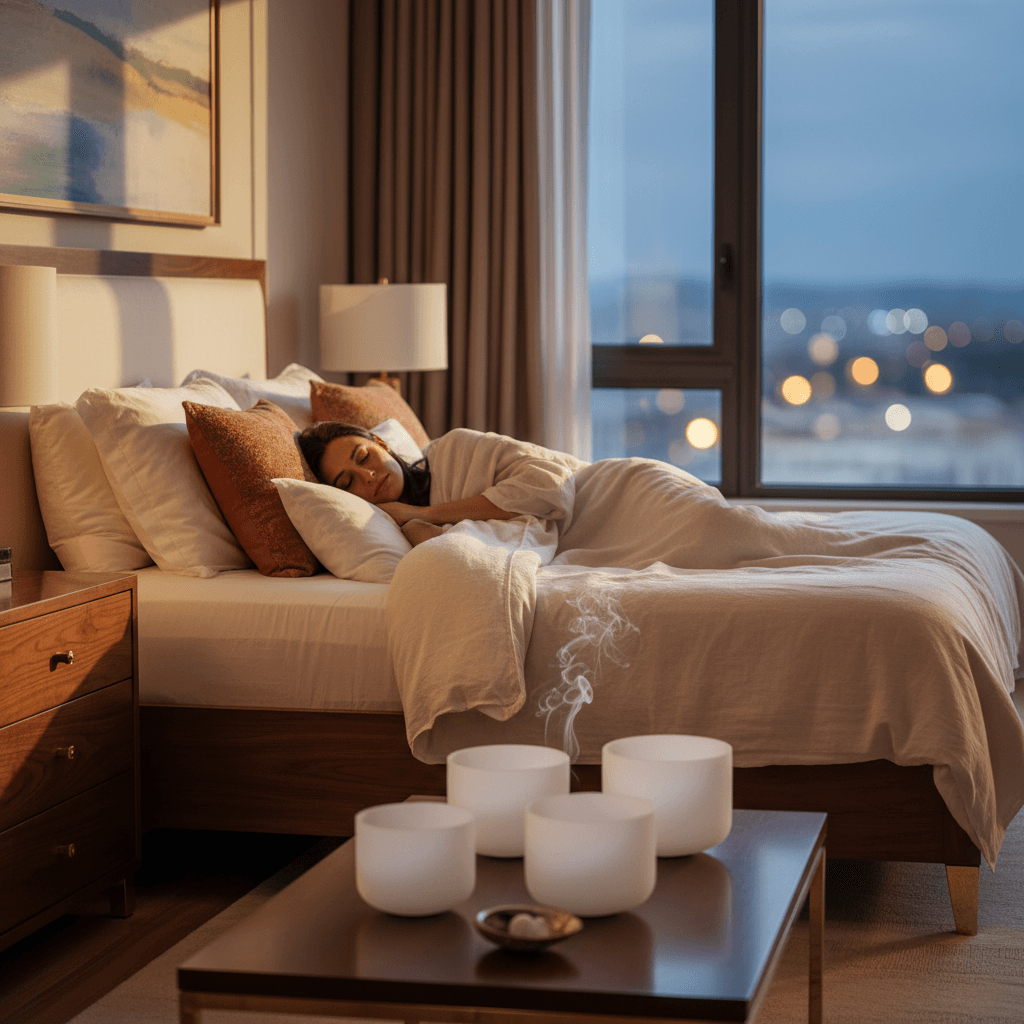
Soothing Children's Night Terrors: The Power of Sound Wellness
Key Insights
Explore gentle sound interventions for children's night terrors with Soul Art Dubai, enhancing sleep quality and family well-being.
The sudden, piercing scream that shatters the stillness of the night is a sound many parents dread. Witnessing a child in the throes of a night terror can be profoundly distressing, leaving caregivers feeling helpless and exhausted. These episodes, while not remembered by the child, disrupt the entire household's peace and can signal underlying sleep architecture disturbances.
At Soul Art Dubai, founded by the visionary Larissa Steinbach, we understand the delicate interplay between the nervous system and restorative sleep. This article delves into the science behind night terrors and explores how gentle, intentional sound interventions may offer a complementary pathway to support more peaceful nights for your children and a calmer home environment. We will uncover the mechanisms of these sleep disturbances and highlight how a holistic wellness approach, centered on sound, can cultivate deeper relaxation and improved sleep quality.
Understanding Night Terrors: A Dive into Sleep Physiology
Night terrors are a type of parasomnia, a group of sleep disorders characterized by abnormal sleep behaviors. Unlike typical bad dreams, night terrors occur during non-rapid eye movement (NREM) sleep, typically in the first few hours after falling asleep, when deep sleep predominates. This makes them fundamentally different from nightmares, which occur during REM sleep and are usually remembered by the child.
What Are Night Terrors?
During a night terror episode, a child may sit upright in bed, scream, cry, sweat profusely, and exhibit a rapid heart rate and breathing. They might thrash violently, appear confused, or even sleepwalk, yet remain unresponsive to attempts at comfort. Notably, children experiencing night terrors typically have no memory of the event upon waking in the morning, which can be perplexing for parents witnessing such intense distress.
These episodes are common in young children, with studies estimating that between 1% and 6.5% of children aged one through twelve experience them at some point. While they can be unsettling for families, most children naturally outgrow night terrors by adolescence as their central nervous system matures. Attempts to wake or comfort a child during a night terror may actually increase their agitation, making a gentle, non-confrontational approach crucial.
Underlying Causes and Risk Factors
The exact cause of night terrors is thought to be multifactorial, involving a blend of genetic predisposition, developmental factors, and environmental influences. A significant contributor is the immaturity of the central nervous system in children, which is why most outgrow them. This immaturity can lead to a brief "partial arousal" from deep sleep, where the brain is not fully awake but not fully asleep, resulting in the characteristic panic state.
Several factors have been identified as potential triggers or risk factors for night terrors:
- Genetics: Research strongly suggests a hereditary component, with parasomnias like night terrors often running in families. Studies show higher correlations in monozygotic (identical) twins compared to dizygotic (fraternal) twins, indicating a genetic link.
- Sleep Deprivation: An insufficient amount of sleep is a primary trigger. When children are overtired, their body's drive for deep NREM sleep intensifies, potentially leading to more fragmented sleep and an increased likelihood of partial awakenings.
- Stress: Both physical and emotional stress can precipitate night terrors. Illnesses, fevers, tooth infections, or significant emotional shifts like starting a new school or changing caregivers can heighten a child's susceptibility.
- Other Sleep Disorders: Conditions that disrupt continuous sleep, such as obstructive sleep apnea or periodic limb movement disorder, have been associated with an increased incidence of night terrors. Addressing these underlying conditions may support a reduction in episodes.
- Anxiety: While night terrors are distinct from anxiety, some research has linked them to separation anxiety in children. For adults, conditions like PTSD or other mood disorders may increase susceptibility.
Children who experience night terrors also have a higher likelihood of developing sleepwalking later in childhood, suggesting a shared neurological pathway. Understanding these intricate links allows for a more holistic approach to managing and potentially reducing the frequency of these disruptive episodes.
The Impact of Disrupted Sleep
While night terrors themselves are not harmful, the chronic sleep disruption they cause can have broader implications for a child's overall well-being. Regular interruptions to sleep quality can extend beyond the night, affecting daily functioning, mood, and cognitive abilities. The ripple effect of disturbed sleep can be profound for the entire family.
For instance, studies on disturbed dreaming, which includes frequent nightmares, have shown concerning correlations. Children who frequently experience nightmares may face a higher risk for conditions such as insomnia, hyperactivity, mood problems, and poorer academic performance. While night terrors are distinct, any consistent disruption to a child's sleep cycle can contribute to similar challenges.
Adolescents experiencing regular nightmares, defined as at least once per week, have been found to be more susceptible to a range of psychological difficulties. These include anger, attention problems, feelings of hopelessness, increased anxiety, and symptoms consistent with depression. Therefore, while children generally outgrow night terrors, proactively addressing sleep disturbances with gentle, complementary methods can play a vital role in supporting a child's development and emotional regulation.
"The stillness of the night should be a sanctuary for restorative sleep, not a canvas for unsettling nocturnal awakenings. By understanding the intricate dance of sleep cycles and the delicate balance of the nervous system, we can gently guide children towards more peaceful and uninterrupted rest."
How It Works in Practice
Addressing night terrors involves a multifaceted approach that considers both sleep hygiene and the child's individual needs. While medical consultation is crucial for persistent or concerning episodes, many complementary strategies focus on creating an optimal environment for sleep and regulating the nervous system. Traditional non-pharmacological interventions often include behavioral modifications that aim to reset the child's sleep-wake cycle.
One well-documented strategy is "scheduled awakenings." If a child's night terrors follow a predictable pattern each night, parents can gently rouse the child approximately 20 to 30 minutes before an episode typically occurs. The goal is not to fully wake them, but to briefly interrupt their deep sleep cycle, allowing them to resettle into sleep without entering the problematic partial arousal state. This technique has shown lasting beneficial effects in small clinical trials for both sleepwalking and night terrors.
The Role of Sound in Sleep Regulation
Beyond behavioral interventions, sensory-based approaches, particularly involving sound, have emerged as a gentle and highly effective complementary tool for promoting sleep and reducing nocturnal disturbances. Sound has a direct pathway to the brain's emotional and regulatory centers, making it a potent modality for influencing the nervous system. It can serve as a powerful anchor, guiding the mind and body into a state conducive to deep rest.
Auditory stimulation strategies, when integrated into structured bedtime routines, have been observed to support circadian stability and reduce nocturnal awakenings across diverse populations. The consistent presence of a chosen calming sound can create stimulus control associations, signaling to the child that it is time to relax and prepare for sleep. This consistency is key to establishing a powerful, positive sleep ritual.
Preliminary studies suggest that specific types of acoustic stimulation, such as white or pink noise, may enhance sleep efficiency and continuity. For children with heightened sensory sensitivities, including those with neurodevelopmental conditions, auditory interventions can act as valuable regulatory tools. By providing a gentle, consistent sonic backdrop, sound can help to filter out jarring environmental noises and create a serene "sound blanket" that promotes both sleep initiation and maintenance.
Creating a Calming Sound Environment
Implementing sound as a wellness practice involves thoughtful selection and consistent application. The aim is to create a peaceful auditory environment that naturally encourages relaxation and helps to mitigate the hyperarousal associated with night terrors. This is not about masking or overpowering sounds, but rather about introducing harmonious frequencies that soothe the nervous system.
Parents may experiment with various low-volume sound types, such as gentle instrumental music, nature sounds, or ambient tones, allowing the child to select what resonates most with them. Once a preferred sound is identified, maintaining consistency by playing the same sound nightly helps to reinforce positive sleep associations. The volume should always be kept low, acting as a subtle backdrop rather than a distraction.
When a child experiences heightened emotional or physical stress, their nervous system can become overactive, making deep sleep more challenging. Gentle sound interventions may support the nervous system in downregulating, shifting from a state of alertness to one of calm. This helps to prepare the brain for the restorative sleep cycles where night terrors typically occur. The consistent application of calming sound can act as a gentle guide, helping the child's brain to navigate the transitions between sleep stages more smoothly, potentially reducing the likelihood of partial awakenings.
The Soul Art Approach
At Soul Art Dubai, Larissa Steinbach and her team are dedicated to harnessing the profound power of sound to foster holistic well-being, particularly for sensitive young nervous systems. Our approach to supporting children with night terrors is rooted in deep scientific understanding combined with empathetic, personalized care. We view sound as a sophisticated tool for nervous system regulation, helping to create an internal environment where restful sleep can flourish.
Larissa Steinbach's unique methodology extends far beyond generic soundscapes. We craft bespoke auditory experiences designed to resonate with each individual's energy and needs. This involves a careful selection of frequencies and vibrations known for their calming properties. Our practices aim to gently guide the brain into deeper, more coherent sleep states, moving away from the fragmented sleep patterns associated with night terrors.
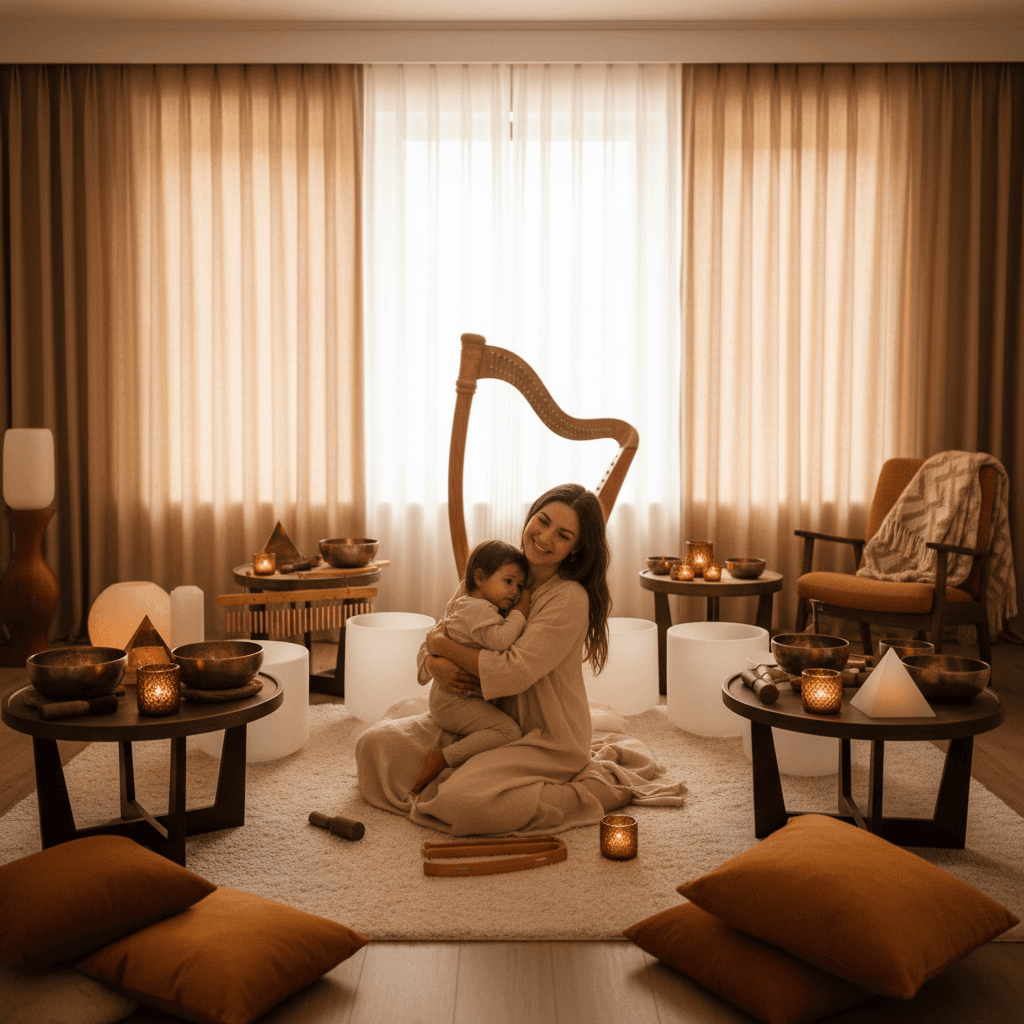
Our studio is a sanctuary where specific instruments become conduits for profound relaxation. We utilize:
- Tibetan Singing Bowls: Their rich, sustained tones and palpable vibrations are known to induce deep states of relaxation, promoting alpha and theta brainwave states associated with meditation and pre-sleep.
- Gongs: The complex overtones of gongs create a "wash" of sound that can help to clear mental chatter and facilitate a deeper sense of peace, preparing the nervous system for restorative sleep.
- Chimes: The delicate, crystalline sounds of chimes introduce gentle, uplifting frequencies that can soothe and harmonize, promoting a sense of safety and calm.
- Crystal Bowls: Made from pure quartz, these bowls produce resonant, pure tones that interact on a cellular level, encouraging energetic balance and profound tranquility.
Each instrument is played with intention, creating a sound bath that envelops the child in a cocoon of calming vibrations. This sensory experience helps to dampen overstimulation and gently encourages the nervous system to downregulate, facilitating a smoother transition into and through deep NREM sleep. The Soul Art method emphasizes supporting the body's innate ability to find balance and calm, offering a complementary pathway for managing sleep disturbances.
Your Next Steps
Supporting a child through night terrors requires patience, consistency, and a holistic perspective. While the episodes are typically outgrown, proactive steps can significantly enhance sleep quality and reduce parental distress. Integrating gentle sound interventions into a broader sleep hygiene strategy may support more peaceful nights for your child.
Here are some actionable steps you can implement today:
- Prioritize Consistent Sleep Hygiene: Establish and maintain a predictable bedtime and wake-up routine, even on weekends. Ensure the bedroom is dark, quiet, and cool. Avoid screens for at least an hour before bed, as blue light can disrupt melatonin production.
- Address Stressors Promptly: Pay attention to any physical or emotional stressors in your child's life. Addressing issues like illness, a new environment, or social anxieties can help alleviate potential triggers for night terrors. Consider gentle conversations to help process daily events.
- Consider Scheduled Awakenings: If your child's night terrors occur at a consistent time each night, gently rouse them (not fully wake them) about 20-30 minutes before the usual episode time. This can interrupt the deep sleep cycle and help reset their sleep pattern for a few nights.
- Introduce Calming Sound Rituals: Begin playing soft, ambient music, nature sounds, or calming tones at a low volume as part of your child's bedtime routine. Consistency is key; allowing them to choose a preferred sound can also increase engagement and effectiveness.
- Seek Professional Guidance: If night terrors are frequent, last longer than 30 minutes, increase in intensity, or are accompanied by other concerning behaviors, consult a healthcare professional. They can help rule out underlying medical conditions or sleep disorders. A certified sleep professional may also offer tailored advice on optimizing sleep habits.
Embarking on a journey to support your child's sleep is an act of profound care. Soul Art Dubai is here to offer a sanctuary where the art and science of sound wellness converge to create an environment of peace and healing. Discover how our gentle interventions may complement your efforts to bring tranquility back to your nights.
In Summary
Night terrors in children, while a common and often outgrown parasomnia, can be deeply unsettling for families. These NREM sleep disruptions are influenced by factors like sleep deprivation, stress, and genetics. Understanding the underlying science allows parents to adopt proactive, gentle strategies to support their child's sleep architecture.
Sound wellness emerges as a powerful, complementary approach, offering a non-invasive method to soothe the nervous system and promote restorative sleep. By integrating carefully chosen frequencies and vibrations, practices such as those at Soul Art Dubai, under the guidance of Larissa Steinbach, aim to create a calming auditory environment that encourages deeper, more uninterrupted rest. We invite you to explore the potential of sound to transform your child’s nights and enhance your family’s overall well-being.
Bookings Coming Soon
Soul Art is still in preparation. Session details and booking will be published here after launch.
Coming Soon
Wellness Disclaimer: This article is for educational and informational purposes only. It does not constitute medical advice, diagnosis, or treatment. Soul Art Dubai provides non-medical wellness experiences focused on relaxation, stress management, and general wellbeing. Sound wellness is a complementary practice and should not replace professional medical care.
Related Articles
Fan Noise and Sleep: Unmasking the Science Behind White Noise Machines for Deeper Rest
Polyphasic Sleep & Sound Healing: Navigating Restorative Rhythms
REM Rebound: Mastering the Art of Recovering Lost Dream Sleep