Nervous System Resilience: Building Flexibility Through Sound
Key Insights
Unlock your nervous system's capacity for calm and resilience through the transformative power of sound wellness at Soul Art Dubai with Larissa Steinbach.
Cultivating Calm: The Art of Nervous System Flexibility
In a world relentlessly pushing for productivity and constant engagement, many of us find ourselves caught in a cycle of stress and burnout. The modern landscape, as philosopher Byung-Chul Han suggests, identifies burnout as a defining pathology, urging a "considerable strengthening of the contemplative element" in daily life. This isn't merely about taking a break; it's about fundamentally re-training our nervous systems to navigate life's challenges with greater ease and adaptability.
Imagine your nervous system not as a rigid system, but as a flexible instrument capable of tuning itself to different states – from alertness to deep calm. This article explores how sound, a profound yet often overlooked tool, can be leveraged to build this vital nervous system resilience. We will delve into the compelling science behind how sound influences our inner states and discover practical strategies, including those championed by Larissa Steinbach at Soul Art Dubai, to cultivate a more responsive and robust nervous system.
Understanding and actively influencing our autonomic nervous system is not just a luxury; it's a vital infrastructure for sustainable well-being and a fulfilling life. By the end of this journey, you will gain insights into how to harness the power of sound to foster a nervous system that is not only less reactive but also quicker to recover, promoting patience, clarity, and overall peace.
The Science of Our Inner States: How Sound Shapes Our Nervous System
To truly appreciate the power of sound in building nervous system resilience, we must first understand the intricate mechanisms at play within our own bodies. Our nervous system, the command center for all bodily functions, operates in two main modes: the sympathetic (our "fight or flight" response) and the parasympathetic (our "rest and digest" response). The key to resilience lies in the flexibility to fluidly move between these states, rather than getting stuck in one.
Polyvagal Theory: The Science of Safety and Connection
A groundbreaking framework for understanding nervous system regulation is Dr. Stephen Porges' Polyvagal Theory. This theory expands beyond the simple "fight or flight" model, highlighting three distinct branches of the autonomic nervous system, each associated with different states of engagement and defense. Crucially, it emphasizes the role of the vagus nerve in mediating our responses to the environment, particularly through our perception of safety.
The ventral vagal complex is the most evolved branch, associated with feelings of safety, social engagement, and connection. When active, it promotes feelings of calm, allows for meaningful relationships, and fosters a sense of inner peace. The sympathetic nervous system mobilizes us for action, whether that's excitement or defense. Finally, the dorsal vagal complex, the most primitive branch, is associated with states of shutdown, dissociation, or "freeze" when overwhelmed by perceived threat. The ability of our nervous system to gracefully shift between these states is what defines true resilience.
Research highlights that our autonomic state, and its flexibility, significantly influences our accessibility to sociality and our capacity for compassion. When we perceive cues of safety, our nervous system can shift from a self-oriented focus on threat to an other-oriented focus, enabling generosity and connection. Sound plays a profound role here. The coordination of tiny muscles in our middle ear, which control our ability to hear specific frequencies, is co-regulated with our autonomic state. When we are in a ventral vagal state of safety, these muscles contract, promoting optimal listening for human voice frequencies – the sounds of social communication and co-regulation. Conversely, in a defensive state, these muscles relax, biasing our perception towards low-frequency predator sounds, signaling threat. This direct neurophysiological link demonstrates how specific sounds can powerfully communicate cues of safety and trust, directly influencing our vagal tone.
The Influence of Breath and Heart Rate Variability
Breathing is an immediate and powerful lever for influencing our nervous system. Deep, regulated breathing patterns, such as box breathing (inhale for four seconds, hold for four, exhale for four, hold for four), can profoundly regulate stress responses within minutes. Adding a low hum or "voo" sound on the exhale can further activate the vagus nerve, providing an additional calming cue. Research from UCLA Health underscores how mindful breathing directly impacts our stress levels and overall nervous system function.
Another crucial indicator of nervous system flexibility is Heart Rate Variability (HRV). HRV measures the variation in time between each heartbeat. A higher HRV is generally associated with a more resilient and adaptable nervous system, indicating a healthy balance between the sympathetic and parasympathetic branches. Biofeedback devices, like those used for HRV training, teach individuals to synchronize their breathing and heart rate, thereby enhancing nervous system flexibility and stress resilience. By training our nervous system to return to a balanced state more quickly after a stressor, we are actively building physiological resilience.
Neuroplasticity and the Allure of Neuroscience
Our brains possess an incredible capacity for change, a phenomenon known as neuroplasticity. This means we can actively re-wire our neural pathways through consistent practice and new experiences. Understanding how our brain and nervous system work can be a powerful motivator for change. Neuroscience information has a unique potential to persuade and make explanations of psychological phenomena more appealing and convincing. Simply understanding the "why" behind our stress responses and the "how" of resilience-building can enhance positive beliefs and expectancies, which in turn may positively impact mental health outcomes. This concept, sometimes referred to as "neuro-education," suggests that knowing how the brain adapts can empower individuals to engage more fully in practices that foster resilience. By creating environments and engaging in practices that consistently signal safety, we are giving our brain permission to relax and operate more efficiently, effectively training it to be more resilient to stress.
How Sound Works in Practice: Experiencing Somatic Safety
Connecting the scientific understanding of our nervous system to practical, embodied experiences is where the true transformation begins. Sound, in its various forms, offers a direct pathway to influencing our autonomic state, guiding us towards greater calm and flexibility. The practices described below are designed to create 'cues of safety' for your nervous system, promoting a shift from defensive states towards social engagement and rest.
Mindful Movement and Vocal Play
Integrating sound with mindful movement practices can significantly enhance their regulatory effects. While exercises like yoga or Tai Chi are excellent for building baseline resilience, the addition of vocalization can amplify their impact. Singing, humming, or engaging in vocal play combines breath, rhythm, and social engagement—three potent levers for nervous system regulation. Singing in the car, humming quietly between tasks, or even sharing a genuinely funny moment that elicits laughter, all contribute to nervous system flexibility. These are not about performance but about the physiological shift they facilitate, signaling safety and promoting a ventral vagal state.
Cultivating Interoception with Sound
Interoception, the awareness of our internal body states, is crucial for early stress detection and effective self-regulation. Guided meditation practices, particularly those incorporating body scans, can significantly build this internal awareness. When sound is woven into these practices, it can deepen the experience, helping to anchor attention within the body. The subtle vibrations of a singing bowl or the sustained tone of a vocal hum can draw attention to physical sensations, allowing individuals to notice tension, observe breath patterns, and develop a more nuanced understanding of their body's signals. This heightened awareness empowers us to intervene early when stress begins to build, rather than waiting for it to escalate.
Creating Sonic Sanctuaries
The environment we inhabit constantly sends signals to our nervous system. By consciously creating spaces that signal safety, we give our brain permission to relax and operate more efficiently. Sound plays a vital role in crafting these sanctuaries. Certain sound frequencies, rhythms, and tones can act as powerful cues of safety, facilitating a shift into a relaxed state. Conversely, jarring noises or chaotic soundscapes can trigger our defensive responses.
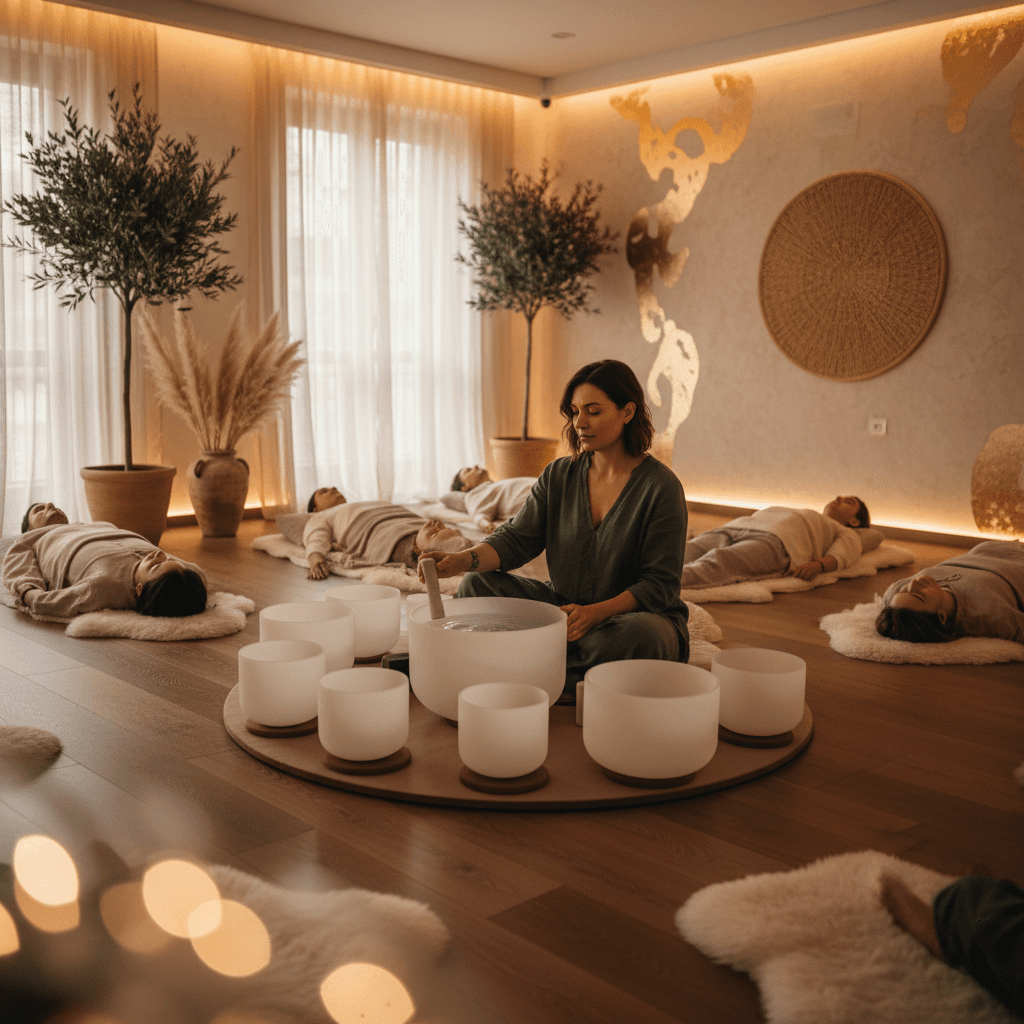
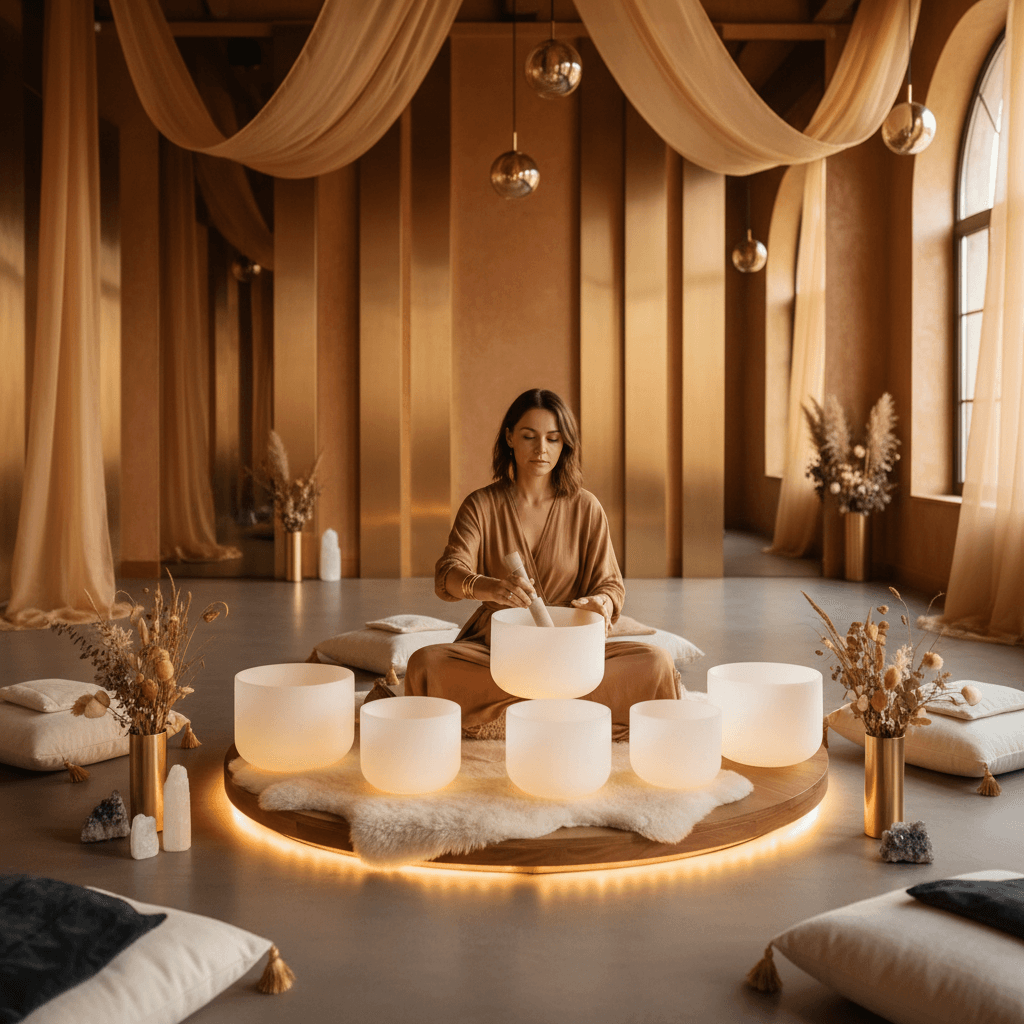
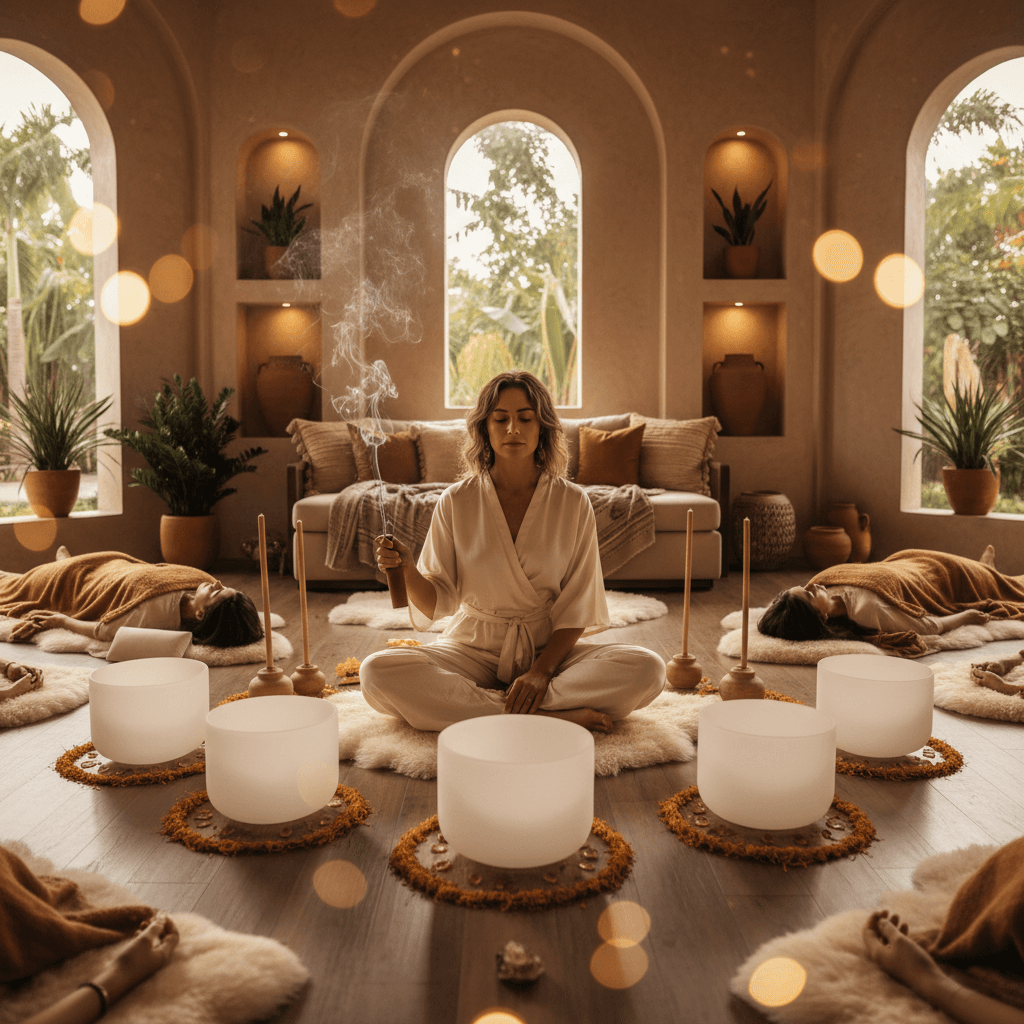
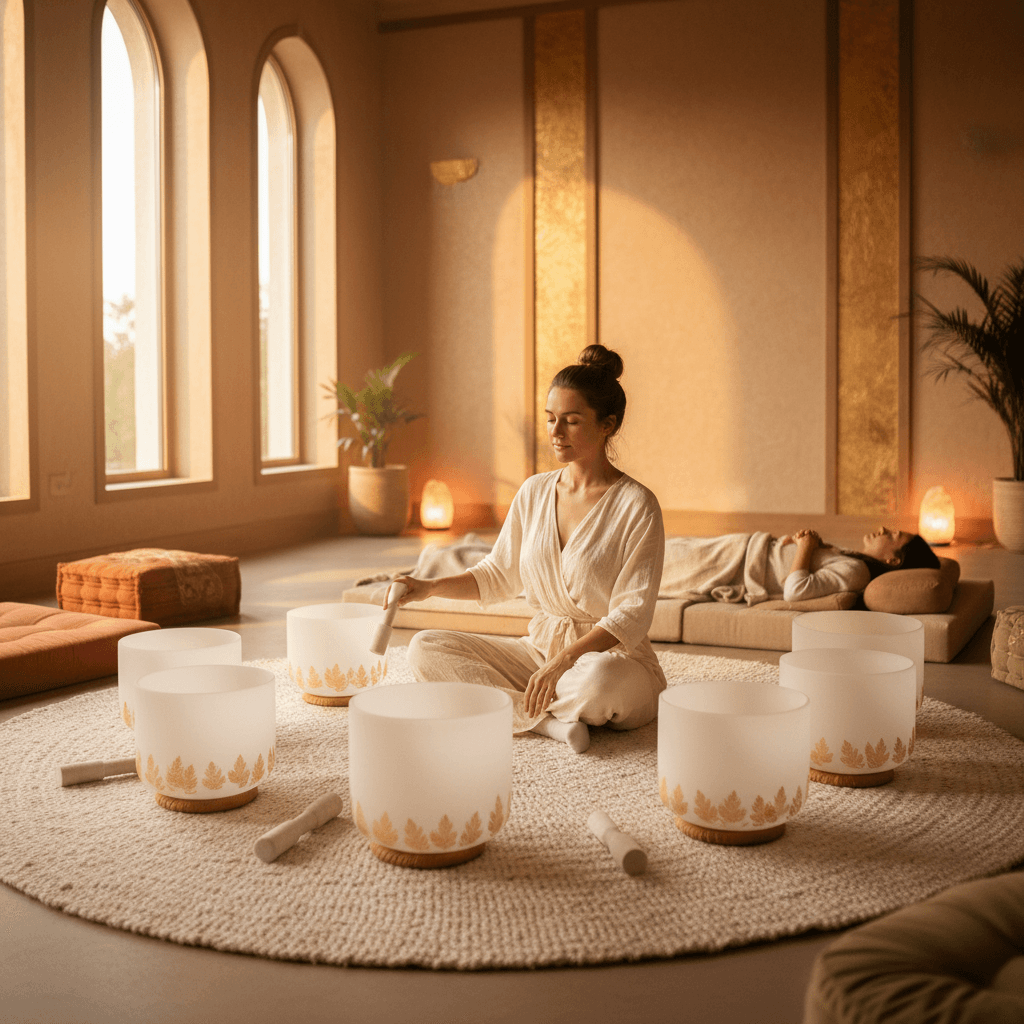
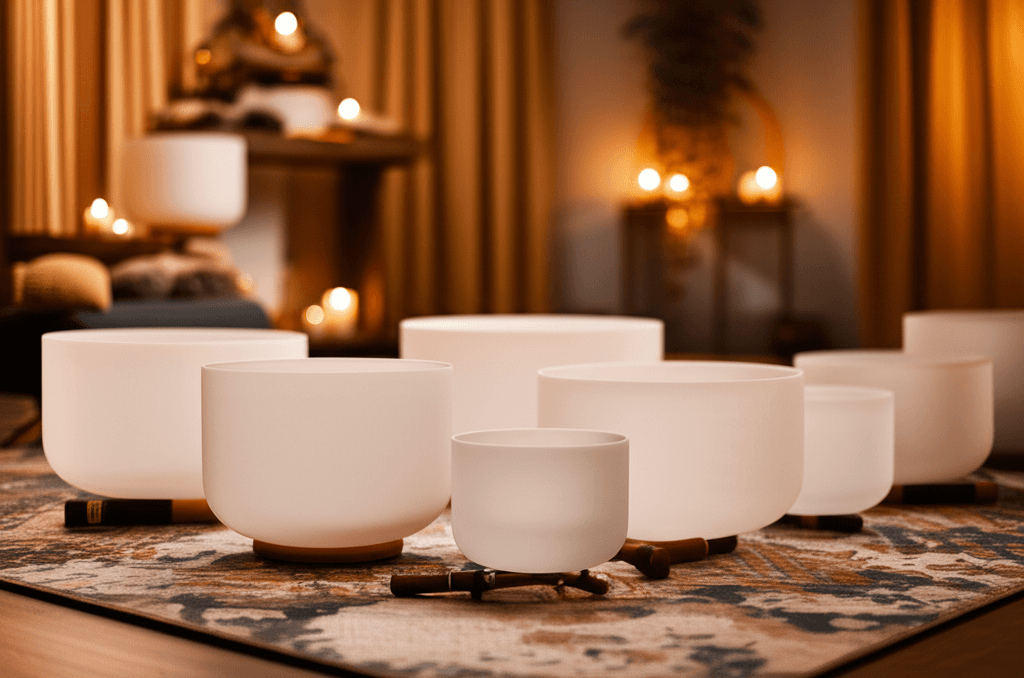
In practice, this means intentionally choosing sounds that are calming and resonant. Imagine the gentle reverberations of a gong wash or the soothing resonance of crystal singing bowls. These sounds, particularly when combined with deep, diaphragmatic breathing, can induce a state of profound relaxation. When you place one hand on your chest and one on your stomach, focusing on breathing deeply so only your stomach hand rises, and add the calming influence of specific sounds, you are actively sending signals of safety to your nervous system. Even a minute of this focused practice can make a noticeable difference when stress peaks, allowing your body to downregulate and restore balance. The goal is to cultivate a personal history where your autonomic nervous system is retuned to optimize flexibility, moving smoothly from defense back to a state that supports homeostasis and well-being.
The Soul Art Approach: Harmonizing Mind and Body with Larissa Steinbach
At Soul Art, Dubai's premier sound wellness studio, Larissa Steinbach embodies the philosophy that true well-being stems from a harmonious relationship between mind, body, and spirit, deeply rooted in scientific understanding. The Soul Art approach is meticulously crafted to leverage the profound impact of sound on the nervous system, guiding clients towards greater resilience and inner peace.
Larissa Steinbach's method is unique in its integration of Polyvagal Theory principles with bespoke sound experiences. She understands that the studio environment itself must act as a powerful cue of safety, meticulously designed to be serene, comforting, and free from external stressors. Within this carefully curated space, Larissa utilizes a rich tapestry of sound tools – from the deep, resonant tones of Himalayan and crystal singing bowls to the expansive vibrations of gongs and the precise frequencies of tuning forks. Each instrument is chosen for its specific energetic and physiological impact, guided by an informed understanding of how different sounds interact with the body's subtle energy systems and autonomic responses.
The core of the Soul Art experience lies in facilitating a journey into the ventral vagal state. Through expertly guided sound baths and immersive sound meditations, Larissa creates a sonic landscape that encourages the nervous system to shift out of sympathetic overdrive or dorsal vagal shutdown. The sustained tones and harmonic frequencies are designed to bypass the analytical mind, speaking directly to the deeper, more ancient parts of the brain that regulate safety and connection. Clients often report profound feelings of relaxation, a release of accumulated tension, and an enhanced sense of groundedness.
"At Soul Art, we don't just offer sound experiences; we offer an opportunity to recalibrate your internal compass. By creating a symphony of safety, we empower your nervous system to remember its natural state of balance and flexibility." — Larissa Steinbach
The emphasis at Soul Art is always on building nervous system flexibility. It's about training the body to more easily access states of rest and repair, and to recover more quickly from stressors. Larissa's sessions often incorporate gentle breathing guidance and mindful awareness practices, subtly weaving together various techniques to create a holistic experience. This integrated approach ensures that clients not only relax in the moment but also develop tools and internal resources that support long-term resilience, enabling them to navigate the complexities of daily life with increased patience, clarity, and an authentic sense of well-being.
Your Next Steps: Integrating Sound for Daily Resilience
Building nervous system resilience is a continuous journey, not a destination. The good news is that you can start integrating small, impactful practices into your daily routine right now. These steps are designed to gently retune your nervous system, fostering greater flexibility and a more profound sense of calm.
- Embrace Micro-Practices for Instant Resets: Choose one habit for in-the-moment relief. This could be two to three minutes of box breathing before a challenging meeting, or a short period of humming (the "voo" sound) on your exhale when you feel overwhelmed. Consistency, even in small doses, is what truly trains your recovery capacity.
- Cultivate Baseline Resilience with Sound and Movement: Select a practice that builds your foundational well-being. This might involve incorporating mindful movement like gentle stretching with soft, calming music, or dedicating 10-15 minutes to a sound meditation session. Even singing in your car or humming while you work can contribute to this cumulative resilience.
- Develop Interoceptive Awareness: Pay attention to your body's subtle signals. Try placing one hand on your chest and one on your stomach, focusing on deep, diaphragmatic breathing for just 60 seconds whenever stress peaks. Notice how your body feels, how your breath changes. This awareness is key to early stress detection.
- Curate Your Sonic Environment: Be mindful of the sounds around you. Can you introduce more calming elements? Perhaps play soft, ambient music while you work or relax, or dedicate time to listening to nature sounds. Consider intentionally stepping away from chaotic noise when possible to give your nervous system a break.
- Experience the Power of Immersive Sound: Explore a guided sound wellness experience. At Soul Art, Larissa Steinbach offers sessions designed to deeply relax and recalibrate your nervous system, providing a powerful opportunity to reset and integrate new patterns of calm.
After two weeks of consistent practice, reassess your state: Are you less reactive? Recovering faster from stressful moments? Sleeping better? Showing up with more patience and clarity in your interactions? These are all indicators that your nervous system is building greater flexibility and resilience.
In Summary: A Symphony of Calm and Strength
Our journey into nervous system resilience reveals that flexibility is the cornerstone of true well-being in our fast-paced world. By understanding the profound insights of Polyvagal Theory, we recognize how our autonomic nervous system constantly scans for cues of safety, and how easily we can get locked into states of defense. Sound, in its myriad forms, offers a powerful, scientifically-grounded pathway to communicate these vital cues of safety, facilitating a shift towards rest, social engagement, and profound calm.
From deep breathing with vocalizations to the immersive experience of sound baths, these practices actively train our nervous system for greater adaptability. Larissa Steinbach and Soul Art Dubai stand as a beacon in this space, offering expertly crafted sound wellness experiences that harmonize mind and body, fostering deep relaxation and sustainable resilience. Embrace the transformative potential of sound to cultivate a nervous system that is not only robust but beautifully flexible, ready to meet life's demands with grace and inner strength. We invite you to explore this journey towards enhanced well-being at Soul Art.
Bookings Coming Soon
Soul Art is still in preparation. Session details and booking will be published here after launch.
Coming Soon
Wellness Disclaimer: This article is for educational and informational purposes only. It does not constitute medical advice, diagnosis, or treatment. Soul Art Dubai provides non-medical wellness experiences focused on relaxation, stress management, and general wellbeing. Sound wellness is a complementary practice and should not replace professional medical care.