Rekindle Motivation: Sound Wellness & Exercise for Depression

Key Insights
Explore science-backed strategies to boost motivation and alleviate depression symptoms through exercise, complemented by Soul Art's unique sound wellness practices in Dubai.
Have you ever found yourself in a cycle where the very thought of moving feels overwhelming, yet you know movement is what you need? This perplexing paradox often defines the experience of navigating low motivation when facing symptoms of depression. While the brain understands the benefits of physical activity, the body struggles to initiate it, caught in a delicate balance between mental state and physical capacity.
Fortunately, scientific research increasingly illuminates powerful, accessible strategies to break free from this cycle. From understanding the neurochemical responses to movement to embracing complementary wellness practices, there are tangible steps you can take. This article will delve into the profound connection between motivation, depression, and exercise, offering evidence-based insights and introducing how sound wellness at Soul Art, founded by Larissa Steinbach, can play a supportive role in your journey towards greater vitality.
We will explore how consistent movement, even in small increments, may significantly alleviate depressive symptoms and enhance overall well-being. Ultimately, you will discover practical ways to reignite your intrinsic motivation and foster a more uplifted state of mind, starting today. Your path to renewed energy and clarity begins here.
The Intricate Dance: Motivation, Depression, and Movement
The relationship between motivation, depression, and physical activity is deeply intertwined, forming a complex web that can be challenging to navigate. Depression, recognized globally as a leading cause of disability, significantly impacts an individual's wellbeing and daily functioning. It often presents with persistent low mood, impaired motivation, and a range of other symptoms from psychomotor to cognitive impairments, as highlighted by the World Health Organization.
The Vicious Cycle of Depression and Inactivity
One of the most debilitating aspects of depression is its physical manifestation, which directly impedes the desire and capacity for movement. Symptoms such as disturbed sleep, profound fatigue, reduced energy levels, changes in appetite, and increased pain perception create a significant barrier to engaging in physical activity. These physical symptoms contribute to a decline in motivation, making it incredibly difficult to initiate or sustain exercise routines.
Research consistently observes maladaptive changes in motivation among individuals experiencing mood and anxiety disorders. Studies by Bi et al. (2022) and Charpentier et al. (2017) underscore how both intrinsic and extrinsic motivation are affected. Specifically, lower intrinsic motivation – the internal drive to act for inherent satisfaction – has been significantly associated with higher depression severity, as detailed in recent findings by Choi et al. (2024). This creates a challenging loop: depression saps motivation, leading to inactivity, which can then exacerbate depressive symptoms.
Exercise as a Powerful Antidote
Despite the challenge of getting started, a robust and growing body of evidence supports exercise as a highly effective therapeutic intervention for depression. Engaging in regular physical activity has been associated with a significantly lower risk of developing depression over time. A longitudinal study published in the Journal of Psychiatric Research in 2018, which followed over 33,000 adults for more than a decade, found that individuals with higher levels of physical activity were less likely to develop depression.
Meta-analyses of randomized controlled trials (RCTs) further confirm exercise's profound impact. A seminal meta-analysis published in JAMA Psychiatry in 2016, encompassing 33 RCTs and 1,877 participants, concluded that exercise significantly reduces depression levels, proving as effective as other established treatments like Cognitive Behavioral Therapy (CBT) and antidepressant medications. Similarly, a 2013 meta-analysis of 25 RCTs in the Cochrane Database of Systematic Reviews found exercise highly effective in reducing symptoms of major depressive disorder in over 1,100 participants.
The benefits extend beyond mere symptom reduction to the very neurobiology of the brain. When we exercise, our bodies initiate a biological cascade of events that significantly impacts mental health. High-intensity activity may trigger the release of endorphins, leading to the well-known "runner's high." However, the true enduring value often lies in low-to-moderate intensity exercise sustained over time.
This type of activity stimulates the release of neurotrophic or growth factors, which are crucial proteins that promote the growth of nerve cells and the formation of new connections within the brain. Dr. Miller explains that in individuals with depression, the hippocampus – a brain region vital for mood regulation – is often observed to be smaller. Exercise actively supports nerve cell growth in the hippocampus, improving neural connections and thereby helping to alleviate depressive symptoms.
Furthermore, current research highlights various efficacious approaches to exercise. Andreas Heissel's work advocates for supervised, moderate-intensity group exercise and aerobic programs. Yumeng Xie's findings suggest that even moderate-intensity exercise suffices to alleviate depressive symptoms, with higher doses potentially enhancing overall functioning. Xie also emphasizes the advantages of integrating aerobic with mind-body exercises. Lange KW's research suggests that multimodal exercise – combining diverse physical activities – may be the most effective strategy for mitigating depressive symptoms, proposing superior improvements from a varied regimen.
Beyond treatment, physical activity also holds promise as a preventative measure. Mandy X. Hu's research indicates that physical activity can act as a protective factor against depression in the general population, while U Hemmeter's findings specifically suggest regular exercise lowers the risk of developing depression in older adults. These insights underscore exercise as a powerful, all-natural treatment option, even if the biggest challenge is simply starting.
How It Works in Practice
Translating the science of exercise and motivation into daily practice requires empathy, understanding, and realistic strategies. The core principle is that any physical activity that gets you off the couch and moving can boost your mood. You don't need to commit to grueling workouts; small, consistent steps can lead to significant improvements.
The challenge of "getting started" is a legitimate hurdle when experiencing depression. Dr. Miller from Harvard Health advises starting incredibly small, perhaps with just "five minutes a day of walking or any activity you enjoy." This manageable starting point lowers the barrier to entry, making the task less daunting. Over time, that initial five minutes can naturally extend to 10, then 15, building momentum and confidence.
The Mayo Clinic further emphasizes broadening your definition of "exercise." This isn't solely about structured gym routines; it encompasses any activity that works your muscles and expends energy. This could be as simple as gardening, washing your car, taking the stairs instead of the elevator, or parking slightly farther away to incorporate a short walk into your day. The key is to find ways to weave small amounts of physical activity throughout your daily life.
Cultivating intrinsic motivation becomes particularly important here. Rather than viewing exercise as another "should" or a chore, reframe it as a vital tool for your well-being, much like therapy sessions or medication. When activities are perceived as relevant to one’s needs, commitment and engagement significantly increase, improving outcomes and reducing dropout rates, as research into treatment goals for depression suggests. Choosing activities you genuinely enjoy transforms the experience from an obligation into a valuable self-care practice.
For individuals facing low motivation, the initial steps might feel like pushing through thick mud. However, even these small efforts can initiate a subtle shift in sensory experience: a gentle breeze on your skin during a short walk, the rhythm of your breath, or the sound of birdsong. These sensory inputs can gradually help to re-engage the nervous system, fostering a greater sense of presence and a slight uplift in mood. Over time, these cumulative moments of movement contribute to the biological cascade of benefits, reinforcing the positive cycle of activity and improved well-being.
The Soul Art Approach
At Soul Art, founded by Larissa Steinbach, we understand that initiating movement and rekindling motivation can be particularly challenging when navigating the landscape of depression. Our approach to sound wellness is designed to complement these vital physical strategies by creating a deeply supportive and restorative environment. We offer a unique pathway to enhance inner calm, reduce stress, and foster the foundational energy needed to "get moving" in life.
Larissa Steinbach’s vision for Soul Art is to provide a serene sanctuary where the power of sound can facilitate profound relaxation and nervous system regulation. Our sessions are not a substitute for medical treatment or exercise itself, but rather a powerful complementary approach that addresses underlying factors often hindering motivation. For instance, chronic stress and disturbed sleep, common companions of depression, significantly deplete energy reserves and dampen the drive to be active.
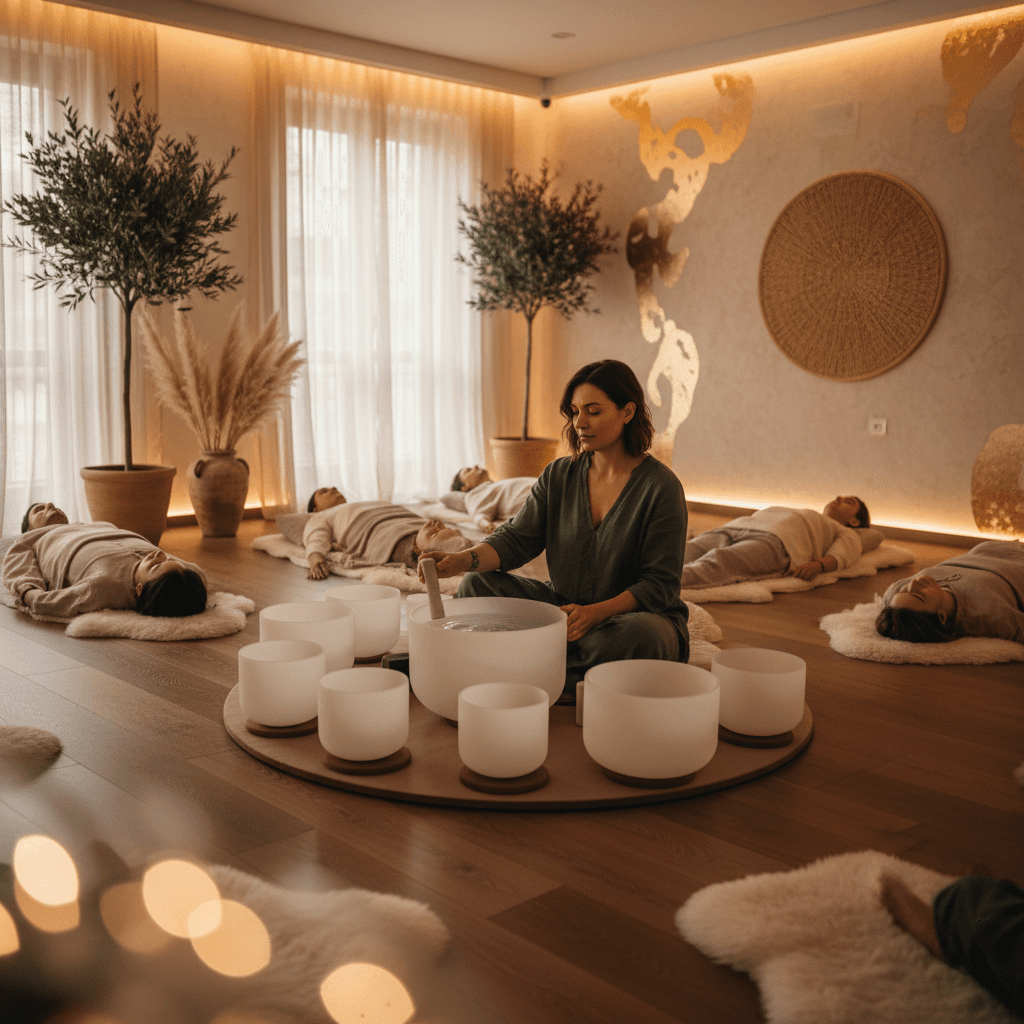
Through carefully curated sound baths and guided meditations, we help individuals quiet the mind, release tension, and achieve states of deep relaxation. The resonant frequencies produced by instruments like Himalayan singing bowls, crystal singing bowls, gongs, and chimes work to gently shift brainwave states from active beta waves to more relaxed alpha and even theta states. This process may support improved sleep quality and a significant reduction in anxiety, which are critical precursors to finding the energy and mental clarity to engage in physical activity.
"The subtle yet profound vibrations of sound wellness can act as a gentle reset button for the nervous system, paving the way for renewed energy and a more empowered sense of self, making the first step towards movement feel less daunting."
Many people report that after a Soul Art session, they feel a profound sense of peace, clarity, and increased mental fortitude. This renewed inner state can be the catalyst for breaking the inertia associated with low motivation. By fostering a more balanced and regulated nervous system, our sound wellness practices aim to help you connect with your intrinsic drive, making it easier to embrace movement not as a chore, but as an act of self-care and empowerment. Larissa Steinbach ensures that each session is a holistic experience, supporting your journey towards overall well-being and helping you to cultivate the resilience needed to move forward.
Your Next Steps
Taking the first step, no matter how small, is the most crucial part of cultivating motivation and alleviating depressive symptoms through movement. Remember, consistency triumphs over intensity, especially when starting. Here are some actionable steps you can implement today:
- Start Small and Build Gradually: Don't aim for an hour-long workout. Begin with just five to ten minutes of gentle activity, such as a short walk around your neighborhood or some stretching. Gradually increase the duration as your energy and motivation grow. Setting reasonable and achievable goals is key to maintaining momentum and avoiding feelings of failure.
- Discover Activities You Enjoy: Exercise doesn't have to be a burden. Explore different forms of physical activity – dancing to your favorite music, gardening, walking in nature, or even cleaning your home can count as beneficial movement. The more you genuinely enjoy an activity, the more likely you are to stick with it.
- Integrate Sound Wellness: Consider complementing your physical activity with regular sound wellness sessions. Practices like those offered at Soul Art, led by Larissa Steinbach, can help manage stress, improve sleep, and regulate your nervous system. This creates a more stable foundation, making it easier to find the energy and motivation for movement.
- Prioritize Self-Compassion: Understand that motivation fluctuates, especially when dealing with symptoms of depression. There will be days when it's harder than others. Instead of self-criticism, practice self-compassion. Acknowledge your efforts, rest when needed, and gently redirect yourself back to your plan.
- Seek Support When Needed: If you are struggling significantly with depression, remember that professional medical advice and support are essential. Wellness practices like exercise and sound baths are complementary and should be integrated into a broader self-care strategy, not replace medical care.
Bookings Coming Soon
Soul Art is still in preparation. Session details and booking will be published here after launch.
Coming Soon
In Summary
The journey from low motivation to consistent movement, particularly when navigating depression, is multifaceted yet profoundly rewarding. Scientific evidence overwhelmingly supports the role of even moderate physical activity in alleviating depressive symptoms by influencing neurochemical processes and fostering nerve cell growth in crucial brain regions. Breaking the cycle of inactivity often begins with small, enjoyable steps and a redefinition of what "exercise" truly means.
Complementing these vital physical strategies, holistic wellness practices like sound baths offered at Soul Art by Larissa Steinbach can provide invaluable support. By reducing stress, improving sleep, and regulating the nervous system, sound wellness helps create the mental and emotional space needed to cultivate intrinsic motivation and embrace movement. Embrace these combined strategies as a powerful, integrated approach to nourish your mind, body, and spirit.