Unlock Inner Calm: Sound-Assisted Mindfulness for Mental Health

Key Insights
Discover how sound wellness, pioneered by Larissa Steinbach at Soul Art Dubai, enhances mindfulness for profound mental health benefits and stress reduction.
In our perpetually connected world, the relentless pace of life often leaves us yearning for moments of true calm and mental clarity. We seek effective strategies to navigate stress, alleviate anxiety, and cultivate a deeper sense of inner peace. What if the very fabric of sound could be a profound ally in this quest?
This article delves into the transformative synergy between mindfulness and sound, exploring how focused sonic experiences can significantly enhance our ability to be present and foster remarkable mental resilience. We will uncover the scientific evidence supporting these practices, moving beyond anecdotal insights to reveal how sound-assisted awareness offers a unique pathway to profound well-being.
At Soul Art Dubai, led by the visionary Larissa Steinbach, we understand that true wellness is a harmonious integration of mind, body, and spirit. We invite you to explore how intentional sound can elevate your mindfulness practice, empowering you to cultivate a more balanced and harmonious inner landscape in the heart of Dubai. Prepare to unlock a deeper dimension of self-awareness and mental tranquility.
The Science Explained: Unveiling the Mechanisms of Sound-Assisted Mindfulness
The profound benefits of mindfulness and sound wellness are increasingly illuminated by robust scientific research. These complementary practices influence our brain and body in tangible ways, fostering resilience against stress and enhancing overall mental health. Understanding these mechanisms offers a clearer picture of their transformative potential.
The Neuroscience of Mindfulness: Rewiring for Resilience
Mindfulness, defined as the practice of being aware of one’s present moment experience with calm concentration, has garnered significant attention for its positive impact on mental health. Evidence suggests that consistent mindfulness practice can induce remarkable structural and functional changes within the brain. Specifically, studies indicate an increase in the volume, density, and thickness of gray matter, which is crucial for cognitive function.
These neuroplastic changes enhance connectivity among essential brain structures responsible for cognitive processing, memory, self-awareness, and emotional regulation. As individuals cultivate these cognitive skills, they often become more adept at noticing early signs of stress, allowing for more timely and effective intervention. For instance, research published by BrainsWay highlights how improved "observing" (noticing feelings, thoughts, and external stimuli) and "acting with awareness" (paying attention to the present moment) are positively linked with recovery from various mental health challenges, including symptom reduction and improved insight.
Furthermore, mindfulness-based cognitive therapy (MBCT) has demonstrated promising results in improving a range of symptomatic and psychosocial outcomes. Studies referenced in PMC indicate that MBCT may reduce residual depressive symptoms, enhance quality of life in remitted depressed patients, and increase metacognitive awareness. These interventions may also reduce reactivity to emotional stimuli, thereby enhancing psychological well-being and promoting more adaptive emotion regulation strategies.
The Power of Sound on the Brain and Body
Sound, a universal language, communicates non-verbally and universally, helping individuals connect with their emotions and remain present. Its vibrational frequencies, ranging from instrumental tones to binaural beats, can profoundly influence both brain activity and the autonomic nervous system. This direct influence is a cornerstone of sound healing, which posits that sound waves can shift physiological and psychological states.
Neuroscientific evidence reveals that listening to specific frequencies may help synchronize brainwaves, thereby encouraging states of deep relaxation, mental clarity, and improved emotional regulation. This process often activates the parasympathetic nervous system, commonly known as the "rest and digest" system, which counters the effects of chronic stress. Preliminary studies have shown that sound interventions may reduce cortisol levels, a primary stress hormone, and regulate heart rate and brain activity, contributing to a sense of calm and balance.
Research on sound interventions, such as that conducted by Lin et al. (2011), demonstrated that music therapy and verbal relaxation are effective in reducing anxiety. Lee et al. (2012) found that monochord sounds could reduce anxiety and improve relaxation in patients undergoing chemotherapy. The direct physical and mental impact of sound is further highlighted by a review of 400 scientific articles, which found strong evidence that music provides mental and physical health benefits, including mood improvement and stress reduction, with rhythm specifically linked to physical pain relief (Psychology Today).
Sound-Assisted Mindfulness: A Synergistic Approach
When mindfulness is combined with sound, a powerful synergy emerges. Sound provides a tangible anchor for attention, making the practice of present moment awareness more accessible, especially for those with busy minds. The immersive nature of sound helps to quiet internal chatter and gently guides the mind into a focused state.
Studies comparing sound interventions with traditional mindfulness practices offer compelling insights. For example, Warth et al. (2016) found that live music therapy may be more effective than a pre-recorded mindfulness exercise in improving cardiovascular health for terminally ill patients, primarily through its influence on the autonomic nervous system. Similarly, Koehler et al. (2022) suggested that music therapy may be more effective than mindfulness in reducing subjective distress in palliative care patients, with both interventions contributing to reductions in stress biomarkers.
An observational study published in the Journal of Evidence-Based Integrative Medicine by Goldsby et al. (2016) demonstrated that an hour-long sound meditation, primarily using Tibetan singing bowls, helped participants reduce tension, anger, fatigue, anxiety, and depression, while significantly increasing a sense of spiritual well-being. This suggests that sound-assisted mindfulness can provide profound benefits for both experienced practitioners and newcomers alike.
By engaging the auditory system and influencing brainwave patterns, sound facilitates a deeper, more embodied form of mindfulness. It acts as a powerful tool to bridge the gap between cognitive intention and physiological response, helping to cultivate a state where genuine emotional regulation and cognitive clarity can flourish. This integration offers a rich, multi-sensory pathway to enhanced mental well-being, leveraging the brain's natural capacity for change through sound.
How It Works in Practice: Experiencing the Resonance of Presence
Translating the science of sound and mindfulness into a practical experience involves creating an environment where deep listening and focused awareness can naturally unfold. For many, the endeavor to "just be present" can feel elusive amidst the constant demands of daily life. This is where sound-assisted mindfulness offers a profound and accessible pathway.
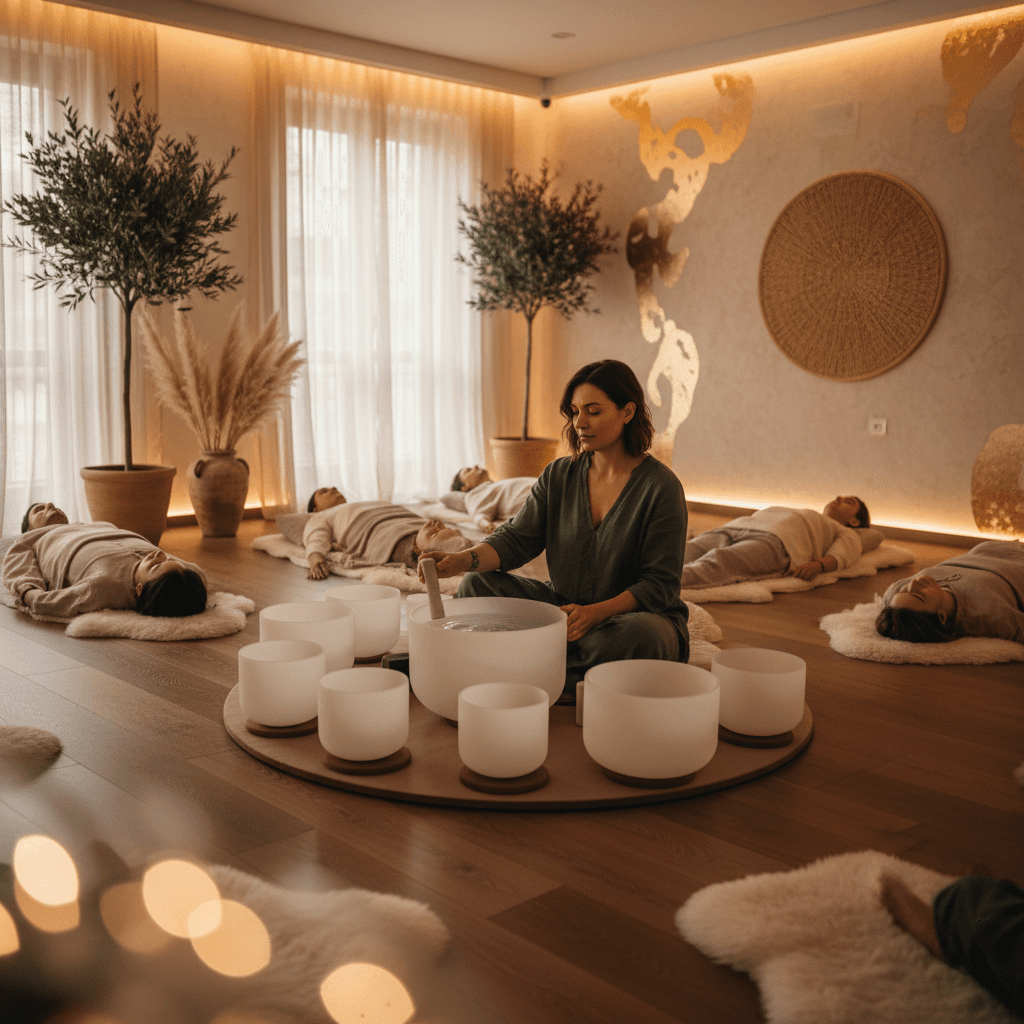
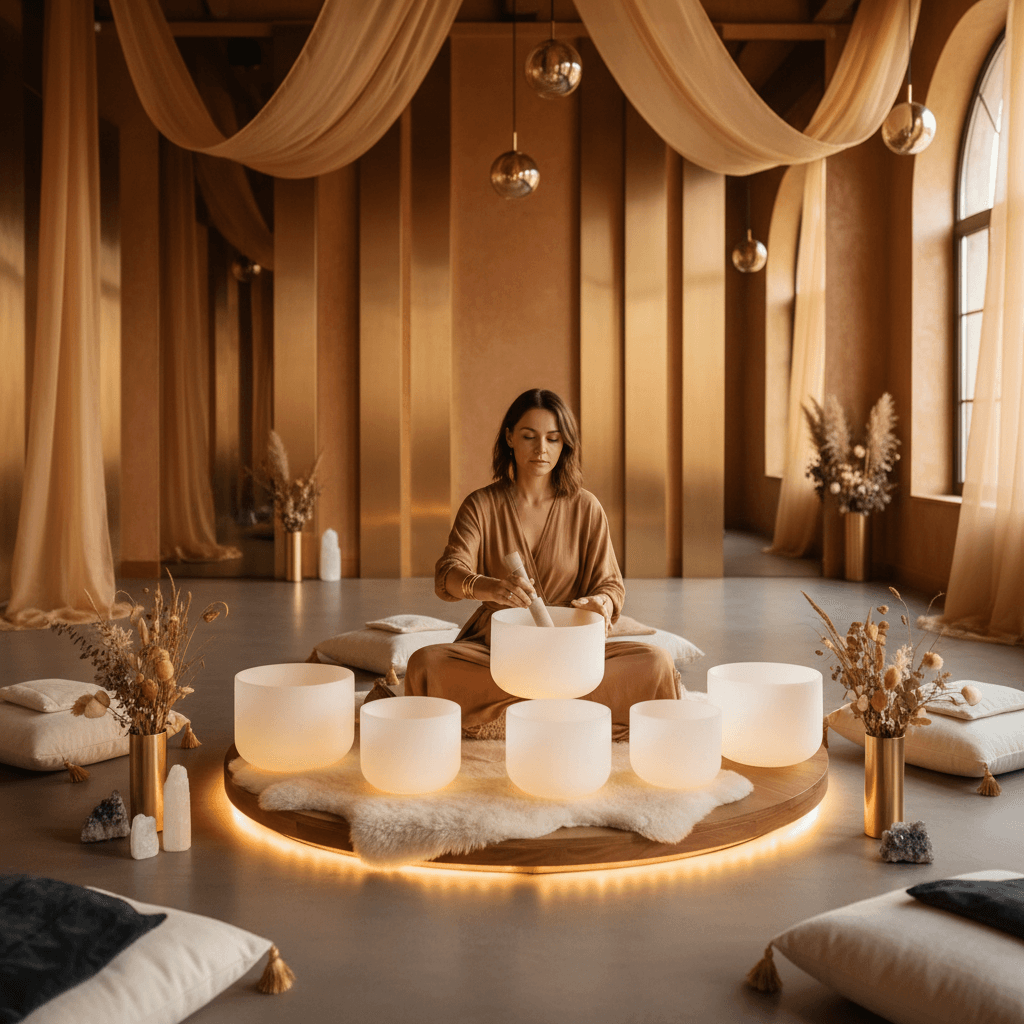
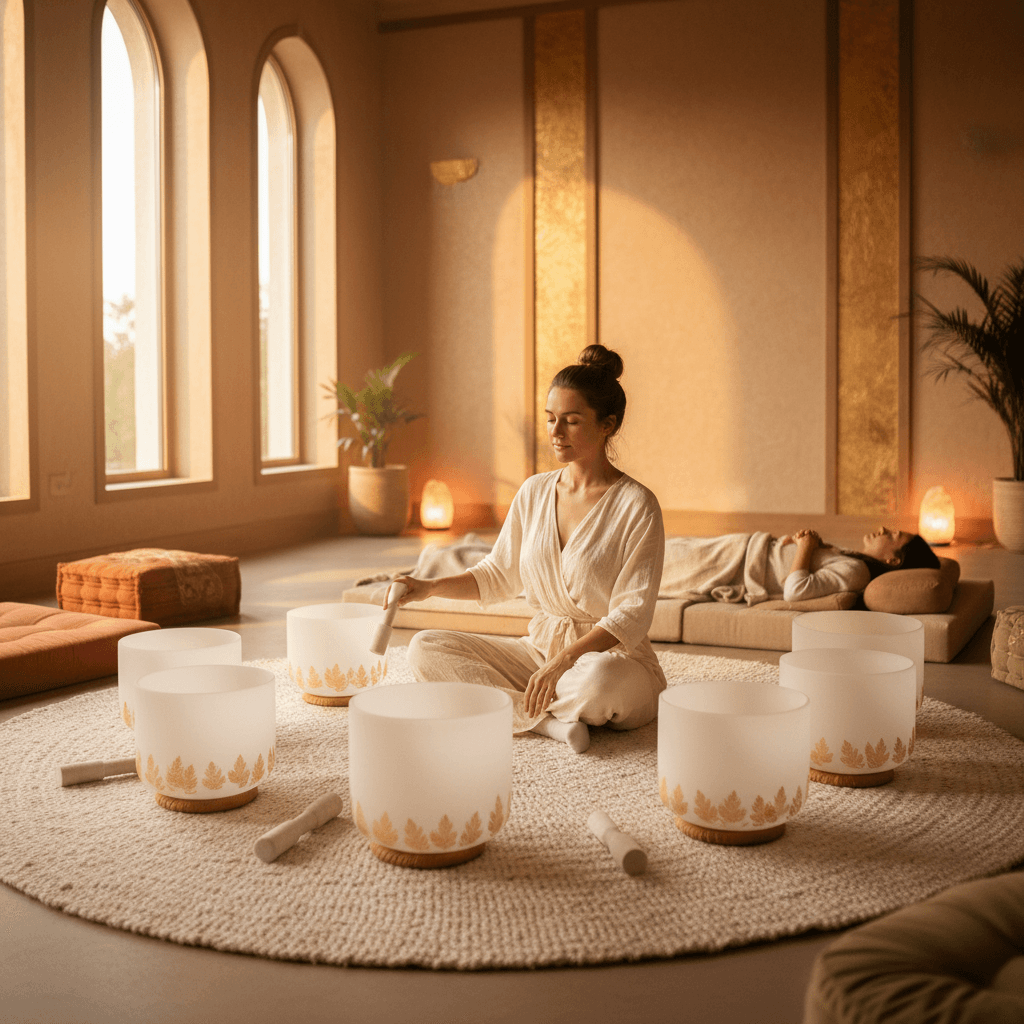
During a sound wellness session, the intricate layers of vibrational frequencies act as a gentle yet powerful anchor, inviting your attention to rest on the present moment. Instead of struggling to quiet racing thoughts, the immersive soundscape provides a focal point—a rich tapestry of sensory input that naturally draws your awareness away from distractions and into the here and now. The resonant tones of instruments like crystal singing bowls, gongs, or monochords create palpable vibrations that many find incredibly soothing, often described as a full-body listening experience.
Clients frequently describe a journey into deep relaxation, where the external world fades, and a profound sense of inner calm begins to emerge. These sonic experiences may facilitate a beneficial shift from the sympathetic "fight or flight" response to the parasympathetic "rest and digest" system. This physiological change, supported by preliminary evidence suggesting reductions in stress biomarkers like cortisol and alpha-amylase (Koehler et al., 2022), is not merely a subjective feeling but a genuine shift in bodily state.
Sound also plays a crucial role in emotional regulation. The non-verbal nature of music and vibrational frequencies allows individuals to connect with their emotions in a gentle, non-confrontational manner. Many people report that the soothing sounds help to release stored tension, process unspoken feelings, and access deeper emotional states safely and constructively. This guided emotional release contributes to a greater sense of psychological lightness and clarity post-session.
For those with busy minds, the structured yet fluid nature of a sound journey provides a unique opportunity to effortlessly drop into mindfulness. The sounds give the mind something tangible to focus on, reducing the tendency for mind-wandering and cultivating a more sustained state of calm concentration. This practical application of sound not only enhances mental focus but also cultivates a deeper connection between mind, body, and spirit, fostering holistic well-being.
The Soul Art Approach: Larissa Steinbach's Vision for Sound Wellness
At Soul Art, Dubai's premier sound wellness studio, Larissa Steinbach has meticulously crafted an approach that integrates the ancient wisdom of sound with a contemporary understanding of mindfulness and mental well-being. Larissa’s vision extends beyond mere relaxation; it's about providing a profound journey into self-discovery and inner harmony, tailored for individuals seeking balance in their demanding lives.
The Soul Art method is distinctive, focusing on creating an immersive, multi-sensory experience designed to optimize mental and emotional well-being. We believe in harnessing the universal language of sound to facilitate deep states of awareness and healing. Our studio provides a serene sanctuary, meticulously designed to enhance the vibrational journey and promote an atmosphere of quiet luxury and profound peace.
Our sessions often incorporate a carefully curated selection of instruments, each chosen for its unique vibrational qualities. This includes the ethereal tones of crystal singing bowls, the powerful, all-encompassing resonance of gongs, and the subtle, deeply soothing hum of monochords. These instruments are expertly played by trained practitioners, creating a rich soundscape that gently guides participants into states of deep meditation and present moment awareness.
Larissa Steinbach and her dedicated team are committed to facilitating an environment where intentional sound can unlock pathways to profound peace and mental clarity. We integrate gentle breathwork and guided meditation techniques, working in harmony with the sound frequencies to deepen the practice. This holistic approach helps to regulate the nervous system, reduce accumulated stress, and foster a greater sense of emotional balance.
"True healing begins when we attune ourselves to the subtle frequencies within and around us. Sound provides that resonant bridge, inviting us home to our deepest sense of self."
Each Soul Art session is designed to offer a bespoke journey, whether in a private setting or a thoughtfully curated group experience. This ensures that every participant can connect with the transformative potential of sound in a way that resonates deeply with their individual needs, fostering clarity, compassion, and resilience in navigating life's complexities. Our unique approach provides a sanctuary where individuals can truly replenish their mental and emotional reserves.
Your Next Steps: Cultivating Sound-Assisted Awareness Daily
Embarking on a journey of sound-assisted mindfulness is a compassionate and empowering act of self-care. The benefits extend far beyond the studio, offering tools that can be integrated into your daily life to sustain mental health and emotional balance. Here are several actionable steps you can take to deepen your connection to inner peace and explore this transformative potential:
-
Explore a Guided Sound Meditation: The most impactful first step is to experience a professional sound wellness session. Seek out a reputable studio, such as Soul Art, to fully immerse yourself in the power of vibrational healing. This allows you to experience the deep relaxation and mental clarity that sound can facilitate.
-
Practice Mindful Listening: Dedicate a few minutes each day to simply listen to the sounds around you without judgment. Whether it's the birds singing, the hum of your environment, or the rhythm of your own breath, allowing your awareness to rest on these sounds can significantly enhance your ability to stay present.
-
Integrate Breathwork with Sound: Combine deep, intentional breathing exercises with gentle background music or natural sounds. This powerful combination can deepen your relaxation response, further anchor you in the present moment, and help regulate your nervous system. Even a few minutes can make a difference.
-
Cultivate Daily Awareness: Throughout your day, periodically pause and notice the auditory landscape around you. Observe sounds as they arise and fade, acknowledging them without attaching stories or judgments. This simple, consistent practice helps to build your capacity for sustained mindfulness.
-
Consider Journaling: After a sound session or a mindful listening practice, take time to jot down any insights, emotions, or physical sensations that arose. This reflective practice can deepen your understanding of the experience and help you integrate the newfound calm and clarity into your daily life.
Ready to deepen your connection to inner peace and explore the transformative potential of sound-assisted awareness? We invite you to experience the unique and profound offerings at Soul Art Dubai, where Larissa Steinbach and her team are dedicated to guiding you towards a more harmonious existence.
In Summary: Harmonizing Mind and Sound for Well-being
Mindfulness, a profoundly beneficial practice for mental health, finds an exceptional and potent ally in the ancient art of sound. Through its measurable influence on brain activity, the autonomic nervous system, and our innate capacity for present moment awareness, intentional sound significantly enhances our journey towards inner peace and resilience. This powerful synergy helps to cultivate a more balanced and centered existence.
The scientific evidence increasingly highlights how sound-assisted practices may reduce stress, alleviate anxiety, and foster profound relaxation, ultimately supporting greater emotional regulation and overall well-being. By providing a tangible and soothing anchor for our attention, sound empowers us to navigate the complexities of modern life with enhanced clarity, focus, and serenity. It’s a gentle yet powerful tool for self-care.
Soul Art, under the expert guidance of Larissa Steinbach, offers a gateway to these transformative experiences in Dubai. We wholeheartedly encourage you to explore the profound synergy of mindfulness and sound, allowing these harmonious practices to enrich your mental landscape and support your journey towards holistic health.
Bookings Coming Soon
Soul Art is still in preparation. Session details and booking will be published here after launch.
Coming Soon
Wellness Disclaimer: This article is for educational and informational purposes only. It does not constitute medical advice, diagnosis, or treatment. Soul Art Dubai provides non-medical wellness experiences focused on relaxation, stress management, and general wellbeing. Sound wellness is a complementary practice and should not replace professional medical care.