Mastering Lucid Dream Stabilization: Staying Aware in the Dream
Key Insights
Unlock the secrets of lucid dream stabilization with Soul Art. Explore the neuroscience behind staying conscious in your dreams for enhanced self-discovery and well-being with Larissa Steinbach.
Have you ever found yourself in a dream, suddenly realizing with a jolt of awareness that you are, in fact, dreaming? This fleeting moment of clarity, known as lucid dreaming, is a profound intersection of consciousness and sleep. It opens a breathtaking realm of self-exploration and personal growth.
However, many experience this lucidity only briefly before the dream fades or their awareness slips away. The true art lies not just in becoming lucid, but in stabilizing that awareness, remaining present and engaged within the dream environment. This capacity to stay aware can transform transient glimpses into sustained, meaningful experiences.
At Soul Art, founded by the visionary Larissa Steinbach, we understand that cultivating this deeper awareness is not merely an esoteric pursuit. It is a powerful wellness practice that may support mental health, creativity, and overall well-being. By grounding ourselves in the neuroscience of this fascinating phenomenon, we can approach lucid dream stabilization with clarity and intention, unlocking profound benefits that echo into our waking lives.
The Science Explained: The Brain in a Lucid State
Lucid dreaming is a unique state of consciousness, bridging the gap between waking and dreaming. Recent research from early 2025 confirms its distinct electrophysiological correlates, setting it apart from both waking consciousness and non-lucid REM sleep. Understanding these brain mechanisms is key to comprehending how we can maintain awareness within our dreams.
Brainwave Signatures of Lucid Dreaming
During typical REM sleep, our brain activity often shows a large-scale desynchronization, which is consistent with many literature reports. However, the lucid dreaming brain paints a different picture. It exhibits a high level of synchronization, suggesting a wake-like inter-scalp networking, particularly in high-frequency bands.
Studies reveal lucid dreaming to possess REM-like power in the delta (δ) and theta (θ) frequency bands, yet with significantly higher-than-REM activity in the gamma (γ) band. This difference between states peaks dramatically around 40 Hz, an intriguing signature of conscious awareness. This intense 40 Hz gamma band power is strongest in the frontal and frontolateral regions of the brain, areas associated with metacognition and higher-level cognitive functions.
Compared to waking, lucid dreaming also shows increased power in frequencies from 1 to 8 Hz, encompassing the delta and theta bands. This combination of heightened low-frequency and specific high-frequency activity suggests a brain state that is both deeply relaxed and acutely aware. It highlights the complex interplay of different brain regions that allows for conscious experience within a dream.
Neural Connectivity and Metacognition
A landmark April 2025 Journal of Neuroscience study, co-led by Çağatay Demirel, brought a clearer picture of the lucid dreaming brain using extensive EEG data. The team found lucid dreaming is associated with widespread communication across diverse brain regions. This includes increased communication between the brain’s metacognition center, specifically the prefrontal cortex, and parietal and temporal structures, which are vital for high-level cognition.
This heightened neural connectivity implies that during a lucid dream, the brain is actively reflecting on its own state. Metacognition, or "cognition about cognition," is precisely what allows us to know that we are dreaming while the dream unfolds. It's the self-awareness that permits stabilization. Many expert lucid dreamers also demonstrate higher metacognitive abilities not only during sleep but also throughout their waking state, indicating that this capability may reflect underlying cognitive traits.
The connection between vivid imagery and lucidity is also noteworthy. Research suggests that openness, extraversion, and a strong capacity for vivid visual imagery predict lucid dream frequency, while scholastic aptitude does not. This indicates that interventions targeting visualization skills might enhance lucid dream frequency more effectively than cognitive ability training. This finding offers a practical focus for those teaching induction and stabilization techniques.
Impact on Sleep and Well-being
Beyond its fascinating neuroscience, lucid dreaming has implications for sleep health and mental well-being. Researchers have shown that both lucid and positive dreams are associated with better sleep quality, mood, and restfulness after waking. This suggests that intentionally cultivating positive, lucid dream experiences could potentially improve overall sleep health.
Furthermore, lucid dreaming may offer a safe space for rehearsal and exploration, which could build self-efficacy, particularly beneficial for adolescent mental health applications. The sense of control and empowerment experienced during lucid dreams may even create a “spill-over effect,” translating into enhanced confidence and reduced anxiety levels in waking life. Preliminary studies indicate that anxiety and depression levels may decrease with sustained lucid dreaming practice, though long-term research is ongoing.
How It Works in Practice: Cultivating Awareness
The journey into lucid dream stabilization begins with recognizing the dream state itself. This often involves practicing "reality checks" during waking hours, such as questioning if you are dreaming or trying to push a finger through your palm. These habits train the mind to question its reality, which can then carry over into dreams.
Once lucidity is achieved, the challenge shifts to maintaining it. Dreams are inherently fluid and unstable, making it easy for awareness to dissipate. Simple yet effective techniques, often rooted in ancient practices like Tibetan dream yoga, have been refined through modern scientific investigation.
"To stabilize a lucid dream is to anchor your consciousness in the ephemeral, finding stillness amidst the ocean of the subconscious."
Sensory engagement is a primary method for stabilization. When lucidity begins to wane, focusing intensely on dream details can ground you. This could mean examining your hands, feeling the texture of a dream object, or even spinning around to reorient yourself within the dream environment. These actions reinforce your conscious presence and prevent the dream from collapsing.
Another powerful technique involves communicating with the dream itself. Researchers are learning to converse with lucid dreamers using specific eye movements to signal "Hello, dream." This real-time feedback loop between the dreamer and external observers highlights the level of conscious control achievable. Within the dream, this translates to engaging with dream characters, requesting a more stable environment, or simply reminding yourself, "I am dreaming."
Combining mental set training with methods like cholinergic stimulation has shown promising results in inducing and potentially stabilizing lucid dreams. Furthermore, presenting sensory cues during REM sleep, such as auditory signals, has effectively induced lucid dreams in a significant number of participants, even those with little prior experience. This demonstrates the brain's receptiveness to external stimuli that can trigger and enhance lucidity.
The Soul Art Approach: Harmonizing Inner and Outer Worlds
At Soul Art, under the guidance of Larissa Steinbach, our approach to cultivating heightened awareness, including the fascinating realm of lucid dreaming, is holistic and deeply rooted in sound wellness principles. We believe that optimal sleep health and a finely tuned nervous system are foundational for unlocking these profound states of consciousness. Our unique method is designed to create an internal environment that is inherently conducive to expanded awareness and metacognitive abilities.
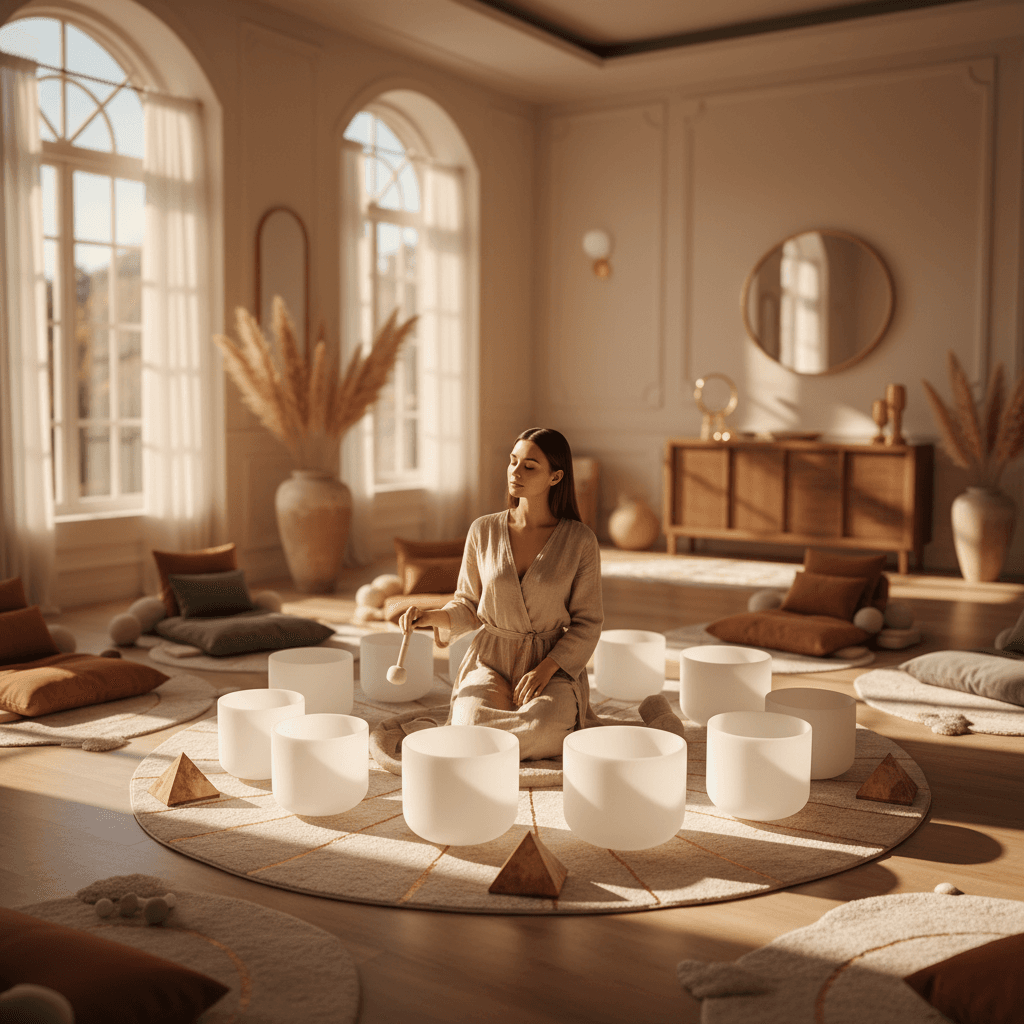
While we do not directly "induce" lucid dreams, our practices are meticulously crafted to support the conditions under which such experiences are more likely to arise and be stabilized. Sound baths, for instance, utilize specific frequencies and resonant vibrations to guide the brain into deeply relaxed states, often mirroring the theta and delta brainwave activity seen in early REM and lucid dreaming. This profound relaxation fosters an environment where the mind is calm yet receptive.
Larissa Steinbach integrates ancient wisdom, drawing parallels with practices like Tibetan dream yoga, which emphasizes mindfulness and awareness both in waking and sleeping states. Our studio offers experiences that enhance visualization skills and cultivate sustained mindfulness, both of which are strongly associated with increased lucid dream frequency and stabilization. By practicing focused attention during our sound journeys, clients implicitly strengthen the neural pathways associated with metacognition.
Our sound wellness sessions at Soul Art utilize a diverse array of instruments, including Himalayan singing bowls, crystal bowls, gongs, and chimes. These instruments produce complex harmonic frequencies that may support nervous system regulation and deep meditative states. This process helps to reduce the "noise" of daily life, making it easier for individuals to become aware of subtle shifts in consciousness, whether awake or dreaming. The intention is to build a robust internal foundation of awareness.
Through consistent engagement with our bespoke sound experiences, clients report improved sleep quality, reduced stress, and a heightened sense of inner peace. These outcomes are precisely what is needed to foster a brain state that is not only capable of achieving lucidity but also of maintaining it. A well-rested, calm, and self-aware mind is the ultimate toolkit for anyone seeking to explore and stabilize their lucid dream experiences.
Your Next Steps: Embracing Lucid Awareness
The journey to stabilizing lucid dreams is one of patience, self-observation, and consistent practice. It’s about building a bridge between your conscious waking mind and your vast inner dream landscape. By integrating specific techniques and fostering an environment of holistic well-being, you can significantly enhance your ability to remain aware within your dreams.
Here are practical steps you can start implementing today to support your lucid dream stabilization journey:
- Prioritize Sleep Quality: Ensure you are getting consistent, restorative sleep. Good sleep health is the bedrock for any lucid dreaming practice. Consider a gentle alarm about five hours after falling asleep, staying awake for 10-30 minutes to read about lucid dreaming or journal, then returning to sleep to enter a denser REM cycle.
- Practice Reality Checks: Regularly question your reality throughout the day. Ask yourself, "Am I dreaming?" and perform a simple check, like looking at your hands or trying to read text twice. This habit can naturally transfer into your dreams.
- Keep a Dream Journal: Immediately upon waking, record every detail of your dreams. This practice improves dream recall and helps you identify common dream signs, which can trigger lucidity.
- Engage Your Senses in Dreams: Once lucid, focus intensely on sensory details within the dream. Look closely at textures, listen to sounds, or touch objects to ground your awareness and prevent the dream from fading.
- Cultivate Mindfulness: Incorporate mindfulness practices into your daily routine. Increased awareness in waking life, as suggested by dream yoga practitioners like Katie Love, directly correlates with improved awareness and lucidity in dreams.
In Summary: The Conscious Dreamer's Path
Lucid dream stabilization is not merely about having fantastical adventures; it is a profound journey of self-discovery and conscious exploration. By understanding the unique brainwave patterns and heightened neural connectivity that characterize lucidity, we gain insight into how to cultivate this state. Techniques like reality checks, sensory engagement, and a foundational commitment to holistic well-being are crucial for maintaining awareness within the dream.
At Soul Art, Larissa Steinbach and our team are dedicated to creating the ideal conditions for expanded consciousness. Our sound wellness practices complement and enhance your efforts, fostering the deep relaxation, mental clarity, and metacognitive abilities essential for stable lucid dreaming. Embrace this fascinating intersection of science and inner exploration, and empower your dreams to become profound spaces for growth.
Bookings Coming Soon
Soul Art is still in preparation. Session details and booking will be published here after launch.
Coming Soon
Wellness Disclaimer: This article is for educational and informational purposes only. It does not constitute medical advice, diagnosis, or treatment. Soul Art Dubai provides non-medical wellness experiences focused on relaxation, stress management, and general wellbeing. Sound wellness is a complementary practice and should not replace professional medical care.
Related Articles
Fan Noise and Sleep: Unmasking the Science Behind White Noise Machines for Deeper Rest
Polyphasic Sleep & Sound Healing: Navigating Restorative Rhythms
REM Rebound: Mastering the Art of Recovering Lost Dream Sleep