Loneliness & Sound: Forging Deep Connection Through Vibration
Key Insights
Explore how sound and vibration can foster profound internal connection, easing loneliness and enhancing well-being at Soul Art with Larissa Steinbach.
Have you ever felt profoundly alone, even when surrounded by others? It's a common experience, so prevalent that the U.S. Surgeon General issued an advisory on the escalating pattern of loneliness as a significant health determinant. While often conflated with simply "being alone," research from the University of Arizona reveals that loneliness is a distinct emotional state, not closely correlated with solitude itself, unless one spends more than 75% of their time isolated. This crucial distinction highlights that loneliness is less about physical presence and more about a perceived lack of meaningful connection.
In an increasingly fragmented world, understanding how to cultivate deep connection – both with ourselves and potentially with others – has become paramount for our overall well-being. This article delves into the fascinating intersection of loneliness and sound, exploring how ancient wisdom, backed by modern scientific research, offers a unique pathway to forge profound internal bonds. We will uncover how specific vibrations and frequencies, skillfully utilized in practices like those offered at Soul Art, can support a sense of inner harmony, gently guiding individuals away from the discomfort of disconnection and towards a more resonant sense of self. Join us as we explore the transformative potential of sound as a powerful ally against the quiet epidemic of loneliness.
The Science Explained: Vibrations, Brainwaves, and Our Inner World
For many years, sound-based wellness practices were often dismissed by conventional medicine, relegated to the fringes of alternative therapies. However, a growing body of evidence, stemming from institutions like MIT and various research laboratories, is now showcasing the measurable clinical effects of specific frequencies and vibrations on human physiology and mental states. This burgeoning field, often termed evidence-based vibrational medicine, is shedding light on how profoundly our bodies and minds respond to sound.
The Body as a Resonator: How Vibrations Connect Us Inward
Our human body is an intricate network of cells, tissues, and fluids, all constantly vibrating at various frequencies. When exposed to external sound and vibration, this internal environment responds through multiple sophisticated pathways. Mechanoreceptors, specialized sensory receptors within our skin, play a critical role. Pacinian corpuscles, for instance, can detect vibrations up to 1,000 Hz, with some studies suggesting a maximal afferent output around 240 Hz, even though they respond across a broad spectrum of frequencies. These receptors translate external vibrations into electrical signals, which are then transmitted to the brain.
Vibroacoustic therapy (VAT), a well-studied form of therapeutic sound intervention, typically employs low-frequency sine wave vibrations, generally ranging between 30-120 Hz. This direct vibrational input doesn't just register as a sensation; it initiates a cascade of physiological responses. The vagus nerve, a critical component of our parasympathetic nervous system, is believed to be activated by these vibrational inputs. This activation can influence brain regions associated with mood regulation, providing a potential mechanism for alleviating symptoms associated with conditions like major depressive disorder (MDD), where decreased neural connectivity is often observed.
Brainwave Synchronicity: Shifting States of Being
Beyond direct physical sensation, sound profoundly impacts our brain activity, literally shifting our state of mind. When immersed in therapeutic tones, such as those produced by singing bowls or tuning forks, our brainwaves tend to transition from high-alert beta states into more relaxed alpha, theta, and even delta states. Alpha waves are associated with a calm, relaxed alertness, theta with deep relaxation and meditative states, and delta with restorative sleep. This shift can be incredibly beneficial for individuals experiencing chronic stress or anxiety, offering a gateway to profound relaxation.
Specific frequencies also have targeted effects. Research indicates that 40 Hz stimulation, for example, can activate gamma brain waves. Gamma waves are crucial for cognitive processing, memory consolidation, and neural synchronization, suggesting that sound could potentially support clearer thinking and enhanced mental function. By gently guiding brainwave activity, sound wellness practices can help to regulate the nervous system, reducing the physiological markers of stress and fostering an internal environment conducive to self-connection and peace.
Addressing Disconnection: From Frontal Asymmetry to Embodied Awareness
Loneliness often manifests as a deep sense of internal disconnection and can be linked to conditions like depression and anxiety. Scientifically, this can sometimes correlate with specific brain activity patterns, such as frontal EEG asymmetry in the alpha band. Intriguingly, studies have shown that music stimulation in depressed participants has led to a reduction in this frontal asymmetry. This suggests that rhythmic sound and vibration might not only promote neural coherence but also rebalance brain activity patterns associated with feelings of unease and disconnection.
Furthermore, sound offers a unique pathway for addressing the deeply embodied nature of emotional experiences. Trauma, for instance, is understood to reside not just in the mind but also within the body's tissues and nervous system. Sound, with its ability to induce deep relaxation and gently influence physiological states, provides a safe and non-invasive means to explore these stored experiences. By prioritizing the sensory, preconceptual grasp of the world, sound helps translate abstract emotional concepts into palpable sensations, fostering an embodied sense of interconnectedness. This emphasizes the profound link between our inner world and the external vibrations we receive, promoting a holistic sense of connection that can gently counteract feelings of loneliness.
How It Works in Practice: Resonating with Your Inner Self
Connecting the scientific understanding of sound and vibration to practical application reveals a powerful approach to wellness. In a sound wellness session, clients aren't merely listening; they are experiencing sound through multiple sensory channels. The subtle yet profound ways these vibrations interact with the body create a unique internal landscape, fostering a sense of connection that can directly address the feeling of loneliness.
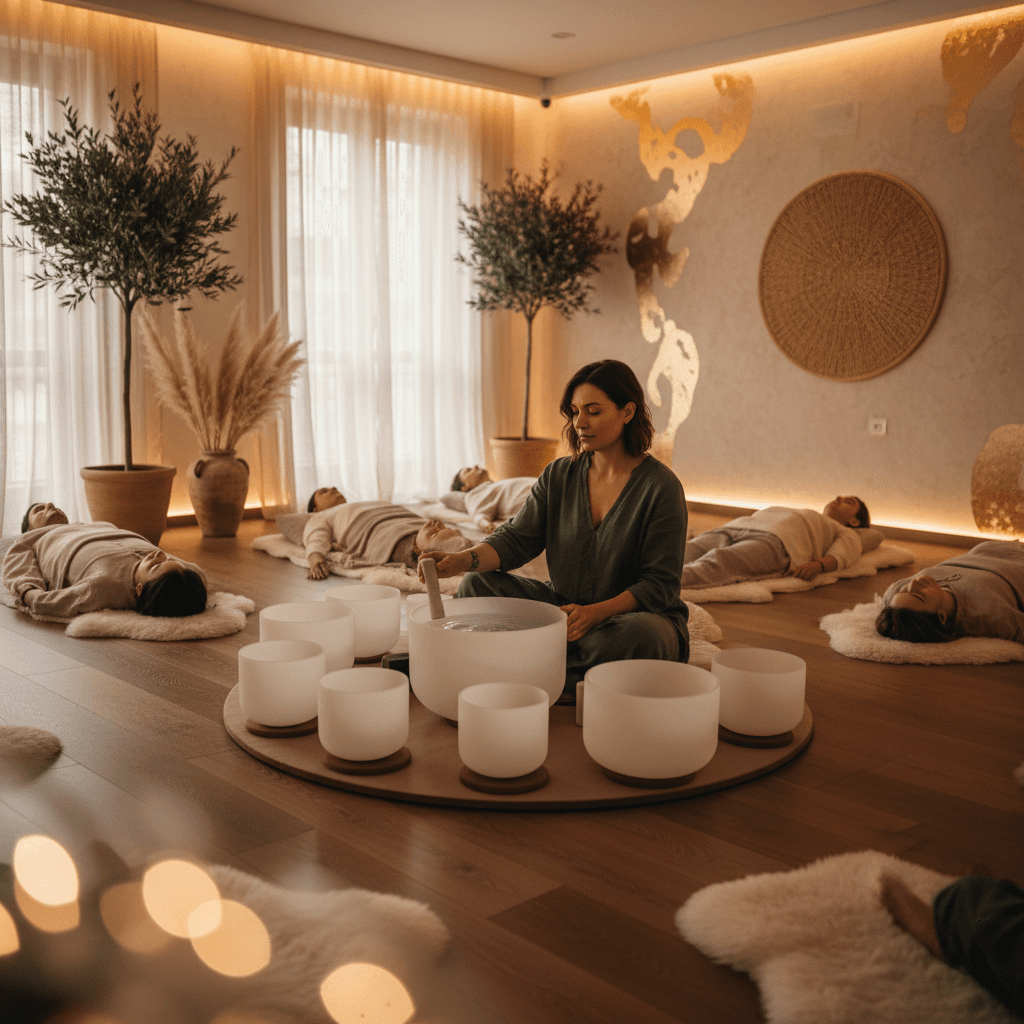
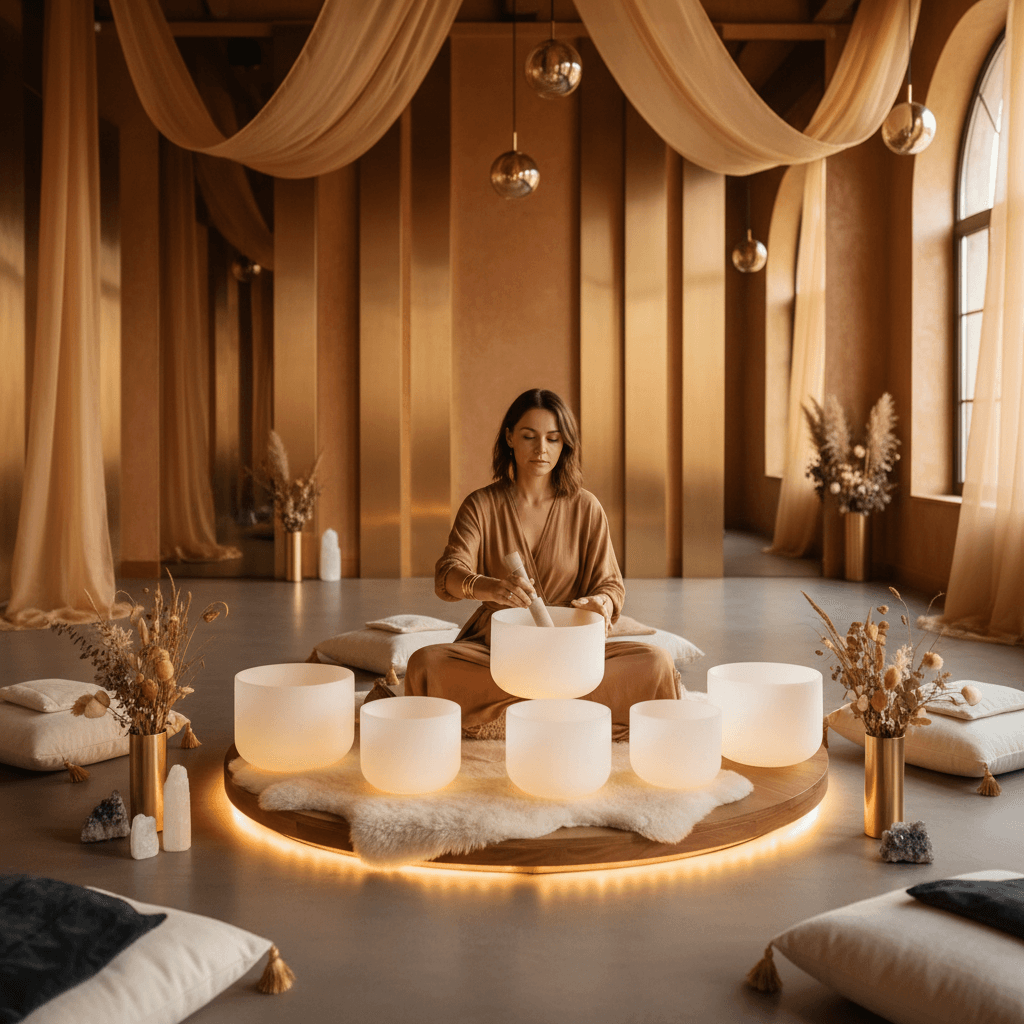
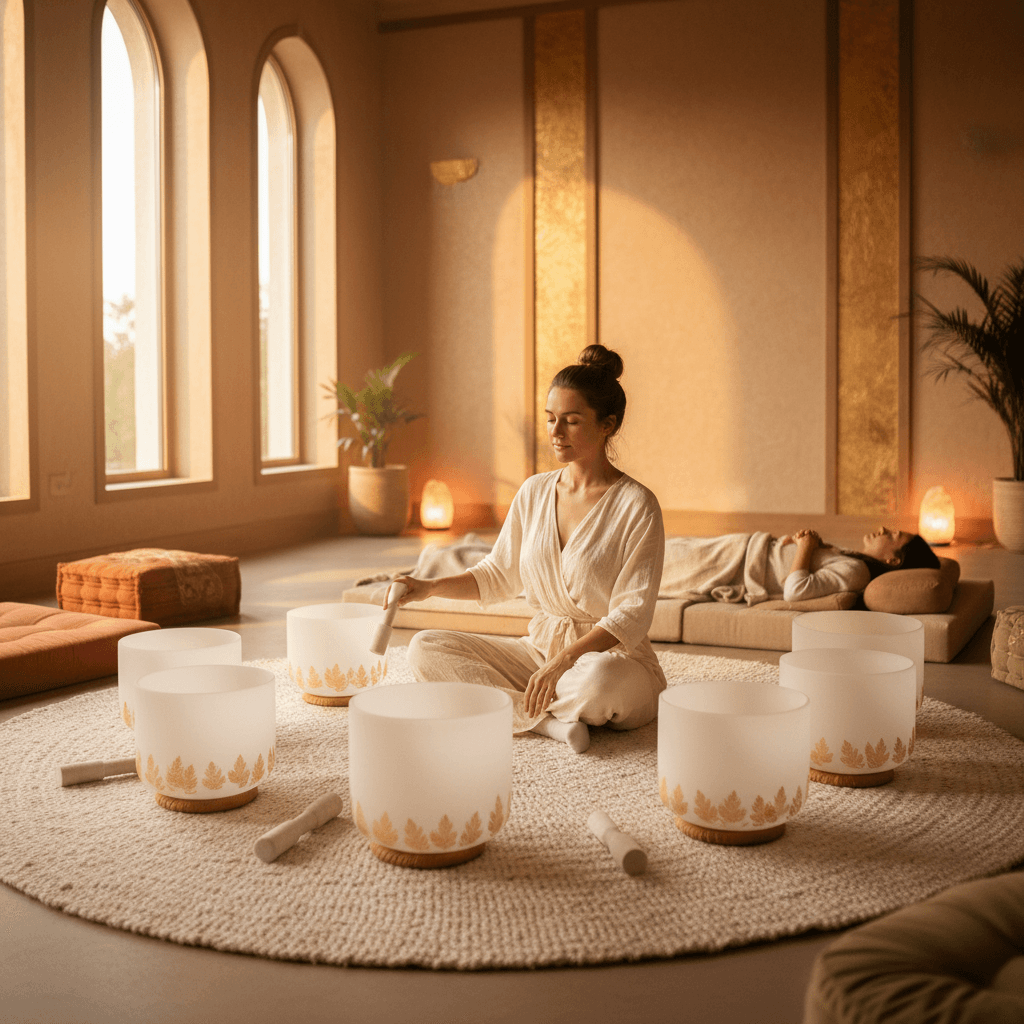
The experience often begins with the client settling into a comfortable position, ready to receive. As the session unfolds, carefully selected instruments like Himalayan singing bowls, crystal bowls, gongs, or tuning forks are played. These instruments produce rich, complex soundscapes that are not only audible but also palpable. The vibrations created by these instruments travel through the air, but crucially, they also permeate the body directly through the skin. This dual reception—auditory and tactile—creates an immersive, full-body experience.
"Sound offers a safe, non-invasive way to unlock these experiences gently, making it a powerful complement to traditional approaches to emotional well-being."
Many clients report an immediate sensation of deep relaxation. The shifting brainwave states, from busy beta to calming alpha and theta, are often perceived as a quieting of the mind, a reduction in mental chatter, and an easing of tension. The body feels lighter, muscles release their grip, and a profound sense of peace begins to settle in. This is not just a fleeting moment of calm; it's the nervous system being gently guided into a more balanced state.
The beauty of sound wellness lies in its capacity to cultivate an internal connection. Loneliness is often characterized by a perceived void, a feeling of being adrift. Sound, through its consistent, rhythmic, and enveloping vibrations, can help fill that void with a sense of internal presence and resonance. It's a non-cognitive, non-verbal form of engagement that bypasses the mental narratives that often fuel feelings of isolation. Instead, it invites the individual to simply be with themselves, in a state of vibrational harmony. Clients often describe feeling more "centered," "grounded," or "whole" after a session, suggesting a renewed connection to their own body's innate intelligence and an inner sense of completeness. This deeply embodied experience can be a powerful antidote to the feeling of being disconnected.
The Soul Art Approach: Larissa Steinbach's Philosophy of Vibrational Connection
At Soul Art, Dubai’s premier sound wellness studio, Larissa Steinbach champions a sophisticated and scientifically-informed approach to vibrational healing. Her methodology is deeply rooted in the understanding that our well-being is intrinsically linked to our inner resonance and the quality of our connection with ourselves. Larissa recognizes that while loneliness is a complex social phenomenon, its impact on the individual is deeply personal and often manifests as an internal disconnect. Her work at Soul Art is specifically designed to bridge this gap, using the power of sound to foster profound self-connection and internal harmony.
Larissa's approach combines ancient wisdom traditions with modern scientific insights into vibroacoustic therapy and neurophysiology. She meticulously curates each session, selecting instruments and frequencies based on their known effects on brainwave states, nervous system regulation, and the body’s mechanoreceptors. The goal is not just relaxation, but a deliberate journey towards recalibrating the internal system, offering a gentle yet powerful pathway to overcome feelings of fragmentation and isolation. She believes that by restoring our inner balance, we naturally become more open and resilient in our external relationships, thereby indirectly addressing the roots of loneliness.
What makes the Soul Art method unique is Larissa Steinbach’s personalized touch and profound understanding of sound as both a science and an art. She intuitively guides each session, creating a safe and immersive environment where clients can truly surrender to the vibrations. While Himalayan singing bowls and crystal bowls are often primary instruments, played to create both audible tones and tangible bodily vibrations through striking and malleting, Larissa also incorporates gongs, tuning forks, and other resonant tools. This diverse palette allows for a dynamic and responsive experience tailored to the individual's needs, gently encouraging the shift from high-alert beta brainwaves to the deeply restorative alpha, theta, and even delta states.
The Soul Art experience, under Larissa’s expert guidance, focuses on cultivating embodied interconnectedness. It acknowledges that healing happens on multiple levels—mental, emotional, physical, and energetic. By creating a symphony of frequencies that resonate with the body's natural rhythms, Soul Art helps clients gently unlock stored tension, rebalance their energetic fields, and rediscover a profound sense of belonging within their own being. This holistic integration of sound, science, and intuitive guidance provides a truly transformative experience, offering a sanctuary where individuals can reconnect with their authentic selves and diminish the echoes of loneliness.
Your Next Steps: Cultivating Inner Connection Through Sound
Understanding the profound relationship between loneliness and sound is the first step toward reclaiming a sense of inner peace and connection. While sound wellness is a powerful complementary approach, integrating these insights into your daily life can significantly enhance your overall well-being. It’s about building a consistent practice of self-care that nurtures your nervous system and reinforces your internal bonds.
Here are some practical, actionable steps you can implement today to begin cultivating a deeper connection through sound:
- Mindful Listening Practice: Dedicate 10-15 minutes each day to truly listen without distraction. This could involve therapeutic soundscapes, calming music, or even the natural sounds around you. Focus on the nuances, the vibrations, and how they make your body feel. This practice helps to ground you in the present moment and foster an internal awareness.
- Explore Guided Sound Meditations: Many online resources offer guided sound meditations using singing bowls, gongs, or binaural beats. These can gently shift your brainwave states, promoting deep relaxation and reducing stress, which are crucial for easing feelings of loneliness. Start with short sessions and gradually extend the duration as you feel comfortable.
- Integrate Vibrational Elements: Consider incorporating small, personal sound tools into your routine, such as a tuning fork for targeted self-application or a small singing bowl for a brief, calming resonance. The tactile sensation of vibration can be incredibly grounding and create an immediate sense of embodied presence.
- Prioritize Restorative Sleep: Sound plays a significant role in sleep quality. Creating a calming sound environment before bed, using white noise, nature sounds, or soft meditative music, can help to transition your brain into the delta wave states associated with deep, restorative sleep. Improved sleep naturally supports emotional regulation and a greater sense of well-being, reducing vulnerability to loneliness.
- Experience a Professional Sound Wellness Session: To truly immerse yourself in the full potential of vibrational healing, consider booking a session at a reputable studio. Experiencing the curated environment and expert guidance of practitioners like Larissa Steinbach at Soul Art can provide a foundational shift, offering a profound sense of relaxation and inner connection that is difficult to achieve alone. It's an investment in your holistic well-being.
In Summary: Resonating Towards Connection
The pervasive feeling of loneliness, distinct from mere solitude, highlights a deep human need for connection – particularly connection with our inner selves. Scientific research increasingly demonstrates how sound and vibration act as powerful tools, influencing our brainwaves, nervous system, and overall physiological state to foster this crucial internal bond. By engaging our mechanoreceptors and gently shifting brain activity, sound wellness practices can mitigate feelings of tension, anxiety, and the dis-ease of disconnection.
At Soul Art, Larissa Steinbach expertly integrates this cutting-edge science with ancient wisdom, offering a unique path to profound relaxation and self-discovery. Through meticulously crafted sound experiences, clients are invited to resonate with their authentic selves, finding a powerful antidote to loneliness within. We invite you to explore this transformative journey, rediscovering inner harmony and the profound connection that awaits within you.
Bookings Coming Soon
Soul Art is still in preparation. Session details and booking will be published here after launch.
Coming Soon
Wellness Disclaimer: This article is for educational and informational purposes only. It does not constitute medical advice, diagnosis, or treatment. Soul Art Dubai provides non-medical wellness experiences focused on relaxation, stress management, and general wellbeing. Sound wellness is a complementary practice and should not replace professional medical care.