Harmonizing Your Rhythm: Light & Sound Synergy for Circadian Health
Key Insights
Discover how intentional light and sound environments, curated by Larissa Steinbach at Soul Art, can optimize your circadian rhythm for enhanced well-being.
Reclaiming Your Inner Clock: The Synergy of Light and Sound
Did you know that modern life, with its artificial lighting and constant digital glow, has significantly altered a fundamental biological process perfected over millennia of evolution? Our internal body clock, or circadian rhythm, is intimately tied to the natural light-dark cycle. When this rhythm is disrupted, it can profoundly impact our sleep, mood, energy levels, and overall health.
This comprehensive guide delves into the powerful, scientifically-backed synergy between light and sound, exploring how these ancient forces can be consciously harnessed to restore and optimize your circadian health. From understanding the intricate dance of hormones and photoreceptors to experiencing tailored wellness practices, we’ll uncover how intentional light and sound environments, like those meticulously crafted by Larissa Steinbach at Soul Art, can support your body's natural wisdom. Prepare to learn why integrating optimal light and sound isn't just a luxury, but a cornerstone of holistic well-being in our contemporary world.
The Science of Our Internal Clock: Circadian Rhythms
Our bodies are governed by an intricate internal timepiece, the circadian system, which orchestrates a remarkable array of physiological and behavioral changes over roughly a 24-hour cycle. This master clock resides in the suprachiasmatic nucleus (SCN) of the brain and influences everything from our sleep-wake patterns to hormone release, digestion, and even cellular repair. A robust circadian rhythm is essential for peak physical and mental performance, ensuring our bodies function efficiently throughout the day and effectively restore themselves at night.
However, in our modern world, we often find ourselves battling against this innate rhythm. The ubiquitous presence of artificial light at night and insufficient bright light exposure during the day can send confusing signals to our SCN, leading to what is known as circadian disruption. This misalignment has been associated with increased fatigue, impaired attention, mood disturbances, and a range of other health vulnerabilities.
The Power of Light as a Zeitgeber
Light is unequivocally the most powerful zeitgeber, or "time-giver," to our circadian system. Specific photoreceptors in our eyes, distinct from those responsible for vision, detect light and signal directly to the SCN, regulating the production of key hormones like melatonin, which facilitates sleep, and cortisol, which promotes alertness. The timing, intensity, and spectral quality of light exposure are critical in setting and maintaining the phase and amplitude of our circadian rhythms.
Exposure to bright light during the day, particularly natural sunlight, is vital for anchoring our internal clock. Research indicates that adequate daytime light exposure, often exceeding 2,000 lux for healthy older adults and up to 10,000 lux in therapeutic settings, can significantly enhance alertness, improve mood, and strengthen the circadian signal. For instance, studies on shift workers have shown that administering 30-minute light therapy at 10,000 lux during specific daytime hours can facilitate quicker circadian readaptation and regain alertness. This powerful dose of light helps to establish a strong, day-oriented rhythm, which is particularly beneficial for those experiencing circadian misalignment due to irregular schedules.
Conversely, light at night (LAN), especially blue-rich light emitted by screens, can be highly disruptive. The SCN is most sensitive to light in the hours preceding and during the biological night, even modest light exposure during these critical times can suppress melatonin secretion and shift circadian phase, making it harder to fall asleep and wake up refreshed. Children and adolescents are particularly vulnerable to evening light exposure, demonstrating more robust and longer-lasting melatonin suppression responses compared to adults.
Research highlights the critical need for contrast in our daily light exposure: abundant bright light during the day and minimal dim light at night. A study found that individuals exposed to barely any light between midnight and 6 am had the lowest risk of mortality, while bright light exposure during the dead of night, specifically between 2:30 and 3:00 am, was associated with the highest risk, as this is when the circadian system is most sensitive. The intensity and duration of our daytime light exposure can even influence our sensitivity to the negative effects of nighttime light, suggesting that ample morning light can help "inoculate" us against evening light's disruption.
The Subtle Influence of Sound on Physiological Rhythms
While light acts as the master conductor for our circadian rhythm, sound plays a more subtle yet profound role in influencing our immediate physiological and psychological states, which in turn affect the robustness of our overall rhythm. Our auditory system is constantly processing environmental cues, and these can either support or disrupt our body’s natural flow.
The presence of unwanted noise, especially during sleep, has been empirically shown to cause significant physiological arousal. Studies monitoring sleep behaviors indicate that noise peaks exceeding 50 dB(A) can cause awakenings, with even lower levels inducing shifts in sleep states and transient reactions. Sound-induced arousals can increase heart rate, particularly during REM sleep, impacting the quality and restorative capacity of sleep.
However, the intentional application of harmonious sound can be a powerful tool for promoting relaxation and facilitating states conducive to optimal circadian function. Sound vibrations, frequencies, and rhythms can subtly guide the brain into states of deep calm, reducing stress and easing the transition into sleep. Rather than disrupting, consciously chosen sound environments can act as a gentle synchronizer, helping to calm the nervous system and create a supportive backdrop for a well-regulated circadian cycle.
The synergy emerges when light sets the foundational circadian rhythm, and sound refines the immediate state of being. Imagine starting your day with bright, invigorating light alongside resonant, uplifting tones to enhance alertness, and ending it with a shift to dim, warm light paired with deeply calming sound frequencies to gently guide your body towards restorative sleep. This conscious interplay supports the body's natural transitions, fostering a more resilient and balanced internal clock.
Harmonizing Your Rhythm: Light and Sound in Practice
Connecting the scientific understanding of light and sound to real-world application is where their true power for well-being unfolds. Imagine stepping into an environment meticulously designed to honor your body's natural rhythms, where the very air around you—perceptibly through light and imperceptibly through sound—guides you towards optimal balance. This is the essence of intentional light and sound practices, translating complex neuroscience into a tangible, sensory experience.
In practice, this means creating distinct light and sound environments that mirror the natural progression of day and night, yet are tailored to modern living. During the daytime, the emphasis is on bright, full-spectrum light that mimics natural sunlight. This environment may incorporate specific light intensities and color temperatures designed to signal alertness, enhance focus, and boost mood. Paired with this visual stimulus are sounds that are invigorating but not jarring—perhaps subtle natural soundscapes, binaural beats engineered for concentration, or uplifting ambient melodies. Clients might experience this as a sense of clarity, heightened energy, and improved cognitive function, helping them remain attuned to their daytime rhythm even when indoors.
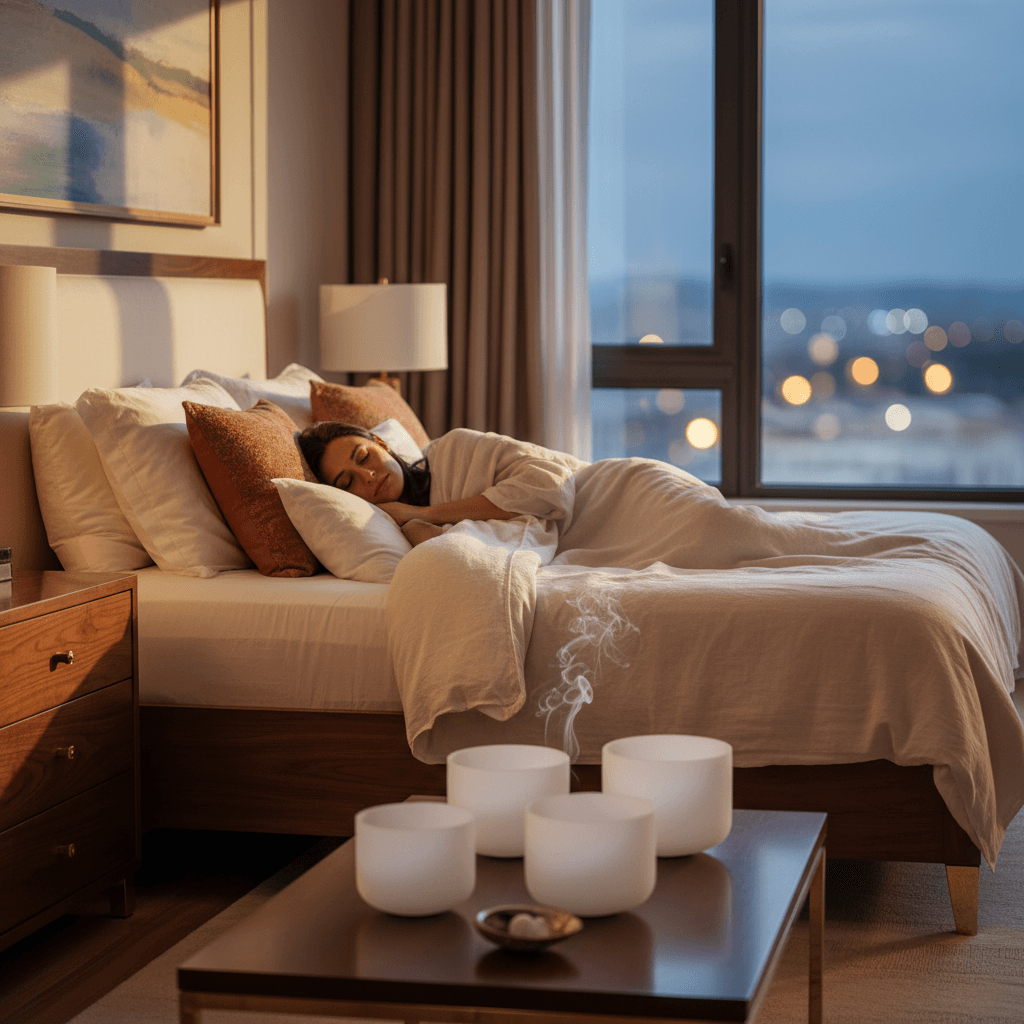
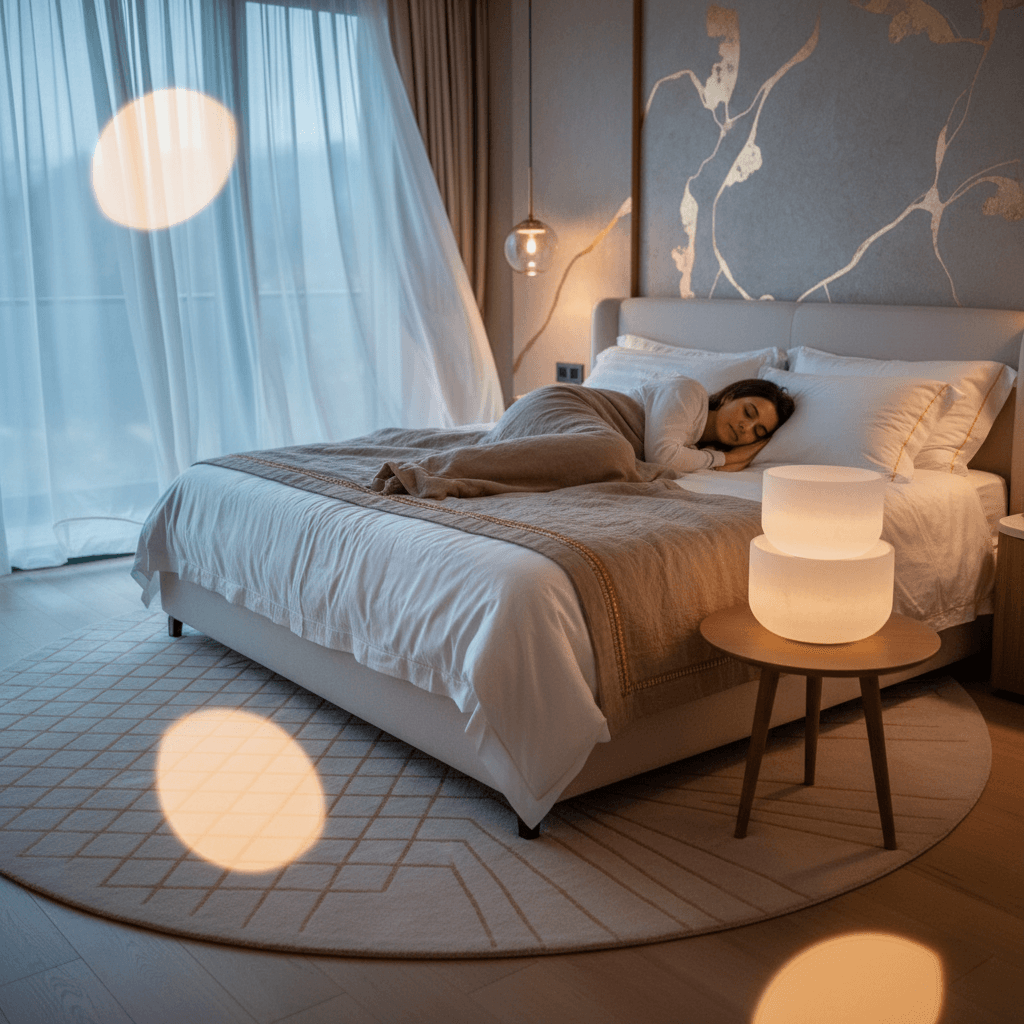
As the day transitions to evening, the environment undergoes a profound shift. Lighting softens, becoming warmer and dimmer, intentionally reducing blue light wavelengths that can suppress melatonin. This visual cue signals to the brain that it's time to wind down, preparing the body for rest. Complementing this gentle illumination is a carefully curated soundscape designed for deep relaxation. This could involve calming nature sounds, therapeutic frequencies, or the resonant vibrations of instruments traditionally used for meditation. The combination creates a cocoon of tranquility, easing the nervous system into a parasympathetic state, facilitating the natural release of melatonin, and promoting a smoother transition into restorative sleep.
The experience is deeply immersive and often evokes a profound sense of peace. Clients frequently report feeling a palpable shift in their state, moving from heightened stress and mental chatter to a profound sense of calm and centeredness. The sensory details—the enveloping warmth of the light, the subtle undulations of sound, the deep stillness that permeates the space—work in concert to create an experience that not only feels luxurious but is deeply therapeutic, retraining the body and mind to align with its natural circadian flow. This holistic approach supports the body's intrinsic ability to repair organs, replenish brain energy, and clear out toxins, all of which function better when the circadian system resembles a robust and well-regulated wave.
The Soul Art Difference: A Bespoke Synergy by Larissa Steinbach
At Soul Art, Dubai's premier sound wellness studio, Larissa Steinbach has meticulously crafted an unparalleled experience that elevates the concept of light and sound synergy. Her approach goes beyond generic recommendations, integrating a deep scientific understanding with a profound intuitive grasp of holistic well-being. Larissa’s vision is to provide a sanctuary where clients can recalibrate their internal clocks, not just through passive exposure, but through an actively immersive and personalized journey.
Larissa Steinbach's method at Soul Art is distinguished by its bespoke application of advanced circadian lighting systems. These systems are designed based on evidence-based light patterns, precisely engineered to optimize melatonin production and promote alertness at appropriate times. They feature automated controls that seamlessly adjust lighting intensity and color temperature, synchronizing with the body's natural rhythms throughout the day and evening. This intelligent use of light ensures that the environment is always sending the correct signals to the SCN, reinforcing a healthy sleep-wake cycle.
Coupled with these sophisticated lighting environments are curated soundscapes that define the Soul Art experience. Larissa carefully selects and often personally conducts sessions using a diverse array of therapeutic instruments, including Himalayan singing bowls, crystal singing bowls, gongs, chimes, and other resonant tools. The frequencies and vibrations generated by these instruments are chosen for their specific ability to induce deep relaxation, quiet the mind, and shift brainwave states, preparing the body for optimal rest or enhancing focus as needed.
"True well-being blossoms when we consciously align with our body's ancient wisdom. At Soul Art, we combine the profound power of light and the subtle art of sound to re-tune your inner symphony, helping you rediscover the harmony of your natural circadian rhythm." — Larissa Steinbach
What makes the Soul Art method truly unique is Larissa Steinbach’s holistic perspective, which recognizes that individual needs vary. She integrates principles from chronotherapy and light therapy, tailoring each session to support specific wellness goals, whether it’s combating fatigue, improving sleep quality, or reducing stress. This meticulous blend of controlled light and intentional sound creates an environment that not only feels deeply restorative but actively helps reset and stabilize the body's natural rhythms, offering a complementary approach to enhancing overall vitality. The carefully orchestrated synergy helps to maintain a robust circadian wave, supporting all crucial bodily functions.
Cultivating Your Own Circadian Well-being Journey
Understanding the profound impact of light and sound on your circadian health empowers you to take actionable steps towards enhancing your well-being. Incorporating simple, yet effective, practices into your daily routine can significantly support your body's natural rhythms, complementing the deeper work you might explore at Soul Art.
Here are 3-5 practical steps you can implement starting today:
- Prioritize Morning Light Exposure: Begin your day by stepping outside for 15-30 minutes within an hour of waking. Natural sunlight, even on cloudy days, provides the crucial bright light signal your body needs to set its internal clock and boost alertness. If outdoor access isn't feasible, consider a bright light therapy lamp (aim for 2,000-10,000 lux) for a similar effect.
- Create a Dark, Quiet Sleep Sanctuary: Ensure your bedroom is as dark as possible at night. Block out all external light sources with blackout curtains and remove light-emitting electronics. Minimize noise disturbances; consider earplugs or a white noise machine if necessary. This promotes uninterrupted melatonin production and deep sleep.
- Mind Your Evening Light & Sound: Starting 2-3 hours before bedtime, dim the lights in your home, switch to warmer light bulbs, and activate night mode filters on electronic devices to reduce blue light exposure. Opt for calming sounds like soft music, nature sounds, or even complete silence, rather than stimulating media.
- Integrate Intentional Sound Practices: Explore sound baths, guided meditations with ambient music, or simple deep breathing exercises accompanied by soothing frequencies. These practices can help regulate your nervous system, reduce pre-sleep anxiety, and prepare your mind and body for restorative rest.
- Consider a Professional Wellness Experience: To truly optimize your circadian health and experience the full potential of light and sound synergy, consider a specialized session. These experiences offer a professionally curated environment designed to gently guide your body back into rhythm.
By consciously adjusting your light and sound environment, you actively participate in supporting your circadian rhythm, fostering better sleep, enhanced mood, and sustained energy. To delve deeper into this transformative practice and experience a bespoke journey of harmonization, we invite you to explore the unique offerings at Soul Art.
In Summary: Reclaiming Your Natural Rhythm with Soul Art
Our internal circadian clock is a delicate yet powerful system, profoundly influenced by the interplay of light and sound. Understanding how bright daytime light acts as the most potent zeitgeber for alertness and mood, while evening darkness and calming sounds signal rest, is fundamental to optimal well-being. Disruption to this natural rhythm, prevalent in modern life, can have widespread negative effects on our physical and mental health.
The synergy of intentional light and sound environments offers a powerful, complementary approach to restoring this vital balance. At Soul Art, Larissa Steinbach expertly integrates advanced circadian lighting systems with bespoke soundscapes and therapeutic instruments to create a unique experience designed to recalibrate your internal clock. Through this sophisticated blend, Soul Art provides a serene sanctuary where you can rediscover the harmony of your natural rhythms, leading to improved sleep, reduced stress, and an enhanced sense of vitality. We invite you to experience this profound journey of self-care and holistic wellness.
Bookings Coming Soon
Soul Art is still in preparation. Session details and booking will be published here after launch.
Coming Soon
Wellness Disclaimer: This article is for educational and informational purposes only. It does not constitute medical advice, diagnosis, or treatment. Soul Art Dubai provides non-medical wellness experiences focused on relaxation, stress management, and general wellbeing. Sound wellness is a complementary practice and should not replace professional medical care.
Related Articles
Fan Noise and Sleep: Unmasking the Science Behind White Noise Machines for Deeper Rest
Polyphasic Sleep & Sound Healing: Navigating Restorative Rhythms
REM Rebound: Mastering the Art of Recovering Lost Dream Sleep