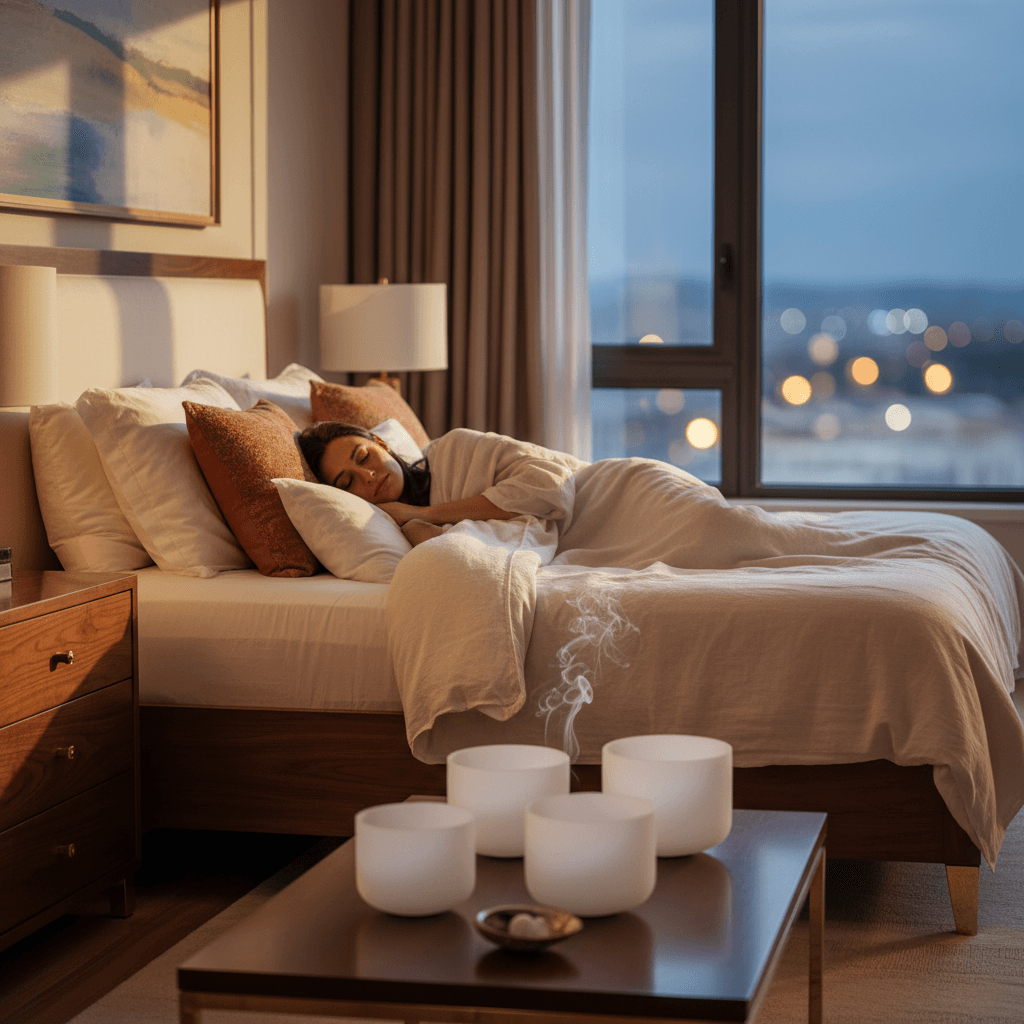
Unlock Your Brain's Potential: Memory Consolidation Through Sound & Sleep
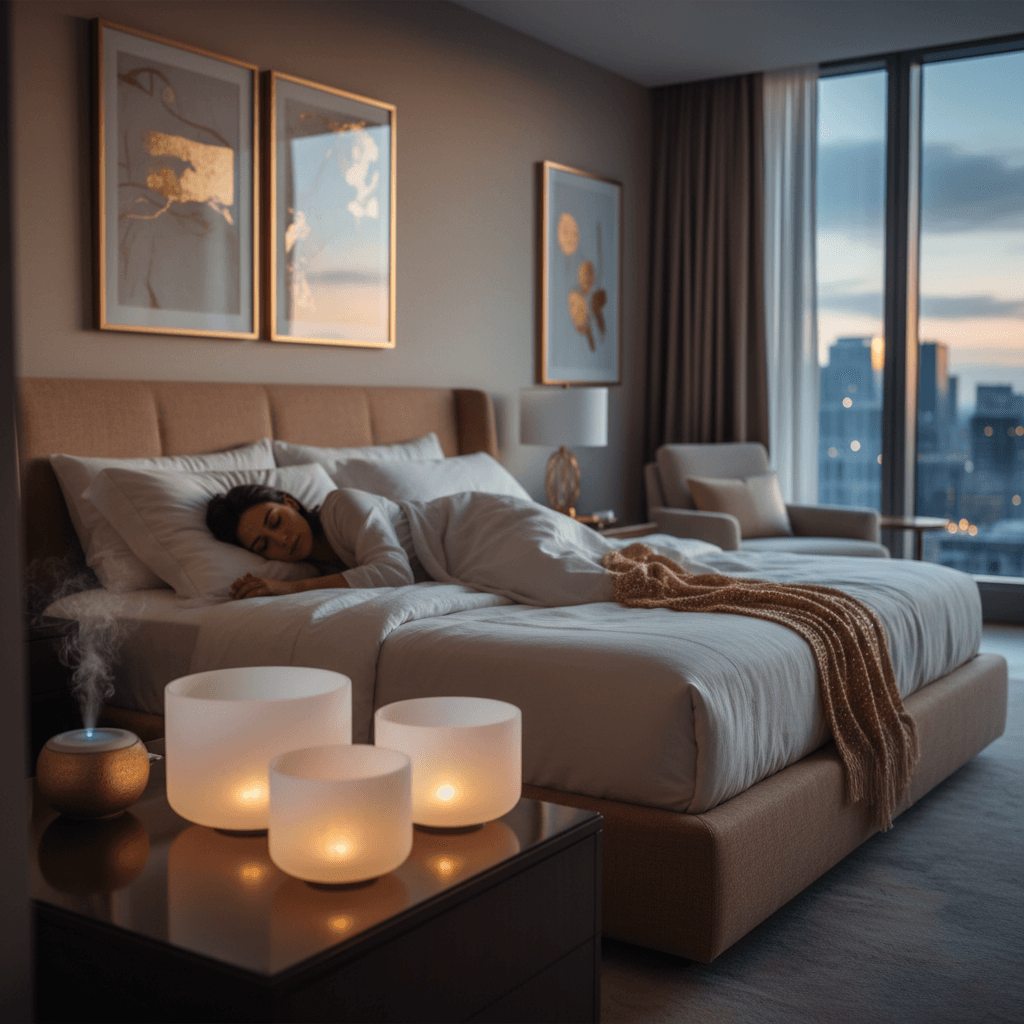
Key Insights
Discover how sound wellness and quality sleep enhance memory consolidation, boost learning, and sharpen cognitive function with Soul Art Dubai.
Have you ever wondered why a good night's sleep feels like a reset button for your mind, often helping you recall information that seemed elusive just hours before? It's not just a feeling; it's a profound biological process. Sleep plays an indispensable role in transforming fleeting daily experiences and lessons into lasting knowledge.
At Soul Art, Dubai's premier sound wellness studio, founded by Larissa Steinbach, we explore the intricate connection between sleep, learning, and the unique power of sound. This article delves into the fascinating science behind how sound, when harmoniously integrated with sleep, may support the brain's remarkable ability to consolidate memories. We will uncover how targeted auditory experiences can potentially enhance your cognitive function and overall well-being. Prepare to discover how embracing the frequency of rest could be your key to sharper learning and a more vibrant mind.
The Science Explained: Sleep, Brain Waves, and Memory
Sleep is far from a passive state; it’s a highly active period during which your brain diligently processes and organizes the deluge of information absorbed throughout the day. This critical nocturnal activity is known as memory consolidation. It’s the essential process where short-term memories are stabilized and transformed into long-term ones, making them robust and retrievable.
The Brain's Night Shift: Hippocampal Activity
At the heart of memory consolidation lies the hippocampus, a brain region vital for the formation of new memories. During deep sleep, particularly non-rapid eye movement (NREM) sleep, the hippocampus engages in a sophisticated dialogue with the cortex, the brain's outer layer responsible for long-term storage. This dialogue involves specific brain oscillations, such as sharp wave ripples (SWRs), which are bursts of electrical activity originating in the hippocampus.
Research indicates that SWRs are crucial for transferring memories from the hippocampus to the cortex for permanent storage. Studies where SWRs were experimentally blocked or interrupted using electrical stimulation found impairments in learning and memory formation. This suggests that the brain’s ability to process and consolidate memories "offline" during sleep is vital for robust memory.
Sound as a Memory Catalyst: Targeted Memory Reactivation (TMR)
Intriguingly, recent scientific inquiry has explored how external stimuli, particularly sound, can influence this delicate process. This field of study is known as Targeted Memory Reactivation (TMR). TMR involves re-presenting specific sounds during sleep that were previously associated with new learning.
The concept is that these sounds may gently reactivate the neural pathways tied to those memories, reinforcing them. One study, for instance, had participants learn piano tasks associated with auditory cues. When these cues were subtly played during their subsequent nap, participants showed improved performance, suggesting enhanced memory consolidation.
The Role of Brain Oscillations and "Gatekeepers"
The brain's response to sounds during sleep is complex. While robust sensory processing of unrelated sounds can potentially interfere with the brain's internal "offline" consolidation, some research suggests that specific brain oscillations act as a kind of "gatekeeper." These oscillations may protect memories from interference while allowing relevant cues to strengthen them.
The timing and nature of sound presentation are paramount. For example, closed-loop TMR studies have shown that presenting sounds synchronized with specific phases of sleep oscillations, like slow oscillations (SO), can enhance their amplitude and associated spindle activity. This precise timing may lead to improved sleep-dependent memory consolidation, demonstrating the nuanced relationship between sound and the sleeping brain.
"Sleep isn't just a period of rest; it's an active process during which your brain processes and stores information acquired throughout the day."
Sleep Deprivation: The Memory Thief
Conversely, insufficient or disrupted sleep can severely impair this consolidation process. Sleep deprivation makes it harder to concentrate, impacting our ability to acquire new information and recall what we've already learned. The crucial window for memory consolidation, often immediately following learning, cannot be fully recovered if sleep is lost. Prioritizing quality sleep is therefore not merely a luxury but a fundamental requirement for optimal cognitive function and learning.
How It Works in Practice: Tapping into Sound for Cognitive Wellness
The scientific understanding of sleep and memory consolidation paves the way for innovative wellness practices. While scientists continue to unravel the precise mechanisms, the practical application focuses on creating an optimal environment that supports the brain's natural memory-enhancing processes. This involves intentionally integrating specific auditory experiences into periods of rest and relaxation.
Creating the Ideal Auditory Landscape
In a practical setting, the goal is to provide a gentle, non-disruptive auditory backdrop that aligns with the brain's natural rhythm during rest. This is distinct from simply playing music. The sounds utilized are often carefully chosen for their specific frequencies and harmonic structures, designed to encourage states of deep relaxation conducive to memory work. These might include:
- Binaural beats: These are auditory illusions perceived when two slightly different frequency pure-tone sine waves are presented one to each ear. The brain perceives a third tone, which may help guide brainwave states towards delta or theta frequencies, commonly associated with deep sleep and relaxation.
- Isochronic tones: Similar to binaural beats but using a single tone that is rapidly turned on and off, creating distinct pulses. These can be even more effective for some individuals in synchronizing brainwaves.
- Nature sounds: Gentle sounds like soft rain, distant ocean waves, or quiet forest ambiences can create a calming auditory environment, reducing cognitive load and preparing the mind for rest.
The Experience of Sound-Enhanced Relaxation
When clients engage in a sound wellness session aimed at supporting cognitive function, the experience is typically one of profound tranquility. They might recline comfortably in a serene space, eyes closed, allowing the carefully curated sounds to wash over them. The sounds are not meant to be distracting, but rather to subtly guide the mind towards a deeper state of repose.
Imagine the subtle resonance of crystal singing bowls, harmoniously combined with deep, resonant gongs and gentle chimes. These sounds are chosen not just for their beauty, but for their specific vibrational qualities. The intention is to create an immersive sonic environment that may help reduce mental chatter, calm the nervous system, and set the stage for the brain to perform its essential "offline" memory processing more effectively. This mindful approach to sound during rest may support the natural mechanisms of memory consolidation, offering a holistic pathway to cognitive wellness.
The Soul Art Approach: Larissa Steinbach's Unique Method
At Soul Art, Larissa Steinbach brings a deeply informed and intuitive approach to sound wellness, integrating the latest scientific understanding with ancient wisdom. Her method is crafted to provide a unique environment that nurtures both the mind and spirit, specifically addressing the connection between relaxation, sleep architecture, and cognitive enhancement. The Soul Art experience is more than just listening to sounds; it’s an immersive journey designed for intentional well-being.
Larissa's expertise lies in her ability to curate bespoke soundscapes that resonate with the individual's needs, often focusing on facilitating deep relaxation conducive to memory consolidation. She understands that the quality of rest is paramount. Rather than focusing on direct "targeted memory reactivation" in the clinical sense, the Soul Art approach aims to optimize the brain's natural ability to consolidate memories by promoting states of profound calm. This calm creates an internal environment where the brain can engage in its vital restorative processes, including strengthening neural connections.
Signature Techniques and Instruments
The Soul Art method incorporates a variety of instruments and techniques, chosen for their specific energetic and sonic properties:
- Himalayan Singing Bowls: Hand-beaten bowls produce rich, sustained tones and vibrations that can penetrate deeply, promoting relaxation and mindfulness.
- Crystal Singing Bowls: Made from pure quartz, these bowls emit powerful, clear frequencies that are believed to align with the body's energy centers, potentially aiding in a meditative state.
- Gongs: The deep, resonant vibrations of gongs are known to induce profound states of relaxation, encouraging the brain to shift into slower, more restorative wave patterns.
- Tuning Forks: Applied to specific points, tuning forks deliver precise vibrational frequencies, often used to balance the nervous system and promote energetic harmony.
- Chimes and Percussion: Gentle, atmospheric sounds add layers of texture and depth, creating an enveloping auditory experience that supports mental tranquility.
Larissa Steinbach meticulously layers these sounds, creating a sophisticated tapestry of frequencies designed to guide clients into a state where their brain can naturally shift into the optimal stages for memory work. This holistic process supports a calmer nervous system, which in turn may enhance the brain’s capacity for learning and recall. The unique blend of sound and mindful intention at Soul Art offers a complementary approach to strengthening cognitive vitality.
Your Next Steps: Integrating Sound and Sleep for Enhanced Learning
Embracing the profound connection between sound, sleep, and memory consolidation is an empowering step towards holistic well-being. You don't need to embark on complex scientific experiments to begin supporting your brain's natural capabilities. Small, intentional shifts in your daily routine and sleep hygiene can make a significant difference.
Here are some practical actions you can implement today to potentially enhance your memory and learning through a more restful mind:
- Cultivate a Consistent Sleep Schedule: Go to bed and wake up around the same time each day, even on weekends. This regularity helps regulate your circadian rhythm, optimizing your sleep cycles for better memory consolidation.
- Create a Restful Evening Ritual: Dedicate the hour before bed to calming activities. This could include reading a physical book, taking a warm bath, or listening to soothing sounds. Avoid screens, stimulating conversations, and heavy meals.
- Integrate Mindful Soundscapes: Experiment with listening to gentle, low-frequency soundscapes before bed or during periods of quiet rest. Look for guided meditations, binaural beats, or nature sounds specifically designed for relaxation and sleep support.
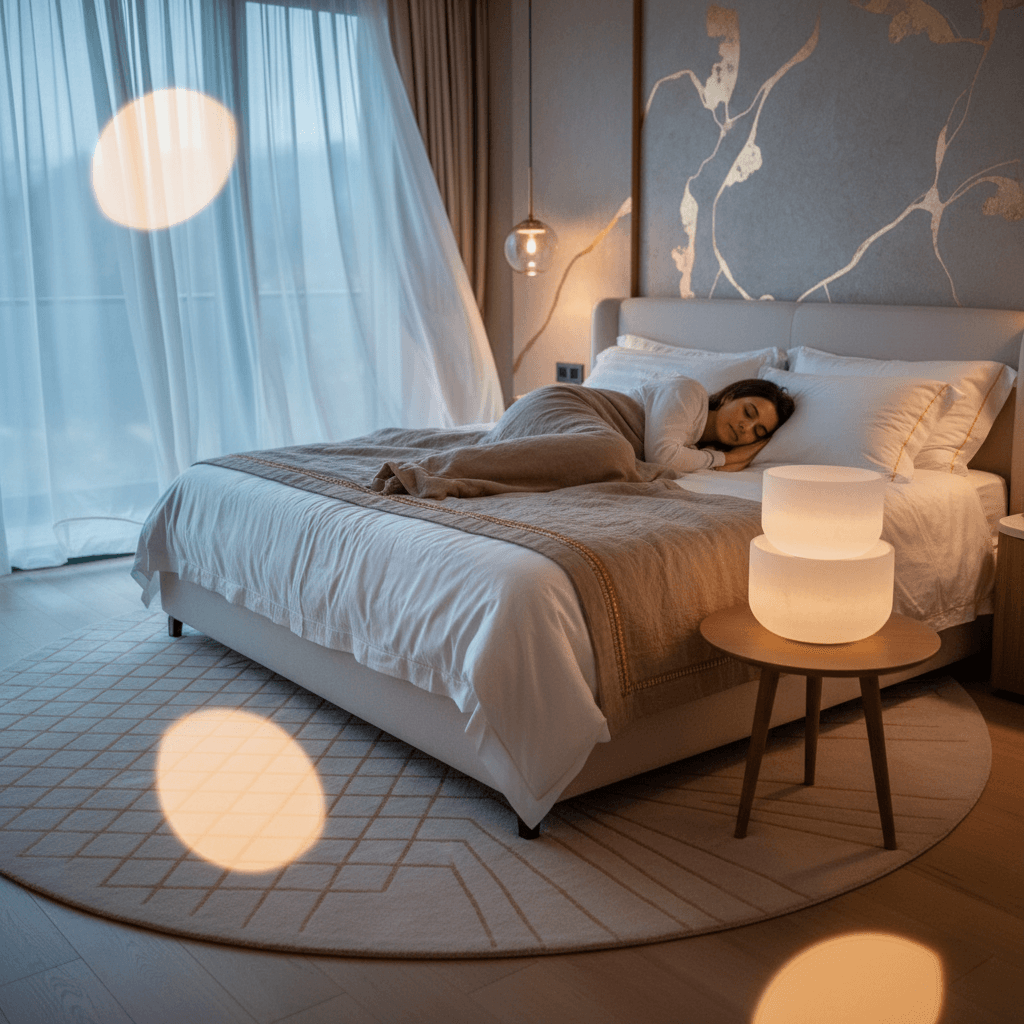
- Optimize Your Sleep Environment: Ensure your bedroom is dark, quiet, and cool. Consider using earplugs or an eye mask if necessary. A conducive environment is foundational for deep, uninterrupted sleep.
- Explore Professional Sound Wellness: For a deeply immersive and expertly guided experience, consider a sound wellness session at Soul Art. Larissa Steinbach and her team can introduce you to targeted sound practices designed to promote profound relaxation, which may support your brain’s natural processes of memory enhancement.
Taking these steps is an investment in your cognitive health and overall vitality. By prioritizing restful sleep and incorporating mindful sound practices, you may unlock a sharper mind and a greater capacity for learning.
Bookings Coming Soon
Soul Art is still in preparation. Session details and booking will be published here after launch.
Coming Soon
In Summary: The Symphony of Sleep and Sound for Your Mind
The intricate dance between sleep and memory consolidation is a cornerstone of our cognitive function and overall well-being. Scientific research continues to unveil the profound ways in which quality rest allows our brains to transform daily experiences into lasting knowledge. The hippocampus and cortex work in concert, orchestrated by specific brain oscillations, to strengthen neural connections and solidify learning.
At Soul Art, Larissa Steinbach harnesses the gentle yet powerful potential of sound wellness to complement these natural processes. By creating an environment of deep relaxation through expertly curated soundscapes, our sessions aim to support the brain in entering states conducive to optimal memory consolidation. This holistic approach offers a pathway to not only enhance learning and recall but also to cultivate a calmer, more resilient mind. Embrace the power of sound and sleep, and unlock your brain’s remarkable capacity for growth.
Wellness Disclaimer: This article is for educational and informational purposes only. It does not constitute medical advice, diagnosis, or treatment. Soul Art Dubai provides non-medical wellness experiences focused on relaxation, stress management, and general wellbeing. Sound wellness is a complementary practice and should not replace professional medical care.
Related Articles
Fan Noise and Sleep: Unmasking the Science Behind White Noise Machines for Deeper Rest
Polyphasic Sleep & Sound Healing: Navigating Restorative Rhythms
REM Rebound: Mastering the Art of Recovering Lost Dream Sleep