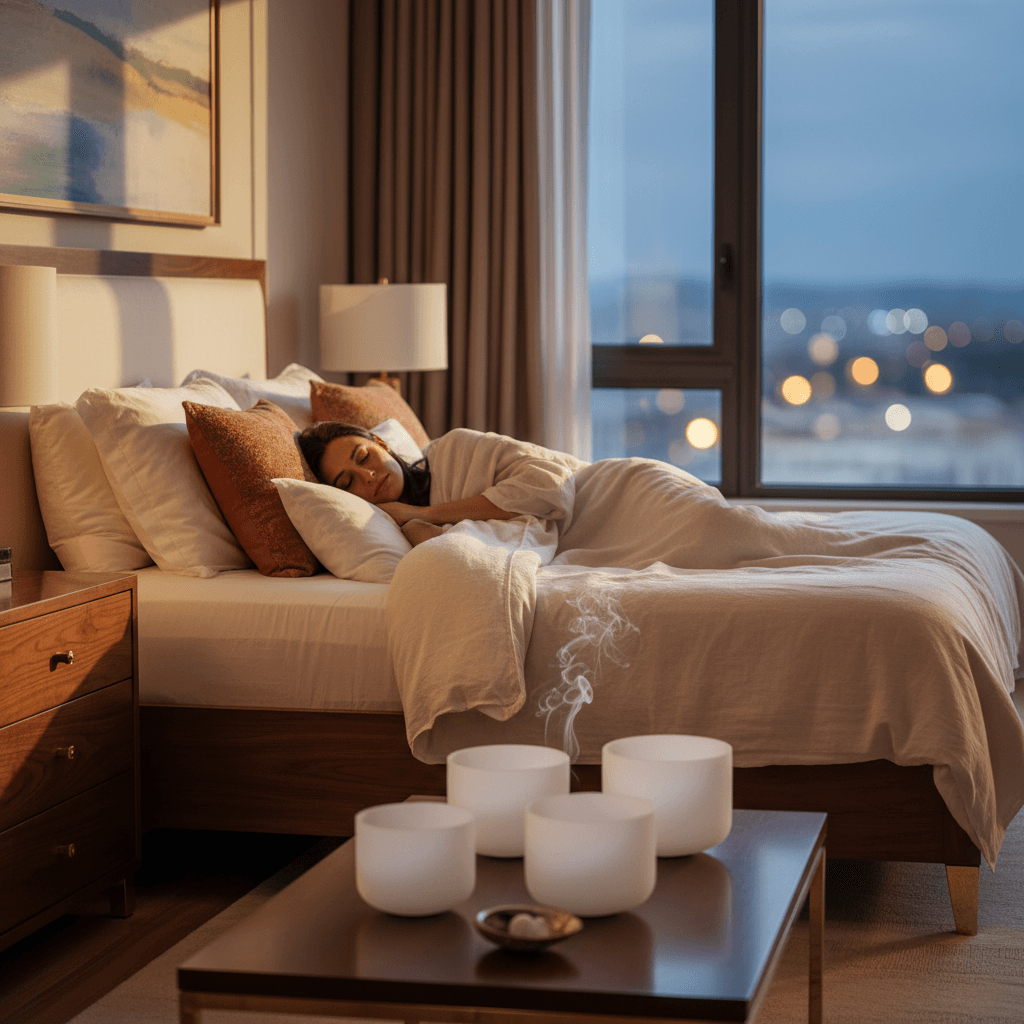
Late Night REM: Unlocking Dream's Power for Emotional Well-being
Key Insights
Discover how optimizing late-night REM sleep and vivid dreaming can profoundly enhance emotional health and resilience. Explore Soul Art's unique approach.
Have you ever woken from a vivid dream feeling a subtle shift in your emotional landscape, a sense of clarity or calm that wasn't there the night before? This isn't just a coincidence; it's your brain’s sophisticated, nocturnal therapy session at work. Beyond simply resting, sleep, particularly its rapid-eye-movement (REM) stage, serves as a crucial incubator for our emotional well-being.
At Soul Art, Dubai’s premier sound wellness studio founded by Larissa Steinbach, we understand that true serenity extends beyond the waking hours. This article delves into the profound scientific connections between maximizing late-night REM sleep and cultivating robust emotional health. We will explore how understanding and nurturing your dream time can become a powerful, natural tool for resilience, processing life’s complexities, and fostering an inner calm.
Join us as we uncover the fascinating mechanisms behind "overnight therapy" and discover practical ways to optimize this vital aspect of your health, ultimately leading to a more balanced and emotionally resilient you.
The Science Explained
The intricate dance of sleep stages is far more than mere unconsciousness; it's a dynamic period of restoration and processing, with REM sleep playing a starring role in our emotional lives. During REM, our brain activity mirrors wakefulness, yet our bodies are largely paralyzed, allowing for the vivid, often emotionally charged, narratives we call dreams. This unique state is not just for entertainment; it's a critical component of our psychological health.
The Brain's Nocturnal Therapist
Renowned sleep scientist Matthew Walker describes dreaming as "overnight therapy," highlighting its capacity to provide a "nocturnal soothing balm" for our emotional experiences. Research supports this intriguing concept, showing that people who view emotional images before getting sufficient sleep are less likely to react strongly to those same images the next day. This suggests that REM sleep actively processes and "takes the short edges off" our emotional memories, allowing us to feel better upon waking.
Further studies underscore the profound impact of REM on our ability to manage fear and stress. Researchers at Rutgers University found that individuals who spent more time in REM sleep exhibited lower fear-related brain activity when exposed to mild electric shocks the following day. This groundbreaking finding suggests that adequate REM sleep prior to fearful experiences may support a person's resilience, potentially making them less prone to developing post-traumatic stress disorder (PTSD). It’s a remarkable testament to sleep's protective qualities for our mental landscape.
Emotional Memory Processing
REM sleep is not just about reducing emotional intensity; it actively shapes how we remember and respond to our experiences. Studies have revealed a fascinating "emotional trade-off effect" during REM sleep, where the brain preferentially preserves emotional memories at the expense of neutral ones encoded at the same time. This selective consolidation mechanism underscores REM's pivotal role in forming our emotional landscape.
This process is underpinned by unique neurochemical shifts during REM, including markedly elevated levels of acetylcholine in the limbic and forebrain regions, which are reportedly quadruple those seen during NREM sleep. These neurochemical conditions create a brain-state particularly amenable to emotional memory consolidation. Research has shown that emotionally-charged texts are more likely to be remembered after a period of REM-rich sleep compared to non-REM sleep, further highlighting its specialized role. The amount of REM sleep has also been positively correlated with the emotional memory trade-off over a nap, indicating its direct involvement in prioritizing and processing emotionally significant events.
Dream Content and Emotion Regulation
The vivid dreams characteristic of REM sleep are far from random; they are integral to emotional processing and memory consolidation. A recent study from the University of California, Irvine, revealed a direct link between dream recall, mood, and next-day memory consolidation and emotion regulation. The findings indicate a beneficial trade-off where emotionally charged memories are prioritized, yet their overall severity is diminished.
Professor Penelope Lewis, a sleep engineer from Cardiff University, emphasizes that "REM is really important for processing emotions and helping to make upsetting things less upsetting, decoupling that arousal from the memories." This process allows our brains to re-evaluate and integrate distressing events in a safer, dream-world context. This nocturnal sorting helps organize the chaos of daily experiences into meaningful narratives, fostering greater emotional resilience and mental sharpness. The theta oscillatory activity (4-7 Hz) during REM sleep is believed to coordinate the reactivation of encoding-related regions, strengthening memory components while also modulating the emotional response.
The Link to Mental Wellness
Prioritizing sufficient REM sleep is a powerful choice for lifelong mental and physical health. Skipping out on quality REM may lead to feelings of grogginess, increased stress, and a general feeling of being run-down. Conversely, consistently achieving enough REM sleep can lead to noticeable improvements in energy levels, mental clarity, and overall mood regulation.
Abnormalities in REM sleep architecture, such as a faster progression into REM sleep (reduced REM sleep latency) and an increase in early-night REM, have been associated with psychiatric and sleep disorders. This strong correlation between REM sleep characteristics and emotional processing underscores its foundational importance for mental stability. Understanding and protecting your REM sleep architecture is not just about avoiding disease; it's about proactively enhancing your daily experience and cultivating lasting emotional well-being. Adults should ideally spend about 20–25% of their total sleep in REM, which translates to roughly 90 minutes if they are achieving the recommended 7–8 hours of sleep per night.
"The vivid dreams that take place during our rapid eye movement (REM) sleep, in the second half of the night, truly deliver when it comes to building our emotional resilience."
How It Works in Practice
Connecting the scientific understanding of REM sleep with your lived experience reveals a profound impact on daily life. When your brain effectively processes emotions and consolidates memories during late-night REM, the ripple effects are palpable, manifesting as enhanced emotional resilience and a more serene inner state. It’s not just about feeling rested; it’s about feeling re-calibrated.
Imagine approaching your day with a newfound sense of calm, where the stressors of yesterday seem less formidable. This is the practical outcome of maximizing your dream time. Emotional triggers that might have previously caused an intense reaction may now be met with a more measured, thoughtful response. You might find yourself more patient, more empathetic, and generally more adaptable to life’s inevitable challenges.
Clients often report a significant reduction in generalized anxiety and an improved ability to manage stress when their sleep patterns, particularly REM, are optimized. This can translate into better decision-making, clearer thinking, and an enhanced capacity for creative problem-solving. The 'overnight therapy' essentially declutters your emotional landscape, allowing you to access a deeper well of cognitive resources during your waking hours. This experience is often described as feeling lighter, more present, and deeply grounded.
Furthermore, the quality of dream recall can offer insights into your subconscious emotional processing. By recognizing recurring themes or emotional tones in your dreams, you may gain a deeper understanding of underlying feelings or unresolved issues, even if you don't fully remember the dream narrative itself. This awareness, cultivated through a well-rested mind, is a powerful tool for personal growth and emotional intelligence, fostering a sense of inner harmony that radiates outwards into all aspects of your life.
The Soul Art Approach
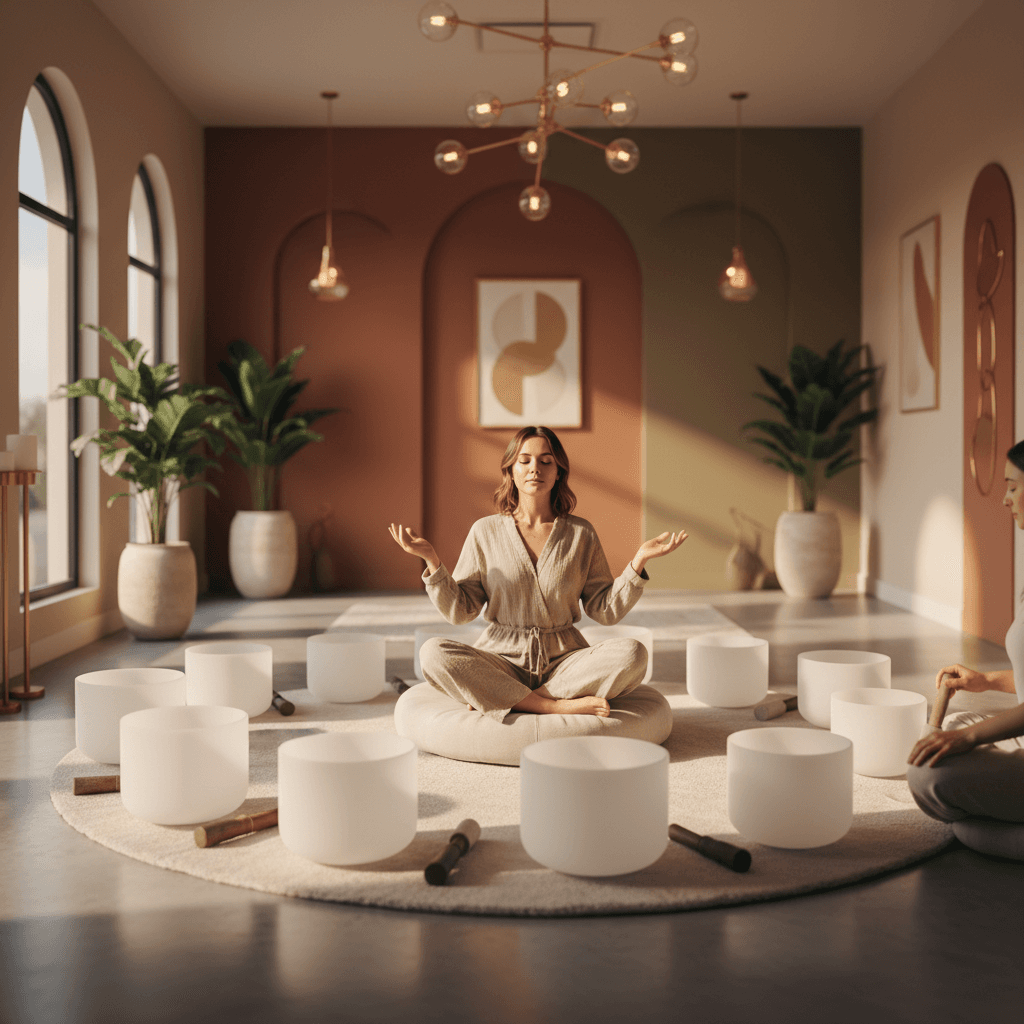
At Soul Art, Larissa Steinbach and her team are dedicated to creating an environment that supports the body's natural ability to achieve optimal sleep stages, including the crucial REM phase. Our sound wellness practices are carefully designed not to directly induce REM sleep, but to foster deep relaxation and nervous system regulation, which are foundational prerequisites for healthy, restorative sleep cycles. We believe in empowering the body’s innate healing capacities.
The Soul Art method leverages the profound power of specific sound frequencies and vibrations. Instruments such as Himalayan singing bowls, crystal bowls, and gongs are meticulously played to create immersive soundscapes. These unique frequencies interact with the body's energy centers, promoting a state of profound calm that can significantly reduce mental chatter and physical tension. This deep relaxation is key to transitioning smoothly through the sleep stages and allowing for extended periods of REM sleep, particularly in the later cycles of the night.
Larissa Steinbach’s expertise lies in curating these sensory experiences to guide individuals towards a meditative state, an ideal precursor to sleep. The gentle vibrations and harmonious tones may help to quiet the sympathetic nervous system, known for its "fight or flight" response, and activate the parasympathetic nervous system, responsible for "rest and digest." This shift supports a more coherent sleep architecture, where each stage, including REM, can fully unfold without disruption.
Our sessions offer a complementary approach to traditional sleep hygiene, focusing on holistic well-being. By cultivating a state of inner peace and reducing pre-sleep anxiety, Soul Art helps create the optimal conditions for your brain to engage in its vital 'overnight therapy.' Clients often report not only feeling more rested but also experiencing clearer minds and a greater sense of emotional balance after incorporating Soul Art sessions into their wellness routine, an anecdotal testament to the power of preparing the mind and body for deeper, more effective REM sleep.
Your Next Steps
Embracing the power of late-night REM for emotional health is a journey of intentional self-care. While professional guidance can be invaluable, there are several practical steps you can implement today to support your brain's nocturnal therapy. Small, consistent changes can yield significant benefits for your emotional well-being and overall resilience.
Here are a few actionable insights to get you started:
- Prioritize Consistent Sleep: Aim for 7-9 hours of quality sleep each night, maintaining a regular sleep schedule even on weekends. Consistency helps regulate your circadian rhythm, optimizing the timing and duration of your REM cycles.
- Cultivate a Relaxing Pre-Sleep Routine: Dedicate 30-60 minutes before bed to wind down. This could include reading, a warm bath, gentle stretching, or listening to calming music. Avoid screens and stimulating activities during this time.
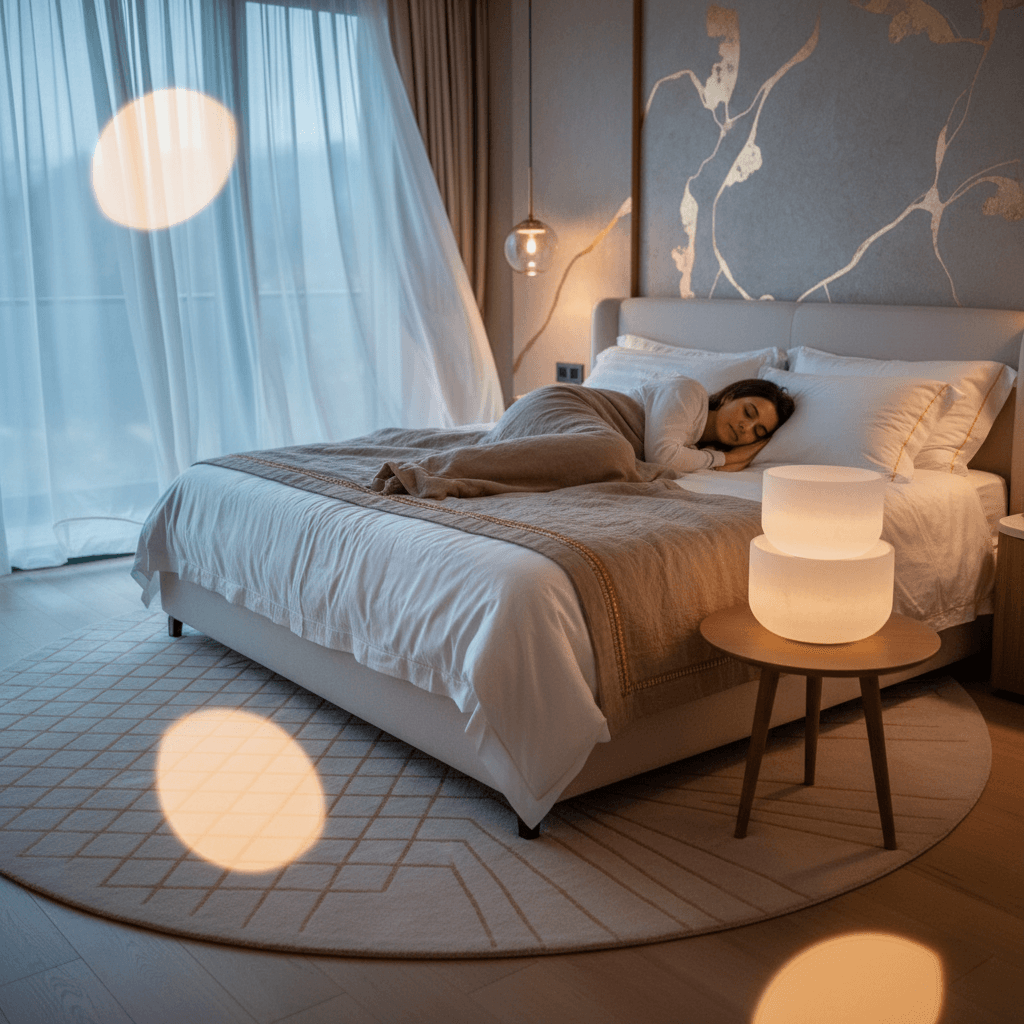
- Create an Optimal Sleep Environment: Ensure your bedroom is dark, quiet, and cool. Blocking out light and minimizing noise helps prevent sleep disruptions that can cut short crucial REM periods.
- Consider a Dream Journal: Keep a notebook or voice recorder by your bedside. Upon waking, especially after a vivid dream, try to recall and record as much detail as possible—thoughts, emotions, and themes. This practice may support a deeper connection to your emotional processing.
- Explore Sound Wellness: Consider how practices that promote deep relaxation, like those offered at Soul Art, can prepare your mind and body for more restorative sleep. Creating a tranquil inner state before bed is a powerful way to support healthy sleep architecture.
Ready to restore your nervous system and discover a new depth of relaxation? These steps, combined with the profound practices at Soul Art, can unlock your potential for emotional balance and serene well-being.
In Summary
Late-night REM sleep is far more than just a period of dreaming; it is a critical biological imperative for robust emotional health and resilience. Through its unique neurochemical environment and vivid dream content, REM sleep functions as the brain's "overnight therapist," processing emotional memories, diminishing the severity of past experiences, and fostering emotional regulation. Prioritizing this vital sleep stage may significantly support mood stability, mental clarity, and overall well-being.
The intentional practices at Soul Art, led by Larissa Steinbach, offer a unique and complementary approach to enhance the conditions for deep, restorative sleep. By promoting profound relaxation and nervous system regulation through immersive sound wellness experiences, Soul Art helps individuals create an optimal inner environment for their bodies to naturally achieve the crucial REM sleep necessary for emotional healing. Embrace the transformative power of your dreams and unlock a deeper sense of emotional balance.
Bookings Coming Soon
Soul Art is still in preparation. Session details and booking will be published here after launch.
Coming Soon
Wellness Disclaimer: This article is for educational and informational purposes only. It does not constitute medical advice, diagnosis, or treatment. Soul Art Dubai provides non-medical wellness experiences focused on relaxation, stress management, and general wellbeing. Sound wellness is a complementary practice and should not replace professional medical care.
Related Articles
Fan Noise and Sleep: Unmasking the Science Behind White Noise Machines for Deeper Rest
Polyphasic Sleep & Sound Healing: Navigating Restorative Rhythms
REM Rebound: Mastering the Art of Recovering Lost Dream Sleep