Irritability: Calming Frayed Nerves for Inner Peace with Soul Art
Key Insights
Explore the science behind irritability and discover holistic wellness practices to soothe your nervous system, including Soul Art's unique sound healing experiences led by Larissa Steinbach.
Irritability: Calming the Frayed Nerves
Do you ever find yourself snapping at minor inconveniences, feeling perpetually on edge, or reacting disproportionately to everyday stresses? This pervasive feeling of being "frayed" is far more common than you might imagine, impacting millions globally and significantly diminishing quality of life. It’s a signal from your nervous system, a cry for balance amidst the storm of modern living.
This article delves into the complex science behind irritability, explaining its biological roots and profound impact on our well-being. We will explore how understanding these mechanisms can empower you to cultivate greater calm. Furthermore, we will introduce complementary wellness practices, including the unique Soul Art approach pioneered by Larissa Steinbach, offering pathways to soothe your nervous system and reclaim inner peace.
By the end, you will have a clearer understanding of your "frayed nerves" and actionable strategies to gently guide them back to a state of harmony. It's time to stop ignoring the storm and start building resilience from within.
The Science Explained: Unpacking the Roots of Irritability
Irritability is not merely a bad mood; it’s a multifaceted phenomenon deeply rooted in our biology and neurological processes. Researchers have long studied this state, distinguishing it from general anger and exploring its significant impact on mental health. Understanding its underlying mechanisms is the first step toward finding effective strategies for managing it.
The Biology of Irritability
At its core, irritability can be described as an extreme sensitivity to external stimuli, accompanied by a low response threshold that often leads to reactive aggression or anger. This heightened state of reactivity is frequently associated with various biological and physiological factors, including chronic stress, pain, and insufficient sleep. Some scientists even speculate that irritability, when viewed through an evolutionary lens, may have served a beneficial role, compelling organisms to achieve what they need or want. This deep-rooted response, however, can become detrimental in modern life when constantly triggered.
Neuroscience has begun to illuminate the specific brain regions involved in this emotional state. Studies have pointed to amygdala dysfunction, noting patterns of hypoactivity during explicit emotional processing and hyperactivity during implicit processing in individuals experiencing severe mood dysregulation. This suggests an imbalanced threat response system, where the brain might be overreacting to perceived dangers without conscious awareness.
Brain Regions and Neurotransmitters
The amygdala, a key player in emotion processing, along with regions like the ventromedial prefrontal cortex (vmPFC) and rostomedial prefrontal cortex (rmPFC), show atypical responsiveness to provocation in irritable individuals. There are also indications of unusual connectivity patterns between the amygdala and the rmPFC, further supporting the idea of a dysregulated emotional circuit. These areas are crucial for regulating emotions and social behavior, meaning their imbalance can lead to difficulty in modulating emotional responses.
Neurotransmitters, the brain's chemical messengers, also play a significant role. For instance, medications like duloxetine, a well-studied antidepressant, work by increasing the availability of serotonin and norepinephrine in the brain. This mechanism helps to calm the biological stress response, easing both mental and physical anxiety, and even some types of pain. While such pharmacological interventions are evidence-based treatments managed by qualified healthcare professionals, their effects underscore the importance of these neurotransmitters in maintaining emotional equilibrium. Importantly, these medical interventions highlight the physiological basis of "frayed nerves" and the potential for addressing them through various means, including wellness practices.
The Overlap with Pain and Stress
The connection between irritability, pain, and chronic stress is profound. Research indicates that irritability is often comorbid with anxiety, suggesting shared underlying mechanisms. For instance, chronic ocular pain (COSP), a condition characterized by persistent eye discomfort, not only severely impairs daily activities like reading and driving but also profoundly affects quality of life, leading to significant anxiety, depression, and emotional distress. Patients with COSP often report feeling frustrated and invalidated, as conventional treatments provide little relief and their symptoms are largely invisible.
This highlights how persistent physical discomfort can exhaust the nervous system, leading to a state of chronic physiological hyper-reactivity to stress and perceived threats. This constant state of alert can manifest as irritability, making individuals more prone to intense reactions and impaired emotion regulation. Essentially, unresolved stress and pain can keep our "fight-or-flight" response on high alert, leaving our nerves perpetually frayed and our emotional responses amplified.
How It Works in Practice: From Fray to Flow
Understanding the science behind irritability offers a powerful framework for practical solutions. When our nervous system is in a constant state of hyper-arousal, even the smallest triggers – a traffic jam, a frustrating phone call, or an overflowing sink – can ignite a disproportionate response. The key to calming these frayed nerves lies in recognizing these signals and actively engaging in practices that promote regulation and emotional processing.
One fundamental practice is the simple act of naming your emotions. Research shows that verbalizing our internal experiences, such as saying aloud "I am angry" or "I feel irritable," helps to regulate the nervous system. This mindful acknowledgement can foster a profound sense of calm and balance, moving emotions from an overwhelming, subconscious reaction to a more manageable, conscious experience. It’s about creating space for the feeling, rather than immediately reacting to or burying it.
Consider the common biological impulse to lash out when feeling enraged or deeply frustrated. This impulse, while jarring, is not a personal failing but a primal, protective response of your anger trying to defend you. By honoring and acknowledging this instinctual desire without necessarily acting on it, we can begin to process the underlying emotion. This mindful approach allows us to disentangle ourselves from the reactive loop, shifting from impulsive reactions to considered responses.
Many individuals experiencing chronic irritability report a constant struggle with daily activities. The unrelenting discomfort often disrupts sleep patterns, strains personal relationships, and can lead to profound psychological impacts like anxiety and depression. Unlike traditional dry eye, for example, which has readily available treatments, the invisibility of certain pain-related irritabilities and the lack of immediate relief options can compound feelings of frustration and invalidation. This underscores the need for approaches that address the whole person, not just isolated symptoms.
The process of moving from "fray to flow" involves cultivating self-awareness and implementing intentional practices that gently guide the nervous system away from hyper-reactivity. It means recognizing that your irritability is a significant signal, not merely a character flaw, inviting you to explore deeper levels of self-care and emotional processing. By making space for emotions, understanding their biological roots, and actively seeking methods to soothe the nervous system, we can begin to experience a more balanced and harmonious existence.
The Soul Art Approach: Harmonizing Your Inner Landscape
At Soul Art, Dubai's premier sound wellness studio, Larissa Steinbach applies these profound scientific insights through an immersive and unique approach to nervous system regulation. The Soul Art method is designed to provide a complementary pathway to calm and emotional balance, helping individuals navigate the complexities of modern stress and chronic irritability. It offers a sanctuary where the "frayed nerves" can find respite and begin their journey back to harmony.
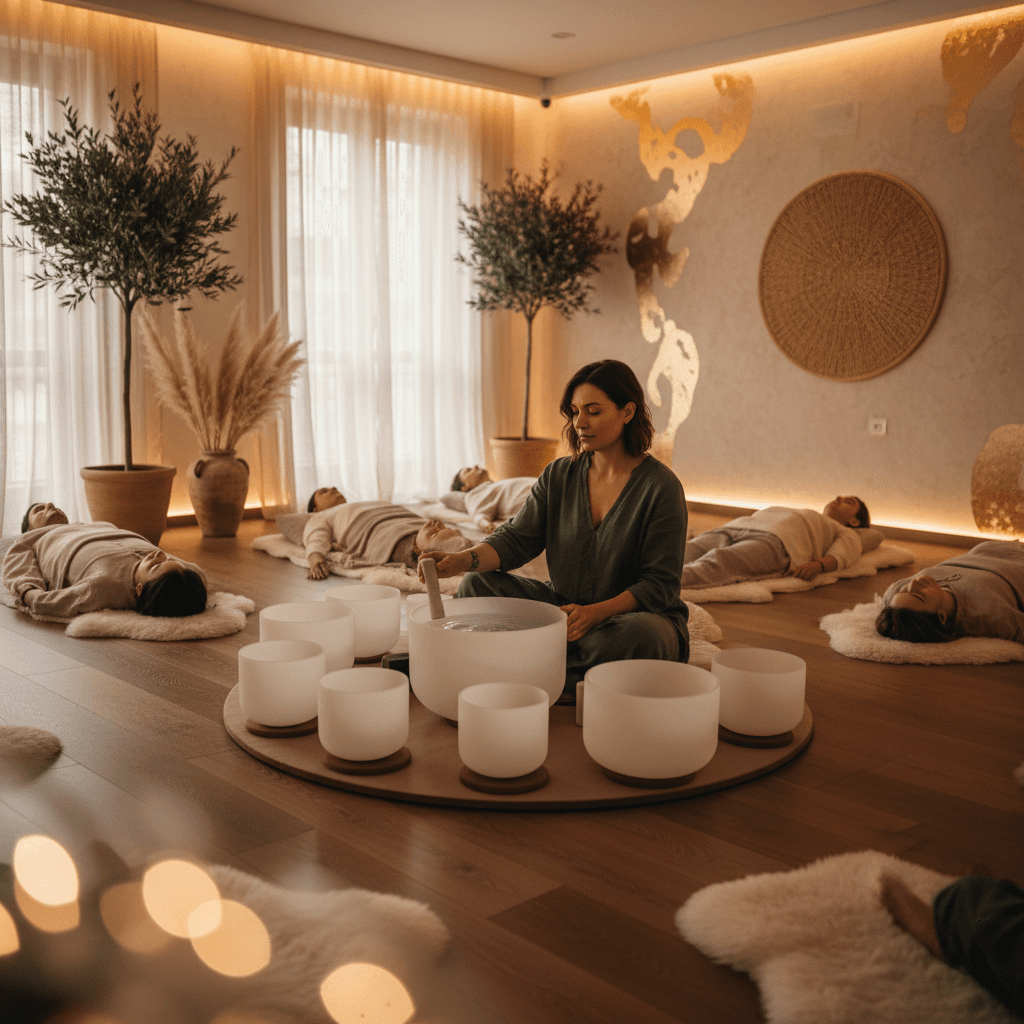
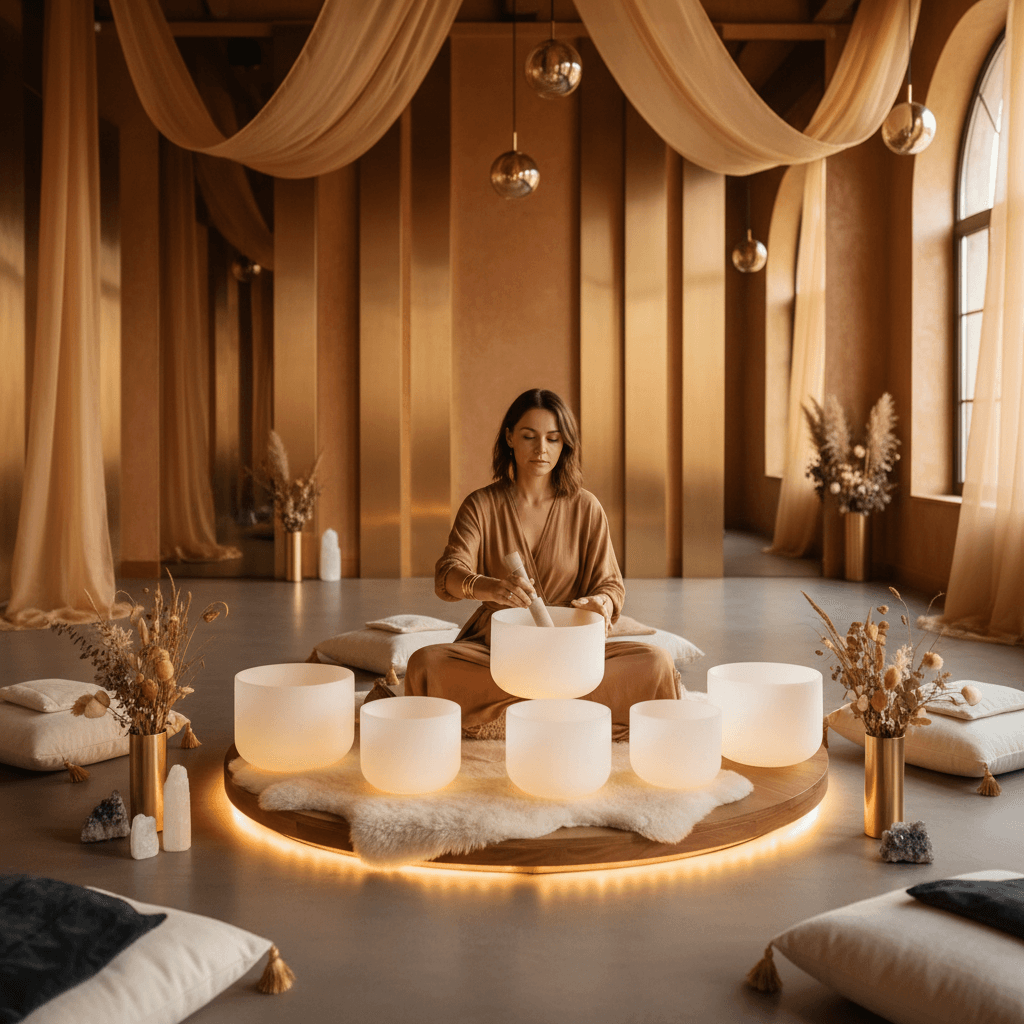
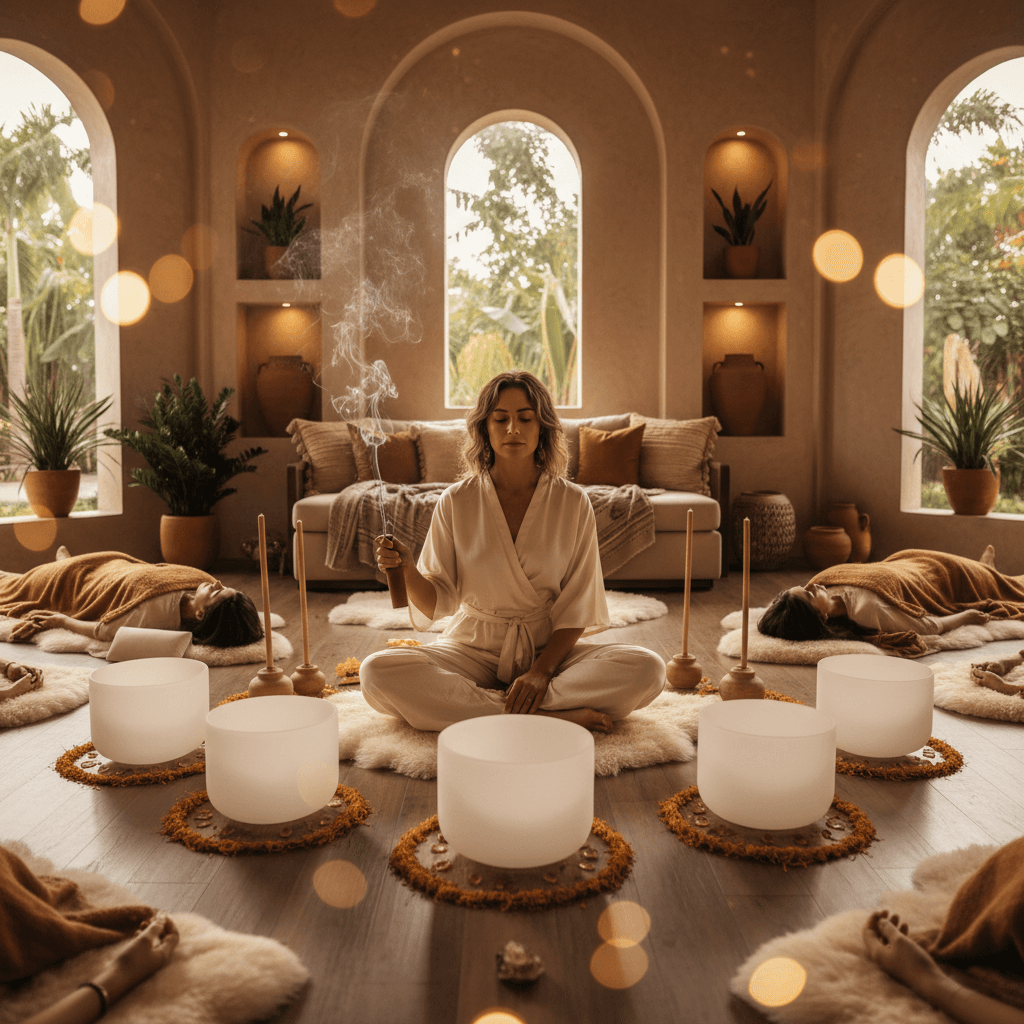
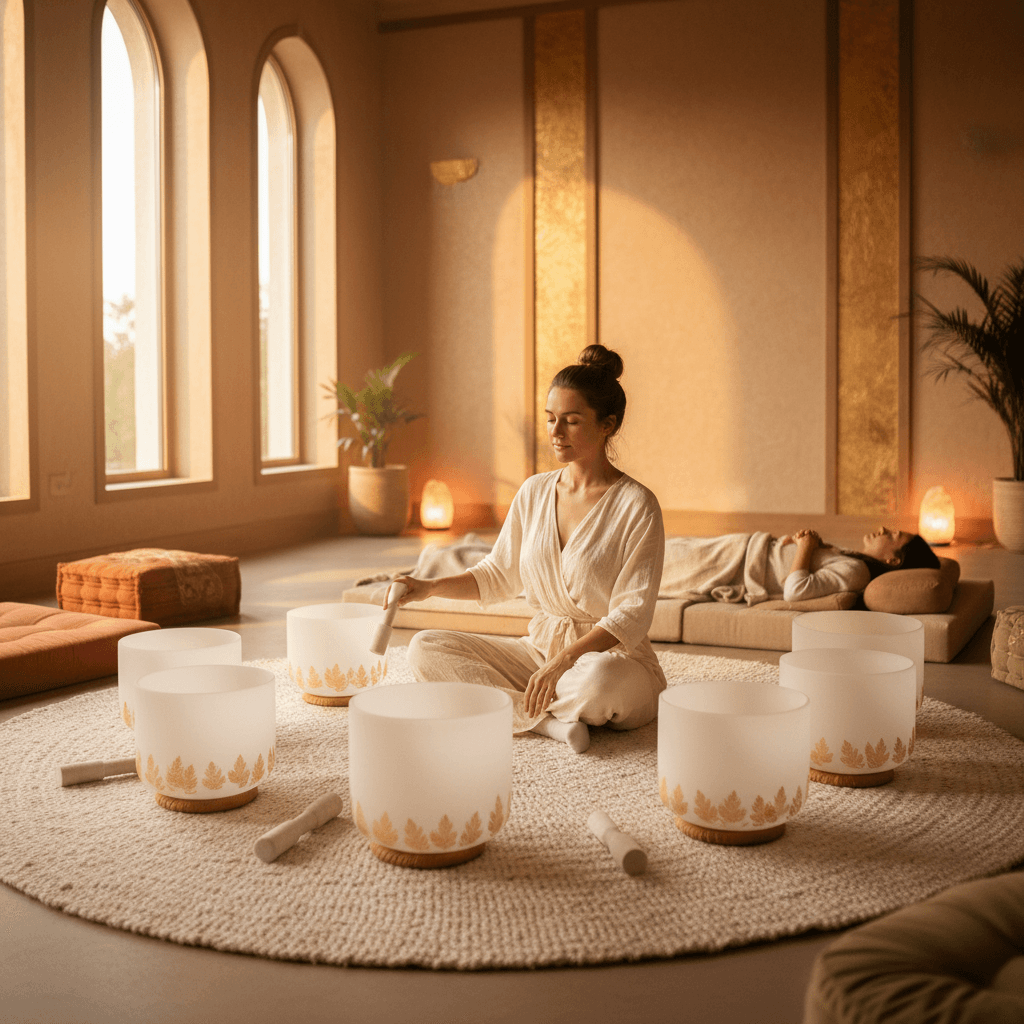
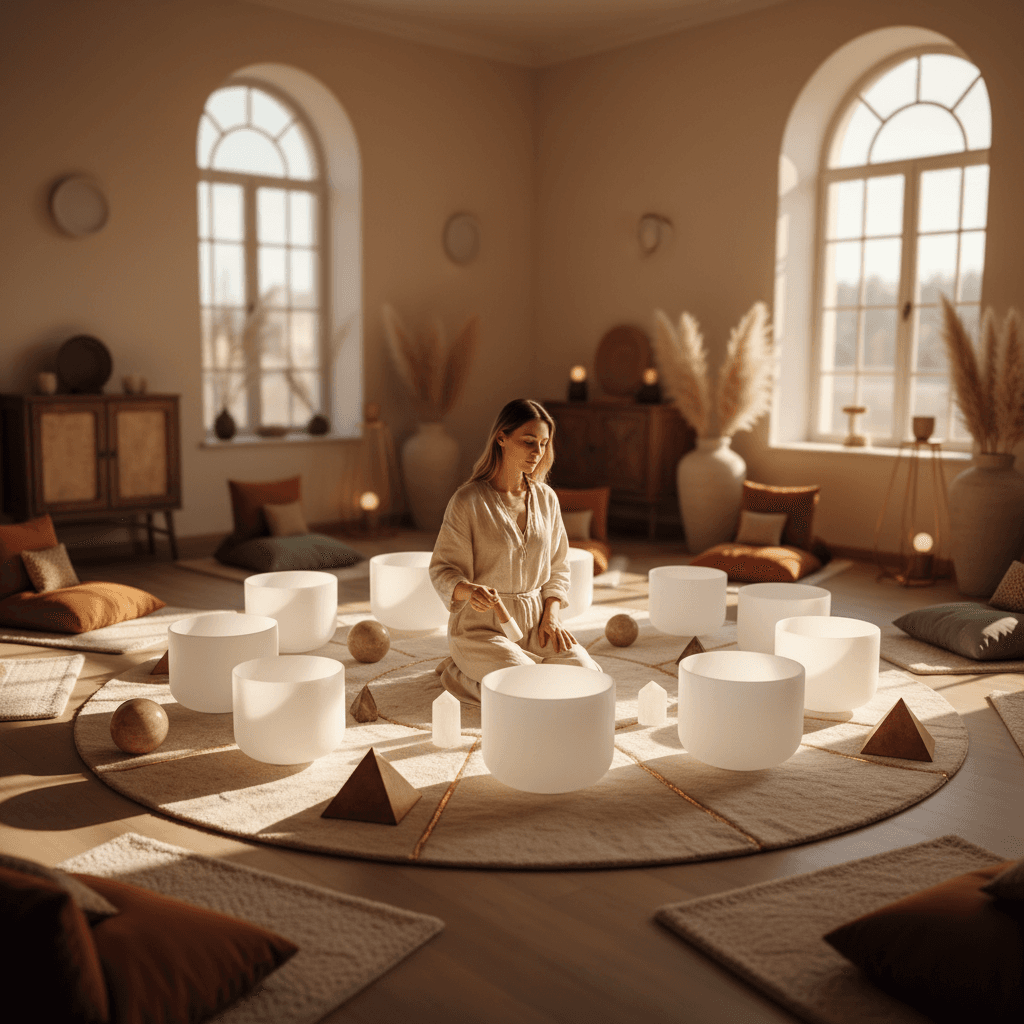
Larissa Steinbach, with her deep understanding of vibrational frequencies and their impact on human physiology, curates experiences that are both deeply relaxing and profoundly restorative. The core of the Soul Art approach lies in its meticulously crafted sound baths and individual sessions, which utilize a rich tapestry of instruments. These often include resonant gongs, crystal singing bowls, therapeutic tuning forks, and other sacred instruments, each carefully chosen for its specific vibrational qualities.
What makes the Soul Art method particularly unique is its intentional focus on guiding the brain and body into a state of deep relaxation, facilitating the activation of the parasympathetic nervous system. This is the body's "rest and digest" mode, which directly counteracts the "fight or flight" response often associated with irritability and chronic stress. Through precise sound frequencies, Larissa Steinbach helps to gently lower brainwave activity, transitioning the mind from the active beta state to the meditative alpha and theta states. Many people report a profound sense of peace and mental clarity during and after these sessions.
The immersive, multi-sensory environment at Soul Art creates an optimal setting for emotional processing and release. Anecdotal evidence suggests that individuals frequently experience a reduction in perceived stress, improved sleep quality, and an enhanced ability to manage their emotional responses. The sustained vibrations help to release physical tension and calm the physiological hyper-reactivity that underlies persistent irritability. It's a holistic wellness practice that encourages the body's innate capacity for self-regulation and healing, offering a powerful complement to other self-care strategies.
Soul Art provides a unique opportunity to explore the inner landscape through sound, fostering an environment where clarity replaces chaos, and calm replaces constant agitation. It is an invitation to experience the profound benefits of vibrational healing as a cornerstone of your personal wellness journey.
Your Next Steps: Cultivating Calm Every Day
Addressing irritability is a journey, not a destination, and it involves consistent, mindful effort. While understanding the science is crucial, integrating practical, daily steps into your life can significantly support your nervous system and foster greater emotional resilience. Here are some actionable strategies you can implement starting today to help calm your frayed nerves:
- Practice Mindful Awareness and Naming Emotions: Before reacting, pause. Take a deep breath and consciously identify the emotion you are experiencing. Saying "I am feeling irritable right now" or "This situation makes me feel frustrated" can create a powerful distance between the emotion and your response, helping to regulate your nervous system.
- Prioritize Rest and Quality Sleep: Lack of sleep is a significant physiological factor contributing to irritability. Establish a consistent sleep schedule, create a relaxing bedtime routine, and optimize your sleep environment to ensure you are getting adequate, restorative rest. This supports your brain's ability to process emotions and manage stress more effectively.
- Integrate Regular Stress Management Practices: Whether it's daily meditation, gentle yoga, spending time in nature, or deep breathing exercises, consistent stress reduction is vital. These activities activate the parasympathetic nervous system, helping to counterbalance the physiological hyper-reactivity associated with chronic irritability.
- Seek Professional Support When Needed: If your irritability is persistent, worsening, or significantly interfering with your daily life and relationships, remember that you don't have to face it alone. Consulting a qualified healthcare professional is a crucial step to explore underlying causes and discuss appropriate medical or therapeutic support. Wellness practices are complementary and should not replace professional medical care.
- Explore Complementary Wellness Practices: Consider incorporating experiences that specifically target nervous system regulation and deep relaxation. Immersive sound baths or personalized sound healing sessions, such as those offered by Soul Art, can provide a unique and profound pathway to rebalance your emotional state and cultivate inner peace.
Remember, every small step you take towards nurturing your nervous system is a step towards a more serene and resilient you.
In Summary: Embracing Tranquility
Irritability, often dismissed as a mere annoyance, is a complex signal from our nervous system, rooted in intricate biological and neurological processes. It highlights an imbalance, a state where our "frayed nerves" are yearning for calm and regulation. Understanding its scientific basis, from amygdala dysfunction to neurotransmitter imbalances, empowers us to approach this challenge with awareness and proactive strategies.
By embracing practices that foster mindful awareness, prioritize rest, and actively manage stress, we can begin to shift from reactive states to responsive serenity. Complementary wellness approaches, such as the unique sound healing experiences at Soul Art led by Larissa Steinbach, offer a powerful path to soothe the nervous system, reduce physiological hyper-reactivity, and cultivate profound inner peace. It's an invitation to harmonize your inner landscape and reclaim a life of emotional balance and tranquility.
Bookings Coming Soon
Soul Art is still in preparation. Session details and booking will be published here after launch.
Coming Soon
Wellness Disclaimer: This article is for educational and informational purposes only. It does not constitute medical advice, diagnosis, or treatment. Soul Art Dubai provides non-medical wellness experiences focused on relaxation, stress management, and general wellbeing. Sound wellness is a complementary practice and should not replace professional medical care.