Sound's Symphony: Healing Intergenerational Trauma's Echoes
Key Insights
Explore how sound wellness, backed by neuroscience, may support healing the silent burdens of intergenerational trauma. Discover Soul Art's approach.
Intergenerational Trauma: Can Sound Heal Ancestral Wounds?
Imagine carrying a burden you didn't consciously inherit, a silent echo of your ancestors' pain that subtly shapes your present. This profound concept, known as intergenerational trauma, is gaining increasing scientific recognition, confirming what many indigenous cultures have understood for centuries. What if a powerful, yet gentle, modality could offer a pathway to release these deep-seated imprints?
This article delves into the intricate science of how trauma can reverberate across generations, impacting our biology and well-being. We will explore the cutting-edge research in epigenetics and neuroscience, revealing the mechanisms by which ancestral experiences might influence our stress responses and even our physical health. Crucially, we will uncover how the ancient wisdom of sound, amplified by modern wellness practices, may offer a complementary approach to fostering healing and resilience.
Join us on a journey to understand this invisible inheritance and discover how practices like sound wellness, pioneered by Larissa Steinbach at Soul Art, are supporting individuals in transforming these historical echoes into pathways for profound personal growth and peace. Your journey to understanding and potentially softening these ancestral wounds begins here.
The Science Explained: Unpacking the Invisible Inheritance
For generations, Native healers and elders have spoken of inherited pain, a concept now finding resonance in scientific laboratories. LeManuel “Lee” Bitsoi, Navajo, PhD Research Associate in Genetics at Harvard University, highlighted this convergence in 2013, noting that traditional knowledge preceded science in understanding intergenerational trauma. Modern research, particularly in epigenetics, is starting to provide compelling evidence that this inherited pain is a tangible reality.
Historical trauma, arising from widespread adverse events, has been associated with increased vulnerability to illnesses such as PTSD, depression, and even type 2 diabetes. However, researchers like Joseph Gone, professor at the University of Michigan, caution that while insights are exciting, much more research is needed to fully understand the intricate mechanisms at play. Yet, the foundational understanding is evolving rapidly, pointing to profound biological shifts that occur in response to severe stress.
Epigenetics: The Blueprint of Experience
Epigenetics offers a revolutionary lens through which to view intergenerational trauma. It refers to changes in gene expression that do not involve alterations to the underlying DNA sequence itself. Instead, it's like a dimmer switch for our genes, turning them up or down, or even off entirely, in response to environmental factors. These epigenetic "tags" can then be passed down through generations.
One key epigenetic mechanism is DNA methylation. Moshe Szyf at McGill University examined the brains of suicide victims and found that genes governing stress response in the hippocampus had been methylated, or "switched off." This process was linked to excessive trauma, such as childhood abuse, which triggers the production of glucocorticoid hormones. Chronic exposure to these hormones can inhibit the hippocampus's ability to regulate them, creating a cycle of heightened stress reactivity.
Beyond DNA: Histones and Cellular Memory
Beyond DNA methylation, other epigenetic mechanisms are also being explored. Histone modification, where proteins acting as scaffolds for DNA are chemically tagged, is emerging as another potential player in epigenetic inheritance. Researchers like Dias suspect that various epigenetic mechanisms could interact to contribute to the transgenerational inheritance of acquired traits. This suggests a complex interplay where our ancestors' traumatic experiences leave molecular imprints that influence subsequent generations.
Controlled animal experiments provide fascinating, albeit controversial, insights. A 2013 study exposed male mice to acetophenone (cherry blossom scent) paired with electric shocks, causing them to associate the scent with pain. Remarkably, the offspring and even grand-offspring of these mice exhibited increased sensitivity to the cherry blossom scent, demonstrating an inherited fear response linked to epigenetic changes. This highlights how sensory experiences, deeply tied to memory and trauma, may have echoes across generations.
The Neurobiology of Trauma Transmission
Trauma's legacy extends beyond epigenetics, influencing brain structure, function, and emotional regulation. Parental trauma can lead to disrupted caregiving behaviors, which in turn affect a child's brain development and attachment patterns. Children may also learn and internalize trauma-related behaviors, beliefs, and coping strategies through social learning, perpetuating cycles of distress.
Studies indicate that intergenerational trauma can lead to significant neurobiological changes, including alterations in the brain's metabotranscriptome and mitochondrial dysfunction. The brain’s HPA axis, responsible for our stress response, can become overactivated, making individuals more susceptible to anxiety and depression. Simultaneously, the production of oxytocin, a hormone promoting safety and connection, may be reduced, impacting social bonding and resilience. Despite these challenges, the brain's remarkable neuroplasticity — its ability to reorganize and form new neural connections — offers a powerful foundation for healing and recovery, suggesting that inherited patterns are not immutable.
How It Works in Practice: Unlocking Inner Harmony
The profound insights from neuroscience and epigenetics provide a scientific foundation for understanding how trauma's whispers can linger in our cellular memory. However, the path to healing these deep-seated patterns often requires going beyond cognitive processing alone. Intergenerational trauma, characterized by a "conspiracy of silence," often manifests as unacknowledged "secret" trauma, where symptoms serve as a form of non-verbal communication within families. This is where holistic wellness practices can offer invaluable support.
When trauma persists as a silent, unspoken narrative, it can create a pervasive sense of isolation and wordlessness. The first generation struggles to communicate the trauma, and this discontinuity can be passed on, manifesting in various psychological and physiological symptoms. Addressing this requires gentle, non-verbal approaches that can bypass the limitations of language and tap directly into the body's innate wisdom and nervous system.
Sound as a Somatic Gateway
Sound wellness practices offer a unique gateway to gently access these deeply held patterns. The vibrations generated by instruments like gongs, singing bowls, and chimes create an immersive sonic landscape that encourages profound relaxation and introspection. This deep relaxation helps to downregulate the autonomic nervous system, shifting it from a state of fight-flight-freeze into one of rest and repair.
"The vibrations of sound are not merely heard; they are felt on a cellular level, inviting the body to remember its natural state of balance and peace."
Clients often describe a sense of being "bathed" in sound, feeling the vibrations resonate throughout their physical form. This somatic experience can facilitate the release of tension and emotional blocks that may have been stored in the body for years, possibly even decades. The non-invasive nature of sound allows individuals to explore their inner landscape at their own pace, fostering a sense of safety and agency.
Regulating the Nervous System
Central to the efficacy of sound wellness is its potential impact on the polyvagal system. Stephen Porges' polyvagal theory highlights how our vagus nerve plays a crucial role in regulating our emotional states and social engagement. Trauma can dysregulate this system, leading to chronic states of hyper-vigilance or shutdown. Polyvagal-informed approaches, which include breath, sound, and movement, directly target autonomic nervous system regulation. Preliminary studies show that such practices can improve heart rate variability, a key measure of autonomic flexibility, by 20-30%.
During a sound session, the soothing frequencies and rhythmic pulses may help to activate the ventral vagal pathway, promoting feelings of safety, connection, and calm. This increased sense of security can lead to a reduction in HPA axis activation during stress, potentially by up to 50%, and an increase in oxytocin release by 20-30%. These physiological shifts are vital for counteracting the effects of trauma, fostering neural integration, and supporting emotional regulation. By creating an environment of deep relaxation, sound wellness may help the nervous system gently "reset" itself, offering a complementary path to process and release ancestral echoes.
The Soul Art Approach: Harmonizing Ancestral Echoes
At Soul Art, Dubai's premier sound wellness studio, we understand that true well-being encompasses not just the individual, but also the intricate tapestry of their lineage. Larissa Steinbach, our esteemed founder, has meticulously crafted a unique approach to sound wellness that integrates scientific understanding with profound intuitive insight, making the Soul Art method a sanctuary for deep healing and transformation. Her philosophy acknowledges the wisdom of ancestral knowledge while embracing the validating insights of modern research, particularly around the subtle yet powerful influence of intergenerational trauma.
Larissa Steinbach’s unique methodology is rooted in the belief that the body, mind, and spirit hold a profound capacity for self-healing. Her sound journeys are not merely concerts; they are carefully curated vibrational experiences designed to support the nervous system, release energetic blockages, and foster a reconnection to inner resilience. This gentle yet potent approach is particularly well-suited for addressing the nuanced layers of intergenerational trauma, where direct verbal processing can sometimes be challenging or insufficient.
A Symphony of Healing Instruments
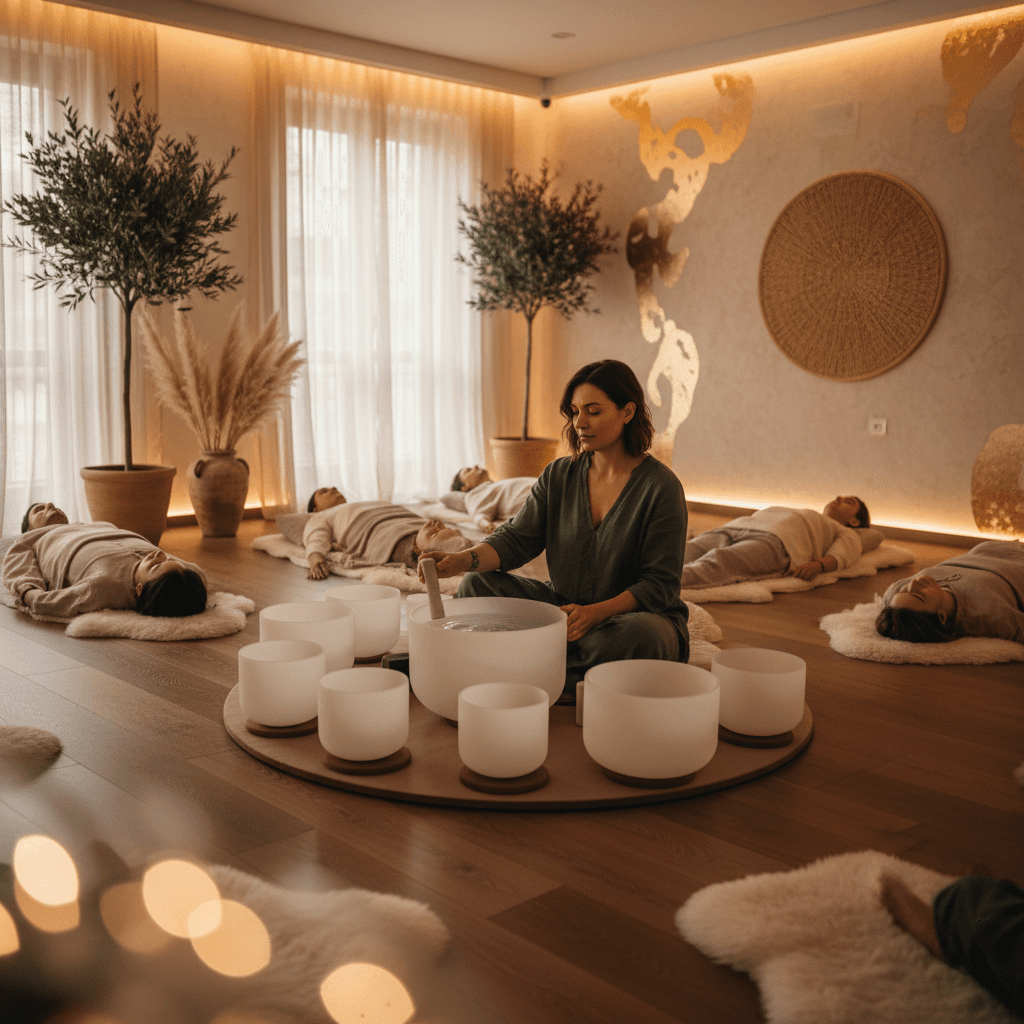
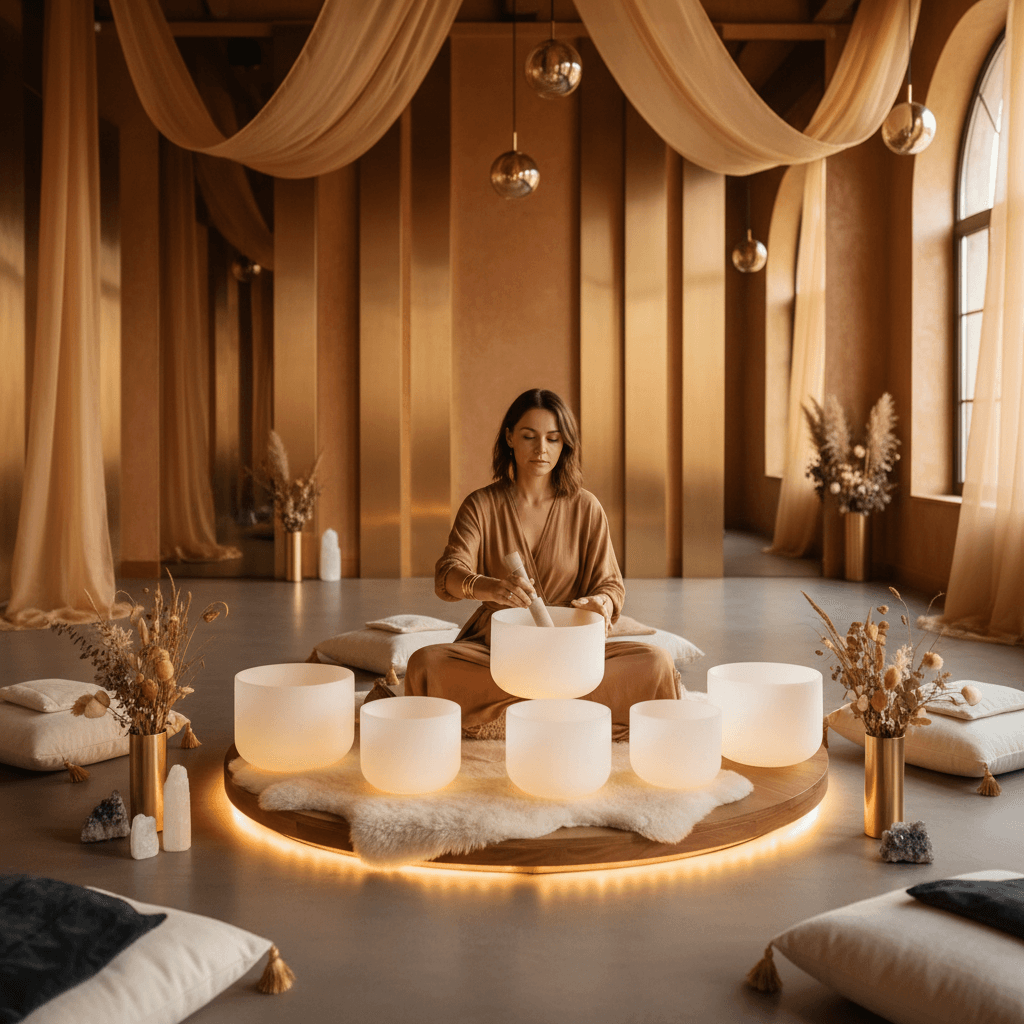
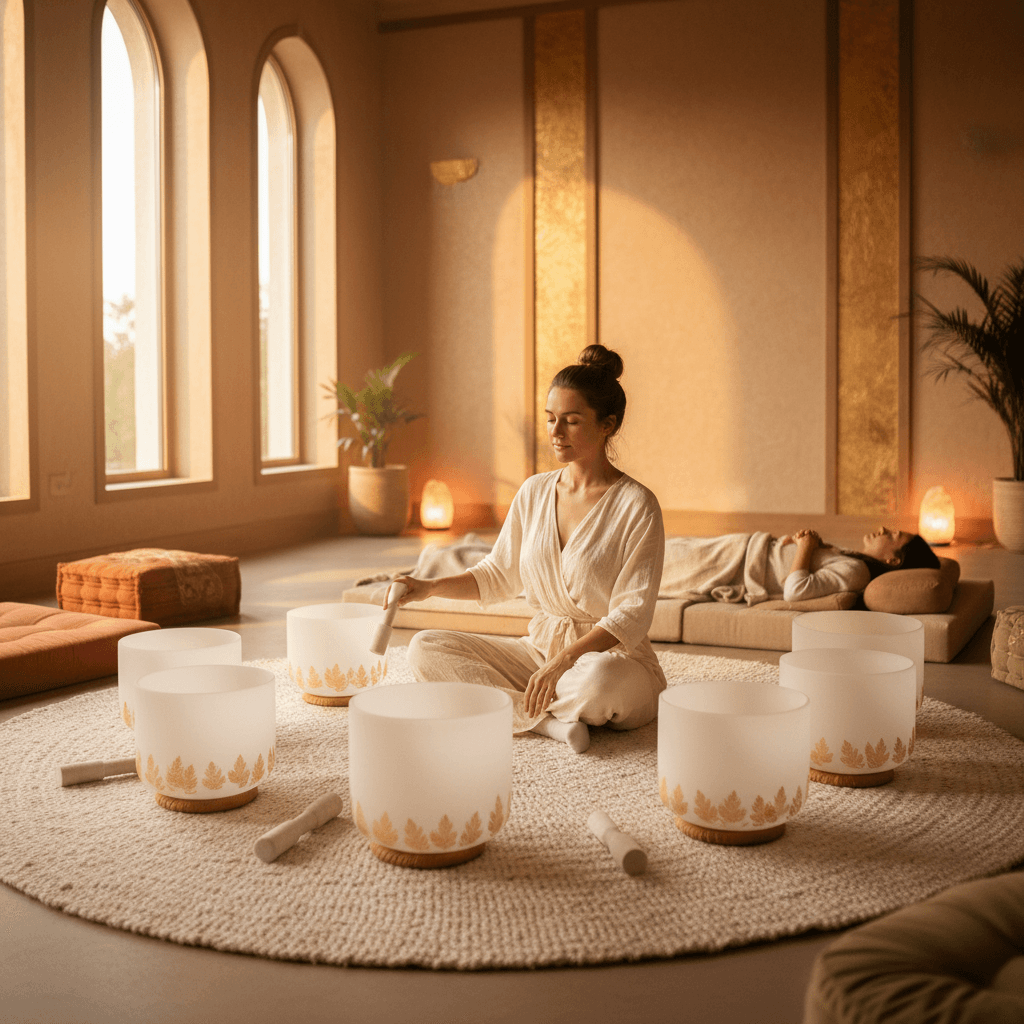
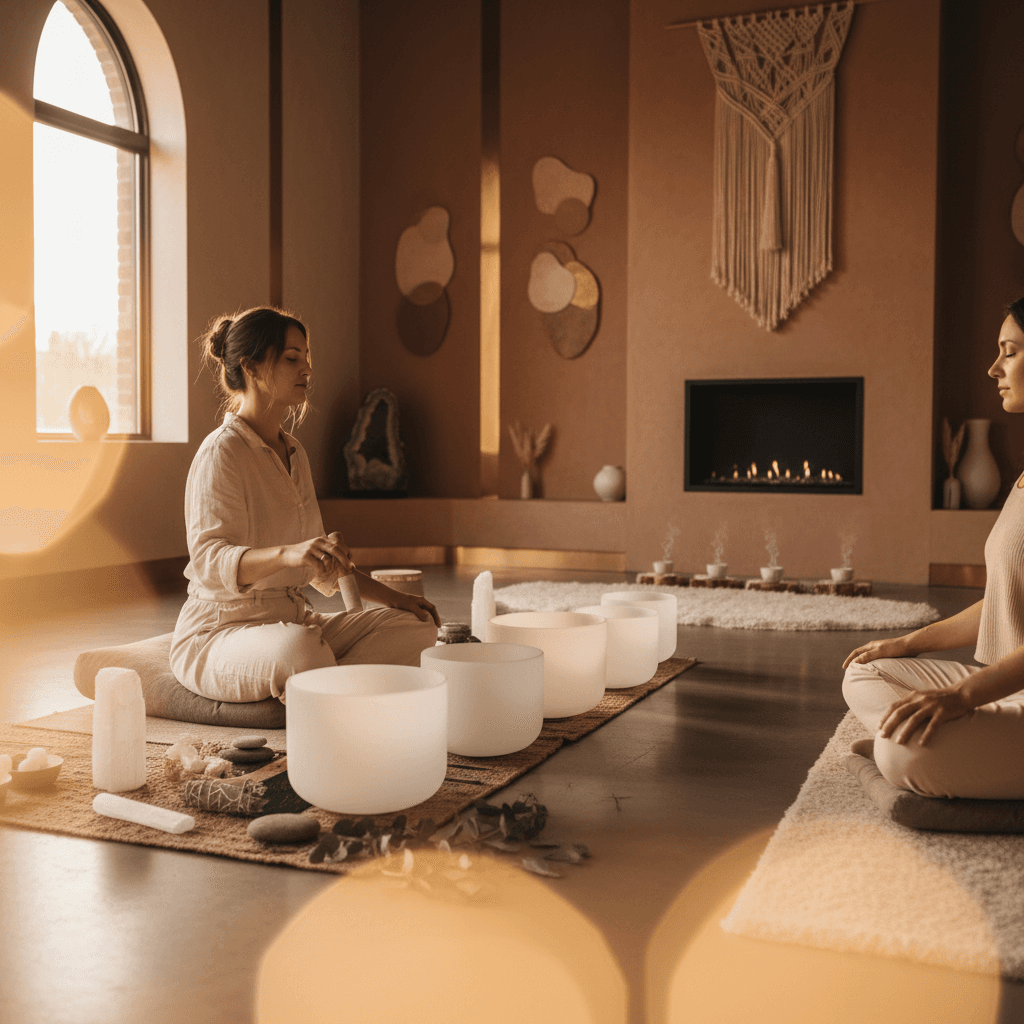
The Soul Art studio is home to a magnificent array of instruments, each selected for its unique vibrational quality and therapeutic potential. During a session, clients are enveloped in the rich, resonant tones of crystal singing bowls, meticulously tuned to specific frequencies associated with energetic centers in the body. The deep, grounding vibrations of gongs create a powerful sonic field that can facilitate profound states of relaxation and altered consciousness, allowing for deeper emotional release.
In addition to these foundational instruments, Larissa incorporates Himalayan singing bowls, chimes, and other world instruments, carefully layering sounds to create a symphony that guides the body into a state of coherence. The intention behind each sound is as crucial as the sound itself, with Larissa's intuitive guidance creating a safe and sacred space for participants to explore their inner landscapes. This intentional application of sound aims to soothe the nervous system, potentially buffering against the enduring effects of traumatic stress on brain development and fostering neural integration.
Tailored Experiences for Deep Release
Understanding that each individual's journey with intergenerational trauma is unique, Soul Art offers both group sound baths and private, personalized sessions. In group settings, the collective energy amplifies the healing potential, creating a shared experience of profound peace and connection. Private sessions allow for a more bespoke approach, where Larissa can tailor the sound landscape to an individual's specific needs, focusing on areas of the body or energetic centers that may be holding ancestral imprints.
Larissa's expertise lies in her ability to create an atmosphere of quiet luxury and profound safety. This environment allows the brain to transition into states where deep relaxation occurs, potentially facilitating the natural release of emotional and energetic patterns that have been silently carried. By supporting the body’s innate capacity for self-regulation and promoting states of deep rest, the Soul Art approach offers a complementary pathway for individuals seeking to harmonize the echoes of their past and cultivate a future rooted in peace and well-being.
Your Next Steps: Cultivating Personal Harmony
Understanding the complex landscape of intergenerational trauma can be empowering, revealing that some of the burdens we carry are not entirely our own. While sound wellness is a complementary practice, it may offer significant support in managing the stress and emotional dysregulation associated with these ancestral patterns. Integrating mindful practices into your daily life can contribute to building resilience and fostering a deeper sense of well-being.
Here are a few actionable steps you can implement today to begin cultivating a more harmonious relationship with your inner world:
- Mindful Listening: Dedicate 5-10 minutes each day to simply listen. This could be to soothing music, the sounds of nature, or even specialized sound healing tracks. Notice how the vibrations affect your body and mind, allowing yourself to fully immerse in the present moment. This practice may help to regulate your nervous system.
- Gentle Movement: Incorporate mindful movement such as gentle stretching, yoga, or slow walking into your routine. Movement helps to release stored tension in the body, which can be a physical manifestation of stress or trauma. Focus on your breath and how your body feels with each movement.
- Create a Sacred Space: Designate a small area in your home where you can practice relaxation. This could be a quiet corner with soft lighting, a comfortable cushion, and perhaps a small personal item that brings you peace. Having a dedicated space can encourage regular self-care rituals.
- Journaling and Reflection: While intergenerational trauma often presents as "secret" trauma, exploring your family history, patterns, and emotions through journaling can be incredibly insightful. You don't need to "solve" anything; simply observing and acknowledging feelings can be a powerful step in processing.
- Explore Sound Wellness: Consider experiencing a professional sound bath or a personalized sound wellness session. Soul Art offers unique, expertly guided experiences designed to support deep relaxation and promote emotional release. Many people report significant stress reduction and a sense of profound calm after a session.
Remember, healing is a journey, not a destination. Each small step you take towards self-care and nervous system regulation contributes to your overall well-being and may support breaking cycles of inherited stress.
In Summary: A Resonant Path to Well-being
Intergenerational trauma, once a concept largely rooted in traditional wisdom, is increasingly validated by modern science, particularly through the lens of epigenetics and neurobiology. We now understand that the silent burdens of our ancestors can leave molecular imprints and influence our stress responses, emotional regulation, and even physical health. While the science is still evolving, the potential for healing these deep-seated patterns is a message of profound hope.
Sound wellness emerges as a powerful, complementary approach to support this healing journey. By gently regulating the nervous system, fostering deep relaxation, and facilitating emotional release, practices like those pioneered by Larissa Steinbach at Soul Art may help individuals harmonize ancestral echoes. These experiences invite us to reconnect with our innate resilience, offering a pathway to transform inherited pain into renewed peace and well-being. At Soul Art, we believe in the transformative power of sound to guide you towards a future rooted in harmony.
Bookings Coming Soon
Soul Art is still in preparation. Session details and booking will be published here after launch.
Coming Soon
Wellness Disclaimer: This article is for educational and informational purposes only. It does not constitute medical advice, diagnosis, or treatment. Soul Art Dubai provides non-medical wellness experiences focused on relaxation, stress management, and general wellbeing. Sound wellness is a complementary practice and should not replace professional medical care.