Beyond Alertness: Sound Therapy for Hypervigilance in Dubai

Key Insights
Explore how Soul Art, founded by Larissa Steinbach, leverages sound therapy to ease hypervigilance and restore nervous system balance.
Hypervigilance: Sound Therapy for Constant Alertness
Have you ever felt like your internal alarm system is stuck in the "on" position, constantly scanning for danger even when you know you're safe? This exhausting state, known as hypervigilance, is far more common than many realize, impacting millions globally. It's like living with an overly sensitive motion detector, triggering alerts for every small movement, whether it’s a real threat or just leaves blowing in the wind.
This article delves into the intricate neuroscience behind hypervigilance and explores how specialized sound therapy offers a promising avenue for gentle re-regulation. We will uncover the mechanisms by which constant alertness impacts your brain and body, and how a sophisticated approach to sound wellness, championed by Larissa Steinbach at Soul Art in Dubai, may support a return to a state of calm. Understanding this persistent state of high alert is the crucial first step toward recognizing and addressing this condition, ultimately allowing individuals to regain control over their lives and find effective ways to manage it for enhanced well-being.
Join us as we explore the scientific insights and practical applications of sound therapy, offering hope for those seeking respite from the relentless grip of constant vigilance. This journey into sound may support a profound shift, helping you reclaim your peace and cultivate a more balanced nervous system.
The Neuroscience of Constant Alertness: Understanding Hypervigilance
Hypervigilance is more than just feeling a bit anxious; it's a deeply ingrained physiological and psychological response that keeps the body and mind in a perpetual state of readiness for threat. This constant state of activation can be profoundly exhausting and significantly impact quality of life, affecting everything from sleep patterns to social interactions. Understanding its roots in brain network dysfunction is key to finding effective wellness strategies.
What is Hypervigilance?
At its core, hypervigilance is a heightened state of alertness, an intense and constant scanning of one’s environment for potential threats. This occurs even when there may be no apparent danger. While vigilance is a natural and adaptive response to actual threats, hypervigilance takes the fight or flight response to an extreme, potentially interfering with daily life and overall well-being. It is a dominant feature of conditions like Post-Traumatic Stress Disorder (PTSD), anxiety disorders, and trauma-related experiences, where the brain remains on constant alert even in safe environments.
The physical and emotional toll is immense, as the body is continuously flooded with adrenaline, preparing for a threat that often doesn't materialize. This perpetual readiness can lead to a sense of unease, dread, or fear, even in benign situations. Individuals may also become hypersensitive to sensory stimuli such as light, sound, or touch, finding everyday sensations overwhelming.
The Brain on High Alert: Key Neural Networks
Current neuroscience research has identified specific patterns in how hypervigilance affects brain function, highlighting the intricate interplay of neural networks. The amygdala, the part of the brain responsible for processing fearful and threatening stimuli, becomes overactive in hypervigilant individuals. This increased activity means the brain is constantly flagging potential dangers, even when none exist.
Studies published in neuroscience journals indicate that hypervigilance is associated with sensory disinhibition and chronic hyperarousal. This is linked to altered functioning within key brain networks, including the Salience Network (SN) and the Default Mode Network (DMN), along with the Frontoparietal Network (FPN). Specifically, an overactive and hyperconnected Salience Network can destabilize the normally balanced Default Mode Network and Frontoparietal Network, leading to a persistent state of high alert. Understanding these patterns helps explain why traditional relaxation techniques alone may not be enough to address deeply embedded hypervigilant states.
Groundbreaking studies using magnetic resonance imaging (MRI) have shown clear evidence that exposure to extreme trauma, especially during formative years, can decrease the size and alter the function of both the amygdalae and hippocampi. Adverse Childhood Experiences (ACEs), such as neglect or abuse, have been found to adversely affect the white matter (corpus callosum) of the brain. This can make our brains misfire, contributing to a myriad of different mental health disorders and the development of hypervigilance. Recent 2025 meta-analysis research suggests that addressing these brain network dysfunctions through approaches like neurofeedback has beneficial effects on PTSD symptoms, leading to meaningful symptom reduction.
The Exhausting Impact on Well-being
Living with hypervigilance can significantly affect an individual’s physical, mental, and emotional well-being. Emotionally, anxiety is a central symptom, manifesting as a persistent sense of unease or dread. Fear becomes a dominant emotion, overwhelming individuals with a constant sense of potential danger, leading to extreme apprehension even in situations that pose no actual threat. This can lead to a state where an individual feels 24/7 that danger lurks around every corner.
Physically, hypervigilance can cause real discomfort and disruption in daily life. Common symptoms include difficulty sleeping, muscle tension, headaches, and digestive issues, all stemming from the body’s continuous state of readiness. The constant release of stress hormones, such as adrenaline and cortisol, can exhaust the adrenal glands and contribute to chronic inflammation, impacting overall health. This heightened sensory perception, driven by fear or anxiety, can also strain relationships and impair one’s ability to engage effectively in work or school environments, leading to social withdrawal or even agoraphobia in extreme cases.
"The hypervigilant brain operates like a security system with an overly sensitive motion detector – it triggers alerts for every small movement, whether it’s a real threat or just leaves blowing in the wind. This constant state of activation can be exhausting and significantly impact quality of life."
Sound as a Soothing Signal: Rebalancing the Nervous System
While traditional therapies like Cognitive Behavioral Therapy (CBT) are widely accepted methods for managing hypervigilance, complementary approaches that directly engage the nervous system can offer profound support. Sound therapy, particularly the sophisticated methods employed at Soul Art, presents an innovative pathway to guide the brain away from chronic alertness and back towards a state of calm. It offers a unique sensory experience that can help to re-regulate the nervous system, addressing the deeply embedded patterns that traditional relaxation techniques may not fully reach.
The Power of Frequencies to Calm the Brain
Sound therapy leverages specific frequencies and vibrations to influence brainwave states and nervous system activity. The concept is rooted in the understanding that our brains respond to auditory stimuli by synchronizing with external rhythms, a phenomenon known as brainwave entrainment. When exposed to calming, resonant sounds, the brain may shift from beta (alert, anxious) to alpha (relaxed, mindful) or even theta (deep relaxation, meditative) states. This shift helps to quiet the overactive amygdala and support the re-balancing of the Salience and Default Mode Networks.
Some research suggests that certain types of noise, like pink noise which resembles a waterfall, can have an arousal effect that improves sustained attention and reduces response variability. While current studies on specific noise types and amplitudes are ongoing, the principle remains: carefully curated auditory stimulation can act as a powerful tool for nervous system regulation. This gentle guidance helps to re-tune the brain’s "overly sensitive motion detector," reducing the heightened sensory disinhibition often associated with hypervigilance and fostering a sense of safety within the body.
Experiencing Deep Relaxation and Re-Regulation
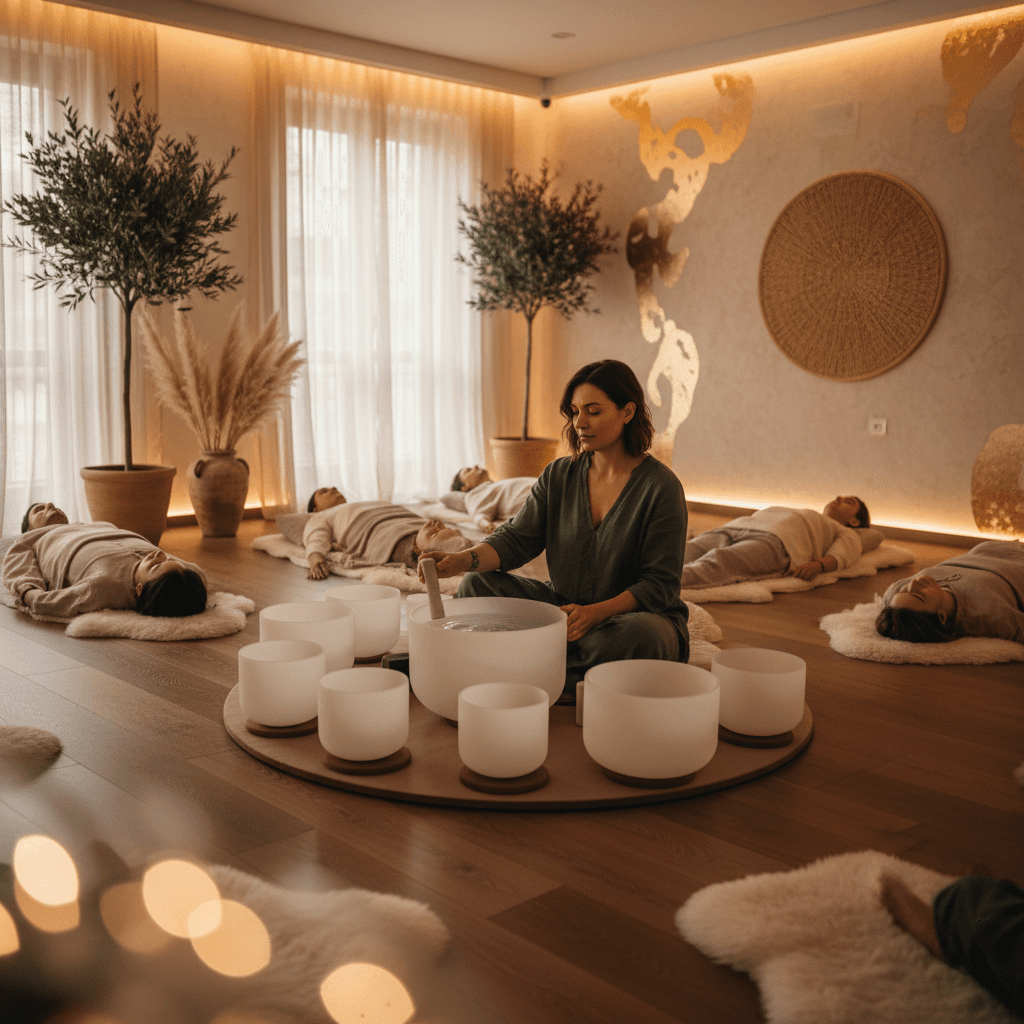
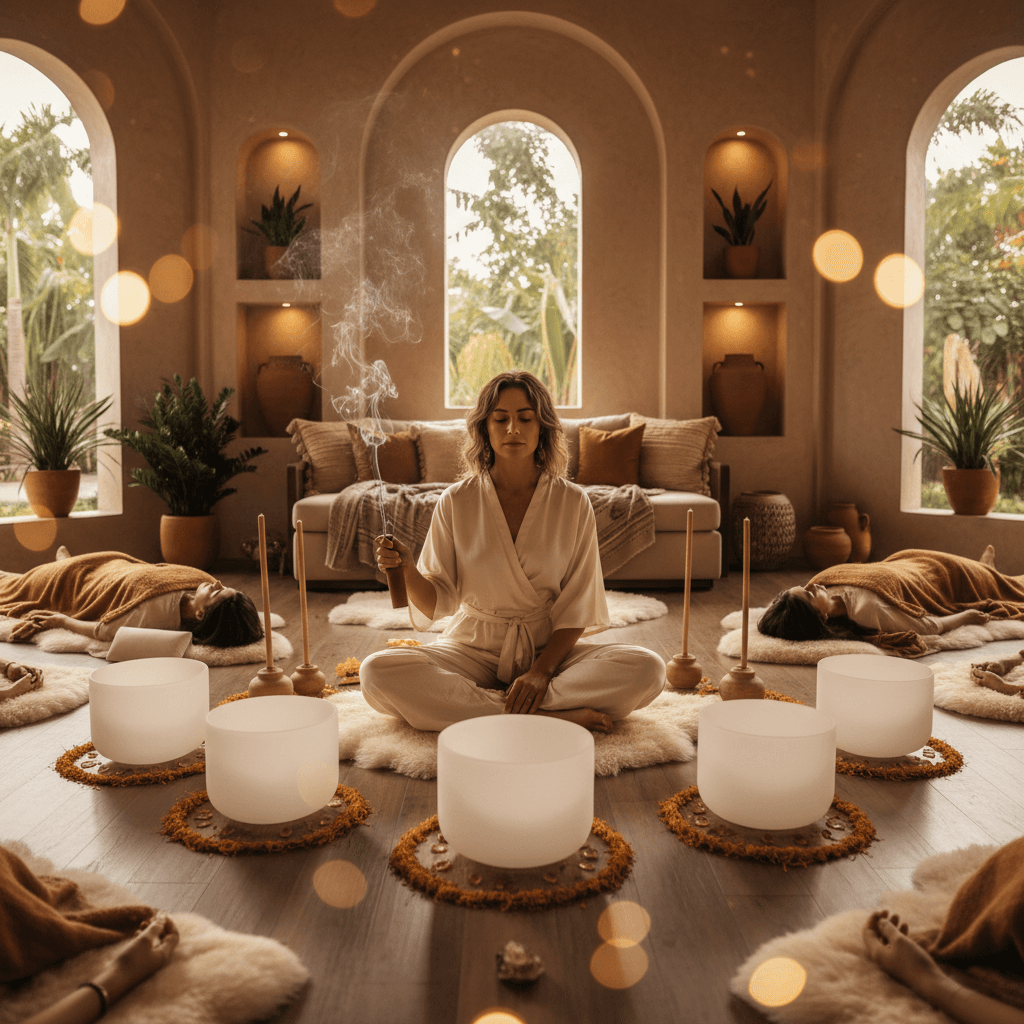
A sound wellness session at Soul Art is an immersive experience designed to envelop the senses and soothe the nervous system. Clients lie comfortably, surrounded by bespoke soundscapes crafted from an array of instruments. The experience often involves deep, resonant tones that permeate the body, creating gentle vibrations that can be felt internally. These vibrations act at a cellular level, helping to release stored tension and promote deep muscular relaxation.
The carefully chosen frequencies create an auditory environment where the constant mental scanning for threats can finally soften. Many people report a profound sense of peace and a noticeable reduction in their internal chatter, allowing their nervous system to transition from a sympathetic (fight-or-flight) dominant state to a parasympathetic (rest-and-digest) dominant state. This allows the body's natural healing processes to engage. Anecdotal evidence suggests that consistent engagement with sound wellness practices may lead to sustained improvements in emotional regulation, sleep quality, and an overall reduced sense of constant alertness, helping individuals feel more grounded and secure in their environment.
Soul Art's Harmonious Path to Inner Peace
At Soul Art, Dubai's premier sound wellness studio, the approach to hypervigilance and nervous system regulation is meticulously crafted and deeply empathetic. Founded by Larissa Steinbach, Soul Art offers a sanctuary where science-backed methods meet an artful, intuitive understanding of human well-being. The studio’s philosophy centers on creating a transformative space where clients can truly disconnect from external pressures and reconnect with their inner calm.
Larissa Steinbach's Vision for Sound Wellness
Larissa Steinbach, a visionary in the field of sound wellness, has pioneered a unique methodology that blends ancient vibrational wisdom with cutting-edge neuroscience. Her approach recognizes that addressing hypervigilance requires more than superficial relaxation; it demands a gentle yet profound re-patterning of the nervous system. Larissa’s expertise ensures that each session is not merely a passive experience but an active engagement with frequencies designed to guide the brain and body towards a state of harmonious balance. Her work is rooted in providing a safe, luxurious, and deeply supportive environment, fostering a sense of security crucial for individuals grappling with constant alertness.
Soul Art's method is unique in its intentional design, focusing on individualized experiences that cater to the nuanced needs of each client. The studio creates an environment where every element, from the acoustics to the ambiance, is optimized to facilitate deep relaxation and nervous system restoration. This thoughtful curation distinguishes Soul Art as a leader in complementary wellness practices, offering a sophisticated pathway to inner peace in the bustling heart of Dubai.
Curated Frequencies for Nervous System Support
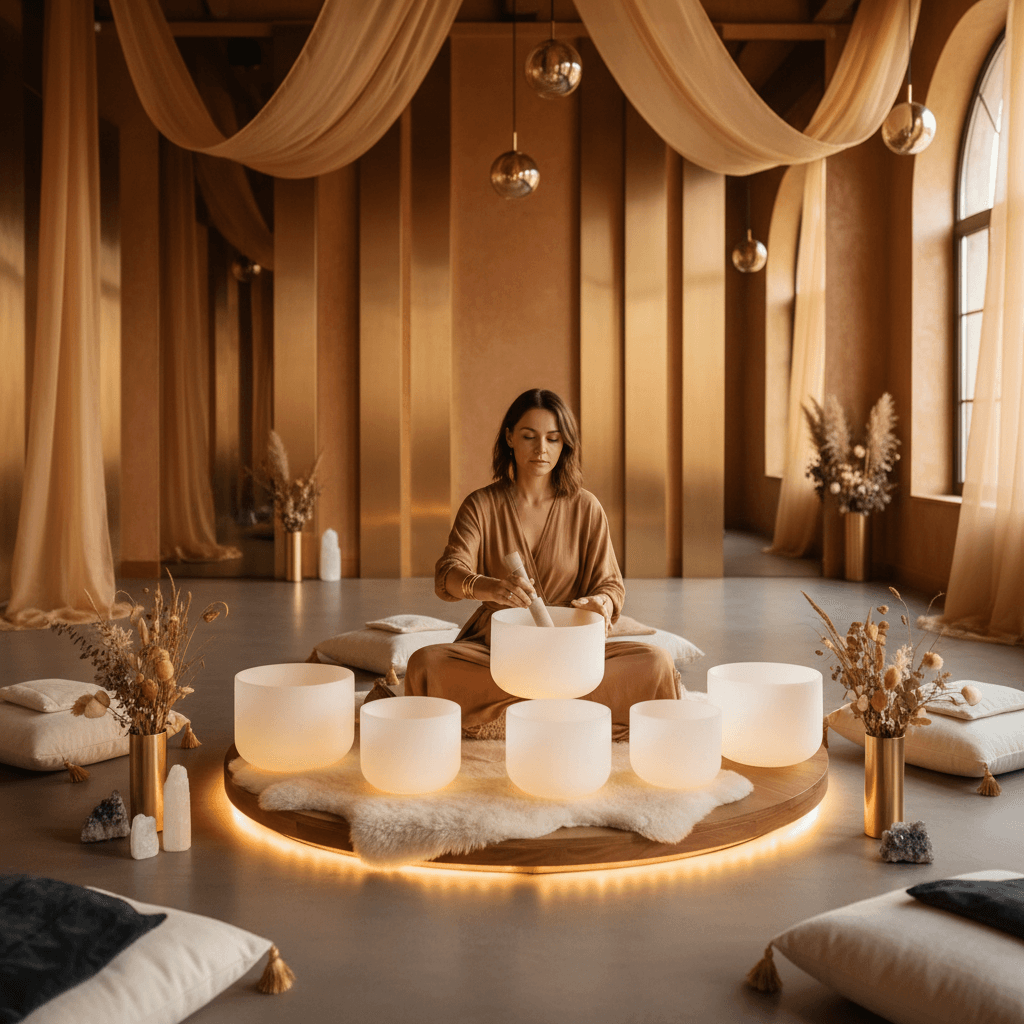
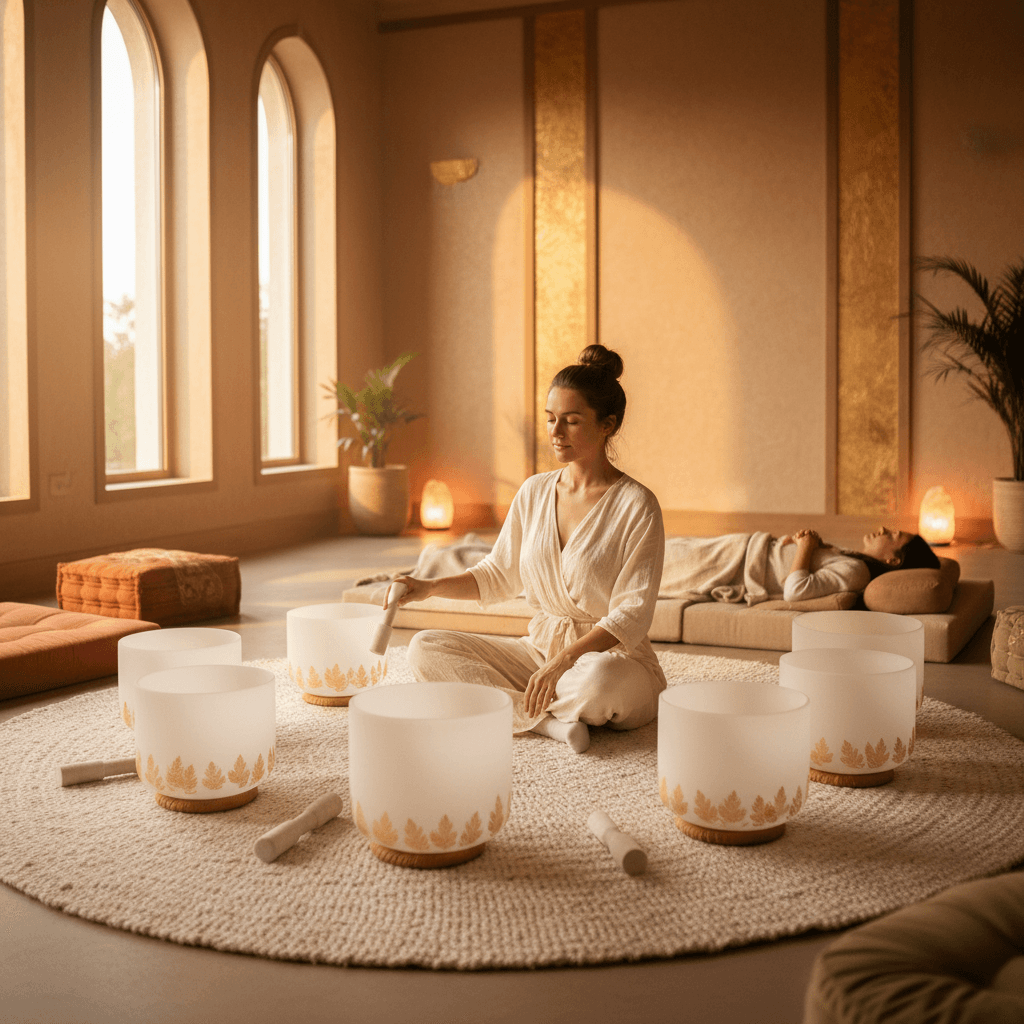
Soul Art employs a carefully selected array of instruments, including Himalayan singing bowls, crystal sound bowls, precision-tuned gongs, and chimes, each chosen for their unique vibrational properties and ability to induce specific brainwave states. These instruments are played with masterful precision, creating rich, complex soundscapes that wash over the listener, gently encouraging the brain to downregulate its threat response. The intention behind these curated frequencies is to gently guide the brain away from hypervigilant patterns, fostering a sense of inner safety and calm.
The studio creates a sanctuary where the nervous system can finally release its chronic tension and return to a state of equilibrium. The subtle yet powerful vibrations help to dissolve internal resistance, allowing the body to enter a deeply meditative state where healing and re-patterning can occur. This immersive experience is designed to support the restoration of brain network balance, helping to calm the overactive Salience Network and stabilize the Default Mode Network. Through this process, clients may find themselves less reactive to perceived threats and more able to reside in the present moment with a greater sense of ease and peace.
Empowering Your Journey to Calm: Practical Steps
Managing hypervigilance is a journey that requires patience, self-compassion, and consistent effort. While professional guidance can be invaluable, there are several practical steps you can integrate into your daily life to support your nervous system and cultivate a greater sense of calm. These self-care strategies are complementary and can enhance the benefits of sound wellness practices.
Here are a few actionable recommendations to begin your journey towards reduced alertness:
- Practice Mindful Breathing: Engage in slow, deep diaphragmatic breathing exercises. Inhaling for four counts, holding for four, and exhaling for six can activate your parasympathetic nervous system, signaling to your body that it is safe.
- Create a Sanctuary: Designate a quiet, comfortable space in your home where you feel absolutely secure and free from external triggers. This can be your go-to spot for relaxation and reflection.
- Limit Exposure to Triggers: Identify environmental factors, news cycles, or social interactions that consistently heighten your sense of alertness. Consciously reduce your exposure to these where possible.
- Integrate Gentle Movement: Incorporate practices like yoga, Qigong, or gentle stretching into your routine. These can help release physical tension and foster a stronger mind-body connection.
- Explore Sound Wellness: Consider exploring the transformative potential of sound therapy. Sessions at Soul Art, curated by Larissa Steinbach, offer a uniquely supportive environment to begin re-patterning your nervous system and fostering deep relaxation.
Taking these steps can build resilience and empower you to navigate daily life with greater ease, gradually reducing the intensity of hypervigilant responses.
In Summary: Reclaiming Your Calm with Soul Art
Hypervigilance, a state of constant alertness, deeply impacts well-being by keeping the brain in a perpetual fight-or-flight mode. This condition is rooted in specific brain network dysfunctions, leading to exhausting emotional and physical symptoms. While challenging, understanding its neuroscience reveals pathways for gentle re-regulation.
Sound therapy offers a powerful complementary approach, using targeted frequencies to calm an overactive nervous system and encourage shifts towards deep relaxation. At Soul Art, Larissa Steinbach masterfully blends scientific insight with ancient wisdom, creating immersive sound experiences designed to guide your brain away from hypervigilant patterns. This unique approach provides a sanctuary for individuals to gently rebalance their internal alarm systems. Embrace the opportunity to restore your inner peace and rediscover a life lived with calm and presence.
Bookings Coming Soon
Soul Art is still in preparation. Session details and booking will be published here after launch.
Coming Soon
Wellness Disclaimer: This article is for educational and informational purposes only. It does not constitute medical advice, diagnosis, or treatment. Soul Art Dubai provides non-medical wellness experiences focused on relaxation, stress management, and general wellbeing. Sound wellness is a complementary practice and should not replace professional medical care.