Gratitude & Sound: Unleashing Authentic Positive Emotions
Key Insights
Discover how authentic gratitude, amplified by sound wellness, can profoundly enhance mental, emotional, and physical well-being. Explore Soul Art's approach in Dubai.
Have you ever considered that the pursuit of happiness might be found not in grand gestures, but in the quiet practice of appreciation? In a world constantly urging us to achieve more, pausing to acknowledge the blessings in our lives can seem counterintuitive, yet it holds profound power. The emotion of gratitude, a simple yet transformative force, has been consistently linked to remarkable improvements in overall well-being.
But what if cultivating gratitude went beyond mere mental exercises, evolving into a deeply felt, resonant experience? This article delves into the fascinating intersection of scientific research on gratitude and the immersive potential of sound wellness. We will explore how sound can act as a catalyst, helping you access and amplify authentic positive emotions, leading to a richer, more fulfilling life.
We'll unpack the neuroscience behind gratitude, examine the subtle yet critical difference between genuine and superficial expressions of thanks, and reveal how the unique practices at Soul Art, founded by Larissa Steinbach, can guide you toward a deeper, more resonant sense of appreciation. Prepare to discover a powerful synergy that may support your journey to holistic wellness.
The Science Explained: Unlocking Gratitude's Profound Impact
Gratitude is far more than a polite sentiment; it's a fundamental positive emotion with extensive implications for our physical and mental health. Scientific inquiry over decades has illuminated its capacity to reshape our internal landscapes and external interactions. Understanding its mechanisms provides a powerful incentive to cultivate this vital practice.
Gratitude: A Cornerstone of Holistic Well-being
Decades of research in positive psychology consistently link gratitude to enhanced happiness and life satisfaction. Studies show that individuals who regularly practice gratitude report greater levels of optimism, exhibit more prosocial behavior, and experience an overall increase in positive affect, alongside a decrease in negative emotions (Emmons & McCullough, 2003; Lyubomirsky et al., 2005; Seligman et al., 2005). These positive effects may even endure for reasonably lengthy periods, often up to six months following interventions.
The benefits extend beyond emotional states to tangible improvements in health and relationships. Gratitude has been associated with improved mental and physical health outcomes, fostering stronger interpersonal relationships and contributing to a more meaningful life (Park, Seligman, et al., 2004-2005). Notably, one study found a significant causal effect of gratitude on reducing appetitive risk behaviors, specifically increasing actual enrollment in smoking cessation programs, highlighting its unique power compared to other positive emotions like compassion or hope (PNAS study).
Furthermore, the experience of gratitude may contribute to physical efficiency at a physiological level. Research by McCraty and colleagues found that appreciation increased parasympathetic activity, which is the "rest and digest" branch of our nervous system, crucial for stress control and healthy blood pressure (McCraty et al., cited in Sheldon, 2011). This suggests a direct physiological benefit to frequently experiencing grateful emotions, linking positive emotions to improved health and potentially increased longevity.
The Neuroscience of Gratitude and Emotional Regulation
At a neurobiological level, gratitude doesn't just feel good; it actively reshapes our brain. Studies indicate that making moral decisions related to gratitude activates specific regions of the brain, such as the right anterior superior temporal cortex (Zahn et al., 2008). This area is integral to emotion processing, autonomic function, memory formation, and reward-related mechanisms, suggesting that gratitude is deeply wired into our core systems for well-being.
Regular practice of gratitude may support the regulation of the sympathetic nervous system, which is responsible for our "fight or flight" anxiety responses (Wong et al., 2018). By conditioning the brain to filter negative ruminations and focus on positive thoughts, gratitude helps to create a more balanced and resilient emotional state. This internal shift allows individuals to attain greater acceptance and may contribute to a reduced fear of the future, as demonstrated in studies showing gratitude's role in attenuating death anxiety (Lau & Cheng, 2011).
Gratitude is also a key component in the broaden-and-build theory of positive emotions, proposed by Dr. Barbara Fredrickson. This theory suggests that positive emotions like gratitude broaden our momentary thought-action repertoires, leading to creative thinking, exploration, and the building of personal resources. Over time, these experiences of positive emotions may build psychological resilience, enhance coping mechanisms, and improve overall emotional well-being (Fredrickson, 2000a; Aspinwall, 1998, 2001).
The Critical Distinction: Authentic vs. Amplified Gratitude
While the benefits of gratitude are extensive, there's a vital nuance to consider: the authenticity of its expression. A recent body of work has highlighted a "hidden cost" associated with gratitude amplification – expressing more gratitude than one truly feels (Shimshock et al., 2025). This research reveals that when individuals exaggerate positive expressions, even with good intentions to strengthen bonds, it can compromise personal and relationship well-being.
The costs emerged consistently, linking amplified gratitude to lower well-being and relationship outcomes for partners in the moment of expression, across daily life, and over the long term. This is because true feelings may "leak out" in expressions, or partners may simply have a greater understanding of each other’s emotional states regardless of what is expressed (Ekman & Friesen, 1969; Colvin et al., 1997). Faking emotions is only costly when detected by recipients, but when it is, it carries consequences (Groth et al., 2009).
This research underscores the importance of genuine emotional connection rather than performative positivity. For gratitude to truly foster reciprocity, prosociality, and perceived responsiveness, it must stem from an authentic place (Algoe, 2012; Stellar et al., 2017). Therefore, the goal isn't just to express gratitude, but to feel it deeply and genuinely.
Cultivating Deeper, More Authentic Gratitude
Understanding the distinction between true and amplified gratitude shifts our focus from merely counting blessings to truly internalizing them. Strategies for cultivating deeper gratitude often involve shifting perspective. For instance, reflecting on the absence of positive events (e.g., "imagine if I had never experienced this wonderful thing") can intensify felt positivity more than simply acknowledging their presence (Koo et al., cited in Sheldon, 2011). This element of "surprise" or "uncertainty" can amplify the emotional reaction.
Consistent practices, such as gratitude journaling, where individuals reflect on things they are genuinely thankful for, have shown to lead to higher levels of gratitude and reduced negative emotions (Emmons & McCullough, 2003; Lyubomirsky et al., 2005). These interventions, when practiced stably, exhibit a positive correlation with greater happiness, energy, and hope toward the future. The emphasis is always on feeling the emotion, not just articulating it.
How It Works in Practice: The Somatic Experience of Gratitude
Connecting scientific insights with practical application transforms abstract concepts into tangible benefits. When we talk about amplifying positive emotions like gratitude, it’s not about forcing a feeling, but about creating an internal environment where genuine appreciation can naturally emerge and deepen. This is where the power of sound wellness becomes uniquely relevant.
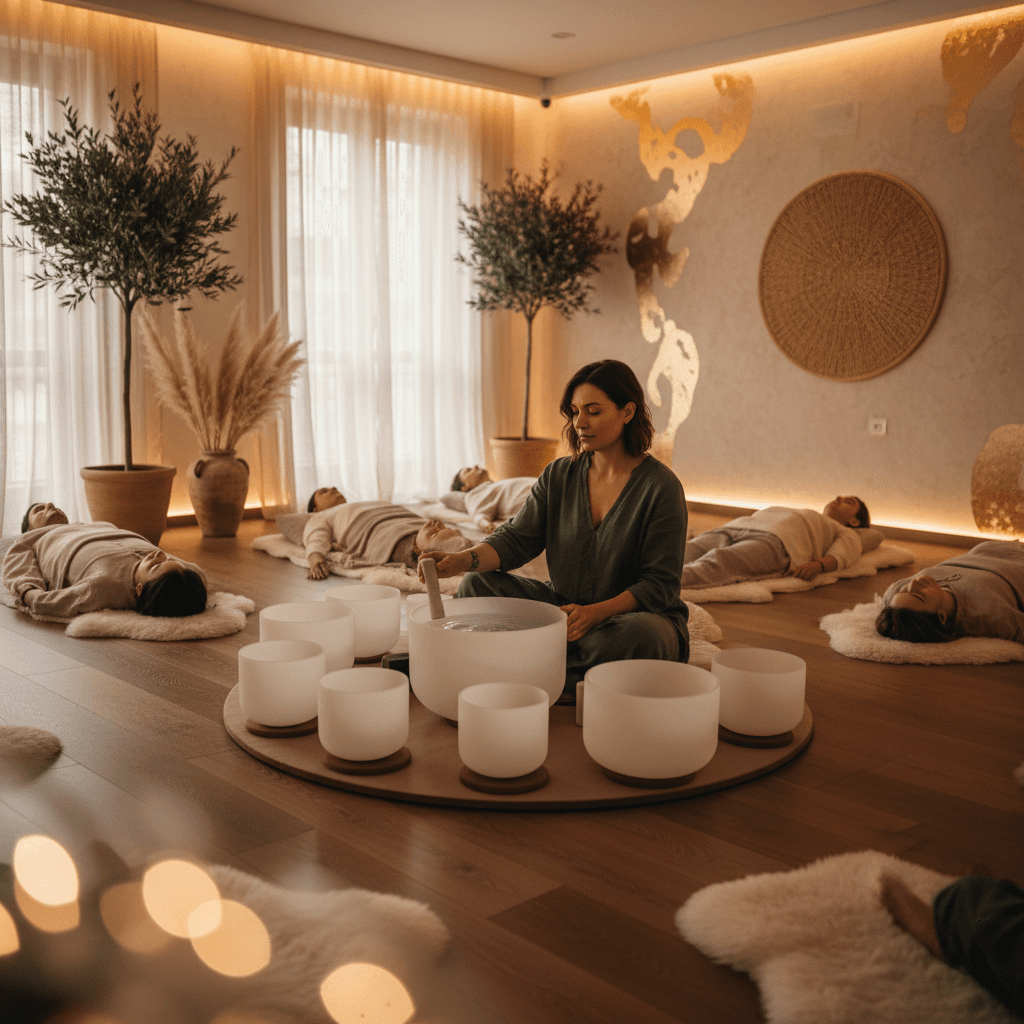
Imagine stepping into a space where the external world fades, and your senses are enveloped by pure, harmonious sound. This isn't just passive listening; it's an active, somatic experience designed to calm the nervous system and quiet the incessant mental chatter. As the mind settles, the internal landscape becomes clearer, making space for authentic emotions to surface.
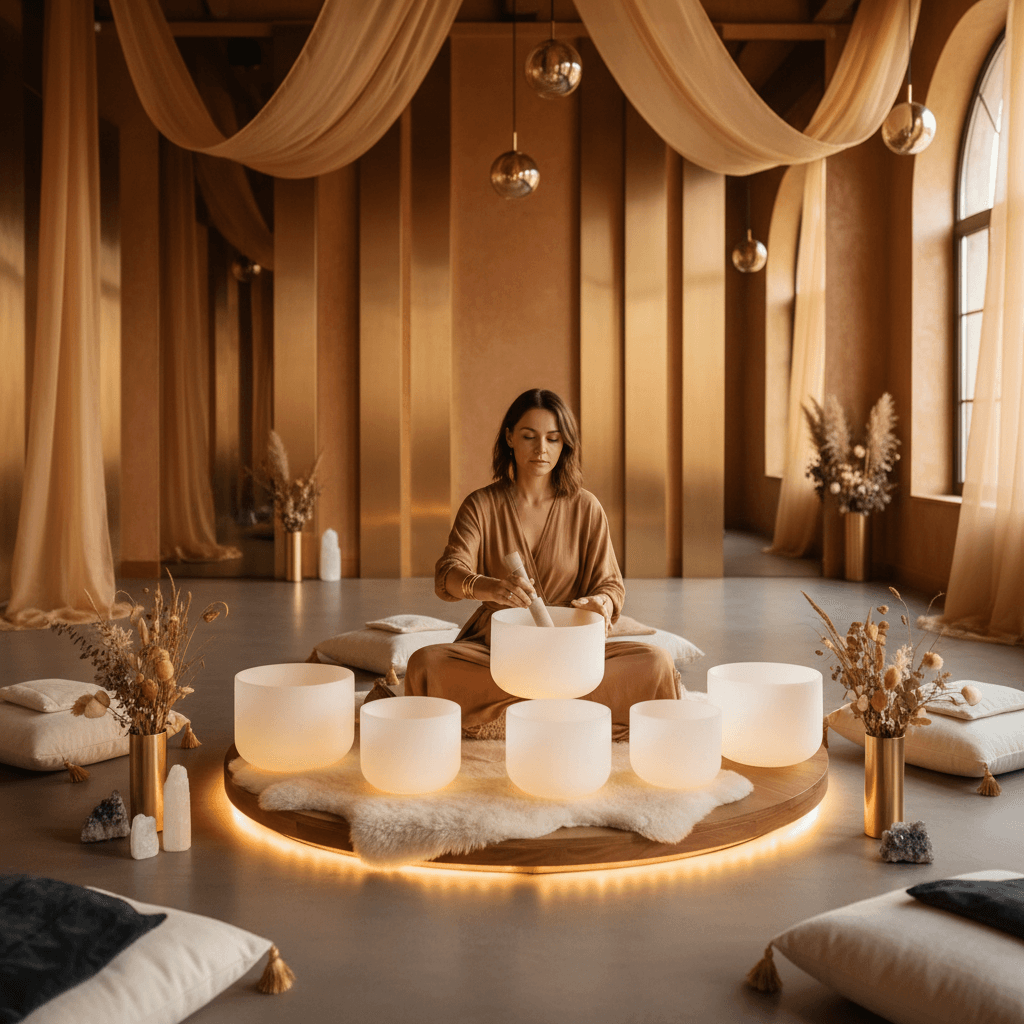
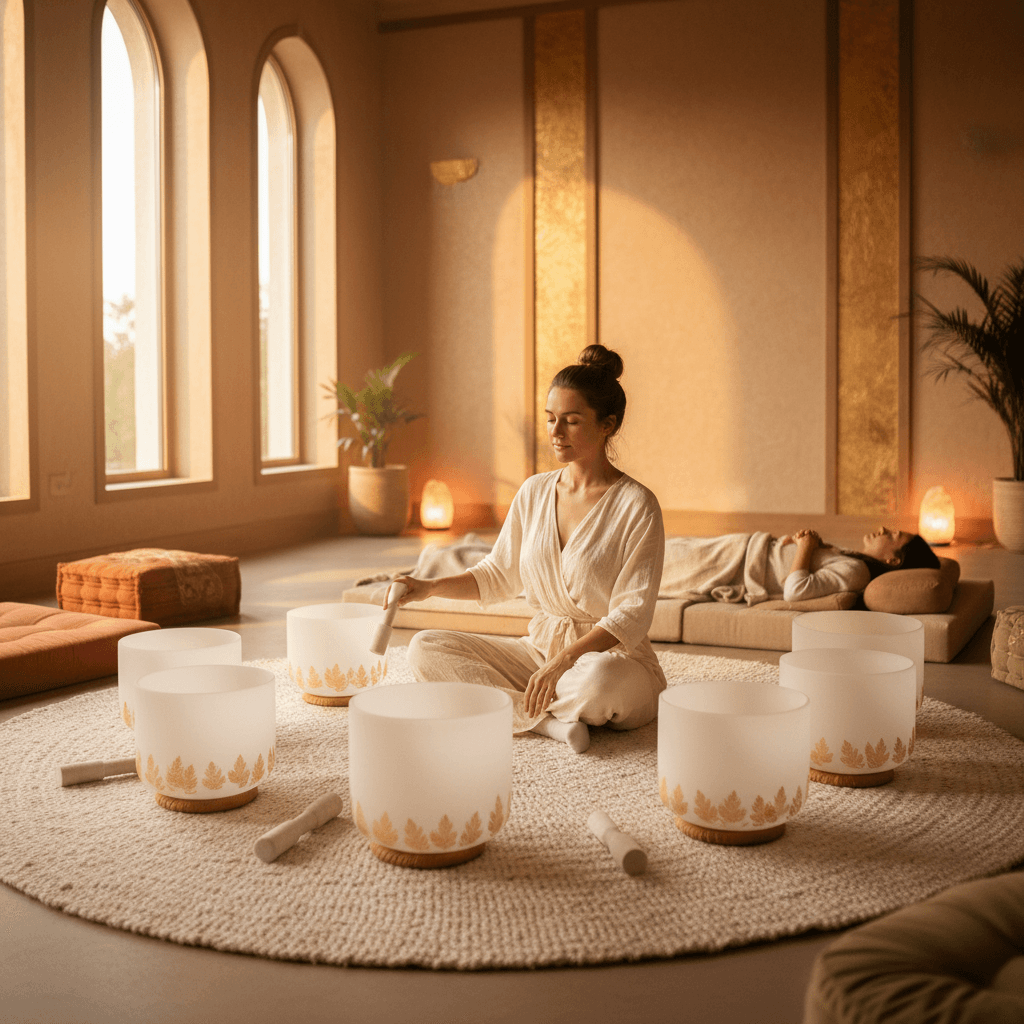
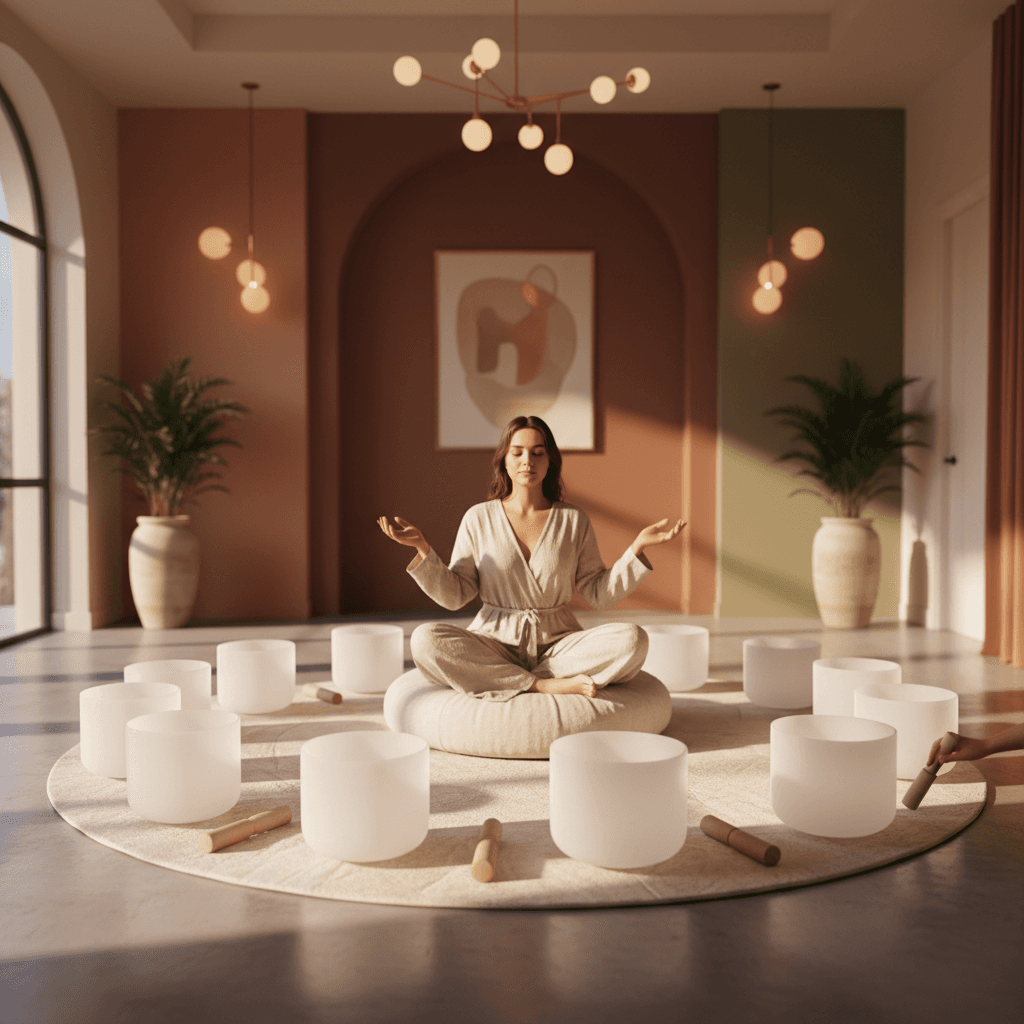
The deep resonance of carefully selected instruments, such as crystal singing bowls, gongs, and chimes, can induce a state of profound relaxation. This state, characterized by increased parasympathetic activity, naturally reduces stress and anxiety, creating fertile ground for positive emotions. When the body and mind are at ease, it becomes much easier to connect with genuine feelings of appreciation, rather than trying to conjure them intellectually.
Many people report that during sound sessions, they experience a release of tension, followed by a sense of peace and openness. In this receptive state, memories of positive experiences may gently surface, or a profound appreciation for the present moment may unfold spontaneously. The vibrations themselves can help to clear energetic blockages, allowing emotions to flow more freely and authentically. It’s a process of gentle unfolding, not forceful creation.
The practice isn't about being told to "be grateful"; it's about being guided into a state where gratitude becomes accessible. The sensory richness of sound helps to anchor you in the present, making it easier to notice and relish good fortune as it comes, rather than taking it for granted. This embodied experience of gratitude moves beyond a simple thought, becoming a felt sensation that resonates through your entire being.
The Soul Art Approach: Larissa Steinbach's Philosophy
At Soul Art, Dubai's premier sound wellness studio, the approach to amplifying positive emotions, especially gratitude, is deeply rooted in authenticity and scientific understanding. Founder Larissa Steinbach recognized the profound link between sound, the nervous system, and our capacity for genuine emotional connection. Her method is meticulously designed to create a sanctuary where individuals can cultivate well-being from the inside out.
Larissa Steinbach's philosophy emphasizes that true emotional amplification comes from accessing and nurturing authentic feelings, rather than performing or exaggerating them. This resonates directly with the research on gratitude amplification, which warns against the costs of inauthenticity. At Soul Art, the focus is on creating a space where participants can shed the pressures of daily life and reconnect with their deepest selves, allowing sincere gratitude to bloom naturally.
The Soul Art method integrates specific instruments and carefully crafted sound journeys to facilitate this process. Participants are immersed in frequencies generated by crystal singing bowls, Himalayan singing bowls, gongs, chimes, and other therapeutic instruments. These instruments are chosen not just for their beautiful tones, but for their specific vibrational qualities that may support relaxation and emotional release. The harmonic frequencies help to guide the brain into slower wave states, such as alpha and theta, which are associated with deep relaxation, meditation, and introspection.
"Authentic gratitude isn't something you force; it's something you cultivate through presence and connection. At Soul Art, we use the vibrational power of sound to help you gently peel back the layers, revealing the profound wellspring of appreciation that already exists within you."
Through personalized sessions and group sound baths, Larissa guides participants to a state of calm and receptivity. In this tranquil environment, the subtle shifts in perception begin. The external world recedes, and internal wisdom comes to the forefront. This gentle guidance helps individuals process emotions, reduce stress, and, in turn, open themselves to a more profound and authentic experience of gratitude. The Soul Art experience is a journey inward, fostering a quiet luxury of inner peace and genuine emotional resonance.
This unique blend of scientific understanding and deeply intuitive practice distinguishes Soul Art. It’s about more than just relaxation; it's about providing a complementary approach to holistic wellness that empowers individuals to naturally amplify their positive emotions by fostering true internal alignment. Larissa Steinbach’s dedication ensures that every session is a carefully curated experience, designed to nurture the soul and enhance overall well-being.
Your Next Steps: Cultivating Gratitude in Daily Life
Integrating gratitude into your daily routine doesn't require grand gestures; it thrives on small, consistent practices. Combined with the power of sound wellness, these steps can help you build a more positive and resilient emotional landscape.
Here are a few actionable ways to begin your journey:
- Start a Gratitude Journal: Each evening, jot down 3-5 things you are genuinely grateful for, no matter how small. Focus on the feeling of gratitude, not just the event. This practice, supported by research, may consistently enhance positive affect.
- Practice Mindful Appreciation: Take a few moments each day to consciously acknowledge something good happening in the present. It could be the warmth of your coffee, a kind word from a colleague, or the beauty of nature. This helps to cultivate a habit of noticing blessings.
- Express Thanks Authentically: When you feel grateful for someone, express it sincerely. Remember the research on gratitude amplification: true feelings are most impactful. A heartfelt "thank you" can strengthen bonds more than an exaggerated one.
- Reflect on Absence: Periodically, try the exercise of imagining what life would be like without certain positive people, experiences, or opportunities. This perspective shift can intensify your appreciation for their presence, making your gratitude deeper.
- Incorporate Sound Wellness: Consider exploring sound baths or personal sound meditations. The immersive nature of sound can help quiet mental chatter, regulate your nervous system, and create an optimal state for genuine emotional processing and the emergence of authentic gratitude. This is a complementary approach that can significantly enhance your self-care practice.
By consciously cultivating gratitude, you are actively building psychological resilience and fostering a more optimistic outlook. These practices are powerful tools for managing stress and enhancing overall life satisfaction.
Bookings Coming Soon
Soul Art is still in preparation. Session details and booking will be published here after launch.
Coming Soon
In Summary: The Harmonious Resonance of Gratitude and Sound
Gratitude is a profoundly impactful emotion, scientifically linked to increased happiness, improved health, stronger relationships, and enhanced resilience. It actively shapes our brain and calms our nervous system, fostering a positive mental landscape. However, the true power of gratitude lies in its authenticity; expressing more than we genuinely feel can lead to unexpected personal and relational costs.
The journey to amplify positive emotions, therefore, is not about performance but about genuine connection. Sound wellness, as practiced at Soul Art by Larissa Steinbach, offers a unique and powerful complementary approach. By gently guiding the body and mind into deep states of relaxation, sound creates the ideal environment for authentic gratitude to emerge and flourish.
Through immersive sound baths and tailored experiences, Soul Art helps you quiet the noise, access your true feelings, and embrace a resonant sense of appreciation. Embrace this holistic wellness practice to unlock deeper levels of joy and peace.
Wellness Disclaimer: This article is for educational and informational purposes only. It does not constitute medical advice, diagnosis, or treatment. Soul Art Dubai provides non-medical wellness experiences focused on relaxation, stress management, and general wellbeing. Sound wellness is a complementary practice and should not replace professional medical care.