Sound Therapy Protocols for Generalized Anxiety Disorder Relief
Key Insights
Explore scientifically-backed sound therapy protocols, including SSP and binaural beats, for managing GAD symptoms and fostering deep relaxation at Soul Art Dubai.
The world often feels like it's spinning too fast, and for many, this translates into the persistent hum of Generalized Anxiety Disorder (GAD). Imagine a life where the constant worry, restlessness, and tension that define GAD could be gently quieted, replaced by a profound sense of calm. What if the solution wasn't just in words or traditional interventions, but in the very frequencies that shape our auditory world?
At Soul Art in Dubai, founded by the visionary Larissa Steinbach, we explore the transformative potential of sound as a complementary approach to wellness. This article delves into the scientifically-grounded sound therapy protocols that may support individuals in navigating the complexities of GAD, offering a pathway to restore balance and inner peace. We'll uncover the neuroscience behind these practices, reveal how they translate into real-world experiences, and detail Soul Art's unique methodology. Prepare to discover how targeted sound interventions can become a powerful ally in your journey toward enhanced well-being.
The Science Explained: How Sound Reshapes Your Nervous System
Generalized Anxiety Disorder (GAD) is characterized by excessive, uncontrollable worry about everyday events, often accompanied by physical symptoms like restlessness, fatigue, muscle tension, and sleep disturbances. These symptoms are deeply intertwined with an overactive nervous system, particularly the sympathetic branch of the Autonomic Nervous System (ANS), which governs our "fight or flight" response. Sound therapy offers a fascinating avenue for intervention by gently guiding the ANS back into a state of parasympathetic dominance, promoting "rest and digest."
The Autonomic Nervous System and Polyvagal Theory
Our physiological state profoundly influences how we feel, think, and behave. The ANS mediates a myriad of functions, from digestion and respiration to endocrine balance and neurochemical release. In individuals with GAD, the ANS often struggles to regulate effectively, leading to a persistent state of heightened arousal.
Groundbreaking research, particularly Polyvagal Theory, highlights the evolution of the brainstem's influence on the neural regulation of striated muscles of the face, head, and middle ear. This intricate connection forms the Social Engagement System, which is crucial for safety, connection, and self-regulation. Dysregulation in this system, often seen in conditions like GAD, can manifest as auditory sensitivity, difficulties with eye contact, and poor state regulation. Sound interventions are believed to work by gently recalibrating these pathways.
The Power of Filtered Music: The Safe and Sound Protocol (SSP)
One of the most promising and scientifically researched sound protocols for anxiety and depression is the Safe and Sound Protocol (SSP). This innovative intervention utilizes specially designed, filtered music to retune the nervous system. The SSP works by exercising the middle ear muscles through specific sound frequencies, thereby enhancing the ability to process human speech frequencies while filtering out distracting low-frequency sounds associated with threat.
Research studies, including unphased trials, have shown that SSP may help reduce anxiety and depression. One report indicated that 81% of SSP users experienced improvement in their symptoms, with 53% moving from having serious concerns to having no clinical concerns. The SSP's unique use of filtered music is theorized to calm the physiological state, making individuals feel safer and more grounded, thereby improving their capacity for social engagement and emotional regulation. Its applications extend beyond initial trials for Autism Spectrum Disorder (ASD), showing potential benefits for various conditions including GAD, Major Depressive Disorder (MDD), Post-Traumatic Stress Disorder (PTSD), and Attention-Deficit/Hyperactivity Disorder (ADHD), all of which share common features of nervous system dysregulation.
Modulating Brainwaves with Binaural Beats and Tempo-Rhythm
Sound therapy operates through multiple sophisticated mechanisms. Beyond filtered music, the characteristics of sound itself—such as emotional tone, tempo-rhythm, and specific frequencies—play a significant role in modulating stress responses. Calming and positive emotional tones, often found in soothing music, are consistently associated with reductions in anxiety and stress markers.
Tempo-rhythm is another key factor. Slower, steady rhythms often promote relaxation by modulating heart rate and respiratory patterns, while faster tempos can increase arousal. This highlights the importance of carefully chosen sonic landscapes.
Furthermore, binaural beats, a fascinating neuroacoustic phenomenon, have garnered considerable attention. When two slightly different pure-tone frequencies are presented one to each ear, the brain perceives a third, illusory "beat" frequency, which corresponds to the difference between the two tones. For instance, a 200 Hz tone in one ear and a 209.3 Hz tone in the other can generate a 9.3 Hz binaural beat, aligning with the alpha brainwave pattern. Alpha waves (typically 8-12 Hz) are associated with a relaxed, yet awake state, often experienced during meditation or light reverie.
Similarly, binaural beats with a frequency between 4 and 7 Hz, falling into the theta frequency range, have consistently demonstrated the ability to evoke a deep relaxation response. Neuroimaging techniques like Electroencephalography (EEG) have observed changes in brain activity in response to sound interventions. Studies show increased posterior theta and decreased midfrontal beta-2 activity, indicative of stress relief, and an increase in alpha wave activity, which is strongly associated with states of relaxation. These neurophysiological findings provide a robust basis for the therapeutic effects of sound. The combined effects of music and auditory beat stimulation on anxiety often appear to be additive, suggesting a powerful synergistic potential.
How It Works in Practice: The Sensory Journey to Calm
Translating the intricate science of sound into a tangible, deeply relaxing experience is where the artistry of sound wellness truly comes to life. For individuals seeking support with Generalized Anxiety Disorder, engaging with structured sound protocols is not merely about listening; it's about a complete sensory journey designed to gently guide the body and mind towards a state of profound calm and equilibrium.
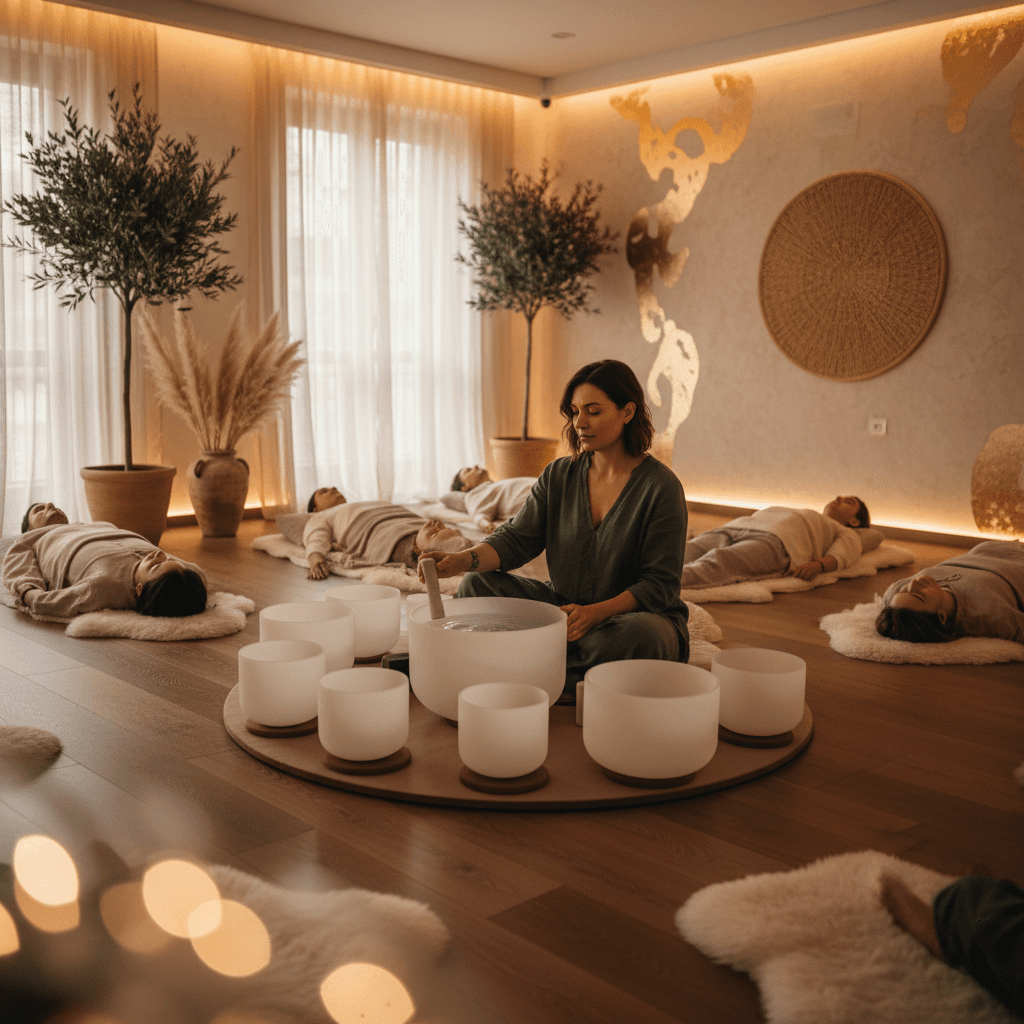
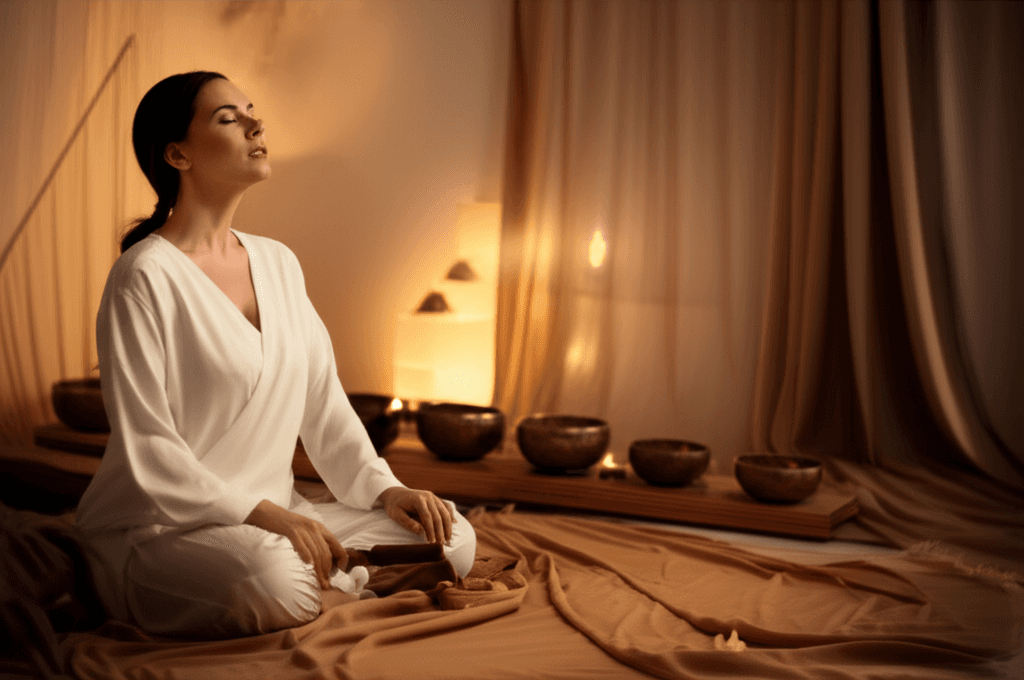
Clients typically experience sessions in a tranquil, supportive environment, where external distractions are minimized. This allows for deep immersion into the sonic landscape. The process often begins with carefully selected, filtered music or specific tonal compositions delivered through high-quality circumaural headphones. This ensures optimal sound delivery and allows the unique frequencies to interact directly with the auditory system without external interference. The intention is to create a safe auditory space where the nervous system can begin to unwind.
The sonic journey may incorporate a variety of elements. For instance, protocols specifically designed to invoke parasympathetic activation might feature slow, rhythmic pulses, or soothing harmonic melodies. These are crafted to subtly lower heart rate, regulate breathing, and reduce muscle tension. Binaural beats, often embedded within ambient music or nature sounds, might be introduced to encourage specific brainwave states like alpha or theta, facilitating deep relaxation and mental clarity. Many people report a sensation of their mind quieting, a gentle release of persistent worry, and a feeling of being more present in their body rather than caught in anxious thoughts.
"The true magic of sound therapy lies in its ability to bypass our conscious anxieties and speak directly to the ancient, intelligent wisdom of our nervous system, inviting it back into harmony."
The experience is profoundly individual, yet common reports include a noticeable decrease in subjective distress, reduced restlessness, and an enhanced sense of well-being. Some describe it as a mental massage, while others feel a palpable shift in their physical state, noting lighter shoulders, a softer jaw, and a more expansive breath. It is a holistic wellness practice that addresses the multi-faceted nature of anxiety, offering a unique avenue for stress management and emotional regulation. Crucially, expert guidance ensures that the music and frequencies are always matched to the aim, as research indicates that inappropriate sonic choices can inadvertently exacerbate symptoms.
The Soul Art Approach: Larissa Steinbach's Unique Method
At Soul Art, Larissa Steinbach and her team are dedicated to crafting personalized and transformative sound wellness experiences. Our approach is deeply rooted in the scientific principles outlined, yet delivered with an intuitive understanding of individual needs and a commitment to creating an atmosphere of quiet luxury and profound healing. We recognize that effective sound wellness for GAD extends beyond simply playing music; it involves a meticulous understanding of frequencies, their physiological impact, and their potential to facilitate inner transformation.
Our unique method at Soul Art integrates various scientifically-backed sound protocols, including elements inspired by the Safe and Sound Protocol (SSP), alongside the strategic application of binaural beats and specific vibrational frequencies. Larissa Steinbach emphasizes the importance of a carefully curated sonic environment, utilizing high-fidelity sound systems and premium circumaural headphones to ensure an immersive and therapeutic experience. Each session is designed to gently guide the nervous system into a state of deep relaxation and self-regulation, providing a profound respite from the relentless cycle of anxiety.
We often incorporate a range of ancient and modern instruments known for their resonant and healing properties. These may include:
- Tibetan Singing Bowls: Their rich, sustained tones and vibrational qualities are renowned for inducing deep meditative states and promoting cellular relaxation.
- Gongs: The powerful, enveloping soundscapes created by gongs can facilitate profound release and a sense of being 'washed clean' of stress.
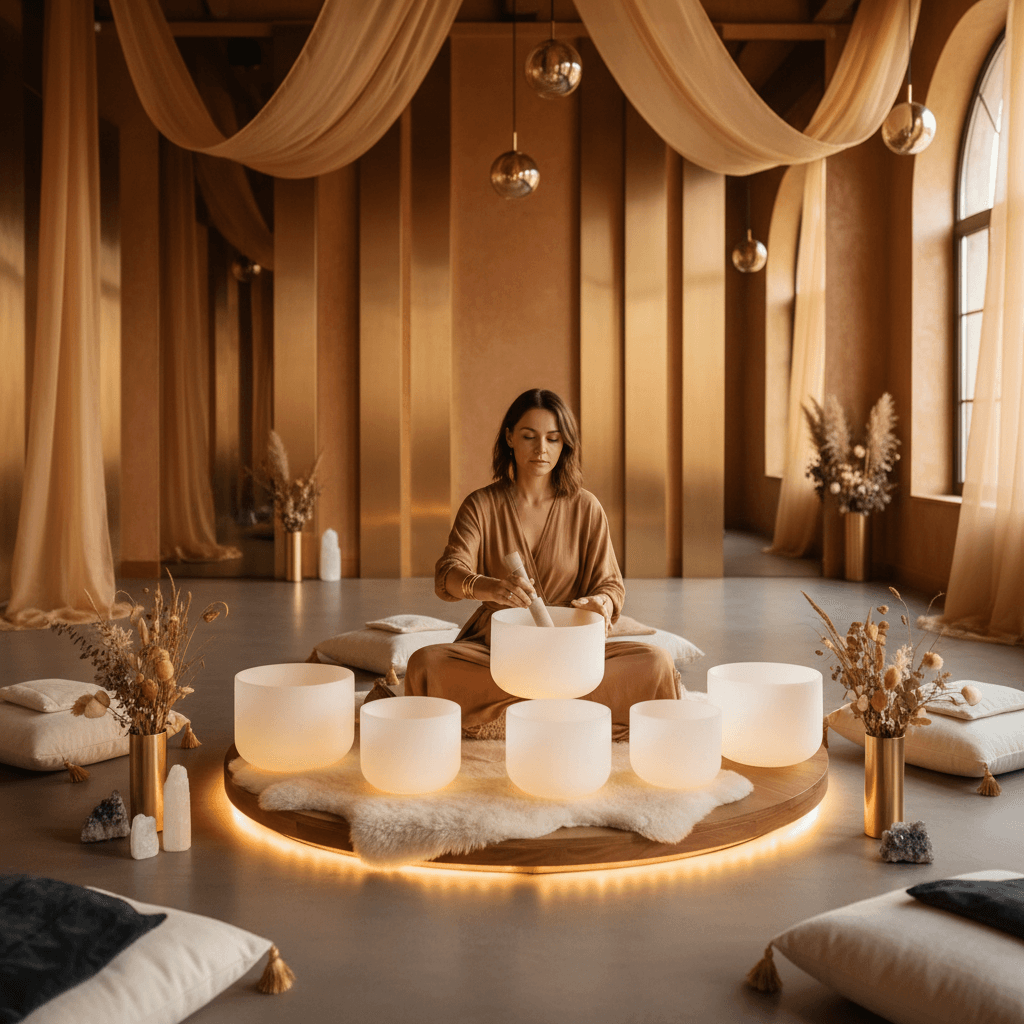
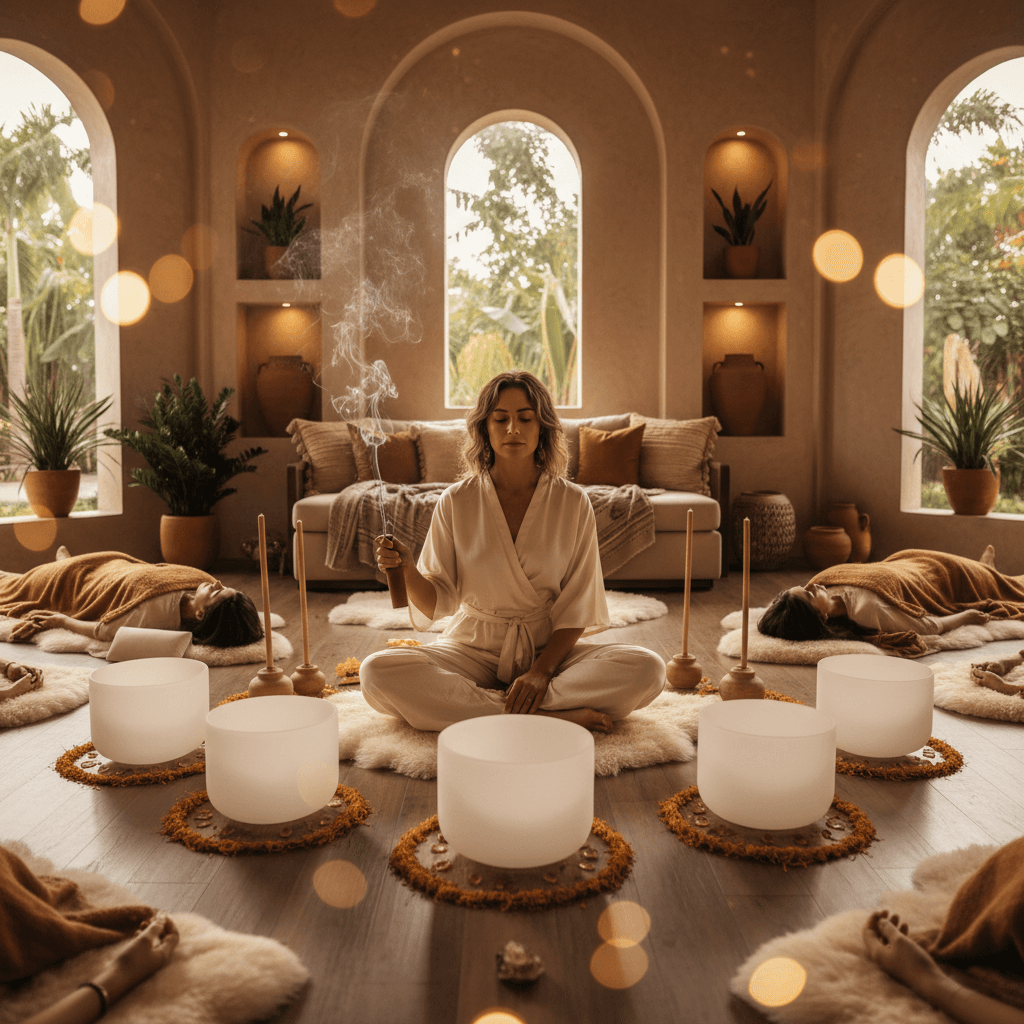
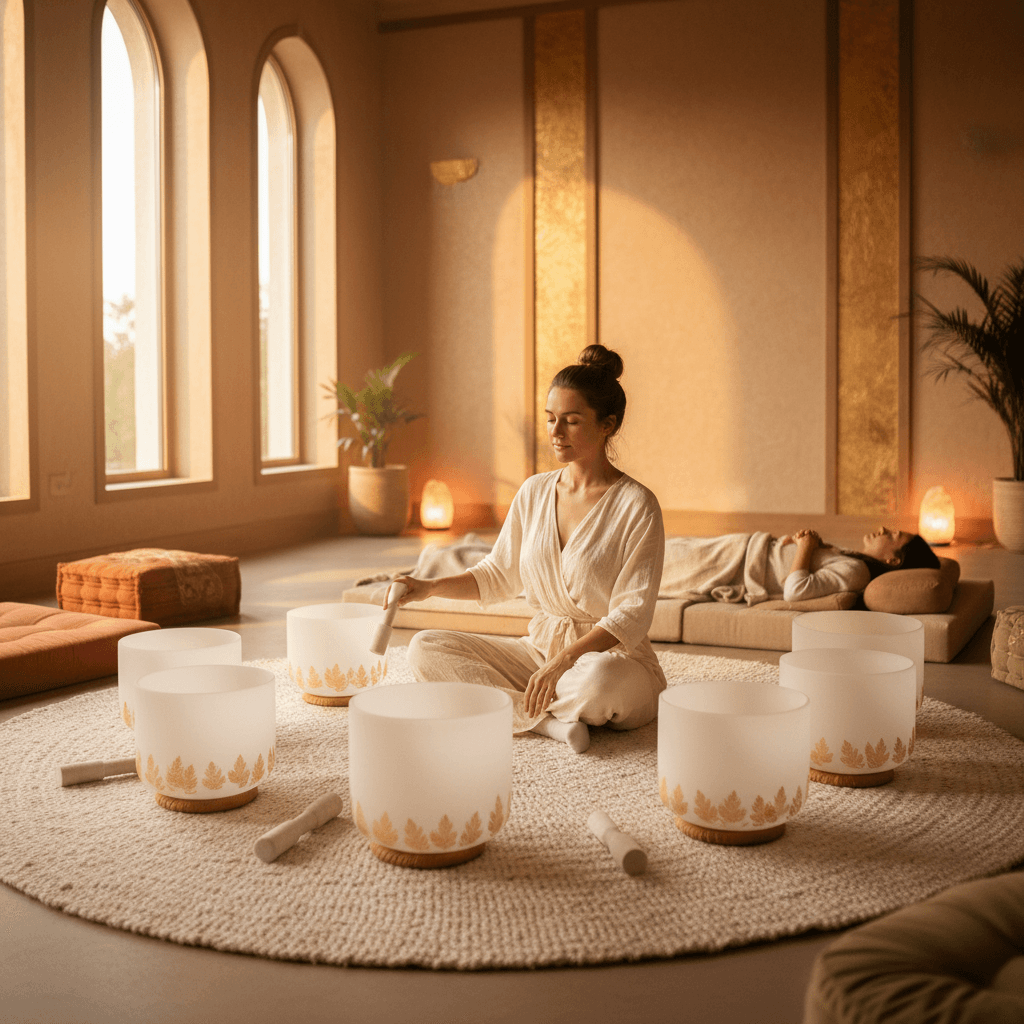
- Crystal Singing Bowls: Their pure, resonant frequencies are often associated with balancing energy centers and promoting emotional clarity.
- Tuning Forks: Precision-calibrated tuning forks can be used on or around the body to target specific areas, promoting localized relaxation and energetic alignment.
What makes the Soul Art method unique is not just the instruments, but the expert curation and facilitation. Larissa Steinbach's extensive knowledge of neuroacoustics, coupled with her empathetic guidance, ensures that each protocol is tailored to support the individual's journey towards greater calm and resilience. Our sessions are not merely passive listening experiences; they are active engagements with sound that invite profound physiological and psychological shifts. This personalized, evidence-informed approach helps clients cultivate a deeper connection to their inner resources for peace and well-being, moving from a state of anxious over-arousal to one of grounded serenity.
Your Next Steps: Embracing Sound for Everyday Calm
Integrating sound wellness into your life can be a powerful step toward managing the symptoms of Generalized Anxiety Disorder and cultivating a more peaceful existence. While professional guidance is invaluable, there are simple, actionable steps you can begin today to harness the power of sound. Remember, these are complementary approaches designed to support your overall well-being and should not replace professional medical advice or treatment.
Here are 3-5 practical steps you can implement:
- Create a Sacred Sound Space: Designate a quiet corner in your home where you can regularly engage with sound. Ensure it's free from distractions, comfortable, and conducive to relaxation. Even 15-20 minutes in this space can make a difference.
- Explore Curated Soundscapes: Experiment with high-quality binaural beat tracks, particularly those targeting alpha or theta brainwave frequencies, often available on streaming platforms or specialized apps. Look for guided meditations that incorporate calming music or nature sounds. Use good quality headphones for the best experience.
- Incorporate Natural Sounds: Spend time in nature, actively listening to the sounds of waves, rustling leaves, or birdsong. These natural frequencies can have an inherently calming effect on the nervous system. Even recordings of natural soundscapes can be beneficial.
- Practice Intentional Listening: Don't just hear, truly listen. When engaging with calming music or ambient sounds, focus your attention entirely on the auditory experience. Notice the textures, rhythms, and emotional tones, allowing your mind to anchor in the present moment rather than drifting to anxious thoughts.
- Consider Professional Guidance: For a more structured and targeted approach, especially when addressing conditions like GAD, exploring sessions with qualified sound wellness practitioners like those at Soul Art can be profoundly beneficial. They can guide you through specific protocols tailored to your unique needs.
Taking these deliberate steps can help you build resilience against anxiety, foster deeper relaxation, and rediscover a sense of inner calm. The journey to well-being is personal, and sound offers a gentle yet powerful ally.
Bookings Coming Soon
Soul Art is still in preparation. Session details and booking will be published here after launch.
Coming Soon
In Summary: A New Harmony for the Mind
Generalized Anxiety Disorder can cast a long shadow, but the burgeoning field of sound wellness offers scientifically-backed complementary approaches to alleviate its grip. From the neurophysiological recalibration of the Safe and Sound Protocol (SSP) to the brainwave-modulating effects of binaural beats, sound provides a unique pathway to soothe an overactive nervous system. These wellness practices leverage carefully crafted frequencies and rhythms to foster relaxation, reduce subjective distress, and promote a sense of safety.
At Soul Art, Larissa Steinbach champions an evidence-informed, yet deeply intuitive approach, integrating ancient instruments with modern protocols to create profoundly transformative experiences. By embracing the power of sound, individuals may support their journey towards greater calm, emotional regulation, and an enhanced quality of life. We invite you to explore this innovative path to well-being and discover the harmonious frequencies that await you.
Wellness Disclaimer: This article is for educational and informational purposes only. It does not constitute medical advice, diagnosis, or treatment. Soul Art Dubai provides non-medical wellness experiences focused on relaxation, stress management, and general wellbeing. Sound wellness is a complementary practice and should not replace professional medical care.