Sound Anchors: Grounding Flashbacks with Sonic Safety

Key Insights
Explore how sound wellness and grounding techniques at Soul Art, led by Larissa Steinbach, can help manage flashbacks and cultivate inner safety.
Have you ever felt suddenly transported, as if a memory wasn't just a recollection, but a vivid, intrusive reliving of a past event? This profound experience, known as a flashback, can be disorienting and deeply unsettling, pulling us away from the safety of the present moment. For many, especially those who have experienced trauma, these instances are not mere memories but powerful, involuntary re-experiences that can manifest with intense emotional and physiological sensations.
At Soul Art, Dubai's premier sound wellness studio, we understand the intricate connection between our minds, bodies, and the world of sound. We explore how scientifically-grounded grounding techniques, expertly woven with the therapeutic potential of sound, can serve as powerful anchors. This article will delve into the neuroscience behind flashbacks, explain how grounding helps us return to the 'here and now,' and reveal how sound can become a gentle yet potent ally in cultivating a profound sense of safety and calm, particularly through the unique methods pioneered by Larissa Steinbach.
Understanding the Brain's Alarm System and the Power of Grounding
Our brains are remarkable organs, designed to protect us. However, when confronted with overwhelming experiences, these protective mechanisms can sometimes become overactive, leading to reactions like flashbacks. These vivid, intrusive memories cause individuals to relive a traumatic event as if it is happening in the present, often accompanied by intense fear or panic.
What Are Flashbacks and Why Do They Occur?
Flashbacks are a common symptom of Post-Traumatic Stress Disorder (PTSD) and other trauma-related conditions. They occur when our brain's rapid, primal alarm system, primarily involving the amygdala, is triggered by an external or internal cue. This system can activate the Hypothalamic-Pituitary-Adrenal (HPA) axis, initiating a "fight, flight, or freeze" response, even when there is no current threat. During such moments, higher brain functions, including executive functioning responsible for impulse control and rational thought, become less active. This means the automatic protective functions of the body take over, leading to a feeling of being out of control and trapped in a past experience.
The brain's ability to differentiate between past and present can become dysregulated after trauma. This dysregulation can result in a continual loop of hyperactivity, intrusions, and prolonged constriction or dissociation. Processing trauma too soon, before basic safety and self-regulatory capacities are established, can further dysregulate the autonomic nervous system and exacerbate trauma symptomology, highlighting the crucial need for grounding.
The Neurological Basis of Grounding
Grounding is a practice designed to help individuals pull away from flashbacks, unwanted memories, and challenging emotions by reconnecting with the body and the present moment. It acts as a bridge, helping the mind and body re-regulate by engaging the parasympathetic nervous system, which is responsible for rest and digest, counteracting the sympathetic nervous system's fight-or-flight response. When you are grounded, you are essentially stepping out of that "mental movie" of the past and into the reality of the present environment.
Neuroimaging studies show that when a survivor is triggered, higher brain functions have less control, and the automatic protective functions mobilize. Grounding techniques aim to re-engage these higher brain functions and sensory awareness, shifting focus from internal distress to external reality. This intentional shift helps restore a sense of control and safety, reducing the risk of dissociation. By focusing on the "here and now," grounding strategies foster emotional and physiological stabilization, enabling attention reorientation to the present environment.
Sound's Role in Nervous System Regulation
Beyond traditional grounding techniques, sound offers a profound and accessible pathway to nervous system regulation. Scientific research is increasingly revealing the remarkable influence of sound on deregulating the central nervous system (CNS). Calming music and specific sonic frequencies have been found to reduce stress and induce relaxation by modulating the autonomic nervous system.
For instance, studies show that binaural beats, which involve playing two slightly different frequencies into each ear, can directly affect brainwave activity and promote relaxation. This non-invasive, sound-based intervention can effectively help deregulate the CNS and alleviate anxiety. Furthermore, concepts from Polyvagal Theory highlight that humans have a unique ability to neurocept, or subconsciously interpret, cues of safety through the social engagement system. Auditory processing, particularly the nuances of the human voice and specific frequencies, plays a critical role in this neuroception. By slowly exercising the neural pathways associated with the social engagement system using certain auditory protocols, it is possible to help the nervous system attune to appropriate cues of safety, potentially rewiring a bias toward survival responses. This suggests that sound, when used intentionally within a safe therapeutic environment, can create new, positive associations and promote reparative attachment opportunities, even with sounds often associated with danger.
Anchoring in the Present: Practical Grounding Techniques
Connecting theory to practice reveals the immediate benefits of grounding. When faced with an overwhelming moment, specific actions can help restore a sense of calm and reorient you to the present. These techniques are not only effective during flashbacks but also valuable tools for managing general anxiety and stress.
Physical Grounding: Reconnecting with the Body
Engaging your body in physical movements can help anchor you in the present and create a sense of stability during moments of distress. This technique focuses on tactile sensations and movement to pull your awareness back to your physical self.
- Feel Your Feet: Place your feet firmly on the ground, noticing the texture beneath you, the stability of the floor, and the sensation of gravity. This simple act can be profoundly grounding.
- Gentle Movement: Try shifting your weight from one foot to the other, or perform a gentle rocking motion. This rhythmic movement can be soothing and helps maintain a connection to your physical presence.
- Self-Touch: If comfortable, use your hands to gently touch your arms or legs, focusing intently on the sensations of your skin, the warmth, the pressure, and the muscles beneath. You might also try tapping or pressing between your nose and top lip, a subtle but effective technique many find helpful.
- Mindful Walking: Walking barefoot on grass and noticing the sensations beneath your feet can be incredibly centering, connecting you directly to the earth.
Cognitive Grounding: Engaging the Mind
Cognitive grounding techniques redirect your mental focus away from distressing thoughts and towards present-moment observations and tasks. This helps activate the logical part of your brain, which may be less active during a flashback.
- Name Your Surroundings: Look around and name specific objects you see (e.g., "I see a blue cushion, a wooden table, a green plant"). You can challenge yourself further by finding an object for every letter of the alphabet.
- Counting and Spelling: Engage in simple mental exercises like counting backward in sevens or spelling words out loud. These activities require focus and pull your mind into the present.
- Focus on Recent/Future: Think about your "to-do" list for the day or recall recent, non-distressing events. This helps to re-establish a timeline and a sense of progression.
- Positive Affirmations and Self-Talk: Create a list of affirmations that resonate with you, such as "I am safe in this moment," "This feeling will pass," or "I am in control of my body and mind." Repeating these can help shift your mindset from fear to empowerment. Engage in self-talk, reminding yourself of current safety, noting the date, and reiterating that you are okay.
Sensory Grounding: Engaging the Senses
Activating your senses can be a powerful way to anchor yourself in the present reality. Engaging specific senses can override overwhelming internal experiences and bring you back to your environment.
- Aromatherapy and Familiar Scents: Carry a strong, pleasant scent, like a small orange to dig your nails into, or a trusted essential oil. The sharp smell and tactile nature can create a powerful anchor. Some people find comfort in the familiar scent of a pet or a trusted loved one.
- Auditory Focus: Put on headphones and listen to music with a very grounding rhythm, such as shamanic drumming, or even a voice recording of someone who makes you feel safe. The deliberate focus on external sound can help reorient your attention.
- Tactile Sensations: Hold a crystal or a textured object, focusing on its weight, temperature, and surface. Even basic house chores, like cleaning something until it shines, can provide a tangible, present-moment focus.
- Focused Breathing: Practice deep breathing techniques, inhaling through the nose and exhaling slowly through the mouth. Place your hands on your abdomen and feel it rise and fall, connecting your breath to your body.
"The consultation room is where safety is gained incrementally and the therapist’s task is to attend to safety first and throughout treatment. Trauma processing can only occur once basic safety and self-regulatory capacities have been attained." This principle, articulated in trauma theory, perfectly aligns with the purpose of grounding: to establish a baseline of safety before any deeper work can begin.
Soul Art's Signature: Sound as a Gentle Anchor
At Soul Art, Larissa Steinbach has meticulously crafted an approach that integrates these scientific principles of grounding with the profound therapeutic potential of sound. Our methodology focuses on creating an environment where safety is paramount, allowing the nervous system to gradually recalibrate and find equilibrium. This 'quiet luxury' approach offers a sophisticated yet deeply empathetic space for personal well-being.
Larissa Steinbach's unique method at Soul Art recognizes that the human nervous system is exquisitely sensitive to auditory input. We leverage this sensitivity to foster deep relaxation and a sense of security. Rather than directly "treating" medical conditions, our sound wellness practices are designed to support the body's natural capacity for self-regulation, promoting a state conducive to inner peace and stress reduction. We understand that for individuals managing flashbacks, the initial priority is to feel safe and present.
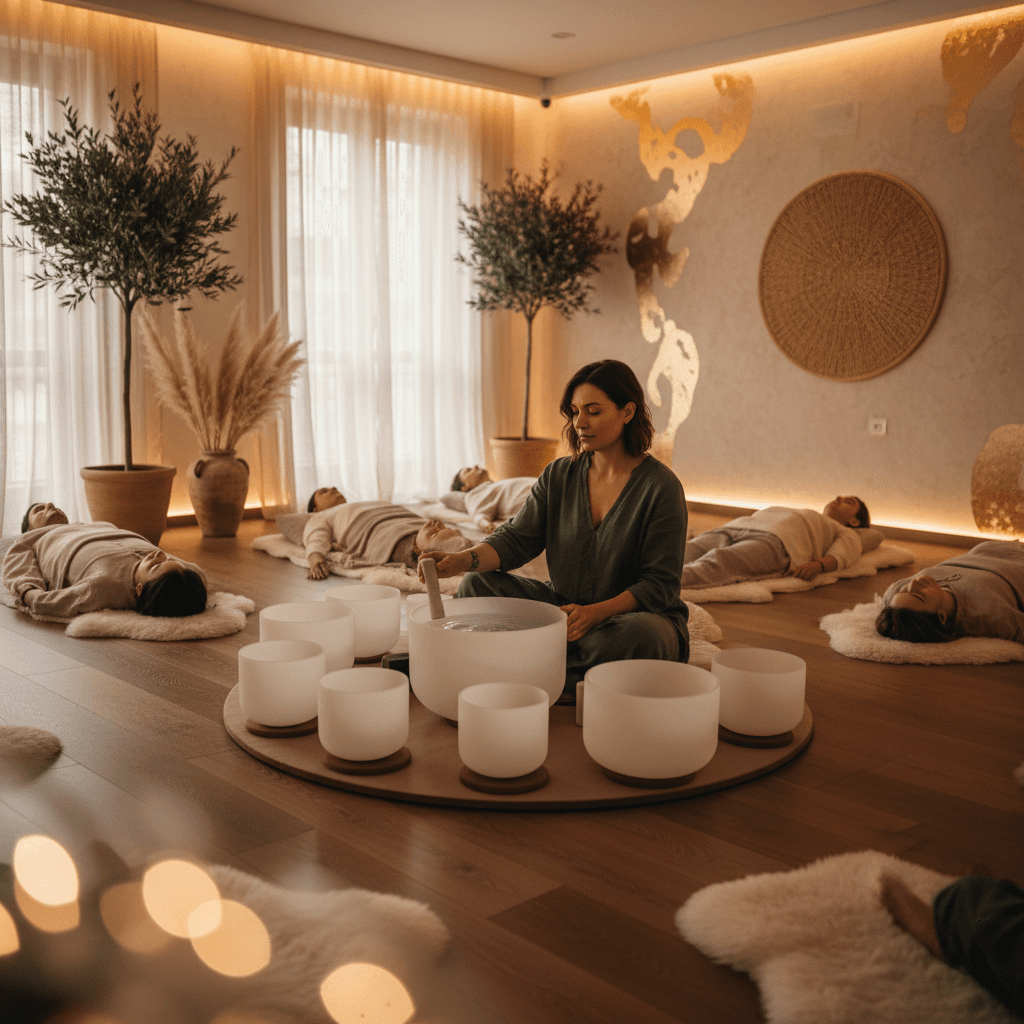
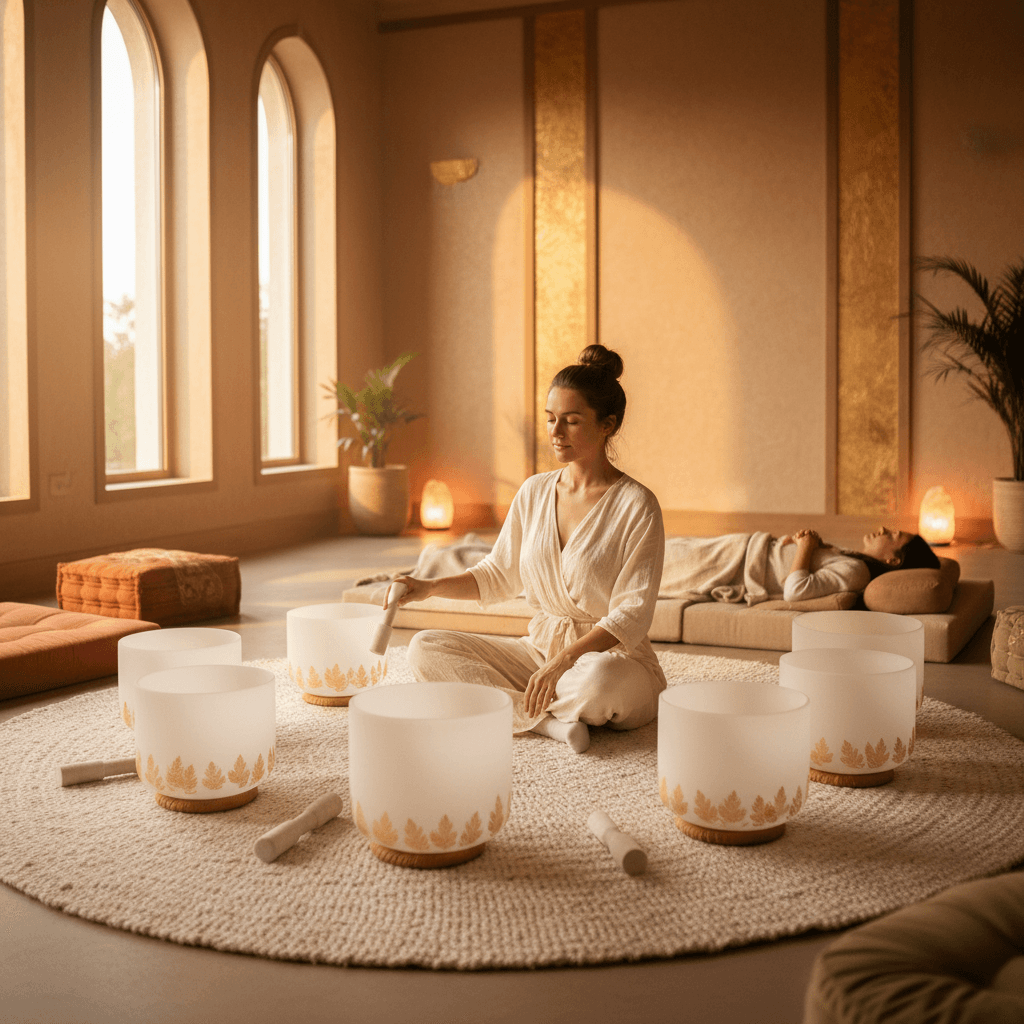
Our studio utilizes a curated selection of instruments – including majestic gongs, resonant Himalayan singing bowls, delicate chimes, and rhythmic drums – chosen for their specific frequencies and vibrational qualities. These instruments are not merely played; they are orchestrated to create a sound tapestry that gently guides the brain from states of hyperarousal (fight/flight) or hypoarousal (freeze/dissociation) towards a more balanced, parasympathetic state. The sound frequencies act as sonic anchors, providing a focal point for the mind and body to return to the present.
What makes the Soul Art method truly unique is its thoughtful integration of passive and active grounding within a sonic landscape. During a session, clients may be guided to focus on the physical sensations of sound vibrations within their bodies – a form of physical grounding. Simultaneously, the harmonious frequencies help to quiet the mental chatter, offering a gentle form of cognitive grounding by redirecting attention to the present moment's auditory experience. Larissa Steinbach’s expertise lies in facilitating an experience where sound becomes a profound and reassuring presence, fostering a powerful sense of safety without requiring intense cognitive effort from the client. Our approach offers a complementary pathway for holistic wellness, supporting individuals in cultivating resilience and emotional stability.
Cultivating Your Inner Sanctuary: Practical Steps
Integrating grounding and the power of sound into your daily life can significantly enhance your sense of well-being and ability to navigate challenging moments. These practices are about building resilience and creating an inner sanctuary you can access anytime.
Here are some practical steps you can implement today to cultivate grounding and leverage the benefits of sound:
- Mindful Check-ins: Throughout your day, pause and intentionally feel your feet on the ground. Take three deep breaths, noticing the sensation of air entering and leaving your body. This simple act can re-anchor you.
- Curated Soundscapes: Create a personal playlist of calming music, nature sounds, or specific frequencies (like binaural beats) that resonate with you. Use headphones during moments of stress or to prepare for relaxation.
- Sensory "Go-To" Kit: Keep a small, easily accessible item with a distinct scent (e.g., a small vial of essential oil, a fresh orange peel) or a unique texture (e.g., a smooth stone, a piece of velvet) that you can touch and focus on to quickly bring yourself back to the present.
- Daily Affirmation Practice: Choose one or two positive affirmations and repeat them to yourself throughout the day, especially during moments of anxiety. "I am safe, I am here, this moment is temporary."
- Explore Sound Wellness: Consider exploring guided sound meditation or sound bath sessions. These structured experiences can provide a powerful introduction to how sound can deeply support your nervous system and enhance grounding.
Embracing these practices means actively choosing to nurture your nervous system and create moments of calm amidst life's demands. Many people report an enhanced sense of peace and improved ability to manage stress when incorporating these elements into their routine.
Embracing Safety Through Sound and Self-Awareness
Flashbacks, though challenging, are signals from a nervous system seeking safety. Grounding techniques provide vital tools to anchor us firmly in the present, re-establishing a sense of control and calm. From physical sensations and cognitive redirection to the profound influence of sound, these complementary practices offer powerful support for emotional regulation.
At Soul Art, Larissa Steinbach and our dedicated team offer a unique space where the ancient wisdom of sound meets modern understanding of neuroscience. We invite you to experience how curated soundscapes can become a gentle yet potent anchor, guiding you back to a state of equilibrium and profound safety. Discover the transformative power of sonic wellness and begin your journey towards a more grounded and peaceful self.
Bookings Coming Soon
Soul Art is still in preparation. Session details and booking will be published here after launch.
Coming Soon
Wellness Disclaimer: This article is for educational and informational purposes only. It does not constitute medical advice, diagnosis, or treatment. Soul Art Dubai provides non-medical wellness experiences focused on relaxation, stress management, and general wellbeing. Sound wellness is a complementary practice and should not replace professional medical care.