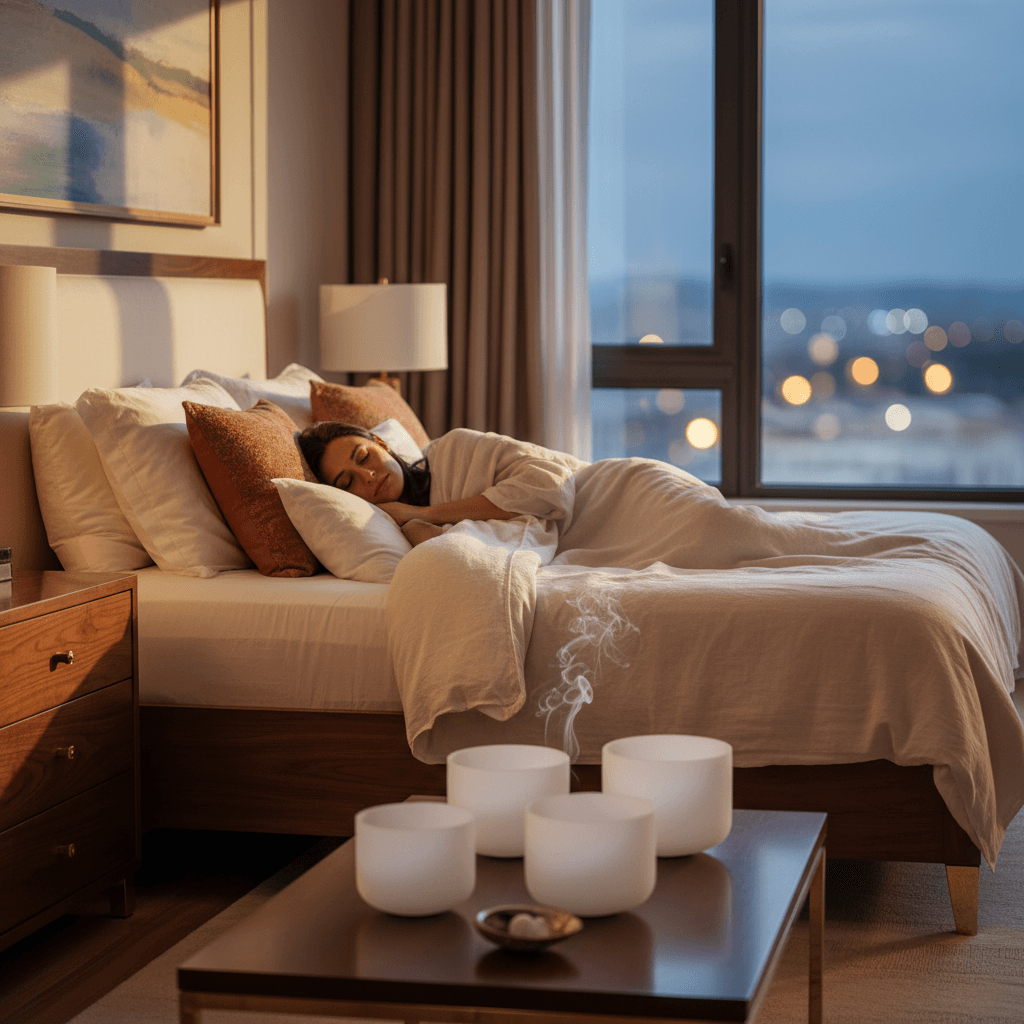
Executive Sleep: Soul Art's Guide to Optimizing Rest for High Performers
Key Insights
Unlock peak performance with optimized executive sleep. Discover the science of rest, cognitive benefits, and how Soul Art Dubai enhances high-performer wellbeing.
Compelling Introduction
Imagine a world where your sharpest decisions, most creative insights, and unwavering emotional resilience are not born from relentless grind, but from profound, restorative sleep. For many high-performing executives in Dubai and beyond, the pursuit of success often inadvertently sacrifices this crucial pillar of well-being, leading to the executive sleep paradox: the more demanding the role, the less attention is paid to the very biological process that fuels performance. Sleep, far from being a passive downtime, is a critical biological imperative that meticulously restores brain function, finely regulates hormones, meticulously enhances memory, and dynamically sharpens decision-making.
When sleep quality is compromised, even the most disciplined executive functions operate at a fraction of their actual capacity, subtly eroding productivity and inner calm. This comprehensive article delves into the intricate science behind how sleep profoundly affects high performance, explores the sophisticated architecture of a truly restorative night's rest, and reveals how Soul Art, Dubai's premier sound wellness studio founded by Larissa Steinbach, helps busy professionals achieve deep, regenerative sleep without compromising their dynamic lifestyle. By understanding the true value of optimized rest, executives can unlock levels of mental clarity, creative problem-solving, and emotional resilience that may have previously felt unattainable.
The Science Explained
Sleep is an exquisitely orchestrated biological process, far more complex than simple unconsciousness, acting as the foundation for all cognitive and physiological functions. It is during these hours that the body and brain undertake vital repair, consolidation, and regulation, directly impacting an executive's ability to perform under pressure. Understanding the sleep architecture—the cyclical pattern of distinct sleep stages—is paramount to appreciating its profound impact on performance.
Understanding Sleep Architecture: The Stages of Rest
A typical sleep cycle, lasting approximately 90 minutes, repeats several times throughout the night, evolving through four distinct stages that comprise two main types: Non-Rapid Eye Movement (NREM) sleep and Rapid Eye Movement (REM) sleep. NREM sleep is further divided into three stages:
- Stage 1 (NREM-1): The lightest stage of sleep, serving as a transition from wakefulness. Brain activity slows, and muscle activity decreases, often accompanied by brief, dream-like experiences.
- Stage 2 (NREM-2): A deeper stage where heart rate and body temperature drop. This stage is crucial for memory consolidation and learning, as the brain processes and stores information from the day.
- Stage 3 (NREM-3): Often referred to as deep sleep or slow-wave sleep, this is the most restorative stage. It is vital for physical recovery, growth hormone release, and strengthening the immune system. Brain waves are at their slowest, indicating profound relaxation.
Following these NREM stages, the body enters REM sleep, characterized by rapid eye movements, temporary muscle paralysis, and vivid dreaming. REM sleep is indispensable for emotional regulation, creative problem-solving, and procedural memory consolidation. The brain actively processes emotions and makes connections, essential for an executive's adaptive thinking and interpersonal effectiveness.
The Cost of Poor Sleep: The Executive Paradox Unveiled
The "executive sleep paradox" highlights how the demands of high-level positions often lead to chronic sleep deprivation, ironically hindering the very capabilities required for success. Poor sleep quality or insufficient duration can have immediate and long-term detrimental effects on high performers:
- Cognitive Decline: Reduced alertness, impaired attention, and slower reaction times. Decision-making becomes biased, and the ability to innovate significantly diminishes.
- Emotional Dysregulation: Increased irritability, heightened stress responses, and a reduced capacity for emotional resilience, impacting leadership and team dynamics.
- Physical Health Risks: Chronic sleep deprivation is associated with increased risk of cardiovascular disease, metabolic disorders, and a weakened immune system.
- Reduced Productivity & Creativity: Studies suggest that recovery capacity after challenging workdays is nearly halved with inadequate sleep, while creative problem-solving can plummet by more than fifty percent.
The Return on Investment (ROI) of Optimized Sleep
For high-performing professionals, the return on investment from sleep optimization is not merely theoretical; it is measurably immediate. Research has consistently demonstrated significant improvements across critical performance indicators:
- Clients often report a 28% improvement in cognitive processing speed, allowing for quicker analysis and response.
- A 31% reduction in decision-making biases enhances strategic accuracy and risk assessment.
- Emotional resilience can see a 47% increase, crucial for navigating high-pressure environments and maintaining composure.
- Creative problem-solving may improve by more than 50%, fostering innovation and strategic foresight.
- Recovery capacity can nearly double after challenging workdays, enabling sustained performance without burnout.
These are not isolated stories; they reflect the profound power of aligning optimal sleep architecture with biology and lifestyle. While many people rely on wearable devices or phone apps to track sleep, those tools often only skim the surface. A truly holistic understanding of one's sleep profile involves considering aspects such as circadian rhythm timing, heart rate variability, glucose fluctuations, and environmental factors, all of which influence rest quality and can be supported by complementary wellness practices.
The Nuance of Sleep Duration: Beyond the "8-Hour Rule"
The rigid prescription of "8 hours of sleep" is often an oversimplification. Harvard evolutionary biologist Daniel E. Lieberman calls this an Industrial Era "nonsense," noting that historical human sleep patterns often ranged between six to seven hours without routine napping. Research indicates that for many healthy adults, the "sweet spot" for optimal health and lowest mortality risk often hovers around seven hours of quality sleep, with health risks rising on either side of this range.
The focus for executives should shift from a rigid hourly quota to prioritizing sleep quality and measurable daytime function. This flexibility, informed by personal chronotype—whether you are a "morning lark" or a "night owl"—allows for tailoring sleep habits to best support cognitive function and daily energy levels without the undue stress of an arbitrary target. The goal is profound restoration, not just clocking hours.
Strategic Napping: A Mid-Day Performance Booster
Napping, when strategically integrated into a high performer’s schedule, can be an exceptional tool for maintaining optimal cognitive function and energy levels. Scientific studies underscore the benefits of various nap durations:
- The Power Nap (20-30 minutes): A study by the National Sleep Foundation suggests this duration can improve alertness and performance without causing grogginess. It allows individuals to experience Stage 2 sleep, enhancing motor skills and attention.
- Memory & Recall Nap (60 minutes): This longer nap duration allows for slow-wave sleep, which is particularly beneficial for memory consolidation and recall.
- Creativity & Emotional Processing Nap (90 minutes): A full sleep cycle nap, typically 90 minutes, can induce REM sleep. Research in Nature Neuroscience indicates that naps of this duration enhance creativity, emotional regulation, and problem-solving abilities.
The timing of a nap is also critical, influenced by an individual's chronotype. Morning types may benefit from an early afternoon nap (e.g., 1-2 PM), while "night owls" may find their natural energy slump occurs later, around 2 PM to 4 PM, making a later nap window more recuperative. By paying attention to personal preferences and aligning nap habits with one's internal clock, executives can powerfully support their cognitive function and daily energy.
How It Works in Practice
Connecting the scientific understanding of sleep to practical application for a busy executive involves a holistic approach that acknowledges the interconnectedness of mind, body, and environment. It's about cultivating a sleep ecosystem that consistently supports deep, restorative rest. This often begins with discerning the subtle signals your body provides, then deliberately crafting a routine that aligns with your unique biological rhythms.
Consider the precision testing mentioned in research, which identifies individual circadian rhythms, heart rate variability (HRV), and glucose fluctuations. While these are diagnostic tools, the insights they provide are universally valuable. For example, understanding your true biological night—when your melatonin production naturally peaks and body temperature patterns indicate readiness for sleep—allows you to tailor your evening routine. Similarly, recognizing how well your nervous system balances stress and recovery, indicated by HRV, can guide choices toward practices that promote parasympathetic dominance, the "rest and digest" state.
Many clients report a transformative shift from merely "getting by" on insufficient sleep to actively pursuing optimal rest as a performance strategy. This involves more than just setting an alarm; it's about creating a profound sense of calm that invites deep sleep. The experience begins with intentionally winding down, signaling to the brain that the day's demands are receding. This often involves reducing exposure to blue light, engaging in gentle stretching, or practicing mindfulness.
"True executive sleep isn't about rigid adherence to a number, but about intelligent alignment with your body's wisdom to unlock unparalleled mental clarity and resilience."
When the body and mind are primed for rest, the experience of falling asleep shifts from a struggle to a gentle descent. Clients describe feeling a deeper sense of relaxation spreading through their muscles, a quietening of the persistent internal dialogue, and an ease in transitioning between sleep stages. The goal is not just to sleep, but to sleep effectively, ensuring that each stage of the sleep cycle contributes maximally to cognitive restoration, emotional processing, and physical recovery. This intentional approach to sleep, supported by complementary wellness practices, elevates rest from a necessity to a powerful, performance-enhancing asset.
The Soul Art Approach
At Soul Art, Dubai's premier sound wellness studio, Larissa Steinbach applies these principles of sleep optimization through a unique, immersive approach focused on deep vibrational healing. Larissa understands that for high-performing executives, the challenge often lies in truly disengaging from the incessant demands of their professional lives, allowing the nervous system to transition from states of high alert to profound rest. The Soul Art method offers a powerful, non-invasive pathway to achieve this essential shift.
The core of the Soul Art experience involves meticulously curated sound baths and vibrational experiences. Larissa utilizes a range of sacred instruments, including Himalayan singing bowls, crystal bowls, gongs, and chimes, each chosen for its specific frequency and resonance. These instruments produce deeply penetrating sound waves that gently guide the brain from active beta wave states, typical of daily wakefulness, towards slower alpha and theta brainwave states associated with deep relaxation, meditation, and pre-sleep.
What makes the Soul Art method truly unique is its emphasis on creating an environment that fosters genuine neurological and physiological shifts. The carefully orchestrated harmonies and sustained vibrations work to:
- Calm the Nervous System: The gentle vibrations may help to stimulate the vagus nerve, promoting the activation of the parasympathetic nervous system. This naturally lowers heart rate, slows breathing, and reduces muscle tension, signaling to the body that it is safe to relax deeply.
- Reduce Mental Chatter: The immersive sound landscape provides a focal point, drawing attention away from racing thoughts and worries that often plague executives. This allows the mind to quieten, creating space for mental clarity and emotional release.
- Enhance Sleep Onset and Quality: Many people report that regular sound wellness sessions help to improve their ability to fall asleep more easily and experience more profound, undisturbed sleep cycles. The deep relaxation fostered during a session can extend into the night, supporting a more robust sleep architecture.
Larissa Steinbach's expertise lies not only in her skillful play of instruments but also in her intuitive understanding of how sound can be used to harmonize the body's subtle energy systems. The Soul Art approach is a complementary wellness practice designed to facilitate a profound state of rest that may support the body's innate capacity for self-repair and renewal, ultimately enhancing an executive's overall well-being and performance. It’s an invitation to experience the quiet luxury of deep, undisturbed inner peace, foundational for exceptional daily function.
Your Next Steps
Optimizing your executive sleep is not a destination but an ongoing journey, a commitment to your peak performance and holistic well-being. By integrating small, intentional practices into your daily routine, you can begin to cultivate a sleep environment that nurtures truly restorative rest. Remember, consistency is key, and even minor adjustments can yield significant benefits.
Here are 3-5 actionable steps you can implement today to begin your journey towards optimized executive sleep:
- Prioritize a Consistent Sleep Schedule: Aim to go to bed and wake up around the same time each day, even on weekends. This may help to regulate your body's natural circadian rhythm, signaling to your brain when it's time to rest and when to be alert.
- Create a "Wind-Down" Ritual: Dedicate the last 60-90 minutes before bed to screen-free, relaxing activities. This could include reading a physical book, taking a warm bath, listening to calming music, or practicing gentle stretches. This ritual signals to your body that it's time to transition from activity to rest.
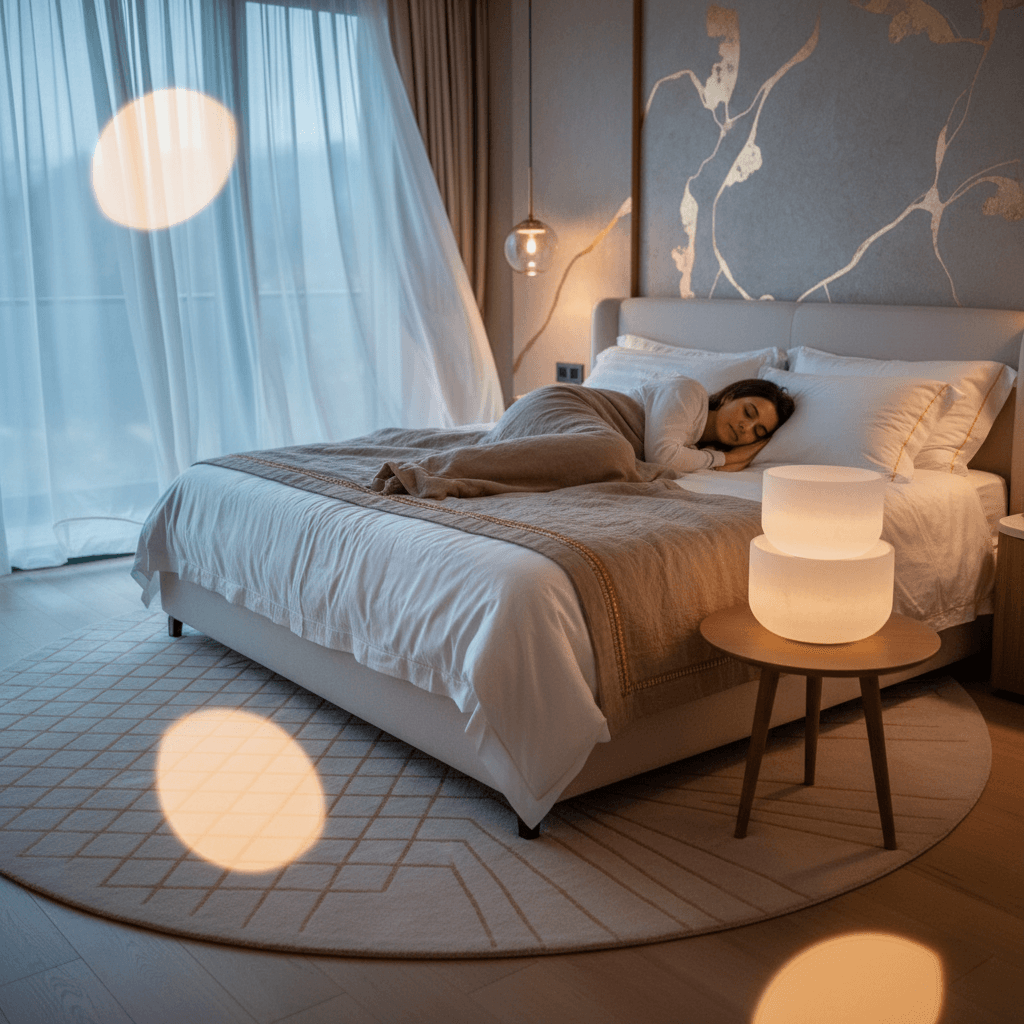
- Optimize Your Sleep Environment: Ensure your bedroom is cool, dark, and quiet. Consider blackout curtains, earplugs, or a white noise machine if needed. A comfortable mattress and pillows are also crucial for physical relaxation.
- Mindful Napping (if applicable): If you choose to nap, keep it strategic. For a boost in alertness, aim for a 20-30 minute power nap. For deeper cognitive benefits like memory consolidation, consider a 60-90 minute nap when your schedule allows, aligning with your chronotype.
- Explore Sound Wellness: Experience the profound relaxation offered by sound baths. The deep vibrations may support your body's transition into restorative sleep states and help to calm a busy mind, making it easier to achieve deep, quality rest.
These practical steps are designed to complement your current lifestyle, providing foundational support for better sleep hygiene. If you're ready to explore a deeper dimension of relaxation and unlock the full potential of your executive rest, we invite you to experience the unique tranquility offered by Soul Art.
In Summary
Optimizing executive sleep is not a luxury, but a strategic imperative for high-performing professionals seeking sustained success and well-being. It goes beyond simply "getting" sleep; it involves a deep understanding of sleep architecture, leveraging the power of restorative stages, and challenging rigid notions of duration. The measurable benefits—from enhanced cognitive processing and reduced biases to increased emotional resilience and creativity—underscore the significant return on investment that quality sleep provides.
By recognizing the cost of poor sleep and embracing practical strategies, including targeted napping and cultivating a supportive sleep environment, executives can transform their performance. Soul Art, under the guidance of Larissa Steinbach, offers a unique and complementary pathway through vibrational sound wellness to guide your nervous system into profound relaxation, supporting deeper, more restorative rest. This holistic approach empowers you to integrate the quiet luxury of optimized sleep into your demanding life, fostering clarity, creativity, and resilience. We invite you to experience the transformative power of sound at Soul Art and rediscover the profound impact of truly restorative sleep.
Bookings Coming Soon
Soul Art is still in preparation. Session details and booking will be published here after launch.
Coming Soon
Wellness Disclaimer: This article is for educational and informational purposes only. It does not constitute medical advice, diagnosis, or treatment. Soul Art Dubai provides non-medical wellness experiences focused on relaxation, stress management, and general wellbeing. Sound wellness is a complementary practice and should not replace professional medical care.
Related Articles
Fan Noise and Sleep: Unmasking the Science Behind White Noise Machines for Deeper Rest
Polyphasic Sleep & Sound Healing: Navigating Restorative Rhythms
REM Rebound: Mastering the Art of Recovering Lost Dream Sleep