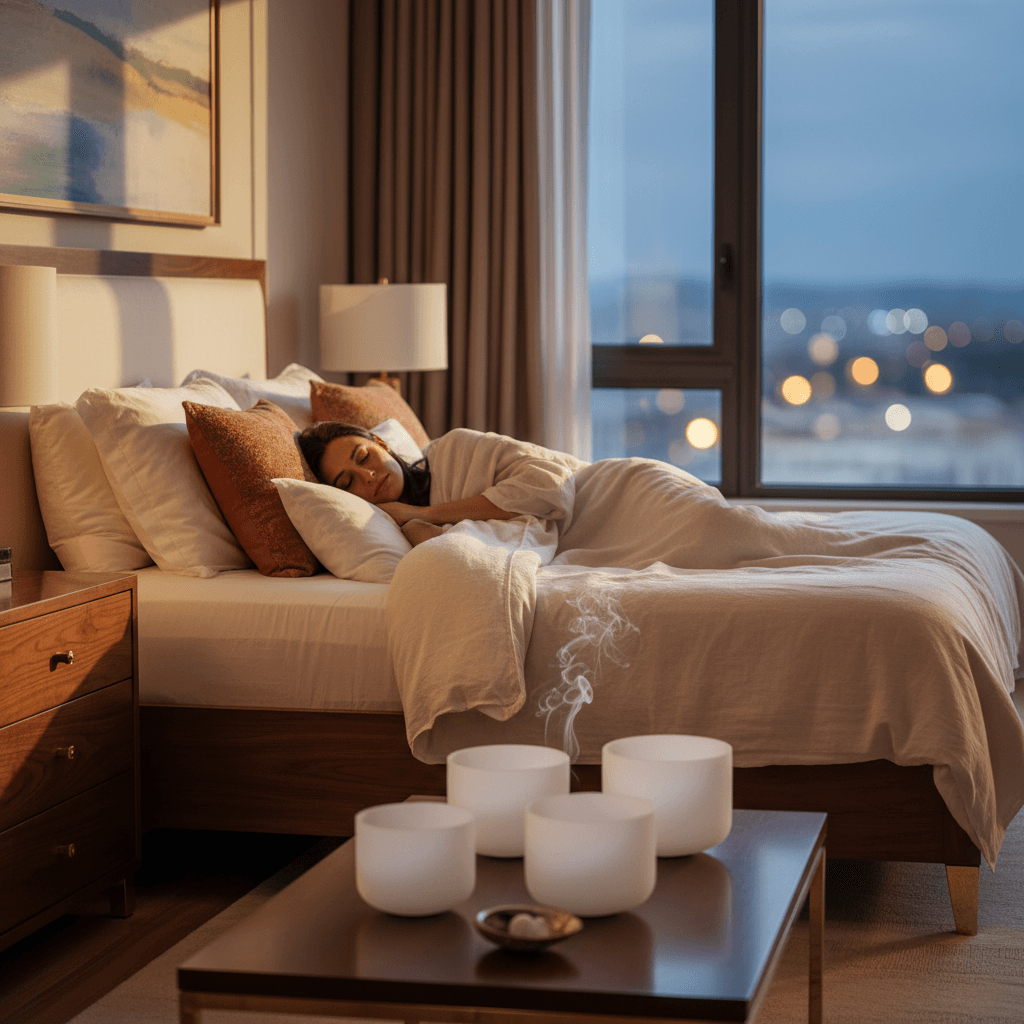
Unlocking Restful Nights: How Sound Wellness Aids Elderly Sleep
Key Insights
Discover how age-related sleep changes impact wellbeing and explore Soul Art's scientifically-informed sound wellness to support deeper rest in seniors.
Unlocking Restful Nights: Addressing Age-Related Sleep Changes with Sound Wellness
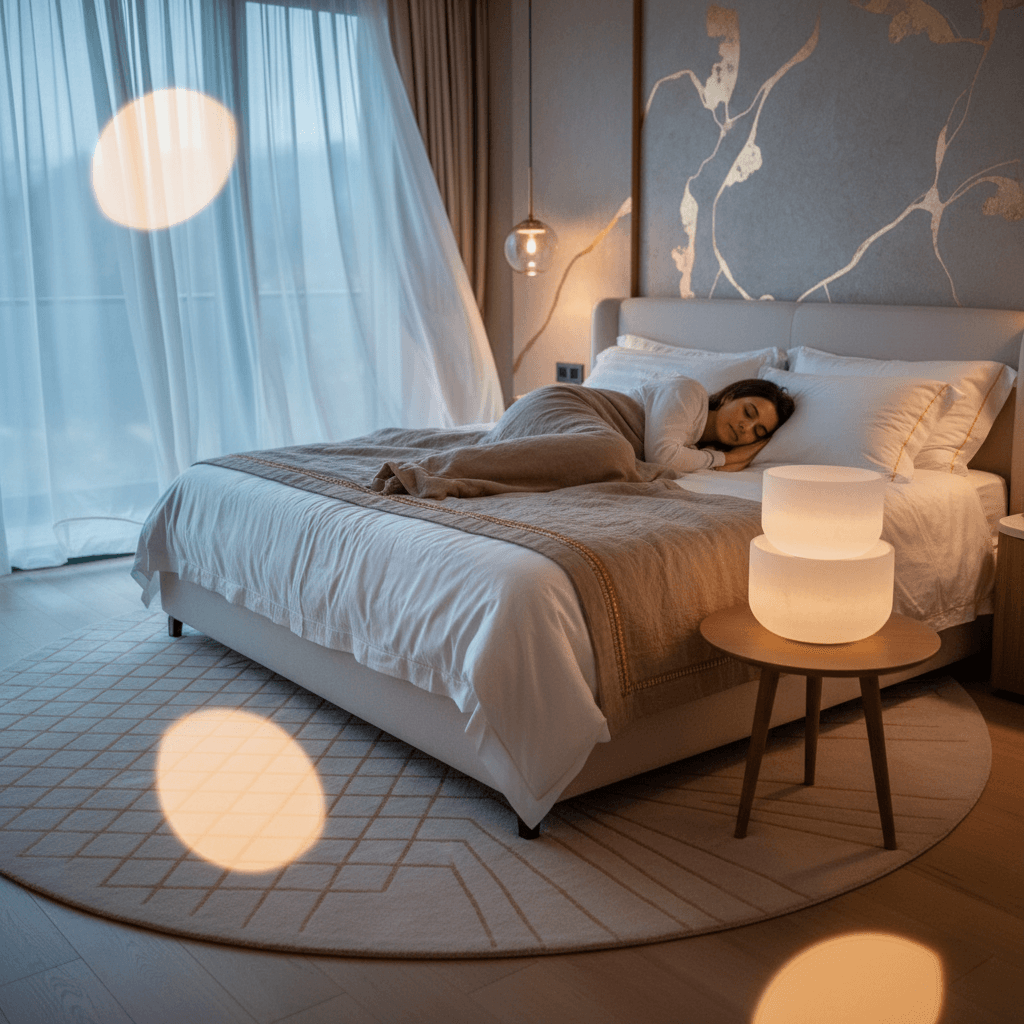
Is a good night's sleep an inevitable casualty of aging, or is there a sophisticated, scientifically-backed approach to reclaim tranquil slumber in our later years? Many older adults grapple with the pervasive belief that fragmented sleep and early awakenings are simply "normal," silently enduring nights of restless tossing and turning. However, extensive research reveals that while sleep architecture undeniably shifts with age, profound, restorative sleep is far from an impossible dream.
This comprehensive guide from Soul Art, led by our visionary founder Larissa Steinbach, delves into the nuanced science of elderly sleep, illuminating the physiological transformations that occur. We will then explore the robust evidence supporting behavioral interventions and, most notably, how the carefully curated world of sound wellness offers a unique, complementary pathway to deeper rest and enhanced overall well-being. Prepare to discover how targeted sound frequencies can gently guide the mind and body towards the serene sleep you deserve.
The Science Explained: Understanding Age-Related Sleep Changes
As the years accumulate, our bodies undergo a myriad of subtle yet significant changes, and the intricate dance of sleep is no exception. It is not merely a matter of wanting to sleep differently; physiological shifts naturally alter our sleep patterns and architecture. Understanding these underlying mechanisms is the first step towards finding effective wellness strategies.
The Evolving Landscape of Elderly Sleep
One of the most notable transformations in older adults is a shift in the body’s circadian rhythms. This internal clock, governed by the suprachiasmatic nucleus (SCN) in the hypothalamus, tends to advance with age. Many older individuals experience this as a "phase advance," finding themselves getting tired earlier in the afternoon and waking up significantly earlier in the morning, sometimes disrupting their desired sleep-wake schedule.
Alongside this, there is a decline in the amplitude of crucial circadian markers, including core body temperature, melatonin, and cortisol. Specifically, a decrease in melatonin secretion at night can contribute to difficulties falling asleep and staying asleep. These changes underscore why the sleep experience in later life often feels distinctly different.
Decoding Sleep Architecture: Less Deep, More Light
Perhaps the most impactful age-related change occurs within our sleep architecture – the cyclical journey through different sleep stages. Compared to younger adults, older individuals spend a higher percentage of their total sleep time in the lighter stages of sleep (N1 and N2). Consequently, there is a notable reduction in the amount of time spent in the deeper, more restorative stages: Rapid Eye Movement (REM) sleep and Slow-Wave Sleep (SWS), also known as deep sleep.
This reduction in deep sleep stages is critical because SWS is vital for physical restoration, cellular repair, and memory consolidation. The elderly often experience increased wake after sleep onset (WASO), meaning they wake up more frequently during the night and for longer durations, leading to fragmented and less restful sleep. While these changes are common, it's important to remember that they are not inherently pathological; however, they do contribute to common sleep complaints.
The Impact of Fragmented Sleep on Overall Well-being
The consequences of consistently poor or fragmented sleep extend far beyond simply feeling tired. Research indicates a significant link between insufficient sleep and accelerated biological aging. One study showed that just a single night of partial sleep deprivation could activate genes related to biological aging in older adults. This underscores the profound connection between sleep quality and the body's cellular health.
Furthermore, disrupted sleep has been associated with an increased risk of chronic diseases and cognitive decline. Studies by the University of California, Berkeley, suggest a particularly strong link between disrupted sleep, especially declines in non-rapid eye movement sleep, and Alzheimer’s disease risk. Sleep impairment is viewed as both a consequence and a potentially modifiable cause of Alzheimer’s progression, highlighting the potential for preventative and therapeutic interventions.
It's crucial to acknowledge that while sleep often becomes more challenging with age, insomnia is not a given with old age. Many sleep problems in older adults are modifiable. Consistently sleeping less than five hours or more than nine hours daily has been linked to an increased risk of mortality, emphasizing the importance of seeking support for optimal sleep duration and quality.
The Robust Science Behind Behavioral Interventions
Given the complexities of age-related sleep changes, scientific evidence robustly supports non-pharmacological behavioral strategies as first-line treatment options for sleep disturbances in older adults. Systematic reviews and meta-analyses of randomized controlled trials consistently demonstrate the efficacy of such interventions. Approaches like Cognitive Behavioral Therapy for Insomnia (CBT-I), sleep hygiene education, stimulus control therapy, and sleep restriction have been shown to significantly improve sleep quality.
These behavioral strategies are celebrated for their safety, efficacy, and ability to improve sleep quality without the side effects often associated with medication. Combining these techniques with lifestyle modifications and stress management can lead to meaningful and durable improvements in sleep, with added benefits such as reduced medication dependence and enhanced overall well-being. Neurophysiological studies further highlight how these behavioral strategies can actively counteract the decline in deep and REM sleep stages, thereby enhancing overall sleep quality and efficiency.
"The true luxury of aging gracefully lies not in denying the passage of time, but in embracing tools that allow us to thrive within its rhythm, especially when it comes to the profound restoration of sleep."
How It Works in Practice: The Transformative Potential of Sound
Bridging the gap between scientific understanding and practical application, sound wellness emerges as a powerful complementary approach, deeply rooted in the principles of behavioral and holistic well-being. It leverages the profound connection between auditory stimuli, brainwave states, and the body's natural relaxation responses. This is where the science of sound meets the art of deep rest.
Harnessing Sound for Sleep Support
The potential of sound to influence sleep, particularly in older adults, is gaining significant scientific attention. Research into auditory deep sleep stimulation offers compelling insights. Studies have shown that applying specific acoustic stimuli, particularly those targeted to the "up-phase" of endogenous slow waves, can actually enhance the amplitude of slow waves. This is critical, as slow waves are the hallmark of deep, restorative sleep (SWS), which often declines with age.
These targeted acoustic stimuli have been observed to boost slow waves not only in younger participants but also in middle-aged and older populations. This enhancement in slow-wave activity has been associated with improved declarative memory consolidation, executive function, and even immune support. The mechanism involves the precise timing of sound to synchronize with the brain's natural oscillatory patterns, thereby encouraging a deeper, more cohesive sleep state.
A Sensory Journey to Tranquility
During a sound wellness session, clients at Soul Art are guided into an environment specifically designed for profound relaxation. The experience often begins with gentle, calming instructions that invite the body to release tension and the mind to quiet its incessant chatter. This initial phase helps to prime the nervous system, preparing it for deeper states of rest.
As the session progresses, a rich tapestry of resonant sounds unfolds. The brain, accustomed to processing information, begins to respond to these carefully selected frequencies. The consistent, harmonious vibrations may encourage the brain to shift from a more active beta wave state (associated with wakefulness and alertness) to calmer alpha and theta wave states, which are conducive to relaxation and pre-sleep. For many, the profound relaxation induced by sound helps to reduce sleep latency – the time it takes to fall asleep – and decreases the frequency of night waking.
The sensory details are paramount: the gentle hum of Tibetan singing bowls, the deep resonance of gongs, the shimmering echoes of chimes, and the subtle vibrations felt throughout the body. These elements combine to create an immersive experience that promotes a sense of safety and serenity. This deep, non-ordinary state of consciousness is where the body and mind can truly let go, potentially leading to more restorative sleep cycles.
The Soul Art Approach: Curating Rest with Larissa Steinbach
At Soul Art, under the expert guidance of Larissa Steinbach, the application of sound for sleep support is an art form rooted in scientific understanding and deep empathy. Our approach goes beyond simply playing sounds; it is a meticulously curated experience designed to address the specific needs of older adults seeking enhanced well-being and more restful sleep. Larissa's vision is to offer a sanctuary where the ancient wisdom of sound meets contemporary research.
Larissa Steinbach's Vision: Harmonizing Science and Soul
Larissa Steinbach, with her profound knowledge and compassionate approach, understands that each individual's journey with sleep is unique. She integrates the scientific principles of brainwave entrainment and the physiological impact of sound with a holistic perspective on well-being. Her method at Soul Art focuses on creating an environment and experience that gently nudges the nervous system towards parasympathetic dominance – the "rest and digest" state – which is essential for deep sleep.
The Soul Art method acknowledges that age-related sleep changes, while common, do not mean sacrificing the quality of rest. Larissa emphasizes the power of intention and the therapeutic potential of specific frequencies to encourage the body's natural ability to self-regulate and find balance. She carefully crafts each session to be both scientifically informed and deeply nurturing, providing a sophisticated yet accessible pathway to relaxation.
Unique Instruments and Tailored Experiences
What truly sets the Soul Art approach apart is the deliberate selection and masterful use of a diverse array of therapeutic instruments. These are not random sounds but carefully chosen tools, each with its unique vibrational signature and ability to elicit specific physiological responses.
Larissa often incorporates:
- Himalayan and Crystal Singing Bowls: Their pure, sustained tones and rich overtones create profound resonance that can be felt throughout the body, facilitating deep cellular relaxation.
- Gongs: The expansive, immersive vibrations of gongs are particularly effective at inducing theta and delta brainwave states, which are associated with deep meditation and restorative sleep. Many clients report a sense of profound release and calm during gong baths.
- Chimes and Koshi Bells: Their delicate, ethereal sounds add layers of subtle beauty, often promoting mental clarity and a sense of peaceful serenity, preparing the mind for a graceful transition into rest.
- Monochords and specialized resonance tools: These instruments are chosen for their capacity to create sustained, harmonic frequencies that may support the body's natural rhythms and encourage a sense of internal alignment.
Each session at Soul Art is more than just a sound bath; it is a guided journey designed to create an optimal physiological and psychological state for relaxation. The goal is to reduce mental chatter, release physical tension, and encourage the brain to enter the slower wave patterns conducive to deep and restorative sleep. This personalized, intentional approach distinguishes Soul Art as a leader in sound wellness for a diverse clientele, including older adults.
Your Next Steps: Embracing a Pathway to Better Sleep
Understanding the science behind age-related sleep changes and the potential benefits of sound wellness is the first step. The next is to empower yourself with actionable strategies that can profoundly impact your sleep quality and overall well-being. Remember, small, consistent changes can lead to significant improvements over time.
Here are some practical steps you can integrate into your routine:
- Prioritize Sleep Hygiene: Establish a consistent sleep schedule, even on weekends. Ensure your bedroom is dark, quiet, and cool. Avoid heavy meals, caffeine, and alcohol, especially close to bedtime.
- Integrate Mindful Movement: Gentle exercise, such as walking or yoga, during the day can significantly improve sleep quality. Aim for at least 30 minutes most days, but avoid intense workouts too close to bedtime.
- Cultivate a Bedtime Ritual: Dedicate the hour before sleep to calming activities. This could include reading, a warm bath, gentle stretching, or listening to soothing music. This signals to your body that it's time to wind down.
- Explore Sound-Based Relaxation: Experiment with calming soundscapes or dedicated sound wellness practices at home. Pay attention to how different frequencies and tones make you feel. Consider guided meditations that incorporate sound.
- Experience Professional Sound Wellness: For a truly immersive and professionally guided experience, explore a session at Soul Art. Our expertly curated sound journeys are designed to support deep relaxation and may help to recalibrate your nervous system, guiding you towards more restorative sleep.
Reclaiming restful nights is a journey, not a destination. By embracing scientifically informed wellness practices and exploring the profound potential of sound, you can unlock a deeper, more rejuvenating sleep experience.
Bookings Coming Soon
Soul Art is still in preparation. Session details and booking will be published here after launch.
Coming Soon
In Summary: Reclaiming Rest and Vitality
While aging introduces natural shifts in sleep architecture, it does not necessitate a future of poor sleep. We've explored how a decline in deep sleep stages, circadian rhythm changes, and increased fragmentation commonly affect older adults, impacting overall health and cognitive function. Crucially, scientific evidence champions non-pharmacological behavioral strategies as highly effective first-line interventions.
Soul Art, under the visionary leadership of Larissa Steinbach, offers a sophisticated and complementary approach through sound wellness. By leveraging precisely chosen instruments and intentional soundscapes, we aim to guide your brain into restorative states, potentially enhancing deep sleep and fostering profound relaxation. Embracing these wellness practices can support a renewed sense of vitality and well-being, proving that restful nights are an achievable luxury at any age.
Wellness Disclaimer: This article is for educational and informational purposes only. It does not constitute medical advice, diagnosis, or treatment. Soul Art Dubai provides non-medical wellness experiences focused on relaxation, stress management, and general wellbeing. Sound wellness is a complementary practice and should not replace professional medical care.
Related Articles
Fan Noise and Sleep: Unmasking the Science Behind White Noise Machines for Deeper Rest
Polyphasic Sleep & Sound Healing: Navigating Restorative Rhythms
REM Rebound: Mastering the Art of Recovering Lost Dream Sleep